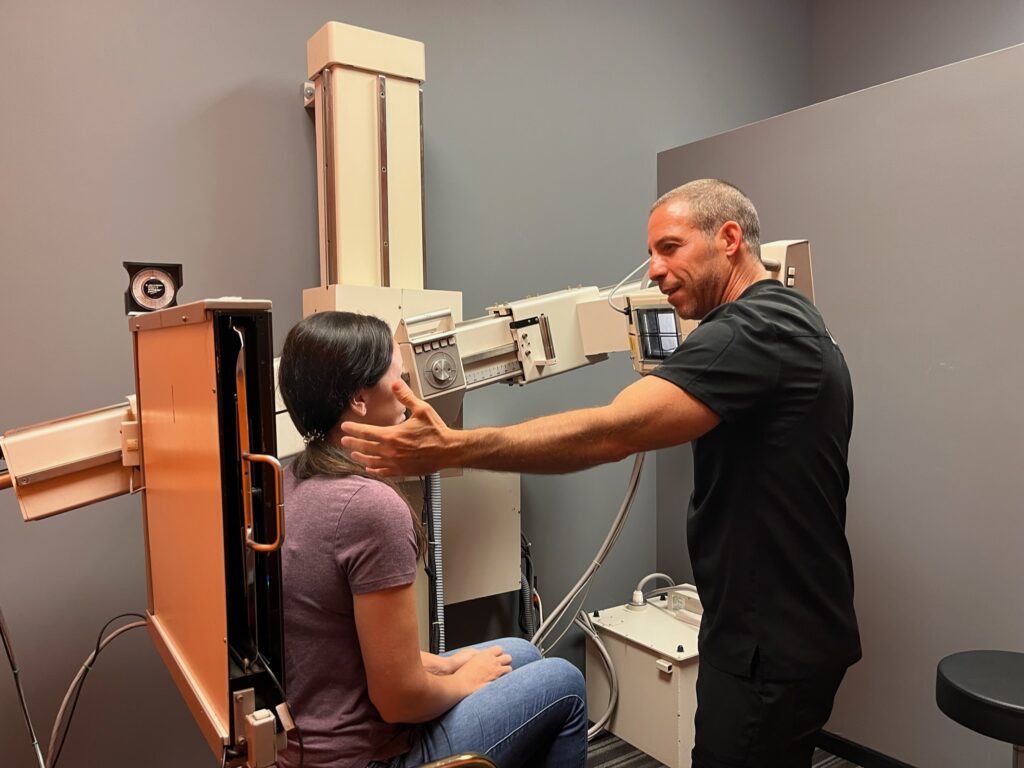

If you're experiencing lower back pain, know that you're not alone, and I'm here to help you navigate through effective relief options. As a local chiropractor, I want to introduce you to the unique benefits of chiropractic care and other natural healing methods. You may have heard about treatments like physical therapy, yoga, and acupuncture, but chiropractic care specifically focuses on the alignment of your spine and overall musculoskeletal health, which can be crucial for pain management.
Understanding which treatment options align best with your lifestyle is key to your recovery. As you explore these possibilities, you may find that chiropractic adjustments resonate with you, providing a more personalized approach to alleviating your pain. My goal is to educate you on how these methods can work together to offer lasting relief. Let's discuss how chiropractic care can be an integral part of your journey toward a pain-free life!
Physical Therapy
Chiropractic care presents an effective and natural approach to addressing lower back pain through comprehensive assessments and personalized treatment plans. By choosing chiropractic care, you're taking an important step toward understanding your body and how it functions. A licensed chiropractor will evaluate your condition, pinpointing the underlying causes of your pain and creating a customized program to tackle those specific issues.
During your visits, you'll participate in a variety of techniques designed to enhance spinal alignment, strengthen your core, and improve overall flexibility and mobility. These methods not only address the lower back but also focus on surrounding muscle groups, ensuring a holistic strategy for pain relief.
You'll be guided on how to perform movements safely and effectively, which helps to lower the risk of further injury. Your chiropractor may also use manual adjustments, which involve precise manipulation of your spine and joints to relieve pain, reduce tension, and improve your body's function. This hands-on approach can be especially beneficial for releasing tight areas and increasing blood circulation to the affected regions.
Moreover, you'll receive essential education on proper posture and lifestyle choices, empowering you to make adjustments that can further alleviate your discomfort. As you continue with chiropractic care, you'll likely experience noticeable improvements in strength and range of motion, leading to a gradual decrease in pain.
The objective of chiropractic treatment isn't merely to provide temporary relief; it's about equipping you with the knowledge and tools to effectively manage your lower back pain over time. By committing to this natural healing process, you're investing in your health and overall well-being.
Medication Options
As a local chiropractor, I want to help you understand how medication can fit into your journey of managing lower back pain. While there are options available, such as over-the-counter pain relievers, prescription medications, and topical treatments, it's important to recognize that these approaches often address symptoms rather than the underlying causes of pain.
In chiropractic care, we focus on natural healing methods that aim to restore balance and function to your spine and nervous system. By exploring options like spinal adjustments, physical therapy, and lifestyle changes, we can create a comprehensive plan tailored to your needs.
This holistic approach not only alleviates pain but also promotes long-term wellness. Remember, understanding these options—both medicinal and natural—can empower you to make informed decisions about your health.
Over-the-Counter Pain Relievers
If you're experiencing lower back pain and looking for a quick way to find relief, you might consider over-the-counter (OTC) pain relievers as a first step. These medications are easily accessible and can help reduce inflammation and alleviate discomfort without needing a prescription.
Common OTC options include nonsteroidal anti-inflammatory drugs (NSAIDs) such as ibuprofen and naproxen. These medications target the inflammation that often contributes to back pain. Another well-known choice is acetaminophen, which provides pain relief without the anti-inflammatory effects. However, it's important to follow the recommended dosage on the packaging to avoid any side effects.
While these OTC pain relievers can offer temporary relief, I want to emphasize that they aren't a long-term solution. If you find yourself relying on them frequently, it's beneficial to consult with a healthcare professional—like a chiropractor—to uncover any underlying issues and discuss more holistic treatment options. Chiropractic care focuses on the root causes of pain and aims to promote natural healing through adjustments and other techniques.
In addition to medication, incorporating other remedies such as rest, ice, or heat therapy can enhance your relief. It's also essential to be aware of any potential interactions with other medications you may be taking and to consider how existing health conditions might influence your approach to pain management.
Prescription Medications Overview
If you're struggling with persistent lower back pain and over-the-counter options just aren't cutting it, it's important to explore all avenues of relief. As a chiropractor, I want to emphasize the importance of understanding the available options and how they relate to natural healing and chiropractic care.
For many, nonsteroidal anti-inflammatory drugs (NSAIDs) like ibuprofen or naproxen are often the first step in managing pain. They can help reduce inflammation and alleviate discomfort, but relying solely on medications may not address the underlying issues.
If NSAIDs don't provide sufficient relief, stronger medications such as opioids might be considered, but these come with significant risks, including dependency, and are generally not advised for long-term use.
In our practice, we focus on natural alternatives that can complement or even replace the need for medications. For example, muscle relaxants can help if you're experiencing muscle spasms, but chiropractic adjustments and exercises can effectively ease tension and improve mobility without the side effects associated with prescription medications.
Moreover, certain conditions may benefit from a comprehensive approach that includes lifestyle adjustments, physical therapy, and chiropractic care. Techniques like spinal adjustments can help relieve nerve-related pain, often reducing the need for medication altogether.
It's crucial to have an open conversation about your options. If you're considering medications, please discuss potential side effects with your healthcare provider.
However, I encourage you to explore how chiropractic care and natural healing can enhance your overall well-being and possibly lead to lasting relief from your back pain, allowing you to engage more fully in your daily activities.
Topical Treatments Benefits
As a local chiropractor, I often recommend exploring topical treatments as a valuable option for managing lower back pain. These specialized medications, available in forms like creams, gels, and patches, are designed to be applied directly to the skin over the area experiencing discomfort. This targeted approach offers relief right where you need it, while avoiding the systemic side effects that can sometimes accompany oral medications.
One of the standout benefits of topical treatments is their ability to deliver quick relief. Many patients report feeling the effects within just a few minutes, making these treatments particularly useful during acute pain episodes. Plus, they're incredibly convenient to use and can easily fit into your daily routine.
You might find that these topical solutions contain ingredients such as menthol, capsaicin, or NSAIDs, each bringing unique properties to the table for pain relief. For example, menthol provides a cooling sensation that can effectively distract from pain, while capsaicin works by depleting substance P, a neurotransmitter that plays a key role in pain signaling.
Another significant advantage of using topical treatments is that they reduce the risk of gastrointestinal issues or cardiovascular concerns that are often associated with oral painkillers.
If you're looking for a safe, effective, and targeted method to manage your lower back pain, I encourage you to consider incorporating topical treatments into your pain management strategy, alongside the chiropractic care we provide. Together, we can work towards achieving optimal relief and enhancing your overall well-being.
Chiropractic Care
As a local chiropractor, I want to introduce you to the benefits of chiropractic care, especially if you're struggling with lower back pain. My approach focuses on the alignment of your spine and enhancing its overall functionality. During your visit, I'll assess your posture, movement patterns, and any discomfort you may be experiencing. My goal is to restore balance to your spine through targeted adjustments, which can lead to reduced pain and improved mobility.
One of the key techniques I utilize is spinal manipulation. This method involves applying controlled force to specific joints in your spine, which helps improve your range of motion and alleviates pressure on surrounding nerves. Many patients notice immediate relief following these adjustments, although it may take several sessions to achieve lasting results.
In addition to spinal manipulation, I often incorporate complementary treatments such as massage therapy, ultrasound, and electrical stimulation into my practice. These therapies can effectively reduce muscle tension and inflammation, further aiding your recovery.
I may also provide you with personalized exercises designed to strengthen your back and core, which is essential for promoting long-term health and preventing future episodes of pain.
I encourage open communication about your symptoms and any concerns you may have. This collaborative approach ensures that your treatment plan is tailored to your unique needs and goals.
If you're seeking a natural, non-invasive way to manage your lower back pain, chiropractic care could be a valuable addition to your pain relief strategy. Just remember to consult with your healthcare provider before starting any new treatment to ensure it's the right fit for you.
Yoga and Stretching
As a local chiropractor, I often see patients struggling with lower back pain, and I want to share how yoga and stretching can be invaluable in your healing journey.
These practices can enhance your flexibility, strengthen your core muscles, and alleviate tension in your back.
By incorporating specific yoga poses and stretching techniques into your daily routine, you can't only support your chiropractic care but also foster a more holistic approach to your well-being.
Let's delve into the benefits of these practices and explore some effective stretches that can easily complement your chiropractic treatment.
Benefits of Yoga
As a chiropractor, I often recommend incorporating yoga and stretching into your daily routine, especially if you're dealing with lower back pain. These practices can significantly enhance your flexibility, strength, and posture, all of which are crucial in alleviating discomfort. By engaging in various yoga poses, you can specifically target muscle groups that may be contributing to your back pain.
One of the key benefits of yoga is that it promotes better spinal alignment. Proper alignment can relieve pressure on your nerves and intervertebral discs, which is vital for reducing pain. The gentle stretches and movements inherent in yoga also help to increase blood circulation to the affected areas, facilitating recovery and healing.
Additionally, yoga emphasizes deep breathing and mindfulness. These elements aren't only beneficial for your mental well-being but also play a role in reducing physical tension and stress in your body. Lowering your stress levels is particularly important because tight muscles can often intensify pain.
By committing to a consistent yoga practice, you'll develop a heightened awareness of your body. This awareness allows you to recognize activities or postures that may trigger discomfort, empowering you to make adjustments that can prevent further issues.
Effective Stretching Techniques
As a local Chiropractor, I want to share with you how effective stretching can be in relieving lower back pain and enhancing your overall mobility. By incorporating specific stretching techniques into your daily routine, you can alleviate tension, improve flexibility, and strengthen the muscles that support your back, which is essential for maintaining good spinal health.
Let's start with some simple stretches that can make a significant difference. One of my favorites is the cat-cow pose. This stretch promotes spinal flexibility and is easy to do. Begin by getting on all fours. As you arch your back upwards, inhale deeply, and then dip it downwards while exhaling. Hold each position for a few breaths, and feel the gentle movement of your spine.
Another excellent stretch is the child's pose. Kneel on the floor and sit back on your heels, extending your arms forward. This position not only helps you relax but also gently stretches your lower back, relieving any built-up tension.
You might also try the seated forward bend. Sit comfortably with your legs extended in front of you, and slowly reach for your toes, ensuring your back remains straight. This stretch effectively targets both your hamstrings and lower back, promoting flexibility in these critical areas.
Finally, I recommend practicing the supine spinal twist. While lying on your back, bring one knee to your chest and allow it to gently fall to the side. This twist can help release tension in your spine and promote greater mobility.
By regularly integrating these stretches into your routine, you can effectively manage and prevent lower back pain. Remember, your body is designed to move, and stretching is a natural way to support your spine and overall health.
If you have any questions or would like personalized advice, feel free to reach out. Your journey towards a healthier back starts with simple, mindful movements!
Acupuncture Treatments
As a local chiropractor, I want to share with you an alternative approach to managing lower back pain that has been used for centuries: acupuncture. This practice, rooted in traditional Chinese medicine, involves the insertion of thin needles into specific points on the body to promote healing and restore balance.
Acupuncture can be particularly beneficial for alleviating lower back pain. By stimulating these points, it helps reduce inflammation, enhances circulation, and triggers the release of endorphins, which are your body's natural pain-relieving chemicals. This holistic method can complement chiropractic care, as both aim to improve your overall health and well-being.
If you're considering incorporating acupuncture into your treatment plan, it's essential to seek a certified acupuncturist who can evaluate your condition and develop a personalized approach tailored to your needs.
During an acupuncture session, you may experience a slight prick when the needles are inserted; however, many patients describe feeling a sense of relaxation and renewed energy afterward.
Typically, a course of acupuncture treatment may involve multiple sessions, usually between six to twelve, depending on your specific condition and how well you respond to the therapy. Many individuals notice improvements in pain relief after just a few treatments, while some may benefit from ongoing sessions to sustain their results.
Beyond just pain relief, acupuncture can also support your overall well-being. Many patients find that it reduces stress and anxiety, which can lead to improved sleep and a higher quality of life.
While it may not be the answer for everyone, acupuncture can be an effective addition to your chiropractic care and natural healing journey.
If you're open to exploring alternative therapies, I encourage you to consider acupuncture as part of your comprehensive treatment plan for managing lower back pain. Together, we can work towards achieving optimal health and wellness.
Heat and Cold Therapy
As a chiropractor, I often recommend heat and cold therapy as effective methods for managing lower back pain. These techniques aren't only simple and accessible, but they can also provide immediate relief from discomfort that many of you may be experiencing.
When you apply heat therapy, it works wonders by relaxing and loosening tight muscles, while also increasing blood circulation to the affected area. You can easily incorporate heat into your routine with a hot water bottle, heating pad, or a warm towel. For optimal benefit, I suggest keeping the heat applied for about 15 to 20 minutes. If you're struggling with muscle spasms or stiffness, heat can be particularly beneficial.
On the other hand, cold therapy serves a different purpose. It can numb the painful area and reduce inflammation, making it an excellent choice for acute pain or injuries. You can use an ice pack or even a bag of frozen vegetables wrapped in a towel. Just like with heat, apply it for about 15 to 20 minutes, and be sure to take breaks in between to avoid frostbite.
You might also find that alternating between heat and cold can enhance your overall relief. Start with cold therapy to tackle any swelling, then transition to heat to facilitate healing.
It's crucial to listen to your body during this process. If one method feels more effective for you than the other, trust your instincts.
Massage Therapy
As a local chiropractor, I want to share how massage therapy can be an effective complement to your overall wellness, especially when it comes to alleviating lower back pain.
There are various techniques, such as deep tissue massage and trigger point therapy, that specifically target areas of tension to promote relief and enhance your body's natural healing process.
By understanding these methods and their unique benefits, you can make informed decisions about the best approach to support your recovery and maintain a healthy spine.
Let's explore how these techniques can work alongside chiropractic care to help you achieve optimal health.
Types of Massage Techniques
As a local chiropractor, I want to share some insights on how various massage techniques can provide effective relief for lower back pain. Understanding these options can empower you to make informed decisions about your wellness journey.
One of the most widely recognized techniques is Swedish massage. This method employs long, gentle strokes and kneading to help relax your muscles and enhance circulation. It's an excellent choice for those seeking a soothing experience.
For individuals needing something more profound, deep tissue massage is a fantastic option. This technique focuses on the deeper layers of muscle and connective tissue, specifically targeting chronic tension that may be contributing to your discomfort.
Another approach that many find beneficial is trigger point therapy. This method hones in on specific tight areas within your muscles. By applying targeted pressure to these points, it can help alleviate pain and restore your mobility, making daily activities much easier.
If you engage in sports or physical activities, you might consider sports massage. This technique is specifically designed for athletes and emphasizes muscle recovery and injury prevention, ensuring that your body performs at its best.
Lastly, myofascial release is an effective technique that focuses on the fascia, which is the connective tissue surrounding your muscles. It involves gentle stretching and pressure to release tightness, improving your overall movement and flexibility.
I encourage you to explore these techniques to find which ones resonate with you. Together, we can create a personalized plan to address your lower back pain and support your journey towards better health and natural healing.
Benefits for Pain Relief
As a local chiropractor, I want to share how various massage techniques can be instrumental in alleviating lower back pain while also providing a host of benefits for overall pain relief.
When you incorporate regular massage therapy into your wellness routine, you may notice a significant reduction in muscle tension and an improvement in circulation. This enhanced blood flow is key—it helps deliver vital nutrients to your muscles and aids in flushing out toxins, which can promote faster recovery.
Another important aspect of massage is its ability to stimulate the release of endorphins, which are your body's natural pain relievers. This biochemical response not only helps lift your mood but also reduces your perception of pain, making it an effective tool in pain management.
Many of my patients report that with consistent massage sessions, their stress levels decrease, leading to a more relaxed state that's crucial for managing pain.
Furthermore, regular massage can greatly improve your flexibility and range of motion. This increased mobility isn't just about feeling better; it also plays a crucial role in preventing future injuries and reducing the likelihood of recurring back pain.
The therapeutic touch provided during massage offers a sense of comfort and connection that can enhance your overall well-being.
By making massage therapy a priority in your health regimen, you're not only seeking immediate relief but also investing in long-term health benefits. It's an essential part of any comprehensive back pain management strategy.
As a chiropractor, I encourage you to explore the benefits of massage alongside chiropractic care for a holistic approach to your pain relief and overall wellness.
Herbal Remedies
As a local chiropractor, I want to share with you some natural approaches to alleviating lower back pain that can complement your overall wellness journey. Many of my patients have found relief through herbal remedies, which harness the power of plants to ease discomfort and support healing.
One herb that frequently comes up in discussions is turmeric. Known for its remarkable anti-inflammatory properties, turmeric contains curcumin, an active compound that can help reduce pain and swelling in the body. You can easily incorporate turmeric into your diet by adding it to your meals or taking it in supplement form.
Another herb worth considering is ginger. With its own anti-inflammatory effects, ginger can help ease pain and enhance circulation. Many of my patients enjoy sipping on ginger tea or adding fresh ginger to their cooking as a flavorful way to reap its benefits.
Have you heard of willow bark? This natural pain reliever has been used for centuries and contains compounds that are similar to aspirin, making it effective for reducing pain and inflammation. You'll find willow bark available in teas or supplements, which can be a great addition to your self-care routine.
Devil's claw is another herb that has shown promise in clinical studies for relieving lower back pain. It can be taken in capsule form or brewed as a tea, providing another option to explore.
Essential oils can also play a role in your pain management strategy. Oils like peppermint and lavender have soothing properties that can be helpful when applied topically or used in aromatherapy. Just remember to dilute them with a carrier oil to prevent skin irritation.
While herbal remedies can offer significant relief, I always encourage my patients to consult with a healthcare professional before starting any new treatment—especially if you're already taking medication.
Ergonomic Adjustments
As a local chiropractor, I want to share some important insights on how making ergonomic adjustments in your workspace can significantly alleviate lower back pain and enhance your overall well-being.
By optimizing your work environment, you can support your body more effectively and minimize unnecessary strain. Here are three essential adjustments you can implement:
1. Chair Height and Support: It's crucial to ensure your chair is set at the correct height, allowing your feet to rest flat on the ground while keeping your knees aligned with your hips.
Using a chair that offers lumbar support is vital for maintaining the natural curve of your spine. If your chair lacks adequate support, consider adding a cushion to enhance comfort and promote better posture.
2. Desk Setup: Your desk arrangement plays a significant role in your comfort. Position your desk so that your elbows are at a 90-degree angle when typing.
Your monitor should be positioned at eye level, approximately an arm's length away, to prevent neck strain. If you utilize multiple screens, it's best to keep your primary monitor directly in front of you to avoid twisting your torso, which can lead to discomfort.
3. Regular Movement: Even the most ergonomic setup can lead to discomfort if you remain in one position for too long.
I recommend setting a timer to remind you to stand up, stretch, or take short walks every hour. This practice will help keep your muscles engaged, promote circulation, and reduce stiffness, ultimately contributing to a healthier spine and reduced pain.
By incorporating these simple changes into your daily routine, you can take proactive steps toward better spinal health and overall comfort in your work environment.
Lifestyle Changes
As a local chiropractor, I want to emphasize that while ergonomic adjustments in your workspace can significantly enhance your comfort, making lifestyle changes is equally crucial in managing lower back pain. Simple tweaks in your daily habits can have a profound impact on your overall well-being and help ease discomfort.
First and foremost, let's talk about posture. It's essential to maintain good posture throughout the day, whether you're sitting, standing, or walking. Proper spinal alignment can prevent unnecessary strain on your lower back. You might find it helpful to set reminders or use apps that prompt you to check your posture regularly.
In addition to posture, I encourage you to incorporate regular physical activity into your daily routine. Engaging in low-impact exercises such as walking, swimming, or cycling can help strengthen your core and back muscles, providing better support for your spine. Aim for at least 30 minutes of activity on most days to reap the benefits.
Don't overlook the importance of stretching. Simple stretches can enhance your flexibility and alleviate tension in your back. Focus on stretches that target your hamstrings, hip flexors, and lower back, especially after long periods of sitting. This can create more space in your spine and relieve tightness.
Moreover, it's important to pay attention to your weight. Maintaining a healthy weight can reduce excess pressure on your back, leading to less pain. I recommend a balanced diet that includes plenty of fruits, vegetables, and lean proteins to help you achieve this goal.
Lastly, let's not forget about the value of sleep. Quality rest is vital for your body's recovery process. Consider investing in a supportive mattress and pillow that promote proper spinal alignment. Sleeping on your side with a pillow between your knees can help keep your spine in a neutral position, which can further alleviate discomfort.
Conclusion
As a local chiropractor, I want to share with you some effective treatments that can help alleviate lower back pain and enhance your overall well-being. Chiropractic care focuses on natural healing methods, and incorporating techniques like spinal adjustments, physical therapy, and yoga into your routine can significantly relieve discomfort. It's important to find the right combination of treatments that work for you.
In addition to chiropractic adjustments, I encourage you to consider ergonomic adjustments in your workspace and home environment, as they can play a vital role in preventing strain on your back. Don't overlook the benefits of medication options and alternative therapies such as acupuncture and massage; these can complement your chiropractic care.
By taking a proactive approach to your health and exploring these various treatment options, you can pave the way for a more comfortable, pain-free life. Remember, you have the power to take charge of your back pain relief today!