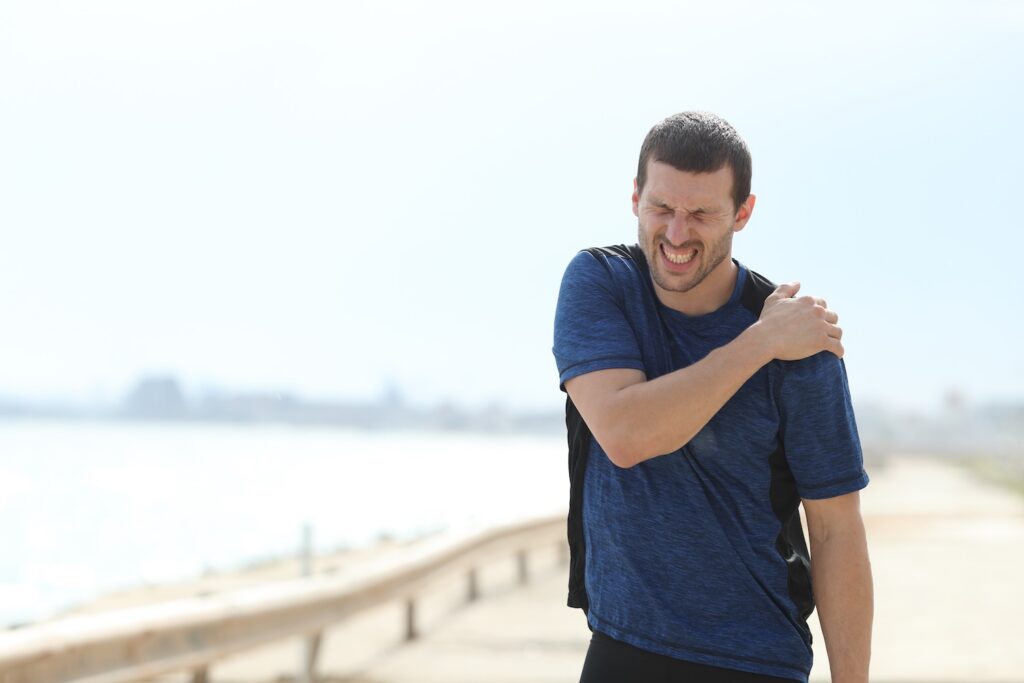

As a local chiropractor, I understand that being sidelined by a sports injury can be a daunting experience, especially when you're eager to return to peak performance. However, there are practical steps you can take to speed up your recovery. The first and foremost is to properly assess your injury using the R.I.C.E. method—Rest, Ice, Compression, and Elevation. This foundational approach is crucial for effective healing.
But there's much more to recovery than just this initial step. As we delve deeper into the healing process, we can explore additional strategies that not only focus on your physical recovery but also address the mental aspects of healing. Chiropractic care plays a significant role in this journey, helping to restore balance and function to your body.
Are you interested in fully optimizing your healing journey? Let's discuss the essential steps and how chiropractic care can support your recovery, ensuring you come back stronger and more resilient than before.
Assess Your Injury Properly
As a local chiropractor, I want to emphasize the importance of properly evaluating your sports injury to ensure a swift and effective recovery. When you experience an injury, it's crucial to assess the situation promptly to gauge its severity.
Start by examining any pain, swelling, or bruising you may have. Identifying the specific location of the pain can provide significant insight into what might be affected.
Pay attention to how your body responds when you attempt to move the injured area. Does it feel stable, or are you met with sharp pain? This information is vital for understanding the nature of your injury.
Next, consider the type of injury you're dealing with. Is it a sprain, strain, fracture, or another type of injury? Knowing the classification can help guide your next steps in treatment.
If you believe your injury is minor, simple self-care methods and rest may suffice. However, if you suspect a more serious issue, it's critical to seek professional medical attention without delay. Persistent pain or swelling should never be overlooked, as they're often indicators that something isn't right.
Monitoring any changes in your condition is also essential. If your symptoms worsen or new ones arise, consulting with a healthcare professional, such as a chiropractor, can provide clarity and direction. Keeping a record of your observations can be beneficial during discussions with your chiropractor or doctor.
Lastly, I urge you not to rush through this evaluation process. Taking the time to assess your injury thoroughly can prevent further complications.
Follow R.I.C.E. Method
As a local chiropractor, I often encounter patients who are unfamiliar with the best practices for managing acute injuries. One of the most effective methods I recommend for recovery is the R.I.C.E. approach, which stands for Rest, Ice, Compression, and Elevation. Each of these components plays a crucial role in alleviating pain and swelling, facilitating your body's natural healing process.
First and foremost, it's essential to rest the injured area. This means avoiding any activities that could worsen your injury, which can extend your recovery time. Allowing your body to rest is vital for healing, as it prevents unnecessary strain on the affected area.
Next, I advise applying ice to the injured site for 15-20 minutes every hour, particularly within the first 48 hours following the injury. Ice is highly effective in reducing swelling and numbing pain. Just a quick tip: always wrap your ice pack in a cloth to prevent frostbite.
The third step involves compression. Using an elastic bandage or a compression wrap around the injury can help control swelling. However, it's important to ensure that you don't wrap it too tightly—this could restrict blood flow and potentially lead to more complications.
Lastly, elevating the injured area above heart level is key. This technique promotes fluid drainage and helps to reduce swelling. You can use pillows or cushions to comfortably support the injured limb while you rest.
Incorporate Physical Therapy
As a local chiropractor, I want to emphasize the significant role that physical therapy can play in your recovery journey after a sports injury. While many are familiar with chiropractic care, incorporating physical therapy into your healing plan can truly amplify the benefits of natural healing.
A skilled physical therapist can create a customized rehabilitation program that aligns with your individual needs, aiding you in regaining strength, flexibility, and overall functionality.
Here are three compelling reasons to consider physical therapy as part of your recovery process:
- Targeted Rehabilitation Exercises: Physical therapists will design specific exercises that focus on strengthening the injured area. This targeted approach not only aids in rebuilding muscle but also enhances joint stability, which is crucial in minimizing the risk of re-injury down the line.
- Effective Pain Management Strategies: Your physical therapist is equipped with a variety of pain management techniques, including manual therapy, ultrasound, electrical stimulation, and therapeutic stretching. These methods can significantly reduce discomfort, allowing for a smoother healing process.
- Comprehensive Education and Support: One of the greatest advantages of working with a physical therapist is the education they provide about your injury. They help you understand the healing process and offer guidance on proper body mechanics and movement patterns to prevent future injuries.
By integrating physical therapy into your recovery plan, you're not only accelerating your healing journey but also empowering yourself with the knowledge and tools to maintain your physical health moving forward.
Understanding your body better will help you take care of it more effectively. So, if you're navigating an injury, I encourage you to consider reaching out to a physical therapist as part of your comprehensive recovery strategy—your body will undoubtedly benefit from it!
Maintain Proper Nutrition
As a local chiropractor, I want to emphasize the importance of proper nutrition in your recovery from sports injuries. When you're healing, your body demands a greater intake of nutrients to support effective recovery. It's crucial to adopt a balanced diet that's abundant in vitamins, minerals, and macronutrients. Prioritize whole foods such as fruits, vegetables, lean proteins, whole grains, and healthy fats.
One key element in your recovery is protein, which plays a vital role in tissue repair. Make sure you're consuming enough protein from sources like chicken, fish, beans, and legumes. Depending on the severity of your injury and your activity level, aim for 1.2 to 2.0 grams of protein per kilogram of body weight.
Additionally, don't overlook carbohydrates; they're essential for energy, especially if you're able to engage in light activities. Whole grains, fruits, and vegetables should become staples in your diet.
Vitamins and minerals are equally important in the healing process. For instance, vitamin C is crucial for collagen production, while zinc helps support your immune system and promotes wound healing. Incorporate foods like citrus fruits, broccoli, nuts, and seeds into your meals for these benefits.
Omega-3 fatty acids, found in fatty fish and flaxseeds, are also beneficial as they can help reduce inflammation in your body.
Hydration is another critical aspect of your recovery. Water is essential for all bodily functions, including the healing process. Aim to drink at least 8-10 cups of water daily, adjusting for your activity levels and the climate you're in.
For those seeking a more tailored approach, I highly recommend consulting with a nutritionist. With the right nutritional strategy, you can effectively fuel your body, accelerate your healing, and return to your sport stronger than before.
Gradually Return to Activity
As you begin to feel better, it's crucial to gradually ease back into physical activity to ensure a safe and effective recovery. Jumping straight into your regular routine can result in setbacks, so it's important to take your time and truly listen to your body.
Here are three steps to help you return to sports safely, with insights from a chiropractic perspective:
1. Start with Low-Impact Activities: Initiate your recovery with gentle exercises that minimize strain on any injured areas. Activities such as walking, cycling, or swimming can help maintain your fitness levels while allowing your body to adapt and heal.
These low-impact options can also promote blood flow and flexibility, essential components of chiropractic care.
2. Increase Intensity Gradually: Once you feel comfortable with low-impact activities, you can start to integrate more vigorous exercises into your routine. Be mindful of your body's feedback.
If you encounter pain or discomfort, it's a signal to slow down and give yourself additional time for recovery. This approach aligns with the chiropractic philosophy of respecting your body's natural healing processes.
3. Set Realistic Goals: Establish short-term, achievable goals to keep your motivation high. Focus on enhancing your strength, flexibility, and endurance without overexerting yourself.
Celebrating small victories along your journey can help you maintain a positive mindset, which is an essential part of holistic health and wellness.
Remember, chiropractic care can support your recovery by addressing any misalignments or restrictions in your body, helping you to regain optimal function and prevent future injuries.
Always consult with your chiropractor as you progress to ensure you're on the right track for a safe return to activity.
Conclusion
As a local chiropractor, I want to share with you five essential steps to help speed up your recovery from sports injuries. First, it's crucial to properly assess your injury and implement the R.I.C.E. method—Rest, Ice, Compression, and Elevation. This foundational step can significantly reduce inflammation and pain.
Next, I highly recommend incorporating chiropractic care into your rehabilitation. Our targeted adjustments and therapies can enhance mobility, alleviate discomfort, and promote healing in the affected areas. Additionally, maintaining a balanced diet rich in nutrients is vital for supporting your body's natural healing process.
Hydration is another key factor—make sure you're drinking enough water to keep your body functioning optimally. Lastly, don't overlook the importance of mental health during this time. Staying positive and focused can greatly influence your recovery journey.
With patience and a commitment to these steps, you'll find yourself returning to your favorite activities sooner than you might expect. Remember, recovery is not just a destination; it's a journey that we can navigate together, one step at a time!