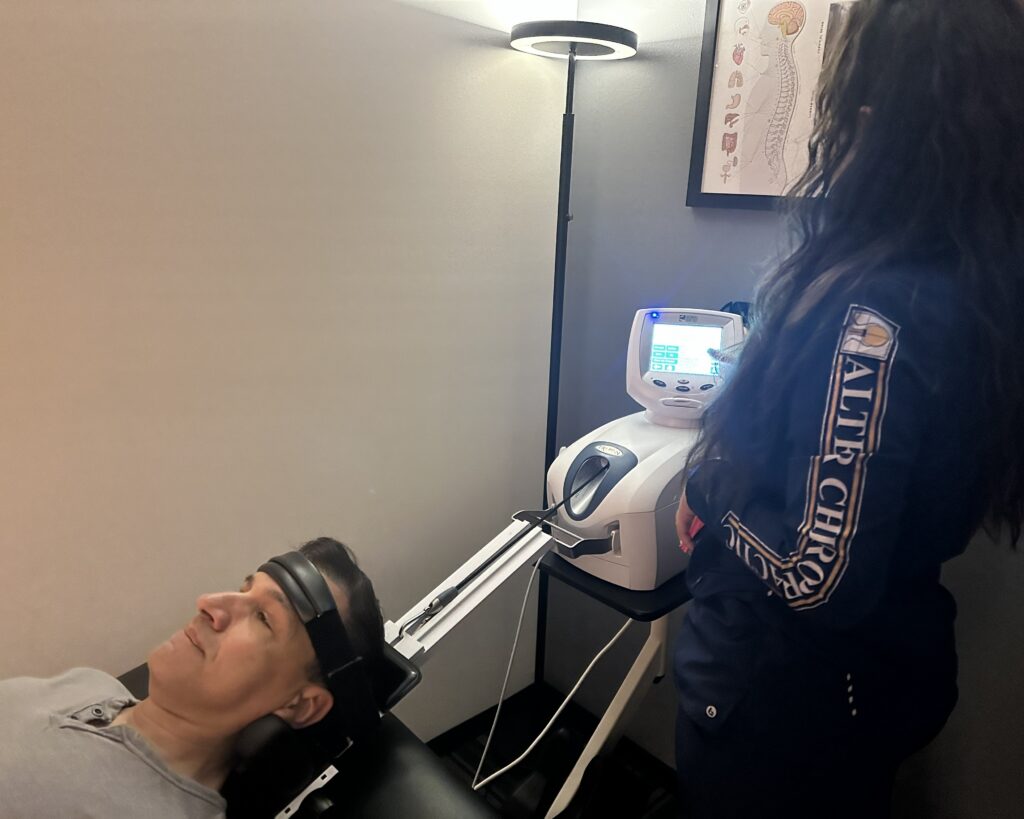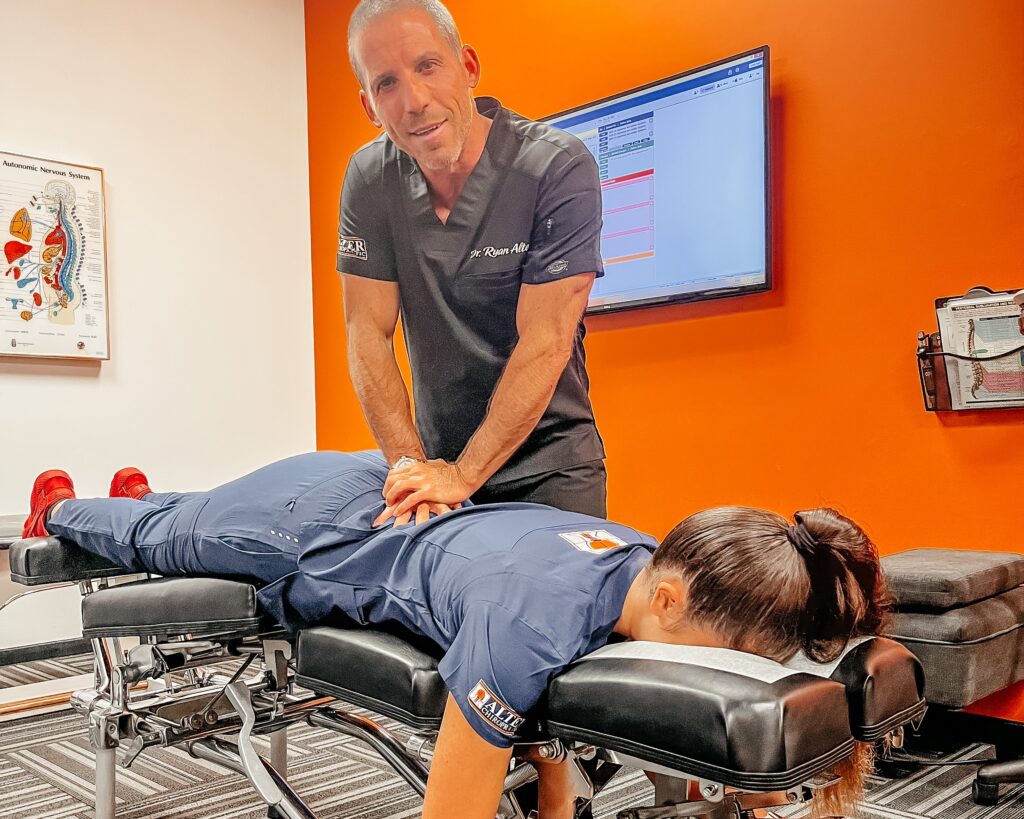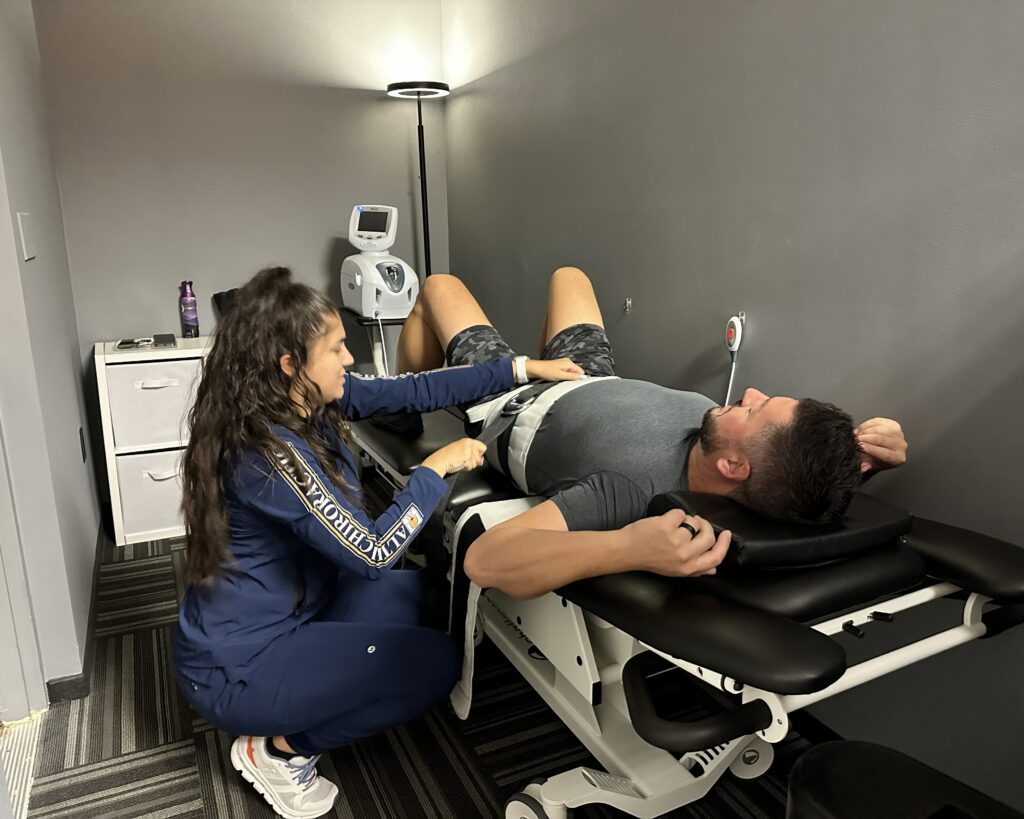

When you face a sports injury, it's crucial to know the variety of treatment options available to guarantee a smooth recovery. You might start with the basics, like RICE, but as you progress, you'll encounter a range of methods from traditional physical therapy to innovative technologies. It's worth considering how each approach fits into your recovery plan, especially when alternative therapies enter the conversation. Understanding these options can greatly impact your return to the field, but what might surprise you is the role preventative measures can play in your overall strategy.
Common Types of Sports Injuries
When you think about sports injuries, a few common types likely come to mind. Sprains are one of the most frequent injuries athletes experience, often occurring when a joint is twisted or stretched beyond its limits. You might've felt a sharp pain in your ankle or knee after a sudden movement; that's a sprain.
Strains, on the other hand, involve the muscles or tendons, typically resulting from overstretching or tearing. You can easily pull a hamstring during a sprint or lift.
Another common injury is tendonitis, which develops when tendons become inflamed due to repetitive movements. If you've ever felt pain around your elbow after throwing a ball repeatedly, you've likely encountered tennis elbow, a type of tendonitis.
Fractures are also prevalent, especially in high-impact sports. A fall or collision can lead to broken bones, which can sideline you for weeks or months.
Lastly, you might think of concussions, which are brain injuries caused by a blow to the head. They're particularly concerning in contact sports like football or hockey. Symptoms like headaches, dizziness, and memory issues often accompany concussions, requiring careful monitoring and rest.
Understanding these common types of sports injuries can help you recognize when to seek treatment or modify your activities. Being aware of your body's signals is vital in preventing further damage and ensuring a quicker recovery.
Knowing what to watch for enables you to take proactive steps in maintaining your athletic performance.
Traditional Treatment Methods
After recognizing common sports injuries, it's important to explore how these conditions are typically treated. Traditional treatment methods focus on alleviating pain, reducing inflammation, and promoting healing.
You'll often find that these methods combine rest, ice, compression, and elevation—commonly referred to as the RICE principle. This approach helps you manage acute injuries effectively and can be your first line of defense.
Here's a brief overview of traditional treatment methods you might encounter:
- Rest: Giving your body time to heal is essential. Depending on the severity of your injury, you may need to avoid sports and physical activities for a few days or even weeks.
- Ice: Applying ice to the affected area can greatly reduce swelling and numb the pain. It's typically recommended to ice the injury for 15-20 minutes at a time, several times a day, especially in the first 48 hours.
- Compression and Elevation: Using a compression bandage can help minimize swelling, while elevating the injured area above heart level aids in reducing blood flow to the injury site.
In addition to the RICE method, over-the-counter pain relievers like ibuprofen or acetaminophen can be beneficial for managing pain and inflammation.
Physical Therapy Approaches
Physical therapy approaches play an important role in the rehabilitation of sports injuries, helping you regain strength, flexibility, and function. When you experience an injury, a physical therapist can design a tailored program to address your specific needs. This personalized approach guarantees you're not just recovering but also enhancing your overall athletic performance.
One effective method involves manual therapy techniques, where your therapist uses their hands to manipulate your muscles and joints. This can help alleviate pain, reduce swelling, and restore mobility.
Additionally, therapeutic exercises are essential. These exercises focus on strengthening the affected area, improving range of motion, and stabilizing your body to prevent future injuries.
Another significant aspect of physical therapy is education. Your therapist will teach you about proper body mechanics, which can prevent re-injury as you return to your sport. They might also guide you in developing a proper warm-up and cool-down routine to protect your body during activities.
Incorporating modalities such as ultrasound or electrical stimulation can also enhance your healing process. These techniques promote blood flow and tissue repair, speeding up recovery.
Medication and Pain Management
When you're dealing with a sports injury, managing pain is essential for your recovery.
You might consider over-the-counter pain relievers for quick relief, but sometimes prescription medications are necessary for more severe pain.
Understanding your options can help you make informed choices about your treatment.
Over-the-Counter Pain Relievers
In the midst of recovering from a sports injury, over-the-counter pain relievers can be your first line of defense against discomfort.
These medications, easily accessible at any pharmacy, help reduce pain and inflammation, allowing you to focus on your recovery without being sidelined by discomfort. Common options include nonsteroidal anti-inflammatory drugs (NSAIDs) like ibuprofen and naproxen, which are effective for managing pain.
When using over-the-counter pain relievers, keep the following in mind:
- Dosage: Always follow the recommended dosage on the packaging to avoid potential side effects.
- Duration: Limit use to short periods; if pain persists, consult a healthcare professional.
- Combination: Don't mix different types of pain relievers without guidance, as this can lead to complications.
Prescription Medications Overview
For many athletes dealing with significant pain from sports injuries, prescription medications can step in as an essential part of their recovery plan. These medications often provide stronger pain relief than over-the-counter options, allowing you to manage your symptoms more effectively as you heal.
Common prescription medications for sports injuries include nonsteroidal anti-inflammatory drugs (NSAIDs), opioids, and muscle relaxants. NSAIDs, like ibuprofen or naproxen, can reduce inflammation and alleviate pain, making them a popular choice.
If your pain is severe, your doctor might prescribe opioids, which provide potent pain relief but come with a risk of addiction, so they're typically used for short durations. Muscle relaxants can help if you're experiencing muscle spasms, helping you regain mobility.
It's vital to follow your doctor's instructions when using prescription medications. They'll consider your specific injury, medical history, and any potential side effects.
While these medications can be effective, they should ideally be part of a broader treatment plan, including physical therapy and lifestyle changes. Always communicate openly with your healthcare provider about your pain levels and any concerns regarding your medication.
Innovative Technology in Recovery
As sports medicine evolves, innovative technology plays a pivotal role in recovery from injuries. You'll find a variety of advanced tools and techniques that help speed up healing, reduce pain, and enhance mobility.
Embracing these technologies not only aids in recovery but also empowers you to return to your sport more resilient than before.
One of the most exciting developments is the use of wearable technology. Devices like smartwatches and fitness trackers monitor your physical activity, heart rate, and recovery progress. This real-time data allows you to adjust your training and rehabilitation plans effectively.
Another game-changing innovation is cryotherapy. This method exposes your body to extremely cold temperatures, reducing inflammation and swelling, which can considerably enhance your recovery process.
Lastly, virtual reality (VR) is being used to create engaging rehabilitation programs. You can immerse yourself in realistic environments that simulate physical activities, making therapy less intimidating and more enjoyable.
Consider these innovative technologies to elevate your recovery experience:
- Wearable Technology: Monitors your progress and helps tailor rehabilitation.
- Cryotherapy: Reduces inflammation and speeds up recovery time.
- Virtual Reality: Makes rehabilitation engaging and enjoyable.
Alternative Therapies and Remedies
When you're dealing with a sports injury, exploring alternative therapies can offer valuable relief.
Techniques like acupuncture, herbal remedies, and massage therapy can enhance your recovery process.
These methods not only target pain but also help promote overall wellness.
Acupuncture for Pain Relief
With its roots in traditional Chinese medicine, acupuncture has gained recognition as a viable option for relieving pain associated with sports injuries. This ancient practice involves inserting thin needles into specific points on the body, stimulating the nervous system and promoting the release of natural painkillers.
Many athletes are turning to acupuncture to help manage pain and enhance recovery.
Here are some benefits of acupuncture for sports injuries:
- Pain Relief: Acupuncture can effectively reduce pain levels, helping you return to your sport faster.
- Improved Circulation: The treatment encourages better blood flow to injured areas, promoting healing and reducing inflammation.
- Enhanced Recovery: Regular sessions may improve your overall recovery time, allowing you to get back to peak performance sooner.
If you're considering acupuncture, it's crucial to find a licensed practitioner experienced in treating sports injuries.
They'll work with you to create a tailored treatment plan, ensuring you get the most benefit from your sessions.
Herbal Remedies Benefits
Exploring alternative therapies for sports injuries, herbal remedies offer a natural approach to pain management and recovery. You might find various plants and extracts that can help alleviate inflammation, reduce pain, and speed up healing.
For instance, arnica is commonly used to treat bruises and muscle soreness; applying arnica gel can provide relief after an intense workout.
Turmeric, with its active compound curcumin, boasts anti-inflammatory properties that may assist in reducing joint pain. You can incorporate it into your diet or take it as a supplement.
Ginger is another excellent remedy; it not only aids digestion but also helps in reducing soreness and swelling.
If you're dealing with strains or sprains, consider using willow bark, which has been used for centuries as a natural pain reliever.
Additionally, the calming effects of chamomile can help with stress management and promote better sleep, essential for recovery.
Before diving into herbal remedies, it's wise to consult with a healthcare professional, especially if you're already on medication.
Using these natural options can complement your recovery process, helping you get back to your favorite activities sooner.
Massage Therapy Techniques
Massage therapy techniques play an essential role in treating sports injuries, offering both relaxation and healing benefits. When you incorporate these techniques into your recovery routine, you can enhance circulation, reduce muscle tension, and speed up the healing process.
Here are three effective massage techniques you might consider:
- Swedish Massage: This technique uses long, flowing strokes to promote relaxation and increase blood flow, which can help reduce soreness and stiffness.
- Deep Tissue Massage: Focusing on deeper layers of muscle and connective tissue, this method targets chronic pain and tension, making it ideal for addressing injuries and rehabilitating after intense physical activity.
- Sports Massage: Specifically designed for athletes, this technique combines various methods to prepare, recover, and maintain peak performance. It addresses specific areas of concern, reducing the risk of injury and improving flexibility.
Preventative Measures for Future Injuries
Preventing future injuries is key to maintaining your athletic performance and overall well-being. To achieve this, you should focus on a few essential strategies that enhance your body's resilience and prepare you for the demands of your sport.
First, prioritize a proper warm-up routine. Spend at least 10-15 minutes engaging in dynamic stretches and sport-specific movements to increase blood flow and flexibility. This helps your muscles and joints adapt to the physical stress they'll encounter.
After your activity, don't skip the cool-down; static stretches can aid in recovery and reduce tightness.
Second, invest time in strength training. Building muscle strength, particularly in areas prone to injury, can provide better support for your joints. Incorporate exercises that target your core, legs, and upper body, focusing on balance and stability.
Next, listen to your body. If you feel pain or discomfort, don't push through it. Ignoring warning signs can lead to more severe issues down the line. Resting and allowing your body to heal is just as important as training.
Lastly, consider cross-training. Engaging in different activities can help prevent overuse injuries by distributing the physical stress across various muscle groups. This approach keeps your workouts fresh and fun while enhancing overall fitness.
Conclusion
In summary, managing sports injuries requires a blend of traditional and alternative treatments tailored to your needs. By understanding the common injuries and exploring effective recovery methods, you can enhance your healing process and get back to the game sooner. Remember to incorporate preventative measures to protect yourself from future injuries. Whether through physical therapy, innovative technology, or holistic approaches, taking proactive steps will help you stay in peak condition and enjoy your favorite sports safely.