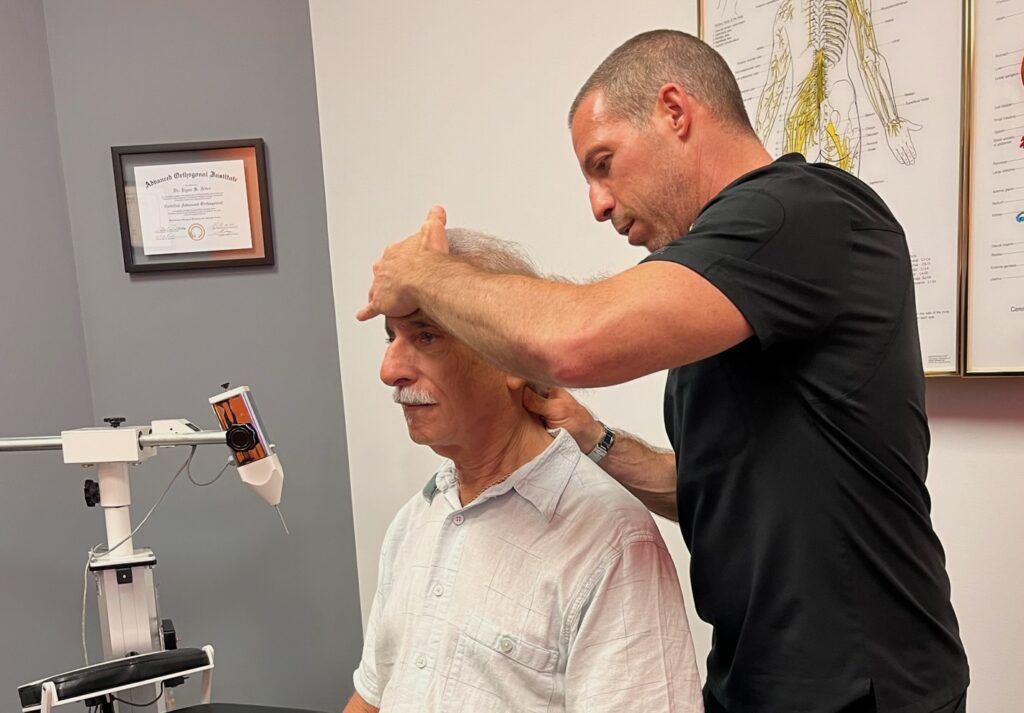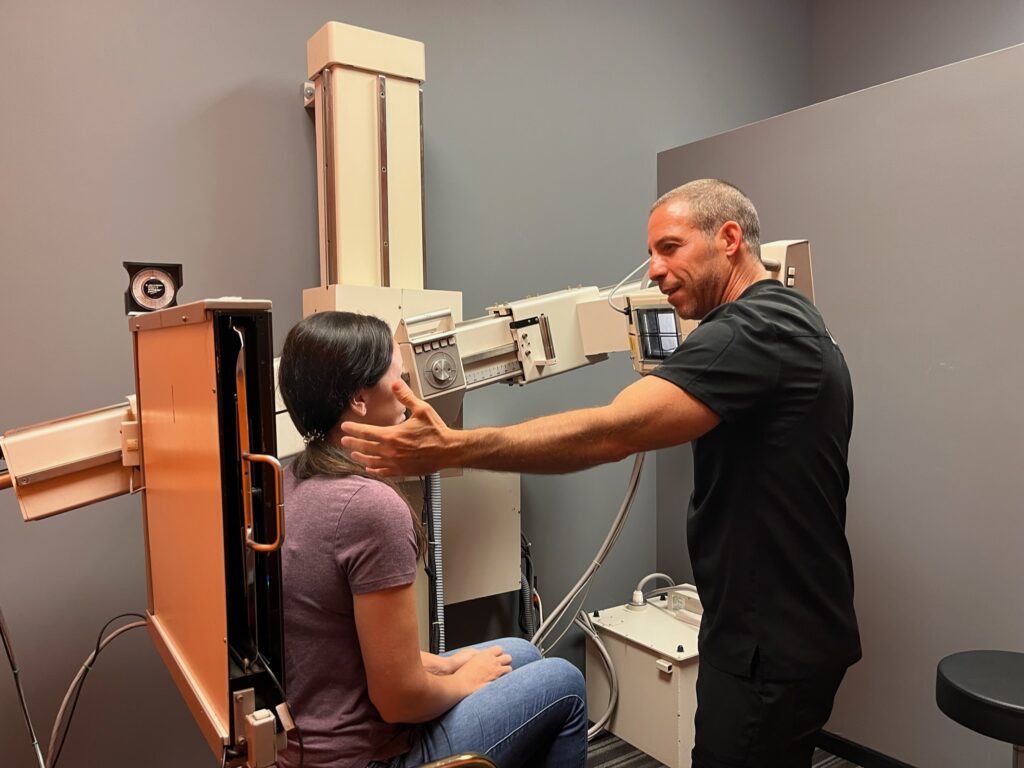

You know your immune system plays a vital role in your overall health, but are you leveraging professional care to enhance its function? By consulting healthcare experts, you can receive tailored advice that goes beyond general wellness tips. These professionals can assess your specific needs and recommend personalized nutrition plans, lifestyle changes, and even advanced diagnostics to boost your immunity. Curious about how these strategies can lead to lasting improvements? Let's explore how a proactive approach can make a significant difference in your health journey.
Understanding Immunity
Understanding immunity is vital for maintaining your health. Your immune system acts as your body's defense mechanism, protecting you from harmful pathogens like bacteria, viruses, and fungi. It's a complex network of cells, tissues, and organs working together to identify and eliminate threats.
When you grasp how your immune system operates, you can make informed choices to enhance its function.
You have two main types of immunity: innate and adaptive. Innate immunity is your body's first line of defense, reacting quickly to infections. It includes physical barriers like skin and mucous membranes, as well as immune cells that respond immediately.
Adaptive immunity, on the other hand, develops over time as your body encounters specific pathogens. This type involves the creation of antibodies that can recognize and neutralize these invaders in the future.
Your lifestyle choices greatly impact your immune function. A balanced diet rich in fruits, vegetables, whole grains, and lean proteins provides the vital nutrients your immune system needs to operate effectively.
Regular physical activity can also boost your immune response by improving circulation and reducing stress. Additionally, adequate sleep is essential, as it allows your body to repair itself and maintain ideal immune function.
Role of Healthcare Professionals
Healthcare professionals play a vital role in boosting your immunity by offering expert guidance on nutrition tailored to your needs.
They can help you understand what foods and supplements will best support your immune system.
Additionally, personalized health assessments give you insights into your unique health profile, ensuring you stay on the right track.
Expert Guidance on Nutrition
When it comes to boosting your immunity, tapping into expert guidance on nutrition can make all the difference. Healthcare professionals, including dietitians and nutritionists, can provide tailored advice that suits your unique needs and lifestyle. They understand how different nutrients affect your immune system and can help you navigate the vast array of dietary information out there.
A strong immune system relies on essential vitamins and minerals, such as vitamin C, vitamin D, and zinc. Your healthcare provider can recommend foods rich in these nutrients, ensuring you get the right amounts. They can also help you identify any food sensitivities or allergies that might be affecting your health.
Moreover, professional guidance can assist you in establishing healthy eating patterns. It's easy to fall into dietary traps, like relying on processed foods or skipping meals. By working with an expert, you'll learn to prioritize whole foods, balance your meals, and incorporate a variety of food groups.
In short, partnering with healthcare professionals for nutritional advice empowers you to make informed choices that strengthen your immune system. So don't hesitate to reach out for the support you need to enhance your health.
Personalized Health Assessments
Receiving personalized health assessments can greatly enhance your journey toward better immunity. When healthcare professionals evaluate your unique health status, they identify specific areas that need attention. This tailored approach allows you to focus on what matters most for your well-being.
During your assessment, professionals may review your medical history, lifestyle choices, and current health challenges. You might discuss your diet, exercise habits, and stress levels. With this information, they can pinpoint potential weaknesses in your immune system and suggest targeted interventions.
These assessments often incorporate advanced diagnostic tools, like blood tests or allergy screenings, ensuring a thorough view of your health. Based on the results, healthcare providers can recommend personalized strategies, such as nutritional adjustments, exercise plans, or stress management techniques.
Personalized Nutrition Plans
Creating a personalized nutrition plan can greatly boost your immunity.
By focusing on tailored nutritional strategies and ensuring you get essential vitamins and minerals, you can enhance your body's defenses.
Plus, integrating these changes into your lifestyle makes it easier to stick with it for the long haul.
Tailored Nutritional Strategies
Your body's immune system thrives on the right nutrients, making tailored nutritional strategies essential for peak health.
With a personalized nutrition plan, you can enhance your diet to support your immune function. Here are some key components to take into account when crafting your strategy:
- Diverse food choices: Include a variety of fruits, vegetables, whole grains, and lean proteins to guarantee a broad spectrum of nutrients.
- Balanced macronutrients: Focus on an appropriate ratio of carbohydrates, proteins, and fats to fuel your body effectively.
- Hydration: Drink plenty of water to help your body flush out toxins and maintain ideal cellular function.
- Meal timing: Reflect on when you eat; regular meals and snacks can keep your energy levels stable and support overall health.
- Listen to your body: Pay attention to how different foods make you feel and adjust your intake accordingly.
Essential Vitamins and Minerals
Nutrients play an essential role in supporting immune function, and specific vitamins and minerals can make all the difference. To bolster your immunity effectively, focus on incorporating essential nutrients into your personalized nutrition plan.
Vitamin C, for instance, is a powerful antioxidant that aids in the production of white blood cells, which are critical for fighting infections. You can find this vitamin in citrus fruits, bell peppers, and leafy greens.
Vitamin D also plays an important role in immune health. It helps regulate the immune system and can be obtained from sun exposure, fatty fish, and fortified foods.
Don't forget about zinc, which supports immune function and helps your body heal. Sources include meat, shellfish, legumes, and seeds.
Additionally, B vitamins, particularly B6, are significant for maintaining a healthy immune response. You can find B6 in poultry, fish, potatoes, and bananas.
As you consider your nutritional choices, aim for a balanced diet rich in these essential vitamins and minerals. Consulting with a nutrition professional can help you create a tailored plan that suits your individual needs and enhances your overall immunity.
Lifestyle Integration Techniques
Often, integrating healthy habits into your daily routine can greatly enhance your personalized nutrition plan. By making small adjustments, you can create a lifestyle that supports your immune system and overall well-being.
Here are some techniques to help you stay on track:
- Plan your meals: Dedicate time each week to prepare nutritious meals. This helps you avoid last-minute unhealthy choices.
- Stay hydrated: Keep a water bottle nearby to remind yourself to drink enough water throughout the day.
- Incorporate snacks: Opt for healthy snacks like nuts, fruits, or yogurt to maintain energy levels and prevent cravings.
- Mindful eating: Focus on your meals by eating slowly and savoring each bite, which can help prevent overeating.
- Set realistic goals: Aim for gradual changes instead of drastic overhauls. Small, achievable goals can lead to lasting habits.
Importance of Regular Check-Ups
Regular check-ups play an important role in maintaining your overall health and boosting your immunity. These appointments provide a valuable opportunity for your healthcare provider to assess your current health status, catch any potential issues early, and guarantee your immune system is functioning at its best. By staying proactive, you can address concerns before they escalate into more significant problems.
During a regular check-up, your doctor can evaluate your vaccination status, recommend necessary immunizations, and discuss lifestyle factors that may impact your immune health. They'll also review your medical history, conduct necessary screenings, and offer personalized advice tailored to your unique needs. This thorough approach guarantees you're not just reacting to health issues as they arise but actively working to prevent them.
Additionally, regular check-ups allow you to establish a strong relationship with your healthcare provider. This connection fosters open communication, making it easier for you to discuss any concerns or changes in your health. When you're comfortable with your provider, you're more likely to seek help when you need it, which is crucial for maintaining strong immunity.
Ultimately, prioritizing regular check-ups is an investment in your long-term health. By taking this proactive step, you empower yourself to make informed decisions about your well-being.
Integrative Approaches to Health
Integrative approaches to health combine traditional medical practices with complementary therapies to create a holistic treatment plan that addresses both body and mind.
By considering multiple aspects of your well-being, you can boost your immunity and enhance your overall health. This approach recognizes that physical, emotional, and social factors all play an essential role in your wellness.
You might be wondering what integrative care looks like in practice. Here are a few key components you can explore:
- Nutritional Support: Eating a balanced diet rich in vitamins and minerals strengthens your immune system.
- Mind-Body Techniques: Practices like yoga and meditation help reduce stress and promote relaxation, benefiting your physical health.
- Herbal Remedies: Some herbs, such as echinacea and elderberry, may support immune function and help ward off illness.
- Acupuncture: This ancient practice can relieve pain and enhance energy flow, contributing to better health.
- Physical Activity: Regular exercise boosts your immune response and improves mood, making it a critical part of your routine.
Stress Management Techniques
Managing stress is essential for maintaining a strong immune system and overall health. When stress levels rise, your body releases hormones like cortisol, which can weaken your immune response. To combat this, incorporating effective stress management techniques into your daily routine can make a significant difference.
First, try deep breathing exercises. Simply inhale deeply through your nose, hold for a few seconds, and exhale slowly through your mouth. Doing this for just a few minutes can calm your mind and reduce anxiety.
Next, consider regular physical activity. Whether it's a brisk walk, yoga, or dancing, moving your body helps release endorphins, which naturally boost your mood and immunity.
Mindfulness and meditation are also powerful tools. Setting aside just 10 minutes a day for mindfulness can help you focus on the present moment and reduce overwhelming thoughts.
Additionally, maintaining a balanced diet rich in fruits, vegetables, and whole grains supports not only your immune health but also your emotional well-being.
Don't forget the importance of social connections. Engaging with friends and loved ones can provide a support system that alleviates stress.
Finally, make sure you prioritize sleep. Aim for 7-9 hours of quality sleep each night, as it's vital for your body to recover and strengthen your immune system.
Vaccinations and Preventive Care
A strong defense against illness often starts with vaccinations and preventive care. By prioritizing these measures, you can greatly enhance your immunity and reduce the risk of serious diseases.
Vaccines work by preparing your immune system to recognize and fight off specific pathogens, while preventive care guarantees you're regularly monitoring your health.
Here's how you can take charge of your health:
- Stay Up-to-Date on Vaccinations: Make sure you're receiving all recommended vaccines for your age and lifestyle. This includes flu shots, tetanus boosters, and others as advised by your healthcare provider.
- Schedule Regular Check-Ups: Routine visits to your doctor can catch potential health issues early, allowing for timely intervention and care.
- Discuss Travel Vaccines: If you're planning to travel, consult your healthcare provider about any vaccines you may need based on your destination.
- Monitor Your Health: Keep track of any changes in your body and report them to your healthcare provider. Early detection can make a world of difference.
- Educate Yourself: Stay informed about vaccine safety and effectiveness. Understanding how vaccines work can empower you to make informed decisions about your health.
Incorporating vaccinations and preventive care into your routine is a proactive step towards safeguarding your health.
Lifestyle Changes for Immunity
Boosting your immunity isn't just about vaccines; your lifestyle choices play a crucial role too. To strengthen your immune system, focus on a balanced diet, regular exercise, and adequate sleep.
Start by incorporating more fruits and vegetables into your meals. These foods are rich in vitamins, minerals, and antioxidants, which can help fend off infections. Aim for a variety of colors on your plate; the more diverse your diet, the better.
Don't forget to include lean proteins, whole grains, and healthy fats to support overall health.
Next, make physical activity a priority. Aim for at least 150 minutes of moderate exercise each week. Regular workouts can enhance circulation, lower stress levels, and improve sleep quality—all of which are essential for a robust immune system.
Choose activities you enjoy, whether it's walking, cycling, or dancing, to make it easier to stick to a routine.
Speaking of sleep, don't underestimate its importance. Aim for 7 to 9 hours of quality sleep each night. Poor sleep can weaken your immune response, making you more susceptible to illness.
Establish a calming bedtime routine, and try to maintain a consistent sleep schedule to improve your rest.
Lastly, manage stress effectively. High stress levels can negatively impact your immunity. Incorporate relaxation techniques, such as mindfulness, yoga, or deep breathing exercises, into your daily life.
Conclusion
Incorporating professional care into your immunity-boosting journey can make a significant difference. By working closely with healthcare experts, you'll receive personalized nutrition plans, regular check-ups, and integrative health strategies tailored just for you. Remember to prioritize stress management, get vaccinated, and adopt healthy lifestyle changes. With the right support and guidance, you can strengthen your immune system and enhance your overall well-being, ensuring you stay healthy and resilient against potential health challenges.