
As a local chiropractor, I want to share some valuable insights on techniques that can significantly enhance your recovery from sports injuries. When you're navigating the healing process, it's essential to consider a variety of natural approaches that can support your body's recovery.
Chiropractic care, for instance, focuses on aligning your spine and improving your overall body mechanics, which can alleviate pain and promote healing. Additionally, incorporating targeted physical therapy techniques tailored to your specific injury can help restore function and strength.
Nutrition also plays a critical role in recovery. Consuming a balanced diet rich in anti-inflammatory foods can aid in healing and help you regain your strength more efficiently.
Moreover, it's important not to overlook the psychological aspect of recovery. Techniques such as visualization and positive reinforcement can help maintain your motivation and mental resilience during the healing process.
So, what specific techniques should you consider for a smoother recovery? Let's delve into some effective options that can truly make a difference in your rehabilitation journey. Together, we can work towards a healthier, pain-free you!
Importance of Recovery Techniques
As a local chiropractor, I want to emphasize the importance of recovery techniques for athletes and even those who are active in daily life, regardless of their skill level or chosen sport. Recovery isn't just a luxury; it's a vital component of physical health that allows your body to bounce back from exertion, prevents injuries, and enhances your overall performance.
When you prioritize recovery, you give your body the necessary time and conditions to heal, adapt, and strengthen.
One fundamental aspect of effective recovery is recognizing that it's not merely about taking a break. Incorporating specific, targeted techniques into your routine is crucial for promoting healing. For instance, active recovery involves engaging in low-intensity activities that stimulate blood flow to your muscles without causing further strain. Simple actions like walking, cycling, or swimming at a leisurely pace can help flush out toxins and alleviate muscle soreness.
Stretching is another vital recovery technique. By integrating flexibility exercises into your routine, you maintain your range of motion and minimize stiffness, which is especially important for those of us who may be sitting for long periods or engaging in repetitive movements.
Consider establishing a stretching routine that targets the major muscle groups you use in your activities.
Hydration can't be overlooked either. Staying well-hydrated is essential for efficient recovery, as water plays a crucial role in nutrient transport and helps prevent cramping. Make sure to drink plenty of fluids, especially after physical activity.
Nutrition is equally critical for recovery. Providing your body with the right nutrients after exercise is key to supporting muscle repair and replenishing energy. Focus on a balanced diet that includes a mix of protein, carbohydrates, and healthy fats to facilitate optimal recovery.
As a chiropractor, I advocate for these natural healing methods, which can complement your recovery and enhance your overall well-being. If you have questions about how to integrate these techniques into your routine, feel free to reach out for personalized advice and support.
Physical Therapy Methods
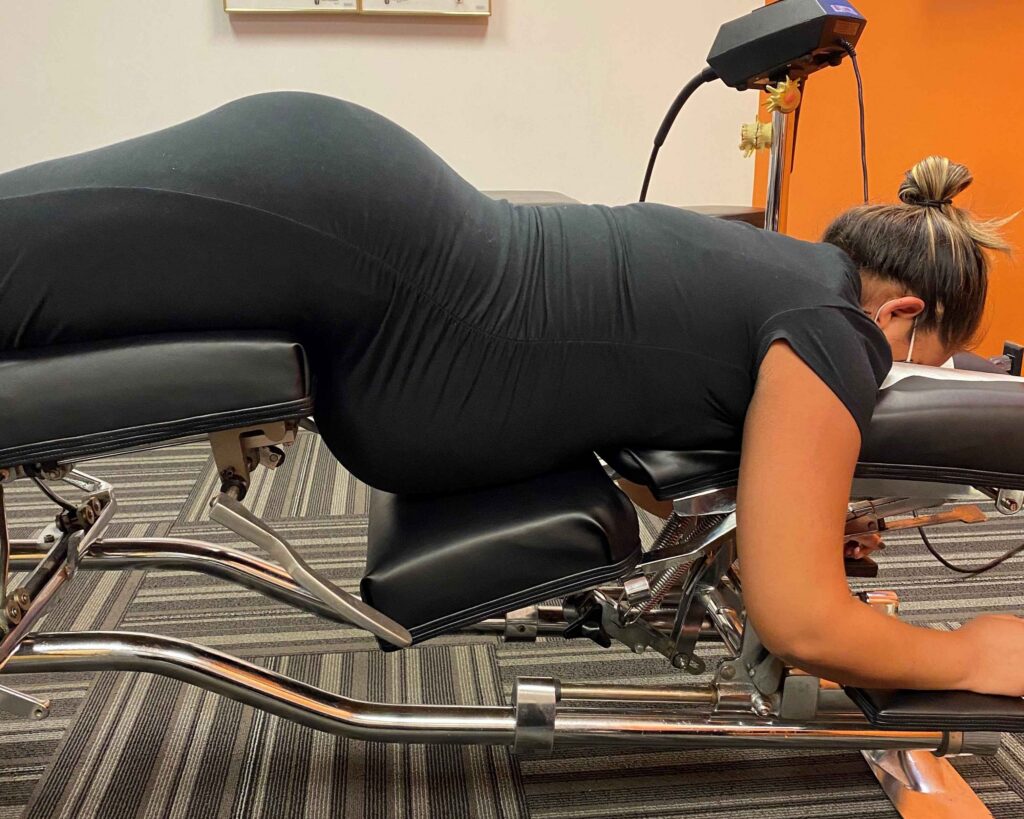
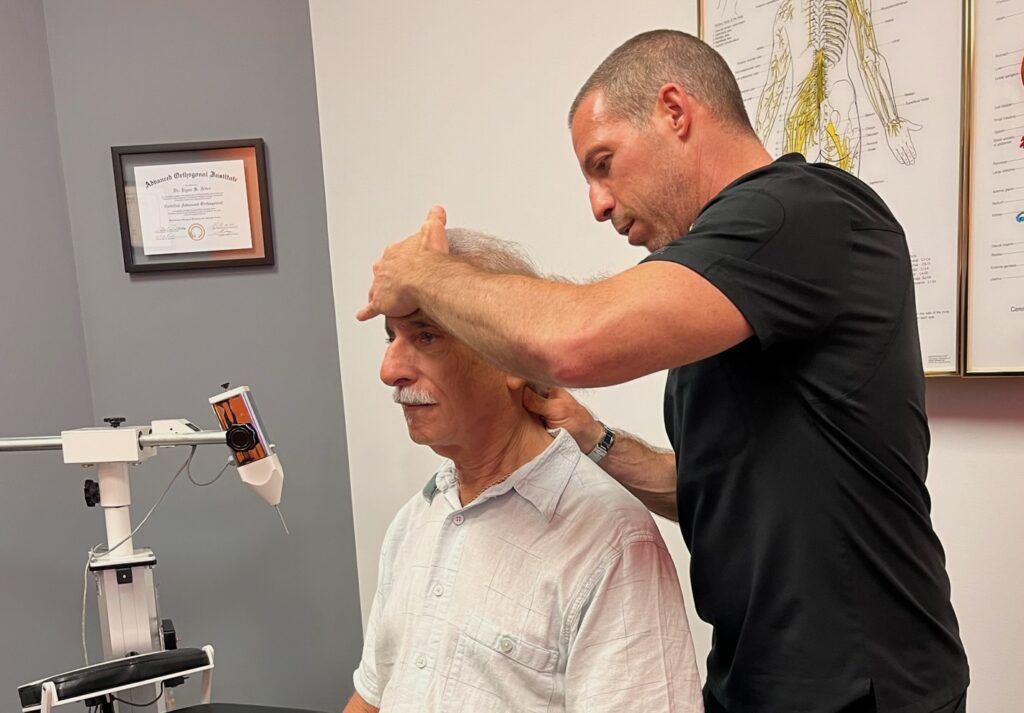
Incorporating chiropractic care into your recovery routine can significantly enhance your healing process. These natural healing techniques are designed to restore movement, strength, and function to your injured areas, allowing you to return to your favorite activities more quickly and safely.
One effective chiropractic technique is spinal manipulation, where a chiropractor uses hands-on adjustments to realign your spine and improve joint function. This can alleviate pain and enhance your range of motion.
Additionally, we often recommend specific therapeutic exercises tailored to your injury. These exercises focus on building strength in the affected area, improving flexibility, and enhancing overall stability.
You may also benefit from other natural modalities such as ultrasound therapy or electrical stimulation. Ultrasound can promote tissue healing, while electrical stimulation can help reduce pain and alleviate muscle spasms.
Furthermore, we may incorporate balance and coordination training to help you avoid re-injury.
Education is a cornerstone of chiropractic care. I'll guide you on proper body mechanics, posture, and movement patterns, which are essential in minimizing the risk of future injuries.
Consistency is vital when it comes to chiropractic care. By committing to your appointments and adhering to my advice, you're likely to experience quicker improvements in your condition.
Role of Nutrition
As a local chiropractor, I want to emphasize the critical role that nutrition plays in your recovery from sports injuries. It's not just about the adjustments and therapies we provide; your diet can significantly influence your healing process.
First, it's important to focus on vital nutrients that support recovery. Foods rich in protein, vitamins, and minerals are essential for repairing tissues and reducing inflammation.
Additionally, staying hydrated is key to ensuring your body functions optimally during recovery. Water aids in nutrient transport and helps flush out toxins, which can enhance your healing.
Timing your nutrient intake is also crucial. Consuming the right nutrients at the right times can maximize their effectiveness and speed up your recovery.
By understanding these principles, you can complement your chiropractic care and improve your healing process, helping you get back to your sport faster.
Essential Nutrients for Healing
As a local chiropractor, I want to emphasize the crucial role that nutrition plays in your recovery from a sports injury. Many people may not realize that the right nutrients can significantly enhance your healing process. To effectively repair tissues and reduce inflammation, your body requires a balanced intake of both macronutrients and micronutrients.
Let's start with protein, which is essential for muscle repair and regeneration. Incorporating sources such as lean meats, fish, eggs, or plant-based options like beans and lentils into your meals can support your recovery.
Equally important are carbohydrates, which provide the energy necessary for healing. Whole grains, fruits, and vegetables can help maintain your energy levels while your body works to heal.
Don't forget about healthy fats, particularly omega-3 fatty acids found in fish, flaxseeds, and walnuts. These fats can help reduce inflammation, which is key to a faster recovery.
Additionally, vitamins and minerals play a vital role in the healing process. For instance, vitamin C is crucial for collagen formation, and zinc is important for tissue repair. To ensure you're getting enough of these nutrients, make sure to include citrus fruits, bell peppers, and various nuts in your diet.
Lastly, antioxidants found in colorful fruits and vegetables help combat oxidative stress that can result from injuries. By focusing on these essential nutrients, you can enhance your recovery process and get back to enjoying your favorite activities sooner.
Hydration's Impact on Recovery
As your local chiropractor, I want to emphasize the vital role that proper hydration plays in your recovery from sports injuries. Many people underestimate how crucial it's to stay well-hydrated, but it can significantly impact your healing process.
When your body is adequately hydrated, it can transport essential nutrients to your injured tissues more effectively, promoting faster recovery. On the other hand, dehydration can slow down your healing, so it's important to prioritize your fluid intake as part of your recovery plan.
Here are a few key reasons why staying hydrated is essential during your recovery:
- Reduces Inflammation: Keeping hydrated helps to minimize swelling and inflammation, which can hinder the healing process and cause discomfort.
- Promotes Circulation: Adequate fluid intake ensures that your blood circulates well, delivering necessary oxygen and nutrients to the damaged areas of your body.
- Supports Joint Health: Staying hydrated keeps your joints well-lubricated, which can reduce pain and improve your overall mobility during recovery.
- Enhances Energy Levels: Proper hydration helps maintain your energy levels, allowing you to engage more effectively in your rehabilitation exercises and activities.
As you recover, remember that hydration is just as important as the right nutrition. Make it a priority to drink plenty of fluids and support your healing journey naturally.
Timing of Nutrient Intake
As a local chiropractor, I want to share some important insights about how the timing of nutrient intake can significantly impact your recovery from sports injuries. Many people may not realize that what you eat and when you eat it can enhance the healing process and reduce the duration of downtime.
After sustaining an injury, one of the most critical nutrients to focus on is protein. Consuming protein within 30 minutes after an injury can help stimulate muscle repair and promote growth. This is a perfect opportunity to incorporate protein-rich foods or supplements into your meals.
Additionally, carbohydrates are crucial for replenishing glycogen stores, which can get depleted during physical activity. I recommend pairing carbohydrates with protein during this recovery window to maximize benefits.
Don't overlook the importance of healthy fats in your diet, as they play a significant role in overall recovery. Incorporating omega-3 fatty acids, found in sources like fish and flaxseeds, can help reduce inflammation and support your healing journey.
Throughout the day, it's also vital to maintain a balanced intake of vitamins and minerals, as these nutrients help bolster your immune system and contribute to overall health.
By understanding and applying these principles of nutrient timing, you can effectively support your body's natural healing processes and enhance your recovery from sports injuries.
Cryotherapy Benefits
As a local chiropractor dedicated to helping patients understand the benefits of natural healing, I want to introduce you to an innovative treatment that many athletes swear by: cryotherapy.
This cutting-edge therapy involves exposing your body to extremely cold temperatures for a brief period, and it has shown remarkable results in aiding sports injury recovery. If you're looking to enhance your healing process, cryotherapy could be a transformative addition to your recovery routine.
Let's explore four significant benefits of cryotherapy that you might find helpful:
- Reduced Inflammation: One of the primary advantages of cryotherapy is its ability to decrease inflammation in injured areas. This reduction can significantly accelerate your recovery, allowing you to get back to your daily activities and exercise routines more quickly.
- Pain Relief: Cryotherapy effectively numbs nerve endings, which translates to immediate pain relief. This can be incredibly beneficial after intense physical activity or during the rehabilitation phase of an injury, making your recovery more comfortable.
- Improved Circulation: After the cold exposure, as your body warms back up, blood circulation increases. This boost in blood flow enhances the delivery of oxygen and essential nutrients to damaged tissues, further supporting your healing process.
- Enhanced Recovery Time: By incorporating cryotherapy into your wellness plan, you may notice quicker recovery times between workouts. This can help you maintain peak performance levels and lower the likelihood of re-injury, keeping you active and healthy.
Integrating cryotherapy into your injury recovery strategy can be a highly beneficial step toward regaining your strength and mobility.
If you haven't experienced cryotherapy yet, I encourage you to consider it for your next recovery session.
Let's explore together how this natural healing method can help you feel better and thrive!
Ultrasound Therapy
As a local chiropractor, I want to share with you the incredible benefits of ultrasound therapy for sports injury recovery. This non-invasive treatment harnesses the power of sound waves to promote healing in damaged tissues, making it an effective option for various injuries that many athletes face.
When you receive ultrasound therapy, high-frequency sound waves penetrate your skin, generating heat and increasing blood flow to the affected area. This enhanced circulation is vital, as it helps deliver essential nutrients and oxygen to the tissues, significantly speeding up the healing process.
You may find ultrasound therapy particularly helpful for conditions like tendonitis, muscle strains, and ligament injuries. By effectively reducing inflammation and alleviating pain, this treatment allows you to regain mobility more quickly.
In fact, many of my patients report feeling relief after just a few sessions, which can be a game-changer when you're eager to return to your favorite activities.
One of the standout advantages of ultrasound therapy is its precision. It targets specific areas without disturbing the surrounding tissues, minimizing discomfort and maximizing your healing potential.
Additionally, ultrasound therapy is often used alongside other treatments, such as physical therapy, to enhance overall recovery outcomes.
If you're curious about how ultrasound therapy can help you, I encourage you to consult with a qualified healthcare provider who specializes in sports medicine or chiropractic care.
Together, we can determine if this treatment is the right fit for your unique injury and develop a tailored plan to get you back to the activities you love.
Massage Therapy
As a local chiropractor, I want to share how massage therapy can play a vital role in your sports injury recovery journey. Many people may not realize the benefits of integrating massage into their healing process, but it can truly make a difference. Not only does massage feel wonderful, but it also aids in healing by enhancing blood circulation to the injured areas.
Whether you're dealing with muscle strains, soreness, or stiffness, massage therapy can be a key component of your recovery strategy.
Here are four significant benefits of adding massage therapy to your recovery routine:
- Enhanced Circulation: One of the primary advantages of massage is its ability to improve blood flow. This increased circulation delivers essential oxygen and nutrients to damaged tissues, which can accelerate healing and help reduce inflammation.
- Effective Pain Management: Massage therapy targets tight muscles and trigger points, providing relief from pain and discomfort. This can be particularly helpful in allowing you to return to your favorite activities more comfortably.
- Greater Flexibility and Mobility: Regular massage sessions can improve your range of motion, making it easier to move freely and perform at your best once you're back in action.
- Mental Well-being: Recovering from an injury can be stressful. Massage therapy not only helps ease physical tension but also promotes relaxation and reduces anxiety, supporting your mental health during recovery, which is crucial for overall healing.
Incorporating massage therapy into your injury recovery process can lead to a more effective and quicker rehabilitation.
I recommend consulting with a certified massage therapist who understands the unique needs of your body. By taking this step, you'll not only expedite your recovery but also empower yourself for a stronger and healthier return to your activities.
Rest and Sleep
As a local chiropractor, I want to emphasize the importance of rest and sleep in your recovery from a sports injury.
Many people may not realize just how crucial these elements are for healing. Quality sleep plays a significant role in your body's natural repair processes, helping to reduce recovery time and enhance overall healing.
By prioritizing both rest and restorative sleep, you can significantly improve your recovery journey and set yourself up for a successful comeback.
Importance of Rest
As a local chiropractor, I want to emphasize the crucial role that rest plays in your recovery from sports injuries. When you experience an injury, your body needs time to heal and repair itself, and incorporating proper rest into your recovery plan is vital. Allowing your body to rest can significantly reduce inflammation and prevent further damage.
Here's why prioritizing rest is essential during your healing process:
- Muscle Repair: Resting is fundamental for your muscles to recover from strains and tears. It enables them to regain strength and flexibility, which is critical for your performance when you return to your sport.
- Energy Restoration: During periods of inactivity, your body can focus on replenishing energy stores. This restoration is essential for overall recovery and helps you regain the vitality needed for your activities.
- Reduced Risk of Re-injury: Ignoring pain or fatigue can lead to re-injury, which can set back your progress. By allowing yourself adequate rest, you can return to your sport stronger and more resilient, minimizing the chances of further injury.
- Mental Recovery: Recovery isn't just physical; it also involves your mental well-being. Taking time off to rest can alleviate stress and improve your mental outlook, both of which are crucial for a successful recovery journey.
Incorporating sufficient rest into your recovery strategy can profoundly affect your healing process and help you return to your sport with renewed confidence.
Sleep's Healing Benefits
As a local chiropractor, I want to emphasize the importance of incorporating quality sleep into your recovery plan. Sleep isn't just a luxury; it plays a vital role in healing and overall well-being. When you sleep, your body enters a repair mode, releasing growth hormones that aid in the healing of muscles, tissues, and injuries. This restorative process is particularly important for anyone looking to recover quickly, whether you're an athlete or simply managing daily stress.
During deep sleep, your brain works hard to consolidate memories and learning, which can improve your performance when returning to daily activities or sports. Sleep also helps regulate inflammation and stress hormones, which can significantly reduce pain and discomfort during the healing process. If you're not getting enough sleep, your body may struggle to handle the physical demands of recovery.
To enhance your sleep quality, I recommend establishing a consistent bedtime routine. Aim for 7-9 hours of restful sleep each night.
Creating a comfortable sleep environment is key—make your space dark, quiet, and cool to encourage deeper rest. It's also beneficial to limit screen time before bed, as the blue light emitted from devices can disrupt your natural sleep cycle.
Never underestimate the power of a good night's sleep. By prioritizing this essential component of your recovery strategy, you not only accelerate the healing process but also prepare yourself mentally and physically for your return to everyday life or sports.
Let sleep be a vital part of your natural healing journey.
Stretching and Mobility
As a local chiropractor, I want to emphasize the importance of stretching and mobility exercises in your journey toward recovery from sports injuries. These practices aren't just about regaining flexibility; they're crucial for rebuilding strength and ensuring your body functions optimally.
By incorporating a variety of stretching techniques into your routine, you can significantly enhance your healing process and prevent future injuries.
Here are four key benefits of stretching and mobility exercises during your recovery:
1. Improved Range of Motion: Engaging in regular stretching significantly increases the flexibility of your joints, which allows for a greater range of motion. This is essential for getting back to your sport at full capacity and performing at your best.
2. Reduced Muscle Tension: After an injury, muscle tightness is often a common issue. Stretching can help alleviate this tension, making it easier for you to move comfortably and effectively.
By loosening tight muscles, you can reduce discomfort and enhance your overall movement quality.
3. Enhanced Blood Circulation: Stretching not only helps with flexibility but also promotes blood flow to the injured areas. This increased circulation delivers vital nutrients and oxygen that support the healing process, ultimately speeding up your recovery.
4. Better Posture and Alignment: Mobility exercises are instrumental in correcting any imbalances in your body. By ensuring proper posture and alignment, you reduce strain on your muscles and joints, which minimizes the risk of re-injury.
Incorporating a consistent routine of stretching and mobility exercises into your recovery plan can significantly enhance your efforts.
Remember to listen to your body and prioritize these essential practices as you work towards returning to the activities you love.
As your chiropractor, I'm here to guide you through this process and support your journey to natural healing.
Psychological Strategies
Recovering from a sports injury involves more than just physical rehabilitation; it also requires a strong mental approach. As a local chiropractor, I want to emphasize the importance of mindset in your recovery journey. Your mental state significantly influences how quickly and effectively you can regain your strength and return to your sport.
One powerful technique to consider is visualization. Imagine yourself excelling in your sport, performing at your best. This mental imagery not only enhances your confidence but also helps you maintain focus on your recovery objectives. It's a simple yet effective way to stay motivated.
Setting realistic and achievable goals is another crucial strategy. I encourage you to break down your recovery into smaller, manageable milestones. Celebrate each achievement along the way, as this keeps your spirits high and allows you to monitor your progress positively. Remember, every small victory contributes to your overall confidence and dedication to healing.
Incorporating mindfulness practices can also be a game-changer. Techniques such as meditation or deep breathing exercises can help manage the anxiety and stress that often accompany the frustration of being sidelined. By staying present and focused on the moment, you can develop a more optimistic outlook on your recovery.
Don't overlook the importance of social support during this time. Surrounding yourself with friends, family, or teammates can provide the encouragement and motivation you need. Sharing your feelings with those who understand your challenges can lighten your emotional load, making the recovery process feel less daunting.
Finally, consider keeping a journal to reflect on your thoughts and experiences throughout your recovery. Writing can be a therapeutic way to process emotions and track your mental progress.
Monitoring Progress
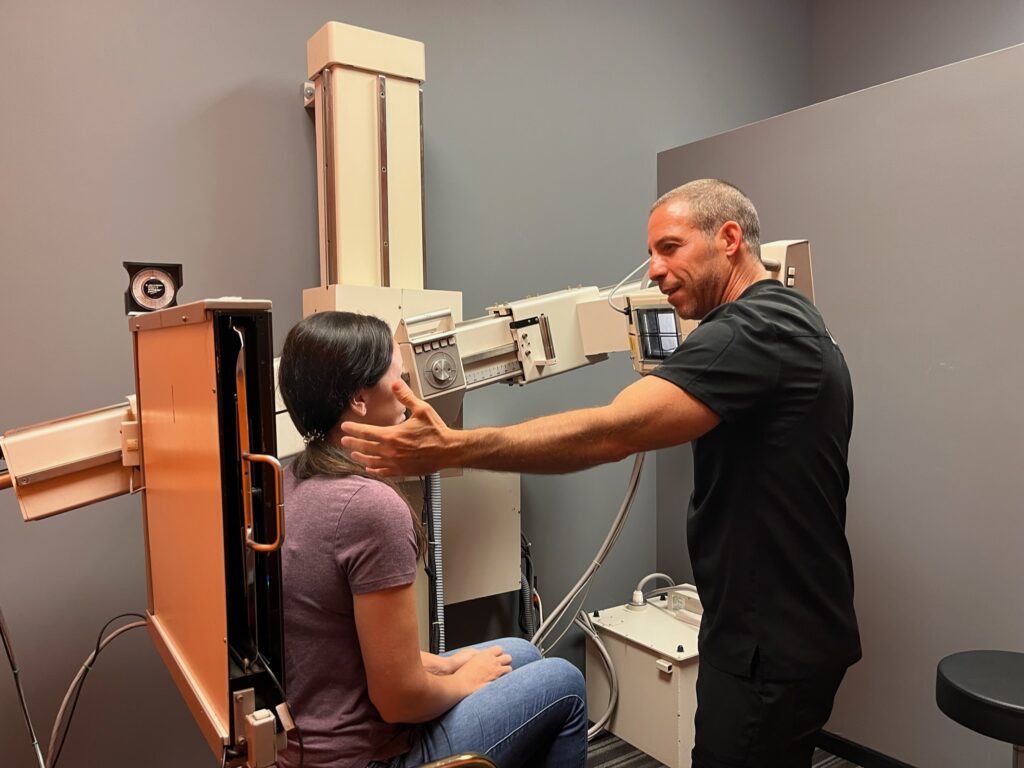
Monitoring your recovery progress is essential for a successful return to sports, and as your local chiropractor, I want to emphasize how important this process is. Regular assessments and evaluations are part of our approach to ensure you stay on track with your healing journey.
By tracking your pain levels, we gain valuable insights into how your body is responding to treatment and where adjustments may be needed.
Additionally, measuring your functional progress is crucial. This means evaluating your strength and mobility to ensure that you're regaining the abilities necessary to perform at your best.
Through chiropractic care, we focus on promoting natural healing and restoring your body's optimal function, which is fundamental for your overall recovery.
Remember, your progress isn't just about feeling better; it's about getting back to doing what you love with confidence and vitality.
Let's work together to monitor and support your recovery every step of the way!
Regular Assessments and Evaluations
As you embark on your journey to recover from a sports injury, it's crucial to understand the importance of regular assessments and evaluations. These check-ins are vital for monitoring your healing progress and ensuring your rehabilitation plan is effective.
Here are four essential components to include in your regular assessments:
- Range of Motion: We'll evaluate your flexibility and mobility over time. Monitoring these changes will help us identify any limitations that may need our attention, ensuring your body is moving as it should.
- Strength Testing: We'll conduct strength evaluations to measure your improvements in the affected area. This ensures that you're regaining the necessary strength to safely return to your sport.
- Functional Movements: We'll include assessments that mimic the specific movements of your sport. This will help us determine your readiness to return to play while minimizing the risk of re-injury.
- Feedback Sessions: Communication is key in your recovery. We encourage you to share your feelings and concerns during our sessions. This open dialogue allows us to make tailored adjustments to your recovery plan, ensuring it meets your unique needs.
Tracking Pain Levels
Tracking pain levels is an essential component of your recovery journey, especially when you're exploring chiropractic care and natural healing. As your chiropractor, I want to emphasize the importance of being aware of how you feel throughout this process. Understanding your pain can provide us with valuable insights into your healing and help us tailor your treatment.
To start, I recommend using a simple pain scale to monitor your discomfort. You can rate your pain from 0 to 10, where 0 indicates no pain at all, and 10 represents the most intense pain you can imagine. This straightforward method will help us communicate effectively about your experience and progress.
I encourage you to make it a daily habit to log your pain levels. Keep track of when the pain occurs, its intensity, and any activities that seem to trigger or ease it. This consistent tracking not only keeps you informed about your healing journey but also helps us identify any patterns that may affect your recovery.
For example, if you notice increased pain after specific movements or exercises, we can adjust your chiropractic care accordingly.
Sharing this information with me during our sessions is crucial. Your pain logs will enable us to customize your treatment plan to better meet your individual recovery needs.
Remember, healing isn't just about addressing physical symptoms; it's about understanding your body and how it responds to various treatments. By actively tracking your pain levels, you're taking an empowered step towards making informed decisions that can lead to a smoother recovery process.
Let's work together to achieve your health goals!
Measuring Functional Progress
As your local chiropractor, I want to emphasize that progress in your recovery journey goes beyond just managing pain levels.
It's crucial to also evaluate your functional capabilities. Understanding how well you're healing involves keeping track of your performance in everyday activities and movements specific to your sport or lifestyle. This will provide you with a comprehensive view of your recovery and empower you to make informed choices about your treatment plan.
Here are some effective techniques we can use together to measure your functional progress:
- Range of Motion Tests: We'll regularly assess your ability to move the injured area through its full range. This helps us identify improvements in flexibility and mobility, which are vital for your recovery.
- Strength Assessments: I'll guide you through resistance exercises to measure your strength. By comparing your current performance to your baseline levels from before the injury, we can see how much you've improved.
- Functional Movement Screens: We'll perform specific movements that are relevant to your sport or daily activities. This screening will help us pinpoint any weaknesses and ensure that you're fully prepared to return to your normal activities.
- Endurance Monitoring: Together, we'll track how long you can engage in specific activities without feeling fatigued. An increase in endurance is a strong indicator that you're making progress in your recovery.
Conclusion
As a local chiropractor, I want to emphasize the importance of using a variety of recovery techniques to effectively overcome sports injuries. By integrating chiropractic care with physical therapy methods, proper nutrition, and psychological support, you can significantly enhance your healing process and regain your strength.
You might be surprised to learn how crucial rest, sleep, and mobility work are in your recovery journey. These elements are essential to allowing your body to heal itself. Chiropractic adjustments, for instance, can restore proper alignment and function, which can alleviate pain and improve mobility, facilitating a quicker recovery.
It's also important to stay proactive about monitoring your progress. With a holistic approach to healing, not only can you speed up your recovery time, but you can also return to your sport feeling stronger and more resilient than before. Remember, chiropractic care is a valuable component of your recovery toolkit that supports your body's natural healing processes.