
If you're experiencing discomfort in your upper back, I want to share how targeted adjustments can be a game changer for you. As a chiropractor, I focus on realigning the spine and relieving muscle tension, which can significantly improve your mobility and overall well-being. It's essential to understand the root causes of your pain, as this knowledge lays the groundwork for effective treatment.
So, what are these specific adjustments, and how can they positively impact not just your pain management but also your daily life? Through gentle manipulations, we can help restore balance to your spine, alleviate discomfort, and promote natural healing. This holistic approach not only addresses your immediate symptoms but also fosters long-term health, allowing you to engage fully in the activities you love. Let's work together to enhance your quality of life!
Understanding Upper Back Discomfort
As a chiropractor, I often see patients who experience upper back discomfort at some point in their lives. This discomfort can manifest as tightness, stiffness, or pain in the area between your neck and lower back. It can range from a mild annoyance to debilitating pain, significantly impacting your daily activities and overall well-being. Understanding the underlying causes of your upper back discomfort is essential for finding effective relief.
Let's start with posture. Many of you may not realize that spending hours hunched over a desk or looking down at your phone can place unnecessary strain on your upper back. Poor posture creates muscle imbalances and tension, which can contribute to your discomfort. I encourage you to be mindful of how you sit and stand throughout the day.
Next, consider your activity level. A sedentary lifestyle can weaken the muscles that support your spine, making you more susceptible to discomfort. On the other hand, overexertion or improper lifting techniques can also lead to strain. It's important to find a balance between movement and rest to maintain your upper back health. Incorporating gentle exercises and stretches can greatly benefit your spine.
Another significant factor is stress. Many patients don't realize that stress can cause your body to tense up, particularly in the neck and shoulders, leading to upper back discomfort. I recommend incorporating relaxation techniques, such as deep breathing exercises or mindfulness practices, into your routine to help manage stress levels.
Lastly, let's talk about your sleeping position. An unsupportive mattress or pillow can exacerbate discomfort. It's crucial to maintain proper sleeping posture to alleviate tension and provide better support for your spine. If you're unsure about what type of mattress or pillow is best for you, I'd be happy to provide guidance.
Common Causes of Pain
As a local chiropractor, I want to help you understand some common factors that may be contributing to the pain you're experiencing in your upper back. One of the primary culprits is poor posture. Many of us spend long hours sitting at desks or hunched over our smartphones, which can lead to muscle strain and discomfort as your body struggles to maintain proper alignment.
If you often catch yourself slouching, you might feel tension building up in your upper back, which can be addressed through adjustments and posture correction techniques.
Muscle overuse is another significant factor to consider. Engaging in activities that involve repetitive movements or heavy lifting without using the right technique can lead to fatigue and soreness in your upper back muscles.
It's important to be mindful of how you lift and carry objects, as improper techniques can cause unnecessary strain. Chiropractic care can provide you with guidance on proper body mechanics to help prevent injuries.
Stress is also a key player in upper back pain. When you're under stress, your body tends to tense up, especially in the neck and shoulder areas, which can radiate into your upper back.
Finding healthy ways to manage stress—like chiropractic adjustments, exercise, or relaxation techniques—can be incredibly beneficial in alleviating this pain and tension.
Injuries from sports or accidents can also lead to upper back pain. For instance, whiplash from a car accident can cause lasting discomfort.
Additionally, conditions such as herniated discs or arthritis may contribute to chronic pain in the upper back area.
Understanding the specific causes of your pain is crucial for effective relief. As your chiropractor, I'm here to help you identify these factors and provide you with proactive steps to address them, ultimately improving your overall comfort and well-being.
Benefits of Targeted Adjustments
As a local chiropractor, I want to share with you how targeted adjustments can significantly improve your mobility and flexibility. Many of my patients find that these adjustments make everyday movements much easier and more enjoyable.
One of the most remarkable benefits is the reduction in pain and discomfort, allowing you to engage in activities you love without hesitation.
Moreover, these adjustments play a crucial role in enhancing your posture alignment, which is essential for your overall health. By addressing misalignments in the spine and joints, we can help your body function more efficiently, leading to a healthier, more active lifestyle.
If you're new to chiropractic care and natural healing, I encourage you to explore how targeted adjustments can transform your well-being.
Enhanced Mobility and Flexibility
As a local chiropractor, I want to share how enhanced mobility and flexibility can significantly improve your daily life, particularly if you're experiencing discomfort in your upper back.
Through targeted adjustments, we work together to restore proper alignment in your spine, which allows your muscles and joints to move more freely. Many of my patients notice a remarkable increase in their range of motion following these adjustments. This newfound flexibility can make everyday tasks, such as reaching for items on high shelves or bending down to tie your shoes, much easier.
Incorporating these targeted adjustments into your routine can also lead to improved posture. When your posture is better, it reduces the strain on your muscles and joints, further enhancing your mobility.
You may also find that with greater freedom of movement, engaging in physical activities you enjoy, such as exercising or playing sports, becomes more accessible.
Additionally, I encourage you to explore new activities that require flexibility, like yoga or dance. The more you move without restrictions, the more you'll be able to fully enjoy life's simple pleasures.
Pain Reduction and Relief
As a local chiropractor, I often see individuals seeking relief from upper back discomfort, and I want to share how targeted chiropractic adjustments can be a powerful tool in your journey toward pain relief. Many people just like you have found significant relief by addressing the root causes of their pain through these specialized adjustments.
When you come in for a visit, I'll use precise techniques to realign your vertebrae. This process helps relieve pressure on nerves and muscles that could be contributing to your discomfort. By focusing on the areas that need the most attention, we can help alleviate tension and reduce inflammation, promoting better overall health.
As your body responds to these tailored treatments, you may notice a decrease in pain levels, making it easier for you to engage in daily activities. Additionally, many of my patients report improved sleep quality as their pain subsides, which enhances overall well-being and contributes to a more vibrant life.
The benefits of chiropractic care extend beyond immediate relief. Many individuals experience lasting improvements after a series of adjustments. This cumulative effect can significantly reduce chronic pain, allowing you to enjoy life more fully without the burden of constant discomfort.
Every adjustment I provide is customized to meet your specific needs, ensuring you receive the most effective care possible. By prioritizing pain reduction through chiropractic care, you can take important steps toward a better quality of life and a more active, fulfilling lifestyle.
If you're curious about how chiropractic adjustments can help you, I encourage you to reach out and learn more about this natural healing approach!
Improved Posture Alignment
As a local chiropractor, I want to take a moment to explain how chiropractic adjustments can significantly improve your posture alignment and overall health. Many people don't realize that maintaining a properly aligned spine is crucial not just for alleviating pain, but for enhancing your overall well-being.
When your spine is in alignment, it helps your body function optimally. Unfortunately, poor posture can lead to a host of problems, such as discomfort, fatigue, and even a decrease in productivity. Through targeted chiropractic adjustments, we can correct misalignments that may be contributing to these issues, allowing you to feel your best.
Here are some key benefits of improving your posture alignment with chiropractic care:
- Reduced Strain: When your body is properly aligned, it lessens the strain on your muscles and ligaments, making movement easier and reducing feelings of fatigue.
- Enhanced Breathing: Good posture allows your chest and lungs to open up, promoting deeper and more effective breathing, which can increase your energy levels throughout the day.
- Increased Confidence: Standing tall and maintaining good posture can have a positive impact on your self-esteem, helping you feel more confident in both social and professional settings.
If you're curious about how chiropractic care can help you achieve better posture and overall health, I encourage you to reach out. I'm here to guide you on your journey to improved well-being through natural healing.
Effective Stretching Techniques
As a local chiropractor, I understand that many of you may be experiencing upper back discomfort, and I want to share some effective stretching techniques that can significantly aid in your recovery.
These stretches not only help relieve tension but also improve your flexibility and promote better posture, which are essential components of maintaining a healthy spine.
Let's begin with a gentle stretch known as "Child's Pose." To perform this stretch, kneel on the floor and sit back on your heels. Reach your arms forward and lower your forehead to the ground. Hold this position for 30 seconds to a minute, and pay attention to the soothing stretch in your upper back.
Next, I recommend the "Cat-Cow Stretch." Start by getting on all fours, ensuring your wrists are directly under your shoulders and your knees are aligned with your hips. Inhale deeply as you arch your back and look up (this is the Cow position). Then, exhale while rounding your spine and tucking your chin (the Cat position). Repeat this sequence for 5-10 breaths, allowing your spine to flex and elongate naturally.
Another beneficial stretch is the "Thoracic Extension." You can do this while sitting or standing. Interlace your fingers behind your head and gently pull your elbows back, while lifting your chest toward the ceiling. Hold this stretch for 15-30 seconds and focus on opening up your chest and shoulders, which can alleviate stiffness.
Finally, let's incorporate "Wall Angels" into your routine. Stand with your back against a wall, positioning your feet slightly away from it. Raise your arms to form a "W" shape, ensuring your elbows and wrists remain in contact with the wall. Slowly slide your arms up into a "Y" shape, then back down. Aim to repeat this movement 10 times to enhance mobility and relieve tension in your upper back.
By integrating these stretching techniques into your daily routine, you can effectively alleviate upper back discomfort and support your overall spinal health.
Strengthening Exercises for Relief
As a local chiropractor, I want to emphasize the importance of strengthening exercises in relieving upper back discomfort.
It's essential to focus on core stability exercises, upper back stretches, and resistance band workouts. These movements are designed to build strength and provide the support your body needs.
Not only do they enhance your posture, but they also play a crucial role in preventing future pain.
By incorporating these practices into your routine, you can promote natural healing and improve your overall well-being.
Core Stability Exercises
As a chiropractor, I often see patients dealing with upper back discomfort, and one of the best ways to address this issue is by incorporating core stability exercises into your daily routine.
Strengthening your core is crucial because it provides essential support for your spine, which can lead to improved posture and a reduction in strain on your upper back.
Let me share three effective core stability exercises that can help you get started:
- Plank: Begin by holding a plank position for 30 seconds to a minute. Ensure your body is straight and engage your abdominal muscles throughout the exercise. This will help build endurance in your core.
- Dead Bug: Lie flat on your back and raise your legs to a 90-degree angle. From there, extend your opposite arm and leg while maintaining a tight core. Alternate sides for about 10-15 repetitions. This exercise not only strengthens your core but also enhances coordination.
- Bird Dog: Start on all fours with your hands directly under your shoulders and your knees under your hips. Extend one arm and the opposite leg while keeping your hips stable. Hold for a few seconds before switching sides. Aim for 10-12 repetitions on each side. This exercise helps promote balance and stability.
Incorporating these exercises into your routine can significantly improve your core strength and overall stability.
Consistency is essential, so I encourage you to perform these exercises several times a week. Over time, you may notice a considerable decrease in your upper back discomfort.
Upper Back Stretches
As a local chiropractor, I want to share some valuable insights on how to alleviate upper back discomfort through simple yet effective stretches. While building core strength is important, incorporating targeted upper back stretches can significantly enhance your flexibility and reduce tension in that area.
Let's start with a foundational stretch called the cat-cow stretch. Begin on all fours, with your hands under your shoulders and knees under your hips. Arch your back upward, tucking your chin to your chest, and then lower your belly while lifting your head. This gentle movement helps to mobilize your spine and relieve tightness, making it a great addition to your routine.
Another excellent stretch is the thoracic spine opener. You can do this either sitting or standing. Clasp your hands behind your head and gently pull your elbows back while expanding your chest. Hold this position for a few deep breaths. This stretch is particularly beneficial as it opens up your upper back, allowing for better posture and relief from tension.
Don't overlook the doorway stretch, which is fantastic for stretching your chest and shoulders. Stand in a doorway, place your arms on the frame, and lean forward slightly. You should feel a pleasant stretch across your upper body. Aim to hold this stretch for about 20-30 seconds to maximize its benefits.
Lastly, it's essential to address neck tension, which can often contribute to upper back discomfort. Tilt your head to one side, bringing your ear toward your shoulder. This simple neck stretch can help release accumulated tension and promote relaxation.
Incorporating these stretches into your daily routine can support muscle recovery and enhance your overall well-being. As your chiropractor, I encourage you to practice these regularly to help maintain a healthy and pain-free back.
Resistance Band Workouts
As a chiropractor, I often emphasize the importance of strengthening the upper back to alleviate discomfort and improve overall posture. One effective way to achieve this is through the use of resistance bands, which aren't only versatile but also easy to incorporate into your daily routine. They require minimal space and equipment, making them ideal for home workouts.
Here are three resistance band exercises that I recommend for enhancing upper back strength:
- Seated Rows: Begin by sitting with your legs extended in front of you. Loop the resistance band around your feet and pull the band towards your torso, focusing on squeezing your shoulder blades together. This exercise helps promote muscle stability and alignment in the upper back.
- Face Pulls: Secure the band at eye level and grasp the ends. Pull the band towards your face while keeping your elbows elevated. This movement effectively targets the rear deltoids and upper back, which are crucial for maintaining a healthy posture.
- Reverse Flys: Stand on the band with your feet shoulder-width apart and hold the ends. Raise your arms laterally with a slight bend in your elbows. This exercise not only strengthens the upper back muscles but also encourages proper alignment and posture.
I encourage you to incorporate these exercises into your routine two to three times a week. With consistent practice, you'll likely notice significant improvements in your upper back strength, along with a reduction in discomfort.
Professional Adjustment Options
As a local chiropractor, I want to share how professional adjustments can be a transformative solution for those experiencing upper back discomfort. Many people aren't familiar with chiropractic care and the natural healing methods we employ, so I aim to educate you on how we can help.
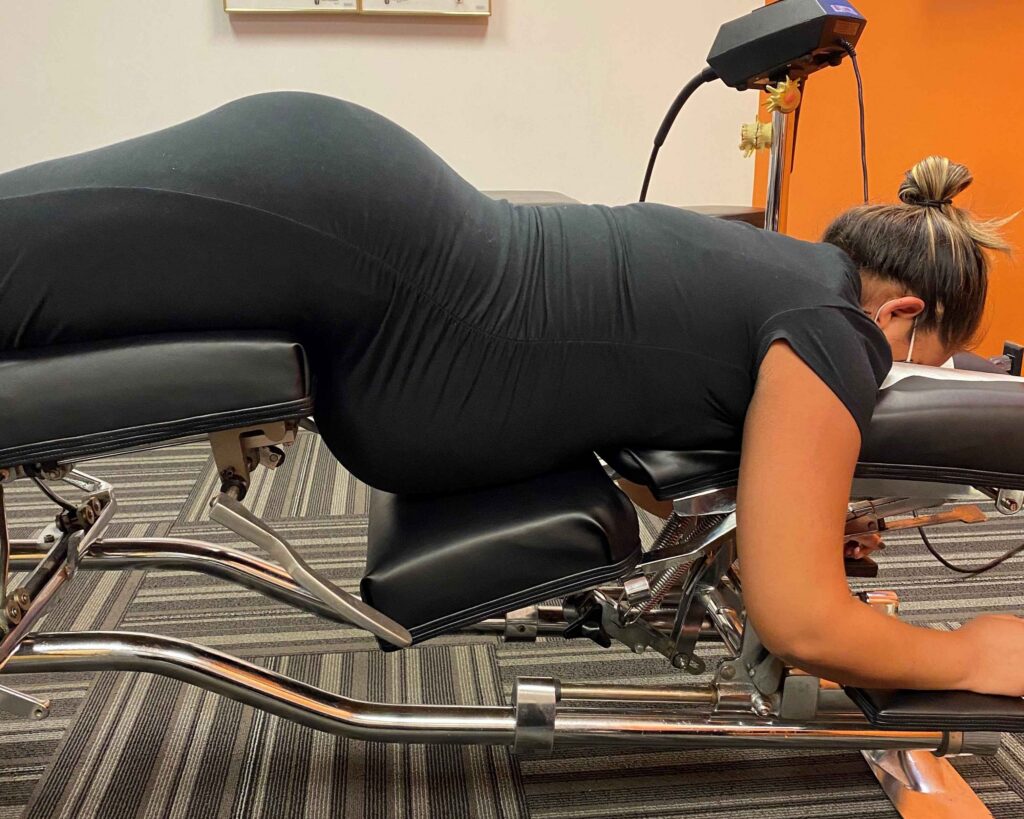
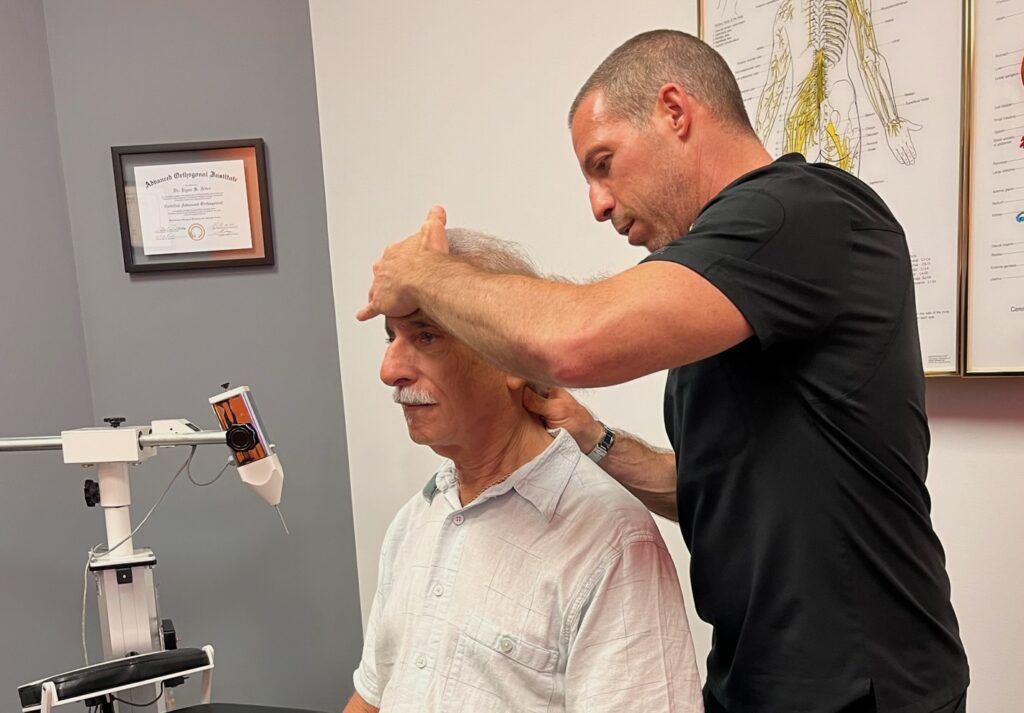
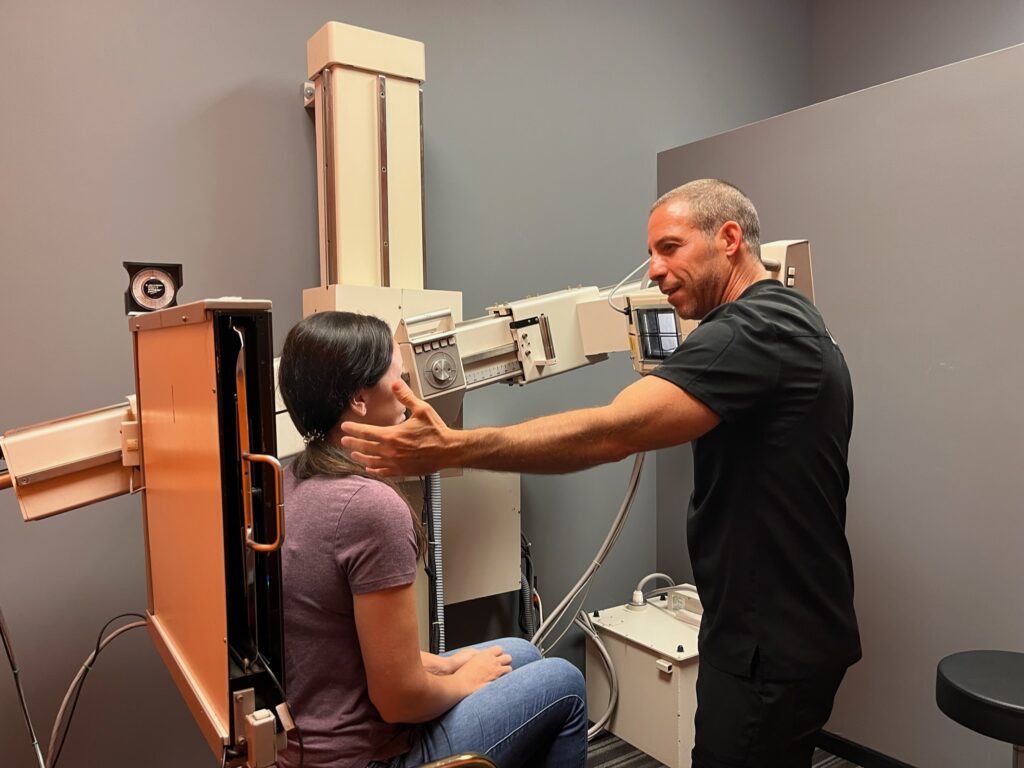
Chiropractic adjustments are centered around realigning your spine and alleviating tension in the surrounding muscles. During your initial consultation, I'll perform a comprehensive evaluation of your alignment and identify any areas that may be contributing to your discomfort. Based on this assessment, I'll tailor a treatment plan specifically for you, which may include adjustments aimed at relieving pain and promoting healing.
Some patients experience immediate relief following their first adjustment, while others may benefit from a series of sessions to achieve optimal results.
In addition to adjustments, I may recommend complementary therapies such as physical therapy. This approach combines hands-on manual therapy with exercises that target the muscles supporting your upper back. I'll work with you to teach proper movement patterns, ensuring you avoid further strain and enhance your recovery process.
Massage therapy can also play a significant role in your healing journey. By collaborating with a licensed massage therapist, we can create a holistic treatment plan that addresses tight muscles and improves blood circulation in your upper back. This integrated approach can greatly enhance the effectiveness of your chiropractic care and accelerate your overall recovery.
It's crucial to work with a professional who understands your unique needs. My goal is to empower you with the knowledge and techniques necessary to manage your upper back discomfort effectively.
Daily Habits for Prevention
As your local chiropractor, I want to share with you the important role your daily habits play in preventing upper back discomfort. By making some simple adjustments to your routine, you can significantly lower your risk of experiencing pain and tension in this area. Here are some habits I encourage you to incorporate into your day:
- Maintain Good Posture: Whether you're seated at a desk or standing, it's crucial to keep your shoulders back and your spine aligned. Good posture not only looks better, but it also reduces strain on the muscles in your upper back.
- Take Frequent Breaks: If your work involves sitting at a desk or performing repetitive tasks, I recommend taking short breaks every hour. Get up, stretch, and move around. This helps relieve built-up tension and reset your posture, which is vital for maintaining spinal health.
- Strengthen Your Core: A strong core is essential for supporting your spine and promoting good posture. Incorporate exercises such as planks and bridges into your routine to build strength in your abdominal and back muscles. This will enhance your overall stability and reduce the likelihood of discomfort.
Additionally, pay attention to your sleeping position. A supportive mattress and pillow are key to keeping your spine aligned while you rest. If you're a side sleeper, placing a pillow between your knees can alleviate strain on your back.
Lastly, don't overlook the importance of managing stress. High levels of stress can lead to muscle tension in the upper back, so it's crucial to find ways to relax. Techniques such as deep breathing, meditation, or engaging in enjoyable hobbies can make a significant difference.
Conclusion
As a local chiropractor, I want to share how incorporating targeted adjustments into your daily routine can significantly alleviate upper back discomfort. It's essential to understand the root causes of your pain, and by combining these adjustments with effective stretching and strengthening exercises, you can greatly enhance your overall well-being.
It's crucial to develop daily habits that promote good posture and spinal health. Many of my patients find that regular visits to a chiropractor not only help relieve their pain but also contribute to long-term wellness. Chiropractic care can be a natural and effective way to maintain a healthy spine, allowing you to enjoy a more active and pain-free lifestyle.
If you're new to chiropractic care, I encourage you to take the first step toward relief today. Together, we can create a personalized plan that addresses your specific needs and helps you feel your best!