
As a local chiropractor, I want to shed light on the vital role that therapy plays in recovering from sports injuries. Many people think that simply resting is enough, but there's so much more to healing effectively. Incorporating personalized rehabilitation programs and utilizing innovative techniques can significantly speed up your recovery process. For instance, therapies such as cryotherapy and electrical stimulation are fantastic tools we use to alleviate pain and reduce inflammation, allowing you to return to your favorite activities sooner.
You may wonder what specific chiropractic approaches we can take to aid in your recovery and how we can tailor these methods to meet your individual needs. By exploring these options together, we can transform your perspective on healing and set you on a path to a stronger recovery. Remember, your body has an incredible ability to heal itself, and with the right support, you can enhance that process!
Understanding Sports Injuries
As a local chiropractor, I understand that sports injuries can be a significant hurdle for athletes at any level, whether you're just starting out or you've been competing for years. It's important to grasp the types and causes of these injuries, as this knowledge is key to effective recovery and maintaining your overall well-being.
Sports injuries generally fall into two main categories: acute and chronic. Acute injuries occur suddenly, often as a result of a specific incident—like twisting an ankle or breaking a bone. These injuries typically require prompt attention to reduce damage and facilitate healing. In my practice, I often see patients who benefit from immediate chiropractic care to realign the spine and joints, which can enhance recovery.
Chronic injuries, on the other hand, develop over time, often due to overuse or repetitive motion. Conditions such as tendonitis or stress fractures can gradually emerge, causing discomfort and affecting your performance. It's crucial to recognize the early signs of these injuries; ignoring the pain could lead to more severe problems that might keep you sidelined for an extended period. Chiropractic adjustments can help alleviate pain and restore function, allowing athletes to return to their activities more quickly.
Several factors can contribute to sports injuries, including improper technique, insufficient warm-ups, or a lack of physical conditioning. Even the most skilled athletes can make these mistakes. It's vital to listen to your body; if something feels off, addressing it with a chiropractor can prevent it from escalating into a more serious issue.
The environment also plays a significant role in injury risk. The surfaces you play on, weather conditions, and the equipment you use can all impact your likelihood of injury. As your chiropractor, I can provide insights on how to adapt your training and competition strategies to mitigate these risks.
The Role of Physical Therapy
When you're on the road to recovery from a sports injury, chiropractic care can be a vital component of your rehabilitation journey.
As your local chiropractor, I want to emphasize how our approach focuses on your unique needs. We provide personalized treatment plans that not only address pain relief but also promote healing through natural methods.
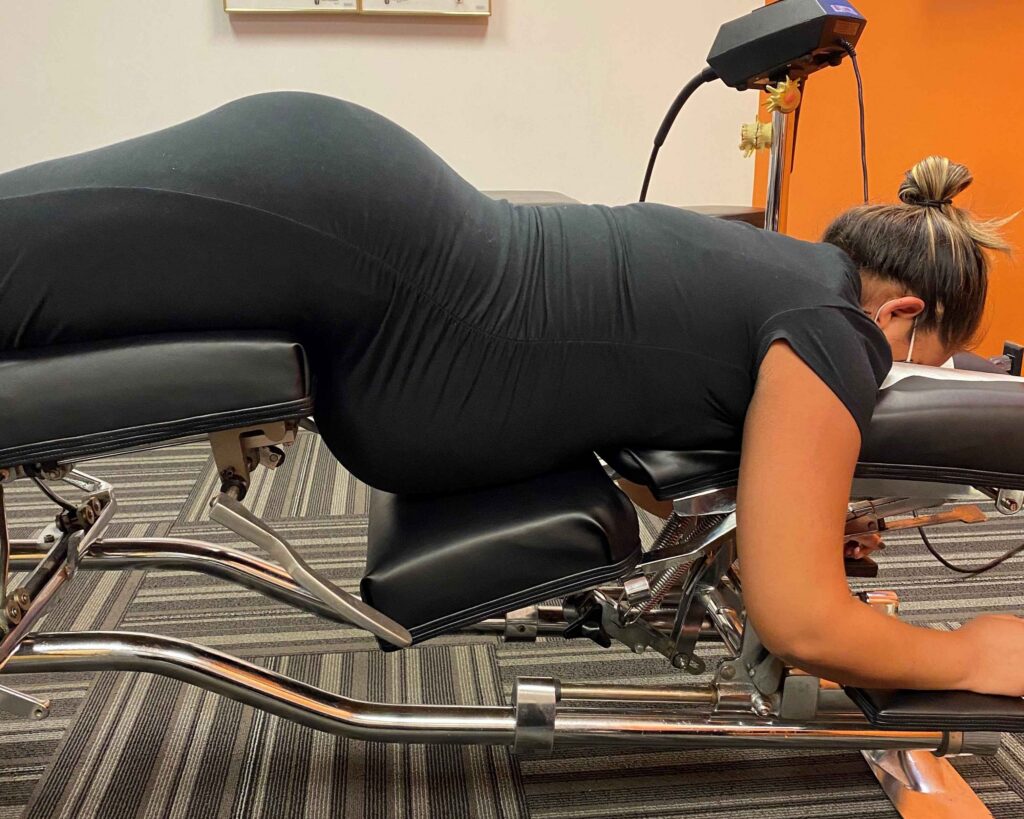
Our techniques include gentle adjustments, soft tissue therapies, and tailored exercises designed to strengthen your body and restore your full function.
Customized Rehabilitation Programs
Recovering from an injury can be a daunting process, but I want to share how customized rehabilitation programs through chiropractic care can significantly enhance your journey back to peak performance.
These programs are uniquely tailored to meet your specific needs, taking into account the type of injury you have, your current fitness level, and the activities you enjoy.
As your chiropractor, I'll conduct a thorough assessment of your condition and develop a personalized plan that emphasizes your strengths while addressing any weaknesses.
This focused approach not only accelerates your recovery but also plays a crucial role in preventing future injuries. You'll participate in a series of exercises designed to enhance your strength, flexibility, and balance, ensuring your body is fully equipped to meet the demands of your chosen activities.
One of the great advantages of customized rehabilitation programs is their adaptability. If you're recovering more quickly than anticipated or encounter any challenges, I can easily modify your plan to keep you moving forward.
Regular check-ins during our sessions will ensure that we make any necessary adjustments to optimize your recovery.
Ultimately, investing in a customized rehabilitation program through chiropractic care empowers you with the tools and strategies to return to your activities stronger and more resilient than ever.
Embrace this opportunity for a personalized recovery experience that prioritizes your individual goals and needs.
Together, we can pave the way for a healthier, more active lifestyle.
Pain Management Techniques
As a local chiropractor, I want to share some essential pain management techniques that can significantly support your recovery journey, especially if you're not familiar with chiropractic care and natural healing.
A strong foundation begins with customized rehabilitation programs tailored to your specific needs, and from there, we can explore various effective methods to manage pain and enhance your overall healing.
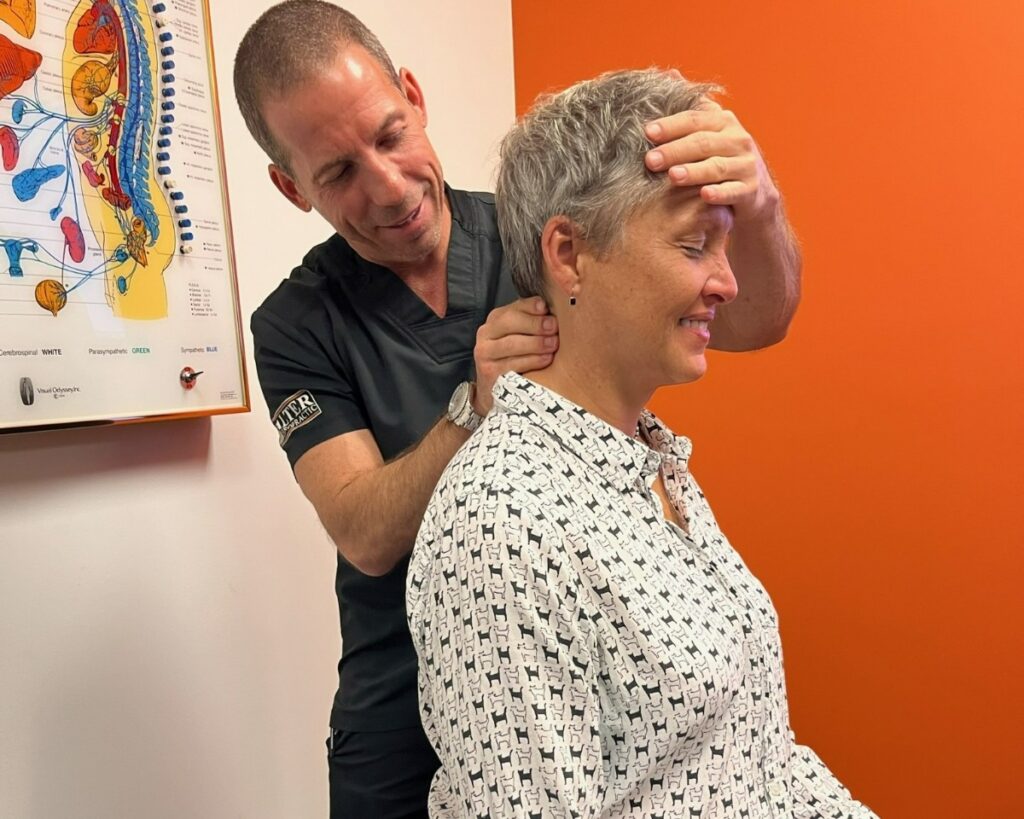
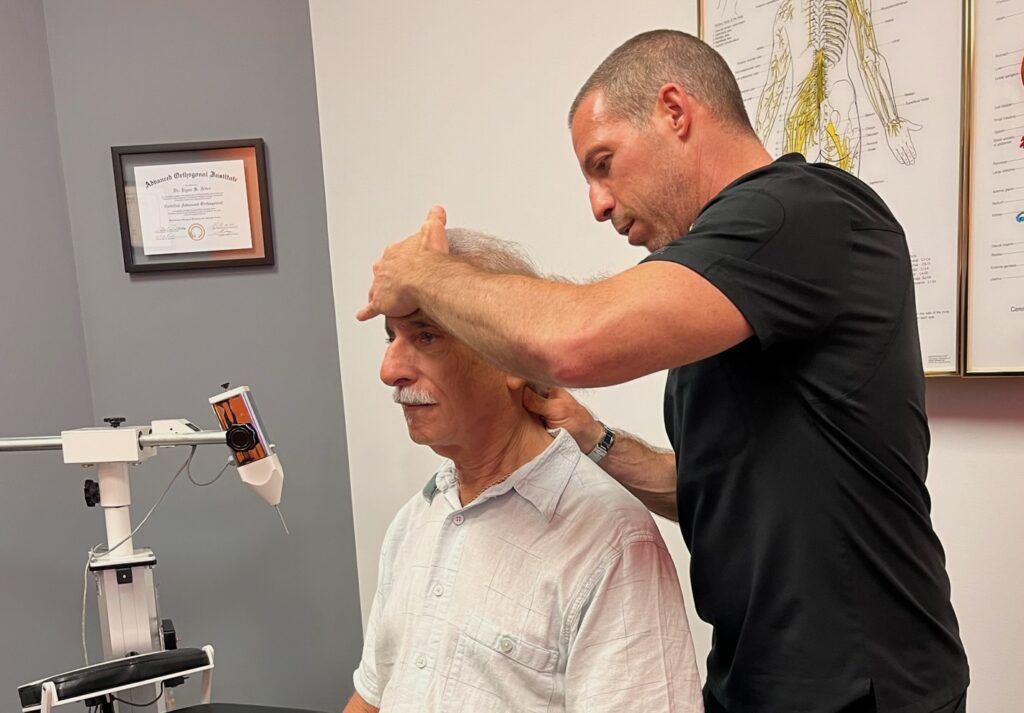
One of the core approaches we use in chiropractic care is manual therapy. This hands-on technique involves manipulating soft tissues and joints to alleviate pain, improve mobility, and reduce inflammation. Many of our patients find relief through these gentle adjustments, which can help restore balance to the body.
We also utilize therapeutic modalities such as heat and cold therapy, electrical stimulation, and ultrasound. These methods can provide immediate relief and promote healing by targeting inflammation and stimulating blood flow to the affected areas.
Exercise therapy is another crucial component of our approach. We design tailored exercise programs to strengthen the muscles surrounding the injured area, which increases stability and reduces pain. Additionally, we incorporate stretching techniques to improve flexibility and ease tension, making it easier for you to move comfortably.
Education is key in our practice. I'll guide you on effective pain management strategies, including proper body mechanics and posture, to help prevent further injury.
By actively participating in these pain management techniques, you not only alleviate discomfort but also empower yourself in your recovery journey.
Strengthening and Conditioning
Strengthening and conditioning play a crucial role in the journey of recovery from sports injuries, and as a local chiropractor, I want to help you understand how these elements contribute to your healing process. Engaging in strengthening and conditioning not only aids in recovery but also prepares your body to return to your sport with enhanced strength and resilience.
During your visits, I'll assess your current strength and overall physical condition to develop a personalized program that caters specifically to your needs. This program typically includes exercises that focus on rebuilding muscle strength, improving flexibility, and boosting overall endurance. A key component of this is core stability, which is essential for preventing injuries and optimizing your performance.
Incorporating resistance training and functional movements into your routine is vital for restoring your range of motion and supporting joint stability. As you notice improvements in your strength, you'll likely find that your confidence also increases, allowing you to take on more challenging activities.
Conditioning exercises, including aerobic workouts, are important for enhancing your cardiovascular fitness, ensuring that you're prepared to meet the demands of your chosen sport.
Remember, consistency is essential. Adhere to your program, maintain open communication with me, and stay motivated throughout your recovery process. With dedication and the right approach, not only will you recover from your injury, but you'll also emerge stronger and more capable than before.
Embracing chiropractic care and natural healing can be a pivotal step in your journey to optimal health and performance.
Benefits of Massage Therapy
As a local chiropractor, I want to share with you the incredible benefits of massage therapy in your journey to recovery from sports injuries.
This natural healing approach can significantly enhance your overall well-being. By improving blood circulation and alleviating muscle tension, massage therapy promotes relaxation and rejuvenation.
Furthermore, it can enhance your flexibility and mobility, allowing you to return to your favorite activities more swiftly.
Embracing these holistic practices can set you on the path to optimal health and vitality.
Improved Blood Circulation
As a local chiropractor dedicated to your health and recovery, I want to share how therapy sessions can significantly support your healing process, especially when it comes to sports injuries.
One of the key factors in recovery is improved blood circulation. When blood flow to the injured area increases, it allows vital oxygen and nutrients to reach the tissues more efficiently, promoting a quicker healing process. This means you can get back to your favorite activities sooner.
Here are three important benefits of enhanced blood circulation through chiropractic therapy:
- Accelerated Healing: Improved circulation delivers essential nutrients directly to damaged tissues, which can significantly speed up the repair process. This not only helps you feel better more quickly, but it also ensures a more complete recovery, allowing you to return to your sport stronger than before.
- Reduced Inflammation: With increased blood flow, your body is better equipped to eliminate toxins and excess fluids that can contribute to swelling. This reduction in inflammation can lead to a decrease in pain and discomfort, making your recovery more manageable.
- Enhanced Flexibility: When circulation improves, your muscles and joints stay more supple, which is crucial for maintaining flexibility. This can help prevent stiffness and preserve your range of motion during your recovery, making it easier to get back to your normal activities.
Integrating chiropractic therapy into your recovery plan can lead to remarkable improvements in your healing process.
Our goal is to help you return to peak performance with greater ease and confidence. If you have any questions about how chiropractic care can benefit you, feel free to reach out!
Reduced Muscle Tension
As a local chiropractor, I want to help you understand the importance of reduced muscle tension in your recovery from sports injuries. When you experience an injury, it's common for your muscles to tighten up, leading to discomfort and limited mobility. By addressing this muscle tension, you can't only ease your pain but also support your healing process.
One effective method we utilize in chiropractic care is massage therapy. Through targeted techniques, we can help release tight muscles and improve blood circulation in your body. This not only alleviates discomfort but also fosters relaxation, which is vital for both your physical and mental well-being during recovery.
With less muscle tension, you'll find it much easier to participate in rehabilitation exercises, ultimately aiding your overall progress.
Additionally, maintaining reduced muscle tension is key to preventing further injuries. Relaxed muscles are less likely to strain or become overworked. Our holistic approach, which often includes chiropractic adjustments and massage, encourages a greater awareness of your body's needs, allowing you to listen and respond appropriately during your recovery journey.
Enhanced Flexibility and Mobility
As a local chiropractor, I want to emphasize the importance of enhanced flexibility and mobility in your recovery from sports injuries. Integrating massage therapy into your rehabilitation plan can significantly improve your range of motion and overall physical performance.
Allow me to explain some of the key benefits of massage therapy:
- Increased Blood Circulation: Massage therapy promotes better blood flow, which is vital for delivering essential nutrients and oxygen to your muscles. This improved circulation not only helps reduce recovery time but also aids in the repair of damaged tissues.
- Enhanced Muscle Elasticity: Regular massage sessions can help lengthen tight muscles and boost their elasticity. When your muscles are more flexible, you can move more freely, which decreases the likelihood of future injuries.
- Pain Relief and Reduced Stiffness: One of the great benefits of massage therapy is its ability to alleviate soreness and stiffness in your muscles and joints. By addressing these discomforts, you'll find it much easier to participate in physical activities without the worry of aggravating your injury.
Incorporating massage therapy into your recovery process can be a natural and effective way to enhance your healing journey.
As your chiropractor, I'm here to guide you through this holistic approach to health and wellness.
Innovative Modalities in Recovery
As a local chiropractor, I'm excited to share with you how innovative recovery modalities are transforming the way athletes, and even everyday individuals, recover from injuries. You may have come across terms like active release therapy and myofascial release. These are hands-on techniques I often use in my practice to alleviate tension in your muscles and fascia, which can accelerate the healing process.
By restoring mobility and reducing pain, these methods can help you return to your favorite activities more quickly.
Another effective approach I utilize is neuromuscular electrical stimulation (NMES). This technique employs electrical impulses to induce muscle contractions, helping to improve strength and facilitate recovery, especially after surgeries.
By maintaining muscle function during periods of inactivity, NMES ensures you retain your physical gains and don't lose progress.
In addition to these techniques, the introduction of technology such as wearable sensors and mobile apps is revolutionizing recovery. These tools allow you to monitor your healing in real-time, providing valuable insights into your progress.
This data-driven approach enables you to adapt your rehabilitation plan effectively, ensuring you work smarter, not harder.
Aquatic therapy is another innovative modality that I highly recommend. Exercising in water minimizes impact on your joints while enabling you to strengthen your muscles.
This low-impact environment is particularly beneficial for those recovering from injuries, as it reduces the risk of re-injury while encouraging movement.
Lastly, virtual reality (VR) is emerging as an exciting tool in rehabilitation. By immersing you in a controlled environment, VR can boost your motivation and engagement during recovery exercises.
These innovative modalities are more than just trends; they're essential components of a comprehensive recovery strategy that can significantly enhance your healing process and help you achieve peak performance.
If you're curious about how these methods can benefit you, feel free to ask during your next visit!
Cryotherapy: Cold for Healing
As a local chiropractor, I often explore various recovery modalities with my patients, and I want to shed light on an increasingly popular technique known as cryotherapy.
This innovative approach is making waves in the realm of sports injury recovery, and I believe it can be beneficial for anyone dealing with pain or injury.
Cryotherapy involves exposing your body to extremely cold temperatures for a brief period, either in a cryo chamber or through localized treatments. While the idea of cold therapy might sound daunting, the advantages it offers are significant and can greatly support your healing journey.
Here are three key benefits of cryotherapy that I think you should know about:
- Reduces Inflammation: When you apply cold therapy, it constricts blood vessels, which helps to decrease swelling and inflammation in the injured areas. This reduction can lead to faster healing and less discomfort during your recovery process.
- Alleviates Pain: The numbing effect of extreme cold can provide immediate pain relief. Many of my patients report a noticeable decrease in pain levels after undergoing a cryotherapy session, which can enable them to participate in rehabilitation exercises sooner and more comfortably.
- Boosts Recovery Speed: After the body warms back up, cryotherapy promotes increased blood flow, enhancing the delivery of essential nutrients and oxygen to injured tissues. This can expedite the healing process, allowing you to return to your favorite activities more quickly.
Integrating cryotherapy into your recovery routine could be transformative.
Whether you're dealing with a sprain, strain, or other injuries, this natural and innovative approach might just offer the relief and recovery you're seeking.
If you haven't yet experienced cryotherapy, I encourage you to consider it; your body will appreciate the care!
Electrical Stimulation Techniques
As a local chiropractor, I want to share some valuable insights into recovery methods that can support your healing journey, especially when dealing with sports injuries. One effective approach we often incorporate is electrical stimulation techniques. These methods use electrical impulses to stimulate muscles and nerves, which can aid in faster recovery and pain reduction.
One popular technique is Transcutaneous Electrical Nerve Stimulation (TENS). This involves sending low-voltage electrical currents to the surface of your skin, effectively disrupting the pain signals that your brain receives. By managing pain levels, TENS allows you to participate more actively in rehabilitation exercises, which is crucial for a speedy recovery.
Another technique we utilize is neuromuscular electrical stimulation (NMES). This method directly targets muscle contractions, helping to maintain strength even during periods when you may be limited in movement due to an injury. NMES is particularly beneficial in the early stages of recovery when traditional exercises mightn't be feasible, as it helps to prevent muscle atrophy.
Additionally, electrical stimulation can enhance circulation in the affected area, promoting the delivery of nutrients and the removal of waste products. Improved blood flow is essential for tissue healing, making it a vital component of your recovery process.
If you're considering these techniques, I encourage you to consult with a healthcare professional, such as myself, who can guide you in finding the most appropriate approach tailored to your specific injury and recovery goals.
Embracing electrical stimulation techniques can truly be transformative, helping you return to your favorite activities more quickly and effectively.
Importance of Strength Training
As a local chiropractor, I want to emphasize the vital role that strength training plays in your recovery from sports injuries. It's not just about rebuilding the strength of the injured muscle; it's also about enhancing your overall stability and coordination.
When you incorporate strength training into your rehabilitation, you're working on the surrounding muscles as well, which can significantly lead to a quicker and more effective recovery.
Here are three important benefits of adding strength training to your recovery plan:
- Muscle Activation: Strength training helps activate muscles that may have become inactive due to your injury. This activation is crucial for re-establishing the connections between your brain and muscles, which is essential for regaining full function.
- Improved Range of Motion: Engaging in strength exercises can also improve your flexibility and range of motion. This is particularly important not just for your daily activities but also for your return to sports, as it facilitates more fluid and efficient movement patterns.
- Enhanced Joint Stability: By building strength in the muscles surrounding your joints, you provide additional support, which helps reduce the risk of re-injury. Stronger muscles contribute to better balance and coordination—key components for optimal athletic performance.
Incorporating strength training into your recovery isn't solely about lifting weights; it's about empowering your body to heal naturally and perform at its best.
By focusing on these aspects, you can establish a strong foundation for a successful return to your sport, ensuring you come back not just healed, but stronger than before.
As your chiropractor, I'm here to guide you through this process and help you achieve your health and performance goals.
Preventing Future Injuries
As a local chiropractor dedicated to your wellness, I want to emphasize the importance of being proactive in preventing future injuries. It's not just about recovering from an injury, but also about integrating effective preventive strategies into your daily routine.
First and foremost, maintaining a balanced workout regimen is crucial. This should include strength training to build muscle support, flexibility exercises to enhance your range of motion, and cardiovascular conditioning to boost your overall fitness. When these components work together, they create a stronger, more resilient body that can withstand the demands of your activities.
Listening to your body is vital. If you experience pain or discomfort while training, it's essential to take a step back and assess the situation. Pushing through pain can lead to more significant injuries that may require extensive treatment.
I encourage regular consultations with a chiropractor who can help evaluate your posture, biomechanics, and movement patterns. This way, we can ensure that you're not inadvertently setting yourself up for injury.
Incorporating rest days into your training schedule is equally important. Overtraining can weaken your muscles and increase your risk of injury. Use these days not only for physical recovery but also to focus on mental strategies that can prepare you for future challenges.
Additionally, consider engaging in injury prevention programs tailored to your sport. These specialized programs often include exercises designed to strengthen vulnerable areas and improve your biomechanics.
By committing to these practices, you'll not only enhance your performance but also establish a solid foundation for injury-free participation in your favorite activities.
Conclusion
As a local chiropractor, I want to emphasize the importance of enhancing your sports injury recovery through natural therapies. Chiropractic care plays a vital role in helping you return to your favorite activities stronger than ever. By focusing on spinal alignment and overall body function, we can reduce pain and inflammation effectively.
Incorporating therapies like physical rehabilitation, massage, and even innovative techniques such as cryotherapy and electrical stimulation can significantly aid your recovery. Additionally, I cannot stress enough the importance of strength training and regular assessments to customize your recovery plan specifically for you.
By embracing these natural healing methods, you can not only heal more efficiently but also take proactive steps to prevent future injuries. Let's work together to ensure you lead a healthier, more active lifestyle!