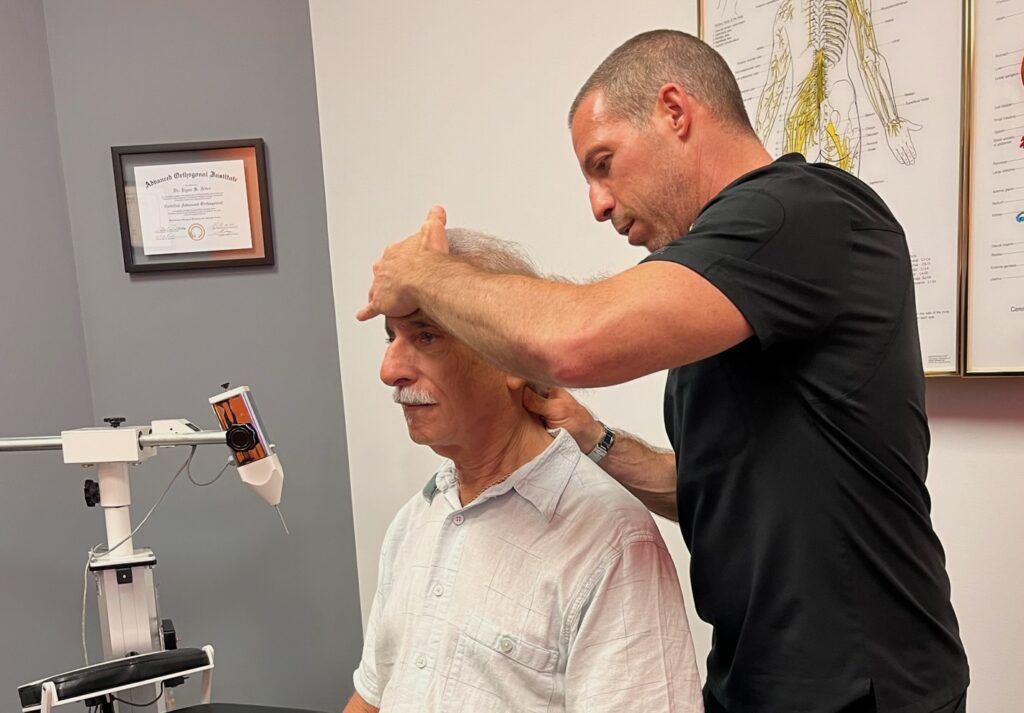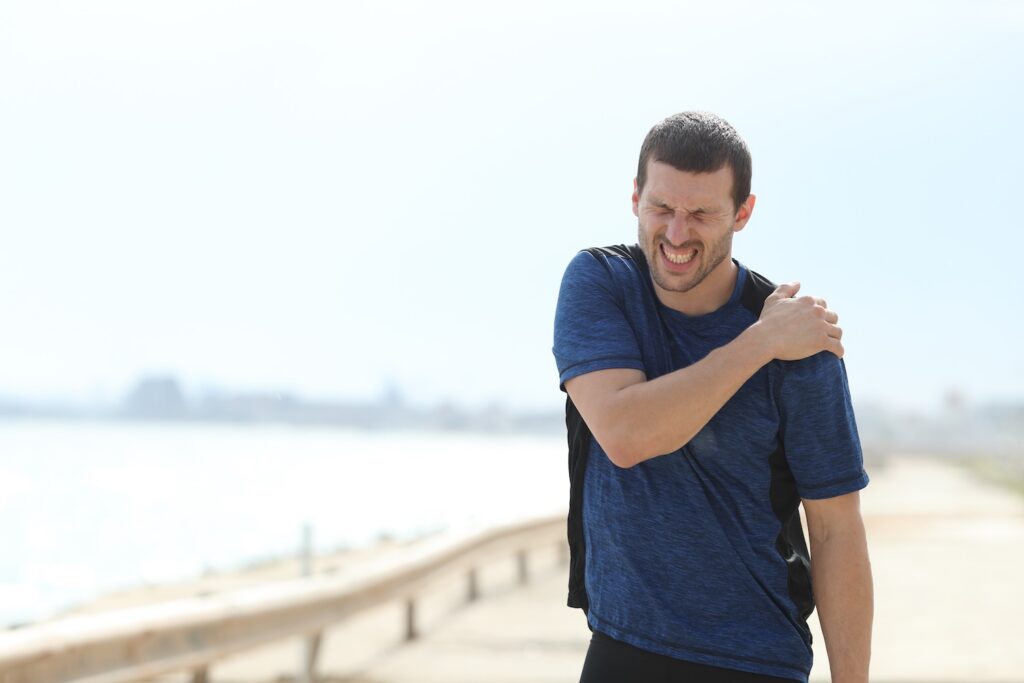

When you think about athlete injuries, what comes to mind? You might envision setbacks and frustration, but allow me to share how we can transform that narrative through chiropractic care and natural healing methods. As a local chiropractor, I've seen firsthand how innovative recovery techniques can help athletes bounce back faster than ever before.
For instance, strategies like cryotherapy, which reduces inflammation, and personalized nutrition, which fuels the body for optimal recovery, are just the beginning. Additionally, chiropractic adjustments play a vital role in restoring mobility and promoting healing by aligning the spine and enhancing nerve function.
Wearable devices are also changing the game by helping athletes monitor their progress and prevent future injuries. So, how do these advancements in chiropractic care and natural healing reshape an athlete's journey from injury to comeback? The answers might surprise you, and I'm here to guide you through this process.
Common Athlete Injuries
As a local chiropractor, I want to take a moment to discuss the reality of sports injuries and how understanding them can help you maintain your health and well-being.
Whether you're an experienced athlete or just starting out, being knowledgeable about common athlete injuries can empower you to take proactive steps in your recovery and overall care.
One of the most prevalent injuries I see in my practice is a sprain, particularly in the ankles. This occurs when ligaments become overstretched or torn, often as a result of awkward landings or sudden shifts in movement. If you're engaging in sports or physical activities, it's important to be mindful of your body mechanics to minimize the risk of these injuries.
Strains are another frequent concern, affecting the muscles or tendons. These injuries can occur during intense workouts or from improper lifting techniques. If you've ever experienced a sharp pain while sprinting or lifting weights, you understand how a strain can significantly hinder your performance and daily activities.
Keep an eye out for tendonitis as well, especially if you participate in repetitive sports like tennis or baseball. This condition involves inflammation of the tendons and can develop gradually if you don't prioritize rest and recovery. Chiropractic care can be beneficial in addressing both the pain and the underlying issues contributing to tendonitis.
Stress fractures are another serious issue, particularly for runners and dancers. These tiny cracks in the bone result from overuse and can lead to extended recovery times if not addressed promptly. Regular chiropractic adjustments can aid in maintaining proper alignment and balancing your body's biomechanics, which may help prevent these injuries.
Lastly, we can't overlook the importance of being aware of concussions, especially in contact sports. Even a minor blow to the head can have significant repercussions, impacting cognitive function and physical abilities. Recognizing the symptoms early and seeking care can make a difference in your recovery process.
By understanding these common injuries and their symptoms, you can take the necessary precautions to protect yourself and enhance your recovery.
As your chiropractor, I'm here to support you through natural healing methods, helping you stay active and healthy in your athletic pursuits.
Let's work together to keep you in the game longer and recover more effectively!
Innovative Recovery Techniques
As your local chiropractor, I want to share how innovative recovery techniques can significantly aid your healing process after an injury. Many people may not be familiar with the benefits of chiropractic care, but it plays a crucial role in natural healing.
Techniques such as cryotherapy and advanced physical therapy can complement chiropractic adjustments, helping to reduce inflammation and improve mobility.
Additionally, nutrition is vital in your recovery journey, as the right foods can promote healing and strengthen your body.
Let's explore how these approaches work together to help you recover more effectively and come back stronger than ever.
Your health and well-being are our priority, and understanding these innovative methods can empower you on your path to recovery.
Cryotherapy for Injury Recovery
As a local chiropractor, I want to share valuable insights about an innovative recovery method that's gaining traction in the sports and wellness community: cryotherapy.
This technique involves exposing your body to extremely cold temperatures, typically in a specialized cryo chamber, and while it may feel quite intense at first, the potential benefits for injury recovery are noteworthy.
Cryotherapy works by significantly reducing inflammation and swelling in injured areas, which can promote faster healing of damaged tissues. Additionally, it can help numb pain and enhance circulation once your body warms up again.
Many athletes and individuals who engage in regular physical activity have found that incorporating cryotherapy into their recovery routines not only accelerates healing but also improves their overall performance.
If you're curious about how often to engage in cryotherapy, many athletes choose to utilize it after strenuous workouts or competitions. A few sessions each week can make a meaningful difference in how quickly you recover from injuries.
However, it's essential to approach cryotherapy with care. While it's generally safe, I always recommend consulting with a healthcare professional, like myself, before starting any new treatment.
Understanding how your body responds to extreme cold is key to reaping the full benefits while minimizing any potential risks.
As you explore this cutting-edge recovery tool, consider how it might complement your journey towards optimal health and wellness, and you may find yourself feeling better faster.
Advanced Physical Therapy Methods
As a local chiropractor, I want to share with you how physical therapy has evolved to include advanced methods that can greatly benefit your recovery and rehabilitation, especially if you lead an active lifestyle.
One such technique is dry needling, which focuses on myofascial trigger points to alleviate pain and enhance mobility. By releasing muscle tension, this method can help you recover more quickly and comfortably.
Another exciting approach is blood flow restriction therapy. This technique employs specialized bands to limit blood flow during low-intensity exercises, enabling you to strengthen muscles and build endurance without putting excessive strain on injured areas. It's particularly useful if you're recovering from surgery or managing chronic injuries.
Aquatic therapy is also gaining popularity among those looking for gentle yet effective rehabilitation options. Exercising in water significantly reduces stress on your joints while providing resistance, which allows you to strengthen your muscles and regain mobility with less discomfort. This can be a fantastic alternative if traditional land-based therapy feels too painful.
Additionally, electrical stimulation therapy can play a vital role in your healing process. By using electrical impulses to stimulate nerves and muscles, this technique can help reduce pain and promote healing by increasing blood flow to the affected areas.
Integrating these advanced physical therapy methods into your recovery plan can help you recover faster and return to your favorite activities with renewed confidence.
As your chiropractor, I'm here to guide you through these natural healing options to support your health and well-being.
Nutrition's Role in Healing
As a local chiropractor, I want to emphasize the significant role nutrition plays in your healing journey. Understanding how what you eat can influence your recovery is vital. A well-balanced diet isn't just about feeling good; it provides your body with the necessary nutrients to repair tissues, reduce inflammation, and support overall healing.
One key component to focus on is protein. It's essential for rebuilding damaged muscles and tissues. To meet your protein needs, try to incorporate lean meats, fish, legumes, and dairy into your meals. This will help your body recover more effectively.
Don't underestimate the power of vitamins and minerals in your diet. For instance, Vitamin C is crucial for collagen formation, which is essential for healing wounds and injuries. To boost your Vitamin C intake, load up on citrus fruits, berries, and leafy greens.
Additionally, minerals like zinc are vital for cell regeneration, so including foods like nuts and seeds in your diet can make a difference.
Another important aspect of nutrition for recovery is Omega-3 fatty acids. These healthy fats can help reduce inflammation and promote healing. You can find Omega-3s in fatty fish, flaxseeds, and walnuts, so try to incorporate these into your meals.
Lastly, let's talk about hydration. Water is essential for nutrient transport and cellular function, so it's important to stay well-hydrated. Make it a habit to drink plenty of fluids throughout the day.
Role of Technology in Healing
As a local chiropractor, I want to share how technology is revolutionizing the way we approach injury recovery and healing.
With the use of wearable health devices, you can now monitor your recovery progress in real time, which allows us to tailor your treatment to your specific needs.
Additionally, telehealth rehabilitation programs provide you with convenient access to expert advice, making it easier for you to follow your recovery plan from the comfort of your home.
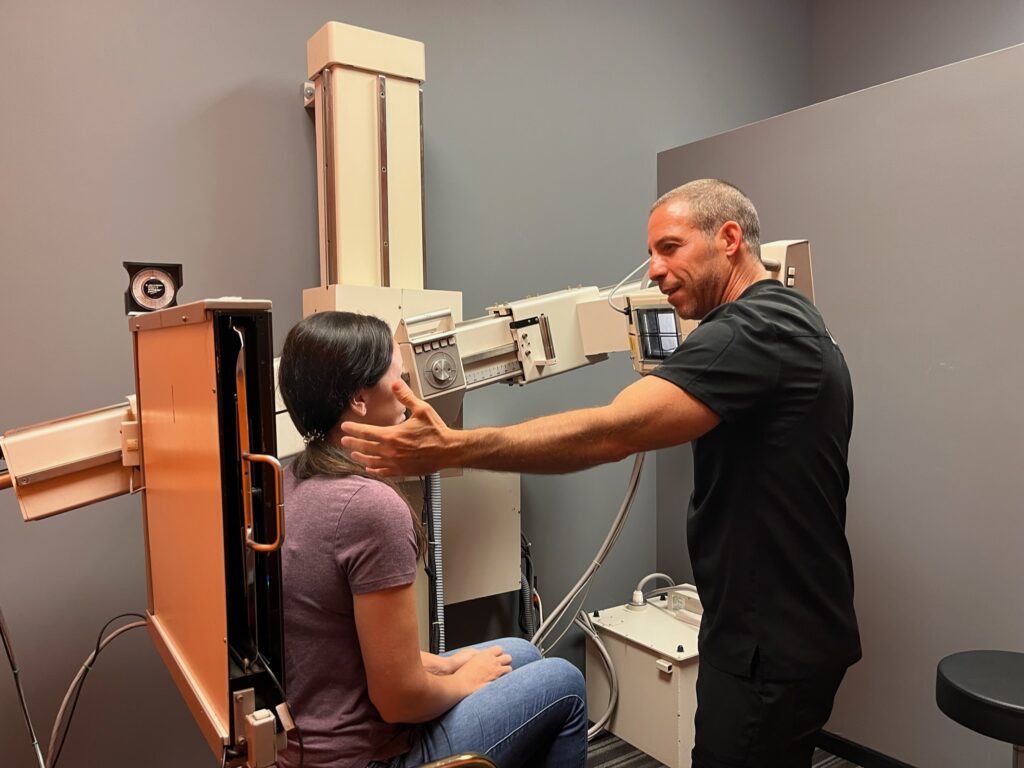
Furthermore, advanced imaging techniques give us clearer insights into your injuries, enabling us to create more effective treatment strategies to promote your natural healing process.
Embracing these technologies can enhance your overall wellness and facilitate a smoother recovery journey.
Wearable Health Devices
As a local chiropractor, I want to share how wearable health devices are revolutionizing the way athletes, and even everyday individuals, recover from injuries and manage their overall health.
These innovative tools, including fitness trackers and smartwatches, provide real-time insights into your body's performance and recovery status. By keeping an eye on important metrics like heart rate, sleep patterns, and activity levels, you can gain valuable information about your physical well-being. This knowledge empowers you to make informed decisions about your training and recovery processes.
For example, when you utilize this data, you can set personalized health goals and monitor your progress. This is particularly crucial during recovery, as it helps prevent overexertion. If your wearable device indicates that you're not getting enough rest, you can adjust your activities accordingly, allowing your body the time it needs to heal properly.
Many of these devices even come equipped with features such as guided stretching routines and injury prevention exercises, which align perfectly with the principles of chiropractic care and natural healing.
Furthermore, these devices are also beneficial in identifying potential health issues before they escalate into serious injuries. By paying close attention to your body's signals through these gadgets, you can take timely action and seek appropriate treatment, whether that's chiropractic adjustments, physical therapy, or other holistic approaches.
As technology advances, I believe that wearable health devices will increasingly play a pivotal role in optimizing your recovery and enhancing your athletic performance, all while promoting a natural and healthy lifestyle.
Telehealth Rehabilitation Programs
Telehealth rehabilitation programs are revolutionizing the way you can recover from injuries, allowing you to receive quality chiropractic care right from your home. As a local chiropractor, I want to help you understand how these programs can support your healing journey. With just a few clicks, you can connect with me or other specialists who are dedicated to addressing your specific needs as an athlete or an active individual.
These programs offer personalized treatment plans that adjust according to your progress, ensuring that you stay on track with your recovery. Through virtual consultations, I can guide you through a range of exercises and techniques specifically tailored to your injury. This direct interaction allows me to provide immediate feedback, enabling you to correct your form and avoid any potential setbacks.
Many telehealth platforms also include video demonstrations, so you can see each movement clearly and perform them safely at home. This visual support is crucial in helping you understand the mechanics of your body and the importance of proper technique in your rehabilitation.
Moreover, telehealth allows for consistent check-ins with me, your healthcare provider, so we can keep your recovery on course and hold you accountable throughout the process. You no longer have to worry about scheduling conflicts or long travels to my office—this means more time for you to focus on what truly matters: your healing and getting back to your peak performance.
Advanced Imaging Techniques
As a local chiropractor, I want to share how advanced imaging techniques can significantly improve your understanding of injuries and the healing process.
These innovative technologies provide us with detailed insights, allowing both you and I to make well-informed decisions about your recovery journey. With the right imaging tools, we can accurately identify issues and monitor your healing progress more effectively.
Here are some key benefits of advanced imaging techniques for our patients:
- Precision Diagnosis: High-resolution images allow us to pinpoint the exact nature and extent of your injuries, leading to a clearer understanding of your condition.
- Customized Treatment Plans: By fully grasping your injury, we can design tailored rehabilitation strategies that cater specifically to your individual needs.
- Progress Monitoring: Regular imaging helps us track your healing progress, ensuring that we stay on the right path together.
- Faster Recovery: Early and precise detection can lead to quicker interventions, helping you return to your activities sooner.
- Improved Communication: Clear imaging results enhance our discussions about your care, ensuring that we're all aligned on your recovery goals.
Nutrition's Impact on Recovery
As a local chiropractor, I want to emphasize the critical role that nutrition plays in your recovery process, especially if you're healing from an injury. When your body is injured, it requires specific nutrients to effectively heal and restore itself. One of the most important nutrients is protein. It's essential for repairing damaged tissues and building new muscle. I recommend focusing on lean protein sources like chicken, fish, beans, and legumes to support your recovery journey.
In addition to protein, carbohydrates are equally important and shouldn't be overlooked. They provide the energy your body needs to focus on healing. Incorporating whole grains, fruits, and vegetables into your meals will ensure you're fueling your recovery properly. These foods are also packed with essential vitamins and minerals that aid the healing process.
Healthy fats are another key component of your recovery diet. Omega-3 fatty acids, found in foods like fish, flaxseeds, and walnuts, can help reduce inflammation and promote healing. Staying hydrated is crucial as well—water plays a vital role in transporting nutrients and removing waste, ensuring your body functions optimally during recovery.
If you find that your diet is lacking in certain nutrients, consider adding supplements like vitamin D and zinc, which can further support your healing process. Additionally, timing your meals and snacks around your workouts or rehabilitation sessions can enhance your recovery. Consuming a balanced meal or snack after physical activity helps to replenish glycogen stores and kickstart muscle repair.
In summary, paying attention to your nutrition can significantly influence your recovery time and effectiveness. By prioritizing the right foods, you're not only aiding your healing process but also setting yourself up for a stronger return to your activities.
As your chiropractor, I encourage you to take these nutritional aspects into account to optimize your recovery and overall health.
Mental Resilience and Injury
As a local chiropractor, I want to emphasize that when dealing with an injury, your mental resilience is just as important as your physical healing. The path to recovery often relies on how you manage your thoughts and emotions during this challenging period.
Building mental resilience can help you remain focused, motivated, and optimistic, which are all key components in your journey back to peak performance.
Here are some effective strategies to bolster your mental toughness:
- Set Realistic Goals: It's important to break down your recovery into achievable milestones. Celebrating these small victories can uplift your spirits and keep you motivated throughout the healing process.
- Practice Mindfulness: Incorporating mindfulness techniques into your daily routine can help you remain present, alleviating any anxiety you may feel about your recovery timeline.
- Visualize Success: Take time to visualize yourself fully recovered and performing at your best. This powerful technique can enhance your motivation and strengthen your belief in your ability to heal.
- Seek Support: Surround yourself with supportive friends, family, or teammates who understand what you're going through. Sharing your feelings and experiences can significantly ease your emotional burden.
- Stay Educated: Understanding your injury and the recovery process is crucial. Knowledge empowers you to make informed decisions about your care and reduces fear of the unknown.
At our chiropractic practice, we focus not only on your physical well-being but also on helping you cultivate the mental resilience necessary for a successful recovery.
Preventative Measures for Athletes
As a local chiropractor, I often see athletes who are sidelined by injuries that could have been prevented. It's essential to understand that there are effective measures you can take to minimize your risk and keep your body performing at its best.
First and foremost, let's talk about the importance of proper warm-up routines. Spending at least 10-15 minutes on dynamic stretches and light exercises is crucial before you engage in any physical activity. This helps prepare your muscles and joints for the demands of your sport, increasing blood flow and flexibility, which can significantly reduce the chances of injury.
Incorporating strength training into your routine is another key aspect of injury prevention. Building strength in your core and major muscle groups not only enhances your overall performance but also provides better support for your joints. I recommend aiming for a balanced routine that targets all major muscle groups at least twice a week.
Proper technique and form are also vital in preventing injuries. Whether you're running, lifting weights, or participating in a team sport, using correct biomechanics is crucial. If you're unsure about your form, don't hesitate to seek guidance from a coach, trainer, or a chiropractor who can provide insight into how to move safely and effectively.
Listening to your body is paramount. If you experience pain or discomfort, it's essential to address these issues early rather than pushing through them. Ignoring your body's signals can lead to more significant problems down the line.
Additionally, incorporating rest days into your training schedule is important, as it allows your body time to recover and adapt.
Finally, don't underestimate the impact of hydration and nutrition on your performance and recovery. A balanced diet and staying well-hydrated are fundamental to supporting your body's needs during training and competition.
Future of Athletic Recovery
As a local chiropractor, I want to share with you the exciting developments in athletic recovery that can significantly enhance your healing process and overall performance, even if you're not an athlete.
The landscape of recovery is evolving, with natural healing methods and innovative technologies paving the way for more effective and efficient approaches to wellness.
Picture this: smart wearables that allow you to monitor your body's condition in real-time. These devices can help you understand how to customize your recovery strategies based on your individual needs.
Moreover, techniques like virtual reality are being utilized to aid mental recovery, enabling individuals to visualize success and break through psychological barriers that may hinder their progress.
Here are some key trends in recovery that you might find beneficial:
- Cryotherapy and Contrast Therapy: These techniques involve rapidly cooling and warming the body to reduce inflammation and expedite muscle recovery. Many people find relief from soreness and stiffness through these methods.
- Stem Cell and PRP Treatments: Regenerative medicine approaches, like Platelet-Rich Plasma (PRP) therapy, are becoming popular for their potential to heal injuries at a cellular level, promoting faster recovery.
- Personalized Nutrition Plans: Tailoring your diet to meet your unique genetic makeup can optimize your recovery and overall health. Good nutrition is a cornerstone of effective recovery.
- Biomechanical Analysis: Advanced technologies can assess your movement patterns, helping to identify any issues that could lead to injuries. By understanding how your body moves, we can work together to enhance your recovery process.
- AI-Driven Recovery Programs: Artificial intelligence is now being used to create personalized training and recovery plans based on your specific data, ensuring that you get the most effective care possible.
As you explore these groundbreaking advancements, know that they can complement chiropractic care and natural healing practices.
Whether you're an athlete or simply looking to improve your overall wellness, these innovations can help you recover faster and perform at your best.
The future of athletic recovery is promising, and I encourage you to embrace these options to enhance your health and well-being!
Conclusion
Injuries can be challenging, but as a local chiropractor, I want to share how you can recover more effectively with natural healing methods. By integrating innovative recovery techniques such as chiropractic adjustments, you can alleviate pain and promote healing. Prioritizing good nutrition is essential; the right foods can significantly enhance your recovery process. Additionally, using wearable devices can help you monitor your progress and stay on track.
It's also important to recognize the power of mental resilience—your mindset is crucial in the healing journey. By staying proactive with preventative measures, like regular chiropractic visits, you won't just recover from your injury; you'll come back even stronger. The future of athletic recovery is promising, and with the right approach, you have the tools to thrive naturally. Let's work together to get you back on your feet and performing at your best!