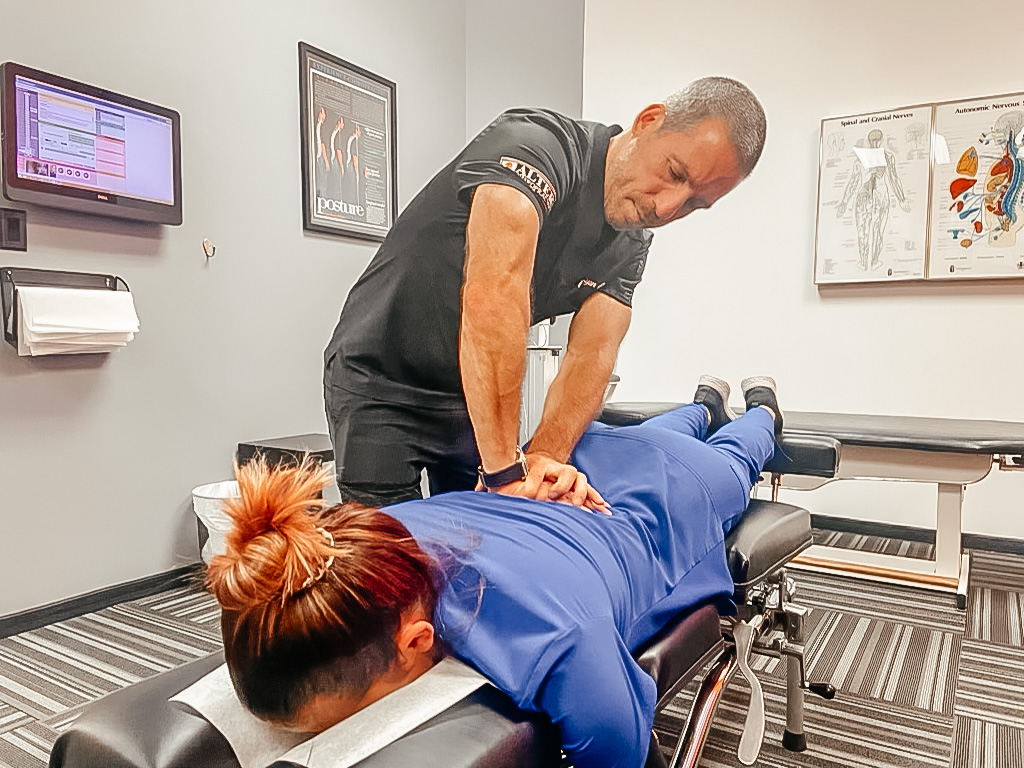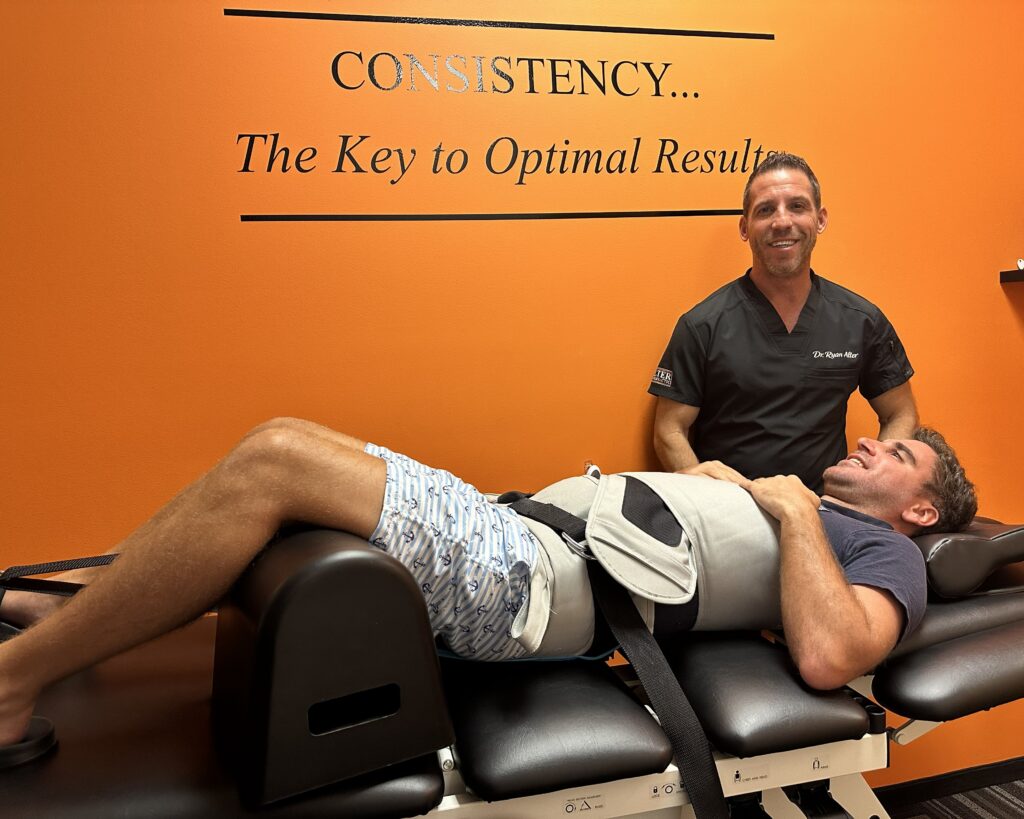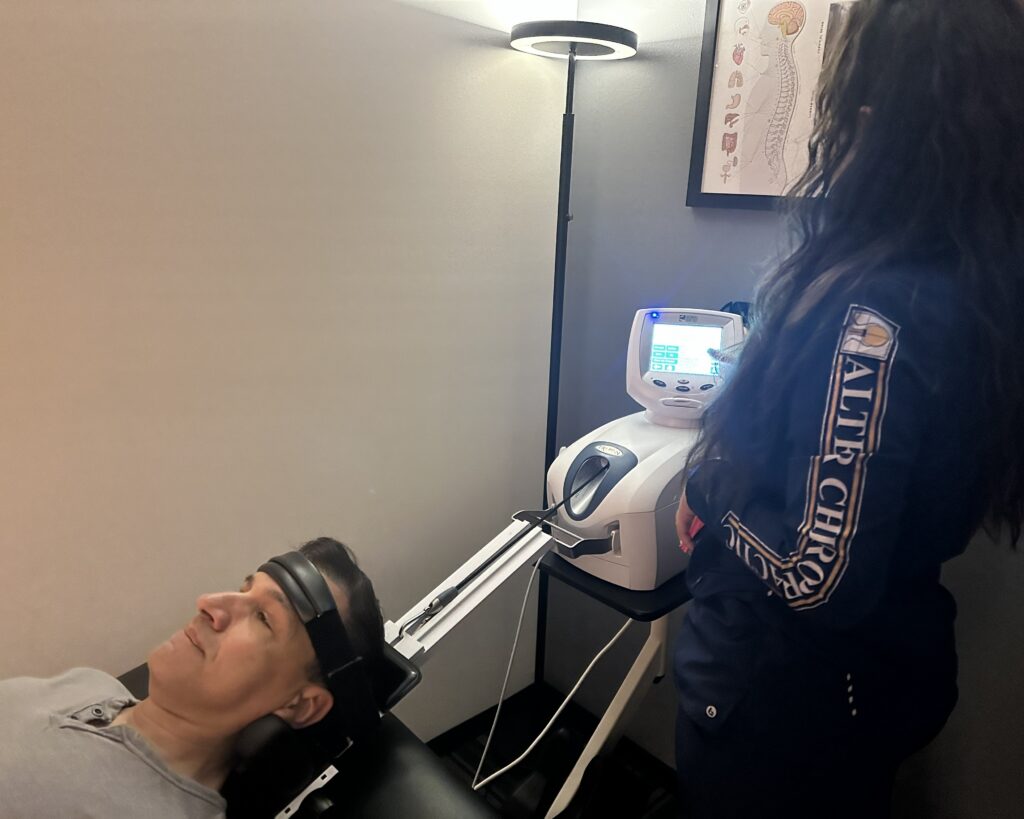

As a local chiropractor, I want to share with you just how significantly your posture can influence your day-to-day life. Many people don’t realize that poor posture can lead to chronic pain and discomfort, which can hinder your productivity and overall quality of life. However, the good news is that by making a few straightforward adjustments and integrating specific exercises into your daily routine, you can enhance your posture and reduce that persistent pain.
If you’re curious about the practical changes you can implement to start feeling better, I’m here to guide you. Together, we can explore effective strategies that not only improve your posture but also promote your overall health through natural healing methods. Let’s take this journey towards a pain-free life together!
Understanding the Importance of Good Posture
As a local chiropractor, I want to emphasize the critical role good posture plays in your overall health and well-being. Many people underestimate how much proper posture affects their daily lives. When your muscles and joints are aligned correctly, they can function effectively, which significantly reduces strain and helps prevent fatigue. By maintaining proper alignment, you can minimize discomfort or pain in areas like your back, neck, and shoulders.
What you mightn’t be aware of is that your posture doesn’t just influence physical health; it can also impact your mood and energy levels. Standing tall and maintaining an upright posture can boost your confidence and foster a positive mindset. Moreover, good posture facilitates better breathing, allowing for improved oxygen flow that can enhance your alertness and mental clarity.
I encourage you to integrate posture awareness into your daily routine. Whether you’re sitting at your desk, walking, or even standing in line, take a moment to check in with your alignment. Simple adjustments can lead to significant changes in how you feel throughout the day.
Common Posture Problems and Their Effects
As a local chiropractor, I often see patients who struggle with common posture problems that can lead to discomfort and pain. Many individuals may not fully understand how these issues impact their daily lives until they start experiencing significant discomfort.
Here are some typical posture problems that you might encounter:
- Slouching: This poor posture can contribute to back and neck pain, making it difficult to perform daily activities comfortably.
- Forward Head Posture: Commonly seen in those who spend long hours at a desk, this position can lead to tension headaches and shoulder stiffness.
- Rounded Shoulders: This posture can create tightness in your chest and discomfort in the upper back, affecting your overall mobility.
- Swayback Posture: This can result in lower back pain and hip discomfort, which can hinder your ability to engage in physical activities.
- Crossed Legs While Sitting: This habit can lead to hip misalignment and circulation issues over time, impacting your overall well-being.
Recognizing these posture problems is the first step towards addressing them. By paying close attention to how you sit, stand, and move throughout your day, you can begin to make positive changes.
As a chiropractor, I’m here to help guide you on your journey to better posture and natural healing.
Simple Adjustments for Better Posture at Work
As a local chiropractor, I want to share with you how small adjustments to your workspace can significantly enhance your posture and overall comfort during your workday. Many people are unaware of the impact their workspace has on their body, but making a few simple changes can lead to better spinal health.
First, ensure that your chair provides proper support for your lower back. It should encourage a natural curve in your spine, which is essential for maintaining good posture.
Next, adjust your desk height so that your elbows form a 90-degree angle while typing. This will help prevent strain on your shoulders and neck. Make sure to keep your feet flat on the floor or on a footrest to promote proper alignment.
Your computer monitor should be positioned at eye level to reduce neck strain. If you primarily work on a laptop, I recommend using a separate keyboard and mouse. This allows you to keep your wrists straight and avoid awkward positioning that can lead to discomfort.
In addition to these adjustments, it’s crucial to incorporate regular breaks into your routine. Stand up, stretch, and move around every so often. This not only improves circulation but also reinforces healthy posture habits.
Pay attention to how you sit; keep your shoulders relaxed and avoid hunching over your work.
Strengthening Exercises for a Stronger Core
As a local chiropractor, I want to emphasize that creating a supportive workspace is just the first step on your path to improved posture and relief from discomfort.
To truly enhance your well-being, it’s essential to strengthen your core through targeted exercises. A robust core not only supports your spine but also promotes proper alignment, which can lead to significant pain relief.
Here are some effective exercises I recommend to help you get started:
- Planks: This exercise engages your entire core, helping to stabilize your body and improve overall strength.
- Bridges: By lifting your hips off the ground, you can strengthen your glutes and lower back, which is crucial for spinal support.
- Russian Twists: This exercise helps improve rotational strength, which is important for daily movements. You can do this with or without weights.
- Bird-Dogs: Enhancing balance and stability is vital, and this exercise encourages coordination by extending opposite arms and legs.
- Dead Bugs: This movement focuses on coordinating your limbs while ensuring your lower back stays pressed into the floor, promoting core stability.
I encourage you to integrate these exercises into your weekly routine. By building a stronger core, you’ll not only support better posture but also effectively alleviate discomfort.
Stretching Techniques to Relieve Tension
As a local chiropractor dedicated to your health and well-being, I want to emphasize the importance of incorporating stretching techniques into your daily routine to relieve tension and enhance overall wellness.
Many of us carry stress in areas such as the neck, shoulders, and back, which can lead to discomfort and misalignment.
Let’s start with a simple neck stretch. Gently tilt your head to one side, holding this position for about 15 seconds before switching to the other side. This helps release tension in the neck muscles and promotes better alignment.
Next, I recommend a shoulder roll. Raise your shoulders up towards your ears, then roll them back and down. This movement alleviates tightness in the upper body, an area where many of us experience stress.
For your back, consider trying a seated forward bend. Sit on the floor with your legs extended in front of you, reach for your toes, and hold this stretch for approximately 20 seconds. This not only stretches your back but also encourages proper posture.
Lastly, don’t forget to incorporate a chest opener into your routine. Stand tall, interlace your fingers behind your back, and gently lift your arms. This stretch is essential for opening up the chest and counteracting the effects of slouching.
These simple stretches can help alleviate tension, improve flexibility, and promote better posture, making it easier for you to maintain an aligned, pain-free body.
Mindfulness Practices for Posture Awareness
As a local chiropractor, I want to share how incorporating mindfulness practices can significantly enhance your posture and overall well-being.
Simple breathing techniques are a great starting point; they can help you align your body and promote relaxation. Additionally, engaging in body scan meditation can increase your awareness of any tension areas that may be affecting your posture.
I encourage you to establish regular daily posture check-ins. Taking a moment throughout your day to assess your posture can keep you mindful and connected to your body.
Breathing Techniques for Alignment
As a local chiropractor dedicated to your well-being, I want to share with you the importance of breathing techniques in achieving proper alignment and enhancing your posture. Many people overlook how much our breath influences our physical state, but by focusing on it, we can foster a sense of tranquility and promote better alignment in our bodies.
Here are some breathing techniques that I encourage you to incorporate into your daily routine:
- Diaphragmatic Breathing: This technique involves engaging your diaphragm, allowing for deeper and more effective breaths. It helps to reduce tension and supports spinal alignment.
- 4-7-8 Technique: Inhale deeply for 4 seconds, hold your breath for 7 seconds, and then exhale for 8 seconds. This method not only calms the mind but also alleviates physical tension, which can positively affect your posture.
- Box Breathing: By inhaling, holding, exhaling, and pausing for equal counts, you create a rhythm that promotes balance and stability in your body, essential for good posture.
- Nasal Breathing: Breathing through your nose activates your core muscles and can significantly improve your posture. It helps maintain the natural curvature of your spine.
- Mindful Breathing: Take a moment to focus on your breath and be aware of how your body feels. This mindfulness can enhance your awareness of your body’s alignment and help you make adjustments as needed.
Incorporating these breathing techniques into your daily life can greatly transform your posture and reduce discomfort.
Body Scan Meditation
As a chiropractor dedicated to promoting natural healing and overall wellness, I want to introduce you to a valuable practice that can complement your chiropractic care: body scan meditation.
This mindfulness technique is an excellent way to enhance your awareness of your body, especially when it comes to recognizing your posture and areas of tension.
To begin, find a comfortable seated or lying position and gently close your eyes. Take a few deep breaths to center yourself.
Start by directing your attention to your toes, gradually moving your focus upward through your body. Pay close attention to any tightness or discomfort you may feel along the way. It’s important to acknowledge these sensations without any judgment—simply notice them.
As you continue your scan, consciously work on relaxing any areas of tension you encounter. This process allows your body to release stress and promotes a sense of calm.
Not only does this practice enhance your body awareness, but it also encourages you to maintain better posture throughout your daily activities.
Incorporating regular body scans into your routine can lead to significant improvements in how you carry yourself, ultimately reducing pain and discomfort.
As your chiropractor, I encourage you to explore this technique as a complementary tool to enhance your healing journey and overall well-being.
Daily Posture Check-ins
As a local chiropractor, I often see how easily people neglect the importance of maintaining proper posture throughout their daily routines. Regularly checking in on your posture can significantly enhance your body awareness and contribute to a healthier alignment.
Here are some simple yet effective ways to incorporate posture check-ins into your day-to-day life:
- Set a timer on your phone to prompt you to assess your posture every hour. This small reminder can make a big difference.
- When the timer goes off, take a few deep breaths. Focus on consciously relaxing your shoulders, which often hold tension.
- Visualize a string pulling you upward from the crown of your head, encouraging a more upright posture.
- Pay attention to any areas of tension in your body. If you notice discomfort, take a moment to adjust your position.
- Incorporate short stretches into your routine to help reset your alignment and relieve any strain.
By integrating these mindful practices into your daily life, you can support your body’s natural healing processes and enhance your overall well-being.
Ergonomic Tools and Gadgets to Support You
As a local chiropractor, I want to share some valuable insights on how you can enhance your posture and alleviate discomfort in your daily life.
One effective approach is to incorporate ergonomic tools into your workspace. For instance, standing desks encourage movement throughout the day, which can be beneficial for your overall health. Additionally, using supportive chairs is crucial for maintaining proper spinal alignment, which can help prevent pain and strain.
Furthermore, consider posture-correcting accessories, which can provide that extra layer of support you might need during your busy day.
By integrating these tools into your routine, you’re not only taking steps towards better posture but also promoting natural healing and wellness for your body.
Standing Desks Benefits
As a local chiropractor, I want to share with you the incredible benefits of incorporating standing desks into your daily routine. These ergonomic tools can significantly enhance your workspace and contribute to your overall well-being.
By promoting better posture, reducing back pain, and encouraging movement throughout the day, standing desks can help you feel your best while you work.
Here are some essential advantages to consider:
- Improved Posture: Standing desks encourage a natural alignment of your spine, which is crucial for spinal health.
- Enhanced Energy: When you stand, you’re more likely to remain alert and engaged, helping to keep your energy levels up.
- Reduced Pain: Transitioning from prolonged sitting to standing can alleviate discomfort that many experience from sitting too long.
- Increased Productivity: Standing promotes active working habits, which can lead to better focus and efficiency.
- Better Circulation: By standing, you promote healthy blood flow throughout your body, reducing feelings of fatigue.
As a chiropractor, I see first-hand how these changes can positively impact your daily comfort and overall health.
Investing in a standing desk isn’t just about changing your workspace; it’s about prioritizing your wellness.
If you’re curious about how to make the most of your standing desk or have questions about chiropractic care and natural healing, feel free to reach out. I’m here to help you on your journey to better health.
Supportive Chair Options
As a local chiropractor, I want to emphasize the importance of supportive chairs in your workspace, especially if you spend long hours sitting.
While standing desks can be beneficial, an ergonomic chair is crucial for maintaining proper posture and comfort. When selecting a chair, look for features such as adjustable seat height, lumbar support, and a comfortable cushion that conforms to your body.
It’s essential to choose a chair that encourages a straight back and allows your feet to rest flat on the floor. This alignment helps reduce strain on your spine and promotes better overall health.
Additionally, consider chairs with armrests to alleviate shoulder tension, and mesh chairs for breathability during those extended work periods. A chair with a slight recline can also relieve pressure on your spine, which is vital for maintaining a healthy back.
Investing in a supportive chair can significantly enhance your comfort and productivity throughout the day.
Posture-Correcting Accessories
As a local chiropractor, I want to emphasize the importance of incorporating posture-correcting accessories into your workspace to enhance your comfort and promote spinal health.
These tools can play a vital role in supporting your body, alleviating strain, and fostering better alignment, which is crucial for your overall well-being.
Here are some essential accessories I recommend:
- Ergonomic Keyboard and Mouse: These tools are designed to minimize wrist strain and encourage a natural hand position, which can prevent discomfort and potential injuries.
- Lumbar Support Cushion: This cushion can provide much-needed support for your lower back while you’re seated, helping to maintain the natural curve of your spine.
- Adjustable Laptop Stand: Elevating your screen to eye level can significantly reduce neck strain, a common issue for many who work on laptops for prolonged periods.
- Posture Corrector Brace: Wearing a posture corrector can gently remind you to maintain proper posture, which is essential for avoiding slumping and the associated back pain.
- Footrest: Utilizing a footrest can support your feet and improve circulation, leading to enhanced comfort during long hours of work.
By investing in these posture-correcting accessories, you can create a work environment that promotes productivity while minimizing pain and discomfort.
Daily Habits to Maintain Healthy Posture
As a local chiropractor, I want to emphasize the importance of maintaining healthy posture to prevent pain and discomfort in your daily life.
It’s crucial to be aware of your body alignment whether you’re sitting, standing, or walking. Make a habit of keeping your shoulders back and down while engaging your core muscles to support your spine effectively.
When you’re sitting, opt for a chair designed to promote good posture. Ensure your feet are flat on the floor and your knees are at a right angle to maintain optimal alignment.
In addition, I encourage you to incorporate regular breaks into your daily routine. Every 30 minutes, take a moment to stand up, stretch, or take a short walk. This simple practice can help relieve tension that builds up from prolonged sitting.
Exercises like yoga or Pilates can be particularly beneficial, as they enhance flexibility and strengthen core muscles, which are essential for maintaining proper posture.
Also, pay attention to how you use your phone and computer. Positioning screens at eye level can help prevent slouching.
When to Seek Professional Help for Posture Issues
As a local chiropractor, I want to help you understand when it’s time to seek professional help for posture issues. If you’re dealing with persistent pain or discomfort, it’s crucial to consult someone who can guide you. Your body communicates important signals, and it’s essential to listen to them.
Here are some key signs that indicate you should reach out for chiropractic care:
- You’re experiencing chronic pain in your back, neck, or shoulders that doesn’t seem to improve.
- You find yourself frequently suffering from headaches that may be linked to muscle tension.
- Maintaining good posture—whether sitting or standing—feels like a constant struggle for you.
- You’ve recently sustained an injury that seems to be affecting your mobility.
- You feel an overwhelming sense of fatigue or stress, which may be a result of poor posture habits.
Addressing these concerns early on can help prevent more serious complications down the line.
As a chiropractor, I can provide personalized advice, exercises, and treatments tailored to your unique situation. Together, we can work on regaining proper alignment and reducing any discomfort you may be experiencing.
Trust your instincts—if something feels off, don’t hesitate to reach out for support. Remember, your posture and overall well-being are worth the attention!
Conclusion
As your local chiropractor, I want to share how simple adjustments to your daily habits can lead to a remarkable transformation in your posture and help alleviate pain for good. First and foremost, consider using ergonomic tools in your workspace; these can significantly improve your body alignment. Additionally, incorporating specific strengthening exercises into your routine can help support your spine and enhance your overall health.
It’s also important to practice mindfulness—stay aware of your posture throughout the day. Small, consistent changes can make a big difference over time. Remember, consistency is key! With dedication to these practices, not only will you see improvements in your posture, but you’ll also experience a boost in your overall well-being.
If you find that you’re dealing with persistent discomfort, please don’t hesitate to reach out for professional help. Chiropractic care is a natural and effective way to address these issues and support your journey to a pain-free life. Start today, and let’s work together towards a healthier, more vibrant you!