
As a local chiropractor, I understand that chronic back pain can be incredibly frustrating and debilitating. Many people may not realize that this discomfort often arises from a variety of sources, such as poor posture, muscle strains, or even lifestyle choices. It’s important to recognize how our daily habits can significantly impact our spinal health.
Understanding the underlying causes of your back pain is crucial for effective treatment. Many patients are surprised to learn that chiropractic care offers a natural and holistic approach to managing pain. Our goal is to identify the root cause of your discomfort and help restore balance to your body.
There are various treatment options available, ranging from conservative methods, like adjustments and physical therapy, to more advanced therapies tailored to your specific needs. Emphasizing the importance of a healthy lifestyle, including proper posture and regular exercise, can also play a vital role in your recovery.
Let’s work together to explore the factors contributing to your pain and find an effective management plan that prioritizes natural healing. Your journey to a pain-free life starts with understanding and addressing the issues at hand.
Common Causes of Chronic Back Pain
As a local chiropractor, I want to share some insights about chronic back pain, which can significantly impact your daily life. Many people are unaware that poor posture, such as slouching at a desk or hunching over your phone, can lead to considerable discomfort. It’s essential to be mindful of your posture throughout the day to help prevent this issue.
Muscle strains from lifting heavy objects or making sudden movements can also contribute to ongoing pain. Another common culprit is herniated discs, which occur when the cushioning between your vertebrae bulges and puts pressure on surrounding nerves. This can lead to chronic discomfort that may seem difficult to manage.
Additionally, conditions like arthritis can cause inflammation and stiffness in your spine, making even simple movements painful. It’s also important to recognize that emotional stress can manifest physically, leading to muscle tightness that exacerbates back pain.
Finally, a sedentary lifestyle can weaken your core muscles, increasing your risk of injury.
As a chiropractor, I believe that understanding these common causes is vital for addressing your pain effectively. By recognizing these factors, you can take proactive steps towards natural healing, which may include chiropractic adjustments, exercises to strengthen your core, and lifestyle changes to improve your posture.
Together, we can work towards alleviating your discomfort and enhancing your overall quality of life.
Risk Factors Contributing to Back Pain
As a local chiropractor, I want to share some important insights about back pain and its risk factors.
As we age, our spine undergoes natural degeneration, which can increase the likelihood of experiencing back pain. However, it’s not just age that plays a role. Your lifestyle choices, such as being inactive or having poor posture, can significantly contribute to chronic discomfort.
Additionally, certain jobs may place extra strain on your back, making it crucial to be aware of these risk factors. Understanding how these elements affect your spinal health can empower you to take proactive steps in maintaining your well-being through natural healing methods.
Age and Degeneration
As a local chiropractor, I want to help you understand how aging can affect your spine and overall well-being. While growing older is a natural part of life, it often comes with changes to your spine that may lead to discomfort or back pain.
With age, our spinal discs can lose hydration and elasticity, which means they don’t absorb shock as well as they used to. This degeneration can lead to conditions like herniated discs or spinal stenosis, both of which can cause pain and limit your ability to move freely.
Moreover, the muscles and ligaments that support your spine may weaken over time, increasing your risk of injury. Another concern is osteoporosis, which makes bones more brittle and vulnerable to fractures. As a result, you might find that routine activities become more difficult, which can significantly impact your quality of life.
By recognizing these age-related changes, you can take proactive steps towards managing and alleviating your back pain. Chiropractic care offers a natural and holistic approach to help restore spinal function, improve mobility, and enhance your overall health.
I encourage you to explore these options and ask questions about how we can work together to support your well-being as you age gracefully.
Lifestyle Choices
As a local chiropractor dedicated to your well-being, I want to share with you how your lifestyle choices can significantly impact your back health. It’s important to understand that aging is just one factor contributing to back pain—your daily habits play a crucial role as well.
For instance, if you lead a sedentary lifestyle and don’t engage in regular physical activity, you may weaken your core muscles, which are vital for supporting your spine. Additionally, poor posture, whether you’re sitting at your desk or scrolling on your phone, can put unnecessary stress on your spine, leading to discomfort and pain over time.
Another consideration is weight management. Carrying excess weight can increase strain on your back, as every additional pound exerts pressure on your spine and the surrounding muscles.
Smoking is another lifestyle choice that can hinder your body’s healing abilities by impairing blood flow, which is essential for recovery. Lastly, insufficient sleep can make you more sensitive to pain, further compounding any discomfort you may be experiencing.
By adopting healthier lifestyle choices—such as engaging in regular exercise, maintaining a healthy weight, and being mindful of your posture—you can significantly reduce your risk of chronic back pain.
As your chiropractor, I’m here to guide you in making these positive changes and to help you achieve a healthier, pain-free life through natural healing methods.
Occupational Hazards
As a local chiropractor, I want to help you understand how your workplace environment can significantly affect your back health. Many people don’t realize that the way they sit or move at work can lead to back pain.
For instance, if you spend long hours at a desk, poor posture and lack of support can put a strain on your back. Additionally, if you frequently lift heavy objects without using the right techniques, you could be increasing your risk of injury.
Repetitive motions, such as typing or bending, can also contribute to chronic discomfort over time. You may encounter hazards in your workspace, like slippery floors or cluttered areas, which can force you into awkward positions, adding to the strain.
And if your job requires you to stand for long periods, fatigue can make your back pain even worse.
To help prevent these occupational hazards, I recommend making ergonomic adjustments to your workspace, taking regular breaks to stretch and move, and practicing proper lifting techniques.
Symptoms and Diagnosis of Chronic Back Pain
As a local chiropractor, I want to help you understand chronic back pain and how recognizing its symptoms is an essential first step toward finding relief. Many of you may experience ongoing discomfort, stiffness, or even pain that radiates to other areas.
It’s important to know that you don’t have to live with this agony.
In my practice, we focus on natural healing methods. To properly diagnose your condition, I’ll conduct a thorough physical examination and may utilize imaging techniques if necessary.
This helps us pinpoint the underlying issues causing your pain. Together, we can develop a personalized treatment plan that addresses your unique needs and promotes healing without relying solely on medications.
Common Symptoms Identified
As a local chiropractor, I want to help you understand how chronic back pain can affect your life and how we can work together to alleviate it naturally. Many of my patients describe their discomfort as a persistent aching or stiffness in the lower back, which can make everyday tasks—like bending down to tie your shoes or lifting groceries—feel daunting.
You might also experience pain that radiates down your legs, accompanied by numbness or tingling sensations. This can be quite alarming, but it’s important to know that these symptoms can often be addressed through chiropractic care.
Additionally, muscle spasms or tightness may occur, making it difficult to find a comfortable position, whether you’re sitting, standing, or lying down.
Living with chronic back pain can also lead to fatigue as your body works harder to cope, which can affect your mood and energy levels. Many patients find that their sleep is disrupted as well, further exacerbating their discomfort. Recognizing these symptoms is a crucial first step towards recovery.
Through gentle adjustments and personalized treatment plans, chiropractic care can help restore proper alignment, ease your pain, and improve your overall well-being.
I encourage you to reach out if you’re experiencing any of these symptoms. Together, we can explore natural healing options that suit your needs.
Diagnostic Imaging Techniques
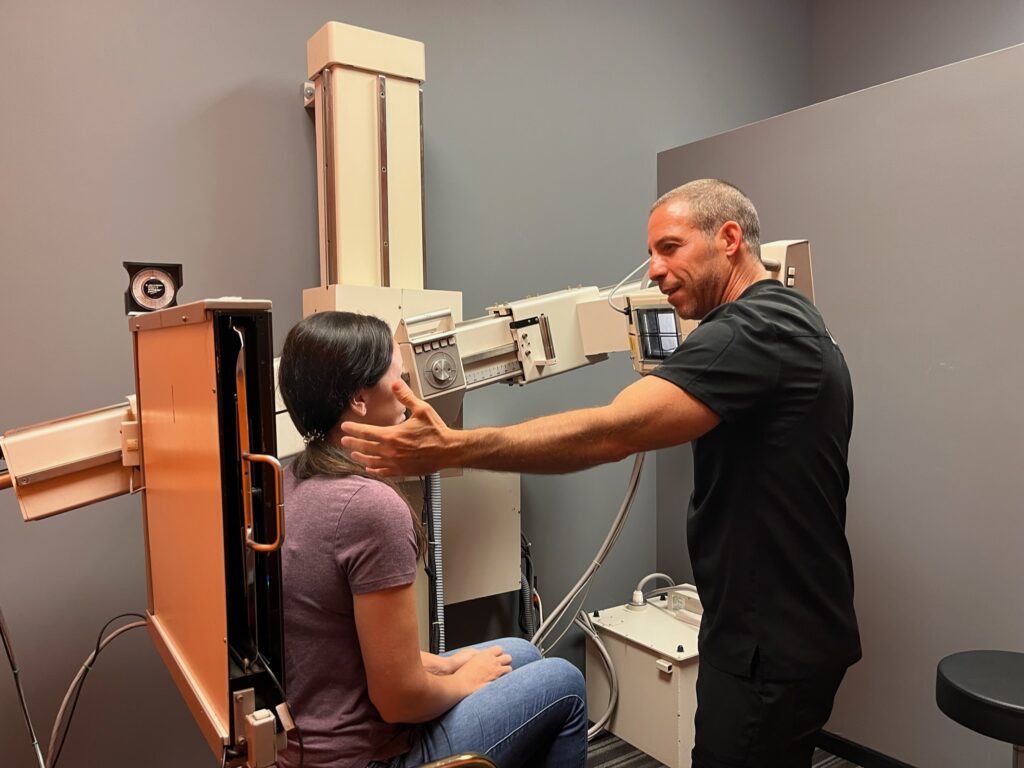
As your local chiropractor, I believe it’s essential for you to understand the various diagnostic imaging techniques that can help us accurately assess the causes of your chronic back pain.
These imaging methods are invaluable in identifying underlying issues that may be contributing to your discomfort. Let me explain four key techniques we often utilize:
- X-rays: These images allow us to examine your bone structure. They can help us spot fractures or any structural abnormalities that might be impacting your spine.
- MRI (Magnetic Resonance Imaging): This advanced imaging technique produces detailed images of soft tissues, such as discs and nerves. It’s particularly useful for diagnosing problems like herniated discs or spinal stenosis, which can lead to pain and discomfort.
- CT Scans (Computed Tomography): By combining multiple X-ray images, CT scans provide a comprehensive view of your spine and the surrounding tissues. This can give us deeper insights into your condition.
- Ultrasound: While often associated with pregnancy, ultrasound is also valuable in chiropractic care. It allows us to visualize muscles and soft tissues, helping us assess any inflammation or injuries that may be causing your pain.
Understanding these tools can empower you in your healing journey.
They guide us in crafting the most effective treatment plan tailored to your needs, emphasizing natural healing and chiropractic care. Together, we can work towards alleviating your pain and restoring your well-being.
Physical Examination Findings
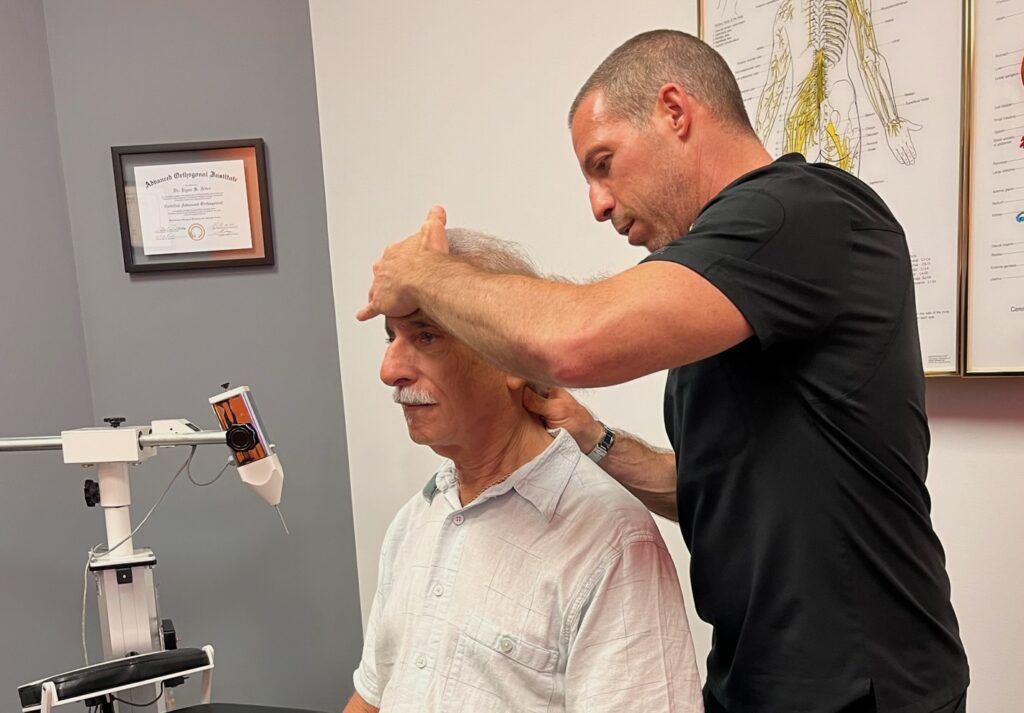
As a local chiropractor, I want to help you understand what to expect during a physical examination for chronic back pain. This process is crucial in uncovering important details about your condition.
During your visit, I’ll closely examine your posture, range of motion, and muscle strength. You may be asked to perform specific movements, which will help us identify what triggers your pain and any limitations you may be experiencing.
I’ll look for signs such as tenderness, swelling, or muscle spasms, as these can provide valuable clues about your back pain. Additionally, I may assess your reflexes and nerve function to check for any indications of nerve compression or other issues that could be contributing to your discomfort.
This comprehensive examination is designed to pinpoint the underlying cause of your pain, and it will serve as a foundation for developing a personalized treatment plan tailored to your needs.
It’s also important for you to share details about the location and intensity of your pain, as well as any related symptoms, since this information is vital for an accurate diagnosis and effective management of your chronic back pain.
My goal is to guide you on your journey toward natural healing and improved well-being.
Conservative Treatment Options
As a local chiropractor, I want to share with you some effective conservative treatment options for managing back pain. Many individuals experience discomfort that can be alleviated through natural methods. These approaches aim to reduce pain and enhance mobility without resorting to invasive procedures.
Here are four common conservative treatment options that I often recommend:
- Chiropractic Adjustments: Regular spinal adjustments can help realign the vertebrae, reducing nerve interference and promoting natural healing in the body. This can lead to improved function and decreased pain.
- Physical Therapy: Incorporating specific exercises under professional guidance can strengthen your back and core muscles, which are essential for stability and flexibility. This tailored approach helps your body recover and prevents future issues.
- Heat and Cold Therapy: Utilizing heat pads or ice packs can be an effective way to soothe sore muscles and reduce inflammation. Heat helps to relax tight muscles, while cold therapy can numb sharp pain and minimize swelling.
- Lifestyle Modifications: Simple changes such as improving your posture, maintaining a healthy weight, and engaging in regular physical activity can significantly reduce strain on your back. I often work with patients to develop personalized strategies that promote overall spinal health.
By exploring these conservative treatment options, you can take charge of your back pain and work towards a healthier, more active lifestyle.
Advanced Therapies and Interventions
As a local chiropractor, I want to shed light on the advanced therapies and interventions available for those of you struggling with chronic back pain—especially if traditional methods haven’t brought the relief you seek.
While conservative treatments, such as chiropractic adjustments and lifestyle changes, can provide substantial relief, there are additional options we can explore together.
One effective technique is spinal injections, which can deliver targeted pain relief by reducing inflammation around the nerves. If you’re searching for a more long-lasting solution, radiofrequency ablation may be an avenue to consider. This procedure disrupts pain signals sent by the nerves and can help alleviate discomfort.
Incorporating physical therapy with specialized modalities—like ultrasound or electrical stimulation—can also support your recovery and enhance the benefits of chiropractic care.
For those facing more severe structural issues, minimally invasive surgery might be worth discussing with your healthcare provider.
Additionally, I encourage you to explore newer treatments like regenerative medicine, which utilizes your body’s own cells to stimulate healing and repair.
Each of these advanced options warrants careful consideration, and it’s essential to have open conversations about them during your visits. Together, we can weigh the benefits and risks to find the best approach tailored to your unique situation.
Lifestyle Changes for Pain Management
As a local chiropractor, I want to emphasize how making certain lifestyle changes can significantly enhance your ability to manage chronic back pain.
Integrating specific habits into your daily routine not only alleviates discomfort but also boosts your overall well-being. Here are some effective strategies I recommend:
- Stay Active: Engaging in low-impact exercises, such as walking or swimming, is crucial. These activities help to strengthen your back muscles and enhance flexibility, which are vital for maintaining a healthy spine.
- Maintain a Healthy Weight: Carrying excess weight can exert additional pressure on your back. I encourage you to focus on a balanced diet to help achieve and sustain a healthy weight, which can greatly reduce strain on your spine.
- Practice Good Posture: It’s important to be aware of your posture whether you’re sitting, standing, or lifting. Proper alignment is key to minimizing stress on your back. I can help you with specific techniques to improve your posture.
- Manage Stress: High stress levels can lead to muscle tension, contributing to back pain. I recommend incorporating relaxation techniques such as yoga, meditation, or deep breathing exercises into your routine to help calm both your mind and body.
By implementing these lifestyle changes, you can experience significant improvements in your pain management and overall quality of life.
Conclusion
As a local chiropractor, I want to emphasize how crucial it is to understand the causes of chronic back pain for effective management. Many people may not be aware of the various risk factors and symptoms associated with back pain, but recognizing them can be the first step toward seeking the right diagnosis and treatment.
I encourage you to explore conservative treatment options such as chiropractic care and physical therapy. These natural approaches focus on aligning the spine, improving mobility, and alleviating pain without the need for medication or invasive procedures. If your condition requires more advanced therapies, we can discuss those options together.
Moreover, making lifestyle changes can significantly impact your long-term pain relief. Simple adjustments to your daily routine, posture, and exercise habits can make a world of difference. Take charge of your health by incorporating these changes and don’t hesitate to reach out to me or other healthcare professionals for guidance and support. Together, we can work towards your journey to recovery and improved well-being.