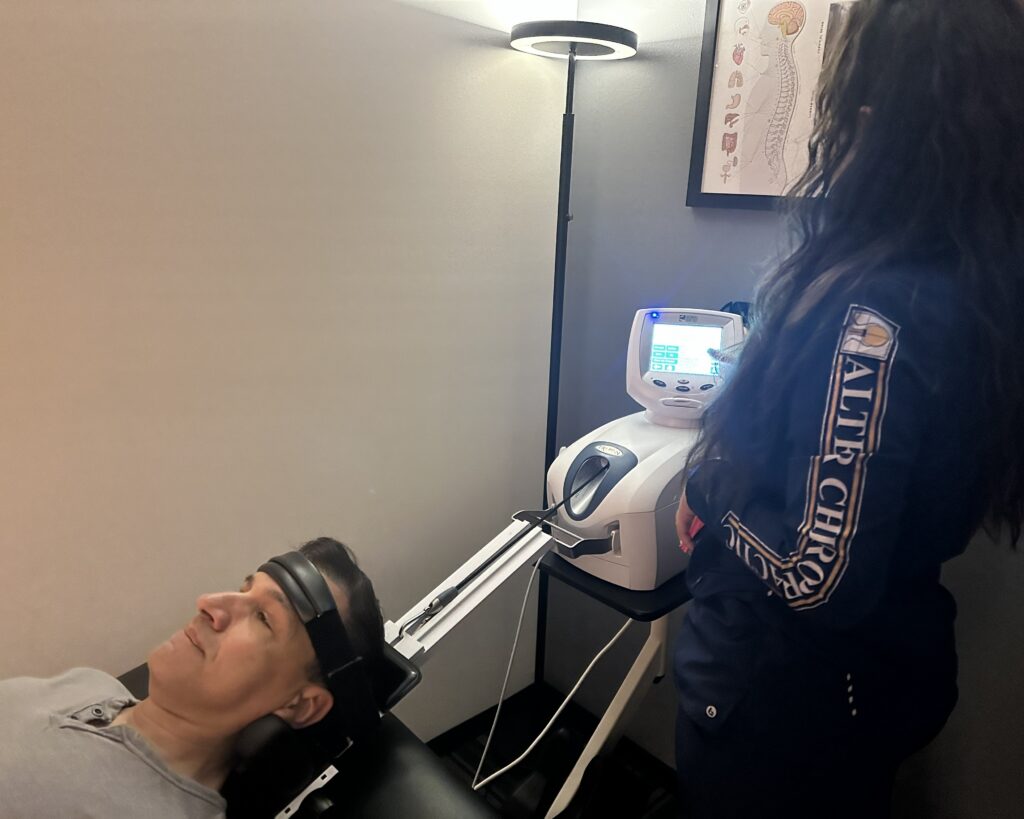
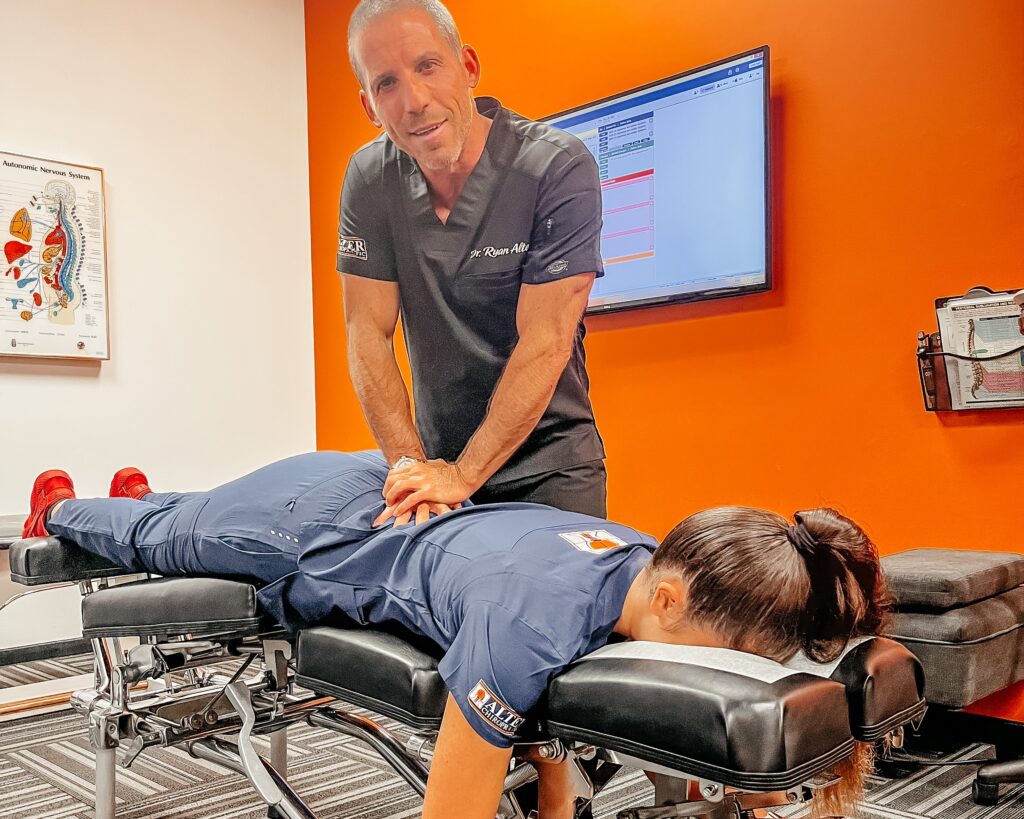
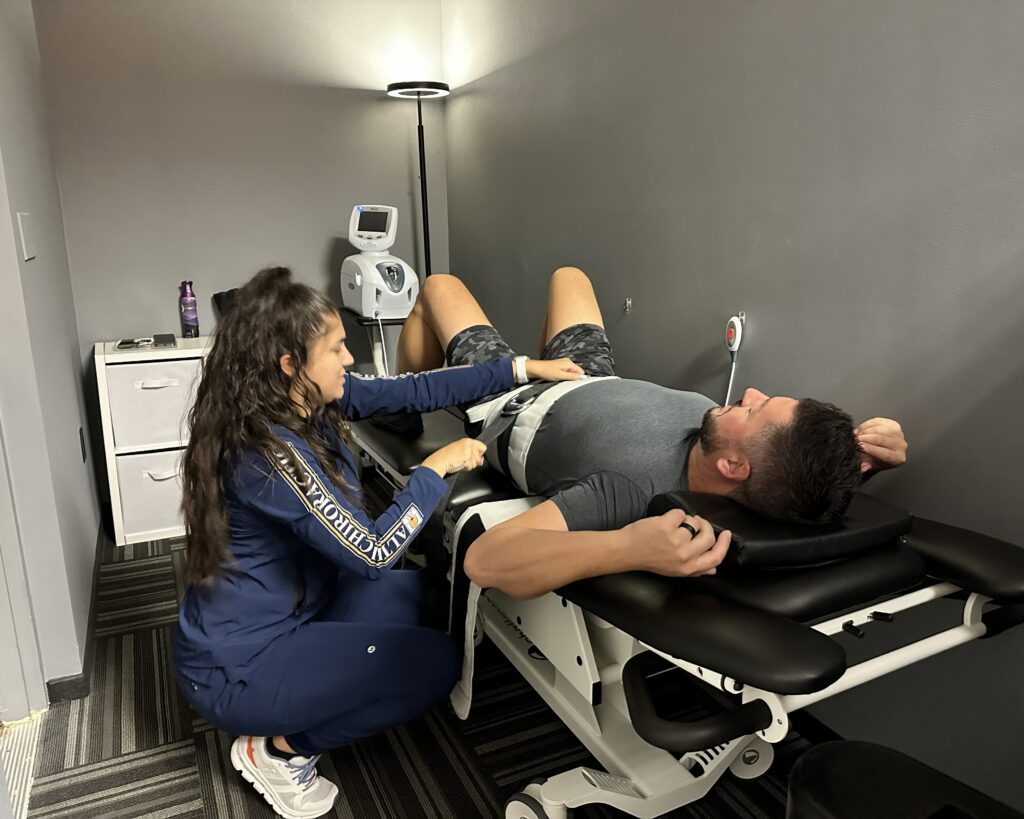
As a local chiropractor, I want to share some valuable insights for those of you who may be struggling with posture-related back pain. You’re not alone in this; many individuals face discomfort from poor ergonomic setups and inadequate core strength. The good news is that significant relief is within reach through some straightforward adjustments and techniques.
By taking a closer look at your workspace, you can make simple ergonomic changes that promote better posture and reduce strain on your back. Additionally, incorporating specific exercises into your routine can strengthen your core, providing the necessary support for your spine.
Mindfulness practices can also play a crucial role in managing pain. By being aware of your posture and movement throughout the day, you can make conscious choices that contribute to a healthier back.
I encourage you to explore these strategies, as they can lead to a more vibrant, pain-free lifestyle. Chiropractic care is here to support you on this journey, offering natural healing methods that empower you to take control of your well-being. Together, we can work towards transforming your daily routine for the better.
Understanding Posture-Related Back Pain
As your local chiropractor, I want to share an important insight about how your posture significantly impacts your back health. Many people may not realize that poor posture can create muscle imbalances and strain, leading to discomfort and pain.
When you slouch or hunch over, it disrupts the natural curve of your spine, which can place excessive pressure on your back muscles and ligaments. Over time, this can lead to chronic pain that interferes with your daily activities.
Improving your posture is essential for alleviating discomfort and enhancing your overall well-being. I encourage you to be mindful of how you sit, stand, and move throughout the day. Keep your shoulders back and ensure that your ears are aligned with your shoulders.
When you’re sitting, aim for your feet to be flat on the floor with your knees at a right angle. Additionally, strengthening your core is vital; it provides support for your spine and helps maintain proper alignment.
Understanding the connection between posture and back pain is a crucial first step toward finding relief. By making small, conscious adjustments to your posture, you can significantly reduce discomfort and improve your back health.
As your chiropractor, I’m here to guide you on this journey toward a healthier spine and a pain-free life.
Ergonomic Adjustments for Your Workspace
As a local chiropractor, I want to emphasize the importance of creating a workspace that supports your back health and overall well-being. Making ergonomic adjustments is essential for maintaining your body’s natural alignment.
Start by adjusting your chair so that your feet are flat on the floor, with your knees positioned at a 90-degree angle. This simple change can significantly reduce strain on your back. It’s crucial to have a chair that offers lumbar support to help maintain the natural curve of your spine.
Your computer monitor should be at eye level and about an arm’s length away to prevent unnecessary neck strain. This positioning helps keep your head aligned with your spine, which is vital for avoiding discomfort.
Keep your keyboard and mouse close enough to your body so that your elbows stay at your sides, also forming a 90-degree angle. If you’re using a laptop, I recommend investing in a separate keyboard and mouse to ensure you maintain proper alignment.
Adequate lighting is another key factor; it helps reduce eye strain and encourages good posture.
Finally, remember to take regular breaks to stand up, stretch, and walk around. These small adjustments can make a significant difference in alleviating back pain and enhancing your overall comfort while you work.
Prioritizing these changes not only aids in your immediate comfort but also supports your long-term health and well-being.
Exercise Routines to Strengthen Your Back
As a local chiropractor, I want to emphasize the importance of not just creating an ergonomic workspace, but also actively strengthening your back through targeted exercises to support your spinal health.
Simple stretches, such as the cat-cow and child’s pose, can enhance flexibility and relieve tension in your spine.
Incorporating strength-building exercises like planks and bridges will engage both your core and back muscles, which are essential for maintaining a strong structure. I recommend practicing these exercises at least three times a week to establish a consistent routine.
Additionally, you might consider incorporating resistance training with bands or weights; exercises like bent-over rows and deadlifts are particularly effective in targeting back muscles.
While performing these movements, it’s crucial to maintain proper posture and alignment. This not only maximizes the benefits of your workouts but also minimizes the risk of injury.
As you gradually build strength, you should notice improvements in your stability and a reduction in discomfort.
Remember, strengthening your back is a journey that requires patience. Listen to your body and progress at a pace that feels right for you.
Mindfulness Techniques to Alleviate Pain
As your local chiropractor, I want to share some valuable mindfulness techniques that can significantly improve your experience with back pain and enhance your overall well-being. One effective method is deep breathing. I encourage you to take a moment to focus on your breath—inhale deeply through your nose and exhale slowly through your mouth. This practice can help alleviate tension in your body and promote relaxation.
Another technique I recommend is the body scan meditation. Find a comfortable position, close your eyes, and mentally check in with each part of your body, paying special attention to any areas of discomfort. Acknowledge the pain without judgment, and as you exhale, visualize gently releasing that tension. This awareness can help you develop a more compassionate relationship with your body.
In addition, consider incorporating mindful movement practices such as yoga or tai chi into your routine. These activities encourage you to be aware of your body’s sensations, promote flexibility, and enhance relaxation, all of which can complement the chiropractic care you receive.
Lastly, I encourage you to cultivate gratitude by focusing on what your body can do rather than what it can’t. This shift in perspective can empower you and help you cope with pain more effectively.
Lifestyle Changes for Long-Term Relief
As your local chiropractor, I understand that many of you may lean on chiropractic adjustments for quick relief from back pain.
However, I want to emphasize the importance of integrating lifestyle changes into your daily routine for long-term pain management. By adopting healthier habits, you can significantly alleviate your discomfort and enhance your overall well-being.
Here are four key lifestyle changes you should consider:
- Ergonomic Workspaces: It’s vital to invest in a chair that provides adequate support for your back and encourages good posture while you work. This simple adjustment can make a significant difference in how you feel throughout the day.
- Regular Exercise: Engaging in regular physical activity, particularly strength training and flexibility exercises, can help build core stability. This, in turn, reduces the strain on your back and helps prevent future pain.
- Mindful Posture: Pay attention to your posture during daily activities, especially when sitting or lifting objects. Being mindful of how you position your body can help prevent unnecessary strain and discomfort.
- Sleep Quality: Ensure that your mattress and pillows are supporting your spine correctly. Quality sleep is essential for recovery, so investing in proper sleep arrangements can lead to restorative rest.
By implementing these lifestyle changes, you can transform your daily routine, effectively manage your pain, and embrace a more active lifestyle.
Conclusion
As your local chiropractor, I want to share some effective strategies to help alleviate posture-related back pain. By making ergonomic adjustments to your workspace, engaging in targeted strengthening exercises, and embracing mindfulness techniques, you can experience significant relief. It’s important to incorporate regular breaks into your day, along with deep breathing exercises, to promote relaxation and reduce tension.
These small, yet impactful changes can lead to improved posture and overall well-being. By adopting these habits, you can take a proactive approach to your health and enjoy a more active, pain-free lifestyle. Remember, your back deserves the best care, and by implementing these strategies, you’re taking an important step towards comfort and vitality. Let’s work together on this journey to better health!