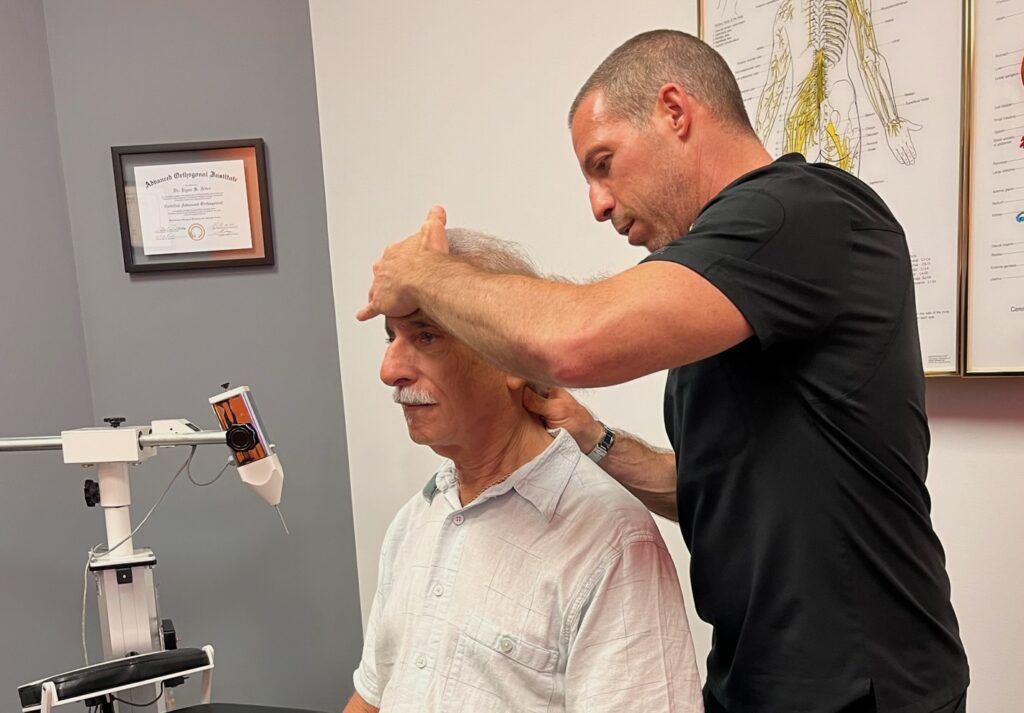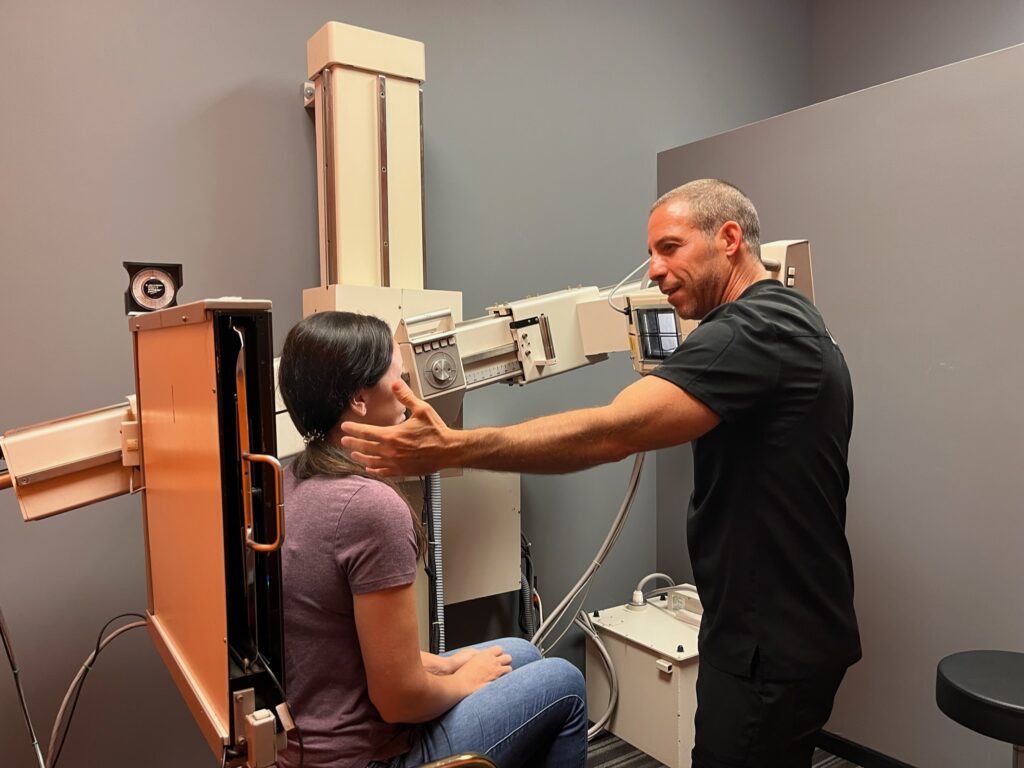

When it comes to managing migraines, the importance of care cannot be overstated, especially when considering chiropractic care. You may not realize how emotional support and physical treatments, like adjustments from a chiropractor, can work hand in hand to alleviate your discomfort. By understanding the links between stress, social interactions, and your overall health, you can appreciate why a holistic approach to wellness is essential.
Chiropractic care focuses on the spine and nervous system, which play a crucial role in how your body responds to pain, including migraines. Regular spinal adjustments can help improve your alignment, reduce tension, and enhance your overall well-being. This natural approach can lead to fewer migraine occurrences and lessen the severity of episodes when they do happen.
To create a more supportive environment for yourself, consider these strategies:
- Incorporate Regular Chiropractic Visits: Make it a routine to see your chiropractor, as consistent adjustments can help maintain spine health and reduce migraine triggers.
- Manage Stress: Engage in relaxation techniques such as deep breathing, meditation, or yoga, which can be complemented by chiropractic care to further help reduce tension in your body.
- Stay Hydrated: Dehydration can trigger migraines. Ensure you’re drinking plenty of water throughout the day to keep your body functioning optimally.
- Maintain Good Posture: Poor posture can contribute to spine misalignments and tension. Be mindful of your posture while sitting, standing, and during daily activities.
- Create a Supportive Environment: Surround yourself with positive relationships and seek emotional support from friends and family. This social interaction can improve your mood and overall mental health, further reducing migraine frequency.
By focusing on these simple yet effective strategies, you can empower yourself to manage migraines better while positioning chiropractic care as a fundamental part of your journey toward optimal health and wellness. Remember, taking care of your spine is taking care of your entire body!
Understanding Migraines: A Complex Condition
Migraines are more than just severe headaches; they’re a complex neurological condition that can significantly disrupt your daily life. When a migraine strikes, you might experience intense pain, often accompanied by nausea, and increased sensitivity to light and sound. These symptoms can last from a few hours to several days, leaving you feeling drained and unable to focus.
Understanding your specific triggers is essential for managing migraines effectively. Triggers can vary widely from person to person and may include stress, certain foods, hormonal changes, and environmental factors. Keeping a diary of your migraine patterns can be incredibly helpful in identifying what sets off your episodes. This proactive approach empowers you to take control of your health.
At our chiropractic clinic, we believe in addressing the root causes of migraines rather than just treating the symptoms. Chiropractic care focuses on spinal health and alignment, which can play a crucial role in reducing the frequency and intensity of migraine attacks. By improving spinal function, we can help relieve tension in the neck and shoulders that may contribute to headache pain.
In addition to chiropractic adjustments, there are several natural tips you can incorporate into your daily routine to promote overall wellness and potentially lessen migraine occurrences:
- Stay Hydrated: Dehydration can be a significant trigger for migraines. Aim to drink plenty of water throughout the day.
- Manage Stress: Incorporating relaxation techniques such as yoga, meditation, or deep-breathing exercises can help reduce stress levels, which may trigger migraines.
- Maintain a Regular Sleep Schedule: Lack of sleep or irregular sleep patterns can trigger migraines. Try to go to bed and wake up at the same time every day.
- Eat Balanced Meals: Regular, nutritious meals can help maintain stable blood sugar levels and reduce the likelihood of migraine attacks.
- Limit Caffeine and Alcohol: Both can act as triggers for some individuals, so it may be beneficial to monitor your intake.
Recognizing that migraines are multifaceted allows you to approach treatment from different angles. By prioritizing chiropractic care and adopting a healthier lifestyle, you can empower yourself to improve your quality of life and manage migraines more effectively.
The Role of Emotional Support in Pain Management
Emotional support can play a vital role in managing migraine pain, and as a chiropractor, I want to emphasize how important it’s to connect with others who understand your struggles. This emotional connection can provide a sense of relief, enhancing your overall well-being as you navigate your pain.
Building a strong support network not only helps you cope but also encourages healing in unexpected ways. When you surround yourself with friends, family, or support groups that share similar challenges, you empower yourself to face your migraines with a positive mindset.
In addition to emotional support, it’s crucial to consider the benefits of chiropractic care in managing migraines. Chiropractic adjustments can help alleviate tension in the spine and neck, which are often contributing factors to migraine pain. By maintaining proper spinal alignment, you can reduce the frequency and intensity of your headaches.
Here are some general tips to help you manage migraines naturally:
- Stay Hydrated: Dehydration can trigger migraines, so be sure to drink plenty of water throughout the day.
- Practice Stress Management: Techniques such as deep breathing, meditation, or yoga can help reduce stress levels, which are known migraine triggers.
- Maintain a Consistent Sleep Schedule: Quality sleep is essential for overall health. Aim for a regular sleep pattern to help minimize migraine occurrences.
- Incorporate Regular Chiropractic Visits: Regular adjustments can help keep your spine in alignment, reducing tension and improving your body’s natural ability to heal.
- Limit Trigger Foods: Pay attention to your diet and identify any foods that may trigger your migraines. Common culprits include aged cheeses, processed meats, and foods with high levels of preservatives.
Emotional Connection and Relief
Pain can often feel isolating, but finding the right emotional support can greatly enhance your journey toward relief and healing. When you connect with someone who understands your struggles, it can lighten your burden significantly. Sharing your feelings not only provides a sense of relief but also reminds you that you aren’t alone in this experience.
Emotional support encourages you to express your frustrations and fears, allowing for a healthier processing of your pain. In the context of migraines, this emotional connection can be especially beneficial. Having someone who listens and empathizes can make it easier to cope with the discomfort, and it can even improve your mood. A positive outlook can, in turn, help minimize the intensity and frequency of your migraines.
Beyond emotional support, consider incorporating chiropractic care into your routine as a natural, effective approach to pain relief and overall wellness. Chiropractic adjustments can help align your spine, which may alleviate tension and stress that contribute to migraines. Regular chiropractic visits can enhance your body’s ability to heal itself, promoting better health and wellness.
Here are some general tips for managing migraines and improving your overall well-being:
- Stay Hydrated: Dehydration can trigger migraines, so make sure to drink plenty of water throughout the day.
- Regular Sleep Schedule: Aim for consistent sleep patterns to help regulate your body’s internal clock, which can reduce migraine occurrences.
- Practice Stress Management: Engage in relaxation techniques such as yoga, meditation, or deep-breathing exercises to help manage stress.
- Healthy Diet: A balanced diet rich in whole foods can support your overall health. Be mindful of potential food triggers for your migraines.
- Regular Chiropractic Care: Consider scheduling regular visits to your chiropractor to maintain spinal health, reduce tension, and promote your body’s natural healing processes.
Support Networks and Healing
Managing migraines can certainly feel overwhelming, but one of the most effective ways to navigate this challenge is through a strong support network. Your friends, family, and local support groups can provide the emotional comfort you need during painful episodes. They listen, understand, and often share experiences that can help you feel less isolated. This connection not only boosts your resilience but also makes it easier to cope with the symptoms you’re facing.
In addition to emotional support, engaging in self-care practices is essential. Incorporating relaxation techniques, such as deep breathing or gentle stretching, can be beneficial for your overall well-being. When you share your struggles with those around you, you may receive practical advice and encouragement that can guide you in managing your migraines more effectively.
As a chiropractor, I want to emphasize the importance of spinal health in alleviating pain and promoting natural healing. Regular chiropractic adjustments can help restore proper alignment and function to your spine, which can reduce the frequency and intensity of migraines.
By prioritizing your spinal health, you’re taking a significant step towards achieving optimal wellness.
How Compassionate Care Reduces Stress
When you receive compassionate chiropractic care, it can significantly reduce the stress that often triggers migraines. This type of care creates a welcoming environment where you feel understood and valued. Knowing that someone genuinely cares about your well-being can lessen feelings of isolation and anxiety.
Simply discussing your experiences with a chiropractor can provide relief, helping you process your emotions without fear of judgment. Chiropractors can also assist you in developing personalized coping strategies for stress management, which empowers you to take charge of your health.
They may introduce relaxation techniques, such as gentle stretching or specific breathing exercises, that can help alleviate tension and lower stress levels almost immediately. In addition, chiropractic care fosters a strong sense of connection, which is vital for emotional well-being.
When you feel supported by your chiropractor, you’re less likely to dwell on stressors, allowing you to concentrate on healing and potentially reducing the frequency of your migraines.
Remember, taking care of your spine is crucial for overall health. Regular chiropractic adjustments can improve your posture, enhance your body’s natural healing abilities, and help maintain a balanced nervous system.
Prioritizing your spinal health not only supports physical wellness but also contributes to emotional resilience. Ultimately, compassionate chiropractic care can transform your experience and promote a healthier mindset, leading to a more fulfilling life.
The Impact of Social Connections on Migraine Frequency
Your social connections play an essential role in managing migraine frequency and promoting overall wellness. Engaging in social activities not only provides emotional support but also serves as a great distraction from pain. When you surround yourself with friends and loved ones, you create a positive environment that can help alleviate stress and tension, which are common migraine triggers.
Incorporating chiropractic care into your routine can further enhance the benefits of these social connections. Regular chiropractic adjustments can help align your spine, improve nerve function, and reduce tension in the muscles around the neck and shoulders, which may contribute to migraine occurrences. By addressing these physical aspects, you can experience fewer migraines and a greater sense of well-being.
Here are some general tips to help manage migraines and promote a healthier lifestyle:
- Stay Hydrated: Dehydration can trigger migraines, so make sure to drink plenty of water throughout the day.
- Practice Relaxation Techniques: Activities like yoga, meditation, or deep breathing can help reduce stress and tension, which may help prevent migraines.
- Maintain a Regular Sleep Schedule: Aim for consistent sleep patterns to support your body’s natural rhythms and reduce the likelihood of migraines.
- Incorporate Regular Chiropractic Visits: Regular adjustments can help keep your spine aligned and reduce tension, making it a natural choice for pain relief.
- Engage in Social Activities: Spend time with friends and family to foster emotional support and distraction from pain. This can significantly improve your mood and overall well-being.
By nurturing your social connections and integrating chiropractic care into your health regimen, you can find effective ways to manage migraine frequency and enhance your quality of life.
Emotional Support Benefits
Emotional support plays a vital role in managing migraines, and as a chiropractor, I want to emphasize how strong social connections can significantly enhance your overall wellness. When you have supportive friends and family who understand what you’re going through, it can help reduce the frequency and intensity of your migraines.
Feeling valued and connected can alleviate stress and anxiety—two common triggers for migraine episodes. Talking to someone about your experiences can be incredibly beneficial. It allows you to process your pain and feel less isolated in your struggles. This sense of belonging can be very comforting and serve as an important part of your healing journey.
Furthermore, having a strong support system encourages you to take proactive steps in your health, such as seeking chiropractic care and adhering to self-care routines. Chiropractic adjustments can help alleviate tension in your spine and body, which may contribute to migraine relief. Regular chiropractic care focuses on natural healing and promotes optimal health, making it a great choice for managing pain and enhancing your overall well-being.
In addition to seeking chiropractic care, here are some general tips to help manage migraines and promote emotional wellness:
- Stay Hydrated: Dehydration can trigger migraines. Aim to drink plenty of water throughout the day.
- Maintain a Healthy Diet: Eating regular meals with a balanced mix of nutrients can help keep your body functioning well.
- Practice Relaxation Techniques: Activities like deep breathing, meditation, or gentle yoga can reduce stress levels.
- Establish a Routine: Having a consistent daily routine can help regulate your body’s systems and reduce triggers.
- Get Enough Sleep: Prioritize good sleep hygiene by maintaining a regular sleep schedule and creating a restful environment.
By nurturing emotional connections and incorporating these healthy habits into your life, you’re not only addressing your migraines but also enhancing your overall quality of life.
Social Activities Engagement
Engaging in social activities can significantly influence the frequency and intensity of migraines. When you connect with friends and loved ones, your body releases endorphins, which are natural pain relievers. This can be particularly beneficial for those dealing with migraines.
Regular social interaction not only helps to reduce stress—a common migraine trigger—but also fosters a sense of community and support. Participating in group activities or hobbies can serve as a wonderful distraction from pain, encouraging a healthier lifestyle that can further alleviate migraine symptoms.
Laughter and joy shared with others can boost your mood, providing additional relief from discomfort. As a chiropractor, I encourage you to prioritize social engagements as part of your wellness routine.
Remember, a healthy spine is essential for overall well-being, and maintaining proper spinal alignment can enhance your body’s ability to cope with pain. Here are a few tips to integrate social activities into your life to help manage migraines naturally:
- Join a Class: Whether it’s yoga, dance, or a book club, joining a group can keep you engaged and active, while also providing social support.
- Schedule Regular Meet-ups: Plan weekly or monthly gatherings with friends. Consistent social interactions can help reinforce feelings of support.
- Engage in Outdoor Activities: Nature walks or picnics can combine the benefits of fresh air and social connection, which are both excellent for your mind and body.
- Practice Mindfulness Together: Activities like meditation or tai chi can be enjoyed with friends and can help reduce stress levels, which may trigger migraines.
- Laugh Together: Attend a comedy show or share funny stories with friends. Laughter is a great way to relieve tension and improve your mood.
Incorporating these social activities into your routine can play a significant role in managing migraines naturally.
Remember, chiropractic care is also a vital component of a holistic approach to health. It focuses on ensuring your spine is aligned, which can aid in reducing pain and improving your overall quality of life.
Prioritize your well-being by embracing social connections and chiropractic care for optimal health.
The Importance of Communication With Healthcare Providers
Effective communication with your healthcare providers is crucial for managing migraines and achieving overall wellness. As a chiropractor, I believe that understanding your body and sharing your experiences can lead to better outcomes, particularly when considering natural approaches to health. Here are three key aspects to focus on when you communicate with your healthcare providers:
- Be Specific About Your Symptoms: When discussing your migraines, clearly describe your symptoms, how often they occur, and any triggers you’ve noticed. This information not only helps your provider understand your condition but also allows them to guide you toward holistic treatments, including chiropractic care, which can address the underlying issues contributing to your pain.
- Explore Natural Treatment Options: Don’t hesitate to discuss your preferences for natural therapies. Chiropractic care focuses on spinal alignment and overall wellness, which can significantly reduce migraine frequency and intensity. Share your thoughts on trying chiropractic adjustments, lifestyle changes, or other natural methods that resonate with you.
- Ask Questions and Seek Clarity: If you have uncertainties about your condition or treatment options, don’t hold back. Asking questions is vital for your understanding and comfort. Educating yourself about how chiropractic care can support your health journey empowers you to make informed decisions that align with your wellness goals.
Remember, managing migraines doesn’t have to rely on medications or invasive procedures. By communicating openly with your healthcare providers and considering the benefits of chiropractic care, you can take proactive steps toward a healthier, pain-free life.
Embrace natural healing, explore your options, and prioritize your well-being!
Personalized Care Plans: Tailoring Treatment to Individual Needs
When it comes to managing migraines, a personalized care plan can significantly enhance your journey toward relief. Since everyone experiences migraines differently, a generic approach often doesn’t cut it. Collaborating with your chiropractor allows you to discover your unique triggers, symptoms, and effective strategies tailored specifically for you.
Your personalized care plan may include lifestyle modifications, such as stress-reduction techniques, proper hydration, and regular exercise, which are essential for overall wellness. Additionally, chiropractic adjustments can help alleviate tension in your spine and neck, often leading to a reduction in migraine frequency and intensity.
Regular visits to your chiropractor for spinal care ensure that you’re on the right track, allowing for necessary tweaks to your treatment as you progress.
Incorporating alternative therapies, such as yoga or mindfulness practices, can further complement your plan, providing a holistic approach to migraine relief. These techniques not only promote relaxation but also encourage a healthier lifestyle that can contribute to fewer migraine episodes.
Ultimately, a customized care plan empowers you to take control of your migraines, enhancing your quality of life. Remember to communicate openly with your chiropractor about your needs and experiences; this collaboration is key to finding the relief that works best for you.
Embrace the natural healing power of chiropractic care and take charge of your wellness journey today!
The Mind-Body Connection: Psychological Approaches to Migraine Relief
Understanding the mind-body connection can be a transformative aspect of your journey toward migraine relief. By realizing how your thoughts and emotions impact your physical health, you can adopt strategies that might help lessen the frequency and intensity of your migraines.
While chiropractic care is a fantastic way to promote overall wellness, incorporating some psychological approaches can enhance your healing process. Here are three methods to consider:
- Mindfulness Meditation: Engaging in mindfulness practices can help you cultivate awareness of the present moment and reduce stress—a common trigger for migraines. By taking a few minutes each day to focus on your breathing and let go of distractions, you may find relief not only from migraines but also in overall well-being.
- Cognitive Behavioral Therapy (CBT): This approach can assist you in identifying and shifting negative thought patterns that might be contributing to your pain. By re-framing your mindset, you can empower yourself to deal with discomfort in a more constructive way, enhancing the benefits of your chiropractic treatments.
- Biofeedback: This technique allows you to learn how to control certain physiological functions, such as muscle tension and heart rate. By gaining this awareness, you can actively manage your migraine symptoms. Coupled with chiropractic adjustments that address spinal alignment and overall body function, biofeedback can enhance your natural healing capabilities.
Incorporating these tips alongside regular chiropractic care can help you achieve optimal health and wellness.
Case Studies: Real-Life Examples of Care Making a Difference
While many people struggle with migraines, numerous case studies illustrate how targeted chiropractic care can lead to significant improvements in their quality of life.
Take Sarah, for example. After years of debilitating migraines, she decided to explore a natural approach through chiropractic adjustments, lifestyle changes, and stress management techniques. Within months, she experienced a dramatic decrease in her migraine frequency, allowing her to return to the activities she loved.
Then there’s Mike, who found relief through regular chiropractic sessions combined with mindfulness practices. By working closely with his chiropractor, he learned to recognize his triggers and developed techniques to alleviate the intensity of his attacks.
These examples demonstrate that seeking personalized chiropractic care can transform your experience with migraines. Whether it’s through spinal adjustments, lifestyle modifications, or developing a supportive routine, embracing a holistic approach can significantly enhance your ability to manage your condition and improve your overall well-being.
Here are some general tips for managing migraines naturally:
- Stay Hydrated: Dehydration can worsen migraines, so aim to drink plenty of water throughout the day.
- Maintain a Healthy Diet: Eating regular, balanced meals can help stabilize blood sugar levels and reduce migraine triggers.
- Practice Stress Management: Techniques such as deep breathing, yoga, or meditation can help lower stress levels, which may contribute to fewer migraine episodes.
- Get Regular Chiropractic Care: Regular adjustments can help alleviate spinal tension and improve overall nervous system function, which may reduce the frequency and severity of migraines.
- Establish a Sleep Routine: Prioritize getting enough restful sleep each night, as irregular sleep patterns can trigger migraines.
Building a Supportive Environment for Migraine Sufferers
Creating a supportive environment is crucial for anyone dealing with migraines, and as a chiropractor, I believe that fostering understanding and compassion can significantly improve the quality of life for migraine sufferers.
Here are three key ways to create a supportive atmosphere, while also considering the benefits of chiropractic care:
1. Open Communication: Encourage honest discussions about triggers and symptoms. When your friends and family understand what you’re experiencing, they can offer better support.
Sharing how chiropractic adjustments have helped improve your overall wellness can also enlighten them about natural healing methods.
2. Reduce Sensory Overload: Create a calming space by minimizing bright lights, loud noises, and strong odors. A quiet area can be a sanctuary during an attack.
Additionally, regular chiropractic care can help balance your nervous system, which may reduce sensitivity to environmental triggers and enhance your ability to cope with migraine symptoms.
3. Offer Practical Help: Simple actions like preparing meals, running errands, or providing a listening ear can alleviate stress.
When you feel supported, it can ease the burden of migraine pain. Encourage loved ones to learn about how chiropractic care can contribute to overall health and potentially lessen the frequency and intensity of migraines.
Conclusion
To summarize, chiropractic care plays a vital role in alleviating migraines by addressing both physical and emotional factors. As a chiropractor, I believe that the alignment of your spine is crucial for overall health, including the management of migraines. When your spine is properly aligned, it can help reduce tension and improve nervous system function, which may lead to fewer headaches.
Building supportive relationships and maintaining open communication with your chiropractor allows for a personalized approach that meets your unique needs. Incorporating chiropractic adjustments into your wellness routine can help relieve pain and tension that often contribute to migraines.
Additionally, embracing mindfulness practices such as deep breathing, meditation, and gentle exercises can empower you to manage your symptoms effectively. Remember, you don’t have to face this journey alone—surround yourself with supportive people, and consider sharing your experiences with your chiropractor to tailor your care.
Practicing good posture, staying hydrated, eating a balanced diet, and managing stress through relaxation techniques can also play a significant role in reducing migraine frequency. By focusing on these natural healing methods and prioritizing your spinal health, you can enhance your overall well-being, leading to fewer migraines and an improved quality of life. Choose chiropractic care as your primary path to pain relief and natural wellness.