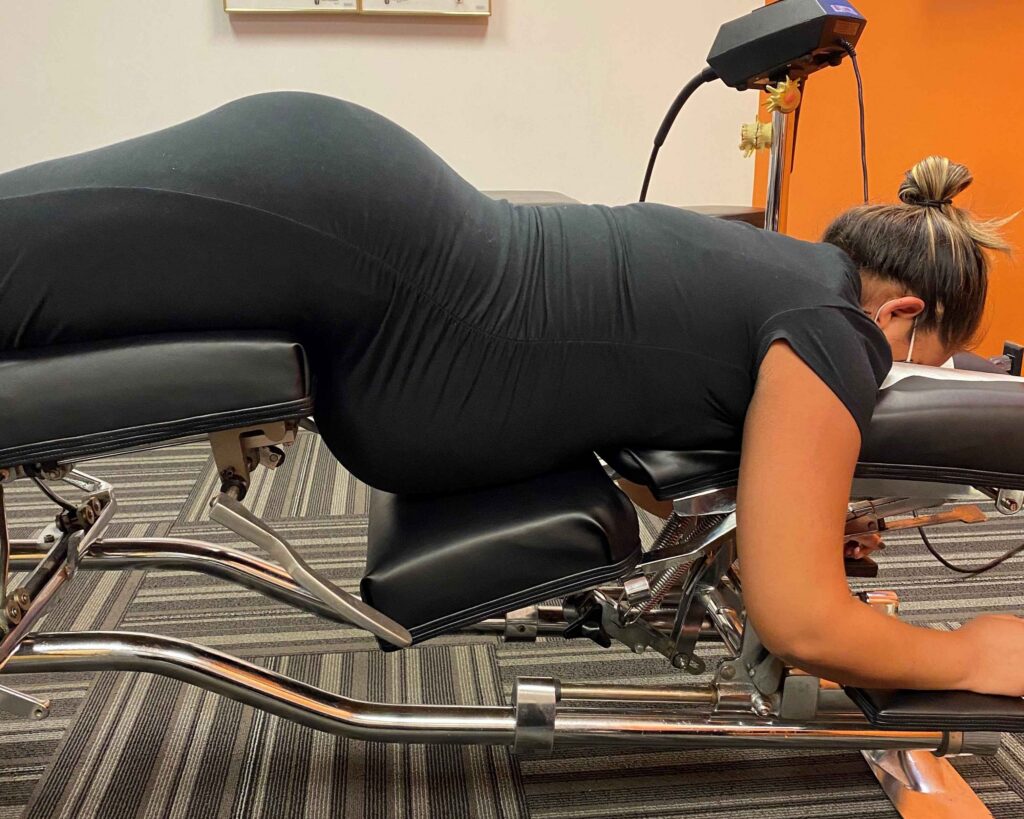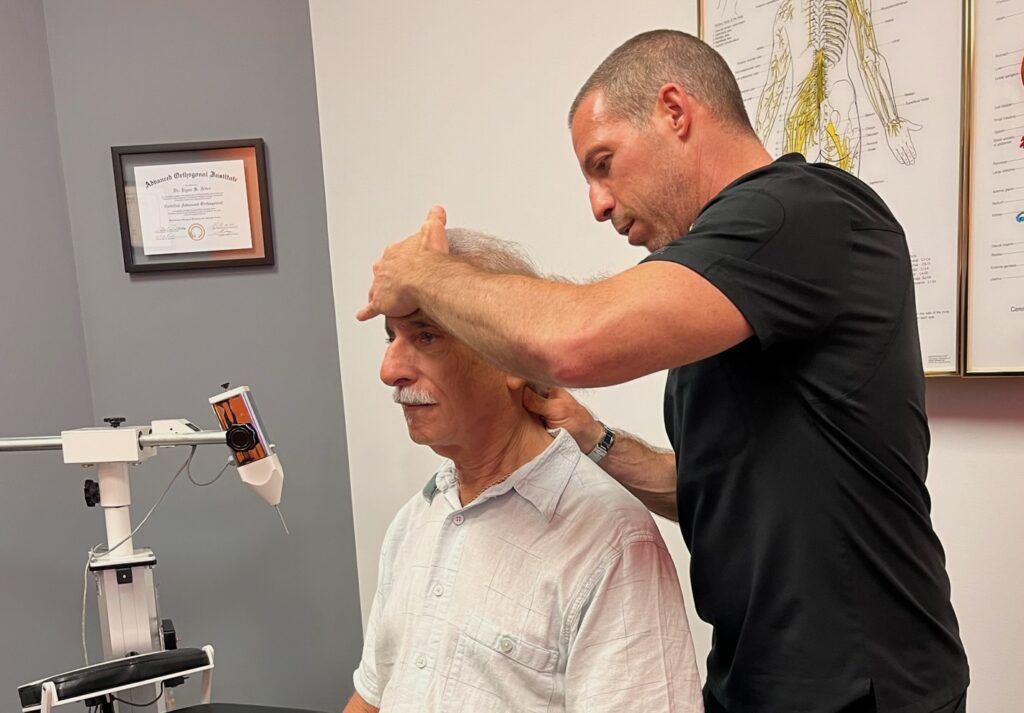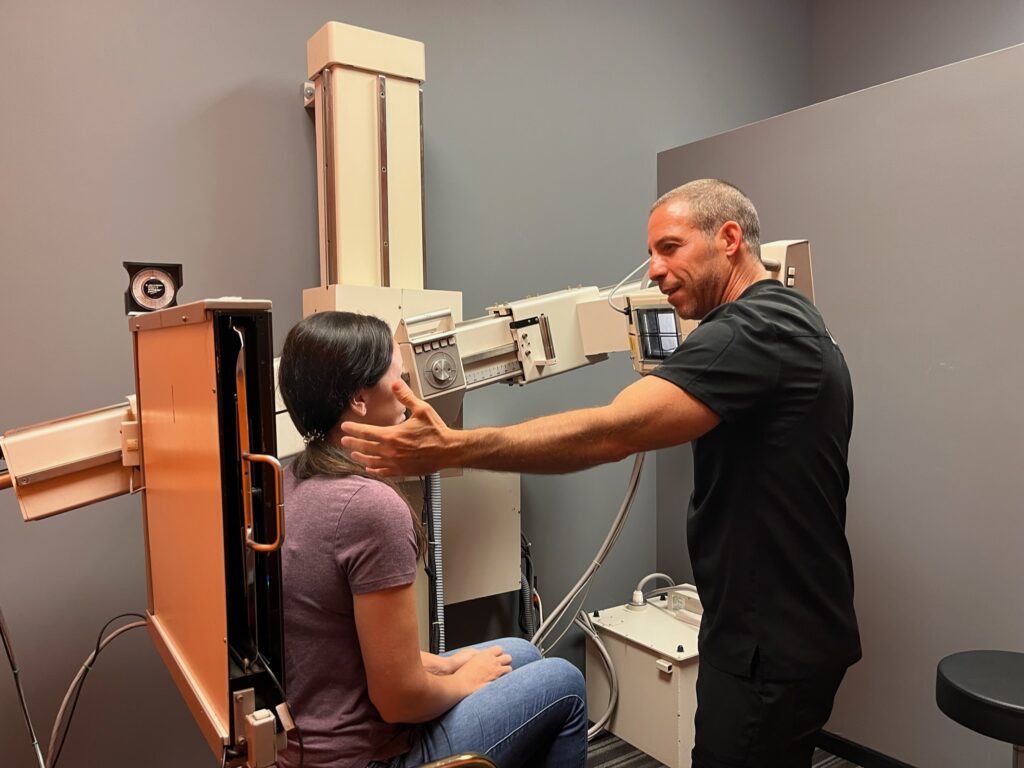

When it comes to managing pain, chiropractic care stands out as one of the most effective and natural solutions available. We offer a range of personalized techniques designed to meet your unique needs and help you achieve optimal health. One of the most well-known methods is spinal adjustments, which help realign your vertebrae and restore proper function to your nervous system. This can lead to significant pain relief and improved overall well-being.
In addition to spinal adjustments, we also utilize soft tissue therapies that focus on specific areas of discomfort, helping to alleviate tension and promote healing. But that’s not all—lifestyle changes and nutritional counseling are crucial components of our approach. By making small adjustments to your daily routine and diet, you can support your body’s natural healing processes and enhance your quality of life.
Curious about how these methods work together? Let’s dive into the top ten strategies chiropractors use to help you manage pain and promote wellness:
- Spinal Adjustments: Realigning your spine can relieve pressure on nerves and improve your body’s function.
- Soft Tissue Therapy: Targeting tight muscles and connective tissues to reduce pain and enhance mobility.
- Exercise Recommendations: Tailored exercises can strengthen your body and prevent future injuries.
- Posture Correction: Improving your posture can alleviate strain and prevent pain from recurring.
- Nutritional Guidance: Eating a balanced diet supports healing and overall health.
- Stress Management Techniques: Learning to manage stress can reduce tension and improve your overall wellness.
- Ergonomic Advice: Simple tips for your workspace can reduce strain and discomfort during daily activities.
- Hydration Tips: Staying well-hydrated helps maintain joint health and overall bodily functions.
- Sleep Hygiene: Improving your sleep quality can play a significant role in pain management and recovery.
- Mindfulness Practices: Techniques such as meditation and deep breathing can help reduce stress and promote relaxation.
By focusing on these natural methods, chiropractic care not only addresses pain but also supports your journey toward a healthier and happier life. Remember, the key to effective pain management lies in a holistic approach that considers both your physical and lifestyle choices. Embrace these strategies and experience the benefits of chiropractic care for yourself!
Spinal Adjustments
When considering pain management, spinal adjustments are often at the forefront as a vital treatment method. These gentle manipulations of the spine are designed to realign your vertebrae, relieving pressure on nerves and significantly reducing pain. When your spine is aligned properly, you’ll notice improvements not just in pain levels, but in your overall function and mobility.
During a spinal adjustment, many patients experience immediate relief. However, the benefits reach far beyond just alleviating pain. Regular adjustments can enhance your body’s natural healing processes, boost circulation, and improve how your nervous system functions.
As a chiropractor, I customize each adjustment to meet your unique needs by assessing your posture and range of motion. My goal is to restore balance and proper alignment in your body, which can help prevent future discomfort and pain. By including spinal adjustments in your wellness plan, you’re making a proactive choice for your health and well-being.
Here are some simple tips to support your spinal health and overall wellness:
- Stay Active: Regular physical activity helps strengthen your muscles and supports your spine. Aim for at least 30 minutes of movement each day.
- Practice Good Posture: Pay attention to your posture when sitting, standing, or lifting objects. Proper alignment can reduce strain on your spine.
- Stay Hydrated: Drinking plenty of water helps keep your spinal discs hydrated and functioning optimally.
- Get Adequate Sleep: Ensure you have a supportive mattress and pillow to maintain spinal alignment while you sleep.
- Manage Stress: Stress can contribute to tension in your body. Engage in relaxation techniques like deep breathing or yoga to help ease that tension.
Soft Tissue Therapy
While spinal adjustments are a crucial part of effective pain management, incorporating soft tissue therapy takes your recovery to the next level. This approach zeroes in on the muscles, tendons, and ligaments that support your spine, helping to alleviate pain, boost mobility, and enhance your overall wellness.
By focusing on the soft tissues, you can experience a more comprehensive form of care that aligns with your healing journey.
Soft tissue therapy includes several beneficial techniques, such as:
- Massage Therapy: This technique helps to relax tight muscles and increase blood flow, which is essential for healing.
- Trigger Point Therapy: By targeting specific knots in the muscles, this method can relieve tension and bring relief to areas of discomfort.
- Myofascial Release: This technique aims to release restrictions in the fascia, the connective tissue that surrounds muscles, improving your range of motion.
Integrating soft tissue therapy into your pain management plan can greatly enhance your overall treatment experience. It’s not just about the spine; it’s about caring for your entire body, helping you feel more balanced and at ease.
Here are some general tips to help you on your wellness journey:
- Stay Active: Regular movement keeps your muscles and joints healthy. Consider incorporating gentle exercises like walking, swimming, or yoga into your routine.
- Practice Good Posture: Being mindful of your posture can reduce strain on your spine and surrounding muscles. Make sure to sit and stand tall!
- Stay Hydrated: Drinking plenty of water helps maintain soft tissue elasticity and overall body function.
- Listen to Your Body: If you notice tension or discomfort, don’t hesitate to seek a chiropractic adjustment or soft tissue therapy to address these issues early on.
By choosing chiropractic care as your primary approach to pain relief and natural wellness, you’re making a proactive choice for your health.
Exercise and Rehabilitation
When it comes to managing pain, customized exercise plans are crucial for your recovery, and chiropractic care can help you develop these plans effectively. Through chiropractic adjustments, we work to align your spine and improve your nervous system function, which can significantly enhance your overall well-being.
In addition to adjustments, we utilize various rehabilitation techniques that focus on restoring your strength and mobility. These techniques not only help in alleviating pain but also empower you to take charge of your health. By incorporating specific exercises tailored to your needs, you can gradually regain your strength and flexibility.
Here are some general tips to help you on your journey to natural healing and healthier living:
- Stay Active: Regular movement is essential. Simple activities like walking or gentle stretching can make a big difference in how you feel.
- Listen to Your Body: Pay attention to what your body is telling you. If something doesn’t feel right, let your chiropractor know so they can adjust your plan accordingly.
- Posture Matters: Maintain good posture, whether sitting or standing. Proper alignment can prevent unnecessary strain on your spine.
- Incorporate Strength Training: Building core strength supports your spine and can help alleviate pain. Your chiropractor can recommend exercises that are safe and effective for you.
- Stay Hydrated: Drink plenty of water to keep your muscles and joints lubricated.
By choosing chiropractic care, you’re taking a proactive step toward optimal health. We’re here to support you every step of the way, ensuring you have the tools and knowledge to manage your pain naturally and effectively.
Let’s work together to enhance your quality of life!
Customized Exercise Plans
Customized exercise plans are incredibly important for managing pain and promoting overall wellness, as they’re tailored to meet your specific needs and conditions. These plans can help you regain strength, improve flexibility, and reduce discomfort, making everyday tasks easier and more enjoyable.
By partnering with your chiropractor, you can create a routine that’s designed just for you and your unique situation.
Here are some key benefits of customized exercise plans:
- Targeted workouts: These exercises focus on specific areas where you’re experiencing pain, which can speed up your recovery and help you feel better.
- Progress tracking: Keeping an eye on your improvements allows you to see how far you’ve come and helps your chiropractor make any necessary adjustments to your plan.
- Injury prevention: By learning safe techniques and proper body mechanics, you can avoid future injuries and keep your body moving well.
With a personalized approach, you’re more likely to stick with your exercise routine and reach your pain management goals. Your chiropractor will ensure that each exercise you do is effective and safe, guiding you on your journey to better health.
Some general tips for success include:
- Listen to your body: If something doesn’t feel right, don’t hesitate to discuss it with your chiropractor.
- Stay consistent: Try to stick to your exercise routine as much as possible, even if it’s just for a few minutes each day.
- Keep it fun: Find activities you enjoy, whether it’s dancing, walking, or gentle yoga, to make your exercise plan more enjoyable.
Chiropractic care, combined with customized exercise plans, is a natural and effective way to achieve optimal health and well-being.
Embrace this holistic approach to pain relief and start your journey towards a healthier, happier life today!
Rehabilitation Techniques Explained
Rehabilitation techniques are vital for your recovery journey, helping to restore function and mobility after an injury or surgery. As a chiropractor, I emphasize the importance of tailored exercises that not only strengthen your muscles but also enhance your flexibility. Engaging in stretching routines can improve your range of motion, which is key in preventing future injuries.
Manual therapies, including mobilization and manipulation, are also effective methods to reduce pain and promote healing naturally. These hands-on techniques help realign your spine, allowing your body to heal itself more efficiently.
To complement your recovery, we may incorporate specialized equipment like resistance bands or stability balls into your exercises. These tools can enhance the effectiveness of your workouts while making them more enjoyable. I’ll be with you every step of the way, ensuring that you perform movements safely and correctly.
Remember, consistency is key! By regularly practicing these rehabilitation techniques, not only will you experience relief from pain, but you’ll also build confidence in your body’s abilities.
Here are a few general tips to keep in mind:
- Stay Active: Find gentle activities that you enjoy, like walking or swimming, to keep your body moving.
- Listen to Your Body: Pay attention to how you feel during exercises. If something doesn’t feel right, let me know.
- Incorporate Stretching: Make stretching a daily habit to improve flexibility and prevent stiffness.
- Focus on Posture: Good posture can significantly impact your spinal health. Be mindful of your sitting and standing positions.
Nutritional Counseling
When it comes to managing pain, the food you consume plays a vital role in your overall health and well-being. A well-balanced diet can’t only help you feel better but can also support the healing process. Additionally, considering certain supplements may provide relief, and a personalized nutrition plan can truly enhance your overall wellness journey.
As a chiropractor, I believe that chiropractic care is one of the best ways to achieve optimal health. By focusing on spinal health and the nervous system, you can experience pain relief and improved wellness without the need for surgeries or medications.
Here are some tips to help you incorporate healthier living into your routine:
- Eat Anti-Inflammatory Foods: Incorporate foods rich in omega-3 fatty acids, such as fatty fish, walnuts, and flaxseeds. These can help reduce inflammation, which is often a source of pain.
- Stay Hydrated: Drinking plenty of water is essential for your body’s overall functionality and can help reduce pain by keeping your joints lubricated.
- Prioritize Whole Foods: Focus on whole, unprocessed foods such as fruits, vegetables, whole grains, and lean proteins. These provide the nutrients your body needs to heal naturally.
- Consider Natural Supplements: Consult with a nutritionist or your chiropractor about natural supplements like turmeric or ginger, which have anti-inflammatory properties and may help with pain relief.
- Practice Good Posture: Maintaining good posture can prevent unnecessary strain on your spine and muscles. Be mindful of your body position while sitting, standing, and moving.
- Incorporate Gentle Exercise: Engage in low-impact activities like walking, swimming, or yoga. These can help strengthen your body and improve flexibility without putting undue stress on your joints.
Remember, chiropractic care is here to support your journey towards better health. By combining natural healing practices with proper nutrition and lifestyle choices, you can achieve lasting pain relief and enhance your overall quality of life.
If you’re looking for personalized guidance, don’t hesitate to reach out for a consultation!
Dietary Impact on Pain
When it comes to managing pain, many individuals tend to focus on treatments like chiropractic adjustments, which are indeed vital for spinal health and overall wellness.
However, one aspect that often gets overlooked is the significant role of diet in pain management. Your nutrition choices can influence your pain levels, and making smart dietary adjustments can enhance your recovery and support your chiropractic care.
Here are some easy dietary changes you can make to complement your chiropractic treatments and promote a healthier, pain-free lifestyle:
- Embrace anti-inflammatory foods: Incorporate plenty of colorful fruits and vegetables into your meals. Foods like berries, leafy greens, and fatty fish such as salmon can help reduce inflammation, which is often a key contributor to pain.
- Stay hydrated: Drinking enough water is essential for joint lubrication and overall health. Proper hydration can prevent stiffness and support your body’s natural healing processes, making it a perfect partner to your chiropractic care.
- Focus on balanced meals: Aim for a combination of lean proteins, healthy fats, and whole grains. This balance not only fuels your body with energy but also aids in recovery, allowing you to feel your best as you work with your chiropractor to alleviate pain.
By integrating these simple dietary tips into your routine, you’re not only enhancing your wellness journey but also maximizing the benefits of your chiropractic adjustments.
Supplements for Pain Relief
Incorporating supplements into your pain management strategy can significantly complement the benefits you receive from chiropractic care. As a chiropractor, I believe in a holistic approach to health and wellness, and certain vitamins and minerals can play a key role in helping you feel your best.
For instance, magnesium and vitamin D are essential nutrients that help reduce inflammation and support nerve function. This means they can assist in easing discomfort and improving your overall well-being. Omega-3 fatty acids, commonly found in fish oil, are known for their remarkable anti-inflammatory properties, making them beneficial for anyone dealing with joint pain.
Another natural option to consider is curcumin, the active ingredient in turmeric. Curcumin has powerful anti-inflammatory effects that can aid in pain relief and promote healing. Additionally, glucosamine and chondroitin are supplements that may support joint health, helping you maintain your mobility and comfort.
Before starting any new supplements, it’s crucial to consult with your chiropractor. They can offer personalized advice on the right dosages and combinations that will work best for your specific needs. This way, you can ensure that your approach to pain management isn’t only effective but also safe.
Remember, chiropractic care is at the forefront of natural healing and wellness. It focuses on addressing the root causes of pain, helping you achieve optimal health without relying on medications or invasive procedures. By combining chiropractic adjustments with the right supplements, you can create a well-rounded strategy for managing pain and enhancing your overall health.
Here are a few general tips to keep in mind:
- Stay hydrated—water helps your body function properly and can aid in recovery.
- Incorporate anti-inflammatory foods into your diet, such as leafy greens, nuts, and berries.
- Maintain good posture to prevent unnecessary strain on your spine.
- Regularly engage in gentle exercises, like walking or stretching, to keep your body active and flexible.
Personalized Nutrition Plans
To effectively manage pain and enhance your overall health, personalized nutrition plans can be a vital part of your wellness journey. By customizing your diet to fit your individual needs, you can support your body’s natural healing processes and reduce inflammation, which is essential for pain relief.
As a chiropractor, I encourage you to consider how your nutrition can work hand-in-hand with chiropractic care to help you achieve optimal health.
Here are some key components for your personalized nutrition plan that can aid in your recovery and overall wellness:
- Whole Foods: Focus on incorporating plenty of fruits, vegetables, lean proteins, and healthy fats into your meals. These nutrient-dense foods provide the essential vitamins and minerals your body needs to function at its best.
- Hydration: Staying well-hydrated is crucial for your body to operate efficiently. Proper hydration can assist in reducing pain and improving your overall health. Aim for plenty of water throughout the day.
- Anti-inflammatory Choices: Include foods that are rich in omega-3 fatty acids, such as fish and walnuts, as well as antioxidants found in berries and leafy greens. These foods help fight inflammation, which can lead to improved comfort and mobility.
By combining these dietary strategies with regular chiropractic adjustments, you can enhance your body’s ability to heal and maintain a balanced state of wellness.
Posture Correction
Good posture is crucial for your overall health and well-being, and it can make a significant difference in how you feel every day. When you maintain proper alignment, you reduce strain on your muscles and joints, which can lead to less pain and discomfort. That’s where chiropractic care comes in!
As a local chiropractor, I focus on posture correction to help you find that balance. The first step is evaluating your posture to identify any misalignments or weaknesses. With targeted adjustments, I can help realign your spine, which is key to improving your overall posture.
But it doesn’t stop there! I also provide specific exercises designed to strengthen weak muscles and stretch those that are tight. Additionally, I offer guidance on how to incorporate ergonomic practices into your daily life. Simple adjustments, like setting up your workstation properly or being aware of your sitting posture while driving, can make a world of difference.
Remember, good posture isn’t just about standing tall; it’s about supporting your entire body for optimal health. By choosing chiropractic care, you’re taking a natural approach to wellness that can lead to long-term improvement and pain relief.
Lifestyle Modifications
When many people think about chiropractic care, they often picture spinal adjustments. However, it’s important to understand that making lifestyle modifications is just as crucial for managing pain and promoting your overall health.
By consciously altering your daily habits, you can enhance the benefits of chiropractic treatment and reduce discomfort effectively. Here are some simple lifestyle tips to consider:
- Stay Active: Regular exercise is key to strengthening your muscles and improving flexibility. Even activities as simple as walking can have a significant positive impact on your health. Aim to move your body daily, whether through walking, stretching, or light workouts, to support your spine and overall well-being.
- Maintain a Balanced Diet: What you eat plays a vital role in how your body responds to treatment. Focus on incorporating whole, nutritious foods into your meals. Fresh fruits, vegetables, and whole grains can help reduce inflammation and support your body’s natural healing processes. A healthy diet complements your chiropractic care and helps you feel your best.
- Prioritize Sleep: Never underestimate the power of a good night’s sleep! Quality sleep is essential for recovery and overall health. Aim for 7-9 hours of restful sleep each night to allow your body the time it needs to repair and rejuvenate. Establishing a calming bedtime routine can help improve your sleep quality.
By embracing these lifestyle modifications, you can empower yourself to take charge of your health and well-being. Chiropractic care, combined with these simple changes, can lead to a happier, healthier life.
Heat and Cold Therapy
When you’re dealing with pain, incorporating heat and cold therapy can significantly enhance your recovery, especially when paired with chiropractic care.
Heat therapy is fantastic for relaxing tight muscles and boosting circulation, which can be particularly beneficial for those with spinal issues. It helps to ease muscle tension and improve flexibility, allowing your body to move more freely.
On the other hand, cold therapy is great for reducing inflammation and numbing sharp pain. It’s particularly useful after a chiropractic adjustment or after activities that may have strained your body. By applying cold, you can help minimize swelling and provide relief from acute discomfort.
Here are some simple tips for using heat and cold therapy effectively:
- Heat Therapy: Use a warm towel, heating pad, or take a warm bath for 15-20 minutes to soothe tight muscles. This can be especially helpful before your chiropractic appointments to help your body relax.
- Cold Therapy: Apply an ice pack wrapped in a cloth to the affected area for 10-15 minutes. This is particularly effective after any strenuous activity or right after a chiropractic adjustment to reduce swelling.
- Listen to Your Body: Pay attention to how your body responds to each therapy. If something feels uncomfortable or painful, stop and consult your chiropractor for personalized advice.
- Stay Consistent: Regular use of heat and cold therapy can enhance the benefits of chiropractic care, helping you achieve better overall wellness and pain relief.
Remember, while heat and cold therapy can be helpful tools, they work best in conjunction with chiropractic care, which addresses the root causes of pain and promotes natural healing.
Benefits of Heat Therapy
Heat therapy is a wonderful, natural method for alleviating pain and enhancing healing, especially when combined with chiropractic care. By applying heat to areas of discomfort, you can’t only relax your muscles but also promote better blood flow, which is essential for recovery.
This technique is especially helpful for those suffering from chronic pain, stiff joints, and muscle tension. Here are some key benefits of heat therapy that can complement your chiropractic treatments:
- Boosts blood circulation: Improved blood flow is crucial as it brings vital nutrients and oxygen to injured tissues, aiding in quicker recovery.
- Relaxes tight muscles: Heat therapy can ease muscle tension, providing relief and enhancing your range of motion, making it easier to stay active.
- Eases joint stiffness: Applying warmth to your joints can alleviate discomfort, allowing for smoother and more comfortable movement.
Incorporating heat therapy into your daily routine can significantly enhance your overall well-being and work harmoniously with chiropractic adjustments.
Advantages of Cold Therapy
After discussing the benefits of heat therapy, it’s vital to complement your pain management techniques with cold therapy. Cold therapy is a simple yet effective way to reduce inflammation and numb sharp pain, making it an excellent choice for addressing acute injuries. When you apply ice or a cold pack to the affected area, it constricts blood vessels, which can help limit swelling and slow down the nerve signals that send pain messages to your brain. This can be particularly helpful after an intense workout or following an injury.
Moreover, cold therapy isn’t just for acute issues; it can be a helpful ally in managing chronic conditions by providing relief during flare-ups. To reap the maximum benefits, remember to use cold therapy in intervals—typically around 15-20 minutes at a time—to protect your skin from potential damage.
Integrating both heat and cold therapies into your routine can offer a more comprehensive approach to pain relief. However, it’s essential to keep in mind that chiropractic care is one of the best ways to achieve optimal health. A chiropractor can help identify the root causes of your pain and develop a personalized treatment plan that incorporates these therapies, as well as spinal adjustments, to promote natural healing and wellness.
Incorporating these practices into your daily life can empower you to take control of your health and well-being. Always listen to your body, and consider reaching out to a chiropractor for tailored advice and treatment options that fit your specific needs.
Electrical Stimulation
As a local chiropractor, I want to share with you how electrical stimulation can be an effective and natural tool for managing pain and promoting recovery. This safe and non-invasive technique works by sending gentle electrical impulses through the skin, which stimulates your nerves and muscles. Many of my patients find that it helps reduce pain and enhances their mobility, allowing them to get back to the activities they love.
Here are some of the key benefits of electrical stimulation that you should know:
- Pain Relief: Electrical stimulation can disrupt the signals that carry pain to your brain, helping to provide immediate and effective relief. It’s a great way to alleviate discomfort without relying on medications.
- Muscle Relaxation: The gentle impulses help to relax tense muscles, making it easier for your body to recover after an injury or strain. This is especially helpful if you’re dealing with muscle tightness or spasms.
- Improved Circulation: This therapy promotes better blood flow, which can speed up healing and reduce inflammation throughout your body. Improved circulation also brings more oxygen and nutrients to your tissues, aiding in the recovery process.
In my practice, I often incorporate electrical stimulation as part of a personalized treatment plan tailored to each patient’s unique needs. This approach allows for a comprehensive method to pain management, focusing on your overall wellness rather than just the symptoms.
If you’re dealing with chronic pain or discomfort, I encourage you to discuss the possibility of electrical stimulation with me during your next visit. Remember, chiropractic care is dedicated to helping you achieve optimal health through natural healing methods.
Here are a few general tips for maintaining your well-being:
- Stay hydrated: Drinking plenty of water can help keep your muscles and joints healthy.
- Incorporate gentle stretching: Regular stretching can improve flexibility and reduce tension in your muscles.
- Maintain good posture: Being mindful of your posture while sitting and standing can prevent strain and discomfort.
Together, we can explore the best options for your health and get you on the path to feeling your best!
Massage Therapy
Massage therapy is a fantastic complement to chiropractic care, offering a natural way to manage pain and promote overall well-being. This hands-on technique helps to reduce muscle tension, enhance circulation, and encourage relaxation.
When you enjoy a massage, your body releases endorphins—natural pain relievers that can elevate your mood and lower stress.
As a chiropractor, I often incorporate massage therapy into my treatment plans to specifically target areas of pain. If you’re experiencing chronic back pain, headaches, or sports injuries, focused massage techniques can help relieve discomfort and improve your mobility.
Techniques like deep tissue massage or trigger point therapy can be particularly effective in addressing the underlying causes of your pain.
Integrating massage therapy with chiropractic adjustments creates a holistic approach to pain relief and health maintenance. It’s important to consider incorporating both into your routine for optimal results.
Here are a few tips to enhance your experience with massage therapy and chiropractic care:
- Stay Hydrated: Drinking plenty of water before and after your sessions can help flush out toxins and reduce soreness.
- Communicate: Always share your specific pain points and preferences with your massage therapist and chiropractor to tailor the treatment to your needs.
- Regular Sessions: Consistency is key. Regular visits for both chiropractic adjustments and massage therapy can help maintain your progress and prevent pain from returning.
- Mindful Movement: Incorporate gentle stretches and mobility exercises into your daily routine to support your body’s natural alignment and flexibility.
By embracing both chiropractic care and massage therapy, you can take significant strides toward achieving optimal health and living a pain-free life.
Consider booking a session today to experience the benefits firsthand!
Ergonomic Assessments
When it comes to preventing pain and enhancing comfort in your daily activities, ergonomic assessments are invaluable. These evaluations help identify how your workspace, posture, and daily habits may lead to discomfort or injury. By focusing on these areas, you can create a healthier environment tailored specifically to your needs, which is essential for your overall well-being.
Here are some key benefits of ergonomic assessments that can greatly enhance your quality of life:
- Improved Posture: Discover how to position your body in a way that reduces strain and promotes spinal health. Proper posture is crucial for avoiding pain and maintaining a healthy spine.
- Customized Solutions: Receive practical recommendations for equipment and workspace adjustments that are tailored to your unique body and lifestyle. Simple changes, like adjusting your chair height or screen position, can make a big difference.
- Enhanced Productivity: When you’re comfortable, you’re more efficient and focused. A well-designed workspace can help you stay on task and minimize distractions.
As a chiropractor, I often conduct these assessments to help my patients understand how their daily routines impact their health. By applying the advice you receive, you can significantly reduce pain and foster long-term wellness without the need for medications or surgeries.
Here are some general tips to keep in mind for a healthier lifestyle:
- Take Breaks: Stand up, stretch, and move around every hour to prevent stiffness and improve circulation.
- Mind Your Screen: Position your computer screen at eye level to avoid neck strain. Your feet should be flat on the ground or on a footrest.
- Stay Active: Incorporate physical activity into your day, whether it’s a brisk walk during lunch or simple exercises at home.
Consider scheduling an ergonomic assessment with your local chiropractor to take the first step toward a more comfortable, pain-free lifestyle. Chiropractic care is a natural and effective way to achieve optimal health, and it can help you live your life to the fullest!
Conclusion
Incorporating chiropractic care into your pain management strategy can lead to remarkable improvements in your overall health and well-being. With techniques like spinal adjustments, which realign your spine and alleviate pressure on nerves, and soft tissue therapy, which relaxes tight muscles and promotes healing, chiropractic care effectively targets pain at its source.
Creating a personalized exercise plan tailored to your unique needs not only enhances your recovery but also strengthens your body, helping to prevent future discomfort. Nutrition plays a vital role in healing, so consider seeking nutritional counseling to support your body’s recovery process. Small changes in your diet can make a big difference in how you feel.
Lifestyle modifications, such as improving your posture and incorporating regular physical activity into your day, can further enhance your healing journey. Don’t overlook the benefits of complementary therapies like heat and cold therapy, which can provide immediate relief, and massage, which can help reduce tension and improve circulation.
By exploring these chiropractic options, you’re taking proactive steps toward achieving a healthier, pain-free life. Remember, the goal of chiropractic care is not just to relieve pain but to promote overall wellness, helping you live your life to the fullest. Embrace the journey toward natural healing and optimal health with chiropractic care as your guiding force!