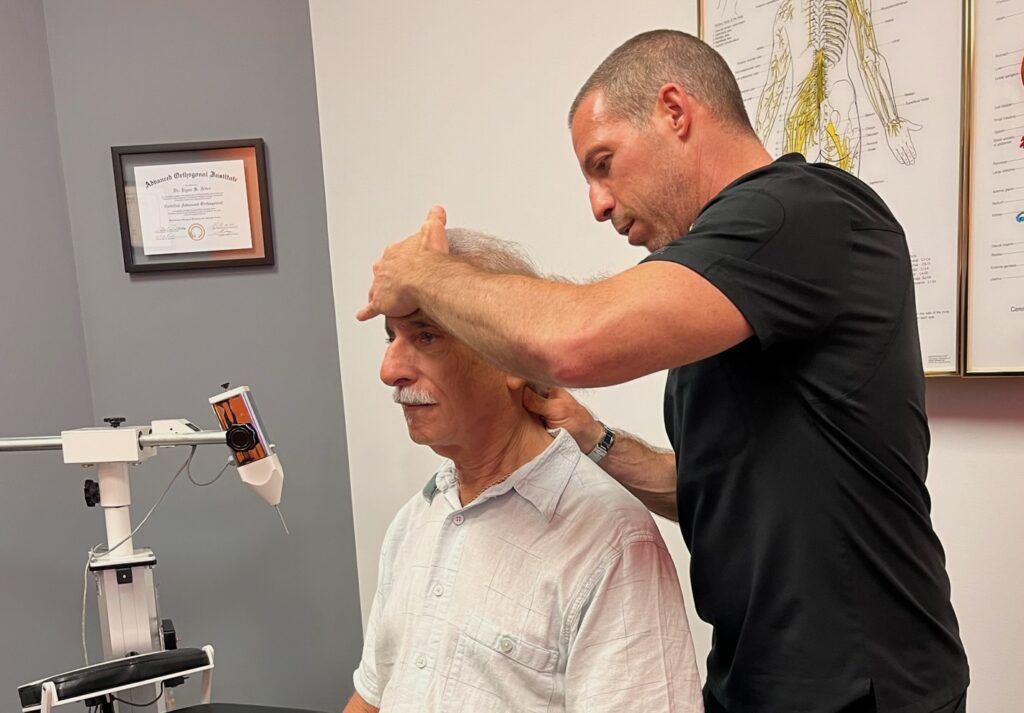

Migraines can be debilitating, but as a chiropractor, I want to share some surprising relief options that can help you find comfort naturally. Beyond traditional treatments, techniques like acupressure and essential oils can provide immediate relief, but let’s not forget the vital role of spinal health in managing migraines.
Chiropractic care focuses on aligning the spine to improve nervous system function, which can significantly reduce the frequency and intensity of migraines. Regular adjustments may help alleviate tension and stress in your body, leading to fewer headaches.
You might also be surprised at how simple dietary changes can impact your wellness. Staying hydrated, avoiding trigger foods, and incorporating anti-inflammatory ingredients can make a world of difference. Additionally, practicing mindfulness, such as deep breathing or meditation, can help reduce stress, which is a common migraine trigger.
Have you considered how innovative technology can enhance your wellness journey? Tools like posture-correcting devices and apps that remind you to stretch can support your spinal health and overall well-being.
Let’s explore these strategies further and empower you to take charge of your health. Remember, chiropractic care is a natural and effective way to achieve optimal health and relieve migraines without the need for medications or invasive treatments. Prioritize your spine, and you might just find the relief you’ve been searching for!
Key Takeaways
If you’re struggling with migraines, it’s important to know that there are natural ways to find relief, and chiropractic care is one of the best options available. Here are some helpful techniques and tips to manage your migraine pain effectively:
- Chiropractic Adjustments: Regular chiropractic care can greatly improve your spinal alignment. Misalignments in your spine can contribute to tension and headaches, including migraines. By ensuring your spine is properly aligned, you may experience fewer and less severe migraines.
- Acupressure Techniques: In addition to chiropractic adjustments, applying pressure to specific acupressure points, like LI4 (located between your thumb and index finger) and GB20 (at the base of your skull), can provide immediate relief from migraine pain. This method promotes relaxation and can be done easily at home.
- Essential Oils: Consider using natural remedies like essential oils. Oils such as peppermint and lavender are known for their soothing properties. You can dilute these oils for topical application or use a diffuser to create a calming atmosphere, which can help alleviate migraine symptoms.
- Herbal Remedies: Incorporating herbal supplements like feverfew and butterbur into your routine may help reduce the frequency and intensity of migraines. Consistency is key, so make sure to use these remedies regularly.
- Innovative Technology: There are also new wearable technologies available, like smart headbands and biofeedback devices, that can help you manage your migraine symptoms. These tools can offer real-time feedback and help you understand your triggers better, allowing you to make informed choices about your health.
- Lifestyle Tips: Beyond these techniques, maintaining a healthy lifestyle is crucial. Stay hydrated, manage stress through relaxation techniques, and get regular exercise. A balanced diet rich in fruits and vegetables can also support your overall health and reduce migraine frequency.
By focusing on these natural methods, especially chiropractic care, you can empower yourself in the journey to managing migraines and achieving optimal health. Remember, it’s always best to consult with your chiropractor about the best approach for your specific needs.
Acupressure Techniques for Immediate Relief
When a migraine strikes, acupressure can be a great way to find quick relief by focusing on specific pressure points on your body. As a chiropractor, I believe in the power of natural healing techniques that complement spinal health and overall wellness. Here are some effective acupressure techniques you can try:
First, locate the space between your thumb and index finger—this is known as the LI4 point. Use your opposite thumb to apply firm pressure here for about 5 minutes. You should feel a release of tension, which can help alleviate the intensity of your migraine.
Next, find the GB20 point, which is located at the back of your head, just below the base of your skull. Gently press and massage this area to help relieve pain that radiates from your head. This can be particularly soothing when you’re experiencing discomfort.
Another helpful point is on your inner wrist, about three fingers’ width from your wrist crease. Applying firm pressure here for 1-2 minutes can bring some relief as well.
Lastly, don’t overlook your temples. Using your fingertips, make circular motions on your temples to ease any discomfort. Remember to breathe deeply during these techniques; deep breathing can enhance the calming effects of acupressure and help you find relief more effectively.
While these acupressure techniques can be beneficial, it’s important to remember that regular chiropractic care can help address the underlying issues that contribute to migraines.
The Power of Essential Oils
Essential oils can be a wonderful natural option for those seeking relief from migraines, but they should complement a holistic approach to health that includes chiropractic care.
As a chiropractor, I believe that addressing the root causes of your pain—such as spinal misalignments and tension—can lead to long-lasting health benefits.
When it comes to essential oils, some of the most effective ones for migraine relief include peppermint, lavender, and eucalyptus. These oils can help reduce tension and promote relaxation, which are key components in managing migraine symptoms.
To incorporate essential oils into your wellness routine, consider these simple techniques:
- Inhalation: Add a few drops of your chosen essential oil to a diffuser or inhale directly from the bottle. This can help ease tension and promote a sense of calm.
- Topical Application: Dilute essential oils with a carrier oil, like coconut or jojoba oil, and gently massage the mixture onto your temples and the back of your neck. This can help alleviate muscle tension that may be contributing to your migraines.
- Warm Compress: For added relief, soak a cloth in warm water infused with essential oils and apply it to your forehead or neck.
While essential oils can provide temporary relief, remember that regular chiropractic care can address underlying issues that might be contributing to your migraines.
Best Essential Oils
Many individuals experience relief from migraines by incorporating essential oils into their wellness routine, which aligns beautifully with a holistic approach to health. While essential oils can be a valuable tool for managing pain, it’s important to remember that chiropractic care offers a comprehensive solution for addressing the underlying issues that can lead to migraines.
Among the essential oils often recommended for migraine relief, peppermint stands out for its cooling effect and ability to promote blood flow. This can be particularly beneficial when paired with chiropractic adjustments that improve spinal alignment and circulation.
Lavender oil is another favorite, known for its ability to calm the mind and reduce stress—a key factor in many headache triggers. Eucalyptus oil can help relieve sinus pressure, which is often linked to tension in the neck and upper back, areas that chiropractic care targets effectively.
You might also consider rosemary oil, which is believed to have anti-inflammatory properties that can alleviate headaches. Chamomile oil is known for its soothing qualities and can promote relaxation, complementing the relaxation techniques often taught in chiropractic practice. Additionally, basil oil may help with nausea that sometimes accompanies migraines.
To enhance your wellness journey, make sure to incorporate regular chiropractic visits into your routine. This can help ensure your spine is aligned, reducing tension and stress that contribute to migraines.
Alongside the use of essential oils, maintaining proper posture, staying hydrated, and practicing stress-reduction techniques such as deep breathing or meditation can further support your health and well-being.
Application Techniques
To effectively harness the power of essential oils for migraine relief, it’s important to understand how to apply them safely and effectively as part of a holistic wellness approach. Start by diluting the essential oil with a carrier oil, such as coconut or jojoba, to prevent any skin irritation.
Once diluted, gently massage the mixture onto your temples, forehead, and the back of your neck. This not only allows the oils to penetrate better but also promotes relaxation, which can be beneficial for your overall wellness.
Alternatively, consider using a diffuser to spread soothing scents throughout your space, creating a calming atmosphere that can enhance your well-being. Inhale deeply to fully embrace the calming effects of the oils.
It’s worth noting that each person’s response to essential oils can vary, so take some time to explore what works best for you.
While essential oils can be a wonderful addition to your wellness routine, chiropractic care remains one of the most effective ways to address the underlying issues that contribute to migraines and other discomforts. Regular chiropractic adjustments can help improve spinal alignment and reduce nerve interference, promoting better overall health and potentially easing migraine symptoms.
As you explore natural healing options, remember to consult with a healthcare professional, particularly one who understands the benefits of chiropractic care, to ensure you’re making the best choices for your health.
Dietary Changes That Can Make a Difference
Dietary changes can play a significant role in managing migraines, and as a chiropractor, I believe in the power of natural healing to enhance your overall well-being.
Start by identifying any foods that may trigger your headaches; common culprits can include processed items, aged cheeses, and caffeine. Keeping a food diary can be a helpful tool in tracking these triggers.
In addition to avoiding certain foods, consider incorporating magnesium-rich foods such as leafy greens, nuts, and whole grains into your diet. Magnesium is known to help reduce headache frequency and can contribute to better muscle function and relaxation—essential for spinal health.
Remember, a well-aligned spine is crucial for overall health. Regular chiropractic adjustments can help alleviate tension and improve your body’s natural ability to heal itself.
By combining dietary changes with chiropractic care, you can work towards reducing your migraine occurrences and achieving a healthier, pain-free lifestyle.
Take these tips to heart: keep track of what you eat, focus on nutrient-rich foods, and prioritize spinal health through regular chiropractic visits. Your journey to wellness can be supported by these natural approaches, paving the way for a brighter, healthier future.
Identifying Trigger Foods
How can you identify the foods that might be triggering your migraines? A great first step is to keep a detailed food diary. Record everything you eat and drink, as well as the times you experience migraines. Look for patterns; you may find that certain foods consistently coincide with your headaches. Common triggers to watch out for include aged cheeses, processed meats, and artificial sweeteners.
In addition, you might consider trying an elimination diet. This involves removing potential trigger foods for a few weeks and then gradually reintroducing them one at a time. This method can help you pinpoint specific triggers. Remember, portion sizes can play a significant role too; sometimes, it’s not just about the food, but how much you consume.
By being mindful of your diet, you can take proactive steps towards managing your migraines.
As a chiropractor, I encourage you to complement dietary awareness with regular spinal adjustments. Proper spinal alignment can enhance your body’s overall function, potentially reducing the frequency and intensity of migraines.
Incorporating Magnesium-Rich Foods
After identifying potential trigger foods, it’s beneficial to explore how incorporating magnesium-rich foods can positively impact your overall wellness, including migraine management. Magnesium is vital for nerve function and can help reduce the frequency and intensity of migraines, which is essential for maintaining a healthy spine and nervous system.
Consider adding magnesium-rich foods such as spinach, almonds, and black beans to your diet. These options not only provide magnesium but are also packed with other important nutrients that support overall health.
Additionally, avocados, bananas, and whole grains can add variety and further enhance your nutritional intake.
If you find it challenging to get enough magnesium from food alone, you might consider a magnesium supplement, but always check with your healthcare provider first. Remember, maintaining a balanced diet contributes to a healthier body and can aid in reducing migraine symptoms.
Incorporating these dietary changes can complement your chiropractic care, promoting natural healing and optimal wellness. Chiropractic adjustments can also help alleviate migraine pain by improving spinal alignment and nerve function.
Mindfulness and Meditation Practices
As you seek ways to alleviate migraine pain, incorporating mindfulness and meditation practices can provide significant relief alongside chiropractic care. These techniques help you become more aware of your body and breath, which can reduce the stress that often triggers migraines.
Start with just a few minutes each day focusing on your breath. When distractions arise, gently bring your attention back to your breathing; this simple practice can promote relaxation and help ease tension.
Body scan meditations are another excellent tool. This practice encourages you to focus on each part of your body, identifying areas of tension. By recognizing how stress shows up physically, you can release it more effectively, complementing the adjustments you receive in chiropractic care.
Consider guided imagery as well, where you visualize calming scenes or experiences. This technique can help draw your focus away from pain and promote a sense of well-being, enhancing the benefits of chiropractic treatments.
Regular practice of these mindfulness techniques can support your overall mental health and strengthen your resilience against future migraine episodes.
I encourage you to set aside time each day to embrace these practices, discovering the powerful benefits they can bring to your health journey alongside chiropractic care.
Innovative Wearable Technology
When it comes to finding relief from migraines, it’s essential to explore options that support natural healing and overall wellness. As a chiropractor, I believe that a holistic approach to health can significantly impact your well-being, and innovative wearable technology can play a role in that journey. Here are some promising options that can complement your chiropractic care:
- Smart Headbands: These headbands utilize gentle neurostimulation to help alleviate pain. By delivering mild electrical impulses to your forehead, they can assist in blocking migraine signals. While these devices offer an innovative approach, remember that chiropractic adjustments can help address underlying spinal issues that may contribute to your migraines.
- Wearable Biofeedback Devices: These devices monitor your body’s physiological responses, like heart rate and muscle tension. By providing real-time feedback, they can help you recognize stress triggers that may lead to migraines. Coupled with chiropractic care, which focuses on spinal alignment and stress management, you may find more effective relief from your symptoms.
- Smart Glasses: If you’re sensitive to light, smart glasses can be a helpful tool. With tinted lenses and adjustable filters, they can reduce glare and help you navigate bright environments that often trigger migraines. However, don’t forget that addressing spinal alignment and tension through chiropractic adjustments can also improve your overall resilience to triggers.
Incorporating these technologies into your wellness routine can empower you to manage migraines more effectively.
Herbal Remedies Worth Trying
Many individuals seek relief from migraines through natural approaches, and as a chiropractor, I’d like to highlight how these remedies can complement your journey towards optimal health.
While chiropractic care can significantly reduce migraine frequency and intensity by addressing spinal alignment and nerve function, some herbal options may also provide relief alongside your chiropractic treatments.
One herbal remedy worth considering is feverfew, known for its anti-inflammatory effects. You can easily incorporate feverfew into your routine by taking it as a supplement or enjoying it as a tea.
Another option is butterbur, which some studies suggest may help reduce the frequency of migraines. Just be sure to choose a PA-free product to minimize any potential side effects.
Peppermint oil is another excellent choice; applying it to your temples can create a soothing sensation that might ease some of your discomfort.
Don’t overlook ginger either; its natural anti-nausea properties can be particularly helpful during a migraine episode. Additionally, magnesium supplements may be beneficial, as low magnesium levels have been linked to migraines.
While these remedies can support your wellness journey, remember that regular chiropractic adjustments can help to restore balance in your body, often leading to reduced tension and improved overall health.
Always consult with your chiropractor before introducing any new remedies into your routine, as they can guide you in finding the best approach for your individual needs.
Biofeedback Therapy Explained
If you’ve been looking into natural remedies like feverfew and peppermint oil for migraine relief, I encourage you to consider biofeedback therapy as a complementary approach to managing your pain. This innovative technique can empower you to take charge of your body’s responses, providing you with tools to manage migraines more effectively alongside your chiropractic care.
Here are three essential aspects of biofeedback therapy that can support your journey to wellness:
- Understanding the Mind-Body Connection: With biofeedback, you’ll learn to identify the physical signs of stress and tension that can lead to migraines. By becoming more aware of these signals, you can take proactive steps to address them before they escalate.
- Practicing Relaxation Techniques: During biofeedback sessions, you can explore relaxation methods such as deep breathing and visualization. These techniques can significantly help reduce the frequency and intensity of migraines, complementing the benefits of regular chiropractic adjustments.
- Receiving Personalized Feedback: Biofeedback utilizes sensors to provide real-time data about your body’s functions, giving you insights into how your body responds to stress. This information can guide you in making informed adjustments to your lifestyle and stress management strategies.
As a chiropractor, I believe in the power of natural healing and the importance of a holistic approach to health. Along with biofeedback, regular chiropractic care can help ensure that your spine is aligned, which is essential for optimal nervous system function and overall wellness.
Together, these methods can provide you with a comprehensive toolkit for managing migraines and enhancing your quality of life. Remember to stay proactive in your health journey, and consider integrating these practices to support your natural healing process.
Exploring the Benefits of Chiropractic Care
Chiropractic care provides a natural and holistic approach to not only managing migraines but also enhancing your overall health and wellness. By focusing on correcting misalignments in your spine, chiropractors can help relieve tension and boost your body’s functions. Many individuals who suffer from migraines experience significant relief through gentle spinal adjustments, which can help decrease the frequency and intensity of their headaches.
In addition to spinal adjustments, we emphasize lifestyle advice tailored to your unique needs. This may include tips on improving your posture, dietary recommendations that support your well-being, and stress management techniques that can help reduce migraine triggers. By incorporating these elements into your care, you can enjoy greater comfort and vitality in your daily life.
Regular chiropractic sessions can also enhance blood circulation and improve nerve function, both of which play a crucial role in effectively managing migraines. By choosing chiropractic care, you’re empowering yourself with a natural alternative to medication, giving you greater control over your health journey.
If you’re seeking lasting relief from migraines, consider making chiropractic care a part of your wellness routine. Remember, small changes can make a big difference: practice good posture, stay hydrated, and manage stress through relaxation techniques. Together, these steps can help you achieve optimal health and well-being.
Conclusion
By exploring these surprising relief options for migraines, you can empower yourself to take charge of your health and manage pain more effectively. As a chiropractor, I want to emphasize the importance of spinal health in achieving optimal wellness. Misalignments in the spine can contribute to headaches and migraines, so regular chiropractic adjustments can be a key component in your journey toward relief.
In addition to chiropractic care, techniques like acupressure, essential oils, and dietary changes can provide immediate comfort and long-term benefits. Mindfulness practices, such as meditation and deep breathing exercises, can also help reduce stress, which is a common trigger for migraines. Moreover, innovative wearable technology can support your wellness journey by helping you monitor patterns that may lead to headaches.
Don’t overlook the potential benefits of herbal remedies and biofeedback therapy, as they can complement your overall wellness plan. Chiropractic care stands out as a natural and effective way to address the root causes of your migraines, promoting healing without the use of medications or surgeries.
Here are some general tips to help you manage migraines naturally:
- Stay hydrated – Dehydration can trigger migraines, so drink plenty of water throughout the day.
- Maintain a consistent sleep schedule – Aim for regular sleep patterns to avoid fatigue, which can also lead to headaches.
- Practice good posture – Maintaining proper alignment while sitting or standing can reduce tension in your neck and back.
- Explore relaxation techniques – Activities like yoga and tai chi can promote relaxation and reduce stress levels.
By embracing chiropractic care and these strategies, you can take control of your migraine experience and work toward a more comfortable, healthier life.