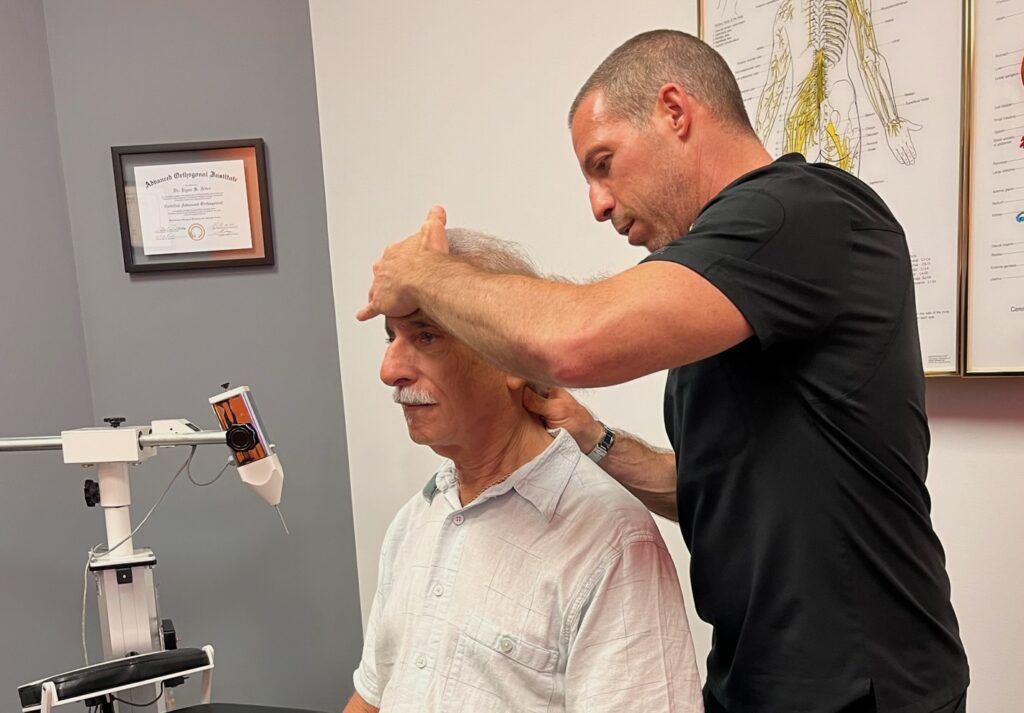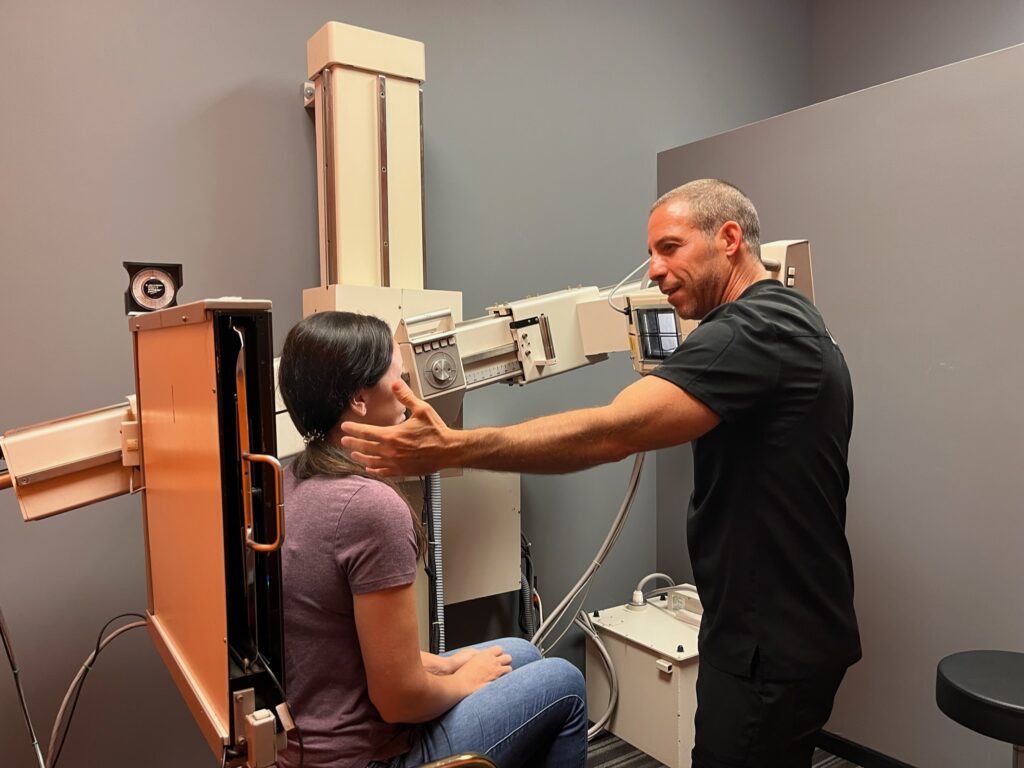

If you’re one of the many who struggle with persistent headaches, finding relief can often feel like a daunting task. However, chiropractic care offers a path to wellness that can significantly alleviate your discomfort. By focusing on spinal health, we can help identify and address the underlying issues contributing to your headaches.
Many headaches are caused by tension in the neck and spine, which can lead to misalignments. Regular chiropractic adjustments can help restore proper alignment, relieve pressure, and promote better blood flow, all of which are essential for easing headache pain. Additionally, understanding your personal triggers—such as stress, poor posture, or specific activities—can help you make informed lifestyle changes that support your recovery.
Incorporating simple habits into your daily routine can also make a big difference. Here are a few tips to consider:
- Stay Hydrated: Dehydration can trigger headaches, so make sure you’re drinking plenty of water throughout the day.
- Practice Good Posture: Maintaining a proper posture, especially when sitting at a desk, can alleviate strain on your neck and spine.
- Regular Stretching: Gentle stretching can relieve tension in the muscles that may be contributing to your headaches.
- Mindfulness and Relaxation: Techniques such as deep breathing or meditation can help reduce stress levels, which may be a root cause of your headaches.
The journey to relief can be enlightening, and you may be surprised at how simple adjustments in your routine can lead to lasting results. By prioritizing your spinal health through chiropractic care, you’re not only addressing your headaches but also taking a significant step towards achieving overall wellness. Remember, finding the right path to health is a personal journey, and we’re here to support you every step of the way.
Key Takeaways
As a local chiropractor, I want to share some effective strategies for managing persistent headaches and promoting overall wellness through natural methods.
- Keep a Headache Diary: Tracking your headaches can be incredibly insightful. By noting down what you eat, your stress levels, and your hydration habits, you can identify potential triggers. This awareness empowers you to make lifestyle changes that may reduce the frequency and intensity of your headaches.
- Stay Hydrated: Water is your best friend when it comes to headache prevention. Aim to drink at least eight 8-ounce glasses of water each day. Staying hydrated helps your body function optimally and can significantly reduce the risk of dehydration-induced headaches.
- Manage Stress Naturally: Stress is a common headache trigger. Incorporating stress management techniques such as meditation, yoga, or deep breathing exercises into your daily routine can help alleviate tension and promote relaxation. These practices not only help with headaches but also enhance your overall well-being.
- Chiropractic Care for Headache Relief: Regular chiropractic adjustments can be a powerful ally in managing headaches. By improving spinal alignment and relieving tension in your neck and back, chiropractic care can address the underlying issues contributing to your headaches. This holistic approach supports your body’s natural healing processes and promotes better overall health.
- Explore Natural Remedies: Consider incorporating herbal teas, essential oils, and acupressure techniques into your wellness routine. These natural remedies can complement chiropractic care and provide additional relief from headaches.
Remember, your journey to optimal health starts with simple, natural choices. By prioritizing hydration, stress management, and regular chiropractic care, you can take significant steps toward reducing headaches and enhancing your overall quality of life.
Understanding the Different Types of Headaches
When you experience a headache, understanding its type is crucial, as each has distinct causes and natural treatments.
Tension headaches are the most common and often arise from stress, muscle tension, or poor posture. You might feel a dull, aching sensation around your head, typically mild to moderate in intensity. A visit to your chiropractor can help address the underlying muscle tension and improve your posture for lasting relief.
Migraines, on the other hand, can be quite severe and are often accompanied by nausea or sensitivity to light and sound. If you notice pulsating pain on one side of your head, it might be a migraine. Chiropractic care can help by addressing spinal alignment and reducing overall tension in the body, potentially decreasing the frequency and intensity of migraines.
Cluster headaches, while less common, are incredibly painful and often occur in cycles. They typically affect one side of the head and may come with symptoms like nasal congestion. Chiropractic adjustments can help relieve the tension that contributes to these headaches, offering a natural path to wellness.
Sinus headaches arise from sinus infections, creating pressure and pain around your face. Chiropractic care can assist in improving sinus drainage and reducing overall tension, which may alleviate your discomfort.
In addition to seeking chiropractic care, here are some general tips for headache relief:
- Stay Hydrated: Dehydration can trigger headaches, so make sure you’re drinking enough water throughout the day.
- Practice Good Posture: Maintaining proper posture can reduce tension in your neck and shoulders, potentially minimizing tension headaches.
- Manage Stress: Incorporate relaxation techniques such as deep breathing, meditation, or yoga into your routine to help manage stress levels.
- Regular Exercise: Engaging in regular physical activity can help reduce the frequency of headaches by improving overall health and reducing tension.
- Get Adequate Sleep: Ensure you’re getting enough restful sleep each night, as fatigue can contribute to headaches.
Identifying Triggers and Patterns
Identifying the specific triggers and patterns that lead to your headaches can greatly enhance your ability to manage and prevent them. A great first step is to keep a headache diary. In this diary, you can jot down when your headaches occur, how intense they are, and any other symptoms you experience. This can help you pinpoint potential triggers like certain foods, stress, or changes in the weather.
It’s also important to pay attention to your daily routines and habits. For example, do you notice headaches after skipping meals or not drinking enough water? They might also flare up after long hours at the computer or when you’re feeling sleep-deprived.
Look for patterns over weeks or months. Do you notice any similarities in timing, duration, or intensity? By understanding these triggers, you can make informed decisions that may help reduce the frequency of your headaches.
In addition to keeping track of your triggers, consider incorporating chiropractic care into your routine. Chiropractors focus on aligning your spine and improving your overall health, which can play a significant role in headache prevention. Regular adjustments can help relieve tension in your neck and shoulders, reducing the likelihood of headaches caused by muscle strain or misalignment.
By being proactive and attentive to your body’s signals, and by exploring the benefits of chiropractic care, you can take significant steps toward achieving optimal health and freeing yourself from persistent discomfort.
Lifestyle Modifications for Headache Prevention
To prevent headaches, incorporating some key lifestyle changes can make a significant difference. First and foremost, staying hydrated is vital; it helps maintain proper bodily function and can reduce headache triggers. Eating balanced meals that include plenty of fruits, vegetables, and whole grains will also support your overall health and may help in preventing headaches.
Improving your sleep quality is another crucial factor. Ensure you have a consistent sleep schedule and create a relaxing bedtime routine. Quality sleep is essential for your body to recover and function optimally, which can help in reducing headache frequency.
Managing stress is equally important. Stress can be a major contributor to headaches, so finding effective ways to manage it is beneficial. Techniques such as deep breathing exercises, yoga, or even regular chiropractic adjustments can help alleviate tension in your body, promoting relaxation and reducing headache occurrences.
By focusing on hydration, nutrition, sleep, and stress management, you’ll create a more supportive environment for your overall well-being.
Hydration and Nutrition
Staying properly hydrated and maintaining balanced nutrition can significantly help in reducing the frequency and intensity of headaches. As a chiropractor, I believe that supporting your body with the right nutrients and hydration is essential for overall wellness and can complement your chiropractic care.
Here are some simple tips to help you stay on track with hydration and nutrition, which can aid in headache prevention and promote optimal health:
- Aim to drink at least eight 8-ounce glasses of water each day. Proper hydration is crucial for your body to function well.
- Incorporate fruits and vegetables that are high in water content, such as cucumbers and watermelon. These not only hydrate you but also provide essential vitamins and minerals.
- Be mindful of your caffeine and alcohol intake, as both can contribute to dehydration and may exacerbate headaches.
- Focus on eating regular meals that include whole grains, lean proteins, and healthy fats. These foods provide the energy and nutrients your body needs to stay balanced.
Remember, while hydration and nutrition play key roles in headache prevention, regular chiropractic adjustments also support your body’s natural healing processes and can enhance your overall well-being.
If you experience persistent headaches, consider visiting a chiropractor for a thorough evaluation and a personalized wellness plan. Your journey to optimal health starts with simple, healthy choices!
Sleep Quality Improvement
As a local chiropractor, I want to share how vital sleep quality is for your overall health and well-being, particularly when it comes to managing headaches. It’s amazing how prioritizing good sleep hygiene can enhance your life and reduce discomfort. Here are some simple yet effective tips to help you achieve better sleep and, in turn, lessen headache frequency and intensity.
First, establish a consistent sleep schedule. Going to bed and waking up at the same time each day helps regulate your body’s internal clock, which is key for restorative sleep. This consistency can have a positive impact on your spinal health as well.
Next, create a relaxing bedtime routine. Consider activities like reading or gentle stretching—these can signal to your body that it’s time to wind down. Gentle stretches can also help relieve tension in your muscles, which can contribute to headaches.
Make your sleep environment as comfortable as possible. Keep your bedroom cool, dark, and quiet. A comfortable sleeping position aligned with proper spinal health is crucial, so invest in a supportive mattress and pillow that suits your needs.
It’s also wise to limit screen time before bed. The blue light emitted by screens can disrupt your sleep by interfering with melatonin production. Instead, try to engage in calming activities that promote relaxation.
Lastly, be mindful of your evening habits. Avoiding caffeine and heavy meals before bedtime can greatly improve your sleep quality. These small changes can lead to a more restful night and may lead to fewer headaches.
Remember, chiropractic care is an excellent way to support your health and address headaches naturally. Regular adjustments can help keep your spine aligned, reduce tension, and promote better sleep.
If you’re struggling with headaches, consider visiting your chiropractor to explore how spinal health can enhance your overall wellness and improve your quality of life. Sleep well, live well!
Stress Management Techniques
Managing stress effectively is crucial not only for overall well-being but also for preventing headaches, as chronic stress can lead to tension and migraines. By incorporating stress management techniques into your daily life, you can help minimize the frequency and intensity of your headaches while promoting natural healing.
Here are some strategies to consider:
- Practice mindfulness: Engaging in meditation or deep breathing exercises can help center your thoughts and create a sense of calm. These practices lower stress levels and allow your body to relax, which is essential for headache prevention.
- Stay active: Regular chiropractic care, combined with an active lifestyle, helps your body function at its best. Exercise releases endorphins that elevate your mood and reduce stress, contributing to both physical and mental well-being.
- Establish boundaries: Learning to say no and prioritizing your tasks is vital in managing stress. This way, you can avoid overwhelming yourself, allowing your body to stay balanced and healthy.
- Connect with others: Spending time with friends or family provides emotional support and helps you share your feelings. Strong social connections can enhance your mood and make stress more manageable.
Incorporating these techniques into your routine can lead to better stress management and contribute to headache relief.
Natural Remedies to Alleviate Pain
When you’re seeking relief from persistent headaches, chiropractic care is an excellent option to consider. While natural remedies like herbal teas, essential oils, and acupressure techniques can provide some relief, addressing the underlying issues in your spine can lead to more effective and lasting results.
As a chiropractor, I believe that proper spinal alignment is crucial for your overall health and wellness. Let’s explore how chiropractic care can help alleviate your pain and promote a healthier lifestyle.
Chiropractic adjustments can relieve tension in your neck and upper back, which are often contributing factors to headaches. By ensuring that your spine is properly aligned, you can reduce stress on your nervous system, leading to a decrease in headache frequency and intensity.
In addition to chiropractic adjustments, here are some general tips to help manage headaches naturally:
- Stay Hydrated: Dehydration can trigger headaches, so make sure to drink plenty of water throughout the day.
- Practice Good Posture: Poor posture can strain your neck and back, leading to headaches. Be mindful of your posture while sitting and standing.
- Incorporate Relaxation Techniques: Stress can contribute to headaches, so try deep breathing exercises, meditation, or gentle yoga to help reduce tension.
- Maintain a Healthy Diet: Eating regular, nutritious meals can prevent blood sugar fluctuations that might trigger headaches.
- Get Regular Exercise: Physical activity can improve circulation and reduce stress, both of which can help prevent headaches.
Remember, chiropractic care focuses on your body’s ability to heal itself. By addressing spinal misalignments and promoting overall wellness, you can achieve optimal health and reduce the likelihood of future headaches.
If you’re struggling with persistent headaches, consider visiting a chiropractor to explore how spinal care can benefit you and support a healthier lifestyle.
Herbal Tea Benefits
If you’re looking for a natural way to address persistent headaches, consider the benefits of chiropractic care alongside herbal tea. While herbal teas can provide soothing effects, chiropractic adjustments can help align your spine and relieve tension that may be contributing to your headaches.
Here’s how certain herbal teas can complement your wellness journey:
- Chamomile: This tea is well-known for its calming effects, which can help reduce headache frequency. Combined with chiropractic adjustments, it may enhance your relaxation and overall well-being.
- Peppermint: The menthol in peppermint can relieve tension and improve blood circulation. Regular chiropractic care can further support proper blood flow and alleviate muscle tightness that often leads to headaches.
- Ginger: As a natural anti-inflammatory, ginger can help decrease headache severity. Incorporating it into your diet, along with spinal adjustments, can optimize your body’s healing processes.
- Lavender: Known for stress relief, lavender tea can help reduce anxiety-related headaches. Consistent chiropractic care can also help manage stress and tension in your body, leading to fewer headaches.
Incorporating these herbal teas into your routine can create a soothing ritual, but remember, the foundation for optimal health often lies in regular chiropractic care.
Essential Oils Usage
How can essential oils complement your journey to pain relief? These natural remedies can be a wonderful addition to your wellness routine, especially when it comes to alleviating headaches. Oils like peppermint and lavender are well-known for their soothing properties. You can simply inhale their aroma or dilute a few drops in a carrier oil and gently massage it into your temples. The cooling effect of peppermint can help relieve tension, while lavender encourages relaxation, both of which can ease discomfort.
Additionally, eucalyptus oil may offer anti-inflammatory benefits that can assist in reducing pain. However, it’s important to do a patch test to check for any allergies before applying any oil directly to your skin.
While essential oils can provide support, don’t forget that chiropractic care is a powerful avenue for natural pain relief and overall wellness. Regular chiropractic adjustments can help align your spine and improve your body’s function, which may reduce the frequency and intensity of headaches.
Incorporating essential oils, along with chiropractic care, can create a calming environment that supports your overall well-being.
Here are some general tips to enhance your pain relief journey:
- Stay Hydrated: Drinking plenty of water can help prevent dehydration, a common trigger for headaches.
- Practice Good Posture: Maintaining proper alignment while sitting or standing can reduce tension in your neck and shoulders.
- Take Breaks: If you work at a desk, remember to take regular breaks to stretch and move around.
- Create a Relaxing Environment: Use essential oils in a diffuser or during a warm bath to promote relaxation and decrease stress.
Acupressure Techniques Explained
Acupressure techniques can be a valuable addition to your wellness routine, offering a natural way to alleviate pain and promote relaxation. While chiropractic care is often the best choice for addressing the underlying causes of pain, acupressure can complement your journey towards optimal health.
By applying gentle pressure to specific points on your body, you can effectively relieve headache discomfort and enhance your overall well-being. Here are some key acupressure points to consider when a headache strikes:
- Yintang: This point is located between your eyebrows and is known for its ability to relieve stress and tension. Taking a moment to apply gentle pressure here can help calm your mind.
- Taiyang: Found at the temples, this point is excellent for alleviating headaches and reducing eye strain. A few moments of focused pressure can provide soothing relief.
- LI4 (Hegu): Located on the hand, this acupressure point is effective in reducing overall pain and tension. Stimulating this point can help you feel more relaxed.
- GB20 (Fengchi): Positioned at the base of your skull, this point is beneficial for relieving neck tension and headaches. Applying pressure here can help release tightness in the area.
Incorporating these techniques into your routine can be a simple yet effective way to manage headaches and promote relaxation.
Remember, chiropractic care addresses the root causes of pain through spinal adjustments and holistic practices, ensuring that you achieve long-lasting relief. By combining acupressure with regular chiropractic visits, you can enhance your journey towards better health and wellness.
Always listen to your body, and consult your chiropractor for personalized advice tailored to your specific needs.
Over-the-Counter Medications and Their Effectiveness
When it comes to dealing with persistent headaches, many individuals often seek relief through over-the-counter (OTC) medications such as ibuprofen, acetaminophen, and aspirin. While these medications may provide temporary pain relief, they aren’t a long-term solution and can sometimes lead to complications like rebound headaches if used excessively.
As a chiropractor, I encourage you to consider a more holistic approach to headache management that focuses on natural healing and overall wellness. Chiropractic care is an excellent option for addressing the root causes of your headaches. By ensuring proper spinal alignment and reducing tension in the nervous system, chiropractic adjustments can alleviate headache pain and improve your overall health.
In addition to chiropractic care, there are several lifestyle changes and self-care strategies you can incorporate into your daily routine to help manage headaches more effectively:
- Stay Hydrated: Dehydration can often trigger headaches, so make sure you’re drinking plenty of water throughout the day.
- Maintain Good Posture: Poor posture can lead to tension in your neck and back, contributing to headaches. Be mindful of your posture, especially when sitting for long periods.
- Practice Relaxation Techniques: Stress can be a significant headache trigger. Techniques such as deep breathing, meditation, or yoga can help reduce stress and promote relaxation.
- Get Regular Exercise: Physical activity increases blood flow and can help reduce the frequency and intensity of headaches. Aim for at least 30 minutes of moderate exercise most days of the week.
- Consider Dietary Triggers: Keep a food diary to identify any potential food triggers that could be contributing to your headaches, such as caffeine or certain preservatives.
- Sleep Well: Aim for consistent, quality sleep. Establishing a regular sleep schedule can help prevent headaches related to fatigue.
If you find yourself frequently dealing with headaches, it may be time to explore these natural options and consider chiropractic care as a primary tool for achieving optimal health and wellness.
Understanding the underlying causes of your headaches can lead to more effective relief that doesn’t rely on medications. Your body is capable of healing itself, and with the right support, you can find lasting relief.
When to Seek Professional Help
Knowing when to seek professional help for your persistent headaches is crucial for finding effective relief and achieving optimal health. If your headaches are disrupting your daily life or if over-the-counter medications aren’t providing the relief you need, consider consulting a chiropractor.
Here are some signs that indicate it might be time to seek help:
- You experience severe headaches that come on suddenly.
- Your headaches worsen over time or change in their usual pattern.
- You have additional symptoms like vision changes, confusion, or loss of consciousness.
- You’re relying on pain relievers more than twice a week.
Don’t overlook these warning signs. A chiropractor can help identify the underlying causes of your headaches, often related to spinal misalignments or tension in the neck and shoulders, and suggest natural treatment options that are tailored to your needs.
In addition to seeking chiropractic care, here are some general tips to help manage your headaches:
- Stay Hydrated: Dehydration can trigger headaches. Aim to drink plenty of water throughout the day.
- Maintain Good Posture: Poor posture, especially when sitting at a desk, can contribute to tension headaches. Make sure your workspace is ergonomically friendly.
- Practice Relaxation Techniques: Stress can lead to headaches. Try deep breathing exercises, meditation, or yoga to help alleviate stress.
- Get Regular Exercise: Physical activity can help reduce the frequency and intensity of headaches. Aim for at least 30 minutes of moderate exercise most days.
- Prioritize Sleep: Ensure you’re getting enough restful sleep each night, as poor sleep can contribute to headache issues.
By considering chiropractic care and implementing these healthy habits, you can take proactive steps to manage your headaches and improve your overall quality of life.
Alternative Therapies: Acupuncture and Massage
If you’re seeking natural ways to relieve persistent headaches, chiropractic care should be at the top of your list. Unlike other therapies, chiropractic focuses on the relationship between your spine and overall health. Misalignments in the spine can lead to tension and discomfort, contributing to headaches. By visiting a chiropractor, you can receive gentle adjustments that help restore proper alignment and function, which can significantly reduce headache frequency and intensity.
In addition to chiropractic adjustments, integrating practices like acupuncture and massage can enhance your wellness routine. Acupuncture, which involves inserting thin needles into specific points on your body, can help release tension and improve energy flow. Many people find that combining chiropractic care with acupuncture leads to even better results in managing headaches.
Massage therapy is another beneficial addition. A skilled massage therapist can target tight muscles in your neck, shoulders, and head, alleviating pain and promoting relaxation. Regular massage can also help lower stress levels, which is a common headache trigger.
Chiropractic care, along with these complementary therapies, supports your body’s natural healing processes, making them appealing options for those seeking non-pharmaceutical relief. While individual results may vary, many headache sufferers find that incorporating chiropractic adjustments into their routine leads to lasting improvements in their overall well-being.
As you explore these options, consider maintaining good posture, staying hydrated, and managing stress through activities like yoga or gentle stretching. These simple lifestyle changes can further support your journey to optimal health and wellness.
Developing a Personalized Headache Management Plan
Creating a personalized headache management plan is essential for effectively addressing your unique triggers and symptoms. As a chiropractor, I believe that understanding your body and its responses is key to achieving optimal health.
Start by tracking your headaches in a journal or app. Note the frequency, intensity, and any potential triggers. This information will help you identify patterns and make informed choices about your wellness.
Here are some key elements to consider incorporating into your personalized plan:
- Lifestyle Modifications: Adjusting your diet, ensuring you get enough sleep, and incorporating regular physical activity can greatly impact your overall health. Focus on whole foods, stay hydrated, and establish a consistent sleep routine to help reduce headache frequency.
- Stress Management: Stress can be a significant trigger for headaches. Practicing relaxation techniques such as meditation, deep breathing exercises, or gentle yoga can help you manage stress levels effectively. These practices not only ease tension but also promote relaxation and overall well-being.
- Chiropractic Care: Regular chiropractic adjustments can help maintain proper spinal alignment, which is crucial for reducing headaches. Misalignments in the spine can lead to tension and discomfort, so visiting your chiropractor can provide you with natural relief and improve your overall health.
- Alternative Therapies: Exploring options like acupuncture or massage therapy can complement your wellness plan. These therapies can help relieve tension and promote relaxation without the need for medications.
Remember, the goal is to achieve a holistic approach to your health. By understanding your body and making mindful choices, you can effectively manage your headaches and improve your quality of life.
Focus on these simple tips, and consider incorporating chiropractic care into your routine for a natural path to wellness.
Conclusion
Incorporating these strategies into your daily routine can significantly alleviate your persistent headaches. Understanding your triggers is the first step; keep a headache diary to identify patterns that may contribute to your discomfort. Making simple lifestyle changes, such as staying hydrated, maintaining a balanced diet, and ensuring you get enough sleep, can also have a positive impact on your overall health and can help reduce headache frequency.
As a chiropractor, I believe in the power of natural healing. Exploring natural remedies, like essential oils or herbal teas, can complement your journey to wellness. Additionally, consider alternative therapies such as chiropractic care, which is designed to address spinal alignment and improve overall body function. A well-aligned spine can reduce tension and stress, essential factors in managing headaches.
If you find that headaches persist, don’t hesitate to seek professional help. A chiropractor can work with you to develop a personalized headache management plan, tailored specifically to your needs. Empower yourself with knowledge and the right tools. By prioritizing chiropractic care, you can take significant steps toward regaining control over your headaches and enhancing your quality of life. Remember, a healthy spine is key to a healthy you!