

Carpal Tunnel Syndrome: Types, Causes, Chiropractic Care, and Relief Tips in Delray Beach
Wrist tingling keeping you up at night? Keys slipping from your hand? You’re not alone. Here in Delray Beach, I see plenty of neighbors dealing with carpal tunnel–type symptoms that make work, workouts, and even weekend fun a lot less fun. In this guide from Alter Chiropractic, we’ll break down the different “types” of carpal tunnel presentations, what commonly causes them, and how a conservative, step-by-step plan can help you feel and function better.
Table of Contents
What Is Carpal Tunnel Syndrome?
Carpal tunnel syndrome (CTS) happens when the median nerve gets compressed as it passes through a narrow passageway in your wrist called the carpal tunnel. This can lead to numbness, tingling, pain, or weakness in the thumb, index, middle, and part of the ring finger. Symptoms often feel worse at night or with repetitive hand use.
The median nerve is like a communication cable running from your neck to your thumb and first three fingers. In the wrist, it travels through the carpal tunnel, a tight corridor formed by wrist bones and a ligament. If that space gets crowded—due to swelling, repetitive strain, or structural narrowing—the nerve can get irritated.
People often describe numbness or tingling, hand “falling asleep,” weakness when pinching, nighttime symptoms, or needing to “shake it out.” Symptoms can come and go at first, then become more frequent or constant if the irritation continues.
The Different Types of Carpal Tunnel
When patients ask about the “types” of carpal tunnel, they’re usually describing patterns we see in the clinic: how it starts, what triggers it, what tissues are involved, and how severe the nerve irritation is. Below are common clinical patterns that help guide care. Keep in mind, more than one pattern can apply at the same time.
| Type / Pattern | Hallmark Features | Common Triggers or Context |
|---|---|---|
| Classic (sensory-dominant) CTS | Numbness/tingling in thumb, index, middle fingers; worse at night; relief by shaking the hand | Repetitive typing, mouse use, assembly work, driving, cycling |
| Motor-dominant CTS | Noticeable weakness with pinching or thumb movements; objects slip; possible thenar muscle thinning over time | Prolonged, unaddressed nerve compression or severe cases |
| Postural/ergonomic CTS | Symptoms flare during desk work or device time; neck/shoulder tension often present | Forward head posture, bent wrists, poor workstation setup |
| Pregnancy-related CTS | Numbness/tingling during pregnancy; often both hands; may improve after delivery | Fluid shifts and swelling during pregnancy increasing tunnel pressure |
| Inflammatory or systemic-related CTS | Symptoms with history of systemic conditions | Rheumatoid arthritis, diabetes, thyroid disorders, fluid retention |
| Acute traumatic CTS | Sudden, severe pain and numbness; swelling; weakness | Wrist fracture, crush injury, severe sprain causing rapid pressure rise |
| Occupational/overuse CTS | Gradual onset; worsens with repeat gripping or vibration | Tools with vibration, repetitive gripping, manual labor |
| Double-crush pattern | Symptoms influenced by neck or shoulder positions; possible neck/arm discomfort | Concurrent nerve irritation at the neck/shoulder plus wrist compression |
| Bilateral vs. unilateral CTS | One or both hands involved | Bilateral may suggest systemic factors or widespread ergonomics issues |
Severity matters too
We also consider severity—mild, moderate, or severe—based on symptom frequency, strength testing, exam findings, and sometimes nerve studies. Mild cases often come and go; moderate cases start to interfere with daily tasks; severe cases may show constant numbness, weakness, and muscle changes. The more severe the nerve involvement, the more important it is to act quickly to protect nerve function.
Not every tingling wrist is “carpal tunnel”
Pronator teres syndrome (median nerve irritation higher up the forearm), anterior interosseous nerve irritation (motor branch of the median nerve), and cervical radiculopathy (nerve irritation at the neck) can feel a lot like CTS. The right exam helps sort out where the nerve is getting irritated so your care plan actually targets the source.
Common Causes and Risk Factors in Everyday Life
CTS is usually a mix of factors rather than a single cause. Around Delray Beach, we commonly see:
- Repetitive wrist motion and gripping. Typing, mouse work, hair styling, playing instruments, cycling, pickleball or tennis, and tool use can strain the wrist and its surrounding tissues.
- Sustained wrist positions. Bending the wrist forward or backward for long periods narrows the carpal tunnel space and increases pressure on the median nerve.
- Vibration exposure. Power tools and handlebars can irritate tissues over time.
- Swelling and fluid shifts. Pregnancy and certain medical conditions can increase pressure within the tunnel.
- Anatomy and individual factors. A naturally narrower tunnel, past wrist injuries, or arthritis can crowd the space.
- Posture and neck/shoulder tension. Forward head posture and rounded shoulders can add strain along the nerve’s path, sometimes contributing to a double-crush pattern.
How Chiropractic Care Fits In
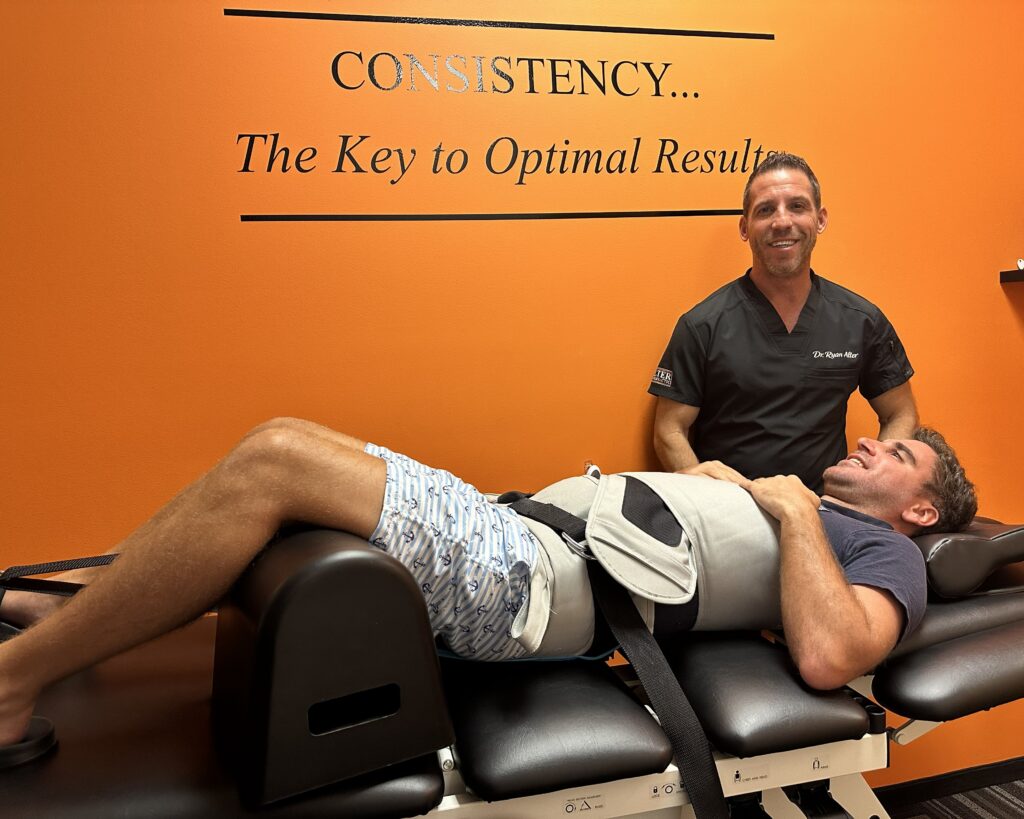
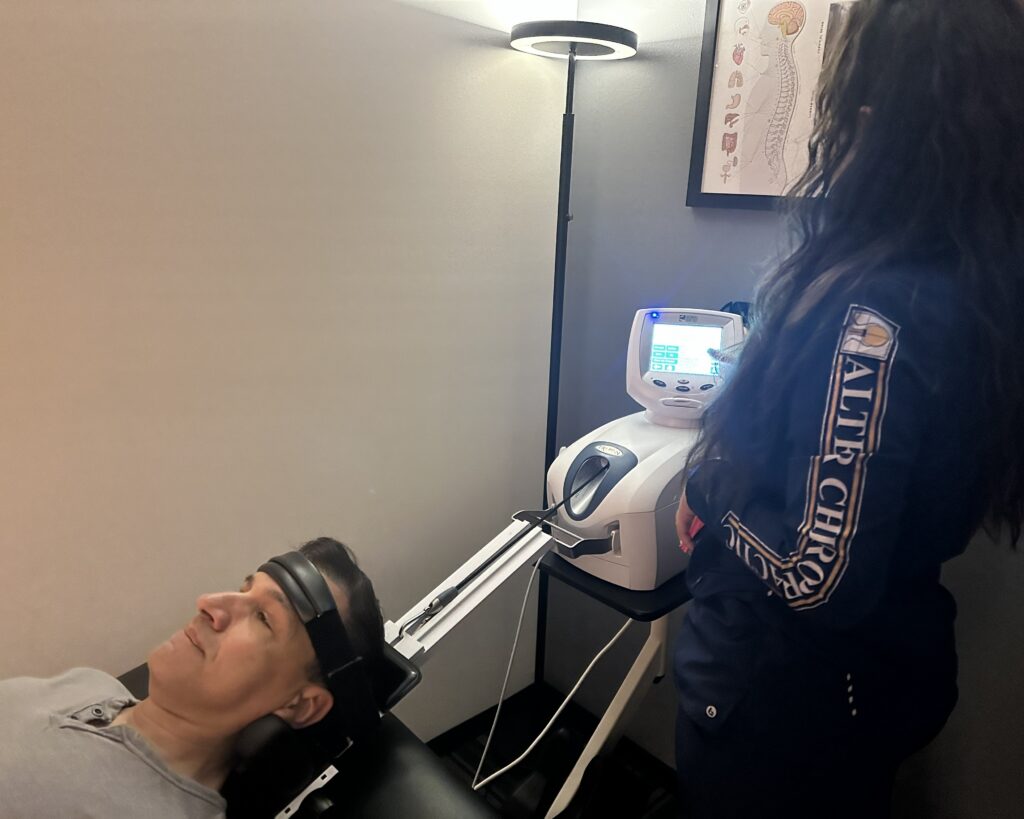
Chiropractic is a conservative, non-invasive option that focuses on the way your joints, muscles, and nerves work together. For many mild-to-moderate CTS presentations, a tailored plan aims to reduce irritation, improve mechanics from neck to fingertips, and help you move with less strain. At Alter Chiropractic in Delray Beach, care may include:
- Assessment that looks beyond the wrist. We check the neck, shoulder, elbow, forearm, and wrist to see where the nerve might be getting irritated and how posture or biomechanics contribute.
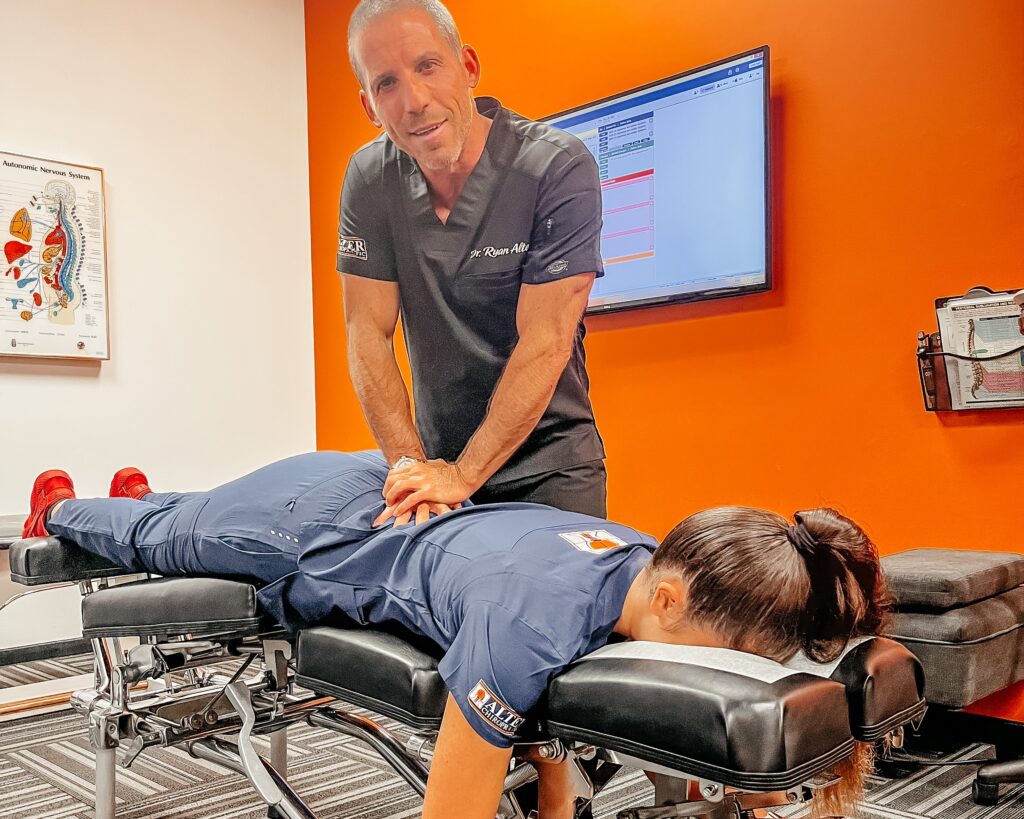
- Gentle joint work and mobilization. Improving movement in the wrist, carpal bones, elbow, shoulder, and spine can reduce excess strain in the tunnel and along the nerve’s path.
- Soft tissue care. Focused work to the forearm flexors, pronator teres, and surrounding tissues can ease tension that crowds the tunnel.
- Nerve and tendon gliding strategies. Simple movements, taught and dosed appropriately, can help the nerve and tendons slide more freely. These are introduced carefully based on your exam findings.
- Ergonomic and activity coaching. Small changes at the desk, in the car, on the bike, or with tools can take a surprising amount of pressure off the wrist.
- Co-management when appropriate. For severe or persistent cases, we may coordinate with your primary care provider or refer for additional testing (such as nerve conduction studies) or a hand specialist evaluation. The goal is the right level of care at the right time.
Results vary by person, history, and severity. We never promise a cure—but we do build a practical plan and track progress together.
Practical Relief Tips You Can Start Today
- Keep wrists neutral. Whether typing, driving on I-95, or scrolling on the beach, aim for a straight wrist. If your keyboard or mouse forces a bend, adjust your setup.
- Take micro-breaks every 30–45 minutes. Shake out your hands, gently open/close your fingers, roll your shoulders, and reset your posture.
- Lighten your grip. Use a relaxed hold on pens, tools, or handlebars. Build-up grips or padded handles can help.
- Mind your posture. Ears over shoulders, shoulders down and back, and elbows near your sides takes tension off the whole nerve pathway.
- Nighttime support. A neutral wrist brace at night can reduce symptoms for some people—talk with your clinician about whether this is right for you.
- Rotate tasks. Alternate between activities that use different hand positions and muscles when you can.
- Warm up before you work out or work with tools. A few minutes of gentle forearm and shoulder motion prepares tissues for load.
- Care for the basics. Sleep, hydration, and a balanced routine help tissues calm down and recover.
When to See a Chiropractor in Delray Beach
If your wrist or hand symptoms have been around for more than a couple of weeks, keep waking you at night, or keep you from doing normal tasks, it’s time for an evaluation. Early attention often means a simpler plan and faster results.
Chiropractic care is a good starting point when symptoms are mild to moderate, intermittent, and activity-related. We’ll assess the wrist and the areas that commonly contribute—neck, shoulder, and forearm—and design a plan matched to your goals. If your case looks more advanced, we’ll guide next steps and co-manage as needed.
When to Seek Medical or Surgical Care
Some situations call for prompt medical evaluation. If you have severe weakness of the thumb, constant numbness that doesn’t change with position, visible shrinking of the thumb muscles, a recent wrist fracture or crush injury, or symptoms with signs of infection (fever, redness, warmth), seek medical care right away. Rapid swelling and severe pain after trauma can indicate acute carpal tunnel, which is urgent.
Persistent symptoms that don’t improve with a reasonable trial of conservative care may benefit from additional testing (like nerve conduction studies) or a hand specialist’s opinion. Surgery can be effective for carefully selected cases, especially when there’s significant nerve involvement or long-standing, progressive weakness. Your care team can help you weigh options based on your goals and daily needs.
A Local Note from Alter Chiropractic
Delray Beach is an active community—between the keyboards, the courts, the handlebars, and the hand tools, your wrists get plenty of mileage. If your hands are talking to you, listen early. A thoughtful plan, the right ergonomic tweaks, and consistent follow-through can make a real difference.
If you’re unsure whether your symptoms are truly carpal tunnel or a “look-alike,” we’re happy to help you sort it out and point you in the right direction. No pressure, just practical care from neighbors who want you feeling your best.
FAQs
What are the first signs of carpal tunnel syndrome?
Early signs often include tingling or numbness in the thumb, index, and middle fingers—especially at night—along with hand “falling asleep” when driving or holding a phone. Shaking the hand for relief is common.
Can carpal tunnel go away on its own?
Mild cases can improve with rest, activity changes, and ergonomic adjustments. If symptoms keep returning or start interfering with daily life, an evaluation is a smart move to prevent progression.
Is it really carpal tunnel if my pinky finger tingles?
Typically, carpal tunnel affects the thumb, index, middle, and part of the ring finger—but not the pinky. Pinky symptoms may point to the ulnar nerve instead or a different issue. An exam can clarify what’s involved.
Do I need surgery for carpal tunnel?
Not always. Many mild-to-moderate cases respond to conservative care like ergonomics, splinting, and manual therapy. Severe or progressive cases may require further medical evaluation to discuss options.
How can a chiropractor help carpal tunnel?
Chiropractors assess the whole nerve pathway and related joints. Care may include gentle joint work, soft tissue techniques, nerve gliding strategies, posture and ergonomic coaching, and co-management with other providers when appropriate.
What’s the difference between carpal tunnel and a pinched nerve in the neck?
Both can cause hand symptoms, but a neck issue may also cause neck or arm pain and a different pattern of numbness or weakness. Sometimes both areas are involved (a double-crush pattern). A careful exam helps tell them apart.
TL;DR
- Carpal tunnel syndrome happens when the median nerve is compressed at the wrist, causing numbness, tingling, pain, or weakness in the thumb and first three fingers.
- “Types” of CTS reflect patterns—classic sensory symptoms, motor-dominant weakness, ergonomic/postural, pregnancy-related, systemic, acute traumatic, occupational, and double-crush.
- Common triggers include repetitive use, bent wrist positions, vibration, swelling, anatomic crowding, and posture-related tension along the nerve’s path.
- Chiropractic care can be a helpful conservative option for many mild-to-moderate cases by improving mechanics, easing soft tissue tension, and guiding ergonomics; severe or persistent cases may need medical referral.
- Seek prompt medical care for severe weakness, constant numbness, thenar muscle loss, or symptoms after trauma or with signs of infection.