
As a family chiropractor here in Delray Beach, I see it every fall and spring: kids excited for school, sports, and activities—plus backpacks that are heavier than they look. The way your child carries a backpack can influence posture, muscle balance, and growing spines. The good news? A few simple adjustments can help kids feel better now and build healthy habits that last. In this guide from Alter Chiropractic, you’ll learn practical backpack tips for your kids for a healthier spine, how to set up the right fit at home, and when a chiropractic check-in may be a good idea.
What makes a backpack “spine-healthy” for kids? A spine-healthy setup is a lightweight, two-strap backpack worn snug to the body, packed with only the essentials, and kept to a reasonable weight for your child’s size. Aim for balanced loading that lets your child stand tall and move comfortably.
Table of Contents
- Why Backpack Habits Matter for a Child’s Spine
- The Biomechanics: How Backpacks Affect Posture
- Common Backpack Mistakes (and Easy Fixes)
- How to Choose the Right Backpack
- Fit and Wear Guide: A Quick Home Check
- Packing Smart: What to Bring, What to Leave
- Weight Guidelines: How Heavy Is Too Heavy?
- Delray Beach Lifestyle Considerations
- How Chiropractic Care Fits In
- When to See a Chiropractor in Delray Beach
- Backpack Myths vs. Facts
- Final Thoughts for Delray Beach Families
Why Backpack Habits Matter for a Child’s Spine
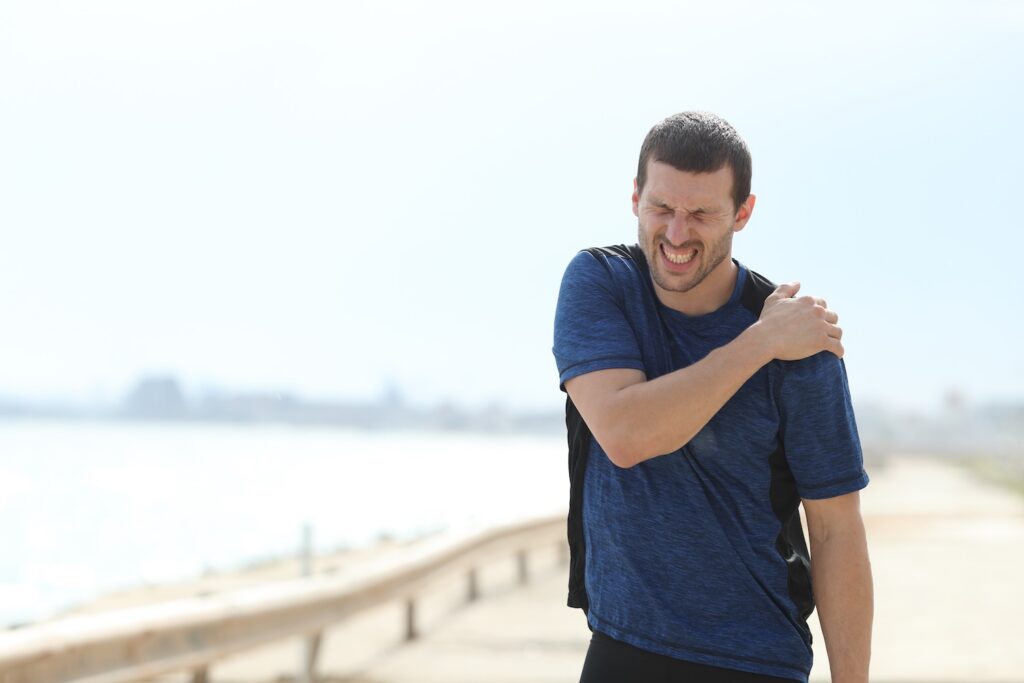
Children’s spines grow and adapt quickly. Repeated habits—like wearing a heavy, low-slung backpack—can encourage rounded shoulders, forward head posture, and muscle strain. Over time, that can contribute to aches, fatigue, and less comfortable movement in sports, band, or after-school activities.
Backpack habits are a daily opportunity to encourage good alignment. When your child can stand tall with their backpack on, breathe easily, and move naturally, the spine is better supported and muscles share the workload more evenly.
The Biomechanics: How Backpacks Affect Posture
Think of the spine as your child’s central support mast. A well-balanced load keeps that mast upright with minimal sway. A heavy or uneven backpack pulls the body backward; to compensate, kids often lean forward, round their shoulders, or tilt to one side. That compensation can strain the neck, upper back, and lower back.
Two-strap bags distribute weight across both shoulders, which reduces asymmetric stress. Chest and waist straps help anchor the load closer to the center of gravity, so kids don’t need to pitch forward just to keep the bag in place.
Common Backpack Mistakes (and Easy Fixes)
We see several common issues in the clinic—and most have simple solutions. Use the quick comparisons below to spot and correct problems early.
|
Common Backpack Mistake |
Simple Correction |
Why It Matters |
|
One strap over one shoulder |
Use both shoulder straps |
Balances load and reduces one-sided muscle strain |
|
Backpack hanging below the low back |
Adjust straps so the bottom sits around the waistline |
Closer load equals less forward lean |
|
Overstuffed with non-essentials |
Pack only what’s needed that day |
Lighter bag decreases spinal compression and fatigue |
|
No chest or waist strap |
Choose a bag with stabilizing straps |
Helps keep the load close to the body |
|
Loose, bouncy fit |
Snug the straps; eliminate swing |
Reduces repetitive strain with walking and running |
|
Thick items far from the back |
Place heavier items closest to the spine side |
Improves balance and posture |
How to Choose the Right Backpack
For most Delray Beach students, a simple, well-made backpack with two wide, padded straps is perfect. Look for a lightweight bag with a firm back panel, multiple compartments for organization, and a chest strap. A waist strap is a bonus for active kids who walk or bike to school.
Pick a size that fits your child’s torso. The top of the pack should be near shoulder height, and the bottom should land around the top of the hips—not at the glutes. Avoid oversized, ultra-heavy designs. A little structure goes a long way in keeping the load stable.
If your child carries a laptop or several textbooks, consider a backpack with a padded laptop sleeve close to the back panel. That keeps weight centered and helps maintain better posture throughout the school day.
Fit and Wear Guide: A Quick Home Check
Use this quick check to dial in a healthy setup in under two minutes.
- Strap Height: Adjust shoulder straps so the bag sits high and snug. The bottom should rest near the waistline, not below the low back.
- Even Straps: Make sure both straps are the same length. Uneven straps cause leaning and shoulder hiking.
- Chest Strap: Clip and tighten until it’s comfortably snug; this prevents slide and keeps the load close.
- Waist Strap (if available): Secure around the hips to share load with the pelvis, especially on longer walks.
- Stand Tall Test: With the pack on, can your child stand tall, breathe easily, and walk without leaning? If not, lighten the load or adjust the straps again.
Packing Smart: What to Bring, What to Leave
Think of packing like grocery bags—you want heavier items at the bottom and closest to the body. Place notebooks and a laptop in the compartment nearest the back panel. Lighter items can go farther out without throwing off balance.
Encourage your child to clean out the backpack weekly. Remove old handouts, forgotten library books, and extra clothes that add up over time. Many schools in Palm Beach County also offer digital materials, which can reduce the daily load—take advantage when possible.
Sports days and club meetings can sneak in extra weight. If your child needs to carry gear, consider a separate small tote for after-school activities so the main backpack stays manageable.
Weight Guidelines: How Heavy Is Too Heavy?
A common rule of thumb used by schools and clinicians is to keep a child’s backpack to around 10–15% of their body weight. If your child weighs 80 pounds, aim for a pack that’s roughly 8–12 pounds or less. This isn’t a strict limit—it’s a helpful guide. Lighter is usually better, especially for younger kids.
Two quick checks: If your child has to lean forward noticeably to walk, or if the straps dig into the shoulders, the bag is likely too heavy or poorly fitted. Adjust the setup and remove non-essentials.
Delray Beach Lifestyle Considerations
Here in Delray Beach, kids often walk to school, bike, or hop between after-school activities. Heat and humidity can amplify fatigue. A lighter, snug backpack makes a big difference on those warm afternoon walks home down Atlantic Avenue or after practice at Miller Park.
Water bottles are important in our climate, but they can be heavy. Choose a smaller, refillable bottle and encourage your child to top off at school. If a laptop is required, consider a protective sleeve inside the main compartment to keep it close to the spine side of the backpack.
How Chiropractic Care Fits In
Backpack tips are most effective when paired with healthy movement and alignment. At Alter Chiropractic in Delray Beach, we take a gentle, family-centered approach to support growing spines.
What we can do:
Posture and Movement Screening: A quick evaluation can spot issues like shoulder asymmetry, forward head posture, or tight hips that make backpack carry less comfortable. We’ll identify small changes that make a big difference.
Age-Appropriate Adjustments and Soft-Tissue Care: Gentle chiropractic adjustments, mobilization, and soft-tissue techniques can help improve joint motion and reduce muscle tension that builds up from repetitive carrying and sitting at school.
Strength and Stretch Guidance: Simple, kid-friendly exercises for the mid-back, core, and hips can boost resilience. We’ll show you what to focus on without overcomplicating it.
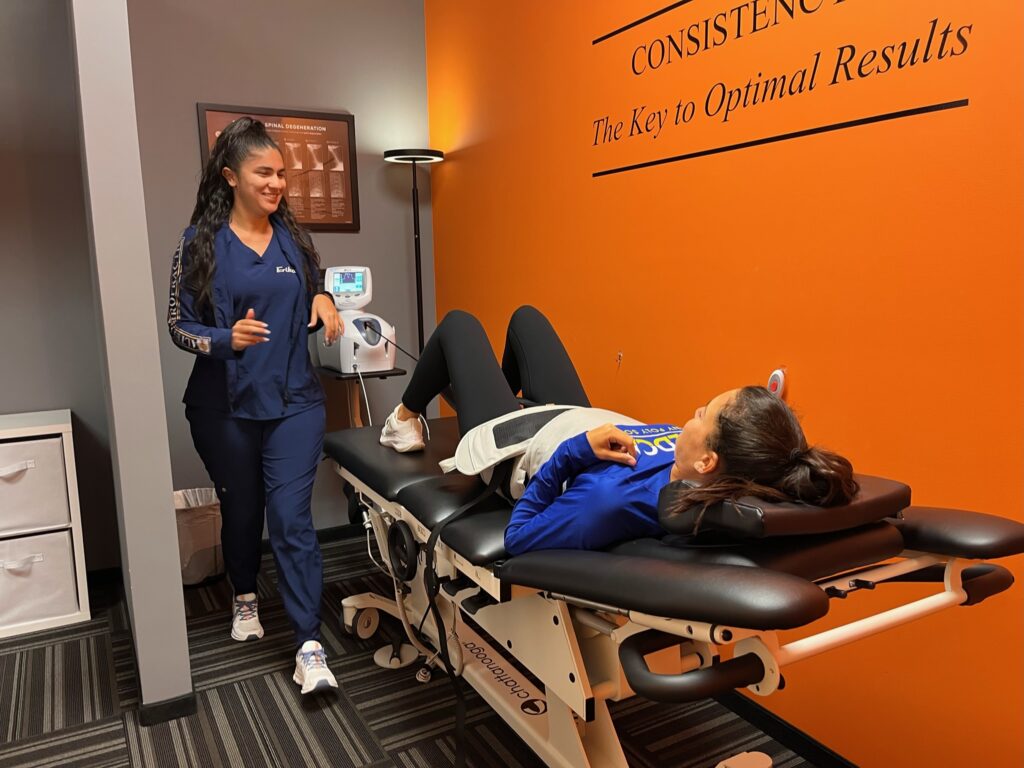
Spinal Decompression for Spine-Related Issues: In select pediatric cases—such as persistent back pain with signs of disc irritation or nerve-related symptoms—non-surgical, age-appropriate spinal decompression (a gentle traction approach) may be considered. This is not a first step for most kids. If appropriate, we assess carefully, tailor the settings for a child’s size, and coordinate with your child’s pediatrician when needed. Parents are fully involved, and safety is always the priority.
Every child is different. Our goal is to support comfortable, confident movement—not to push aggressive care or make big promises. If we believe another type of provider would be a better fit, we’ll help you get to the right place.
When to See a Chiropractor in Delray Beach
Consider scheduling a visit if your child:
Has back, neck, or shoulder soreness that lasts more than a week, keeps returning, or limits play, sports, or sleep. Shows visible posture changes with the backpack on (leaning forward, one shoulder higher, or a tilted head). Complains of mid-back fatigue or headaches after school.
Red flags that need prompt medical evaluation: severe pain after a fall or accident, fever with back pain, unexplained weight loss, new numbness or tingling in the arms or legs, bowel or bladder changes, or progressive weakness. These signs are uncommon but important. If any are present, seek urgent medical care first.
Backpack Myths vs. Facts
Myth: “A sling or one-strap bag is fine if my child is strong.” Fact: Even strong kids benefit from two straps. It reduces one-sided loading and helps maintain balanced posture.
Myth: “Heavy backpacks always cause long-term damage.” Fact: Occasional heavy days happen. It’s repeated heavy loads and poor fit over time that increase strain. Smart packing and good fit are the best prevention.
Myth: “Rolling bags are always better.” Fact: Rolling bags can help for long hallways and heavy loads, but they’re not ideal on stairs or uneven sidewalks. Good two-strap backpacks are often more practical day-to-day.
Myth: “If my child doesn’t complain, the backpack is fine.” Fact: Kids don’t always report discomfort. A quick weekly check-in on fit and weight is still worth it.
Final Thoughts for Delray Beach Families
Backpacks are part of everyday life. With a few small changes—lighter loads, snug fit, balanced straps—your child can move more freely and feel better during school and after activities. If you want a second set of eyes on your child’s posture or have questions about spinal decompression and other conservative options, Alter Chiropractic in Delray Beach is here to help. We love supporting local families and keeping kids active and comfortable.
FAQs
How heavy should my child’s backpack be?
A helpful guideline is about 10–15% of your child’s body weight, though lighter is better. If your child has to lean forward to walk or the straps dig in, it’s likely too heavy.
What type of backpack is safest for kids?
A lightweight, two-strap backpack with wide, padded straps and a chest strap is a great choice. A firm back panel and compartments keep weight organized and close to the body.
Are rolling backpacks a good idea?
They can help for heavy loads and long hallways, but they’re less practical on stairs and uneven sidewalks. For most kids, a well-fitted two-strap backpack works best.
Does a single-strap or crossbody bag cause problems?
Over time, one-sided loading can encourage asymmetry and muscle strain. Two straps are the better everyday choice.
Can chiropractic care help with backpack-related discomfort?
Chiropractic care focuses on improving joint motion, muscle balance, and posture. For many kids, a combination of adjustments, soft-tissue care, and simple exercises can reduce recurring soreness.
Is spinal decompression safe for kids?
Spinal decompression is not for every child. In select, appropriate cases—especially when there are spine-related issues like disc irritation—a gentle, tailored approach may be considered after evaluation and with parental involvement.
TL;DR
- Choose a lightweight, two-strap backpack with a snug fit and a chest strap; keep heavier items close to the back.
- Aim for about 10–15% of body weight and clean out unnecessary items weekly.
- Adjust straps so the pack sits high near the waistline; use both straps every time.
- If soreness lasts more than a week or keeps returning, a chiropractic check can help; seek medical care for red flags.
- In select pediatric cases with spine-related issues, gentle, age-appropriate spinal decompression may be considered after evaluation.