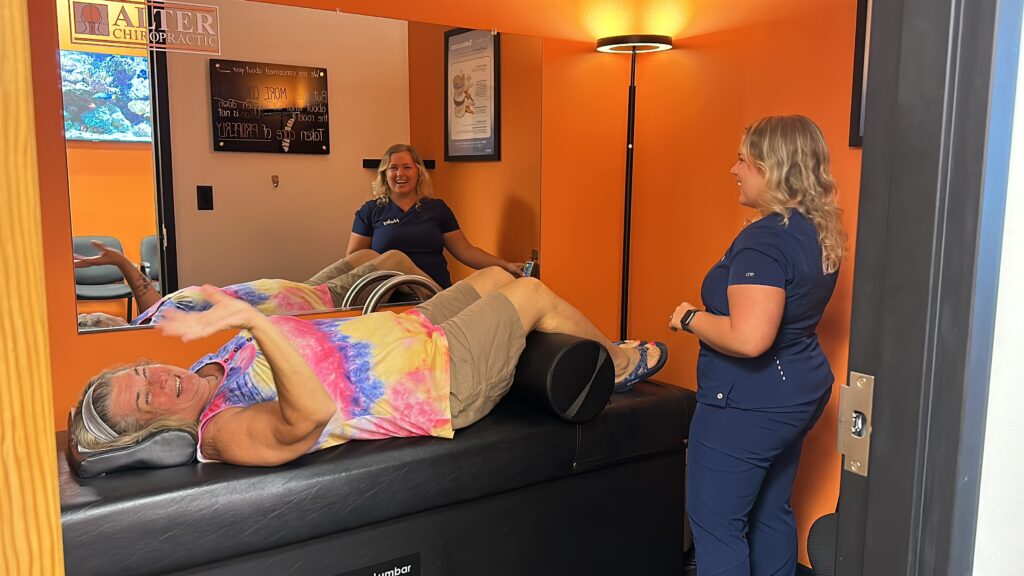

As a local chiropractor, I often see patients dealing with back pain, but I want you to know that it doesn’t have to be a part of your everyday life. By adopting a few straightforward lifestyle changes, you can significantly decrease your chances of experiencing discomfort. Maintaining good posture and incorporating regular exercise are just two of the many adjustments that can contribute positively to your spinal health. If you’re curious about how you can implement these strategies in your daily routine, let’s dive into the ten best changes that can help you effectively prevent back pain and promote overall wellness.
Maintain Good Posture
As a local chiropractor, I want to emphasize the importance of maintaining good posture for your overall spinal health and well-being. It may seem like a simple concept, but how you sit, stand, and move has a profound impact on your body. Proper alignment of your ears, shoulders, and hips is crucial, whether you’re at your desk working or walking around.
When sitting, ensure that your feet are flat on the floor and choose a chair that provides support for your lower back. I often see patients who slouch or lean forward, and this can lead to muscle and ligament strain over time.
Similarly, when standing, it’s essential to distribute your weight evenly across both feet and engage your core muscles to provide stability.
If your job requires you to spend long hours at a desk, I recommend taking regular breaks to stretch and reset your posture. These small adjustments can help you not only prevent back pain but also enhance your overall comfort and productivity throughout the day.
By being mindful of your body alignment, you can significantly reduce the risk of developing spinal issues. I encourage you to incorporate these practices into your daily routine for long-lasting benefits.
Stay Active With Regular Exercise
As a local chiropractor, I want to emphasize the importance of staying active to prevent back pain. Regular exercise can significantly impact your overall well-being, particularly when it comes to spinal health.
I recommend focusing on low-impact activities that are gentle on your joints, such as walking, swimming, or cycling.
Incorporating exercises that strengthen your core muscles is crucial, as a strong core provides better support for your spine. Additionally, don’t overlook the importance of flexibility exercises; they help maintain a healthy range of motion and prevent stiffness in your back.
By embracing these practices, you not only enhance your fitness levels but also promote the health of your back.
Choose Low-Impact Activities
As a local chiropractor, I want to emphasize the importance of choosing low-impact activities to enhance your overall fitness while protecting your back. Engaging in exercises such as swimming, walking, or cycling allows you to stay active without putting unnecessary strain on your spine.
These activities aren’t only gentle on your body but also beneficial for improving cardiovascular health, flexibility, and muscle tone—key components for maintaining a healthy back.
It’s important to remember that you don’t need to push yourself to the limit. Instead, prioritize consistency and enjoyment in your exercise routine. I recommend aiming for at least 30 minutes of low-impact activity most days of the week. This approach can make staying active a rewarding part of your daily life.
Listening to your body is crucial. If you feel discomfort or fatigue, it’s perfectly okay to adjust the intensity of your activities.
Strengthen Core Muscles
As a local chiropractor, I want to emphasize the importance of maintaining a strong core for your overall health and well-being. A well-developed core isn’t only crucial for preventing back pain, but it also plays a significant role in supporting your body’s mechanics.
When you strengthen your core muscles, you establish a solid foundation for your spine, which can lead to improved posture and reduced strain on your back.
Incorporating exercises like planks, bridges, and pelvic tilts into your routine can effectively build strength in both your abdominal and back muscles. It’s important to note that these workouts don’t need to be overly intense; even moderate and consistent exercise can yield significant benefits.
I recommend aiming for at least 150 minutes of moderate activity each week, seamlessly blending core-strengthening exercises with other low-impact activities.
By staying active and prioritizing your core, you can enhance your balance and minimize the risk of injury. This proactive approach not only contributes to a healthier back but also fosters a stronger, more resilient body overall.
Incorporate Flexibility Exercises
As a local chiropractor, I want to emphasize the importance of incorporating flexibility exercises into your fitness routine, especially if you’re experiencing back pain. Many people overlook the role that regular stretching can play in maintaining a healthy spine and overall well-being.
By dedicating time each day to flexibility exercises, you can significantly improve your range of motion and alleviate muscle tension.
I recommend focusing on stretches that specifically target your back, hips, and hamstrings, as these areas are often linked to discomfort. Simple movements such as the cat-cow stretch, seated forward bend, and spinal twists can be incredibly beneficial.
Ideally, aim to stretch for at least 10-15 minutes, three times a week.
Remember, consistency is crucial. As you work on becoming more flexible, you’ll likely notice enhanced mobility and a reduction in pain.
So, I encourage you to incorporate these exercises into your daily routine, stay committed to your health, and experience the rewards of a more flexible, pain-free back!
If you have any questions or need guidance on specific stretches, feel free to reach out during your visit. Your journey to improved health and wellness is our top priority!
Incorporate Stretching Into Your Routine
As a local chiropractor, I often see patients who underestimate the significance of stretching in their daily lives. However, incorporating stretching into your routine is a powerful way to help prevent back pain and enhance your overall health. Stretching not only improves flexibility but also promotes better blood circulation and alleviates muscle tension—key components for a healthy spine.
I recommend starting with simple stretches that can be done right at home or even at your office, such as the cat-cow pose or the seated forward bend. It’s beneficial to target each major muscle group, especially your back, hamstrings, and hip flexors. You don’t need to invest hours—just dedicating 10-15 minutes each day can yield substantial benefits.
Pay attention to your body’s signals and remember that gentle stretching is more effective than pushing yourself too hard. I suggest setting reminders to stretch, especially during long periods of sitting or after physical activities.
Use Ergonomic Furniture
As a local chiropractor, I want to emphasize the importance of creating a comfortable workspace, especially for those who may not be familiar with how ergonomics can impact your overall well-being.
When you set up your work area, choosing ergonomic furniture is crucial for maintaining proper posture and reducing strain on your body.
For instance, adjustable desks are a great investment as they allow you to alternate between sitting and standing, promoting better circulation and reducing the risk of discomfort.
Additionally, a chair designed with support in mind can help keep your spine aligned, which is essential for preventing issues such as chronic back pain.
By incorporating these ergonomic pieces into your workspace, you can significantly decrease the strain on your body and enhance your comfort, which is vital for long-term health.
Choose Adjustable Desks
As a local chiropractor, I’d like to share how choosing an adjustable desk can significantly improve your workspace and contribute to your overall health. Many of my patients come in with complaints of back pain, and one common culprit is prolonged sitting.
By investing in an adjustable desk, you can alternate between sitting and standing throughout your workday, allowing you to find the most comfortable position for your body.
This flexibility isn’t just about comfort; it plays a crucial role in promoting better posture and reducing muscle strain. When you stand, you engage different muscle groups, which enhances circulation and decreases stiffness—a win for your body and your productivity.
Adjustable desks are also versatile enough to support a range of tasks, whether you’re focused on computer work or collaborating with others.
By making the switch to an adjustable desk, you’re not just enhancing your workspace; you’re taking an important step towards a healthier lifestyle. I encourage you to consider this change.
Many of my patients report a noticeable improvement in their comfort and overall well-being after incorporating such solutions into their daily routines. Your spine will thank you!
Supportive Chair Design
As a local chiropractor, I want to emphasize how crucial a supportive chair is for your overall health, especially when it comes to preventing back pain. Many people are unaware that the right ergonomic chair can significantly impact your posture and spinal health.
It’s essential to choose a chair that offers proper support for your lower back. Look for features like adjustable height, lumbar support, and a comfortable seat cushion. These elements are vital in maintaining good posture, which in turn reduces strain on your spine.
When sitting in your chair, aim to keep your feet flat on the floor and your knees at a 90-degree angle. This position encourages better blood circulation and alleviates pressure on your back. Additionally, consider armrests that allow your shoulders to relax, promoting an overall sense of comfort.
While investing in a high-quality chair may seem like a significant expense initially, it’s an investment in your health that can enhance your comfort and productivity while protecting your back in the long run.
Practice Proper Lifting Techniques
As a local chiropractor, I want to emphasize the importance of practicing proper lifting techniques to help you avoid back pain and maintain a healthy spine. When you find yourself needing to lift something heavy, it’s crucial to position yourself close to the object. Remember to bend at your knees rather than your waist, keeping your back straight. This approach engages your leg muscles, which are much stronger and better suited for lifting tasks.
When lifting, always keep the load close to your body. This simple adjustment can significantly reduce the strain on your back, which is essential for preventing injury. It’s also vital to avoid twisting your torso while lifting; instead, pivot your feet to turn your entire body.
If you encounter an item that feels too heavy or awkward to lift safely, don’t hesitate to ask for assistance or use tools like dollies or lifting straps. Safety should always be your priority!
By incorporating these techniques into your daily activities, you’ll not only protect your back but also make lifting safer and easier. Consistently practicing these methods will help you build a habit that keeps your spine healthy and minimizes the risk of back pain.
Manage Your Weight
As a local chiropractor, I want to emphasize how maintaining a healthy weight is crucial for preventing back pain. When you carry excess weight, it places additional stress on your spine and surrounding muscles, which can lead to discomfort and pain.
On the other hand, when you achieve and maintain a healthy weight, your body can better distribute forces, minimizing strain on your back.
To effectively manage your weight, I recommend focusing on a balanced diet that includes plenty of fruits, vegetables, lean proteins, and whole grains. Regular physical activity is equally important; aim for at least 150 minutes of moderate exercise each week.
Engaging in activities such as walking, swimming, or cycling not only helps you lose weight but also strengthens your core muscles, which are essential for supporting your back.
Additionally, consider keeping a food diary to monitor your eating habits and become more aware of portion sizes. Remember, making small, consistent changes can lead to significant improvements over time.
Invest in a Supportive Mattress
As a chiropractor, I want to emphasize the importance of choosing the right mattress for your spinal health, especially if you experience back pain. A supportive mattress plays a crucial role in keeping your spine aligned, which helps to alleviate pressure on your back muscles and joints.
When you’re out shopping for a mattress, it’s important to consider your preferred sleep position. If you sleep on your side, I recommend looking for a softer mattress that provides adequate cushioning for your shoulders and hips.
For back sleepers, a medium-firm mattress can be beneficial as it supports the natural curve of your spine. If you tend to sleep on your stomach, a firmer mattress may be necessary to prevent your body from sinking too deeply, which can lead to discomfort.
I encourage you to take the time to test the mattress before making a purchase. Spend at least 10-15 minutes lying down in your usual sleeping position to ensure it feels comfortable and supportive.
Also, pay attention to the mattress’s durability and warranty; investing in a quality mattress can save you money and headaches in the long run.
Stay Hydrated
As your local chiropractor, I want to emphasize the importance of staying hydrated for your overall health and its significant impact on your back pain. When you maintain proper hydration, your spinal discs stay flexible, which allows them to absorb shock more effectively. This can help alleviate pressure on your spine and reduce discomfort.
On the other hand, dehydration can lead to stiff muscles and joints, increasing your risk of injury and pain.
To support your spine and overall well-being, I encourage you to make it a habit to drink water consistently throughout the day. Keeping a water bottle nearby can serve as a helpful reminder to stay hydrated. If you’re physically active or live in a warmer environment, you may need to increase your fluid intake even further.
Aim for at least eight 8-ounce glasses of water daily, but remember to listen to your body—it will signal when it needs more.
Additionally, incorporating hydrating foods, such as fruits and vegetables, into your diet is a great way to boost your hydration levels. This simple yet effective lifestyle change not only benefits your spine but also enhances your overall health.
Limit Prolonged Sitting
As a local chiropractor, I want to shed light on a common issue that many people face: prolonged sitting. Did you know that extended periods of sitting can be a hidden contributor to back pain? In fact, studies show that nearly 80% of adults will experience some form of back pain during their lives, often linked to how much time they spend seated.
Whether you’re working at a desk or relaxing at home, sitting for long hours can put a strain on your back. To help alleviate this, I recommend making it a point to stand up and move around every 30 to 60 minutes. A few simple stretches or even a quick walk can significantly relieve the pressure on your spine.
If you’re looking for ways to improve your sitting posture, consider investing in a standing desk or an ergonomic chair that supports your spine properly. When you do sit, aim to keep your feet flat on the ground and avoid crossing your legs; this helps maintain proper alignment and reduces discomfort.
Incorporating activities that promote movement, such as yoga or Pilates, can also be beneficial. These exercises not only strengthen your back and core but also enhance your overall flexibility and posture.
Remember, every little bit of movement counts! By limiting the time you spend sitting and actively integrating more movement into your daily routine, you’re taking a proactive step toward preventing back pain and improving your overall well-being.
If you have any questions about how chiropractic care can further support your health, feel free to reach out. I’m here to help!
Practice Stress Management Techniques
As a local Chiropractor, I want to emphasize the importance of managing stress for your overall health and well-being, particularly when it comes to alleviating back pain.
Many people may not realize that tension in the body can significantly contribute to discomfort. That’s why I encourage my patients to explore stress management techniques such as mindfulness, meditation, and deep breathing exercises.
Incorporating these practices into your daily routine can help you stay centered and relaxed, reducing tension in your muscles and promoting a healthier spine.
By learning to manage stress naturally, you can enhance the effectiveness of chiropractic care and support your body’s healing process.
Mindfulness and Meditation
As a local chiropractor, I often see patients struggling with back pain and looking for effective ways to manage their discomfort. One approach I recommend is incorporating mindfulness and meditation into your daily routine. These practices can be incredibly beneficial in reducing stress and tension within your body, which are common contributors to back pain.
Mindfulness helps you focus on the present moment and become more aware of your body’s signals. This increased awareness allows you to identify patterns of tension and discomfort early on, preventing them from escalating into more significant issues.
Additionally, meditation promotes deep relaxation, which can alleviate muscle stiffness and enhance overall flexibility. By calming both your mind and body, you create a nurturing environment for healing.
Regular mindfulness and meditation practice not only improves your mental well-being but also helps you develop a more resilient approach to managing physical discomfort. If you’re curious about how these practices can complement your chiropractic care, I encourage you to start today and observe the positive impact they can have on your back pain and overall health!
Deep Breathing Exercises
As a local chiropractor, I want to share with you the importance of deep breathing exercises in managing back pain. Many people may not realize that these exercises can significantly reduce stress and tension in your body, which is often a contributing factor to discomfort in the back.
When you concentrate on your breathing, you activate your body’s natural relaxation response. This process helps to decrease muscle tension and fosters a sense of calm that can be very beneficial for your overall health.
To get started, find a comfortable position—whether sitting or lying down—and take a slow, deep breath in through your nose, letting your abdomen expand fully. Hold that breath for just a moment, then exhale slowly through your mouth, consciously feeling any tension in your body release with each breath.
I recommend dedicating a few minutes each day to this practice, especially during times of stress. Incorporating deep breathing into your daily routine not only helps manage stress but also enhances your overall well-being, ultimately contributing to a healthier back over time.
As you explore natural healing methods, remember that deep breathing can be a valuable tool in your journey towards better health.
Conclusion
As a local chiropractor, I want to share with you some important lifestyle changes that can significantly reduce your risk of back pain and improve your overall health. First and foremost, maintaining good posture is crucial; it helps align your spine and reduces strain on your muscles. Staying active is also essential—regular movement keeps your back strong and flexible, while incorporating stretching into your routine can alleviate tension.
Investing in ergonomic furniture is a smart choice, especially if you spend long hours sitting. Proper lifting techniques are vital to protecting your spine; always lift with your legs, not your back. Additionally, a supportive mattress can make a world of difference in how well you rest and recover.
Don’t forget to stay hydrated, as it helps keep your spinal discs healthy. Try to limit prolonged sitting, as it can lead to stiffness and discomfort. Lastly, managing stress through techniques such as mindfulness or yoga can help reduce tension in your back.
By embracing these habits, you can support your spine and overall well-being, paving the way for a healthier back and a more active lifestyle. Remember, chiropractic care can also play a valuable role in your journey to wellness, offering natural healing approaches to help maintain your spinal health.