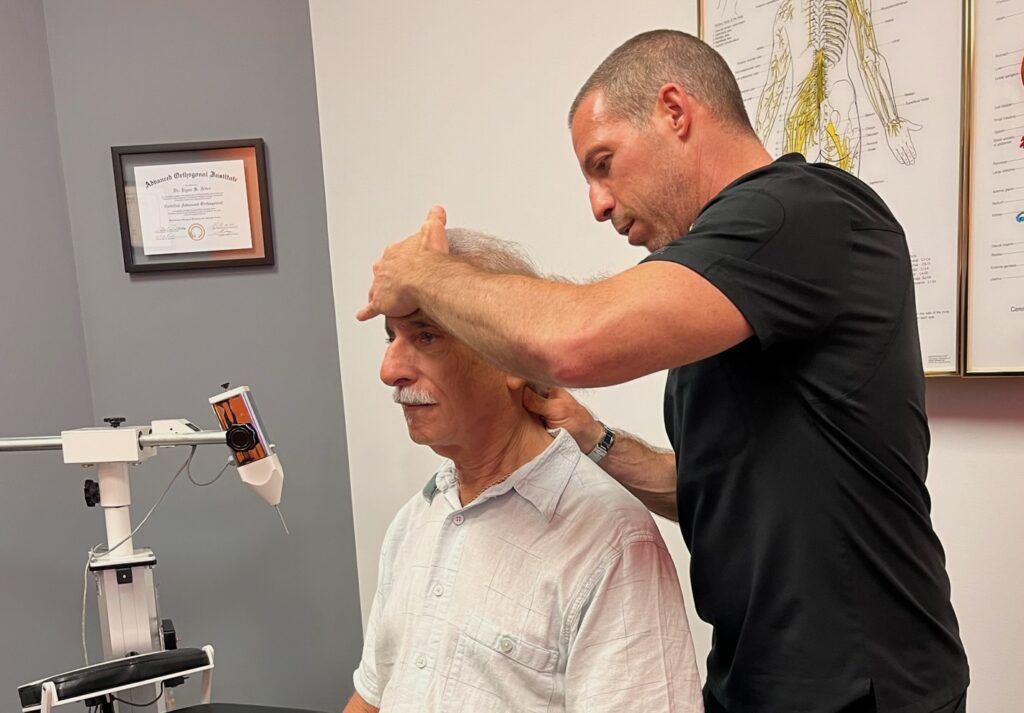
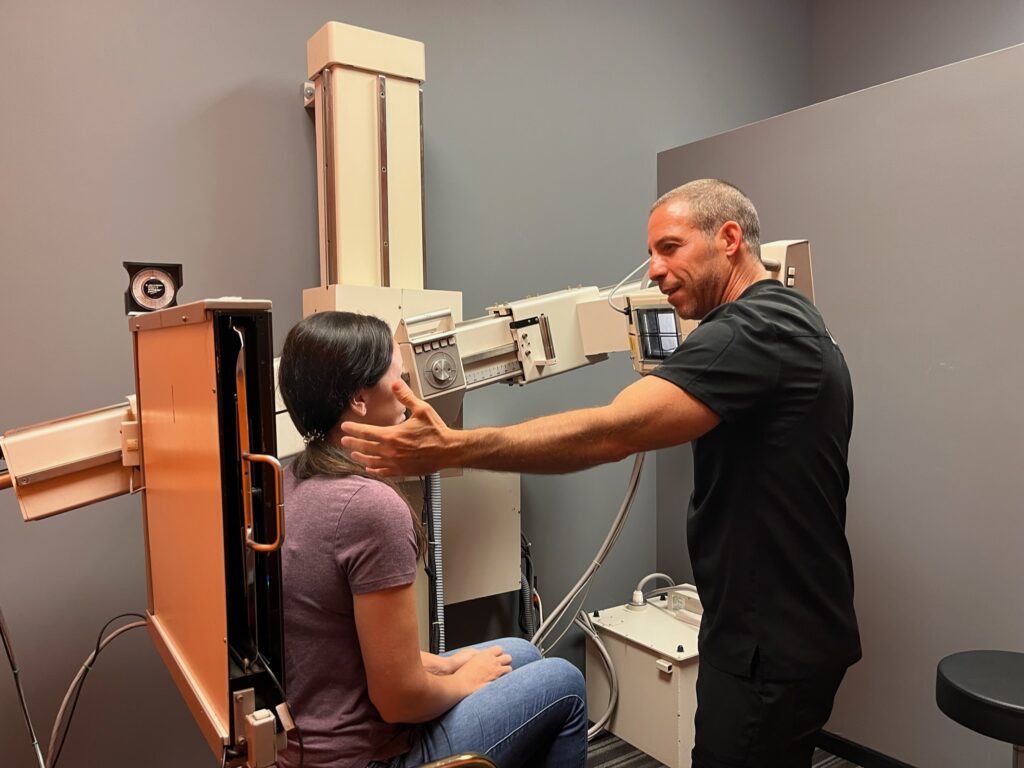
If you’re struggling with migraines, finding effective ways to manage your discomfort can be a priority. Chiropractic care offers holistic solutions that focus on your overall wellness rather than just masking your symptoms. By enhancing spinal alignment and promoting natural healing, chiropractic methods can empower you to reclaim control over your migraines. Interested in how these strategies work together to support your health? Let’s dive into the seven best ways chiropractic care can make a significant difference in your life.
- Spinal Adjustments: Regular chiropractic adjustments can help realign your spine, which may alleviate pressure on nerves that could trigger migraines. This gentle manipulation can improve your body’s function and reduce pain.
- Posture Correction: Poor posture can contribute to tension in your neck and shoulders, leading to headaches. A chiropractor can guide you in adopting better posture habits that promote spinal health and reduce the frequency of migraines.
- Stress Relief Techniques: Chiropractic care often includes stress management strategies. Techniques such as deep breathing and relaxation exercises can help lower stress levels, which is a significant migraine trigger for many people.
- Nutritional Guidance: A well-balanced diet plays a crucial role in overall health. Your chiropractor can offer nutritional advice tailored to your needs, helping you identify potential food triggers and maintain a diet that supports your wellness.
- Lifestyle Advice: Incorporating regular exercise and healthy habits can enhance your wellbeing. Your chiropractor can suggest simple lifestyle changes that promote better health and may help reduce the occurrence of migraines.
- Hydration Tips: Staying hydrated is essential for preventing migraines. Your chiropractor can remind you of the importance of drinking enough water throughout the day to keep your body functioning optimally.
- Holistic Approach: Chiropractic care looks at the body as a whole, considering the interconnectedness of various systems. By addressing underlying issues that contribute to migraines, such as tension or misalignment, you can achieve lasting relief.
By embracing these strategies through chiropractic care, you can take proactive steps toward managing your migraines naturally. Remember, your health journey is unique, and your chiropractor is here to support you every step of the way.
Improved Spinal Alignment
When dealing with migraines, it’s easy to overlook the impact that your spinal alignment can have on your overall health. Misalignments in your spine can lead to tension and stress in your neck and head, which can increase both the intensity and frequency of your migraines. This is where chiropractic care comes in as a natural and effective solution.
Chiropractors are skilled at performing specific adjustments that realign your spine, helping to improve your posture and relieve pressure on your nervous system. This process can’t only help reduce the number of migraines you experience but also enhance your overall comfort and daily functioning. Many patients notice a significant decrease in muscle tension and feel more relaxed, which is crucial for effective migraine management.
By focusing on improving your spinal alignment, you’re taking proactive steps towards better health. Regular chiropractic visits can provide long-term relief, allowing you to enjoy life more fully, free from the debilitating effects of migraines.
In addition to chiropractic adjustments, here are some general tips to help manage your migraines naturally:
- Stay Hydrated: Drink plenty of water throughout the day to prevent dehydration, which can trigger migraines.
- Maintain a Healthy Diet: Eating balanced meals and avoiding known food triggers can help keep migraines at bay.
- Practice Relaxation Techniques: Incorporating yoga, meditation, or deep breathing exercises can reduce stress and tension.
- Get Regular Exercise: Engaging in regular physical activity can improve your overall health and reduce migraine frequency.
- Ensure Quality Sleep: Establishing a regular sleep schedule and creating a restful environment can promote better sleep, which is essential for migraine management.
Enhanced Nerve Function
Improving spinal alignment is a key factor in relieving tension and enhancing nerve function, both of which are crucial in managing migraines. When your spine is aligned correctly, your nervous system can work more efficiently, allowing for better communication between your brain and body. This improved communication can lead to a decrease in the frequency and intensity of migraine attacks, helping you feel better overall.
Chiropractic adjustments play a vital role in stimulating nerve function. By correcting misalignments in the spine, these adjustments help remove interference that can hinder nerve signal transmission. As your nerve function improves, your body becomes more capable of responding effectively to various stimuli, which may help reduce sensitivity to common migraine triggers like light and sound.
Another benefit of enhanced nerve function is improved blood flow and oxygen delivery to your brain, both of which are essential for your overall health. By focusing on your nerve function through chiropractic care, you’re not just addressing your migraines; you’re investing in your long-term wellness and building resilience against future episodes.
Here are a few simple tips to help you support your spinal health and potentially reduce migraine occurrences:
- Practice Good Posture: Whether sitting or standing, maintaining good posture can help keep your spine aligned and reduce tension.
- Stay Hydrated: Drinking plenty of water can help prevent dehydration, which is a common migraine trigger.
- Regular Exercise: Engaging in gentle exercises like walking or yoga can strengthen your spine and improve flexibility.
- Stress Management: Incorporate relaxation techniques such as deep breathing, meditation, or gentle stretching to help manage stress levels.
- Chiropractic Care: Regular visits to your chiropractor can help maintain spinal alignment and enhance nerve function, providing you with a natural approach to wellness.
Reduced Muscle Tension
When you experience migraines, managing muscle tension can greatly enhance your comfort and overall well-being. Reducing tightness in your neck not only helps you feel better but also improves blood circulation, which is crucial for alleviating migraine symptoms.
Chiropractic care is an excellent way to address these issues naturally, providing relief without the need for medications or invasive procedures.
By visiting a chiropractor, you can receive gentle adjustments that target the root causes of your tension and discomfort. These adjustments can help realign your spine, reduce muscle tightness, and promote better circulation throughout your body.
This holistic approach not only aids in relieving your migraines but also supports your overall health.
In addition to chiropractic care, there are simple tips you can incorporate into your daily routine to manage muscle tension. Regular stretching, staying hydrated, and practicing good posture can all contribute to reducing tension and preventing migraines.
Remember, taking care of your spine is essential for your overall health, and chiropractic care is the best choice for achieving lasting relief and wellness.
Embrace a healthier lifestyle today, and let chiropractic care guide you on your journey to optimal health!
Alleviates Neck Tightness
Chiropractic care is a fantastic way to alleviate neck tightness and promote overall wellness. When you come in for a visit, I’ll assess your neck and spine to pinpoint any misalignments that might be causing your discomfort. Using gentle adjustments and specialized techniques, I can help realign your spine, which allows your muscles to relax and eases that tightness in your neck.
Many people don’t realize that neck tightness can often lead to or worsen migraines. By addressing this tension, you may not only find relief from pain but also experience improved mobility and less stiffness. After a few sessions, you’ll likely feel a significant difference!
In addition to receiving chiropractic adjustments, there are some simple tips you can incorporate into your daily routine to help reduce neck tension. Make sure to take regular breaks if you’re working at a desk or looking down at your phone for extended periods. Gentle neck stretches, staying hydrated, and practicing good posture can also make a big difference.
Regular chiropractic visits are key not just for relieving neck tightness but also for preventing it from returning. By managing your neck tension through chiropractic care, you’re taking a proactive step toward reducing the frequency and intensity of migraines and enhancing your overall health.
Embracing chiropractic care is one of the best choices you can make for natural healing and wellness.
Enhances Blood Circulation
Chiropractic care plays a vital role in enhancing blood circulation throughout your body by relieving muscle tension. When your muscles are relaxed, blood can flow more freely, delivering essential nutrients and oxygen to your tissues. This improved circulation can significantly help in managing migraines.
Here are three key ways that better blood circulation can benefit you:
- Reduced Pain: With improved blood flow, your body can flush out inflammatory substances that contribute to pain. This natural process can lead to relief from migraine discomfort.
- Increased Energy: As your oxygen levels rise, you may experience a noticeable boost in your overall energy. Feeling more energized can help you tackle daily activities and reduce the fatigue that often accompanies migraines.
- Improved Healing: Enhanced circulation supports faster recovery from tension-related issues, allowing your body to heal more effectively. This means you can bounce back quicker from headaches and other discomforts.
Incorporating chiropractic care into your health routine is an excellent choice for managing migraines through improved blood circulation.
Additionally, here are some general tips you can adopt to further enhance your circulation and overall wellness:
- Stay Hydrated: Drinking plenty of water helps keep your blood flowing smoothly.
- Move Regularly: Engage in light exercise or stretching to keep your muscles relaxed and promote circulation.
- Maintain Good Posture: Keeping your spine aligned can help reduce tension and support better blood flow.
Choosing chiropractic care is one of the best ways to achieve optimal health and natural wellness, providing you with the tools you need to manage pain effectively and live a healthier life.
Stress Relief Techniques
Stress can be a significant trigger for migraines, making effective stress relief techniques essential for managing your symptoms. One highly effective method is deep breathing. Taking slow, deep breaths helps activate your body’s relaxation response, easing tension and promoting a sense of calm. This simple practice can be easily integrated into your daily routine and doesn’t require any special equipment.
Another valuable technique is progressive muscle relaxation. This involves systematically tensing and then relaxing different muscle groups in your body. By doing this, you can promote overall relaxation and help alleviate the tension that may contribute to migraines.
Mindfulness meditation is another beneficial practice. It encourages you to focus on the present moment, which can significantly help reduce anxiety and stress. Even just a few minutes of meditation each day can make a noticeable difference in how you feel.
Regular physical activity, such as yoga or walking, can also play a crucial role in lowering stress levels and enhancing your mood. Both activities not only help relieve stress but also promote spinal health, which is an important aspect of overall wellness.
Incorporating these techniques into your daily life can provide great benefits. Whether you set aside time each day for meditation or join a yoga class, these stress relief strategies can help prevent migraines and improve your overall well-being.
Nutritional Guidance
Managing migraines often requires a holistic approach, and nutritional guidance can play a vital role in your overall wellness strategy. The foods you consume can either trigger or alleviate your migraine symptoms. By focusing on a balanced diet, you can enhance your body’s resilience against these painful episodes while supporting your spinal health.
Here are three key nutritional strategies to consider:
- Stay Hydrated: Dehydration is a common migraine trigger, and it can also affect your spinal health. Aim for at least eight glasses of water a day to keep your body, including your spine, well-hydrated and functioning optimally.
- Identify Trigger Foods: Certain foods, like aged cheeses, processed meats, and alcohol, can provoke migraines for some individuals. Keeping a food diary can be a helpful tool to figure out what specific foods may be causing your migraines. By eliminating these triggers, you can potentially reduce the frequency and intensity of your headaches.
- Incorporate Magnesium-Rich Foods: Foods such as spinach, nuts, and whole grains are rich in magnesium, which is known to help reduce the frequency of migraines. Magnesium is also essential for muscle and nerve function, which can support your overall well-being and spinal health.
Remember, chiropractic care can be a powerful ally in managing migraines and promoting overall health. Regular adjustments can help keep your spine aligned, reduce tension, and improve your body’s ability to function.
Lifestyle Modifications
While diet is certainly important in managing migraines, making some simple lifestyle changes can also help reduce their frequency and intensity. One of the best things you can do is establish a regular sleep routine. Aim for seven to nine hours of restful sleep each night because irregular sleep patterns can be a major migraine trigger.
Incorporating stress management techniques, such as yoga or meditation, can be incredibly beneficial too. These practices not only help you relax but can also alleviate tension in your body, which is often linked to migraines. Remember, a balanced spine contributes to overall health, so consider chiropractic care as a way to keep your body aligned and functioning optimally.
Staying hydrated is crucial as well. Make it a habit to drink plenty of water throughout the day to fend off dehydration, which is a common trigger for migraines.
Regular physical activity is also advantageous—just be mindful not to push yourself too hard, as overexertion can lead to headaches. Limiting excessive screen time can help reduce eye strain, another potential migraine trigger. Taking regular breaks and practicing good posture while using screens can also support your spinal health.
Additionally, consider keeping a migraine diary to identify your personal triggers and patterns. This can empower you to make informed lifestyle adjustments.
Preventive Care Strategies
To effectively prevent migraines, it’s essential to adopt a proactive approach that aligns with your individual needs. By integrating specific strategies into your routine, you can significantly reduce the frequency and intensity of your migraines.
Here are three fundamental approaches that highlight the benefits of chiropractic care in achieving optimal health:
1. Regular Chiropractic Adjustments: Keeping your spine aligned is crucial for your overall health. Chiropractic adjustments can help alleviate tension in your neck and back, improve your nervous system function, and potentially reduce the occurrence of migraines.
Regular visits to a chiropractor allow you to maintain proper spinal health, which is vital for preventing migraine triggers.
2. Personalized Exercise Plan: Incorporating regular, low-impact exercises like yoga or swimming not only strengthens your body but also helps relieve stress, a common migraine trigger.
A chiropractor can guide you in creating a personalized exercise plan that complements your treatment and enhances your wellness journey.
3. Dietary Adjustments: Understanding the connection between food and migraines is key to your well-being. Identifying and eliminating trigger foods from your diet can make a significant difference.
Keeping a food diary can be a helpful tool to track what you eat and how it affects you. A chiropractor can also provide insights into dietary choices that promote overall health and reduce migraine frequency.
By focusing on these natural and holistic strategies, you can take control of your health and well-being. Chiropractic care stands out as a safe and effective option for managing migraines without the need for medications or invasive procedures.
Embrace these tips, and consult with your local chiropractor to create a tailored plan that works best for you!
Conclusion
Incorporating chiropractic care into your migraine management can greatly enhance your overall health and well-being. By emphasizing spinal alignment, nerve function, and relieving muscle tension, chiropractic care can help reduce both the frequency and intensity of your migraines. Additionally, we focus on stress relief techniques, nutritional advice, and lifestyle changes that empower you to take charge of your health naturally.
Regular chiropractic visits are crucial for maintaining a healthy spine, which can prevent future migraines and allow you to live a more comfortable, pain-free life. Here are some tips to help you manage migraines effectively:
- Stay Hydrated: Dehydration can trigger migraines, so make sure to drink plenty of water throughout the day.
- Practice Good Posture: Poor posture can contribute to tension in your neck and back, leading to migraines. Be mindful of your posture, especially when sitting for long periods.
- Incorporate Relaxation Techniques: Techniques such as deep breathing, meditation, or gentle yoga can help reduce stress and tension, which are common migraine triggers.
- Maintain a Consistent Sleep Schedule: Aim for regular sleep patterns, as irregular sleep can lead to increased migraine frequency.
- Eat a Balanced Diet: Focus on whole foods, fruits, and vegetables. Keeping a food diary can also help you identify any food triggers that may contribute to your migraines.
- Schedule Regular Chiropractic Adjustments: Consistent visits to your chiropractor can help maintain spinal health and keep your body functioning optimally.
- Listen to Your Body: Pay attention to any warning signs or triggers that may precede a migraine, and take proactive steps to address them.
By choosing chiropractic care, you are opting for a natural and holistic approach to managing migraines. We are here to support you on your journey to better health and wellness, helping you achieve a life free from pain and discomfort.