
You know that recovery is just as important as training, but have you considered how expert support can enhance this process? Engaging with sports scientists can greatly improve your recovery strategy, ensuring it's tailored to your unique needs. They focus on aspects like nutrition, hydration, and physical therapies, which can make a noticeable difference in your performance. However, many athletes overlook vital elements that could elevate their recovery. What are these common missteps, and how can avoiding them lead to your best season yet?
Importance of Recovery
When you push your body to its limits during training or competition, recovery becomes essential for peak performance. It's not just a luxury; it's a necessity. Your muscles undergo wear and tear, and without proper recovery, injuries can creep in, derailing your progress.
You may feel tempted to skip rest days or cut short your cooldowns, but that's a mistake. Your body needs time to heal, rebuild, and strengthen.
Recovery helps replenish your energy stores, allowing you to perform at your best in subsequent sessions. When you give yourself adequate time to recover, you enhance your endurance, strength, and overall athleticism.
This isn't just about physical repair; mental recovery is equally important. You need to recharge your motivation and focus, preventing burnout and keeping your passion alive.
Incorporating recovery strategies like stretching, hydration, and nutrition can make a significant difference. Listening to your body is essential; if you're feeling fatigued or sore, don't push through.
Use active recovery methods, such as light workouts or yoga, to promote blood flow without overexerting yourself.
Additionally, prioritize sleep. Quality rest is crucial for muscle repair and cognitive function. It's during sleep that your body releases growth hormones, aiding recovery processes.
Role of Sports Scientists
Sports scientists play an essential role in maximizing athletic recovery. They analyze data and develop strategies that help you bounce back faster after intense workouts or competitions. By studying your body's physiological responses, they can identify the most effective recovery methods tailored to your individual needs.
One of the key areas sports scientists focus on is understanding how your body repairs itself after exertion. They examine factors like muscle damage, inflammation, and fatigue. With this knowledge, they can recommend specific recovery protocols, such as active recovery sessions or targeted stretching routines, to enhance your rehabilitation process.
Sports scientists also assess your training loads and monitor your performance metrics. This helps them determine when you need to push harder or when it's time to dial it back. They can pinpoint signs of overtraining, allowing you to avoid injuries and burnout.
Additionally, sports scientists often collaborate with coaches and trainers to implement evidence-based recovery practices. They might suggest ideal rest periods, sleep strategies, or recovery technologies to guarantee you're getting the most out of your downtime.
Ultimately, their expertise empowers you to make informed decisions about your recovery. By leveraging their knowledge, you can enhance your overall athletic performance and longevity in your sport.
Benefits of Nutrition
Proper nutrition plays an indispensable role in your athletic recovery, greatly influencing how quickly and effectively you bounce back after intense training or competition. When you fuel your body with the right nutrients, you provide it with the tools it needs to repair muscle tissue, replenish glycogen stores, and reduce inflammation. This all translates to improved performance and less downtime.
Eating a balanced diet rich in carbohydrates, proteins, and healthy fats can make a significant difference. Carbohydrates are essential for replenishing energy stores after strenuous workouts, while proteins are crucial for muscle repair and growth.
Don't forget healthy fats; they play a key role in hormone regulation and can help reduce inflammation.
Hydration is another important aspect of nutrition that often gets overlooked. Staying properly hydrated helps optimize your physical performance and aids in recovery. Water supports nutrient transport, helps regulate body temperature, and flushes out toxins.
Aim to drink water consistently throughout the day, especially before, during, and after exercise.
Moreover, consuming a variety of vitamins and minerals is indispensable for overall health. Micronutrients like vitamins C and E, zinc, and magnesium can support your immune system and aid in muscle recovery.
Incorporating colorful fruits and vegetables into your meals guarantees you're getting a broad spectrum of these crucial nutrients.
Physical Therapy Techniques
When it comes to recovery, physical therapy techniques can make a significant difference.
You'll find that manual therapy effectively reduces pain and improves mobility.
Additionally, incorporating stretching and mobilization techniques can enhance your overall performance and prevent future injuries.
Manual Therapy Benefits
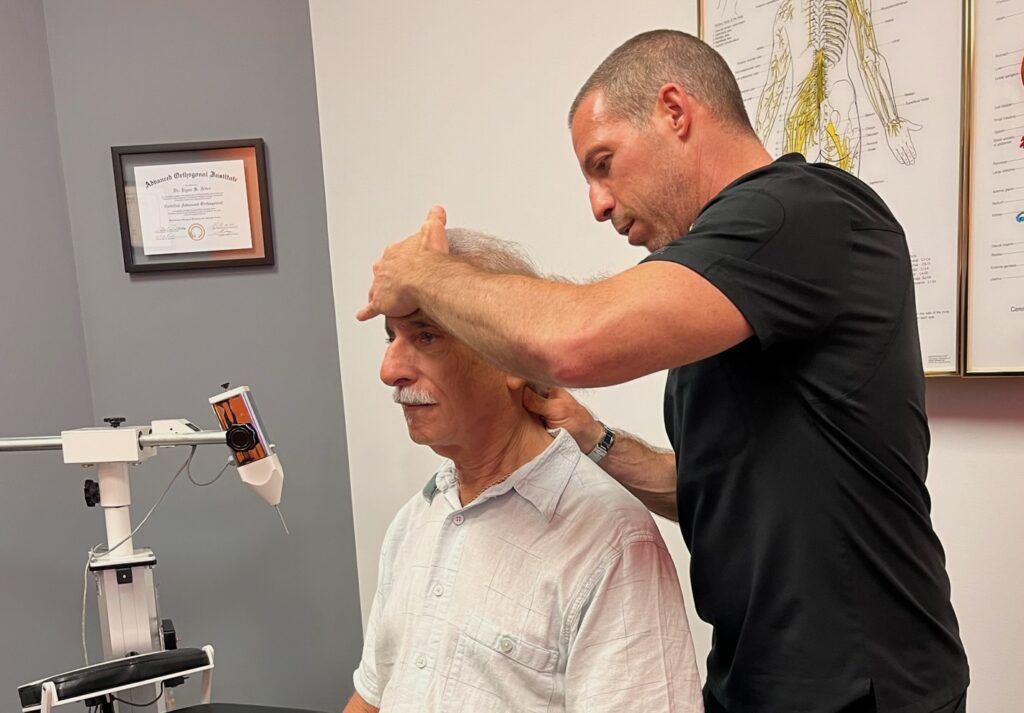
Manual therapy techniques, such as joint mobilization and soft tissue manipulation, play an essential role in athletic recovery. These hands-on approaches help improve circulation, reduce pain, and restore function. When you engage in manual therapy, your therapist targets specific areas of tension and tightness, releasing built-up stress in your muscles and joints.
You'll likely notice increased flexibility and range of motion after just a few sessions. This is critical for athletes, as improved movement can enhance performance and reduce the risk of injury. Manual therapy also promotes the healing of soft tissues, allowing your body to recover more efficiently from workouts and injuries.
Additionally, this therapy can help alleviate soreness and discomfort, which is often a barrier to maintaining a consistent training schedule. By addressing these issues early, you can stay on track with your athletic goals.
Furthermore, manual therapy isn't just about physical benefits; it can also provide mental relaxation. The focused attention during treatment can help you feel more connected to your body, boosting your overall well-being.
Stretching and Mobilization Techniques
Incorporating stretching and mobilization techniques into your recovery routine is essential for maintaining flexibility and preventing injuries. These techniques enhance muscle elasticity, improve joint mobility, and promote overall physical health.
Whether you're an elite athlete or a casual exerciser, dedicating time to stretch after workouts can greatly speed up recovery. Dynamic stretching before your activity prepares your muscles for action, while static stretching post-workout helps relax them. Focus on major muscle groups like your hamstrings, quadriceps, and shoulders. Hold each static stretch for about 20-30 seconds to maximize benefits.
Mobilization techniques, such as foam rolling or using a massage ball, can release tightness in your muscles and fascia. These tools help improve circulation, which aids in nutrient delivery and waste removal from your tissues, speeding up recovery.
You might also consider incorporating yoga or Pilates into your routine, as they promote flexibility and core strength.
Recovery Modalities Explained
Various recovery modalities play an essential role in helping athletes bounce back after intense training or competition. Understanding these modalities can make a considerable difference in your recovery process.
One widely recognized method is active recovery. This involves engaging in low-intensity exercises, like walking or light cycling, to boost blood circulation and accelerate the removal of metabolic waste. Incorporating active recovery into your routine can keep your muscles engaged while promoting healing.
Another popular modality is cryotherapy, which utilizes cold exposure to reduce inflammation and soreness. Whether through ice baths or localized cryo treatments, this approach helps numb pain and constrict blood vessels, allowing for quicker recovery.
Compression therapy is also gaining traction. By applying pressure to your limbs, compression garments enhance blood circulation and reduce swelling. You might find that using these garments post-workout can considerably alleviate soreness and improve your overall recovery time.
Additionally, massage therapy serves as a powerful tool. Regular massages can help release muscle tension, improve flexibility, and enhance circulation. It's an excellent way to relieve stress while promoting recovery.
Lastly, don't overlook the importance of hydration and nutrition. Drinking adequate fluids and consuming a balanced diet rich in proteins, carbohydrates, and healthy fats fuels your recovery.
Mental Aspects of Recovery
Recovery isn't just about physical rest; the mental aspects play an essential role in how effectively you bounce back. Your mindset can greatly influence your recovery process. If you're feeling mentally drained or stressed, it might hinder your ability to heal physically. A positive mental attitude can boost your motivation and resilience during recovery.
Visualization techniques can be powerful. Picture yourself fully recovered, performing at your best. This mental imagery can reinforce your goals and help you stay focused. You might find meditation or mindfulness exercises beneficial, allowing you to center your thoughts and reduce anxiety. Taking time to breathe deeply and clear your mind can create a more conducive environment for recovery.
Additionally, staying connected with your support network, whether it's teammates, coaches, or friends, can provide encouragement. Sharing your experiences and feelings can alleviate stress and bolster your spirits. Remember, it's okay to acknowledge your feelings; doing so can help you process them more effectively.
Setting realistic expectations is vital too. Recovery takes time, and it's important not to rush the process. Allowing yourself to understand that setbacks can happen helps maintain a balanced perspective. Celebrate small victories along the way; each step forward is progress.
Finally, consider journaling your recovery journey. Writing down your thoughts and feelings can clarify your mindset and help you identify any negative patterns that need addressing. By focusing on the mental aspects, you'll enhance your overall recovery and set yourself up for long-term success.
Creating a Recovery Plan
To create an effective recovery plan, you first need to assess your individual needs.
By identifying what works best for you, you can set specific recovery goals that align with your athletic performance.
This tailored approach will help you optimize your recovery and enhance your training outcomes.
Assess Individual Needs
Creating a personalized recovery plan starts with understanding your unique needs and goals. Each athlete's body responds differently to training and stress, so it's crucial to evaluate what works best for you.
Begin by reviewing your current fitness level, injury history, and any pre-existing conditions that may affect your recovery process.
Reflect on how your body reacts to various recovery techniques, like stretching, foam rolling, or massage therapy. Track your sleep patterns, nutrition, and hydration habits to identify areas for improvement. This information will help you pinpoint what you need to incorporate into your recovery routine.
Don't forget to reflect on your training schedule and the intensity of your workouts. High-intensity sessions may require more extensive recovery strategies, while lighter days could allow for less focus on recovery.
Lastly, listen to your body. Pay attention to signs of fatigue or soreness, and adjust your plan accordingly.
Set Recovery Goals
Setting clear recovery goals is essential for optimizing your performance and ensuring a sustainable training routine. Start by identifying specific areas where you want to improve your recovery, such as reducing soreness, enhancing sleep quality, or increasing flexibility. These goals should be measurable and time-bound, allowing you to track your progress effectively.
Next, break your goals down into smaller, actionable steps. For instance, if your goal is to improve sleep quality, you might aim to establish a consistent bedtime routine or limit screen time before bed. Consider incorporating active recovery methods like stretching, foam rolling, or light activities on rest days to facilitate faster recovery.
Don't forget to monitor your progress regularly. Keep a journal or use an app to log how well you're meeting your recovery goals. This will help you stay accountable and adjust your plan as needed.
Lastly, be flexible and patient. Recovery isn't always linear, and sometimes you may need to adapt your goals based on how your body feels.
Common Recovery Mistakes
Many athletes unknowingly sabotage their recovery by making common mistakes that can hinder their progress. One major mistake is neglecting rest days. You might feel tempted to push through fatigue, but your body needs time to repair and rebuild after strenuous workouts. Ignoring this can lead to burnout or injury.
Another frequent error is inadequate hydration. You might think that simply drinking water during workouts is enough, but proper hydration is fundamental for recovery. Dehydration can impair muscle repair and delay recovery, so make sure you're drinking enough fluids throughout your day.
Additionally, many athletes overlook nutrition. You might focus on your training regimen but forget that what you eat plays a significant role in recovery. Skipping post-workout meals or relying on processed snacks can leave your body lacking essential nutrients. Prioritize whole foods, proteins, and healthy fats to fuel your recovery.
Furthermore, avoid excessive foam rolling or stretching right after intense workouts. While these practices have their place, doing too much too soon can lead to soreness and hinder your recovery process. Instead, consider lighter movements or active recovery techniques.
Lastly, don't underestimate the importance of sleep. You might think you can function on a few hours, but quality sleep is critical for muscle recovery and overall performance. Aim for at least seven to nine hours of sleep each night to give your body the time it needs to heal and rejuvenate.
Success Stories and Insights
As you explore the journeys of various athletes who've prioritized their recovery, you'll find inspiring success stories that highlight the importance of effective recovery strategies.
Take, for instance, a professional marathon runner who transformed her performance by incorporating a structured recovery plan. She shared how prioritizing rest and nutrition helped her shave minutes off her personal best.
Similarly, a competitive swimmer revealed that integrating massage therapy and stretching into his routine not only enhanced his flexibility but also reduced injury downtime considerably.
These stories emphasize that recovery isn't just a phase; it's an integral part of athletic success.
Here are some key insights you can take away from these athletes' experiences:
- Prioritizing Sleep: Many athletes swear by getting a full night's rest to rejuvenate their bodies and minds.
- Nutrition Matters: Fueling up with the right nutrients aids in muscle recovery and overall performance.
- Active Recovery Techniques: Practices like yoga and light swimming can prevent stiffness and promote blood flow.
- Mental Health Focus: Taking time for mental relaxation through meditation or visualization can enhance resilience and focus.
Conclusion
Incorporating expert support into your recovery routine can transform your athletic performance. By understanding the importance of tailored nutrition, effective physical therapies, and mental strategies, you can optimize your recovery process. Avoid common pitfalls and embrace a personalized recovery plan that suits your unique needs. Remember, recovery isn't just about rest; it's a vital component of your training. With the right support, you'll enhance your muscle repair, mental focus, and ultimately, your success on the field.