
If you're experiencing sports-related back pain, I want you to know that you're not alone, and understanding the root causes is a crucial first step toward relief. Many athletes tend to underestimate the significance of proper conditioning and core strength, which can result in ongoing discomfort. By identifying your pain triggers and embracing a proactive approach, you can significantly improve both your performance and overall well-being.
As a local chiropractor, I am here to help you navigate these challenges through natural healing methods. One of the most effective strategies we can implement together is a tailored chiropractic care plan that focuses on realigning your spine and improving your body's function. Additionally, incorporating specific exercises to strengthen your core and enhance flexibility can make a world of difference.
You may be surprised to learn that simple adjustments and lifestyle changes can transform your athletic experience. By prioritizing your spinal health and engaging in preventive care, you can enjoy your favorite sports without the burden of back pain. Let's work together to create a personalized plan that sets you on the path to recovery and peak performance!
Understanding Back Pain Causes
Back pain is a prevalent issue that affects many athletes and individuals alike, often resulting from a variety of factors. As a local chiropractor, I want to help you understand some common causes of back pain and how we can address them naturally.
One major contributor to back pain is muscle strain. This often happens due to overexertion or improper lifting techniques. If you've pushed your body too hard during training or daily activities, your muscles can become fatigued, leading to discomfort. It's crucial to listen to your body and avoid pushing beyond your limits.
Injuries, such as sprains or strains, are another common source of back pain. These injuries can occur from sudden movements, falls, or collisions, particularly in sports that involve twisting motions or heavy lifting, like football or gymnastics. If you've found yourself in an awkward position, this can lead to lingering pain that may affect your performance and daily life.
Poor posture is also a significant factor in back discomfort. If you're not mindful of your body mechanics—especially during workouts or while sitting for long periods—you might unknowingly strain your back. It's essential to maintain proper alignment and support during activities to help prevent pain.
In some cases, underlying conditions like herniated discs or scoliosis can contribute to chronic back pain. If you suspect that you have a more serious issue, it's important to seek a proper diagnosis from a healthcare professional. As a chiropractor, I can help identify these underlying issues and provide natural healing methods to alleviate your pain.
By understanding the various causes of back pain, you can better recognize your own pain triggers. This knowledge empowers you to take proactive steps to manage and prevent back pain effectively, allowing you to lead a healthier, more active life.
If you're experiencing discomfort, don't hesitate to reach out for guidance on how chiropractic care can support your healing journey.
Importance of Conditioning
As your local chiropractor, I want to emphasize the critical role conditioning plays in preventing sports-related back pain and enhancing your overall athletic performance. When you make conditioning a priority, you not only build strength in your muscles but also improve your flexibility and endurance. This holistic approach enables your body to better handle the physical demands of your chosen sport, significantly reducing your risk of injury, particularly in your back.
Here are some key benefits of proper conditioning that I believe everyone should know:
- Increased strength: Building stronger muscles provides vital support to your spine, alleviating undue strain and pressure.
- Improved posture: Effective conditioning promotes proper body alignment, which helps minimize stress on your back and prevents discomfort.
- Enhanced endurance: With improved stamina, you can maintain proper form throughout your activities, which lowers the chances of injuries caused by fatigue.
- Boosted flexibility: An increased range of motion can help prevent muscle tightness and imbalances that often lead to pain and discomfort.
Incorporating a comprehensive conditioning program into your routine can make a significant difference in your well-being. I encourage you to focus on exercises that target your core, back, and legs, as these areas are essential for providing support during physical activities.
Strength training, cardiovascular workouts, and functional movement drills are all excellent components that contribute to a more resilient body.
It's also crucial to listen to your body. If you experience any discomfort or pain while conditioning, it's important to reassess your technique or the intensity of your workouts. Remember, the goal is to build a solid foundation that allows you to perform at your best while minimizing your risk of back pain.
Stay committed to your conditioning routine, and you'll likely notice the positive impact it has on your athletic performance and overall health. As your chiropractor, I'm here to guide you on this journey toward optimal health and to support you in achieving your fitness goals naturally.
Stretching Techniques for Athletes
As a local chiropractor, I want to share the importance of incorporating effective stretching techniques into your daily routine to enhance your athletic performance and help prevent injuries, especially in the back. Stretching plays a crucial role in maintaining flexibility, promoting blood flow to your muscles, and improving your range of motion—all vital aspects for avoiding back pain.
Begin your routine with dynamic stretches during your warm-up. These stretches involve movement and are designed to prepare your muscles for physical activity. Consider incorporating leg swings, arm circles, and torso twists. Aim for 10-15 repetitions of each to effectively prime your body for your workout or competition.
After your physical activity, it's essential to focus on static stretching during your cool-down phase. Hold each stretch for 15-30 seconds, making sure to avoid bouncing, as this can lead to injuries. Pay special attention to key areas such as your hamstrings, hip flexors, and lower back. A great example is the seated hamstring stretch: sit on the floor, extend one leg, and gently reach toward your toes while keeping your back straight to avoid strain.
In addition, I recommend incorporating rotational stretches to enhance your spinal mobility. The lying spinal twist is an excellent option for relieving lower back tension. To perform this stretch, lie on your back with your knees bent and gently allow them to fall to one side while keeping your shoulders flat on the ground.
Strengthening Core Muscles
As a local chiropractor, I want to emphasize the importance of strengthening your core muscles for overall stability and injury prevention, especially during sports activities. Many people may not realize that a strong core not only enhances athletic performance but also plays a crucial role in protecting your back from strain and injury.
Incorporating effective core exercises into your daily routine can make a significant difference in how your body functions and feels. By building a robust core, you can improve your balance and posture, which are vital for maintaining your overall health.
Let's discuss some of the best techniques to strengthen your core. These exercises aren't only beneficial for athletes but for everyone looking to improve their physical well-being.
Importance of Core Stability
As a local chiropractor, I want to emphasize the vital role that core stability plays in your overall health and athletic performance, especially in preventing sports-related back pain.
Your core muscles are the foundation of your body's stability, supporting your spine and helping you maintain optimal posture during various activities. When your core is strong and engaged, it minimizes strain on your back and enhances your ability to perform at your best.
Here are some significant benefits of focusing on core stability:
- Improved Balance: A well-developed core is crucial for maintaining balance, especially during dynamic movements. This can significantly reduce your risk of falls or awkward landings, which can lead to injuries.
- Enhanced Performance: Core strength contributes to better power transfer, allowing you to execute movements more efficiently in your chosen sport, ultimately helping you achieve your goals.
- Reduced Risk of Injury: A stable core acts as a protective barrier for your spine and surrounding muscles, significantly lowering the chances of experiencing back pain or other injuries.
- Better Posture: By promoting proper alignment, core stability helps improve your posture not just during sports, but also in your daily life, leading to long-term health benefits.
Incorporating exercises that strengthen your core can lead to a healthier spine and a more active lifestyle.
As your chiropractor, I'm here to guide you on this journey toward better stability and overall well-being.
Effective Core Exercises
As a chiropractor dedicated to your overall well-being, I want to share some effective core exercises that can help strengthen your essential muscles and improve your stability. One of the most beneficial exercises is the plank. To perform a plank, start in a push-up position, resting on your forearms instead of your hands. Keep your body straight from head to heels and aim to hold this position for 30 seconds. As your strength increases, you can gradually extend the duration.
Another excellent exercise is the dead bug. Begin by lying on your back with your arms extended toward the ceiling and your knees bent at a 90-degree angle. Slowly lower your right arm and left leg toward the floor, then return to the starting position. Alternate sides and aim for 10 to 15 repetitions. This exercise not only engages your core but also promotes coordination and stability.
Incorporating bridges into your routine can also be highly beneficial. Lie on your back with your knees bent and feet flat on the floor. Lift your hips towards the ceiling, squeezing your glutes, and then lower back down. Aim for 10 to 15 repetitions. This exercise strengthens your lower back and gluteal muscles, which are crucial for maintaining proper posture and alignment.
Lastly, I recommend Russian twists. Sit on the floor with your knees bent, lean back slightly, and twist your torso to one side and then the other. This movement effectively targets your oblique muscles, further enhancing your core strength and stability.
By integrating these exercises into your fitness routine, you can bolster your core strength, which is essential for supporting your spine and overall health.
If you have any questions about these exercises or how they can complement your chiropractic care, feel free to ask!
Injury Prevention Techniques
As a local chiropractor dedicated to your well-being, I want to emphasize the importance of core exercises for both injury prevention and overall health. A strong core provides a solid foundation for your entire body, helping to absorb stress during everyday activities and sports. This proactive approach can significantly reduce your risk of experiencing sports-related back pain.
Here are some effective core exercises I recommend incorporating into your routine:
- Planks: These exercises engage your entire core, enhancing both endurance and stability.
- Bridges: This movement strengthens your lower back, glutes, and abdominals all at once, promoting better posture.
- Russian Twists: This exercise is great for boosting your rotational strength, which is essential for various physical activities.
- Bicycle Crunches: Engaging multiple core muscle groups, these help improve your balance and coordination.
By focusing on strengthening your core, you're not just warding off injuries; you're also setting the stage for improved athletic performance. A robust core enables you to maintain proper posture, enhance your balance, and increase your agility, which are all crucial for a healthy, active lifestyle.
I encourage you to make core workouts a regular part of your exercise routine—aim for at least two to three times a week. The consistency of these efforts won't only help keep you active and injury-free but also allow you to fully enjoy your favorite sports without the fear of back pain.
Investing in your core is an investment in your overall health and wellness. Let's work together to ensure you stay healthy and active in all your endeavors!
Targeted Therapies and Treatments
As a local chiropractor, I want to share how targeted therapies and treatments can greatly assist in managing sports-related back pain.
Many of my patients have found that physical therapy techniques are beneficial in enhancing mobility and alleviating discomfort.
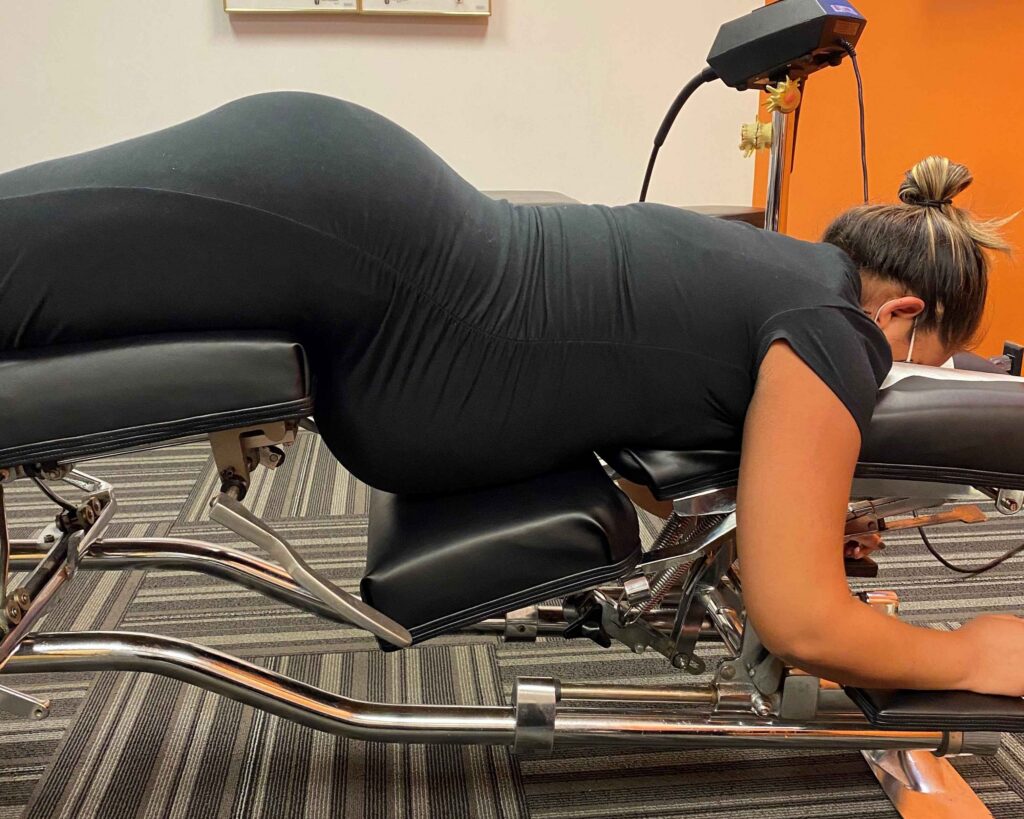
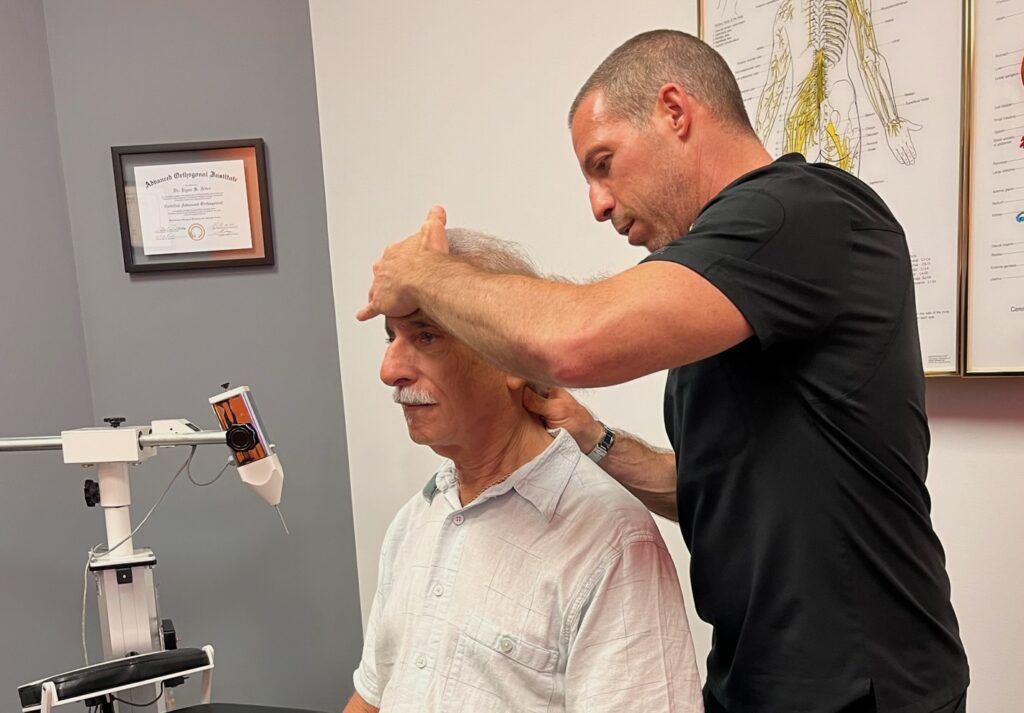
Additionally, chiropractic adjustments play a crucial role in realigning the spine, which can significantly improve your overall function.
By exploring these natural healing options, you can discover a personalized pain relief strategy that meets your specific needs.
It's all about finding what works best for you to help you get back to doing what you love!
Physical Therapy Techniques
Chiropractic care offers valuable techniques for addressing sports-related back pain, focusing on natural healing and overall well-being. By utilizing targeted therapies, we can help you strengthen your muscles, improve flexibility, and enhance your overall function.
Here are some effective methods you might experience during your visits:
- Spinal Adjustments: Gentle manipulations to align the spine, relieve pain, and improve mobility.
- Rehabilitative Exercises: Tailored movements designed to strengthen your core and back muscles, promoting stability and support.
- Postural Correction: Strategies to improve your posture, which can alleviate strain on your back during physical activities.
- Therapeutic Modalities: Techniques such as heat, ice, or electrical stimulation to aid in pain relief and reduce inflammation.
As you engage in these chiropractic techniques, you may notice a significant reduction in pain and an enhanced ability to participate in your sport.
Each treatment plan is customized to meet your unique needs, ensuring that you're on a personalized journey to recovery. Consistency is crucial—committing to your recommended exercises and attending your scheduled sessions will yield the best results.
Chiropractic Adjustments Benefits
As a local chiropractor, I want to share with you the significant benefits of chiropractic adjustments, especially when it comes to alleviating sports-related back pain. Many individuals who engage in sports may not realize how the physical demands of their activities can lead to misalignments in the spine and joints. These misalignments can cause discomfort and hinder your performance.
Chiropractic adjustments are designed to address these underlying issues directly. By realigning your vertebrae, we can improve your range of motion and reduce inflammation that often accompanies sports injuries. It's important to understand that chiropractic care goes beyond simply masking pain; it focuses on treating the root cause of your discomfort.
When you receive adjustments, we help relieve tension in the muscles surrounding your spine, which enhances your body's natural healing processes. You may even notice an improvement in your posture, which is crucial for preventing future injuries and maximizing your athletic potential.
Regular visits to our chiropractic office can significantly boost your athletic performance. With greater spinal mobility and reduced pain, training and competing become much more manageable. Additionally, we often provide personalized advice on exercises and stretches that align with your treatment plan, supporting your overall health and well-being.
If you're struggling with sports-related back pain, I encourage you to consider incorporating chiropractic adjustments into your routine. They can be a powerful ally in your recovery journey and help you return to your favorite activities with renewed confidence and ease.
Utilizing Proper Equipment
As a local chiropractor dedicated to helping you understand the importance of caring for your back, I want to emphasize how utilizing the right equipment can play a significant role in preventing and alleviating sports-related back pain.
When you engage in physical activities, having the appropriate gear isn't just about performance; it's about safeguarding your spine from undue stress. Here are some essential items to consider:
- Supportive Footwear: Investing in shoes that offer proper arch support is crucial. These shoes help maintain your body's alignment and absorb impact, which in turn reduces the strain on your back. This is especially important for athletes and active individuals.
- Ergonomic Backpacks: For those who carry sports gear or personal items, selecting a well-designed backpack that distributes weight evenly is vital. This can significantly lessen the strain on your spine and help prevent discomfort or injury.
- Quality Sports Gear: Whether you're biking, playing tennis, or lifting weights, using equipment tailored to your body and skill level is essential. Properly fitted gear not only enhances your performance but also minimizes the risk of injuries, including those affecting your back.
- Protective Padding: If you participate in contact sports, wearing appropriate padding is critical. It can provide a buffer against impacts that may lead to back pain or other injuries.
Equipping yourself with the right tools is a proactive step towards ensuring your well-being. For example, if you love to run, investing in specialized running shoes can significantly improve your experience.
Not only do they offer cushioning, but they also support proper form, which is crucial for maintaining back health. Likewise, if you lift weights, using a well-fitted lifting belt can provide the necessary support to keep your core stable and protect your spine.
By understanding the importance of proper equipment, you're taking a significant step towards maintaining your spinal health and enhancing your overall athletic performance.
Listening to Your Body
As a local chiropractor, I want to emphasize the importance of listening to your body, especially when it comes to preventing sports-related back pain. Many athletes, whether seasoned or just starting out, often overlook the subtle signals their bodies send during training and competition. Your body communicates with you in various ways—ranging from mild discomfort to sharp pain—and ignoring these cues can lead to more serious injuries.
When you experience discomfort, it's crucial to take a moment to assess what's happening rather than simply pushing through the pain. Ask yourself: Are you using the correct form? Are you possibly overexerting yourself? By being attuned to how your body reacts during different activities, you can better understand what adjustments might be necessary in your training regimen to prevent aggravating your back.
Furthermore, it's essential to distinguish between normal fatigue and specific pain. While feeling tired after a workout is perfectly normal, persistent or sharp pain is your body's way of signaling that something isn't right. Don't hesitate to take a break or modify your activities when you feel that pain. Remember, rest is a crucial aspect of any training program, and giving your body the opportunity to recover can help prevent further injury.
I also encourage you to communicate openly about your feelings with coaches or trainers. They can help you make the necessary adjustments to your training or suggest alternative exercises that won't put stress on your back.
As a chiropractor, I believe that by actively listening to your body and seeking guidance, you can make informed decisions that will enhance your athletic performance while minimizing the risk of developing back pain. Your health is paramount, and together we can work towards a longer, healthier athletic career.
Recovery and Rehabilitation Strategies
As a local chiropractor, it's essential to understand the signals your body communicates, especially when dealing with sports-related back pain. My goal is to guide you through effective recovery and rehabilitation strategies that promote natural healing and allow you to return to your favorite activities. Here are some key approaches to consider:
- Rest and Ice: Allow your body the necessary time to heal. Taking breaks from activity and using ice can significantly reduce inflammation and alleviate pain.
- Chiropractic Care: Regular visits can help realign your spine and improve your body's overall function. I can offer personalized adjustments and exercises that strengthen your core and enhance flexibility.
- Gradual Return to Activity: It's crucial not to rush back into your sport. A slow reintroduction of activities will help prevent re-injury, and I encourage you to listen closely to your body's signals regarding pain levels.
- Mindfulness and Relaxation Techniques: Incorporating practices such as yoga or meditation can be beneficial. These techniques manage stress and promote a positive mindset during your recovery journey.
By implementing these strategies, you'll be on the right path to recovery. Start by prioritizing rest; pushing through pain often leads to further setbacks.
Ice therapy can effectively manage inflammation, while chiropractic adjustments can equip you with the necessary tools to strengthen your body. As you gradually return to your sport, remain vigilant about any discomfort your body may express.
Additionally, practicing mindfulness techniques will help you maintain focus and a positive outlook throughout your recovery process. Remember, natural healing is a journey, and I'm here to support you every step of the way.
Preventative Measures for Longevity
As a local chiropractor, I want to emphasize the importance of maintaining a healthy back, especially if you lead an active lifestyle or enjoy sports. Taking preventative measures can help protect your spine and enhance your overall performance, allowing you to participate in your favorite activities for years to come.
To start, it's essential to build a strong foundation. Core strength plays a vital role in spinal stability, so I recommend incorporating exercises like planks, bridges, and abdominal workouts into your routine. A strong core not only helps stabilize your spine but also significantly reduces the risk of injury.
Don't overlook the importance of flexibility in your training. Regular stretching routines targeting your hamstrings, hip flexors, and back muscles can make a considerable difference. Practices like yoga and Pilates are fantastic for improving flexibility and enhancing your overall body awareness. This increased awareness will help you recognize when you might be overexerting yourself, which is crucial for preventing injuries.
Additionally, proper technique is paramount in any sport. Ensuring that you're using the correct form during workouts or competitions can prevent many common injuries. I recommend working with a coach or trainer who can provide personalized guidance on your technique, helping you to establish safe and effective habits.
Listening to your body is another critical aspect of injury prevention. If you experience pain or discomfort, it's essential to take a break and allow your body time to heal. Ignoring these warning signs can lead to more significant long-term issues down the road.
Lastly, prioritize your recovery through adequate rest, hydration, and nutrition. A holistic approach to your health will keep your body strong and resilient, enabling you to thrive in your athletic pursuits.
At my practice, I'm here to support you in achieving your wellness goals through natural healing methods and chiropractic care. Together, we can ensure your spine stays healthy and your body performs at its best.
Conclusion
As a local chiropractor dedicated to your health, I want to share some valuable insights on how to conquer sports-related back pain and improve your athletic performance naturally. It's essential to prioritize conditioning and core strength, as these elements play a significant role in supporting your body during physical activities.
Equally important is the proper equipment; using the right gear can make a big difference in preventing injuries. I encourage you to listen to your body—it's your best indicator of when something isn't right. Incorporating recovery techniques, such as gentle stretching and adjustments, into your routine can help your body heal and function optimally.
By taking proactive measures and exploring targeted therapies like chiropractic care, you can not only alleviate discomfort but also set yourself up for a longer, healthier athletic journey. Stay committed to your well-being, and soon you'll find yourself enjoying your favorite sports activities again, free from pain. Remember, I'm here to support you on this journey to better health!