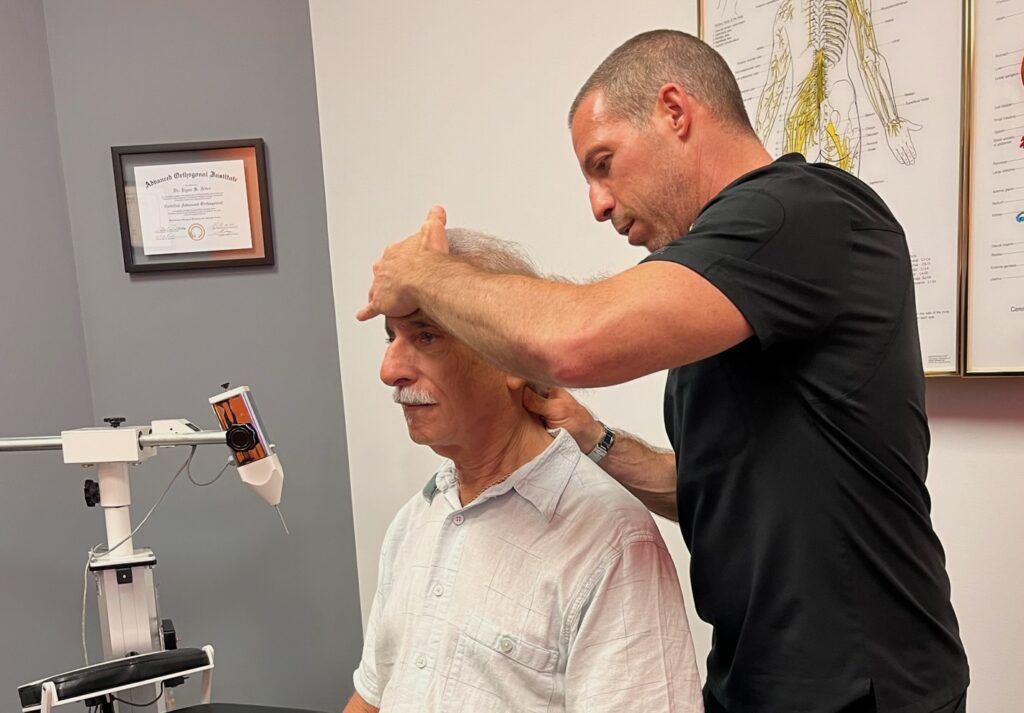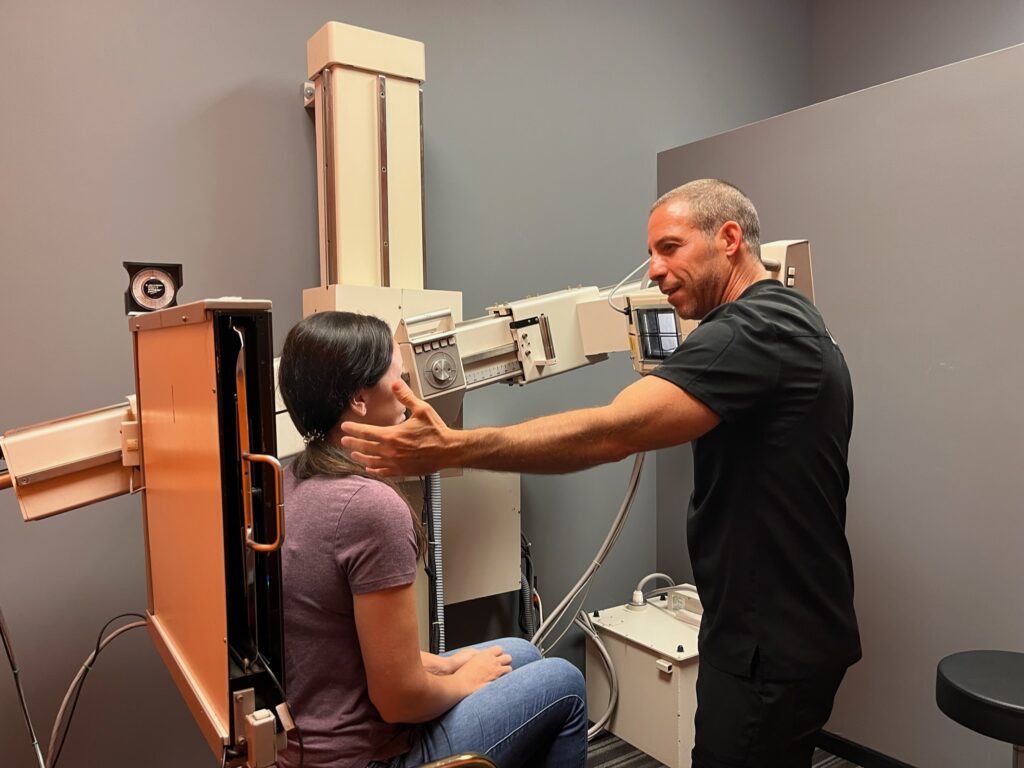

If you’re dealing with migraines, turning to natural solutions can truly make a difference in your life. As a chiropractor, I believe that addressing your body’s alignment and overall wellness is key to achieving relief. Simple dietary adjustments and mindfulness practices can complement chiropractic care, helping to alleviate your symptoms and improve your overall well-being.
Incorporating regular chiropractic adjustments can help restore proper spinal alignment, which may reduce the frequency and intensity of your migraines. Additionally, practicing mindfulness techniques such as deep breathing or meditation can enhance your body’s ability to cope with stress, a common migraine trigger.
Here are a few strategies to consider:
- Stay Hydrated: Dehydration can trigger migraines, so drinking plenty of water throughout the day is crucial.
- Maintain a Regular Sleep Schedule: Consistent sleep patterns can help regulate your body’s rhythms and reduce the likelihood of migraines.
- Healthy Eating: Focus on a balanced diet rich in fruits, vegetables, whole grains, and lean proteins. Identifying and avoiding potential food triggers, such as aged cheeses or processed foods, may also help.
- Regular Chiropractic Care: Scheduling regular visits to your chiropractor can help maintain spinal health and provide relief from tension that might contribute to migraines.
- Exercise: Gentle exercises like yoga or stretching can help alleviate tension in your neck and shoulders, which may reduce headache frequency.
By exploring these natural approaches alongside chiropractic care, you can take significant steps towards managing your migraines more effectively. Let’s work together to find the best strategies tailored to your unique needs for optimal health and wellness.
Key Takeaways
When it comes to managing migraines, understanding and addressing the underlying causes can make a world of difference. As a chiropractor, I believe that natural solutions, particularly chiropractic care, can play a key role in your journey towards optimal health and wellness.
- Identify and Avoid Triggers: Start by recognizing common migraine triggers like specific foods, stress, and inadequate sleep. By avoiding these triggers, you can reduce the frequency and intensity of your migraines. Keeping a migraine diary can help you pinpoint what might be causing your discomfort.
- Dietary Adjustments: Incorporating foods rich in magnesium and omega-3 fatty acids can support your overall health and help prevent migraines. Make sure you’re staying hydrated as well, since dehydration can often be a contributing factor. Remember, a balanced diet is essential not just for migraines but for your overall well-being.
- Mindfulness and Relaxation: Stress can greatly impact the occurrence of migraines, so practicing mindfulness and relaxation techniques is vital. Activities like deep breathing, yoga, or even simple meditation can help manage stress levels and tension, which is where chiropractic care comes in. Regular chiropractic adjustments can help ease muscle tension and improve your body’s response to stress.
- Stay Active: Regular physical activity, especially gentle exercises and stretching, can improve blood flow and reduce muscle tightness that may lead to migraines. Chiropractic care also promotes physical activity by ensuring your spine and joints are functioning well, which can enhance your overall mobility and comfort.
- Natural Remedies: Essential oils such as peppermint and lavender can be soothing for migraine symptoms. When combined with chiropractic care, these natural remedies can support your body’s healing processes and enhance your overall wellness.
Chiropractic care focuses on the health of your spine and nervous system, which is crucial for preventing and managing migraines. By keeping your spine in alignment, we can help reduce pain, improve function, and promote a healthier, more vibrant life. If you’re struggling with migraines, consider visiting a chiropractor to explore how spinal health can contribute to your well-being. Remember, you don’t have to manage this alone—natural solutions are available to help you feel your best!
Understanding Migraines: Triggers and Symptoms
When dealing with migraines, understanding their triggers and symptoms can significantly help in managing your discomfort. Migraines can manifest in various ways, including throbbing headaches, nausea, and increased sensitivity to light and sound. By recognizing these signs early, you can take proactive steps to address them before they escalate.
Common triggers for migraines may be stress, hormonal fluctuations, lack of sleep, and specific environmental factors such as bright lights or strong odors. One effective way to manage your migraines is by keeping a migraine diary. In this diary, jot down when your migraines occur, their intensity, and any potential triggers you notice. This awareness not only helps you identify patterns but also empowers you to avoid certain situations or activities that might lead to an attack.
As a chiropractor, I believe in the body’s ability to heal itself naturally. Regular chiropractic care can play a crucial role in reducing the frequency and intensity of migraines. Adjustments help align the spine, which can alleviate tension and stress in the body, potentially minimizing headache triggers.
Additionally, maintaining a healthy lifestyle through proper hydration, regular exercise, and stress management techniques such as yoga or meditation can also contribute to overall wellness and migraine relief.
Dietary Changes for Migraine Prevention
Identifying triggers is just the first step in managing migraines; making dietary changes can significantly support your overall health and wellness, especially when combined with chiropractic care. As a local chiropractor, I encourage you to consider how your diet can play a role in both preventing migraines and promoting optimal spinal health.
You might want to adjust your diet by avoiding certain foods that can trigger migraines and instead incorporate healthier options that can enhance your overall well-being. Common culprits that many people find problematic include aged cheeses, processed meats, and alcohol. On the other hand, focusing on foods rich in magnesium and omega-3 fatty acids can be beneficial. These nutrients have been shown to help reduce the frequency of migraines and support a healthy nervous system.
Here’s a simple reference table to guide your dietary choices:
| Foods to Avoid | Foods to Include |
|---|---|
| Aged cheeses | Leafy greens |
| Processed meats | Fatty fish |
| Alcohol | Nuts and seeds |
Incorporating more leafy greens and fatty fish into your meals can not only help with migraine prevention but also contribute to better spinal health. Remember to stay hydrated and listen to your body’s needs. Making small changes in your diet, along with regular chiropractic adjustments, can make a significant difference in your overall health and wellness journey.
As always, I am here to support you on your path to natural healing and optimal health!
Herbal Remedies: Nature’s Pain Relievers
Exploring herbal remedies can be a valuable addition to your journey towards natural pain relief, especially for those dealing with migraines. While I highly recommend considering chiropractic care for holistic healing, incorporating certain herbs may enhance your wellness routine.
Feverfew is a traditional herb that many have found to help reduce the frequency and intensity of migraine attacks. You can easily integrate it into your daily routine by taking it in capsule form or enjoying it as a tea.
Another effective herb is butterbur, which has shown promise in studies for preventing migraines. If you choose to try butterbur, be sure to select a PA-free version to ensure it’s safe for your liver.
Ginger is another excellent option, particularly for easing nausea that often accompanies migraines. Sipping ginger tea or chewing on raw ginger can provide comfort during an attack.
Peppermint is also worth considering; its cooling effect and pleasant aroma can help alleviate tension and promote relaxation.
As always, it’s crucial to consult with your chiropractor or healthcare professional before starting any new herbal regimen, especially if you’re currently on other treatments.
Remember, chiropractic care is designed to address the underlying causes of pain and improve your overall health. By combining chiropractic adjustments with these natural remedies, you may find effective strategies to manage your migraines and enhance your well-being.
In addition to these remedies, consider practicing relaxation techniques such as deep breathing or gentle stretching. Staying hydrated and maintaining a balanced diet can also play a significant role in preventing migraines.
Mindfulness and Relaxation Techniques
Managing migraines can indeed be challenging, but as a chiropractor, I want to share how incorporating mindfulness and relaxation techniques into your daily routine can significantly enhance your overall well-being and aid in pain relief. By practicing mindfulness, you can develop a better awareness of your body and its signals, empowering you to respond to migraine triggers more effectively.
Simple techniques like deep breathing, meditation, and guided imagery can be incredibly beneficial in calming both your mind and body. These practices not only help reduce stress but can also alleviate tension that may contribute to migraine episodes. I encourage you to set aside just a few minutes each day to focus on your breath or visualize a serene landscape. This small investment of time can foster a sense of tranquility, potentially preventing migraines from becoming more severe.
Additionally, progressive muscle relaxation is a technique that can help release built-up tension in your muscles, further easing discomfort. It’s a simple method that involves tensing and then relaxing different muscle groups throughout your body, promoting relaxation and relief.
To deepen your mindfulness practice, consider exploring local yoga or meditation classes, which can complement chiropractic care by enhancing your body awareness and flexibility. There are also many apps available that focus on mindfulness and relaxation, making it easy to incorporate these practices into your life.
By integrating these techniques alongside regular chiropractic adjustments, you can cultivate a greater sense of control over your health and wellness. Remember, chiropractic care is a powerful ally in achieving optimal health and alleviating pain naturally, allowing you to live a healthier, migraine-free life.
Make these practices a part of your routine, and experience the benefits they can bring to your overall well-being.
Physical Activity and Exercise Strategies
Incorporating regular exercise into your routine can significantly help reduce the frequency and intensity of migraines. As a chiropractor, I often see how physical activity, such as yoga and stretching, not only alleviates tension but also promotes relaxation—essential for managing migraine symptoms.
When you engage in gentle exercises, you improve blood flow and reduce muscle tightness around the spine and neck, which can be common triggers for headaches. Here are some tips to help you integrate effective physical strategies into your life:
- Start Slow: If you’re new to exercise, begin with short sessions of stretching or gentle yoga. Gradually increase the duration as your body adapts.
- Focus on Posture: Pay attention to your posture during exercises. Proper alignment can help prevent unnecessary strain on your spine and neck.
- Breathe Deeply: Incorporating deep breathing techniques during your workouts can enhance relaxation and reduce stress, both of which are beneficial for migraine management.
- Stay Hydrated: Dehydration can trigger migraines, so ensure you drink plenty of water before, during, and after your workouts.
- Listen to Your Body: If an activity seems to trigger a migraine, modify it or choose a different exercise. Your comfort is key.
Remember, regular chiropractic care can complement your exercise routine by ensuring your spine is aligned and functioning optimally, which is crucial for overall wellness.
Benefits of Regular Exercise
Regular exercise is a vital part of managing migraines, and as a chiropractor, I want to emphasize how it can complement your journey towards optimal health. Not only does physical activity provide physical benefits, but it also supports mental well-being, which is crucial for reducing the frequency and intensity of migraine attacks.
Engaging in simple aerobic activities like walking, swimming, or cycling can significantly improve blood circulation. This enhanced blood flow may help alleviate migraine symptoms. Exercise also stimulates the release of endorphins—your body’s natural pain relief agents—which can uplift your mood and help lower stress levels. Stress is a common trigger for migraines, so finding ways to manage it is essential.
Another important aspect to consider is the role of exercise in improving sleep quality. Better sleep is a key factor in preventing migraines, and incorporating regular physical activity into your routine can make a remarkable difference.
As you embark on your exercise journey, remember that consistency is key. Even moderate activities can have a positive impact on your overall health and resilience against migraines. I encourage you to find exercises that you genuinely enjoy—this will make it easier to stick with your routine and reap the benefits.
Additionally, consider incorporating chiropractic care into your wellness plan. Chiropractic adjustments can help improve your spinal alignment, which may enhance your body’s overall function and support your exercise efforts. Together, regular exercise and chiropractic care can be a powerful combination for achieving a healthier, migraine-free life.
Yoga for Migraine Relief
Chiropractic care provides a holistic approach to managing migraines, focusing on spinal health and natural healing methods. By ensuring your spine is properly aligned, chiropractic adjustments can help reduce tension and improve blood flow, which may alleviate headache symptoms.
Incorporating gentle movements and stretches, similar to yoga, can also play a vital role in your wellness routine. These practices can enhance your body awareness, helping you identify potential migraine triggers before they escalate.
Even simple stretches can be beneficial, and you don’t need to be an expert to get started. Consider dedicating a few minutes each day to focus on relaxation techniques and spinal health.
Regular chiropractic visits can further support your journey towards migraine relief and overall well-being. Remember, managing your migraines naturally can lead to a healthier lifestyle, reducing reliance on medications or invasive procedures.
Prioritize your spinal health and embrace natural wellness for optimal results.
Stretching Techniques to Alleviate
How can simple stretching techniques make a difference in managing migraines? As a chiropractor, I believe that incorporating regular stretching into your routine can significantly alleviate tension and reduce the frequency of migraines. Many individuals experience tightness in the neck, shoulders, and upper back, which can contribute to headache discomfort. By focusing on these areas, you can release built-up tension and promote better spinal health.
Consider incorporating gentle neck rolls and shoulder shrugs into your daily routine. These simple movements can help loosen tight muscles and improve your overall posture. Additionally, practicing forward bends can stretch your spine and enhance circulation, which is vital for optimal health.
It’s beneficial to take a few minutes throughout the day to stretch, especially during stressful moments. Pay attention to your body and adjust the intensity of your stretches to what feels comfortable for you.
Remember, by making stretching a consistent part of your wellness plan, you not only enhance your flexibility but also promote relaxation—both of which can help diminish migraine triggers.
If you find that stretching alone doesn’t provide the relief you seek, consider consulting with a chiropractor. Chiropractic care focuses on aligning the spine and improving overall body function, which can be a natural and effective approach to managing migraines and enhancing your quality of life.
Together, we can work on a personalized plan that supports your health and well-being.
Essential Oils and Aromatherapy Benefits
As a chiropractor, I believe in the power of natural healing and wellness, and essential oils can be a wonderful complement to chiropractic care when managing migraines. While they may not replace the benefits of spinal adjustments, these oils can provide added relief for those suffering from migraine symptoms.
To start, it’s important to know which essential oils are most effective. Oils such as peppermint, lavender, and eucalyptus have been known to help alleviate tension and promote relaxation. By incorporating these into your routine, you can enhance your overall well-being.
When using essential oils, consider application techniques that maximize their benefits. You can try diffusing them in your home or applying them topically with a carrier oil. Just remember to perform a patch test first to ensure your skin doesn’t react negatively.
In addition to essential oils, regular chiropractic adjustments can help address underlying issues that may contribute to migraines, such as spinal misalignments and tension in the neck and shoulders. By maintaining proper spinal health, you can reduce the frequency and intensity of migraines over time.
Here are some general tips for managing migraines naturally:
- Stay Hydrated: Dehydration can trigger migraines, so make sure you’re drinking enough water throughout the day.
- Practice Good Posture: Poor posture can lead to tension in the neck and shoulders, which may contribute to headaches. Be mindful of your posture, especially if you sit for long periods.
- Manage Stress: Incorporate relaxation techniques such as deep breathing, meditation, or yoga into your daily routine to help reduce stress levels.
- Get Regular Chiropractic Care: Regular adjustments can help keep your spine aligned and reduce the frequency of migraines.
By combining chiropractic care with the use of essential oils and these wellness tips, you can take proactive steps towards managing your migraines naturally.
Top Essential Oils
When you’re looking for relief from migraines, incorporating the benefits of essential oils alongside chiropractic care can be a powerful approach to wellness.
Lavender oil is well-known for its calming effects, making it a great addition to your relaxation routine. By creating a soothing environment, you can help ease tension in your body, which is essential for overall spinal health.
Peppermint oil can be particularly beneficial; its invigorating scent not only stimulates circulation but can also provide a refreshing cooling sensation that may help alleviate pain. This ties into the importance of maintaining good blood flow through regular chiropractic adjustments, which can enhance your body’s natural healing processes.
Eucalyptus oil is another fantastic option. Its anti-inflammatory properties can assist in reducing sinus pressure, a common trigger for migraines. By keeping your spine aligned, chiropractic care can further support your body’s ability to manage inflammation effectively.
Rosemary oil is known for improving circulation and providing pain relief, reinforcing the connection between proper spinal alignment and enhanced blood flow.
Lastly, chamomile oil can help you unwind, reducing stress levels that often contribute to migraine episodes. Remember, stress management is a key component of maintaining a healthy spine.
By integrating these essential oils into your wellness routine and prioritizing chiropractic care, you may find a natural and effective way to manage your migraine symptoms.
Additionally, consider practicing regular spinal exercises, staying hydrated, and maintaining a balanced diet to further support your overall health and wellness.
Application Techniques
While essential oils can be a wonderful complement to your wellness routine, it’s important to remember that they work best alongside other holistic approaches, such as chiropractic care, for optimal health and pain relief.
When dealing with migraines, start by diluting your chosen essential oil—like lavender or peppermint—with a carrier oil, such as coconut or jojoba. This helps to prevent skin irritation and enhances absorption.
Gently massage the blend onto your temples and the back of your neck, focusing on relaxing those tight muscles that may contribute to your discomfort. Inhaling the scent directly from the bottle or using a diffuser can create a calming atmosphere, which is beneficial for reducing stress and tension.
During a migraine attack, consider applying a cool compress infused with your chosen essential oils. This can provide soothing relief and is a simple way to incorporate aromatherapy into your routine.
Remember to experiment with these techniques to find what works best for you, but don’t overlook the benefits of regular chiropractic adjustments.
Chiropractic care addresses the root causes of pain and tension by aligning the spine and optimizing nervous system function, which can significantly reduce the frequency and intensity of migraines.
Consistent chiropractic care, combined with these natural approaches, can help you manage your migraines more effectively and promote overall relaxation and wellness.
Make a commitment to prioritize your health with chiropractic care, and you may just find a more natural path to relief.
Safety Precautions
Before diving into the world of essential oils and aromatherapy, it’s important to prioritize your safety for a positive and beneficial experience. As a chiropractor, I want to emphasize the importance of natural healing methods, including the use of essential oils in your wellness routine.
Here are some key safety tips to keep in mind when using essential oils:
- Patch Test: Always perform a patch test on a small area of your skin to check for any sensitivities before applying any oil more broadly.
- Dilution: Essential oils are potent and should be diluted with a carrier oil, such as coconut or jojoba oil, when applying them to your skin. This helps prevent irritation and enhances their effectiveness.
- Consultation: If you’re pregnant, nursing, or have specific health conditions, it’s best to avoid certain oils and consult with a healthcare professional or a qualified aromatherapist to ensure safety.
- Child Safety: Keep essential oils out of reach of children. Their skin is more sensitive, and some oils may not be safe for them.
- Ingestion Warning: Never ingest essential oils unless directed by a healthcare provider. Ingesting oils can lead to unwanted side effects.
- Discontinue Use: If you experience any irritation or adverse reactions, stop using the oil immediately. Your body may be signaling that it’s not the right fit for you.
- Professional Guidance: For personalized advice, consult with a qualified aromatherapist or healthcare provider to choose the right oils that align with your wellness goals.
By following these safety precautions, you can enhance your overall aromatherapy experience and support your journey toward natural healing.
Lifestyle Adjustments for Long-Term Relief
To achieve long-term relief from migraines, making specific lifestyle adjustments can be incredibly beneficial, and chiropractic care can play a vital role in your journey to wellness. Start by maintaining a consistent sleep schedule; going to bed and waking up at the same time every day helps regulate your body’s internal clock, which is essential for overall health.
Next, focus on hydration. Drinking enough water—aim for at least 8 glasses daily—can prevent dehydration, a common trigger for migraines. Remember, your spine plays a crucial role in your body’s ability to function optimally, and staying hydrated supports your spinal health as well.
Additionally, consider stress management techniques such as yoga or meditation. These practices not only help reduce tension but also promote relaxation, which can alleviate migraine symptoms. Regular chiropractic adjustments can further enhance your stress management efforts by ensuring your spine is properly aligned, allowing your body to function at its best.
Here’s a visual representation of these ideas to help you remember:
| Adjustment | Description | Benefits |
|---|---|---|
| Sleep Routine | Go to bed and wake up at the same time | Regulates internal clock |
| Hydration | Drink at least 8 glasses of water daily | Prevents dehydration and supports spinal health |
| Stress Management | Practice yoga or meditation | Reduces tension and promotes relaxation |
Implementing these changes, alongside regular chiropractic care, can lead to a more migraine-free life and enhance your overall well-being. Remember, your body is a complex system, and taking care of your spine is a key component of maintaining optimal health.
Conclusion
Incorporating natural solutions into your daily routine can significantly improve your ability to manage migraines, and chiropractic care is a key player in this process. By understanding your triggers and how they relate to your spine’s alignment, you can take the first step toward better health. Regular chiropractic adjustments can help to relieve tension and improve spinal function, which may reduce the frequency and intensity of migraines.
In addition to chiropractic care, making mindful dietary changes and embracing relaxation techniques can further enhance your well-being. Physical activity is also crucial; gentle exercises can promote better blood flow and reduce stress, both of which are essential for migraine management.
Essential oils can provide additional relief too, but remember, they work best when paired with a solid foundation of spinal health. With consistent chiropractic care and a commitment to these holistic practices, you can create a healthier, migraine-free lifestyle. Start your journey towards relief today by prioritizing your spine and overall wellness!