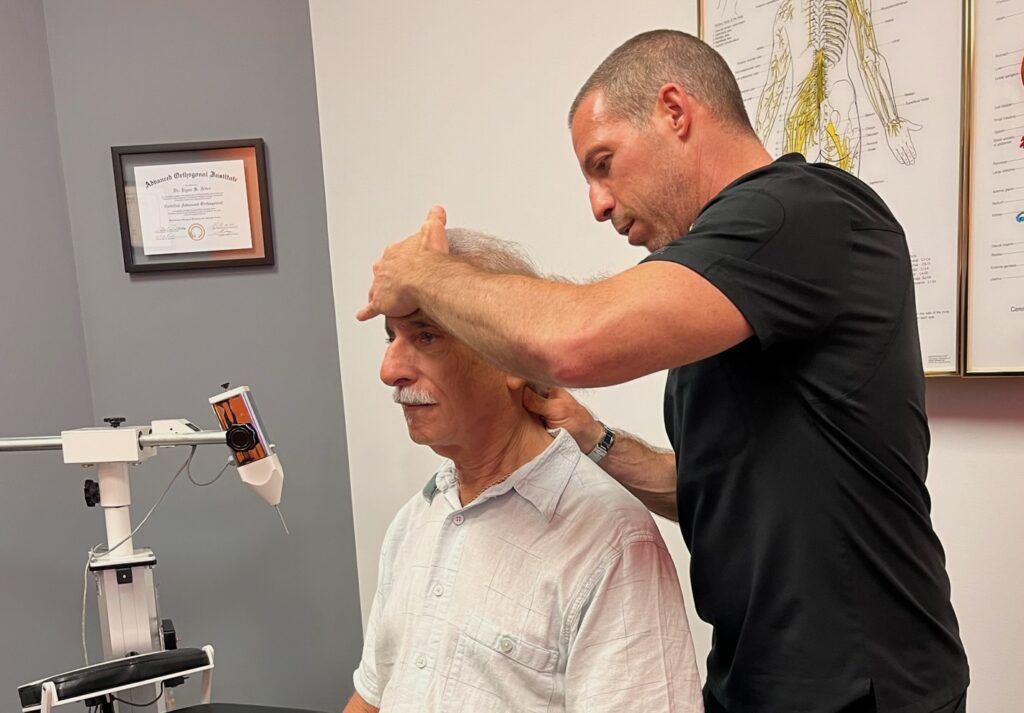

As a local chiropractor, I understand the challenges that come with living with chronic pain. It can infiltrate every corner of your life, affecting your daily activities and overall well-being. While many traditional treatments prioritize managing symptoms, I believe that effective solutions to chronic pain require a more holistic approach.
In my practice, I've seen how dietary changes, mindfulness techniques, and alternative therapies can significantly enhance your quality of life. It's not just about alleviating pain; it's about fostering a healthier lifestyle. But how do you know which methods resonate with you? Each individual is unique, and the right combination of therapies can lead to transformative relief.
That's why it's crucial to explore various options and understand the nuances of each one. Chiropractic care, for instance, can play a vital role in addressing the root causes of your pain, improving your body's function, and promoting natural healing. By working together, we can develop a personalized plan that aligns with your needs and helps you reclaim your life from chronic pain.
Understanding Chronic Pain
Chronic pain can have a significant impact on your daily life, making even the simplest tasks feel daunting. As a chiropractor, I often see patients who struggle with getting out of bed, managing household chores, or fully enjoying time with family and friends due to ongoing discomfort. Understanding chronic pain is crucial for effective management, and I want to help you navigate this journey.
Chronic pain is defined as persistent discomfort that lasts longer than three months, often continuing beyond the initial injury or health issue. It's essential to recognize that this type of pain isn't solely physical; it can also affect your emotional and mental well-being.
You may be experiencing various forms of chronic pain, such as arthritis, fibromyalgia, or neuropathic pain. Each type presents its own unique challenges, but they all share the common experience of enduring discomfort. You might notice that your pain fluctuates in intensity, sometimes appearing as a dull ache and at other times manifesting as sharp, stabbing sensations.
A key part of managing chronic pain is identifying its underlying causes. In many cases, it may arise from issues like inflammation, nerve damage, or even psychological factors. As your chiropractor, I recommend keeping a pain diary to track your symptoms. This can include noting when your pain occurs and what activities seem to worsen it. This information is invaluable for us to discuss your condition and develop a personalized treatment plan.
Mindfulness and Meditation
As a chiropractor, I often see patients who are struggling with chronic pain and are looking for ways to manage it effectively. One approach that can complement chiropractic care is mindfulness and meditation. These techniques are all about centering your focus on the present moment, which can significantly help in alleviating the perception of pain.
Mindfulness encourages you to observe your thoughts and feelings without judgment, creating a buffer between you and your pain. This practice can empower you to approach your discomfort with a different mindset, allowing for greater emotional resilience.
Meditation can take many forms, whether it's guided sessions, breathing exercises, or simply sitting quietly. I recommend starting with just a few minutes each day and gradually extending that time as you become more comfortable with the practice. Focusing on your breath or using a specific mantra during meditation can help anchor your thoughts and distract you from pain sensations.
Research supports that incorporating mindfulness and meditation into your routine can reduce stress levels, which are often a contributing factor to chronic pain. By calming your mind, you may experience less muscle tension and a greater sense of relaxation. These practices can also enhance your emotional well-being, providing you with improved strategies to cope with pain.
I also encourage you to consider joining a mindfulness or meditation group. Being part of a supportive community can offer motivation and strengthen your commitment to these practices.
Dietary Modifications
As a local chiropractor, I want to emphasize how essential your diet can be in managing chronic pain. Many patients may not realize that what you eat plays a significant role in your overall health and can impact your pain levels.
By incorporating anti-inflammatory foods into your meals, staying well-hydrated, and increasing your intake of omega-3 fatty acids, you can help reduce discomfort and enhance your overall well-being.
These dietary modifications aren't just about food; they're part of a holistic approach to healing that we advocate in chiropractic care.
Let's delve into how these changes can support your pain relief journey and complement the chiropractic treatments you receive.
Anti-inflammatory Foods
As a local chiropractor, I want to share with you the importance of incorporating anti-inflammatory foods into your diet, especially if you're experiencing chronic pain. Many of my patients find that addressing inflammation can significantly help reduce their discomfort. The foods we eat play a crucial role in modulating inflammation in the body, which is often a key factor in ongoing pain.
One of the best places to start is with fatty fish, such as salmon and mackerel. These fish are high in omega-3 fatty acids, which have been scientifically shown to lower inflammation levels. Including them in your meals can be a delicious way to support your healing.
Additionally, I encourage you to add a variety of colorful fruits and vegetables to your diet. Think of berries, leafy greens, and bell peppers; these foods are rich in antioxidants that can help combat oxidative stress and promote your overall health.
Spices like turmeric and ginger are also fantastic additions. Their anti-inflammatory properties not only enhance the flavor of your dishes but can also provide relief from discomfort.
Don't overlook the importance of healthy fats in your diet! Incorporating olive oil, nuts, and avocados can play a significant role in fighting inflammation.
Furthermore, when it comes to grains, opt for whole grains like brown rice and quinoa. They're superior to refined grains because they contain more fiber and essential nutrients.
Hydration Importance
As a chiropractor dedicated to promoting natural healing and overall well-being, I want to emphasize the crucial role of hydration in your health journey. While it's important to focus on incorporating anti-inflammatory foods into your diet, we mustn't overlook the significance of staying properly hydrated, especially if you're dealing with chronic pain.
Water is essential for your body's optimal function. It helps maintain joint lubrication, supports muscle function, and promotes efficient circulation—all critical factors in reducing discomfort and enhancing mobility. When you're well-hydrated, your body can better manage pain and inflammation.
I recommend aiming for at least eight 8-ounce glasses of water each day, but remember to adjust this based on your activity levels and the climate you're in. If plain water doesn't excite you, consider infusing it with fresh flavors like lemon, cucumber, or mint. These additions can make hydration more enjoyable without adding extra calories. Herbal teas are also a fantastic option; they provide warmth and comfort while keeping you hydrated.
Moreover, don't forget about hydrating foods! Incorporating fruits such as watermelon, oranges, and strawberries, along with vegetables like cucumbers and lettuce, can significantly contribute to your hydration needs. These foods not only help you stay hydrated but also offer essential nutrients that support your overall health and healing process.
As your chiropractor, I encourage you to prioritize hydration as part of your holistic approach to wellness. Your body will thank you!
Omega-3 Fatty Acids
As a local chiropractor dedicated to your overall health and well-being, it's important to highlight the significant role that omega-3 fatty acids can play in managing chronic pain. These essential fats, which you can find in fish and certain plant sources, aren't just good for your heart; they can also help reduce inflammation and enhance your quality of life.
Here are three compelling reasons to consider incorporating omega-3s into your diet:
- Reduces Inflammation: Omega-3 fatty acids are renowned for their anti-inflammatory effects. This is particularly beneficial for those of you dealing with chronic conditions like arthritis or fibromyalgia, where inflammation can exacerbate pain.
- Enhances Joint Health: By regularly including omega-3s in your meals, you may notice improved joint mobility and decreased stiffness. This can lead to a more comfortable range of motion and ease during your daily activities.
- Supports Mental Health: Chronic pain isn't just a physical challenge; it can also take a toll on your emotional well-being. Omega-3s have been shown to elevate mood and may help reduce feelings of anxiety and depression, creating a more holistic approach to managing pain.
To increase your omega-3 intake, consider adding fatty fish like salmon and mackerel to your meals, or explore plant-based sources such as flaxseeds and walnuts.
By prioritizing these nutrient-rich foods, you may experience a noticeable improvement in your pain levels and overall health. Remember, dietary modifications can be a powerful ally in your journey toward pain relief and optimal wellness!
If you have questions about how chiropractic care and nutrition can work together, feel free to ask during your next visit.
Physical Therapy Techniques
Chiropractic care offers a holistic approach to managing chronic pain, empowering you to take charge of your health and enhance your overall well-being. As a local chiropractor, my goal is to help you develop a tailored treatment plan that addresses your unique pain points and physical challenges. This may include exercises designed to strengthen the muscles supporting your joints, improve your flexibility, and boost your overall mobility.
One effective method we employ is spinal manipulation, where we use hands-on techniques to realign the spine and other joints. This approach can alleviate pain and improve function by enhancing blood flow and relieving muscle tension. Alongside spinal adjustments, therapeutic exercises are integral to your recovery. These routines are specifically designed to support your body and alleviate discomfort.
Education is another cornerstone of chiropractic care. I'll guide you through understanding your condition, equipping you with knowledge to manage it independently. This empowerment allows you to make informed choices about your daily activities and helps you avoid movements that may worsen your pain.
Additionally, we may incorporate various modalities such as heat, ice, or electrical stimulation into your treatment plan. These techniques can help reduce inflammation and promote healing, providing immediate relief while you work on building strength and flexibility.
Ultimately, chiropractic care not only addresses your chronic pain but also provides you with the tools for long-term management. By committing to your treatment, you'll discover that you can engage in activities you once loved, leading to a more vibrant and fulfilling life.
Alternative Therapies
As a local chiropractor, I want to shed light on how alternative therapies can be a beneficial part of managing chronic pain. Many patients are unfamiliar with the various options available, such as chiropractic adjustments, acupuncture, herbal remedies, and mindfulness practices.
These natural healing methods can enhance your overall well-being and complement your existing pain management strategies.
Chiropractic care, for instance, focuses on aligning the spine and improving nervous system function, which can significantly reduce pain and enhance mobility.
Additionally, acupuncture can provide relief by stimulating specific points on the body to release tension. Herbal remedies may offer natural anti-inflammatory properties, while mindfulness practices can help you manage stress, which often exacerbates pain.
I encourage you to consider these alternative therapies as part of your journey towards pain relief. Together, we can explore how they can work alongside traditional treatments for a holistic approach to your health.
Acupuncture for Pain Management
As a local chiropractor, I want to introduce you to the benefits of acupuncture as a complementary approach to pain management. This ancient technique has been gaining popularity due to its holistic nature, which aligns perfectly with the principles of chiropractic care.
Acupuncture involves the insertion of thin needles into specific points on the body to stimulate energy flow, known as "Qi," and can work harmoniously with chiropractic adjustments to enhance your overall healing process.
Here are three significant benefits you may experience from acupuncture:
- Pain Relief: Many patients report substantial relief from chronic pain conditions, including arthritis, migraines, and back pain, which can be effectively managed alongside chiropractic treatment.
- Reduced Inflammation: Acupuncture has been shown to help decrease inflammation, a common culprit of pain and discomfort, making it a valuable addition to your pain management strategy.
- Improved Mood: By promoting relaxation and alleviating stress, acupuncture can positively affect your mood, which is essential for managing pain and enhancing your overall quality of life.
When considering acupuncture, it's important to seek a licensed and experienced practitioner.
I encourage you to discuss your specific pain management goals with your acupuncturist, just as you'd with me during a chiropractic consultation.
While acupuncture may not be the answer for everyone, many individuals find it to be a beneficial part of their holistic approach to pain relief.
Whether you're new to this practice or looking to incorporate it into your ongoing wellness journey, acupuncture could provide the relief you've been seeking.
#
Herbal Remedies
and Benefits
As a chiropractor, I want to introduce you to the potential benefits of herbal remedies as part of your holistic approach to managing chronic pain. Many of my patients have found relief through natural solutions, which have been utilized for centuries to support health and well-being.
For example, turmeric is a fantastic herb that contains curcumin, celebrated for its powerful anti-inflammatory properties. This can help reduce pain and improve mobility, making it especially beneficial for those with joint issues.
Ginger is another excellent option; its anti-inflammatory effects can alleviate muscle and joint discomfort, providing a natural way to ease your pain.
You may also want to consider willow bark, often called "nature's aspirin." It contains salicin, which can be effective in relieving headaches and back pain.
Additionally, if you're dealing with nerve pain, St. John's Wort has a history of being used to address nerve-related discomfort.
Don't overlook the power of essential oils, either. Lavender and peppermint oils can be incredibly effective when used in aromatherapy or applied topically. They offer a wonderful way to enhance relaxation and reduce pain naturally.
I always advise my patients to consult with a healthcare professional before starting any new herbal regimen, as it's important to consider potential interactions with medications.
Mindfulness and Meditation Techniques
As a local chiropractor, I want to share how mindfulness and meditation can be valuable tools in your journey toward managing chronic pain. These techniques help you establish a deeper connection with your body, which can enhance the effectiveness of your chiropractic care.
Here are three key benefits of integrating mindfulness and meditation into your daily routine:
- Stress Reduction: Engaging in mindfulness practices can significantly lower cortisol levels, allowing you to feel more relaxed and less anxious about your pain. This reduction in stress can complement the physical adjustments you receive in chiropractic care.
- Increased Awareness: By focusing on the present moment, you become more aware of your body's signals. This heightened awareness enables you to respond to pain without judgment, which can be incredibly helpful in conjunction with the adjustments and therapies we provide.
- Emotional Regulation: Regular meditation can foster a sense of calm, improve your mood, and help you navigate the emotional challenges that often accompany chronic pain. This emotional balance can enhance the overall effectiveness of your healing process.
To begin incorporating mindfulness and meditation into your routine, find a quiet space where you can sit comfortably. Start with deep breathing to center yourself, then gradually shift your focus to your body.
When thoughts come to mind, acknowledge them, but gently guide your attention back to your breath or the physical sensations you're experiencing. With regular practice, you may find that your perception of pain changes, allowing for better management.
Technological Innovations
As a local chiropractor dedicated to helping you manage chronic pain, I want to share some exciting technological advancements that are transforming pain relief and enhancing your journey to wellness. One such innovation is the transcutaneous electrical nerve stimulation (TENS) unit, a non-invasive device that can significantly alleviate discomfort. This device works by sending mild electrical impulses to your nerves, effectively disrupting the pain signals before they reach your brain.
Using a TENS unit can empower you to take control of your pain management, providing relief at the moments you need it most.
In addition to TENS, wearable technology such as smartwatches and fitness trackers is making a big impact in pain management. These devices can monitor your physical activity and stress levels, helping you identify patterns and triggers that may worsen your pain. Some even offer biofeedback features, allowing you to gain insights into your body's responses and make informed adjustments to your lifestyle.
Another promising tool in chronic pain management is virtual reality (VR). This innovative technology creates immersive environments that can distract you from pain, offering a unique way to cope with discomfort. By engaging your senses, VR can help shift your focus away from pain, providing temporary relief that contributes to your overall well-being.
Lastly, there's a rise in mobile apps specifically designed for pain management. These apps enable you to track your pain levels, medication usage, and triggers, giving you valuable data to discuss with your healthcare providers.
## Herbal Remedies
As a local chiropractor, I want to share some insights about managing chronic pain with natural options like herbal remedies.
Many of my patients aren't familiar with these alternatives, so it's important to understand the potential benefits and safety considerations involved.
There are numerous popular herbs that may help alleviate pain, and I can guide you on how to incorporate them into your overall pain relief strategy alongside chiropractic care.
Together, we can explore these remedies and find a holistic approach that works for you.
Popular Herbal Options
As a local chiropractor, I often see patients seeking relief from chronic pain and looking for natural alternatives to conventional medications. If you're exploring these options, I'd like to share three popular herbal remedies that can complement your chiropractic care and help you manage pain more effectively:
- Turmeric: This vibrant yellow spice is more than just a staple in many kitchens; it's widely recognized for its anti-inflammatory properties. Turmeric can be particularly beneficial for those suffering from conditions like arthritis. The active compound in turmeric, curcumin, may assist in lowering inflammation and enhancing joint function, which is important for maintaining mobility and overall wellness.
- Ginger: Another common spice with remarkable benefits, ginger is known for its ability to alleviate pain. It contains bioactive compounds that can help reduce muscle pain and soreness. Incorporating ginger into your diet might be a simple yet effective way to support your body in managing chronic pain.
- Willow Bark: Often referred to as nature's aspirin, willow bark has a long history of use for pain relief and inflammation. It contains salicin, which is converted by the body into salicylic acid, providing a natural alternative to over-the-counter pain relievers. This could be a beneficial addition to your pain management regimen.
Exploring these herbal options can be a fantastic way to enhance your journey towards effective pain relief.
However, I always recommend consulting with a healthcare professional before trying new remedies to ensure they align with your individual health needs.
Administration Methods
As a local chiropractor dedicated to your well-being, I want to share some insights on how herbal remedies can play a role in managing chronic pain. Understanding the various methods of administration can significantly enhance the effectiveness of these natural treatments.
One popular approach is brewing herbal teas. For instance, steeping herbs like ginger or turmeric in hot water can create soothing drinks that may help alleviate inflammation and discomfort.
Another effective method is using tinctures, which are concentrated extracts made by soaking herbs in alcohol or vinegar. Just a few drops under your tongue can provide quick relief, making them a convenient option.
Capsules or tablets are also worth considering. They offer an easy way to incorporate herbs into your routine without having to deal with any strong flavors. Plus, these forms often allow for precise dosing, helping you manage your intake more effectively.
Topical applications are another avenue to explore. Creams or salves infused with herbal ingredients can be applied directly to painful areas, offering localized relief that you might find beneficial.
Lastly, essential oils can be utilized in aromatherapy or mixed with carrier oils for massage. Each method has unique strengths, so I encourage you to experiment with different options to discover what works best for your individual needs.
Safety Considerations
As a chiropractor dedicated to your overall well-being, I want to emphasize the importance of safety when considering herbal remedies for managing chronic pain.
While these natural options can offer relief, it's crucial to be aware of potential risks. Here are three essential safety tips for you to consider:
1. Talk to Your Healthcare Provider: Before starting any herbal remedy, I encourage you to have a conversation with your primary care physician or a qualified herbalist.
They can provide insights into how these remedies may interact with any medications you're currently taking and guide you on appropriate dosages for your specific needs.
2. Research Your Herbal Options: It's important to understand that not all herbal products are the same.
Take the time to investigate where your herbs are sourced from and their quality. Look for reputable products that have undergone testing for both purity and potency, ensuring they're free from contaminants that could cause harm.
3. Listen to Your Body: When trying a new herbal remedy, be vigilant about how your body responds.
If you notice any adverse effects, such as allergic reactions or digestive issues, please stop using the product immediately and reach out to your healthcare provider for further guidance.
Your health is my priority, and I want to make sure you have all the information you need to safely explore natural healing options.
Lifestyle Changes
As a local chiropractor, I want to share how making certain lifestyle changes can significantly improve your ability to manage chronic pain. One of the most effective adjustments you can incorporate is regular physical activity. Engaging in gentle exercises such as walking, swimming, or yoga can enhance your strength and flexibility, ultimately helping to alleviate some of your pain.
I recommend aiming for at least 30 minutes of activity most days; remember, it doesn't need to be intense to provide benefits.
Nutrition is another critical factor in managing chronic pain. Consuming a balanced diet that includes whole foods, fruits, vegetables, lean proteins, and healthy fats can help reduce inflammation, which may lead to lower pain levels.
I often suggest keeping a food diary to pinpoint any dietary triggers that could be exacerbating your discomfort, allowing you to make informed adjustments.
Sleep quality plays a vital role as well. Insufficient sleep can worsen pain symptoms, so it's important to establish a consistent sleep schedule and create a tranquil environment in your bedroom.
Limiting screen time before bed and incorporating relaxation techniques, such as meditation, can greatly enhance the quality of your sleep.
Additionally, practicing mindfulness and stress management techniques can make a significant difference in how you cope with pain. Activities like meditation, deep breathing exercises, or tai chi can help reduce stress and build your mental resilience, allowing you to manage discomfort more effectively.
Lastly, I encourage you to limit alcohol and tobacco use, as both substances can increase sensitivity to pain.
Support Networks
As a local chiropractor, I want to highlight the vital role support networks play in managing chronic pain. If you're navigating the challenges of pain on a daily basis, having a supportive community can significantly enhance your healing journey.
Here are three key benefits of engaging with a support network that I often share with my patients:
- Emotional Support: When you connect with others who understand what you're going through, it can help reduce feelings of isolation. Sharing your experiences and hearing those of others can provide comfort and reassurance that you're not alone in your struggles.
- Practical Advice: In a support network, you'll find individuals who've faced similar challenges. They can share effective coping mechanisms, lifestyle changes, or alternative therapies that have worked for them. This collective wisdom can empower you to explore various natural healing methods for pain relief that you mightn't have considered before.
- Accountability: Being part of a support network can help you stay committed to your pain management plan. Whether it involves sticking to a regular chiropractic care routine, engaging in exercises I recommend, or practicing mindfulness techniques, having others to check in with can greatly motivate you to stay on track.
Connecting with others who share your journey can truly improve your quality of life. I encourage you to seek out local or online groups focused on chronic pain management.
Consider joining forums, social media groups, or community gatherings where you can discuss your experiences in a safe environment. Additionally, don't hesitate to reach out to family and friends who are willing to listen and support you through this process.
Consulting Healthcare Professionals
Navigating chronic pain can feel daunting, and while support from friends and family is invaluable, turning to healthcare professionals, particularly chiropractors, is crucial on your journey to finding relief. As chiropractors, we specialize in understanding how the body functions and how to restore it to its optimal state through natural healing methods.
Begin by scheduling a consultation with your chiropractor. We'll assess your symptoms, perform a thorough examination, and explain how spinal alignment and musculoskeletal health can significantly impact your overall well-being. Chiropractors focus on the relationship between the spine and the nervous system, and we can help identify underlying causes of your pain that may not be immediately apparent.
Effective communication is essential. Share your personal experiences with pain, including any treatments you've explored and their outcomes. This information allows us to develop a tailored care plan that addresses your specific needs.
Be open about your pain levels, daily challenges, and your recovery goals. Feel free to ask questions during your visits. Understanding the chiropractic approach—whether it involves spinal adjustments, physical therapy techniques, or lifestyle recommendations—empowers you to make informed choices about your care.
It's important to discuss the potential benefits of these methods and how they can work alongside other treatments you may be considering. Remember, managing chronic pain often requires a holistic approach.
Conclusion
As a local chiropractor, I want to share how a holistic approach to chronic pain relief can truly transform your life. Embracing practices like mindfulness can help you connect with your body and manage pain more effectively. Additionally, making dietary adjustments can play a crucial role in reducing inflammation and promoting overall well-being.
Physical therapies, such as chiropractic adjustments, can alleviate discomfort and improve mobility, while alternative treatments—like acupuncture or massage therapy—can complement your healing journey. I encourage you to explore the benefits of herbal remedies, which can provide natural support for pain relief.
Don't underestimate the value of support networks; connecting with others who understand your journey can be incredibly beneficial. It's important to work closely with healthcare professionals to create a personalized plan that addresses your unique needs. Remember, you're not alone in this process—there are effective solutions available to help you reclaim your quality of life.