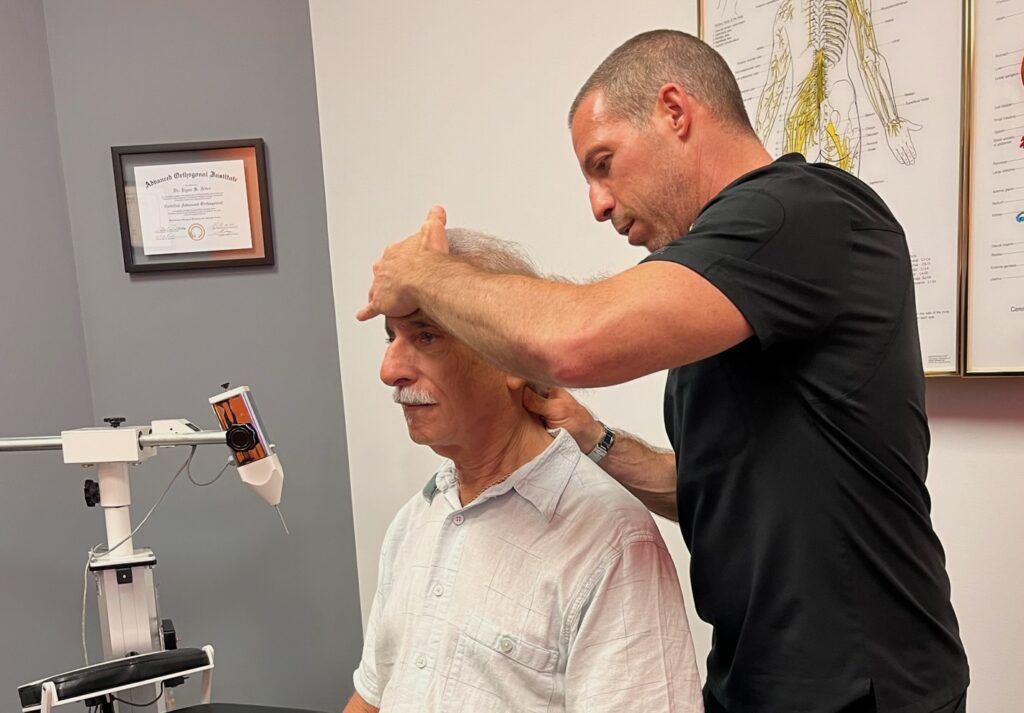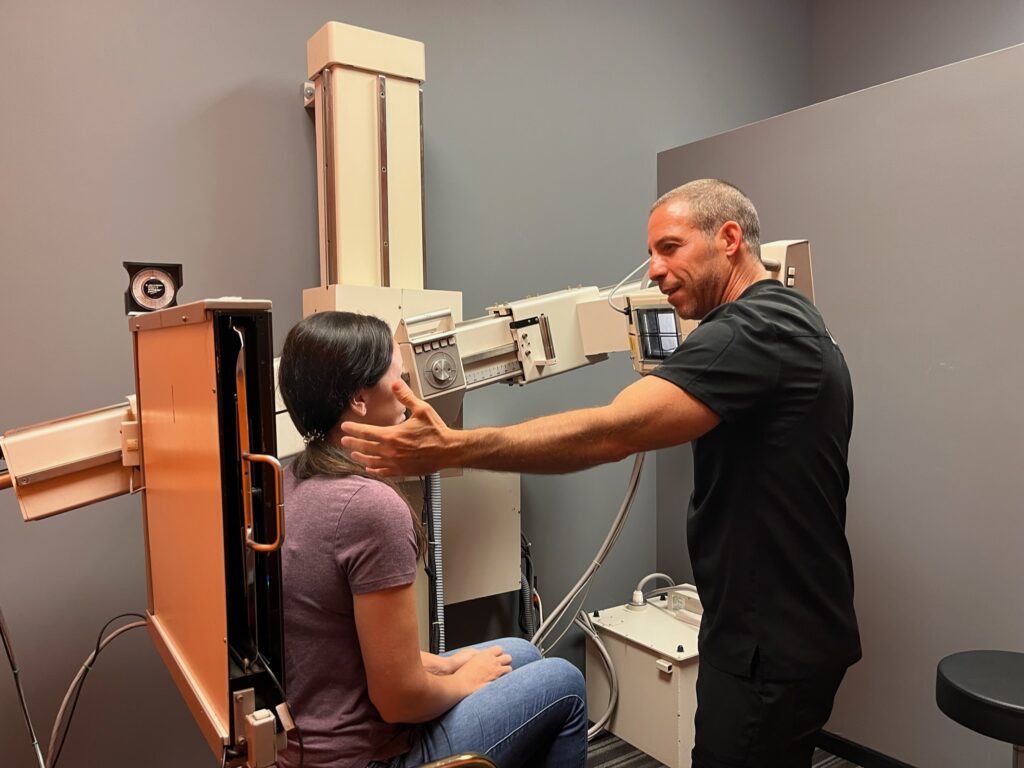

If you’re among the 80% seeking natural relief from headaches, you might be pleasantly surprised by the variety of options available to you. As a chiropractor, I believe that understanding the connection between your spine and overall wellness is fundamental to managing headaches effectively. Many individuals find that chiropractic care can help alleviate headache symptoms by addressing underlying spinal issues and improving overall health.
In addition to regular chiropractic adjustments, there are several lifestyle changes and natural strategies you can incorporate into your daily routine to further enhance your well-being:
- Stay Hydrated: Dehydration is a common headache trigger. Make sure you’re drinking enough water throughout the day to keep your body functioning optimally.
- Posture Awareness: Poor posture can lead to tension headaches. Be mindful of your posture while sitting, standing, and working, especially if you spend long hours at a desk.
- Mindfulness and Relaxation Techniques: Stress can contribute to headaches. Practices like deep breathing, meditation, or yoga can help you manage stress and promote relaxation.
- Regular Exercise: Engaging in regular physical activity can help improve circulation and reduce tension in your muscles, potentially decreasing the frequency of headaches.
- Adequate Sleep: Ensure you’re getting enough restorative sleep each night. Establishing a consistent sleep schedule can significantly impact your overall health and headache frequency.
- Nutritional Choices: Pay attention to your diet. Certain foods may trigger headaches in some individuals, so keeping a food diary can help identify any potential triggers.
- Chiropractic Adjustments: Regular visits to your chiropractor can help maintain spinal alignment, reduce tension, and promote overall wellness, which can be key to alleviating headache symptoms.
By incorporating these strategies into your lifestyle and prioritizing your spinal health through chiropractic care, you can take significant steps towards achieving lasting relief from headaches. Remember, natural wellness is a journey, and every small change you make can contribute to your overall health and comfort. Let’s work together to find the best solutions for you!
Key Takeaways
Chiropractic care is an excellent way to find natural headache relief. By focusing on spinal alignment and relieving tension in your body, chiropractic adjustments can help reduce the frequency and intensity of headaches without the need for medications or surgeries.
In addition to chiropractic treatments, you can enhance your headache relief routine with natural remedies. Essential oils, such as lavender and peppermint, are known for their soothing properties. You can enjoy their benefits by diffusing them in your home or applying them topically to your temples for a calming effect.
Staying active is also crucial for preventing headaches. Regular physical activity not only helps release endorphins—your body’s natural mood lifters—but also improves blood circulation, which can keep headaches at bay. Aim for at least 30 minutes of moderate exercise most days, whether it’s a brisk walk, yoga, or biking.
Mindfulness practices, like meditation and deep breathing exercises, can be incredibly effective in managing headache symptoms. Taking a few moments each day to focus on your breath or engage in a short meditation can help reduce stress, which is often a trigger for headaches.
Don’t forget the basics: staying hydrated and practicing good sleep hygiene are key lifestyle changes to consider. Make sure you’re drinking enough water throughout the day and setting a consistent sleep schedule to support your overall well-being and minimize headache occurrences.
By combining chiropractic care with these natural tips, you can take control of your health and reduce headaches effectively. Remember, your spine plays a vital role in your overall wellness, so consider visiting a chiropractor for personalized care tailored to your needs.
Understanding Headaches: Types and Triggers
When you experience a headache, understanding its type and triggers is essential for finding relief and promoting overall wellness. There are several types of headaches, including tension, migraine, and cluster headaches. Tension headaches often feel like a tight band around your head, while migraines can bring throbbing pain, sensitivity to light, and nausea. Cluster headaches are intense and typically occur in cycles, often waking you at night.
Identifying your headache triggers is just as important as understanding the type of headache you have. Common triggers include stress, lack of sleep, certain foods, and hormonal changes. Keeping a headache diary can be a valuable tool to help you recognize patterns and avoid these triggers in the future. For instance, if you notice that caffeine intensifies your migraines, reducing your intake might be beneficial.
Chiropractic care can play a significant role in managing headaches naturally. Regular spinal adjustments can help relieve tension in your neck and spine, which may contribute to headache discomfort. By ensuring that your spine is aligned and functioning optimally, you can support your body’s natural ability to heal and reduce the frequency and intensity of headaches.
Here are some general tips you can incorporate into your daily routine to promote better health and potentially reduce headache occurrences:
- Stay Hydrated: Drink plenty of water throughout the day to prevent dehydration, which can be a headache trigger.
- Manage Stress: Practice relaxation techniques such as deep breathing, yoga, or meditation to help manage stress levels.
- Maintain a Consistent Sleep Schedule: Aim for 7-9 hours of quality sleep each night to support overall health and reduce headache triggers related to fatigue.
- Monitor Your Diet: Pay attention to how certain foods affect your body, and try to maintain a balanced diet that supports your overall wellness.
- Consider Regular Chiropractic Visits: Regular check-ups with a chiropractor can help maintain spinal health and address any issues that may contribute to headaches.
The Role of Hydration in Headache Relief
Staying hydrated is crucial for preventing headaches, as even mild dehydration can lead to discomfort. Many people may not realize just how much water their bodies require until they experience a headache. By prioritizing your water intake, you can help lessen both the frequency and intensity of headaches.
As a chiropractor, I emphasize the importance of holistic health practices, and hydration is a fundamental aspect of that. Proper hydration supports not only your overall wellness but also the health of your spine and nervous system, which can play a significant role in headache relief. When your body is well-hydrated, it can function optimally, reducing tension and stress that often contribute to headaches.
Here are some simple tips to maintain your hydration levels:
- Drink Water Regularly: Aim to drink water throughout the day, not just when you feel thirsty. Keeping a water bottle with you can serve as a great reminder.
- Start Your Day with Water: Make it a habit to drink a glass of water first thing in the morning. This helps kickstart your hydration after a night’s sleep.
- Incorporate Hydrating Foods: Foods like cucumbers, watermelon, and oranges have high water content and can contribute to your hydration needs.
- Set Reminders: Use your phone or a timer to remind yourself to take sips of water regularly, especially if you’re busy or on the go.
- Monitor Your Urine Color: A light yellow color typically indicates good hydration, while darker urine can signal the need for more fluids.
Remember, chiropractic care can also help alleviate headaches by addressing any spinal issues that may contribute to tension and discomfort. By maintaining proper hydration and considering chiropractic adjustments, you can take proactive steps toward a healthier, headache-free life.
Prioritize your wellness through natural methods, and don’t hesitate to reach out to your chiropractor for personalized care and advice.
Importance of Water Intake
Hydration is key to overall wellness and can significantly impact headache relief. Even mild dehydration can lead to discomfort, making it essential to drink enough water for your body to function optimally. When your body lacks adequate hydration, headaches can become more frequent and intense.
As a chiropractor, I emphasize the importance of keeping your body well-hydrated. Proper hydration helps ensure that your brain and other vital organs receive the fluids they need to operate efficiently. Instead of waiting until you feel thirsty, aim to drink water consistently throughout the day. A convenient way to do this is by carrying a water bottle with you, making it easier to sip on water regularly.
In addition to drinking water, consider incorporating hydrating foods into your diet. Fruits and vegetables, such as cucumbers, oranges, and watermelon, aren’t only refreshing but also contribute to your overall fluid intake.
By prioritizing hydration, you’re taking a proactive step towards not only reducing the frequency of headaches but also enhancing your overall well-being. Remember, a simple glass of water can be a powerful tool in your journey toward natural wellness.
And when combined with regular chiropractic care, which focuses on spinal health and overall body function, you can experience even greater relief from pain and discomfort. So, stay hydrated and consider chiropractic care as a natural path to achieving optimal health!
Dehydration and Headaches
Dehydration can be a significant trigger for headaches, often resulting from not drinking enough water. When your body is low on fluids, your brain can actually shrink temporarily, leading to discomfort and pain. This is where staying hydrated becomes crucial—not just for your overall health, but specifically for preventing those pesky headaches.
As a local chiropractor, I want to emphasize that proper hydration is just one piece of the puzzle for achieving optimal health. By maintaining good hydration levels, you can support your spine and overall wellness, which can help alleviate headaches and keep your body functioning at its best.
Here are some signs of dehydration to watch for, along with simple tips to help you stay hydrated:
| Signs of Dehydration | Tips for Hydration |
|---|---|
| Thirst | Make it a habit to drink water regularly throughout the day. |
| Dry mouth | Carry a reusable water bottle with you wherever you go. |
| Fatigue | Incorporate water-rich foods like fruits and vegetables into your meals. |
| Dark urine | Set reminders on your phone or write notes to remind yourself to drink water. |
By consistently sipping water throughout the day, you not only help prevent headaches but also support your overall spinal health. If you’re experiencing headaches, take a moment to assess your hydration levels. Addressing dehydration may provide natural relief from your headaches and enhance your overall wellness.
Herbal Remedies for Headache Relief
While many people reach for over-the-counter medications for headache relief, I encourage you to consider the benefits of chiropractic care as a natural and effective option. Chiropractic adjustments can help address the underlying causes of headaches, such as spinal misalignments and tension in the neck and shoulders. By optimizing your spinal health, you may find significant relief from headache pain.
In addition to chiropractic care, some herbal remedies can complement your journey towards wellness. For instance, feverfew is an herb that has been shown to reduce the frequency and intensity of migraines. Peppermint is another soothing option; you can enjoy it as a tea or apply diluted oil to your temples for a refreshing sensation.
Ginger can also be beneficial, especially if your headache comes with nausea, as it has anti-inflammatory properties that may ease your discomfort. Chamomile tea is great for promoting relaxation, which can help alleviate tension headaches, while willow bark, often called “nature’s aspirin,” offers pain-relieving benefits.
Remember, always consult with a healthcare professional before trying new remedies, especially if you’re on other medications. However, I encourage you to explore the connection between your spinal health and headache relief through chiropractic care.
Essential Oils: Aromatherapy for Pain Management
If you’re looking for a natural approach to managing pain, consider incorporating chiropractic care into your wellness routine. While essential oils can offer some relief, they work best in conjunction with a holistic approach to health. Chiropractic care not only addresses musculoskeletal issues but also promotes overall well-being, helping you achieve optimal health.
When it comes to headaches, for instance, many people find that chiropractic adjustments can help alleviate tension and improve spinal alignment, which may reduce headaches caused by stress or poor posture. Additionally, incorporating regular chiropractic visits can enhance circulation and support your body’s natural healing processes.
If you’re interested in exploring essential oils, they can complement your chiropractic care. Lavender oil, known for its calming effects, may help reduce stress, while peppermint oil can provide a cooling sensation that some find relieving. You might consider diffusing these oils in your home or using them during your relaxation time to enhance your overall wellness.
Remember, it’s essential to prioritize your health by addressing the root causes of pain. Regular chiropractic adjustments can be a powerful tool in your journey toward pain relief and improved health. Always consult with your chiropractor to find the best strategies tailored to your individual needs, and be mindful of any allergies or sensitivities you may have with essential oils.
Acupressure Techniques to Alleviate Headaches
Acupressure can be a powerful ally in relieving headaches, and it’s easier than you might think. As a chiropractor, I believe in natural healing methods that support your overall wellness, and acupressure is a great way to manage headache discomfort without resorting to medications.
In this article, you’ll learn about specific pressure points, simple techniques to apply pressure, and how these practices can complement chiropractic care for optimal health.
Let’s explore how acupressure can help alleviate headaches and enhance your well-being. First, it’s important to understand that headaches can often be linked to tension in the neck and spine. Regular chiropractic adjustments can greatly improve spinal alignment, which may help reduce the frequency and intensity of headaches.
However, if you’re looking for immediate relief, acupressure can be a great tool. Here are a few key pressure points you can focus on:
- Yintang (The Third Eye Point): Located between your eyebrows, gently pressing this point may help calm your mind and relieve tension.
- LI4 (Hegu): Found in the webbing between your thumb and index finger, applying pressure here can help alleviate headache pain.
- GB20 (Fengchi): Located at the base of your skull, pressing this point can relieve tension headaches, especially those caused by neck stiffness.
To apply acupressure, use your thumb or fingers to apply firm but gentle pressure on these points for about 30 seconds to a minute. You can also try massaging the area in a circular motion.
Remember to breathe deeply and relax during this process, as stress can often exacerbate headaches.
In addition to acupressure, maintaining good posture and regular chiropractic care can significantly help in managing headaches. Adjustments can help relieve tension in the neck and spine, which is often a root cause of headaches.
Always listen to your body, and if headaches persist, consider consulting a chiropractor for a personalized treatment plan that focuses on spinal health and overall wellness.
Pressure Points Explained
When it comes to finding relief from headaches, understanding pressure points can be incredibly beneficial, especially when combined with chiropractic care. These specific areas on your body respond well to pressure and can help alleviate pain and tension naturally. By gently pressing on these points, you can support your body’s ability to heal itself.
Some key pressure points to consider include the area between your eyebrows, the indentations at the base of your skull, and the webbing between your thumb and index finger. Each of these points can influence different types of headaches and are easy to access.
While these techniques can be effective, it’s important to remember that regular chiropractic adjustments can enhance your overall wellness and help prevent headaches from occurring in the first place. A chiropractor can assess your spine and nervous system, identifying any underlying issues that may contribute to your headaches.
Incorporating these pressure point techniques into your routine, along with regular chiropractic care, can empower you to manage headaches more effectively. With practice, you’ll discover which points offer you the most relief, leading to greater comfort and well-being.
Always listen to your body and consult with your chiropractor for personalized advice to optimize your health naturally.
Step-by-Step Techniques
As a local chiropractor, I understand that many people experience headaches and are looking for effective ways to find relief. While there are various methods out there, I want to share some acupressure techniques that can be an excellent complement to your chiropractic care, promoting natural healing and wellness.
First, let’s talk about the LI4 point, which is located between your thumb and index finger. This point is known for its ability to alleviate pain and tension. To apply pressure, gently squeeze this area with your thumb and index finger for about 30 seconds while taking deep, calming breaths. This simple technique can help reduce headache discomfort.
Next, find the GB20 points, which are located at the base of your skull. Using your thumbs, apply gentle pressure to these areas for another 30 seconds. This can help relieve tension that builds up in the neck and can contribute to headaches.
Another effective point is the Yintang point, found between your eyebrows. Applying gentle pressure here can promote relaxation and ease tension. Take a moment to focus on your breathing while you do this.
Don’t overlook your temples, either! Using your fingertips, massage in small circles on your temples. This can provide additional relief and help ease the discomfort of headaches.
These techniques aren’t only easy to do but can be performed anywhere—whether you’re at home, at work, or on the go. They can serve as a great way to manage headache discomfort between your chiropractic visits.
Benefits of Acupressure
Understanding the benefits of acupressure can complement your journey to headache relief, especially when combined with chiropractic care. This technique involves applying pressure to specific points on your body, promoting relaxation and reducing tension. By targeting these points, you can stimulate blood flow and release endorphins, which naturally alleviate pain.
One of the great things about acupressure is its simplicity—it’s something you can do anywhere without the need for special tools or extensive training. All you need are your fingers and a bit of knowledge about where to apply pressure.
While acupressure can be a useful tool, it’s important to recognize that chiropractic care addresses the root causes of headaches, such as spinal misalignments and muscle tightness. Regular chiropractic adjustments can help keep your spine healthy and aligned, which reduces tension and can lead to fewer headaches over time.
Incorporating both acupressure and chiropractic care into your wellness routine can enhance your overall health and well-being. For immediate relief, consider using acupressure techniques when you feel a headache coming on, and remember to schedule regular chiropractic visits to maintain optimal spinal health.
The Impact of Diet on Headaches
Diet plays a crucial role in managing headaches, and as a chiropractor, I believe it’s important to understand how what you eat can impact your overall health and well-being. Certain foods, like processed items, aged cheeses, and artificial sweeteners, can trigger discomfort.
To combat this, it’s beneficial to focus on a diet rich in hydration and wholesome foods. Fresh fruits, vegetables, and whole grains not only nourish your body but may also help reduce the frequency of headaches. Incorporating foods high in magnesium, such as spinach and nuts, can provide additional relief.
Listening to your body is key. After meals, take note of how you feel; this awareness can be invaluable. Keeping a food diary may help you identify any potential headache triggers. If you suspect a particular food is causing you pain, consider eliminating it from your diet for a few weeks to see if your symptoms improve.
Establishing regular meal times and healthy snacks can help stabilize your blood sugar levels, which is vital because low blood sugar can lead to headaches.
Remember, chiropractic care can also play an important role in headache management. By ensuring that your spine is properly aligned and your nervous system is functioning optimally, chiropractic adjustments may help reduce your headache frequency and intensity.
Mindfulness and Meditation for Stress Reduction
Incorporating mindfulness and meditation into your daily routine is a fantastic way to reduce stress and enhance your overall well-being, especially when combined with chiropractic care. These practices encourage you to focus on the present moment, helping you release worries about the past or future.
By dedicating just a few minutes each day to mindfulness, you’ll likely notice a positive shift in your perspective and a reduction in anxiety levels. Start with simple techniques like deep breathing or guided meditation.
Create a quiet space in your home where you can relax without distractions. This peaceful environment complements the benefits of chiropractic adjustments, which can help alleviate tension and improve your spinal health.
As you practice mindfulness regularly, you may find it easier to manage stressors that lead to headaches or muscle tension. Remember, chiropractic care is an excellent choice for achieving optimal health and natural pain relief.
The Benefits of Regular Exercise
While many people think of exercise primarily in terms of physical fitness, its benefits truly extend well beyond just building strength and endurance. As a local chiropractor, I want to emphasize how regular exercise can significantly enhance your overall well-being, including managing headaches and reducing stress. Here are some key benefits that you might find helpful:
- Improved Mood: Engaging in physical activity releases natural chemicals called endorphins. These act as your body’s natural mood lifters, helping to alleviate feelings of anxiety and promote a more positive outlook on life.
- Increased Energy: Establishing a regular exercise routine can boost your energy levels, making your daily activities feel much more manageable. This increased vitality can be a great complement to your chiropractic care, as a well-aligned spine supports better energy flow throughout the body.
- Better Circulation: Exercise improves blood circulation, which can help alleviate tension and reduce the frequency of headaches. Proper spinal alignment, which I focus on in my practice, can also enhance circulation and support your overall health.
- Enhanced Focus: Regular physical activity has been shown to sharpen cognitive abilities, leading to improved focus and productivity. When combined with chiropractic care, which aims to optimize your nervous system function, you can experience even greater mental clarity.
To make the most of these benefits, consider incorporating some simple tips into your daily routine:
- Start Small: If you’re new to exercise, begin with short sessions, such as a brisk walk or gentle stretching. Gradually increase the intensity and duration as your body adapts.
- Stay Consistent: Aim for a regular schedule, even if it’s just a few minutes a day. Consistency can lead to greater benefits over time.
- Listen to Your Body: Pay attention to how your body responds to different exercises. If you experience pain or discomfort, consult your chiropractor to ensure that your spine is properly aligned and to receive personalized advice.
- Combine with Chiropractic Care: Regular chiropractic adjustments can enhance the benefits of exercise by improving your alignment, reducing tension, and promoting overall wellness. This combination can help you achieve optimal health naturally.
Sleep Hygiene: Getting the Rest You Need
Quality sleep is just as vital for your overall well-being as regular exercise, especially when it comes to maintaining a healthy spine. If you’re looking to enhance your sleep hygiene, consider implementing a calming bedtime routine and creating a sleep-friendly environment that supports your body’s natural healing processes. Here’s a straightforward guide to help you achieve better sleep and, in turn, better spinal health:
| Tips for Better Sleep | Benefits |
|---|---|
| Establish a consistent sleep schedule | Helps regulate your body clock for restorative sleep |
| Limit screen time before bed | Reduces blue light exposure, promoting melatonin production for better sleep quality |
| Create a comfortable sleeping space | Enhances relaxation and comfort, reducing tension in your muscles and spine |
When to Seek Professional Help for Headaches
If you’re experiencing persistent headache patterns or severe pain episodes, it’s important to consider seeking professional help, particularly from a chiropractor. Chiropractic care focuses on the relationship between your spine and overall health, which can be a crucial factor in addressing headache issues.
Don’t overlook accompanying symptoms like vision changes or nausea, as these may indicate a more serious concern that your chiropractor can help evaluate.
Many headaches stem from tension in the neck and spine, and a chiropractor can provide natural, non-invasive treatments that promote healing and relieve pain.
Remember, understanding your body and its signals is key for your health and well-being.
Here are some general tips you can incorporate into your daily routine to help manage headaches:
- Stay Hydrated: Dehydration can lead to headaches, so make sure you’re drinking enough water throughout the day.
- Maintain Good Posture: Poor posture can strain your neck and back, contributing to headaches. Be mindful of your posture, especially if you sit for extended periods.
- Manage Stress: Techniques such as deep breathing, meditation, or gentle yoga can help reduce stress, which in turn may alleviate headache frequency and intensity.
- Regular Chiropractic Check-ups: Regular visits to a chiropractor can help keep your spine aligned and reduce the likelihood of headaches related to spinal issues.
Persistent Headache Patterns
Recognizing persistent headache patterns is crucial for your overall health and wellness, especially when they start to interfere with your everyday life. If you find that headaches frequently return or seem to worsen over time, it’s a sign that you should seek help.
Here are some important signs to keep an eye out for:
- Headaches that happen more than twice a week
- Changes in how intense or frequent your headaches are
- Headaches that disrupt your daily activities
- New headaches that develop after age 50, or come with unusual symptoms
Addressing these patterns early can lead to effective relief, and chiropractic care offers a natural way to help manage headaches. Chiropractors focus on the spine and nervous system, which play a key role in how pain is perceived. By ensuring proper alignment and function of the spine, you can often reduce the frequency and severity of headaches.
In addition to seeking chiropractic care, here are some general tips that may help you manage headaches naturally:
- Stay Hydrated: Dehydration can lead to headaches, so make sure you’re drinking enough water throughout the day.
- Maintain Good Posture: Poor posture can strain your neck and back, leading to tension headaches. Be mindful of your posture, especially if you work at a desk.
- Practice Relaxation Techniques: Stress can be a major trigger for headaches. Techniques such as deep breathing, meditation, or gentle yoga can help reduce stress levels.
- Get Enough Sleep: Aim for a consistent sleep schedule and ensure you’re getting quality rest each night.
- Limit Caffeine and Alcohol: These substances can trigger headaches for some people, so it may be beneficial to monitor your intake.
Remember, your well-being is a priority, and understanding your headache patterns can lead to better management and an improved quality of life.
Don’t hesitate to consult a chiropractor who can provide you with personalized care and support. Embrace a holistic approach to health and wellness—your body will thank you!
Severe Pain Episodes
When severe pain episodes hit, it’s crucial to understand when to seek help for headaches, and how chiropractic care can play a pivotal role in your wellness journey. If you’re experiencing a headache that feels like the worst you’ve ever had or is different from your usual headaches, it’s important to take it seriously.
While a chiropractor can provide effective relief, there are signs that indicate you should reach out for professional help. If your headache persists despite trying some natural remedies or doesn’t improve after a day, consulting a chiropractor can be a great step. We’re here to help you understand the root cause of your pain and offer natural solutions that don’t rely on medications.
Additionally, if you experience a sudden onset of intense pain, it’s essential to act quickly. While chiropractic care can help with many types of pain, sudden and severe headaches may signal a more serious issue that requires immediate attention. Always trust your instincts—if something feels off, don’t hesitate to reach out for guidance.
Incorporating chiropractic care into your routine can provide long-term relief and promote overall wellness. Regular adjustments can help improve spinal alignment, reduce tension, and enhance your body’s natural healing process.
Remember to maintain a healthy lifestyle by staying hydrated, managing stress, and practicing good posture. Your health is a priority, and with the right approach, you can manage those severe pain episodes effectively. Trust in the natural healing powers of chiropractic care to support your journey towards optimal health and wellness.
Accompanying Symptoms Alert
Accompanying symptoms can significantly affect how you experience headaches, which is why it’s crucial to pay attention to any extra signs your body may present. If you encounter any of the following symptoms, it’s wise to consult a professional to explore natural and holistic healing options:
- Vision changes: If you experience blurriness or double vision, it could be a sign that something needs attention. Chiropractic care can help address underlying issues that may be contributing to these symptoms.
- Neurological symptoms: If you notice weakness, numbness, or difficulty speaking, it’s important to seek care right away. A chiropractor can provide supportive treatments to enhance your overall nervous system health.
- Fever or stiff neck: These symptoms may indicate an infection like meningitis, but they can also signal spinal misalignments that need correction. Chiropractic adjustments can help improve your body’s function and support your immune system.
- Persistent vomiting: If you find yourself dealing with nausea and vomiting lasting more than a few hours, reach out to a health professional for guidance. Chiropractic care can often help alleviate tension that contributes to these symptoms.
By recognizing these warning signs early and seeking the right care, you can support your body in achieving optimal health and wellness.
Conclusion
Incorporating natural methods into your headache relief strategy can truly enhance your overall well-being. As a chiropractor, I believe that effective management of headaches often starts with a holistic approach. Staying hydrated is crucial, as it helps maintain the balance of fluids in your body and can reduce headache frequency.
Herbal remedies, such as peppermint or ginger tea, can provide additional relief. Techniques like acupressure, which involves applying pressure to specific points on your body, and mindfulness practices, such as deep breathing and meditation, can also be beneficial in alleviating symptoms.
Regular exercise is another key factor in preventing headaches. It promotes better circulation and reduces tension in your muscles. Additionally, maintaining good sleep hygiene—like keeping a consistent sleep schedule and creating a restful environment—can help you avoid headaches.
Identifying your personal triggers, whether they be stress, certain foods, or lack of sleep, is essential. Making small lifestyle adjustments can lead to significant improvements.
Chiropractic care is a fantastic option for addressing headaches, as it focuses on the alignment of the spine and nervous system function. By optimizing spinal health, you can experience fewer headaches and improved overall wellness. If your headaches continue to be a concern, seeking support from a chiropractor can provide personalized care tailored to your needs. Your health and comfort are worth prioritizing!