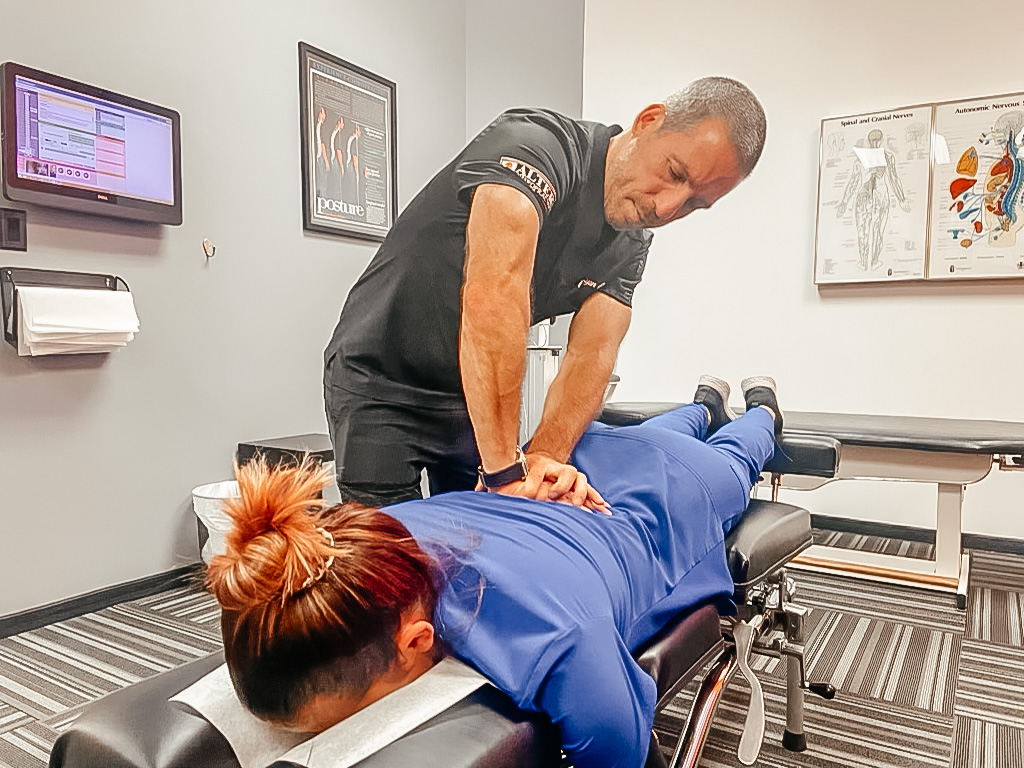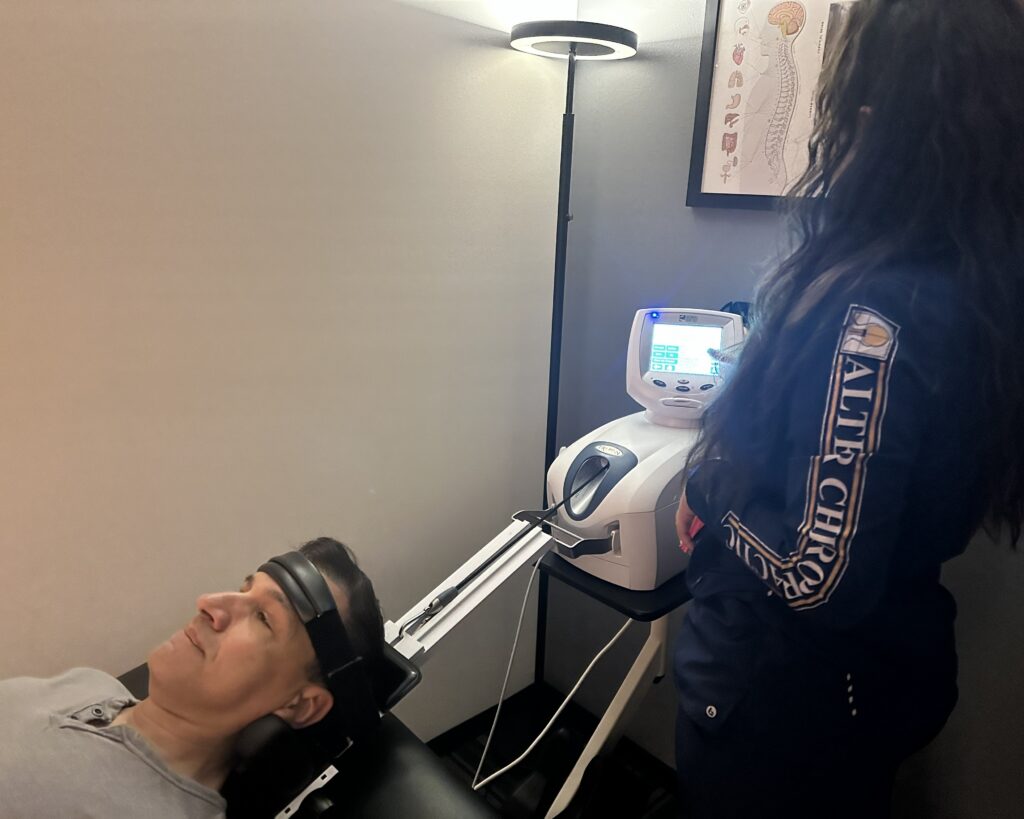

If you’re experiencing neck pain or want to prevent it, incorporating specific exercises into your daily routine can greatly enhance your neck health. Simple stretches and strengthening techniques can improve flexibility and provide the necessary support for your neck. By focusing on your posture and the way you move throughout the day, you can significantly reduce discomfort.
As a chiropractor, I want to emphasize that maintaining a healthy spine is key to overall wellness. Chiropractic care can help address any underlying issues that may contribute to neck pain, and regular adjustments can keep your spine aligned, promoting optimal function.
Let’s look at some effective exercises you can do at home to help maintain a healthy neck and keep pain at bay:
- Neck Stretches: Gently tilt your head to one side, bringing your ear toward your shoulder. Hold this position for 15-30 seconds, and then switch sides. This stretch helps relieve tension in the neck muscles.
- Chin Tucks: Sit up straight and gently pull your chin back towards your neck, as if making a double chin. Hold for 5 seconds and repeat 10 times. This exercise strengthens the muscles that support good posture.
- Shoulder Rolls: Roll your shoulders forward and backward in a circular motion. This helps release tension in the upper back and neck. Aim for 10 rolls in each direction.
- Neck Isometrics: Place your hand against your forehead and push gently while resisting with your neck. Hold for 5 seconds, then switch to the back of your head and push backward. This strengthens your neck muscles without moving your head.
Remember, it’s essential to listen to your body and avoid any movements that cause pain. Regular chiropractic visits can complement these exercises by ensuring your spine is aligned, which can enhance your overall health and wellness. If you have any persistent neck pain, don’t hesitate to seek professional chiropractic care. Together, we can create a tailored plan to help you achieve optimal health and enjoy a pain-free life. Prioritize your neck health today!
Understanding Neck Pain: Causes and Effects
Neck pain can arise from various sources, and it’s important to understand both its origins and how it can affect your daily life. Common culprits include poor posture, often resulting from long hours at a desk or frequently looking down at your phone, which can lead to muscle strain. Engaging in repetitive motions, whether from sports or manual labor, can also play a role. Moreover, stress and tension can tighten your neck muscles, leading to discomfort.
If you find yourself experiencing headaches, reduced mobility, or even numbness that radiates down your arms, it’s crucial to take notice. These symptoms not only cause discomfort but can also hinder your ability to carry out daily activities, impacting both your work and personal life. Recognizing the triggers and effects of neck pain is vital for addressing the issue effectively.
One of the best approaches to managing neck pain is through chiropractic care. By focusing on spinal health and alignment, chiropractic adjustments can help alleviate pain, restore mobility, and promote overall wellness. Rather than relying on medications or surgeries, consider natural healing methods that chiropractic offers.
Incorporating general tips into your routine can also be beneficial. Maintaining good posture while sitting, taking regular breaks to stretch, and practicing relaxation techniques to reduce stress can all contribute to neck health.
Importance of Neck Strength and Flexibility
Building strength and flexibility in your neck is crucial for preventing pain and maintaining overall physical health. As a chiropractor, I emphasize that a strong neck plays a vital role in supporting proper posture, which helps reduce strain on your muscles and ligaments.
When your neck is strong, it can better handle daily activities like looking down at your phone or computer, which can lead to discomfort if not managed properly.
Flexibility is just as important. A flexible neck allows for a greater range of motion, making it easier to turn your head without stiffness or pain. This flexibility can help your neck adapt to sudden movements, reducing the risk of injury and promoting a healthier spine.
Incorporating specific strength and flexibility exercises into your daily routine not only enhances your neck’s resilience but also contributes to better spinal alignment. Simple exercises such as neck stretches, gentle resistance movements, and yoga poses can be incredibly beneficial.
These practices not only support neck health but also improve your overall well-being, making you feel more energetic and less prone to discomfort throughout your day.
As your chiropractor, I recommend regular chiropractic adjustments to maintain neck strength and flexibility. Chiropractic care focuses on natural healing and alleviating pain without the need for medications or invasive procedures.
Stretching Exercises for Neck Relief
Stretching exercises are vital for relieving neck pain and improving flexibility, and they can be easily integrated into your daily routine. As a chiropractor, I emphasize the importance of these exercises not only for comfort but also for promoting overall spinal health.
When you make stretching a regular part of your day, you can significantly enhance your neck’s mobility and reduce discomfort.
Incorporating a variety of neck stretches into your routine can be incredibly beneficial. Simple movements, such as gentle neck tilts and rotations, can help release tension and improve blood flow to the area.
Remember, consistency is key! Just a few minutes each day can make a noticeable difference.
It’s important to listen to your body during these stretches. If you feel pain, ease off and give your neck the care it needs. Regular chiropractic adjustments can also support your neck’s health, helping to align your spine and improve your overall well-being.
In summary, combining daily stretching exercises with regular chiropractic care can be one of the best ways to achieve optimal health and natural pain relief.
Prioritize your neck health and enjoy the benefits of a more flexible, pain-free life!
Neck Stretch Variations
Finding relief from neck pain often begins with effective stretches that target tight muscles and enhance flexibility. As a chiropractor, I encourage you to incorporate several neck stretch variations into your routine to ease discomfort naturally.
Start with a simple neck tilt: gently drop your right ear toward your right shoulder, hold for 15-30 seconds, then switch sides. This stretch helps to release tension in the muscles along the neck and shoulders.
Next, practice chin tucks. Pull your chin toward your chest while keeping your back straight, holding for a few seconds. This exercise promotes better posture and can help alleviate strain on your neck.
For a deeper stretch, clasp your hands behind your head and gently pull down. This technique opens up the neck and can provide a soothing release for tight muscles.
Finally, try the doorway stretch. Place your forearms on a doorframe and lean forward to open up your chest and neck. This not only stretches the neck but also encourages better alignment of your spine.
Incorporating these variations into your daily routine can help alleviate tension and improve your overall neck mobility.
Remember, regular chiropractic care can further enhance your spine health, ensuring that your body functions optimally and naturally. Always listen to your body, and consult with your chiropractor for personalized advice and adjustments tailored to your needs.
Embrace these natural methods for a healthier, pain-free life!
Daily Stretching Routine
Incorporating a daily stretching routine can significantly enhance the benefits of the neck stretch variations you’ve already explored. As a chiropractor, I encourage you to start each day with simple neck stretches that can improve your flexibility and alleviate tension in your neck.
Begin by tilting your head side to side, holding each position for 15-30 seconds. This gentle movement helps to relax tight muscles and improve range of motion. Next, gently rotate your neck in circles, both clockwise and counterclockwise, to help release any stiffness you may be feeling.
Another effective exercise is the chin tuck: pull your chin in towards your chest and hold for a few seconds. This movement can help strengthen the muscles that support your neck and spine.
It’s also important to remember to take breaks throughout your day, especially if you find yourself sitting for long periods. Taking just a few moments to repeat these stretches can make a big difference in how you feel.
Consistency is key—aim to dedicate a few minutes daily to these exercises. By doing so, you’ll likely notice a significant reduction in neck discomfort over time.
Chiropractic care is an excellent complement to your stretching routine. Regular visits can help ensure your spine is aligned and your body is functioning optimally, which can further enhance your overall health and wellbeing.
Prioritizing natural healing through chiropractic adjustments can provide you with the pain relief and support you need to live a healthier, more active life.
Benefits of Stretching
Relieving neck pain often begins with a simple yet effective practice: stretching. As a chiropractor, I want to emphasize how vital stretching exercises can be in your daily routine. Not only do they improve your neck’s flexibility and strength, but they also promote overall spinal health.
When you stretch, you enhance blood circulation, which is key to reducing tension and stiffness in the neck area. This increased blood flow helps nourish your muscles and promotes healing, making it a natural way to alleviate discomfort. Additionally, incorporating regular stretching can lead to improved posture. Proper alignment of your spine and neck not only helps relieve pain but also contributes to your overall well-being.
Here are a few simple stretching tips you can easily incorporate into your daily routine:
- Gentle Neck Tilts: Slowly tilt your head to one side, bringing your ear toward your shoulder. Hold for 15-30 seconds, then switch sides. This helps to release tightness in the neck muscles.
- Chin Tucks: While sitting or standing, gently tuck your chin in towards your chest. Hold for a few seconds and repeat. This exercise helps strengthen the muscles that support your neck.
- Shoulder Rolls: Roll your shoulders forward and then backward in a circular motion. This helps relieve tension in both the neck and upper back.
- Take Breaks: If you find yourself sitting for long periods, take short breaks to stretch and move around. This encourages blood flow and helps prevent stiffness.
Remember, while stretching is beneficial, it’s also important to consider chiropractic care as a holistic approach to neck pain relief. Chiropractic adjustments can help align your spine, enhance mobility, and support your body’s natural healing processes.
Strengthening Exercises for Neck Support
To maintain a healthy neck, incorporating strengthening exercises is crucial for supporting the muscles surrounding this vital area. As a chiropractor, I believe that these exercises not only promote neck stability but also enhance overall well-being without the need for medications or invasive procedures.
Start your routine with neck isometric exercises. Simply place your palm against your forehead and gently push your head against it without moving. Hold this position for 5-10 seconds, and then repeat on each side and the back of your head. This exercise is great for building strength without strain.
Next, incorporate shoulder shrugs into your regimen. Lift your shoulders towards your ears, hold for a moment, and then release. Aim for 10-15 repetitions. This simple movement helps to relieve tension and strengthen the muscles that support your neck.
Chin tucks are another excellent exercise. Pull your chin back towards your neck while keeping your spine straight. Hold this position for a few seconds and repeat. This exercise helps to improve posture and strengthens the neck muscles, which can reduce pain and discomfort.
You can also utilize resistance bands for lateral raises to strengthen the muscles around your shoulders. Aim for 2-3 sets of 10-15 repetitions. Strong shoulder muscles support a healthy neck, contributing to better spinal alignment and function.
Remember, regular practice of these exercises can significantly enhance the stability of your neck and reduce the risk of pain. As a chiropractor, I encourage you to listen to your body and consult with a professional if you experience any discomfort.
Posture Improvement Techniques
Did you know that your posture is crucial for maintaining neck health? Many people aren’t aware that poor posture can lead to muscle strain and discomfort, so it’s essential to prioritize healthy alignment. Here are some simple tips to help you improve your posture and protect your neck.
First, consciously keep your shoulders back and relaxed. This reduces the tendency to hunch over screens, which can strain your neck. When you’re sitting, make sure your feet are flat on the ground, and your knees are at hip level. Your head should be positioned directly over your spine, avoiding any forward jutting.
If you spend long hours at a desk, consider investing in an ergonomic chair that provides lower back support. This can make a significant difference in how your spine feels throughout the day. Remember to take regular breaks to stand up and stretch; this allows your muscles to relax and rejuvenate.
One effective exercise you can incorporate into your routine is called wall angels. To do this, stand with your back against a wall, raise your arms to form a “W,” and then gently slide them up and down while keeping contact with the wall. This simple movement can help reinforce proper posture and contribute to better neck health.
By making these small adjustments and incorporating some gentle exercises, you can significantly enhance your posture and promote overall wellness.
Incorporating Movement Into Your Day
Incorporating movement into your daily routine is essential for maintaining neck health and overall well-being. As a chiropractor, I see firsthand how simple changes can lead to significant improvements in your body. One effective strategy is to stand up every hour or take short walks throughout your day. These small actions help keep your neck engaged and reduce stiffness, which is crucial for long-term health.
When you’re on the phone, I encourage you to walk around instead of sitting still. This not only promotes movement but also helps alleviate tension in your neck and shoulders. During breaks, consider doing some gentle stretches such as neck rolls and side tilts. These stretches can effectively relieve tension that builds up as you go about your day.
If you spend a lot of time at a desk, setting reminders to move, stretch, or perform light exercises can be a game changer. You can even incorporate fun activities like dancing or playing a sport, which not only keeps your body active but also lifts your spirits.
Remember, consistency is key. The more you weave movement into your daily life, the better you’ll feel. Prioritizing your neck health can lead to a more vibrant and energetic lifestyle.
Tips for Ergonomic Workspace Setup
Setting up an ergonomic workspace is essential for maintaining a healthy spine and preventing discomfort while you work. As a local chiropractor, I want to share some key adjustments that can help you achieve a more comfortable and supportive work environment.
First, adjust your monitor height so that it’s at eye level. This will help prevent unnecessary strain on your neck and promote better posture. Your screen should be about an arm’s length away, and the top of the monitor should be at or just below your eye level.
Next, ensure that your chair provides proper support. Look for a chair that supports the natural curve of your lower back. If your chair doesn’t have good lumbar support, consider using a small cushion or a rolled-up towel to provide additional support.
When it comes to your keyboard and mouse, position them so that your elbows are at a 90-degree angle and your wrists are straight. This will help prevent strain on your wrists and forearms. Keep your mouse close to your keyboard to minimize reaching and potential discomfort.
By making these simple adjustments, you can significantly reduce the risk of neck and back pain while you work.
Remember, regular chiropractic care can also play a vital role in maintaining your spinal health and overall wellness. It’s a natural way to support your body’s healing processes and keep you feeling your best.
Prioritize your health by creating a comfortable workspace and considering chiropractic care for ongoing support.
Monitor Height Adjustment
A well-adjusted monitor is essential for reducing neck pain and enhancing your comfort while working, which ultimately supports your spinal health. To achieve the right monitor height, position the top of the screen at or just below your eye level. When you gaze at the screen, your eyes should naturally fall about one-third of the way down the display. This positioning helps maintain a neutral neck posture, reducing strain on your spine.
It’s also important to sit at least an arm’s length away from your monitor to avoid eye strain. If your monitor isn’t adjustable, don’t hesitate to use a stand or a stack of books to raise it to the appropriate height. Keeping your screen perpendicular to your line of sight will help you avoid tilting your head up or down, which can lead to discomfort over time.
Remember, maintaining good posture while using your monitor can significantly impact your overall health.
Regular chiropractic care can further support your spinal alignment and relieve pain, allowing you to work comfortably. By integrating these simple adjustments into your workspace and considering chiropractic care as part of your wellness routine, you can promote a healthier, pain-free lifestyle.
Chair Support Features
Choosing the right chair is crucial for your comfort and overall well-being, especially if you spend long hours at a desk. An ergonomic chair can play a vital role in reducing discomfort and supporting your spine’s natural alignment.
Here are three essential features to consider that can complement a chiropractic approach to health and wellness:
- Lumbar Support: It’s important to choose a chair with adjustable lumbar support. This feature helps maintain the natural curve of your spine, which is essential for avoiding back pain and promoting a healthy posture. By supporting your lumbar region, you can reduce the strain on your back, which is something we often address in chiropractic care.
- Adjustable Armrests: Look for armrests that you can adjust to the right height. This will help keep your shoulders relaxed and prevent unnecessary tension in your neck and upper back. Proper armrest positioning aligns with the holistic approach of chiropractic care, ensuring that your body is supported in a way that promotes overall wellness.
- Seat Height Adjustment: Opt for a chair that allows you to adjust the seat height to ensure your feet rest flat on the floor and your knees are at a right angle. This position isn’t only comfortable but also encourages proper blood flow and reduces the risk of developing musculoskeletal issues, which is a focus of chiropractic health.
Incorporating these features into your workspace can lead to a more comfortable and productive day, supporting both your physical health and your ability to work efficiently.
Keyboard and Mouse Placement
While having a quality chair is important, improper keyboard and mouse placement can still cause discomfort and strain, which may lead to spinal misalignment.
To set up your workspace in a way that supports your spine and promotes overall wellness, position your keyboard at elbow height. This allows your arms to rest comfortably at your sides, maintaining a natural posture. It’s essential that your wrists remain straight—consider using a wrist rest to prevent any bending that could lead to strain.
Keep your mouse close to the keyboard to minimize excessive reaching; ideally, both should be on the same surface. This alignment helps to maintain a relaxed shoulder position, which is crucial for spinal health.
Additionally, ensure your screen is at eye level. This will help you avoid straining your neck by looking down or up, which can contribute to discomfort.
Remember to take regular breaks to stretch your neck and shoulders. These simple actions can relieve tension and support spinal integrity.
Incorporating these ergonomic adjustments into your workspace can create a more comfortable environment and help prevent neck pain. If discomfort persists, consider visiting a chiropractor, who can provide personalized care and guidance to help you achieve optimal health and wellness.
Creating a Consistent Exercise Routine
Establishing a consistent exercise routine is essential for preventing neck pain, as regular movement strengthens muscles and improves flexibility.
As a chiropractor, I want to emphasize that maintaining an active lifestyle is one of the best ways to support your spine and overall health.
Here are three tips to help you create a routine that fits your life and keeps you aligned with your wellness goals:
1. Schedule Your Workouts: Treat your exercise sessions as non-negotiable appointments for your health. Set aside specific times during the week to engage in physical activity, and make sure to honor these commitments. Consistency is key to keeping your spine healthy and pain-free.
2. Mix It Up: Incorporate a variety of exercises, including gentle stretches, strength training, and aerobic activities. This variety not only keeps your routine interesting but also helps target different muscle groups that support your spine.
Remember, a strong and flexible body can help prevent discomfort and improve your overall well-being.
3. Set Realistic Goals: Start with achievable goals and gradually increase the intensity and duration of your workouts. Setting realistic expectations allows you to stay motivated without overwhelming yourself.
Remember, the journey to wellness is a marathon, not a sprint!
By following these tips, you can create a consistent exercise routine that not only enhances your physical fitness but also supports your spinal health.
Regular chiropractic care can further complement your efforts, helping to ensure that your body is functioning at its best.
Embrace a lifestyle of natural healing and healthier living, and you’ll be well on your way to optimal health!
Conclusion
Incorporating neck pain prevention exercises into your daily routine can truly enhance your comfort and overall well-being. As a chiropractor, I can’t emphasize enough the importance of prioritizing strength, flexibility, and proper posture to help reduce your risk of discomfort and strain. Alongside these exercises, it’s crucial to consider your workspace setup—ensure that your desk and chair support a healthy spinal alignment, and remember to take regular movement breaks throughout your day to avoid stiffness.
Consistency is vital; by making these exercises a regular part of your life, you’ll be on your way to enjoying a healthier, pain-free neck. Additionally, chiropractic care can be an invaluable resource in achieving and maintaining optimal neck health. Regular adjustments can help align your spine, improve your posture, and alleviate tension, ultimately supporting your efforts in preventing neck pain.
So, prioritize your neck health today! Engage in simple exercises, maintain a supportive workspace, and consider incorporating chiropractic care into your wellness routine for a natural and effective approach to pain relief and overall wellness. Your neck will thank you for it!