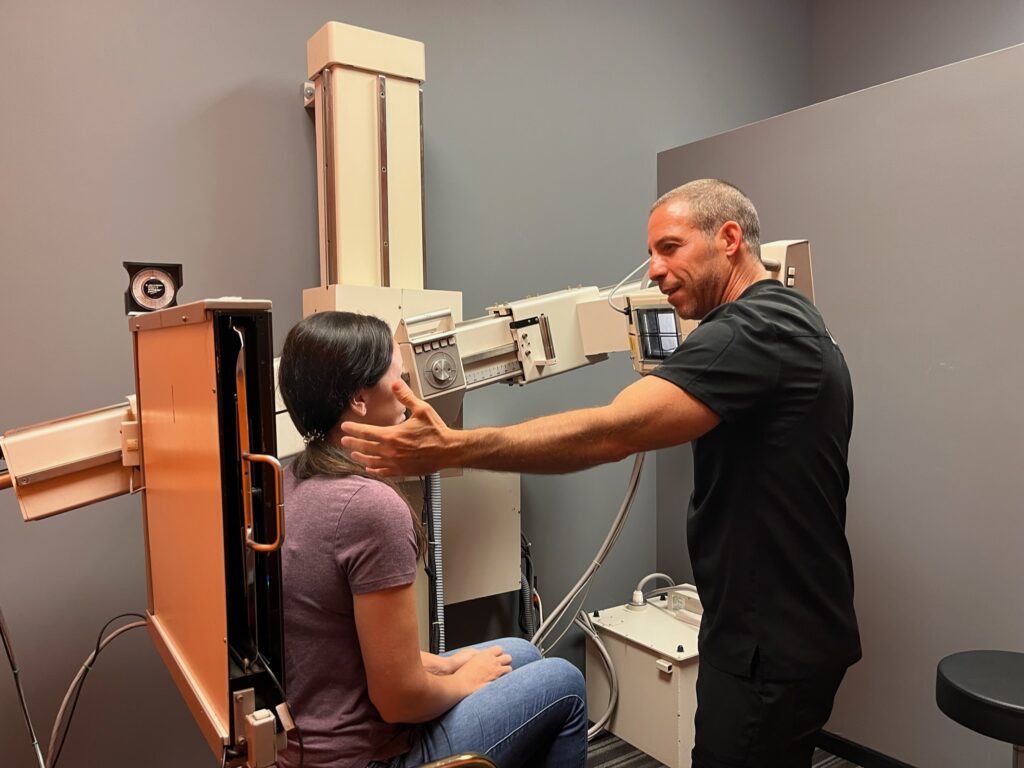

If you’re facing migraines that are linked to neck pain, it’s important to understand how they are connected. As a chiropractor, I want to emphasize that addressing neck pain can be a powerful step toward alleviating your migraines. Simple adjustments, such as incorporating regular stretching and improving your posture, can greatly benefit your overall well-being.
Additionally, heat therapy can be a soothing way to relieve tension in your neck, and making ergonomic adjustments in your workspace can help you maintain a healthier posture throughout the day. However, these strategies are most effective when combined with chiropractic care, which addresses the root cause of your discomfort.
Chiropractic adjustments can help realign your spine and relieve pressure on the nerves that may be contributing to both your neck pain and migraines. By focusing on proper spinal health, you can achieve long-lasting relief and improve your overall quality of life.
Here are some practical tips you can incorporate into your daily routine:
- Practice Good Posture: Keep your back straight and shoulders relaxed when sitting or standing. Consider using a supportive chair if you work at a desk.
- Stretch Regularly: Gentle neck stretches can help alleviate tension. Try tilting your head side to side and looking up and down slowly.
- Stay Hydrated: Dehydration can trigger migraines, so make sure you’re drinking plenty of water throughout the day.
- Use Heat Therapy: Apply a warm compress to your neck for 15-20 minutes to help relax tight muscles.
- Consider Chiropractic Care: Regular chiropractic adjustments can help keep your spine aligned, reducing the incidence of neck pain and migraines over time.
By integrating these practices into your life and seeking chiropractic care, you can pave the way for a healthier, pain-free future. Remember, addressing neck pain is not just about temporary relief; it’s about achieving optimal health and wellness.
Understanding the Link Between Neck Pain and Migraines
Neck pain is more than just a discomfort; it can significantly contribute to the onset of migraines. When your neck muscles are tense or strained, they can trigger pain that radiates to your head, leading to those debilitating migraine episodes. Common culprits like poor posture, stress, or injuries can all result in neck pain, intensifying your headache symptoms.
When you experience tightness in your neck, it can limit blood flow or irritate nearby nerves, worsening your migraines. Understanding this connection is crucial for finding relief. One of the best approaches to managing both neck pain and migraines is through chiropractic care. A chiropractor can help align your spine, relieve tension in your neck muscles, and improve overall function, which can lead to fewer headaches.
In addition to seeking chiropractic adjustments, you can make simple changes in your daily life to alleviate tension in your neck. Consider adjusting your workspace to maintain good posture, and take regular breaks to stretch. Incorporating relaxation techniques like yoga, deep breathing, or even gentle neck stretches can help reduce stress, which often worsens both neck pain and migraines.
Identifying Common Triggers
Understanding the link between neck pain and migraines is an important first step, but recognizing common triggers is essential for effective management. Many factors can set off your migraines, and being aware of them empowers you to take control of your health.
One major trigger is stress, so it’s beneficial to monitor your daily stressors and find ways to manage them. Practicing relaxation techniques, such as deep breathing or meditation, can be helpful.
Additionally, poor posture, especially when seated for long periods, can contribute to both neck pain and migraines. Focus on maintaining good posture and adjusting your workspace to support your spine properly.
Dehydration can also play a role in triggering migraines. Make it a habit to drink plenty of water throughout the day to keep your body well-hydrated.
Certain foods may provoke migraines as well. Keeping a food diary can help you identify any dietary connections, allowing you to make healthier choices.
Hormonal changes can also impact migraines, particularly in women, so it’s important to be aware of these fluctuations.
By identifying these triggers and making simple lifestyle adjustments, you can significantly reduce their impact.
Additionally, regular chiropractic care can be a fantastic way to support your overall wellness and help alleviate pain. Chiropractors can help improve your posture, relieve tension in your neck, and promote a healthier spine, leading to a more comfortable, migraine-free life.
Taking control of your health naturally is within reach!
Stretching Exercises for Neck Relief
Incorporating stretching exercises into your daily routine can be a fantastic way to relieve neck pain, which may also help reduce the frequency and intensity of migraines. Simple neck stretches not only help release tension but also enhance flexibility, and they can be a great complement to your chiropractic care.
Start with a gentle neck tilt: bring your ear toward your shoulder and hold this position for 15-30 seconds on each side. This stretch can help relieve tightness in the muscles surrounding your neck.
Next, try a chin tuck. Simply pull your chin back, aligning it with your spine, and hold for a few seconds. This exercise promotes better posture and can alleviate strain on your cervical spine.
Neck rotations are another effective stretch. Slowly turn your head from side to side, allowing your neck to move through its full range of motion. Remember to breathe deeply as you stretch; deep breathing helps your muscles relax and enhances the effectiveness of the stretches.
For optimal results, aim to perform these stretches several times throughout the day, especially if you find yourself sitting for long periods. Consistency is key. Over time, you’ll likely notice not only an improvement in your neck pain but also a reduction in migraine occurrences.
As a chiropractor, I encourage you to consider these stretches as part of your overall wellness routine. They can work synergistically with chiropractic adjustments to promote natural healing and maintain spinal health.
The Role of Posture in Neck Pain and Migraines
Your posture has a significant impact on neck pain and migraines. When you slouch or hold your head in awkward positions, it can create tension and discomfort that might lead to more serious issues.
That’s where chiropractic care comes in as a natural and effective solution. By focusing on proper spinal alignment, we can help relieve pain and prevent future discomfort.
In addition to regular chiropractic adjustments, there are simple techniques you can implement in your daily life to improve your posture and overall well-being. Here are a few tips:
- Be Mindful of Your Position: Whether sitting at a desk or using your phone, try to keep your head aligned over your shoulders. This will reduce strain on your neck.
- Take Breaks: If you’re sitting for long periods, stand up and stretch every 30 minutes. This will help alleviate tension in your neck and shoulders.
- Strengthen Your Core: A strong core supports your spine. Incorporate exercises like planks and bridges into your routine.
- Use Ergonomic Furniture: If possible, invest in an ergonomic chair and desk that promote good posture while working.
- Stay Hydrated: Drinking enough water helps keep your spinal discs hydrated, which is essential for a healthy spine.
By incorporating these practices into your daily life and visiting your chiropractor regularly, you can reduce neck pain and migraines while enhancing your overall health.
Chiropractic care not only addresses pain but also promotes natural healing and wellness, guiding you toward a healthier lifestyle.
Impact of Poor Posture
While it might seem subtle, poor posture can greatly contribute to both neck pain and migraines. When you slouch or hunch over, your neck muscles are forced to work overtime to support your head, leading to tension and discomfort. This strain can trigger headaches and worsen migraine symptoms.
Many people don’t realize that spending hours in front of a screen or constantly looking down at their phones can negatively impact their spinal alignment. Over time, these habits can create a cycle of pain and discomfort, making it harder to focus or enjoy daily activities.
As a chiropractor, I want to emphasize the importance of being mindful of your posture. By making small adjustments, you can reduce the pressure on your neck and potentially lessen the frequency of migraines.
Here are some practical tips to maintain better posture and promote spinal health:
- Ergonomic Workspace: Ensure your desk and chair are set up to support good posture. Your computer screen should be at eye level, and your feet should be flat on the floor.
- Take Breaks: If you find yourself sitting for long periods, take regular breaks to stand up, stretch, and move around. This helps relieve tension in your neck and back.
- Mind Your Phone Usage: When using your phone, try to hold it at eye level instead of looking down. This can significantly reduce neck strain.
- Strengthening Exercises: Incorporate exercises that strengthen your core and neck muscles. A strong support system can help maintain proper alignment.
- Chiropractic Care: Regular chiropractic adjustments can help realign your spine, reduce tension, and promote overall wellness. It’s a natural way to enhance your body’s ability to heal and function optimally.
By being proactive about your posture and seeking chiropractic care, you can take significant steps towards alleviating pain and improving your quality of life.
Posture Correction Techniques
How can simple posture correction techniques make a significant difference in reducing neck pain and migraines? As a chiropractor, I can tell you that focusing on your alignment is key to alleviating strain on your neck and preventing headaches.
Start by sitting up straight—this means keeping your shoulders back and your head positioned directly over your spine.
Next, it’s essential to create a supportive environment at your workstation. Make sure your computer screen is at eye level, so you don’t have to strain your neck to see it, and choose a chair that supports your lower back for optimal spinal alignment.
Remember to take regular breaks throughout your day; these breaks allow you to stretch and relieve any built-up tension. Incorporating simple neck stretches and strengthening exercises into your daily routine can also enhance your posture over time.
Additionally, practicing mindfulness can be a great way to remind yourself to maintain good posture throughout the day. Small adjustments, like being aware of your body position when sitting, standing, or even walking, can contribute to better spinal health.
By making these simple changes, you can help prevent neck pain and lessen the frequency of migraines. Chiropractic care can play a vital role in this journey towards optimal health, guiding you to achieve a well-aligned spine and a pain-free lifestyle.
Heat and Cold Therapy Techniques
When managing migraines that come with neck pain, using heat and cold therapy can be a wonderful way to find relief. As a chiropractor, I often recommend these methods alongside regular spinal adjustments to help you maintain optimal health.
Begin by applying a cold pack to your neck for about 15 minutes. This can help decrease inflammation and numb the area, bringing some comfort to your pain. Just remember to wrap the cold pack in a cloth to protect your skin from the cold.
Once you’ve finished with the cold therapy, switch to heat. A warm compress or a heating pad can be applied to your neck for another 15 minutes. The warmth encourages blood flow, helps to relax tense muscles, and eases the overall tension in the area. You might also enjoy the benefits of a warm shower or bath, which can further enhance the soothing experience.
It’s essential to listen to your body during this process. If one method doesn’t feel right, feel free to switch to the other. Alternating between heat and cold therapy can maximize your relief and support your body in managing migraine-related neck pain more effectively.
In addition to these techniques, consider regular chiropractic care to address the root causes of your migraines and neck pain. Adjustments can help improve spinal alignment, reduce tension, and enhance your overall well-being.
Massage Therapy for Tension Relief
After exploring heat and cold therapy, another effective way to relieve tension associated with migraines and neck pain is through chiropractic care, which can complement other methods like massage therapy.
While massage therapy is a valuable technique for targeting tight muscles and promoting relaxation, chiropractic adjustments can provide even more comprehensive relief by addressing the underlying issues in your spine and nervous system.
During a chiropractic session, your chiropractor will assess your spine and identify any misalignments that may be contributing to your pain. By gently realigning your spine, chiropractic care can improve circulation, reduce muscle tension, and enhance your overall well-being.
This holistic approach not only alleviates discomfort but also helps prevent future episodes of pain.
You might also consider incorporating self-care practices at home, such as gentle stretches and exercises that promote spinal health. Simple neck and shoulder stretches can ease tension and improve mobility.
Staying hydrated and maintaining good posture throughout the day are additional tips that can support your spine and help reduce the frequency of migraines.
Incorporating regular chiropractic adjustments into your wellness routine can provide lasting relief and enhance your quality of life.
Remember to communicate openly with your chiropractor about your specific concerns, so they can tailor your care to best meet your needs.
Ergonomic Adjustments for Daily Activities
Making ergonomic adjustments in your daily activities is a powerful way to reduce neck pain and alleviate migraines, and as a chiropractor, I can tell you that these changes can significantly enhance your overall well-being.
Start by optimizing your workstation setup to ensure that your computer screen is at eye level, your chair supports your lower back, and your feet are flat on the ground. Adopting proper posture techniques throughout the day is crucial—keep your shoulders relaxed, your neck aligned with your spine, and avoid slumping.
In addition to these adjustments, remember to take regular breaks to stretch and move around. This not only helps to relieve tension but also promotes better circulation, which is essential for maintaining a healthy spine. Simple neck stretches and shoulder rolls can be beneficial throughout your day.
These small, yet effective changes can lead to lasting comfort and improved productivity.
Remember, chiropractic care is an excellent choice for achieving optimal health and addressing pain naturally. Regular visits to your chiropractor can help maintain your spinal health, provide personalized advice on ergonomics, and support your journey towards a pain-free life.
Embrace these tips to support your health and wellness naturally!
Workstation Setup Tips
Creating a comfortable and supportive workstation is essential for maintaining your spinal health and overall well-being. As a chiropractor, I want to emphasize the importance of ergonomic adjustments that cater to your body’s natural alignment and movements.
Begin by selecting a chair that provides proper support for your lower back, allowing your feet to rest flat on the floor. This position helps maintain the natural curve of your spine, reducing the risk of discomfort or pain.
Ensure your desk is at elbow height, which allows your arms to rest comfortably while typing, promoting a more relaxed posture. Your monitor should be positioned at eye level. This prevents you from straining your neck by looking up or down, which can lead to tension and discomfort over time.
Additionally, using a keyboard and mouse that minimize wrist strain is key. Keep these tools close to your body to maintain a neutral wrist position, which is vital for preventing repetitive strain injuries.
If you find yourself on the phone frequently, consider using a headset. This will help you avoid the common habit of cradling the phone between your ear and shoulder, which can strain your neck and shoulders.
Finally, make it a point to take regular breaks to stretch and move around. This not only alleviates tension but also promotes better circulation, which is beneficial for your spinal health.
Remember, incorporating these simple adjustments can greatly enhance your comfort and well-being while working. Chiropractic care can play a significant role in achieving and maintaining optimal health.
Regular check-ups with a chiropractor can help ensure that your spine is aligned, reducing pain and promoting natural healing. By prioritizing your spinal health, you can enjoy a more comfortable and productive work life.
Proper Posture Techniques
Maintaining proper posture may not be something that crosses your mind during your daily activities, but it plays a crucial role in preventing neck pain and alleviating migraines.
By making a few simple ergonomic adjustments, you can significantly improve your posture throughout the day and enhance your overall health. As a chiropractor, I believe that these adjustments can lead to a more natural and effective way to support your well-being.
Here are four techniques to consider:
- Adjust Your Chair: Ensure that your feet rest flat on the floor, with your knees forming a 90-degree angle. This position helps maintain the natural curve of your spine, reducing strain on your back.
- Position Your Screen: Keep your computer monitor at eye level. This alignment prevents unnecessary neck strain and promotes healthier spinal alignment.
- Use a Headset: When you’re on phone calls, opt for a headset instead of cradling your phone between your shoulder and ear. This simple change can prevent tension and discomfort in your neck and shoulders.
- Take Breaks: Remember to stand up and stretch every hour. This practice not only relieves tension but also helps reset your posture, allowing your spine to relax and recover.
By implementing these techniques, you can enhance your comfort and reduce the triggers that lead to migraines.
Chiropractic care can further support your journey to optimal health by addressing spinal alignment and promoting natural healing. If you’re experiencing ongoing discomfort, consider visiting your chiropractor for personalized advice and treatment tailored to your needs.
Embracing these practices can lead to a healthier, more balanced life!
Mindfulness and Relaxation Techniques
When you embrace mindfulness and relaxation techniques, you may discover a powerful ally in your journey towards relief from migraines and neck pain. As a chiropractor, I believe that these techniques can complement spinal adjustments and enhance your overall well-being.
Start by dedicating a few minutes each day to deep breathing exercises. Inhale slowly through your nose, allowing your abdomen to expand fully, and then exhale gently through your mouth. This practice helps calm your nervous system, reduces muscle tension, and supports your spinal health, which is essential for preventing pain.
Next, consider progressive muscle relaxation. Focus on tensing and then relaxing each muscle group, beginning with your toes and moving up to your head. This technique effectively releases built-up tension in your neck and shoulders, areas that often contribute to discomfort.
Incorporating mindfulness meditation can also offer significant benefits. Find a quiet spot where you can sit comfortably, and concentrate on your breath. Whenever your mind wanders, gently bring your focus back to your breathing. By nurturing awareness and alleviating stress, these mindfulness techniques can work hand in hand with chiropractic care to help you manage migraines and neck pain more effectively.
Remember, chiropractic adjustments target the root causes of pain by aligning your spine and improving nerve function. Pairing these adjustments with mindful practices can lead to a more comprehensive approach to your health.
Seeking Professional Help: When to Consult a Specialist
How can you tell if it’s the right time to explore chiropractic care for your migraines and neck pain? If your symptoms persist or worsen, seeking the guidance of a chiropractor can be incredibly beneficial. Here are some signs that indicate it’s time to consult a specialist for natural relief:
- Frequent Episodes: Experiencing migraines more than twice a month? This could be a signal that your body needs a little extra support, and a chiropractor can help identify underlying issues and provide effective treatment.
- Severe Pain: If you’re dealing with intense pain that doesn’t seem to improve with at-home remedies, consider reaching out to a chiropractor. They can assess your spinal alignment and provide gentle adjustments to alleviate your discomfort naturally.
- New Symptoms: Notice any new symptoms, such as visual disturbances or muscle weakness? It’s important to consult with a chiropractor to ensure there aren’t any misalignments affecting your health. They can guide you through a thorough evaluation to pinpoint the root cause of your discomfort.
- Impact on Daily Life: If your migraines and neck pain are making it hard to enjoy daily activities or perform at work, don’t hesitate to seek help. Chiropractic care focuses on restoring balance and function to your body, which can help improve your overall quality of life.
Tips for Natural Relief:
- Maintain good posture, especially if you sit for long periods. This can help reduce strain on your neck and spine.
- Stay hydrated and consider incorporating a balanced diet rich in anti-inflammatory foods to support your overall health.
- Regular gentle stretching and neck exercises can also help alleviate tension and improve flexibility.
Chiropractic care stands out as a holistic approach to managing pain and enhancing wellness. By focusing on your spine and nervous system, chiropractors can help you achieve optimal health without the need for medications or invasive procedures.
If you’re experiencing any of the signs mentioned above, consider scheduling a consultation with a local chiropractor to explore your options for natural healing.
Developing a Long-term Pain Management Plan
To effectively manage your migraines and neck pain, it’s essential to identify your pain triggers and understand how they relate to your spine. Chiropractic care focuses on the health of your spine and nervous system, which can play a significant role in alleviating pain and improving overall wellness.
By making simple lifestyle modifications and committing to regular chiropractic adjustments, you can greatly enhance your quality of life.
Here are some practical tips to incorporate into your long-term pain management plan:
- Stay Hydrated: Dehydration can trigger migraines, so ensure you’re drinking enough water throughout the day.
- Ergonomic Workspace: If you spend long hours at a desk, make sure your workstation is set up to support good spinal alignment. A comfortable chair and proper screen height can help reduce neck strain.
- Regular Chiropractic Visits: Scheduling regular visits with your chiropractor can help keep your spine aligned and relieve tension in your neck, which may reduce the frequency and intensity of migraines.
- Gentle Stretching: Incorporate gentle neck and shoulder stretches into your daily routine to relieve tension. Your chiropractor can provide specific exercises tailored to your needs.
- Stress Management: Stress can exacerbate both migraines and neck pain. Consider practices like deep breathing, yoga, or meditation to help manage stress levels.
- Sleep Hygiene: Make sure you’re getting adequate sleep each night. A supportive pillow and a consistent sleep schedule can contribute to better spinal health and reduce pain.
By focusing on these holistic approaches and prioritizing chiropractic care, you can take significant steps toward managing your pain naturally and improving your overall health.
Identifying Pain Triggers
What if identifying your migraine triggers could lead to a more manageable pain experience and enhance your overall wellness? Recognizing these triggers is a crucial step in developing a long-term pain management plan that aligns with natural healing principles.
By incorporating chiropractic care into your routine, you can optimize your spinal health and support your body’s ability to cope with migraines.
Start by keeping a migraine diary to track your symptoms and potential causes. This can also help your chiropractor tailor a treatment plan that suits your needs. Here are four common triggers to be mindful of:
- Stress: Stress can significantly affect your body’s function and lead to tension, which may contribute to migraines. Consider incorporating relaxation techniques, such as deep breathing exercises or gentle yoga, into your daily routine to help manage stress levels.
- Diet: What you eat and drink can play a big role in your health. Certain foods might be migraine triggers, so it’s helpful to track your diet. Focus on a balanced diet rich in whole foods, which can support your overall wellness and possibly reduce migraine frequency.
- Sleep Patterns: Quality sleep is essential for optimal health. Monitor your sleep habits and make adjustments as needed. Aim for a consistent sleep schedule and consider visiting your chiropractor for tips on how spinal health can promote better sleep.
- Environmental Factors: Changes in your surroundings, such as weather shifts, harsh lighting, or loud noises, can trigger migraine attacks. Create a calming environment at home and consider how regular chiropractic adjustments can help your body adapt to these external factors more effectively.
By understanding and addressing these triggers, you can work towards a more balanced and pain-free life.
Lifestyle Modifications
Managing migraines can feel overwhelming, but with the right lifestyle modifications, you can enhance your overall well-being and find relief. As a chiropractor, I emphasize the importance of a holistic approach to health, particularly when it comes to pain management. Here are some simple, effective changes you can make to improve your quality of life:
- Prioritize Sleep: Establishing a regular sleep routine is crucial. Aim to go to bed and wake up at the same time daily. Quality sleep helps your body heal and can significantly reduce migraine occurrences.
- Focus on Nutrition: Your diet plays a vital role in managing migraines. Be mindful of your food choices; avoid known trigger foods, and incorporate whole foods that are rich in omega-3 fatty acids, such as fish, nuts, and leafy greens. These foods can help reduce inflammation and promote overall health.
- Stay Hydrated: Dehydration can trigger migraines, so make it a habit to drink plenty of water throughout the day. Keeping your body hydrated supports spinal health and can alleviate tension that contributes to headaches.
- Manage Stress: Stress is a common migraine trigger. Consider practicing relaxation techniques such as mindfulness or meditation to help manage stress levels. Regular chiropractic adjustments can also help reduce physical tension in your body.
- Limit Screen Time: Spending long hours in front of screens can lead to neck strain and exacerbate migraines. Take regular breaks to rest your eyes and stretch your neck. Adjusting your workspace ergonomically can also help prevent discomfort.
- Keep a Migraine Diary: Tracking your symptoms and lifestyle choices can provide valuable insights. Note any patterns or triggers to share with your chiropractor, who can customize your care plan for optimal results.
These lifestyle changes not only support your overall health but can also complement your chiropractic care. By focusing on natural healing and healthier living, you can work towards a long-term pain management solution that prioritizes your well-being.
Regular Physical Therapy
Incorporating regular chiropractic care into your pain management plan can be a game changer for alleviating migraines associated with neck pain. By working with a skilled chiropractor, you can develop a personalized approach to address both issues effectively.
Here are four key benefits of regular chiropractic care:
- Enhanced Mobility: Chiropractic adjustments can help restore flexibility and strength in your neck, which reduces tension and improves overall movement.
- Pain Relief: Through targeted spinal adjustments and exercises, chiropractic care can help alleviate pain and prevent future migraines, allowing you to enjoy a more comfortable life.
- Posture Improvement: A chiropractor can teach you how to maintain proper posture, which minimizes strain on your neck and helps prevent the recurrence of migraines.
- Natural Stress Relief: Techniques such as spinal manipulation and other gentle therapies can help reduce stress levels, a common trigger for migraines, promoting a more relaxed state of mind.
In addition to these benefits, consider incorporating simple daily habits into your routine, such as staying hydrated, taking regular breaks from screens, and practicing gentle stretching exercises.
These small changes can make a significant difference in your neck health and overall well-being.
Conclusion
Understanding the connection between neck pain and migraines is essential for anyone looking to alleviate discomfort naturally. As a local chiropractor, I want to share some effective strategies to help you manage these issues without medications or invasive procedures.
First, gentle stretching can work wonders for relieving tension in your neck and shoulders, which can often contribute to migraine symptoms. A few simple neck stretches throughout the day can help keep your muscles relaxed and flexible.
Maintaining good posture is also crucial. Be mindful of your body alignment whether you’re sitting at a desk or using your phone. Ergonomic adjustments, like using a supportive chair or a stand for your device, can make a significant difference in reducing strain on your neck.
Heat or cold therapy is another great option. Applying a warm compress or an ice pack to your neck can provide immediate relief from tension and pain.
Incorporating mindfulness practices, such as deep breathing or meditation, can help you manage stress, which is often a trigger for both neck pain and migraines.
If you find that your symptoms persist, don’t hesitate to consult a chiropractor. We can offer tailored solutions that focus on spinal health and alignment, helping to address the root cause of your discomfort.
By combining these strategies with regular chiropractic care, you can develop a comprehensive pain management plan that not only relieves your current symptoms but also enhances your overall well-being. Remember, achieving optimal health is a journey, and I’m here to support you every step of the way!