As a chiropractor, I understand that muscle strains can affect anyone, whether you’re an athlete or simply engaging in your everyday activities. When you experience that sudden twinge or tightness, it’s crucial to know how to respond for a swift recovery. In this guide, I’ll share effective relief techniques and preventive measures to help you return to your normal routine safely.
First and foremost, it’s important to recognize the signs of a muscle strain. If you feel discomfort or limited mobility, don’t hesitate to take action. Here are some essential steps to follow immediately after a strain occurs:
- Rest: Give your body time to heal. Avoid any activities that exacerbated the strain.
- Ice: Apply ice to the affected area for 15-20 minutes every few hours. This helps reduce swelling and numb the pain.
- Compression: Use a compression bandage to help minimize swelling and provide support.
- Elevation: Keep the strained muscle elevated above heart level to reduce swelling.
- Gentle Stretching: Once the initial pain subsides, gentle stretching can help restore flexibility. However, listen to your body and avoid any movements that cause pain.
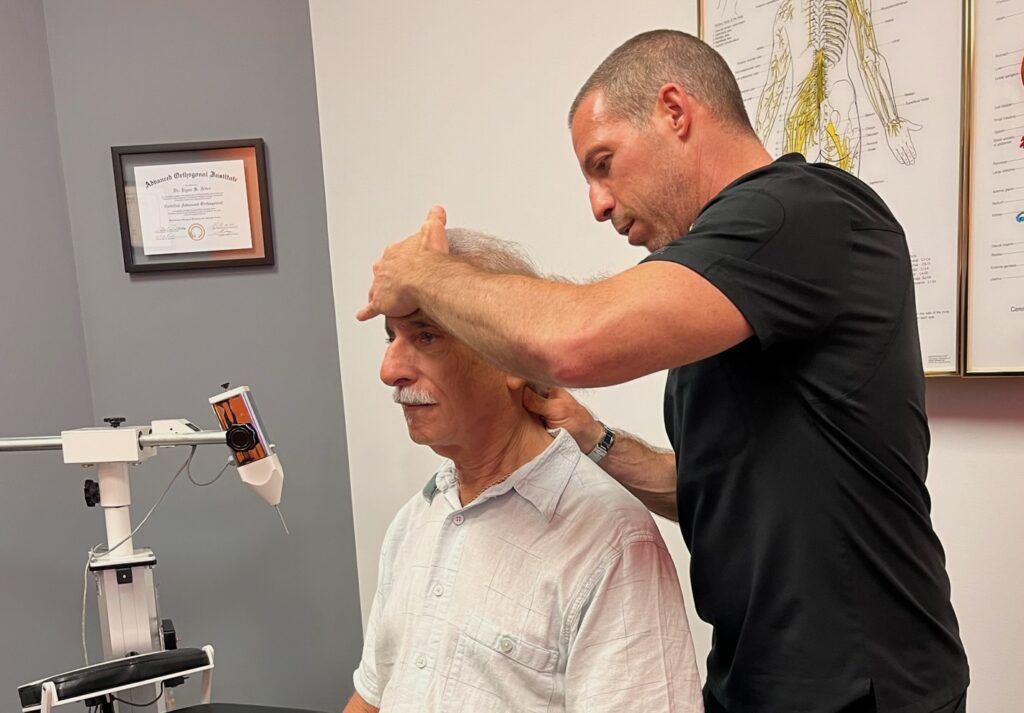
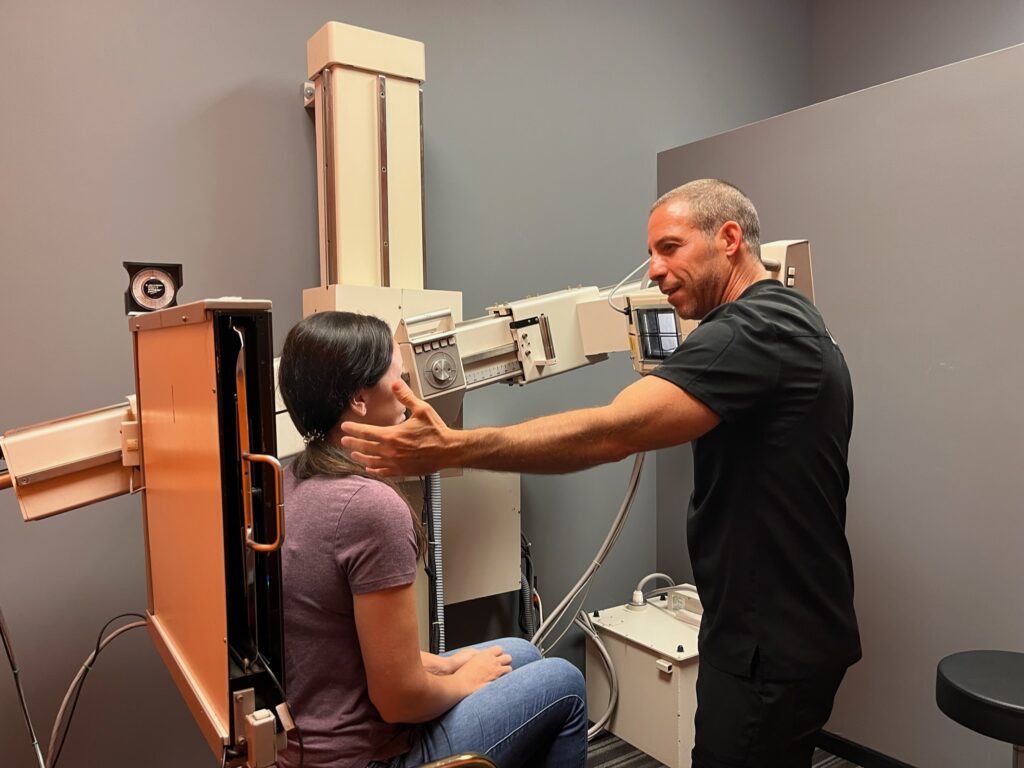
Additionally, chiropractic care can play a significant role in muscle strain recovery. By assessing your body’s alignment and function, I can help facilitate healing through targeted adjustments and soft tissue therapies. This holistic approach not only addresses the immediate pain but also aids in preventing future strains by promoting better movement patterns and overall health.
Remember, muscle strains are common, but with the right knowledge and care, you can recover effectively and minimize the risk of recurrence. If you have any questions or need personalized advice, don’t hesitate to reach out. Your journey to natural healing starts here!
Understanding Muscle Strains
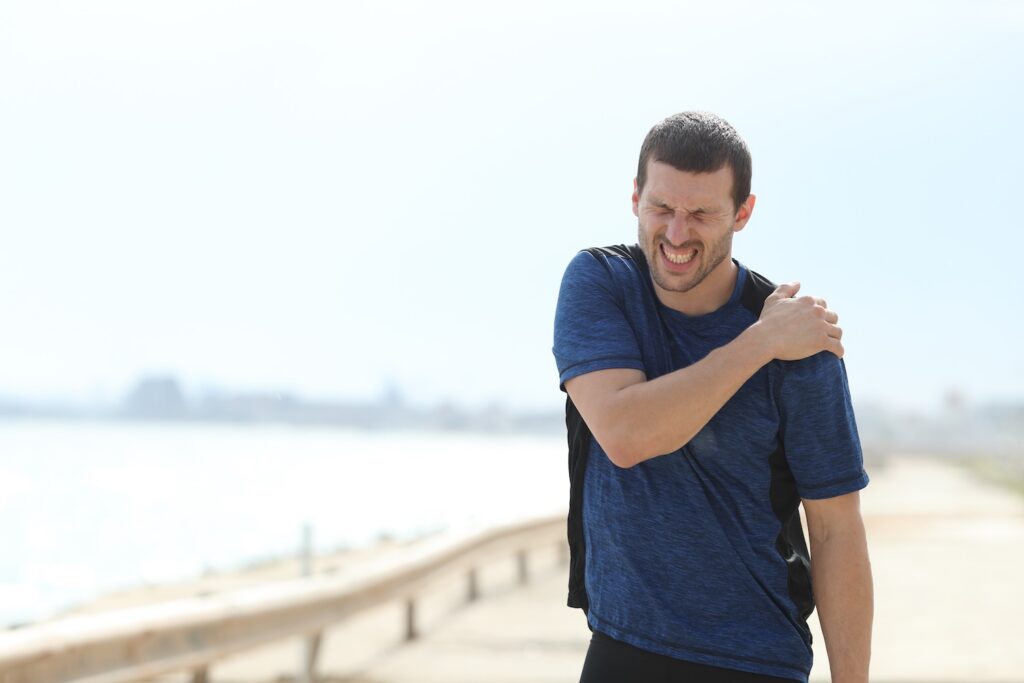
As a local chiropractor, I want to help you understand muscle strains and how they can impact your overall health. When you push your muscles too hard or stretch them beyond their natural limits, it can lead to a muscle strain. This type of injury occurs when the muscle fibers tear, resulting in pain and restricted movement. Strains commonly happen during physical activities such as lifting heavy objects, running, or making sudden movements.
It’s essential to grasp the mechanics of muscle strains to prevent them and facilitate recovery. To keep your muscles healthy, it’s crucial to engage in proper warm-up exercises and stretching before any intense physical activity. Overexertion, fatigue, and improper techniques can significantly increase your risk of injury.
Muscle strains can be classified into three levels: mild, moderate, and severe, depending on the extent of the damage. Each category affects your mobility differently, which influences your recovery process. By recognizing these factors, you can take better care of your body and stay active while minimizing the risk of future strains.
Prioritizing your muscle health is vital for your overall physical well-being. As a chiropractor, I advocate for natural healing methods and a holistic approach to health, which includes maintaining flexibility in your muscles and joints.
If you have any questions about preventing muscle strains or how chiropractic care can support your recovery, I’m here to help guide you on your journey to a healthier, more active lifestyle.
Recognizing Symptoms of Muscle Strains
As a local chiropractor, I want to help you understand the importance of recognizing the symptoms of muscle strains, as this awareness is crucial for effective healing.
When you experience a muscle strain, common indicators such as pain, swelling, and restricted movement can signal the severity of the injury. By being aware of these signs, you can take proactive steps toward recovery.
In our practice, we focus on natural healing methods that can alleviate discomfort and promote healing.
Understanding these symptoms not only empowers you to seek appropriate care but also helps us tailor a treatment plan that aligns with your body’s needs.
Let’s work together to ensure you recover effectively and regain your mobility!
Common Symptoms Identified
As a local chiropractor, I want to help you understand how to recognize the signs of a muscle strain. If you’re feeling sudden pain in a particular area, it may feel sharp or throbbing. You might also notice some swelling and possibly bruising around the site.
Stiffness and a limited range of motion are common symptoms as well, which can make it challenging to move the affected muscle normally.
When you attempt to use that muscle, you may experience weakness or a pulling sensation. Tenderness in the area can also create discomfort when touched.
If you find it difficult to bear weight or carry out your daily activities, these are important signals from your body that shouldn’t be ignored.
It’s essential to listen to these signs and consider seeking treatment. Chiropractic care can help facilitate your recovery and promote natural healing, so don’t hesitate to reach out if you’re experiencing these symptoms!
Severity Assessment Techniques
As your local chiropractor, I want to help you understand how to assess the severity of a muscle strain, which is essential for your recovery and overall health.
When evaluating a muscle strain, start by paying attention to the intensity of the pain you’re experiencing, along with any other symptoms that may arise.
For mild strains, you might feel some discomfort, but you’ll likely still be able to move the affected muscle without major restrictions.
On the other hand, moderate strains can cause sharper pain, swelling, and make it more challenging to use that muscle effectively.
If you’re dealing with a severe strain, you might experience debilitating pain, visible bruising, or even a noticeable tear in the muscle, which can limit movement significantly.
It’s also important to observe how your pain reacts during activities versus when you’re at rest.
If you find that the muscle feels weak or unstable, it’s crucial to seek professional advice.
As a chiropractor, I can help you evaluate these indicators to better understand the severity of your strain.
This understanding will guide us in creating a tailored recovery plan that aligns with natural healing practices, ensuring you get back to your normal activities safely and effectively.
Immediate Care Techniques
When you experience a muscle strain, taking immediate care can significantly enhance your recovery process. As a local chiropractor, I want to introduce you to some effective methods that can support your healing journey.
One of the first steps you should consider is the R.I.C.E. method, which stands for Rest, Ice, Compression, and Elevation. This approach can help reduce inflammation and promote healing.
Additionally, there are numerous natural pain relief options that I can guide you through, which may include gentle stretching, chiropractic adjustments, and the use of therapeutic modalities.
Understanding when to seek professional help is also crucial; if your pain persists or worsens, it’s important to consult with a healthcare professional who specializes in musculoskeletal health.
Let’s explore these techniques together, so you can get back on track and feel your best naturally.
R.I.C.E. Method Explained
As a local chiropractor, I want to share an effective method for recovering from muscle strains that you may not be familiar with: the R.I.C.E. method. This approach stands for Rest, Ice, Compression, and Elevation, and it can significantly support your healing process.
First and foremost, it’s crucial to rest the affected muscle. This means avoiding any activities that cause pain, which is essential for preventing further injury.
Once you’ve taken the time to rest, the next step is to apply ice. Wrap some ice in a cloth and place it on the injured area for about 15-20 minutes each hour. This will help reduce swelling and numb the pain, making you more comfortable.
Following ice application, the use of a compression bandage is key. This provides support to the injured muscle and helps minimize swelling. It’s important to ensure that the bandage is snug but not too tight to avoid cutting off circulation.
Lastly, I recommend elevating the injured area above heart level. Elevation aids in reducing swelling by encouraging fluid drainage away from the injury site.
By combining these techniques, you can significantly speed up your healing process and return to your regular activities more quickly and safely.
Always remember to listen to your body as you recover, and don’t hesitate to reach out if you have questions or need further guidance on your journey to wellness.
Pain Relief Options
As a local chiropractor, I want to share some insights into managing muscle strain recovery using natural healing methods. After you’ve applied the R.I.C.E. method—Rest, Ice, Compression, and Elevation—there are additional strategies that can enhance your comfort and support your healing process.
Over-the-counter pain relievers such as ibuprofen or acetaminophen can be effective in reducing both pain and inflammation. However, I encourage you to consider integrating natural approaches as well. For instance, topical analgesic creams can be applied directly to the affected area, offering quick relief without the need for oral medication.
Once the initial swelling has gone down, heat therapy is a fantastic option. It helps relax tight muscles and improve blood circulation, which can be beneficial for your recovery. On the other hand, if you experience flare-ups, using cold packs can help numb the area and decrease swelling.
Incorporating gentle stretching and light activities, as your body allows, can also promote healing. It’s essential to listen to your body and adjust your approach based on how you’re feeling.
Ultimately, finding the right combination of these methods can significantly aid your recovery journey. As your chiropractor, I’m here to support you in exploring these natural healing options to help you feel your best.
When to Seek Help
As a local chiropractor, I want to help you understand when it’s time to seek professional help for a muscle strain.
If you’re experiencing severe pain or if your discomfort doesn’t improve after a few days of rest and at-home care, it’s important to reach out to a healthcare professional, like myself. Look out for warning signs such as swelling, bruising, or difficulty moving the affected area.
If you heard a popping sound at the moment of injury or are feeling weakness in the muscle, don’t hesitate to come in for an evaluation.
Additionally, if your pain intensifies or you develop a fever, it’s crucial to seek medical attention right away.
The R.I.C.E. Method
As a local chiropractor, I want to share with you an effective method for recovering from a muscle strain called the R.I.C.E. method, which stands for Rest, Ice, Compression, and Elevation. If you’re unfamiliar with this approach, it can significantly enhance your healing process.
First and foremost, it’s essential to let your muscle rest. Avoid any activities that cause discomfort, as this downtime allows your body the necessary time to heal itself.
Next, applying ice wrapped in a cloth for about 15-20 minutes every few hours can be very beneficial. This not only helps reduce swelling but also numbs the area, providing relief from pain.
After icing, I recommend using compression with an elastic bandage. This provides support to the injured area and further reduces swelling. Just be cautious not to wrap it too tightly—maintaining proper blood circulation is crucial for your recovery.
Lastly, elevating the injured muscle above heart level whenever you can is an important step. This practice helps decrease swelling and encourages better blood circulation, both of which are vital for healing.
Incorporating the R.I.C.E. method into your recovery plan can make a world of difference. If you have any questions or need further guidance, feel free to reach out to me. Your health and well-being are my top priorities!
Over-the-Counter Pain Relief Options
As a local chiropractor, I want to share some valuable insights on managing muscle strain effectively. One of the foundational approaches is the R.I.C.E. method—Rest, Ice, Compression, and Elevation. This technique is a great starting point for recovery, but incorporating over-the-counter pain relief options can further support your healing journey.
Nonsteroidal anti-inflammatory drugs (NSAIDs) such as ibuprofen and naproxen are excellent for reducing both pain and inflammation, which can help you move more freely and rest comfortably. Additionally, acetaminophen is another option that specifically targets pain relief, although it doesn’t address inflammation.
It’s essential to use these medications responsibly. Always adhere to the dosage instructions provided on the label, and be mindful of any potential interactions with other medications you might be taking. If you have existing health conditions, I highly recommend consulting with your healthcare provider before starting any pain relief regimen.
While these medications can assist in alleviating discomfort, remember, they shouldn’t replace the importance of proper rest and self-care. By combining these pain relief options with the R.I.C.E. method, you can optimize your healing process and return to your daily activities more swiftly.
As a chiropractor, I’m here to support you on your journey to wellness through natural healing practices and personalized care.
Stretching and Strengthening Exercises
As your local chiropractor, I want to emphasize the importance of incorporating stretching and strengthening exercises into your recovery plan.
These exercises can significantly aid in your healing process and help prevent future injuries. By focusing on these techniques, you won’t only improve your flexibility but also build strength and promote healthy blood circulation to the affected areas.
Here are some effective exercises I recommend:
- Gentle Stretches: Begin with light stretches to maintain your flexibility. These should be done carefully to avoid straining your muscles.
- Isometric Exercises: These involve engaging your muscles without moving your joints. This method can help build strength without aggravating your injury.
- Resistance Band Workouts: Utilizing resistance bands allows you to gradually build strength in a controlled manner, which is essential during recovery.
- Core Stabilization: Strengthening your core is vital as it supports overall muscle function and helps reduce strain on any injured areas.
- Balance Exercises: Improving your stability is crucial for preventing future injuries and ensuring a safe recovery.
Always pay attention to your body’s signals during these exercises. It’s essential not to push through pain.
As you progress in your recovery, you can gradually increase the intensity of these exercises.
When to Seek Professional Help
As a local chiropractor, I want to help you understand when it’s crucial to seek professional help for a muscle strain. Recognizing the right moment can make a significant difference in your recovery.
If you find yourself dealing with severe pain that doesn’t improve with rest, ice, or over-the-counter pain relievers, it’s a clear signal to reach out to a healthcare provider like me. Persistent swelling or bruising that spreads are also key indicators that you should get assessed.
Pay attention to any signs of weakness in the affected muscle or if you find it difficult to use without pain. Should your symptoms worsen after a few days, or if you experience numbness or tingling, these could point to a more serious issue that requires immediate medical attention.
Additionally, if you’ve had previous muscle strains but feel that this one is different or more intense, trust your instincts and don’t hesitate to seek help.
Early intervention is crucial for ensuring effective healing and preventing long-term complications. Your health is paramount, and as a chiropractor, I’m here to guide you on a safe path to recovery through natural healing methods.
Preventing Future Muscle Strains
As your local chiropractor, my goal is to help you understand how to prevent muscle strains and keep your body healthy. After we’ve addressed any immediate concerns related to a muscle strain, it’s essential to focus on proactive measures that promote strength and resilience in your muscles.
Here are some effective strategies to help you stay injury-free:
- Warm-up properly: Before any physical activity, it’s crucial to engage in a gentle warm-up. This prepares your muscles for the demands of exercise and helps reduce the risk of injury.
- Incorporate strength training: Strength training is a vital component of any fitness routine. By building muscle stability and support, you can enhance your overall physical performance and minimize the likelihood of strains.
- Maintain flexibility: Stretching regularly is important for preserving flexibility in your muscles and joints. This not only aids in injury prevention but also improves your overall range of motion.
- Listen to your body: Your body often gives you signals when something isn’t right. If you experience fatigue or soreness, it’s important to take a step back and rest. Ignoring these signs and pushing through discomfort can lead to more serious injuries.
- Stay hydrated: Proper hydration is key to muscle function. Make sure you’re drinking enough water throughout the day, as dehydration can lead to muscle cramps and strains.
By incorporating these strategies into your daily routine, you can take proactive steps towards maintaining your health and preventing future muscle strains.
If you have any questions or need personalized advice, feel free to reach out during your next visit!
Tips for a Speedy Recovery
As a local chiropractor, I want to help you understand how to effectively recover from a muscle strain so you can return to your regular activities safely and efficiently.
One of the first things I recommend is the R.I.C.E. method: Rest, Ice, Compression, and Elevation. It’s important to rest the injured area to avoid exacerbating the injury. Applying ice for 15-20 minutes every couple of hours can significantly help reduce swelling. Additionally, using compression bandages can provide support to the muscle, and elevating the injured area can further minimize inflammation.
Hydration and nutrition play crucial roles in the healing process. Be sure to drink plenty of water and maintain a balanced diet that includes protein, vitamins, and minerals, all of which support tissue repair.
After the initial pain subsides, I encourage you to gradually incorporate stretching and strengthening exercises, but only as advised by a healthcare professional. It’s important to listen to your body and not rush your recovery.
Engaging in light activities, such as walking, can boost blood flow and promote healing. If you find yourself in need of pain relief, over-the-counter medications may help; however, I always recommend consulting with your doctor if the pain lingers.
With a little patience and the right care, you’ll find yourself back to your normal routine before you know it! Remember, chiropractic care can also play a significant role in your recovery by addressing any underlying issues and improving your overall well-being.
Conclusion
In conclusion, navigating a muscle strain can be manageable with the right approach. As a chiropractor, I recommend following the R.I.C.E. method—Rest, Ice, Compression, and Elevation—as a foundational strategy for recovery. Additionally, consider utilizing natural, over-the-counter pain relief options that can complement your healing process. Gradually introducing gentle exercises can also play a crucial role in restoring strength and flexibility.
It’s important to pay attention to your body’s signals during recovery. If you find that pain persists, don’t hesitate to reach out to a healthcare professional, such as a chiropractor, who can provide personalized guidance and treatment options tailored to your needs. By actively engaging in your health and recovery, you not only enhance your healing but also minimize the risk of future muscle strains. Embrace a proactive mindset, and you’ll be back to your favorite activities sooner than you think!