
If you’re dealing with pain, I want you to know that you’re not alone in this journey. Many individuals are exploring alternatives to medication, seeking effective ways to manage discomfort naturally. As a local chiropractor, I believe in the power of natural healing and want to share some valuable techniques that can help you find relief.
From mindfulness practices to dietary adjustments, there are several holistic strategies that can cater to your unique needs. Each method has its own benefits, and when combined with chiropractic care, they can enhance your overall well-being. Let’s delve into these seven natural techniques together and discover how they can support your healing process and improve your quality of life.
Mindfulness and Meditation
As your chiropractor, I want to share how mindfulness and meditation can be powerful tools in your journey towards healing and pain management. Many patients find that when they practice these techniques, their perception of pain diminishes significantly.
Mindfulness and meditation encourage you to focus on the present moment, which can help detach you from feelings of discomfort. By taking a moment to direct your attention inward, you can observe your thoughts and feelings without judgment. This heightened awareness creates a buffer between you and your pain, allowing it to feel less overwhelming.
I recommend starting with short sessions of mindfulness or meditation—just five to ten minutes each day can make a difference. Find a quiet place where you can relax, close your eyes, and take deep, calming breaths. Acknowledge any pain you may be feeling, but don’t allow it to dominate your thoughts. Instead, visualize the pain as a wave that will eventually wash away.
With consistent practice, you’ll notice an improvement in your ability to manage pain. This approach fosters a greater sense of control and can reduce the anxiety that often comes with discomfort.
Ultimately, integrating mindfulness and meditation into your routine can enhance the effectiveness of your chiropractic care, empowering you to navigate your pain with greater ease and resilience.
Herbal Remedies
As a local chiropractor, I want to share with you some insights on managing pain through herbal remedies. Many patients are often surprised to learn that natural solutions can be quite effective.
For instance, herbs like turmeric and ginger aren’t just spices; they’re powerful pain relievers that can support your healing journey.
It’s important to approach these remedies with care, so let’s discuss how to prepare and dose them safely. Understanding the benefits of these herbs is crucial, as is being aware of any potential side effects.
My goal is to help you make informed decisions about your health, and integrating herbal remedies into your pain management plan can be a natural complement to chiropractic care.
If you’re curious about how these herbal options might work alongside your treatment, let’s explore them together, ensuring you have a holistic approach to your wellness.
Popular Herbal Pain Relievers
As a local chiropractor, I understand the importance of exploring various options for pain relief, especially for those who may not be familiar with chiropractic care.
While modern medicine provides many treatments, I often encourage my patients to consider natural herbal remedies that can complement their healing process. These remedies not only offer relief but typically have fewer side effects.
Here are four herbal pain relievers that I recommend you might consider:
- Turmeric: This powerful herb is well-known for its anti-inflammatory properties. It’s particularly beneficial for managing pain associated with conditions like arthritis, and incorporating turmeric into your diet can support your overall wellness.
- Ginger: Many people are surprised to learn that ginger isn’t just a culinary ingredient but also a potent natural remedy. Its natural anti-inflammatory effects can help alleviate muscle pain and soreness, making it a great addition to your pain management routine.
- Willow Bark: For those struggling with back pain or headaches, willow bark may be an effective option. It contains salicin, a compound similar to aspirin, which can help reduce discomfort and promote healing.
- Capsaicin: This active component in chili peppers is found in topical creams and can provide targeted relief by desensitizing pain receptors in the area of application. It’s especially useful for localized pain and can be a helpful addition to your chiropractic care plan.
By integrating these herbal remedies into your pain management strategy, you may find a more holistic approach to healing that supports your body’s natural ability to recover.
Always consult with your healthcare provider before starting any new treatment to ensure it’s right for you.
Preparation and Dosage Tips
As a local chiropractor, I want to share some valuable insights on how to effectively utilize herbal remedies for pain relief. Understanding proper preparation and dosage is crucial, especially if you’re new to chiropractic care and natural healing methods.
First, ensure you’re sourcing high-quality herbs from reputable suppliers. Using fresh herbs can often yield better results than dried ones due to their higher potency. When preparing herbal teas, I recommend using about one tablespoon of dried herbs per cup of water. Steep the mixture for 10-15 minutes to extract the beneficial compounds.
For those considering tinctures, a common dosage is 30-60 drops taken two to three times a day. If you prefer capsules, be sure to follow the dosage recommendations provided on the label.
It’s important to remember that everyone’s body responds differently to herbal remedies. I advise starting with lower doses and gradually increasing them as needed to find what works best for you.
Keeping a journal of your experiences can also be beneficial. This practice allows you to track which remedies provide the most relief and helps you communicate effectively during your chiropractic visits.
Embracing natural healing methods can complement your chiropractic care and enhance your overall well-being.
Safety and Side Effects
As a chiropractor committed to your health and well-being, I want to share some important information about herbal remedies and their role in pain relief. While many people find these natural options beneficial, it’s crucial to understand their safety and potential side effects before incorporating them into your wellness routine. Here are some key points to consider:
- Allergic Reactions: Just like any medication, some herbs can trigger allergic responses in certain individuals. This may lead to skin rashes or respiratory issues, so it’s important to be aware of any sensitivities you might have.
- Interactions with Medications: If you’re currently taking prescription medications, be cautious. Herbal remedies can interact with them, potentially altering their effectiveness or leading to unwanted side effects.
- Quality Control: The herbal market isn’t regulated as strictly as pharmaceuticals. This means that not all herbal products are of the same quality; some may be contaminated or mislabeled, which can pose serious health risks.
- Underlying Conditions: If you have any pre-existing health conditions, some herbs could worsen your situation. Always approach herbal treatments with caution if you have health concerns.
Before starting any new treatment, including herbal remedies, I strongly advise you to consult with a healthcare professional. This ensures that what you choose to use is safe and appropriate for your individual health needs.
Your well-being is paramount, and it’s crucial to make informed decisions when it comes to your health. Remember, there are many natural healing options available, and I’m here to help guide you on your journey toward wellness.
Acupuncture
As a local chiropractor, I want to introduce you to an incredible technique that can help manage pain effectively—acupuncture.
While my primary focus is on spinal health and alignment, I often integrate acupuncture into my practice because it complements the healing process wonderfully. This technique works by stimulating specific points on your body, which can promote natural healing and provide significant relief from various ailments.
In the sections that follow, I’ll explain how acupuncture operates, its many benefits, and what you can expect during your treatment.
How Acupuncture Works
As a local chiropractor, I want to introduce you to the fascinating world of acupuncture, a practice that aligns closely with the principles of chiropractic care and natural healing. Acupuncture is an ancient technique focused on balancing energy within the body, and it involves the insertion of thin needles into specific points to enhance the flow of energy, known as “Qi.”
Here’s how it works and how it can complement your chiropractic treatment:
- Energy Flow: Acupuncture targets meridians, which are pathways where energy flows through your body. By stimulating these points, acupuncture promotes a state of balance, much like chiropractic adjustments aim to align your spine and nervous system.
- Pain Relief: By activating specific acupuncture points, this practice can help release endorphins—your body’s natural painkillers. This is similar to how chiropractic care can alleviate pain by correcting misalignments in your spine.
- Increased Circulation: The insertion of needles stimulates blood flow, which enhances healing and reduces inflammation. Good circulation is vital for recovery, and chiropractic adjustments also help to improve blood flow by relieving pressure on nerves.
- Stress Reduction: Acupuncture is known for calming the nervous system, which can alleviate stress and promote relaxation. Chiropractic care shares this goal by helping to reduce tension in the body and improve overall well-being.
By understanding these mechanisms, you can see how acupuncture and chiropractic care work hand in hand to support your journey towards natural healing and pain management.
If you’re curious to learn more or explore how these therapies can benefit you, feel free to ask!
Benefits of Acupuncture
As a local chiropractor, I want to share with you the incredible benefits of incorporating acupuncture into your wellness routine. Many individuals are beginning to recognize acupuncture as a valuable complementary therapy for pain management and overall health. This ancient practice targets specific points in the body, which can significantly reduce chronic pain conditions like back pain or migraines.
Not only can acupuncture help alleviate discomfort, but it also promotes relaxation and enhances your sleep quality. Many of my patients report feeling a noticeable boost in their mood and energy levels after sessions.
Additionally, acupuncture can potentially decrease your reliance on pain medications, offering a safer, more natural alternative for managing pain.
By embracing acupuncture alongside chiropractic care, you’re opting for a holistic approach that fosters healing, balances your body’s energy, and encourages long-lasting health benefits.
I encourage you to consider this practice as a transformative addition to your pain management journey and overall wellness.
Treatment Process Overview
Understanding the chiropractic treatment process can significantly enhance your experience and outcomes. This holistic approach focuses on the musculoskeletal system and its impact on overall health. Here’s what you can expect during your visits to a chiropractor:
- Initial Consultation: During your first visit, we’ll discuss your health history, current issues, and any discomfort you may be experiencing. This is an important step to understanding your unique situation.
- Personalized Treatment Plan: After evaluating your condition, we’ll develop a customized treatment plan tailored to your specific needs. This plan may outline the number of sessions needed and the techniques that will be employed.
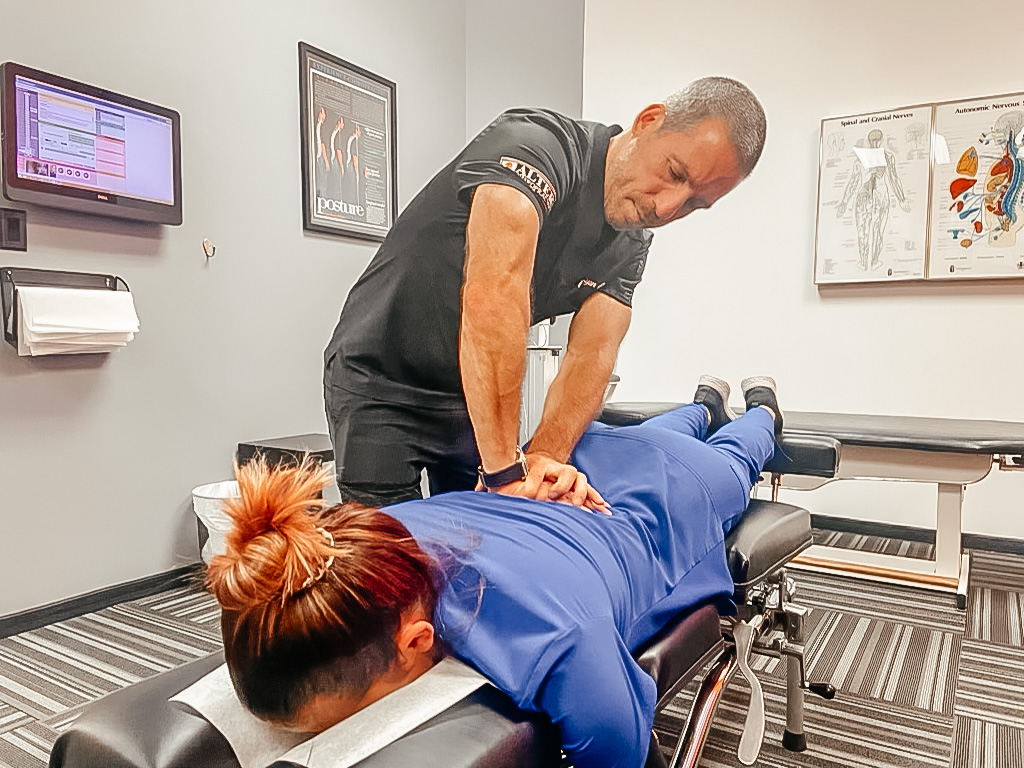
- Adjustments: In each session, I’ll perform spinal adjustments and other manual techniques to restore proper alignment and function to your body. You may feel a sense of relief or change in pressure, but the adjustments are generally safe and well-tolerated.
- Follow-Up Care: After your treatment, I’ll provide recommendations for lifestyle modifications, exercises, or additional sessions to ensure you achieve optimal results and maintain your well-being.
Physical Activity and Stretching
As a local chiropractor, I want to share with you how incorporating physical activity and stretching into your daily routine can significantly alleviate pain and enhance your well-being.
Many patients find that engaging in regular exercise helps release endorphins, which are nature’s own painkillers, leading to improved mood and reduced discomfort. You don’t need to engage in rigorous workouts; even gentle activities like walking or swimming can promote blood flow, aiding in healing and reducing stiffness.
Stretching is another key component of your wellness journey. It not only enhances flexibility but also helps relieve tension in tight muscles, which is crucial for maintaining proper alignment and function.
I encourage you to integrate simple stretches into your day, focusing on areas where you might feel discomfort or tightness. Consistency is key—just a few minutes of stretching each day can yield noticeable benefits.
Always listen to your body; if something doesn’t feel right, it’s important to modify your movements or seek guidance from a healthcare professional. The aim isn’t to push through pain but to establish a balance that feels comfortable and supportive.
Heat and Cold Therapy
As a chiropractor dedicated to your well-being, I want to share some valuable insights about managing pain through heat and cold therapy. Many of my patients find that incorporating these simple techniques into their routine can offer immediate relief and support their healing journey.
Heat therapy is fantastic for soothing achy muscles, increasing blood circulation, and promoting a sense of relaxation. It can be particularly beneficial after an adjustment or when your muscles are feeling tense.
On the other hand, cold therapy is effective for numbing painful areas, reducing inflammation, and minimizing swelling, especially after an injury or intense activity.
Here are some practical tips for using heat and cold therapy effectively:
- Heat Application: You can use a hot water bottle or a heating pad on sore areas for about 15-20 minutes. This can help relax tight muscles and enhance circulation, setting the stage for healing.
- Cold Compress: For swelling or acute pain, apply a cold pack or ice wrapped in a cloth for 10-15 minutes. This will help reduce inflammation and provide quick relief.
- Alternating Treatments: To maximize your comfort, try alternating between heat and cold therapy. Start with cold to numb the area and reduce swelling, then follow with heat to promote relaxation and blood flow.
- Listen to Your Body: It’s essential to pay attention to how your body responds to these therapies. Adjust the duration and intensity based on your comfort level to ensure optimal relief.
By integrating these techniques into your self-care routine, you can enhance your recovery, complement your chiropractic treatments, and foster a greater sense of well-being.
If you have any questions or need personalized guidance, feel free to reach out during your next visit!
Aromatherapy
As a local chiropractor, I want to introduce you to the benefits of aromatherapy as a natural approach to enhancing your well-being and managing pain. Essential oils can play a significant role in your healing journey, offering both physical and emotional relief.
For example, lavender oil is renowned for its calming effects, which can help alleviate tension and promote relaxation—a great complement to the adjustments you receive in our office. If you experience headaches, peppermint oil may provide invigorating relief to ease discomfort.
To integrate aromatherapy into your routine, I recommend using an essential oil diffuser to create a soothing atmosphere in your home or office. Additionally, you can combine a few drops of your preferred essential oil with a carrier oil and gently massage it into any areas experiencing pain.
Just remember to perform a patch test beforehand to ensure your skin responds well to the oils.
Incorporating aromatherapy alongside chiropractic care not only helps in managing pain but also fosters an overall sense of well-being. It’s an effective, natural tool that can complement the adjustments and therapies provided in our practice, enhancing your path to better health and vitality.
Dietary Adjustments
As a local chiropractor, I want to emphasize that while therapies like chiropractic adjustments can significantly enhance your well-being, dietary adjustments are equally important in your journey towards better health and pain management.
What you consume directly influences inflammation and pain levels in your body. Here are some dietary changes I encourage you to consider:
1. Increase Omega-3 Fatty Acids: Incorporating foods such as fatty fish, walnuts, and flaxseeds into your diet can help reduce inflammation, which is crucial for alleviating pain.
2. Incorporate Antioxidant-Rich Foods: Eating a variety of berries, leafy greens, and nuts can combat oxidative stress, which in turn helps lower pain levels and supports overall health.
3. Limit Processed Sugars and Fats: It’s important to be mindful of your intake of processed sugars and unhealthy fats, as these can contribute to increased inflammation.
Try to minimize sugary snacks and fried foods in your diet.
4. Stay Hydrated: Adequate hydration is essential for maintaining your overall health and can play a role in pain reduction.
Make sure you’re drinking enough water throughout the day.
By making these dietary adjustments, you can complement the benefits of chiropractic care and enhance your overall health and wellness.
Conclusion
As a local chiropractor, I want to emphasize the importance of integrating natural techniques into your daily routine for effective pain management. By practicing mindfulness, you can become more aware of your body and its signals. Exploring herbal remedies can provide additional support for your healing process, while engaging in regular physical activity helps maintain mobility and strength.
Don’t underestimate the value of aromatherapy and acupuncture; these practices can significantly enhance your overall well-being and help alleviate discomfort. Additionally, making dietary adjustments can play a crucial role in how your body responds to pain.
I encourage you to experiment with these methods and find the right combination that works for you. Embracing a holistic approach not only promotes relief but also improves your quality of life. As your chiropractor, I’m here to guide you on this journey toward better health and pain management.