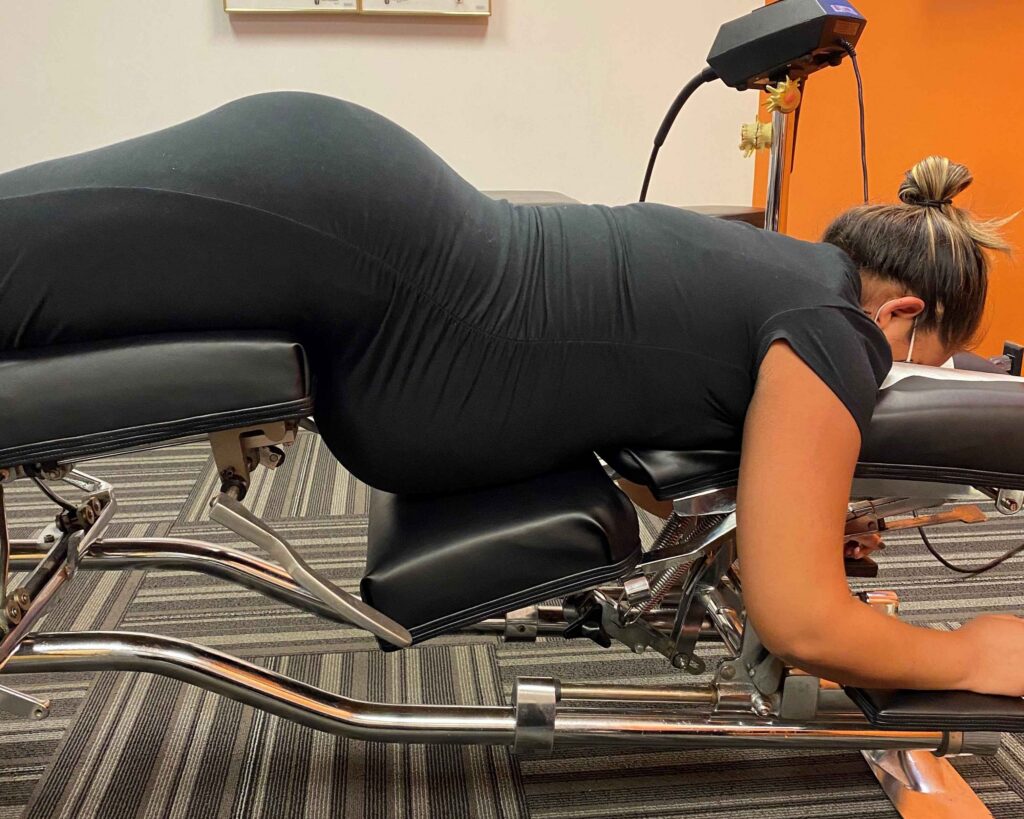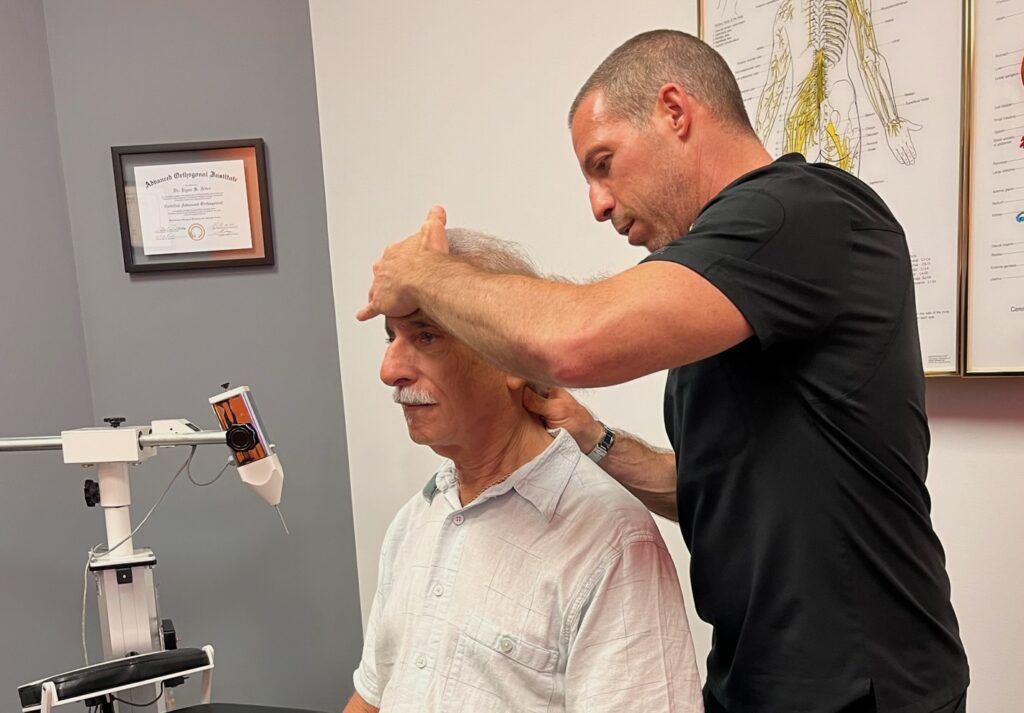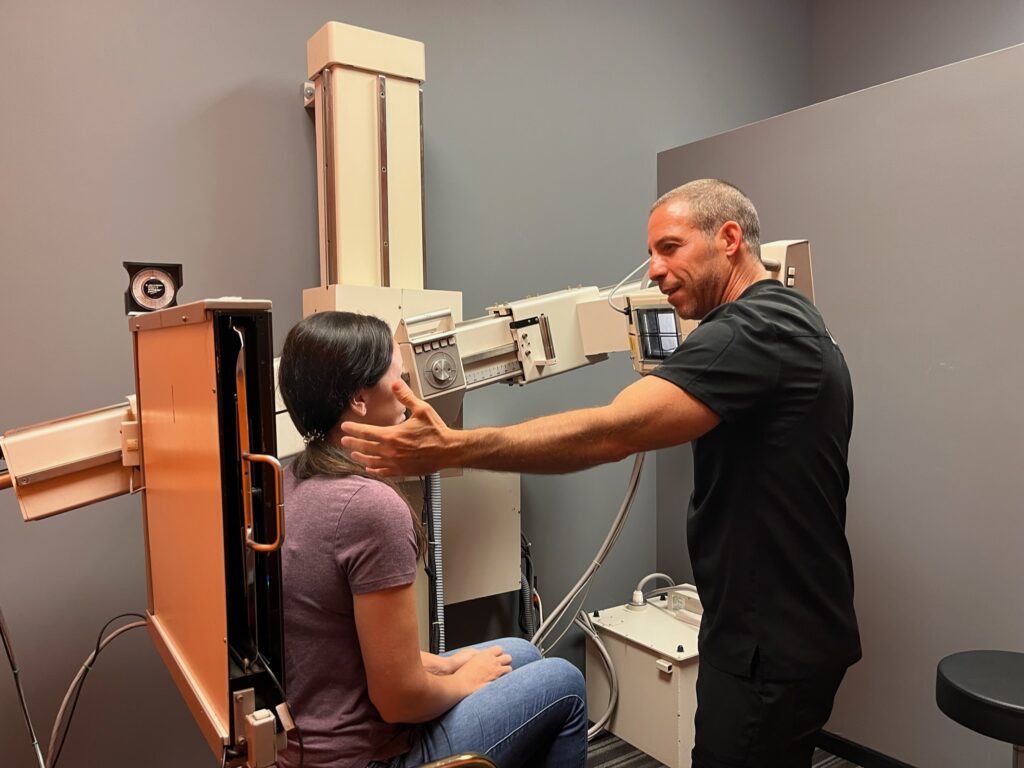

If you’ve ever dealt with migraines, you understand how overwhelming they can be, especially when neck pain adds to the discomfort. It’s important to recognize the connection between these two issues and how addressing your neck pain can lead to relief from migraines. As a chiropractor, I want to share with you some effective, natural solutions that can truly make a difference in your well-being.
First and foremost, chiropractic care is a fantastic option for managing neck pain and migraines. By focusing on spinal health, we can address misalignments that may contribute to your pain. Regular chiropractic adjustments can help restore proper function to your spine, reduce tension, and promote overall health. This natural approach not only alleviates pain but can also enhance your body’s ability to heal itself.
In addition to chiropractic care, there are simple stretches and exercises you can incorporate into your daily routine. Gentle neck stretches can help alleviate tightness and improve mobility. Try slowly tilting your head from side to side or gently rotating it to ease tension. Remember, consistency is key!
Ergonomic adjustments can also make a significant difference. Ensure that your workspace is set up to support good posture. Your chair should provide proper lumbar support, and your computer screen should be at eye level to minimize strain on your neck. Small changes can lead to big improvements in how you feel.
Staying hydrated and maintaining a balanced diet can also play a role in reducing the frequency and severity of migraines. Proper nutrition supports overall health and can help manage triggers.
Remember, you don’t have to suffer in silence. By focusing on chiropractic care and making a few lifestyle adjustments, you can take charge of your health and find relief from neck pain and migraines. If you’re ready to explore these options further, I encourage you to reach out for a consultation. Together, we can work towards a healthier, pain-free life!
Understanding the Connection Between Neck Pain and Migraines
When you experience migraines, you mightn’t realize that neck pain could be a contributing factor. Many people overlook this connection, but your neck contains vital muscles and nerves that play a significant role in how your head functions. Tension or discomfort in the neck can irritate these nerves, leading to migraine episodes.
Factors such as poor posture, stress, and muscle strain can all lead to neck pain, which may worsen your migraine symptoms. If you’ve been dealing with frequent headaches, it’s a good idea to evaluate the condition of your neck. Are you feeling stiffness or discomfort? These could be clues that neck issues are affecting your migraines.
Understanding this connection is crucial for managing your migraines effectively. By addressing neck pain, you can relieve some of the pressure on your head, potentially reducing both the frequency and intensity of your migraines. Chiropractic care is an excellent approach to tackle neck pain naturally, focusing on spinal alignment and overall wellness.
Here are some tips to help you take charge of your health:
- Posture Check: Be mindful of your posture, especially when sitting for long periods. Ensure your workstation is ergonomically friendly to support your neck and spine.
- Stretching Routine: Incorporate gentle neck stretches into your daily routine. Simple movements can help alleviate tension and improve flexibility.
- Stress Management: Engage in relaxation techniques such as deep breathing, yoga, or meditation to help reduce overall stress levels, which can benefit both your neck and headache symptoms.
- Chiropractic Care: Consider visiting a chiropractor who can assess your neck and spine. They can provide adjustments and treatments tailored to your specific needs, promoting natural healing and optimal health.
Effective Stretching Exercises for Neck Relief
To alleviate neck pain and its impact on migraines, incorporating effective stretching exercises can be incredibly beneficial. As a chiropractor, I want to share some simple yet effective stretches that can help you find relief and promote natural healing.
Start with the neck tilt: gently tilt your head towards one shoulder, hold for 15-30 seconds, then switch sides. This stretch helps to loosen tight muscles and improve flexibility.
Next, try the chin tuck. While sitting or standing up straight, pull your chin back toward your neck and hold for a few seconds. This simple movement strengthens the neck muscles and encourages proper posture, which is crucial for spinal health.
Another great stretch is the shoulder shrug. Raise your shoulders towards your ears, hold them there briefly, and then release. Repeat this several times to relieve tension in the upper back and neck area.
For a deeper stretch, you can try the upper trapezius stretch. Reach one arm behind your back, and with the other hand, gently pull your head to the opposite side. This helps to stretch the muscles that often contribute to neck pain. Remember to breathe deeply throughout these exercises to enhance relaxation and effectiveness.
Incorporating these stretches into your daily routine can greatly reduce neck pain and help manage migraines naturally.
Additionally, consider regular chiropractic care to address any underlying issues and enhance your overall well-being. Chiropractic adjustments can help align your spine, alleviate pain, and promote healing, making it a valuable part of your journey to optimal health.
The Role of Posture in Neck Pain and Migraines
Your posture plays a crucial role in managing neck pain and migraines. When we slouch or hunch over, it puts unnecessary strain on our neck muscles, which can lead to discomfort and even headaches. As a chiropractor, I want to emphasize the importance of maintaining a healthy posture for overall wellness.
One of the best ways to improve your posture is through chiropractic care. Regular adjustments can help align your spine, relieve tension, and promote better posture, which in turn can alleviate neck pain and reduce the frequency of migraines.
In addition to chiropractic adjustments, there are simple changes you can make in your daily routine to support better posture. Here are some tips to consider:
- Ergonomic Workspace: Ensure your workstation is set up to promote good posture. Your computer screen should be at eye level, and your chair should support your lower back.
- Stretching and Strengthening: Incorporate stretching exercises that target your neck and upper back. Simple neck rolls and shoulder shrugs can relieve tension. Strengthening exercises for your core can also provide better support for your spine.
- Mind Your Phone: When using your phone, hold it at eye level to avoid looking down for extended periods. This can help reduce strain on your neck.
- Stay Active: Regular physical activity can improve your overall posture and health. Consider activities like yoga or pilates, which focus on body alignment and core strength.
By focusing on your posture and seeking chiropractic care, you can take significant steps toward reducing neck pain and preventing migraines.
Impact of Poor Posture
Many people may not realize that poor posture plays a significant role in neck pain and migraines. When you find yourself slouching or hunching over your phone or computer, your neck and shoulder muscles are forced to work harder to support your head. This added strain can lead to tension and discomfort, which often triggers headaches. It’s crucial to be aware of your posture throughout the day to help prevent these issues.
Even minor misalignments can accumulate stress over time, worsening your symptoms. That’s why I encourage you to consciously adjust your posture by keeping your shoulders back and aligning your head over your spine. Not only can this simple change alleviate strain, but it can also contribute to overall spinal health.
Chiropractic care is an excellent choice for addressing pain relief and promoting natural wellness. Regular adjustments can help correct misalignments in your spine, which can ease tension in your neck and reduce the frequency of migraines. Additionally, maintaining good posture is a crucial component of your overall health journey.
Here are a few tips to help you improve your posture and reduce discomfort:
- Set Up Your Workspace: Ensure your computer screen is at eye level and your chair supports your lower back. This setup encourages better posture.
- Take Regular Breaks: Stand up, stretch, and walk around every hour to relieve muscle tension.
- Practice Mindfulness: Be aware of your posture throughout the day. Remind yourself to sit and stand tall.
- Strengthen Your Core: Incorporate exercises that strengthen your core muscles, as a strong core supports better posture.
Ergonomic Workplace Solutions
Creating an ergonomic workspace is essential for maintaining your health and wellness, particularly when it comes to alleviating neck pain and migraines that often stem from poor posture.
By making some simple adjustments to your environment, you can support better spinal alignment and enhance your comfort throughout the workday.
Here are four key adjustments to consider, along with how chiropractic care can complement these changes for optimal health:
1. Chair Height: Ensure your chair is adjusted so your feet rest flat on the floor, with your knees at a 90-degree angle. This promotes proper posture and supports your spine.
Regular chiropractic adjustments can help maintain this alignment and relieve discomfort caused by prolonged sitting.
2. Monitor Position: Position your monitor at eye level, approximately an arm’s length away. This prevents unnecessary strain on your neck and helps keep your spine aligned.
Chiropractors can provide guidance on how to maintain proper posture while working to further reduce strain.
3. Keyboard Placement: Your keyboard should be positioned so your elbows are close to your body, forming a 90-degree angle. This helps minimize tension in your shoulders and neck.
Incorporating chiropractic care can help address any existing discomfort and improve your overall posture.
4. Phone Use: To avoid cradling your phone between your shoulder and ear, consider using a headset or speakerphone. This simple change can prevent unnecessary strain on your neck.
Regular visits to a chiropractor can also help identify and correct any imbalances that may contribute to discomfort during phone use.
By implementing these ergonomic adjustments and considering chiropractic care, you can enhance your posture and significantly reduce discomfort.
Stretching and Strengthening Exercises
Posture is a crucial element in maintaining a healthy neck and can significantly influence the frequency of migraines you may experience. To enhance your posture, it’s essential to incorporate stretching and strengthening exercises into your daily routine. Simple neck stretches, like gently tilting your head side to side, can effectively relieve tension.
Additionally, strengthening exercises—such as wall angels—can help develop your upper back muscles, which supports better alignment.
Don’t forget about the importance of core strength! A strong core is vital as it supports your spine and helps maintain proper posture. Make it a habit to take breaks during long periods of sitting; this allows you to stretch and reset your posture, which can prevent discomfort.
Incorporating these exercises into your routine can lead to a reduction in neck pain and the frequency of migraines, paving the way for a more comfortable and healthier lifestyle.
As a chiropractor, I encourage patients to embrace these natural methods for pain relief and wellness. Remember, chiropractic care is an excellent option for maintaining optimal health, promoting natural healing, and achieving lasting wellness.
Heat and Cold Therapy: Which Works Best?
When it comes to easing neck pain that often accompanies migraines, many patients ask whether heat or cold therapy is more effective. Both approaches have unique benefits, and understanding when to use each can enhance your comfort and relief.
However, it’s important to remember that chiropractic care is an excellent option for addressing the root causes of pain and promoting overall wellness.
Here’s a simple comparison to help you decide between heat and cold therapy, along with some tips to maximize your relief:
- Heat Therapy
- Heat therapy helps increase blood flow and relaxes tight muscles. This is particularly beneficial for chronic pain or stiffness that may be related to poor posture or muscle tension.
- You can use a warm compress or heating pad on your neck for 15-20 minutes. This can be a soothing way to ease discomfort before or after a chiropractic adjustment.
- Cold Therapy
- Cold therapy works by reducing inflammation and numbing sharp pain, making it a great choice for acute pain or swelling that might arise suddenly.
- Apply a cold pack or ice wrapped in a cloth to the affected area for 10-15 minutes, allowing your skin to warm back up between uses. This can be particularly helpful after a chiropractic session if you’re feeling sore.
- Application Time
- For both therapies, it’s essential to monitor how your body responds. If you notice increased discomfort, it may be beneficial to consult with your chiropractor for tailored advice.
- Personal Preference
- Each person’s body reacts differently, so it’s important to find what feels best for you. You might prefer heat for its comforting warmth or cold for its numbing effect. Feel free to experiment with both!
Incorporating heat or cold therapy into your routine can provide temporary relief from neck pain linked to migraines.
However, for long-term solutions and to address the underlying issues, consider regular chiropractic care. A chiropractor can help identify misalignments in your spine that may be contributing to your pain, providing adjustments and holistic strategies to promote natural healing and a healthier lifestyle.
Remember, your health journey is unique, and simple lifestyle changes, regular chiropractic visits, and the right combination of therapies can lead to optimal wellness.
If you have any questions or need personalized advice, don’t hesitate to reach out to your local chiropractor!
Massage Techniques to Alleviate Neck Tension
When it comes to alleviating neck tension, chiropractic care can be a transformative approach. While self-massage techniques can provide some immediate relief at home, visiting a chiropractor ensures you receive targeted care that addresses the root cause of your discomfort.
Chiropractors are experts in spinal health and can help restore proper alignment to your neck and spine, promoting overall wellness. In addition to adjustments, they may offer valuable advice on posture, ergonomics, and stretches that can aid in your recovery and prevent future tension.
Here are a few simple self-care tips to consider while you’re exploring options for relief:
- Practice Good Posture: Be mindful of your posture, especially when sitting for extended periods. Keep your shoulders relaxed and your neck straight.
- Take Breaks: If you work at a desk, take short breaks every hour to stretch your neck and shoulders. Simple neck rolls can be very beneficial.
- Stay Hydrated: Drinking plenty of water helps maintain the elasticity of your spinal discs, which can alleviate tension in your neck.
- Use Heat Therapy: Applying a warm compress or heating pad to your neck can help relax tight muscles.
- Sleep Well: Ensure your pillow supports your neck properly. A good night’s sleep can do wonders for neck tension.
By incorporating these tips into your daily routine and considering chiropractic care, you can take significant steps towards achieving optimal health and lasting relief from neck tension.
Self-Massage Methods
Neck tension is a common issue that can lead to discomfort and even migraines. As a chiropractor, I believe in the power of natural healing and the importance of maintaining a healthy spine.
While chiropractic care is the best way to achieve optimal health, there are also simple self-massage techniques you can use at home to alleviate muscle tightness and promote relaxation. Here are four effective methods to help manage neck tension:
- Kneading: Use your fingers to gently knead the tight spots on your neck. Moving in circular motions can help release built-up tension and improve blood flow.
- Pinching: Lightly pinch the skin along your neck muscles, starting from the base of your skull and working your way down to your shoulders. This technique can stimulate circulation and encourage relaxation.
- Compression: Firmly press your palms on either side of your neck. Hold this position for 10-15 seconds to relieve tension and encourage muscle relaxation.
- Stretching: Tilt your head to one side while gently applying pressure with your opposite hand. This stretches and releases tight muscles, promoting flexibility and comfort.
Incorporating these self-massage techniques into your daily routine can help manage neck tension and reduce the frequency of migraines.
Professional Techniques Explained
To effectively alleviate neck tension and its impact on migraines, chiropractic care can offer profound relief and promote natural healing. Unlike self-massage methods, chiropractic adjustments specifically target spinal alignment and muscle tension, enhancing overall well-being.
Chiropractors often utilize gentle spinal manipulations to relieve pressure on nerves and improve blood flow, which can significantly reduce pain associated with migraines. Techniques such as myofascial release and targeted adjustments help to relieve tightness in the neck, promoting mobility and comfort without the need for invasive treatments.
In addition to adjustments, maintaining a healthy lifestyle is essential. Simple practices, like regular stretching, staying hydrated, and practicing good posture, can support your neck health and help manage migraine triggers. Incorporating relaxation techniques, such as deep breathing or yoga, can also reduce overall stress, which is crucial for those dealing with migraines.
By choosing chiropractic care, you’re opting for a holistic approach that addresses the root causes of pain, rather than just the symptoms. Working with a chiropractor allows you to receive personalized treatments tailored to your specific needs, paving the way for improved neck function and significant relief.
Ergonomic Solutions for Everyday Comfort
Creating an ergonomic workspace is essential not just for comfort, but also for maintaining a healthy spine and reducing the risk of neck pain and migraines. As a chiropractor, I believe that simple adjustments in your daily environment can have a profound impact on your overall health and wellness.
Here are four important tips to help you create a healthier workspace:
- Monitor Height: Position your computer monitor at eye level. This prevents unnecessary strain on your neck and encourages a natural alignment of your spine. Ideally, your eyes should line up with the top of the screen, allowing you to view the monitor without tilting your head.
- Chair Support: Select a chair that offers proper lumbar support to maintain the natural curve of your lower back. Make sure to adjust the height so that your feet rest flat on the floor. A well-supported back can help improve your posture and reduce discomfort.
- Keyboard and Mouse Placement: Keep your keyboard and mouse close to your body to avoid reaching too far. Your elbows should be at about a 90-degree angle while typing, which helps reduce strain on your arms and shoulders. This small adjustment can significantly contribute to your overall comfort.
- Frequent Breaks: Remember to take regular breaks throughout your workday. Stand up, stretch, and move around a bit. This practice not only helps prevent stiffness but also encourages better circulation, which is vital for maintaining your health and reducing the likelihood of tension that can lead to migraines.
By implementing these ergonomic solutions, you can significantly improve your comfort and well-being.
Remember, chiropractic care is a fantastic way to address any pain you may already be experiencing and to support your journey toward optimal health. A chiropractor can help identify any misalignments or issues in your spine and provide natural, effective treatments for pain relief and overall wellness.
Prioritize your spinal health, and you’ll be on your way to a more comfortable, healthier life.
When to Seek Professional Help for Neck Pain and Migraines
Knowing when to seek professional help for neck pain and migraines is crucial for maintaining your overall well-being, especially if your symptoms persist or worsen. If you’re dealing with severe pain that doesn’t improve with simple at-home care techniques, it’s a good idea to consult a chiropractor. Chiropractic care focuses on spinal health and can provide natural relief from pain without the use of medications or invasive procedures.
If your neck pain is paired with headaches that feel stronger than usual, or if you experience numbness, tingling, or weakness in your arms, don’t hesitate to seek professional guidance. These symptoms can indicate that your spine may need some attention, and a chiropractor can help assess and address these issues effectively.
You should also reach out for chiropractic care if you’ve recently sustained an injury or if your pain is interfering with your daily life. Chronic migraines accompanied by neck discomfort can signal underlying issues that a chiropractor can help identify and treat.
Remember, persistent symptoms shouldn’t be ignored, as they could point toward more serious conditions that benefit from specialized attention. Early intervention through chiropractic care can lead to more favorable outcomes. Trust your instincts; prioritize your health by considering chiropractic support.
Additionally, incorporating general wellness tips into your routine can help alleviate pain: maintain good posture, stay hydrated, and incorporate gentle stretches into your day. By focusing on natural healing and healthier living, you can take significant steps toward achieving optimal health.
Conclusion
Addressing neck pain is a key step in reducing migraine symptoms and enhancing your overall well-being. As a chiropractor, I encourage you to incorporate some effective strategies into your daily routine. Start with gentle stretching exercises that can help relieve tension in your neck and shoulders. Maintaining good posture throughout your day, especially at your workspace, is crucial for spinal health and can significantly impact how you feel.
Consider utilizing heat and cold therapy; applying a warm compress or an ice pack can help soothe sore muscles and reduce inflammation. Additionally, ergonomic adjustments to your workstation, such as using a chair that supports your lower back and positioning your computer screen at eye level, can prevent strain on your neck.
Self-massage techniques can also provide relief. Gently massaging the muscles around your neck and shoulders can help alleviate tension. If you find that your neck pain or migraines persist despite your efforts, I strongly recommend seeking chiropractic care. A chiropractor can provide personalized treatment to address the root causes of your discomfort, helping you achieve optimal health naturally.
By taking these steps and incorporating chiropractic care into your wellness routine, you can work towards a more comfortable, pain-free life. Remember, you don’t have to suffer in silence; there are effective, natural solutions available to you!