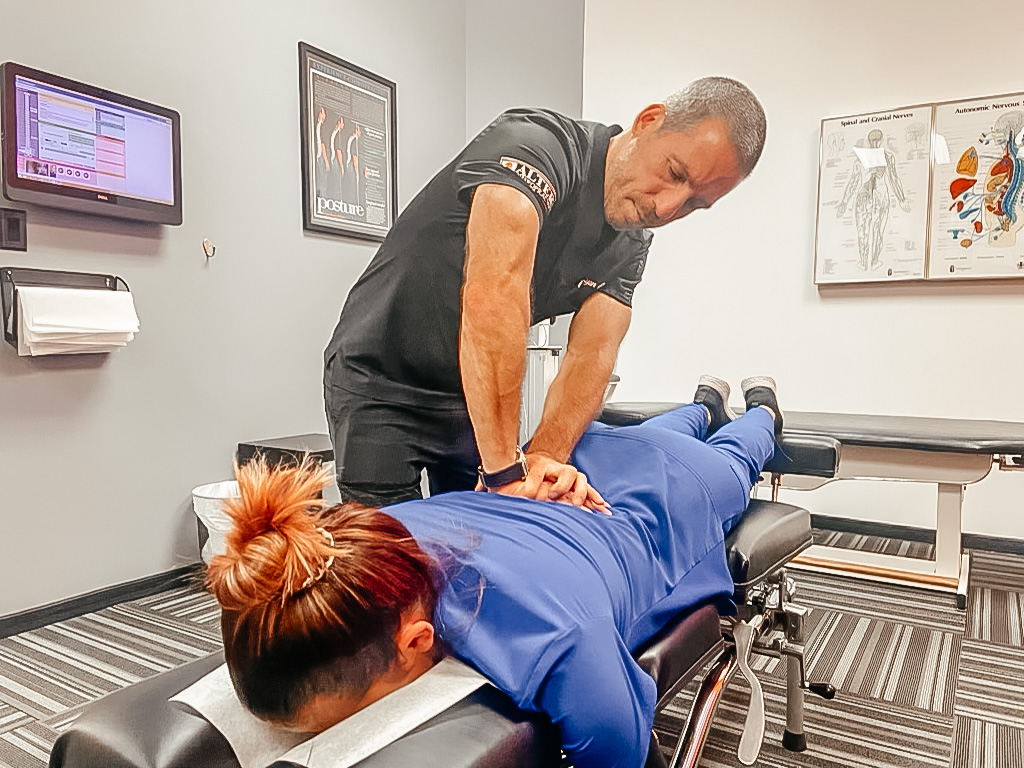

You might not be aware, but a significant number of neck pain cases originate from daily habits that you can easily control. Simple adjustments to your posture, workspace ergonomics, and even the type of pillow you use can lead to remarkable improvements. Remember, maintaining a healthy spine is key! Incorporating regular stretches and strengthening exercises into your routine is essential for spinal health and can help prevent pain.
As a chiropractor, I encourage you to consider these practical tips for avoiding neck discomfort:
- Posture Check: Be mindful of your posture, especially when sitting at a desk or using your phone. Keep your shoulders relaxed and avoid slumping forward. A supportive chair can make a world of difference.
- Workspace Setup: Ensure your computer screen is at eye level to avoid straining your neck. Use a chair that supports your lower back, and take breaks to stretch throughout the day.
- Pillow Choice: Select a pillow that keeps your spine aligned while you sleep. A pillow that supports the natural curve of your neck can reduce tension.
- Daily Stretches: Incorporate gentle neck stretches into your daily routine. Simple movements like tilting your head side to side or rolling your shoulders can help alleviate stiffness.
- Strengthening Exercises: Focus on exercises that strengthen the muscles around your neck and upper back. This support can help prevent injuries and improve overall posture.
If you’re curious about how chiropractic care can enhance your health and provide natural relief from neck pain, feel free to reach out. Chiropractic adjustments can play a vital role in restoring proper alignment and promoting overall wellness. Together, we can work towards a healthier, pain-free life!
Understanding the Causes of Neck Pain
Understanding the Causes of Neck Pain and the Benefits of Chiropractic Care
Many people think of neck pain as a minor issue, but understanding its causes is crucial for effective prevention and relief. Neck pain often arises from muscle strain, poor posture, or injuries. If you find yourself spending long hours hunched over a computer or looking down at your phone, your neck muscles can become overworked, leading to discomfort.
Additionally, sleeping in awkward positions or using a pillow that doesn’t provide adequate support can worsen the situation. Stress is another significant factor that can contribute to neck pain, causing you to tense your neck and shoulder muscles. Everyday activities, such as carrying heavy bags or lifting improperly, can also play a role in neck discomfort.
By recognizing these common triggers, you can make simple changes to your daily routine to help alleviate pain. Incorporating chiropractic care into your wellness routine can be one of the best choices for managing neck pain naturally. A chiropractor can help assess your posture, provide targeted adjustments, and offer personalized advice on improving your ergonomics at home and work.
This holistic approach not only addresses current pain but also helps prevent future issues by promoting spinal health and overall well-being. Here are some general tips you can try to support your neck health:
- Maintain Good Posture: Be mindful of your posture when sitting or standing. Keep your shoulders back and your head aligned with your spine.
- Take Breaks: If you work at a computer, take regular breaks to stretch and move around. This will help reduce muscle tension.
- Support Your Neck While Sleeping: Choose a supportive pillow that keeps your neck aligned with your spine. Avoid sleeping on your stomach, as this can strain your neck.
- Manage Stress: Engage in relaxation techniques such as deep breathing, yoga, or meditation to help reduce tension in your neck muscles.
- Stay Active: Regular physical activity can help strengthen the muscles that support your neck and improve flexibility.
The Importance of Good Posture
Good posture is vital for your overall health, especially when it comes to maintaining a healthy neck and preventing pain. When you practice good posture, you help distribute your weight evenly across your spine, which can significantly reduce strain on your neck muscles.
Many people don’t realize how much their everyday habits influence their posture. As a chiropractor, I want to share some easy tips to help you maintain good posture and support your journey to natural wellness:
- Align Your Ears and Shoulders: Keeping your ears directly above your shoulders helps minimize neck strain. Imagine a straight line running from your ears down to your hips.
- Engage Your Core: Strong core muscles are essential for spinal support. When you sit or stand, gently tighten your abdominal muscles to help maintain proper alignment.
- Say No to Slouching: Slouching can put unnecessary pressure on your back and neck. Aim to sit up straight with your back fully supported by your chair, and keep your feet flat on the ground.
- Take Breaks and Stretch: Regular breaks are key! Stand up, stretch, and adjust your position every so often to keep your muscles from getting tense.
- Mind Your Head Position: Be conscious of how you hold your head, especially when using your phone or working on a computer. Try to keep your head aligned with your spine rather than leaning forward.
By focusing on these simple tips, you can enhance your posture and overall well-being.
Remember, chiropractic care is an excellent way to achieve optimal health and relieve pain naturally. If you’re struggling with neck pain or discomfort, consider visiting your local chiropractor to explore personalized treatment options that support your body’s natural ability to heal.
Your journey to a healthier life starts with taking care of your spine!
Ergonomic Workspace Setup
Creating an ergonomic workspace isn’t just about comfort; it’s a vital step in preventing neck pain and promoting overall wellness. As a chiropractor, I can’t stress enough the importance of an environment that supports your spine’s natural alignment.
Start with your chair: ensure it’s adjusted so your feet rest flat on the ground and your knees form a 90-degree angle. The back support should gently cradle the natural curve of your spine, helping to alleviate any unnecessary pressure on your neck and back.
Next, let’s talk about your computer setup. Position your screen at eye level and about an arm’s length away. This simple adjustment keeps your neck in a neutral position, which is crucial for avoiding strain.
Remember, your keyboard and mouse should be easily reachable, allowing your arms to stay close to your body with elbows bent at about 90 degrees. This position reduces tension in your shoulders and neck.
If you often make phone calls, using a headset can help prevent you from cradling the phone between your neck and shoulder—something that many people do without realizing the strain it causes.
Lastly, keep your workspace tidy. A clutter-free environment not only helps improve focus but also minimizes unnecessary movements that can lead to discomfort.
By prioritizing an ergonomic workspace, you’re not only reducing the risk of neck pain but also fostering a more comfortable and efficient working environment.
And remember, regular chiropractic care complements these efforts by ensuring that your spine remains aligned and healthy, enhancing your overall well-being. Making these changes is a simple yet powerful way to invest in your health and a step closer to living pain-free!
Daily Stretching Exercises
Incorporating daily stretching exercises into your routine can significantly reduce the risk of neck pain and enhance your overall flexibility. As a chiropractor, I often see how simple movements can lead to lasting improvements in spinal health and wellness.
By dedicating just a few minutes each day to these stretches, you can keep your neck muscles relaxed and improve your range of motion, which is essential for maintaining optimal health. Here are some effective stretches you can easily integrate into your daily life:
- Neck Tilts: Gently tilt your head toward each shoulder, holding for 15-30 seconds. This helps to release tension in the neck and improve mobility.
- Chin Tucks: Pull your chin back toward your neck. This simple movement strengthens your posture and can alleviate strain on the neck and upper back.
- Shoulder Rolls: Rotate your shoulders forward and backward. This not only relieves tension but also promotes circulation in the upper body.
- Upper Trapezius Stretch: With one hand behind your back, gently tilt your head to the opposite side. This stretch targets the muscles that often become tight from poor posture.
- Cat-Cow Stretch: Alternate between arching and rounding your back. This dynamic stretch is excellent for mobilizing your spine and relieving stiffness.
Remember, chiropractic care is an effective way to support your body’s natural healing processes and to alleviate pain.
By incorporating these stretching exercises into your routine, you’re taking a proactive step toward a healthier, more flexible body. Always listen to your body, and if you experience persistent pain, don’t hesitate to reach out for a chiropractic consultation.
Together, we can work towards achieving optimal health and wellness!
Strengthening Your Neck Muscles
Strengthening your neck muscles is essential for preventing pain and enhancing stability, and chiropractic care plays a vital role in this process. By incorporating targeted neck exercises, ensuring proper posture, and utilizing resistance training, you can create a solid foundation for a healthier neck.
As a chiropractor, I want to share how these strategies, combined with regular chiropractic adjustments, can significantly improve your daily life and overall well-being.
Chiropractic care focuses on aligning your spine and neck, which can relieve tension and promote better muscle function. When your spine is aligned, your muscles can work more efficiently, reducing the risk of pain and discomfort.
Regular visits to a chiropractor can help ensure that your neck is properly aligned, making it easier for you to engage in neck-strengthening exercises.
Here are some simple tips to help strengthen your neck and support your overall health:
- Posture Awareness: Pay attention to your posture, especially when sitting or using electronic devices. Keep your head aligned over your shoulders and avoid leaning forward.
- Gentle Neck Stretches: Incorporate gentle stretching into your daily routine. Try slowly tilting your head from side to side and forward and backward to increase flexibility.
- Strengthening Exercises: Focus on strengthening exercises like chin tucks and neck rotations. These can be done at home and are easy to incorporate into your day.
- Stay Hydrated: Drinking plenty of water supports overall health and can help maintain the elasticity of your spinal discs.
- Regular Chiropractic Care: Schedule regular visits to your chiropractor to maintain spinal health and address any issues before they become painful.
By following these tips and prioritizing chiropractic care, you can build a stronger neck, reduce pain, and enhance your overall quality of life.
Targeted Neck Exercises
To maintain a healthy and pain-free neck, incorporating targeted neck exercises into your daily routine can be incredibly beneficial. Not only do these exercises strengthen your neck muscles, but they also enhance stability and help alleviate discomfort.
As a chiropractor, I believe that natural healing through exercise is one of the best ways to promote wellness. Here are some effective neck exercises you can easily incorporate into your day:
- Neck Tilts: Gently tilt your head to each side, holding the position for a few seconds. This helps to stretch and relax the muscles along the sides of your neck.
- Chin Tucks: Pull your chin towards your chest, engaging your neck muscles. This exercise can improve posture and relieve tension in the neck area.
- Shoulder Shrugs: Lift your shoulders towards your ears, hold for a moment, and then relax them down. This simple movement can ease stiffness in your shoulders and upper back.
- Neck Rotations: Slowly turn your head to the left and then to the right, keeping the motion smooth. This helps to maintain flexibility and range of motion in your neck.
- Isometric Neck Press: Press your palm against your forehead while resisting with your neck muscles. This exercise strengthens your neck without any additional weights.
In addition to these exercises, remember to maintain good posture throughout your day, whether you’re sitting at a desk or using your phone.
Regular chiropractic care can also play a crucial role in keeping your neck healthy. By addressing any misalignments in your spine, chiropractic adjustments can relieve pain and help your body function optimally.
Making these small changes in your daily routine can lead to significant improvements in your neck health. Remember, a strong, healthy neck is vital for overall wellness, so take the time to care for it naturally!
Posture Alignment Techniques
While maintaining proper posture may seem straightforward, it’s crucial for strengthening your neck muscles and preventing pain, which is where chiropractic care can really make a difference. Start by sitting up straight, with your shoulders back and your head aligned over your spine. This alignment not only helps you feel better but also supports your overall spinal health.
When you’re at your desk, make sure to adjust your chair and monitor height to avoid straining your neck. Opt for a chair that provides good support and encourages an upright position—this can greatly enhance your comfort and wellness.
When standing, distribute your weight evenly on both feet and keep your chin parallel to the ground; this simple adjustment can relieve unnecessary pressure on your spine.
Incorporate regular breaks to stretch and check your posture throughout the day. Taking a moment to align your body can improve your overall well-being and prevent discomfort. Remember, the more you engage in these alignment techniques, the stronger your neck muscles will become, making them more resilient against pain.
Chiropractic care offers a natural approach to maintaining your spinal health and overall wellness. Regular adjustments can help ensure your spine remains aligned, ultimately leading to better posture and reduced pain.
Resistance Training Benefits
As a chiropractor, I want to emphasize the importance of maintaining proper posture, especially when it comes to your neck health. Resistance training can play a significant role in strengthening your neck muscles, enhancing stability, and alleviating discomfort.
By integrating specific exercises into your routine, you’ll not only fortify your neck but also support your overall wellness. Here are some key benefits of resistance training for your neck that can lead to a healthier, pain-free life:
- Increased Muscle Endurance: By strengthening your neck muscles, you’ll find everyday activities become easier, allowing you to move with greater ease and comfort.
- Enhanced Flexibility and Range of Motion: Resistance training can help improve your neck’s flexibility, which is vital for maintaining good posture and reducing tension.
- Reduced Risk of Injuries: A stronger neck is less prone to strains and injuries. This is especially important for those who engage in physical activities or spend long hours at a desk.
- Improved Posture and Spinal Alignment: Strengthening your neck muscles can lead to better alignment of your spine, which is crucial for overall health and can help alleviate pain.
- Boosted Confidence in Physical Performance: As your neck strength improves, you’ll likely feel more confident in your physical abilities, whether at work, at the gym, or during recreational activities.
Incorporating simple neck resistance exercises, such as gentle stretches and controlled movements, can make a big difference.
Remember to listen to your body and consult with a chiropractor to develop a personalized program that aligns with your health goals. Chiropractic care is an excellent way to support your journey toward optimal health, providing natural relief and enhancing your well-being without the need for medications or surgery.
Let’s work together to achieve a healthier, pain-free life!
Incorporating Movement Into Your Day
Incorporating movement into your day is vital for preventing neck pain, especially if you find yourself sitting for long periods. As a chiropractor, I often see patients who suffer from discomfort due to a lack of movement. A simple step you can take is to set a timer to remind yourself to stand up and stretch every 30 minutes. Engaging in simple neck rolls and shoulder shrugs can effectively relieve tension and enhance blood flow to your muscles.
You can easily weave movement into your daily routine. Opt for the stairs instead of the elevator or park a little farther from your destination. If you’re working at a desk, consider using a standing desk or a balance ball chair. These options not only help engage your core but also encourage better posture, which is crucial for spinal health.
Additionally, make it a point to walk during your lunch break or schedule short walks throughout your day. Walking is a fantastic way to keep your body moving and to break up long periods of sitting. These small adjustments can lead to significant improvements in how you feel.
By prioritizing movement and making these changes, you not only decrease the likelihood of neck pain but also boost your overall well-being and productivity.
The Role of Stress Management
Movement isn’t the only key to preventing neck pain; managing stress is equally important. When stress creeps in, our muscles tend to tighten, which can lead to discomfort and pain in the neck area. By effectively managing stress, you can help keep your neck relaxed and pain-free, paving the way for a healthier, more vibrant life.
Here are some practical strategies that can help:
- Practice Deep Breathing: Take a moment each day to focus on your breath. Deep breathing calms the mind and helps relax those tense muscles, providing immediate relief.
- Engage in Regular Exercise: Physical activity is a natural stress-buster. It releases feel-good hormones called endorphins, which can ease stress and help prevent pain, making chiropractic adjustments even more effective.
- Incorporate Mindfulness: Techniques like meditation or yoga are fantastic for promoting relaxation. Not only do they help with stress, but they also enhance your body’s flexibility and posture, which are crucial for spinal health.
- Maintain a Balanced Diet: What you eat affects how your body handles stress. Nourishing your body with healthy foods supports its resilience, allowing you to cope better with daily challenges.
- Prioritize Sleep: Quality sleep is vital for recovery and stress management. A well-rested body responds better to chiropractic care and can help maintain spinal alignment effectively.
Remember, chiropractic care is an excellent choice for addressing neck pain and enhancing overall wellness. Regular adjustments can help keep your spine healthy and improve your body’s ability to manage stress.
Choosing the Right Pillow and Mattress
When it comes to preventing neck pain, selecting the right pillow and mattress is crucial for achieving restorative sleep and supporting your overall spinal health. Your pillow should align with the natural curve of your neck, ensuring that your spine remains in a neutral position.
If you sleep on your back, a medium-loft pillow can effectively fill the gap between your head and mattress, promoting better alignment. For side sleepers, a firmer, higher pillow is often necessary to maintain proper spinal positioning.
As for your mattress, it’s important to find one that strikes a balance between support and comfort. A mattress that’s too soft can lead to improper spinal alignment, while one that’s overly firm can create uncomfortable pressure points.
Aim for a medium-firm mattress that contours to your body’s natural curves, which can help alleviate stress on your spine. Visiting a store to test different options can be immensely beneficial.
Take your time to find what feels right for you; your body will thank you for it. Remember, investing in the right pillow and mattress isn’t just about comfort—it’s about laying the groundwork for a healthier lifestyle and reducing your risk of neck pain.
In addition, consider incorporating regular chiropractic care into your routine. Chiropractic adjustments can enhance spinal alignment, improve mobility, and support your body’s natural healing processes.
Staying Hydrated for Muscle Health
Proper sleep is just one piece of the puzzle when it comes to preventing neck pain, and staying hydrated is equally important for maintaining muscle health. When you’re well-hydrated, your muscles work more efficiently, which helps to reduce tension and stiffness that can lead to discomfort.
As a chiropractor, I want to share some simple tips that can help you stay hydrated and support your overall wellness:
- Drink Water Throughout the Day: Aim for at least eight 8-ounce glasses of water daily. Keeping a consistent intake helps your muscles stay flexible and reduces strain.
- Eat Water-Rich Foods: Incorporate fruits and vegetables into your diet, such as cucumbers, watermelon, and oranges. These foods not only hydrate you but also provide essential nutrients for muscle health.
- Be Mindful of Caffeine and Alcohol: These beverages can lead to dehydration. It’s best to limit their consumption to maintain optimal hydration levels.
- Use a Reusable Water Bottle: Carrying a water bottle is a great reminder to drink regularly. You can make it a habit to sip water throughout your day.
- Set Reminders: Use your phone to set reminders for hydration breaks. This small step can make a big difference in keeping your body well-hydrated.
Remember, staying hydrated is just one of many ways to support your muscle health and overall well-being.
If you’re experiencing neck pain or discomfort, consider visiting your chiropractor for a natural approach to pain relief and spinal health. Together, we can work towards achieving your optimal health goals!
Regular Check-Ins With a Healthcare Professional
Regular check-ins with a chiropractor are vital for preventing neck pain and promoting overall wellness. By scheduling regular appointments, you can catch any potential issues before they turn into bigger problems. Your chiropractor will assess your posture, muscle tension, and spinal health, providing personalized advice to help you improve your daily habits and keep your body aligned.
During your visits, it’s important to openly discuss any discomfort or stiffness you may be feeling. This communication enables your chiropractor to recommend effective treatments and exercises tailored to your needs. They can also offer valuable insights on ergonomics, ensuring that your workspace supports your neck and back properly.
Incorporating these chiropractic check-ins into your routine helps you take a proactive approach to your health. Not only will you reduce the risk of neck pain, but you’ll also enhance your overall well-being. Remember, it’s always better to prevent discomfort than to treat it later. So, make those chiropractic appointments a priority, and take control of your health naturally!
Here are some additional tips to support your spinal health between visits:
- Maintain good posture whether sitting, standing, or moving.
- Take regular breaks from prolonged sitting to stretch and move around.
- Use a supportive chair and adjust your desk setup to promote ergonomic alignment.
- Stay active with gentle exercises that strengthen your neck and back muscles.
- Practice relaxation techniques to reduce muscle tension and stress.
Embrace the benefits of chiropractic care for a healthier, pain-free life!
Conclusion
By embracing these daily habits, you can significantly lower your chances of experiencing neck pain and enhance your overall well-being. As your local chiropractor, I want to emphasize the importance of maintaining good posture, which is crucial for spinal health. Setting up an ergonomic workspace can make a world of difference—ensure your chair supports your lower back and your computer screen is at eye level to avoid straining your neck.
Incorporating simple stretching and strengthening exercises into your routine can also keep your neck strong and flexible. Regular movement helps to alleviate tension and promotes better blood flow. Don’t overlook the importance of managing stress; practices like deep breathing or gentle yoga can help release tightness in your neck and shoulders.
Staying hydrated is essential for maintaining the health of your spinal discs, so make sure you’re drinking enough water throughout the day. Additionally, choosing the right pillow and mattress can provide the support your neck needs while you sleep, allowing you to wake up feeling refreshed rather than stiff.
Regular check-ins with a chiropractor can help keep your spine aligned and monitor your progress, ensuring you stay on the path to optimal health. Remember, making these small adjustments today can lead to a pain-free tomorrow, and chiropractic care is your best ally in achieving this goal!