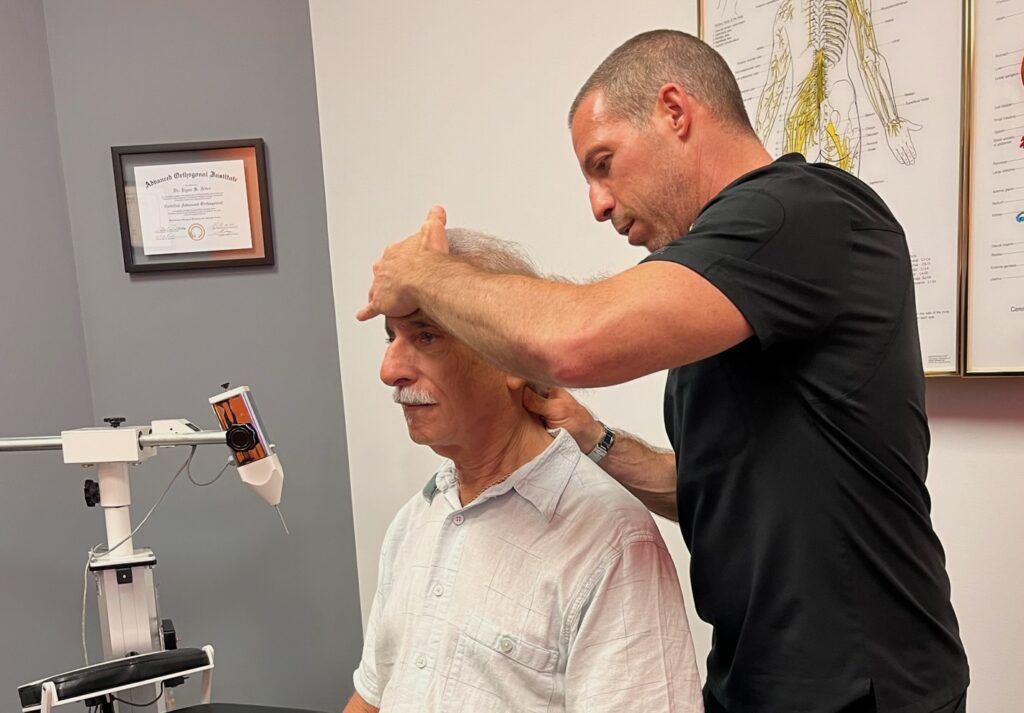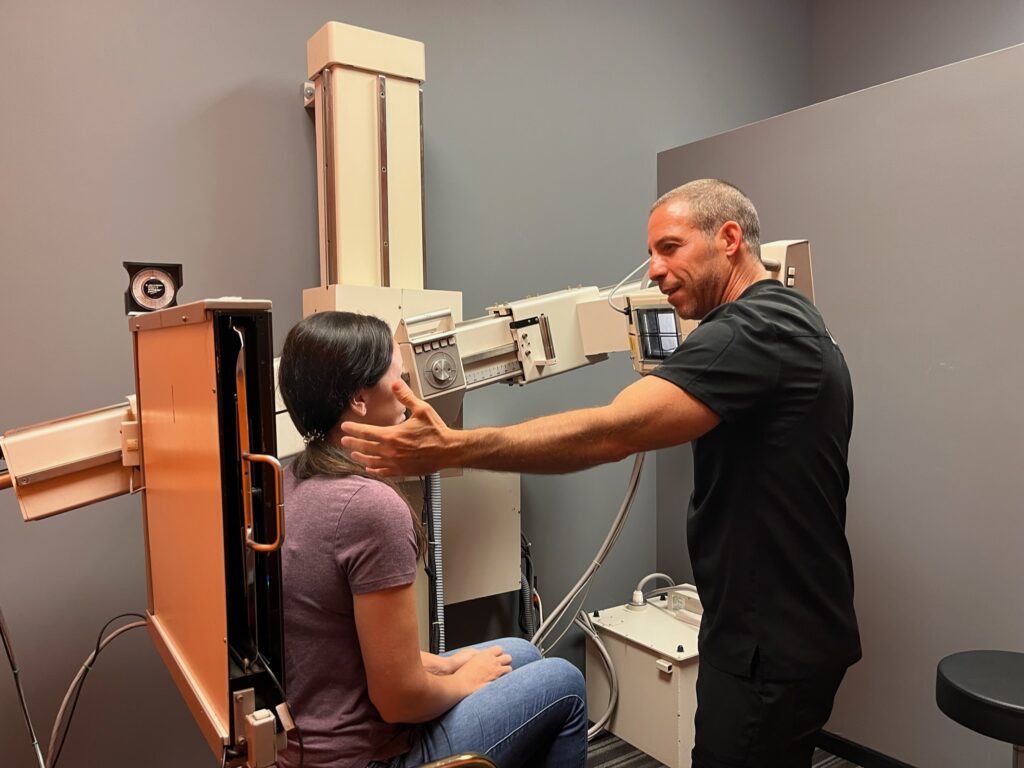

Tension headaches can be a common yet frustrating experience for many individuals. Often, factors like stress, poor posture, and dehydration can contribute to the discomfort you feel. Fortunately, there are simple yet effective strategies that you can incorporate into your daily routine to help alleviate these headaches, and chiropractic care is one of the best methods for achieving lasting relief.
As a chiropractor, I focus on natural healing and the importance of spinal health in maintaining overall well-being. Chiropractic adjustments can help relieve tension in the neck and shoulders, which are often the culprits behind tension headaches. By ensuring your spine is properly aligned, you can significantly reduce the frequency and intensity of these headaches.
In addition to chiropractic care, here are some general tips and tricks to help you manage tension headaches:
- Practice Good Posture: Make a conscious effort to sit up straight and keep your shoulders relaxed. This can help prevent the muscle tension that often leads to headaches.
- Stay Hydrated: Dehydration can exacerbate headaches, so make sure you’re drinking enough water throughout the day.
- Incorporate Relaxation Techniques: Try deep breathing exercises, meditation, or gentle yoga to help reduce stress and tension in your body.
- Take Breaks: If you spend long hours at a desk or working on a computer, take frequent breaks to stretch and move around. This can help relieve muscle tightness.
- Get Regular Chiropractic Adjustments: Regular visits to your chiropractor can help maintain spinal health, reduce stress, and improve overall wellness, making it a proactive step in headache management.
By implementing these simple changes and prioritizing chiropractic care, you can take charge of your health and reduce the occurrence of tension headaches. Remember, small adjustments in your daily routine can lead to significant improvements in your well-being.
Key Takeaways
As a local chiropractor, I’m excited to share some simple yet effective approaches to relieve tension headaches and promote overall wellness. Here are some tips that can help you feel better and maintain optimal health without relying on medications or surgeries:
- Deep Breathing Exercises: Start with deep breathing exercises to calm your nervous system. This practice can significantly reduce stress, which is often a key contributor to tension headaches. Take a few moments each day to inhale deeply through your nose, hold for a few seconds, and exhale slowly through your mouth.
- Ergonomic Workspace: Adjusting your workspace ergonomics is crucial for maintaining proper posture and preventing neck strain. Ensure your chair and desk are set up to support your spine’s natural curves, which can help reduce the likelihood of developing tension headaches.
- Stay Hydrated: Drink at least eight glasses of water daily to keep your body hydrated. Dehydration can lead to headaches, so make it a habit to carry a water bottle with you throughout the day.
- Heat Therapy: Applying heat to tense muscles can work wonders in alleviating headache discomfort. Use warm compresses on your neck and shoulders to help relax tight muscles. This is a natural way to ease pain and improve circulation in the affected areas.
- Natural Remedies: Consider trying herbal remedies like peppermint oil or ginger. These natural options can provide relief from tension and inflammation associated with headaches. A gentle massage with peppermint oil on your temples can be particularly soothing.
Remember, regular chiropractic care is also an excellent way to address the underlying causes of tension headaches. A chiropractor can help align your spine, reduce muscle tension, and improve your overall health. By incorporating these simple tips into your daily routine and seeking chiropractic care, you can achieve lasting relief and enhance your wellness journey.
Understanding Tension Headaches
Tension headaches are one of the most common types of headaches, often presenting as a dull ache and a feeling of tightness around your forehead or the back of your neck. This discomfort can gradually build up, frequently triggered by stress, poor posture, or even prolonged periods of eye strain.
Unlike migraines, tension headaches typically don’t involve nausea or sensitivity to light. These headaches can last anywhere from 30 minutes to several days, making it essential to grasp their underlying causes. When you’re feeling stressed or anxious, your muscles tend to tighten, which can lead to that familiar headache sensation.
Recognizing the early signs is crucial, as managing your daily stressors can significantly reduce the likelihood of these headaches becoming a recurring issue.
As a chiropractor, I believe that understanding your body’s signals is key to alleviating discomfort. Embracing a holistic approach to health and wellness can help you achieve optimal well-being. Here are some practical tips you can incorporate into your daily routine:
- Practice Good Posture: Make a conscious effort to maintain good posture throughout the day, especially if you’re sitting for long periods. This can reduce muscle tension and help prevent headaches.
- Stay Hydrated: Dehydration can contribute to headaches, so make sure you’re drinking enough water throughout the day.
- Incorporate Relaxation Techniques: Activities like deep breathing exercises, yoga, or meditation can help manage stress levels, which in turn may reduce the frequency of tension headaches.
- Regular Chiropractic Care: Regular visits to your chiropractor can help align your spine and relieve muscle tension. Chiropractic adjustments can’t only alleviate headache pain but also promote overall wellness by addressing the root causes of discomfort.
- Take Breaks: If you work at a computer or engage in activities that strain your eyes, remember to take short breaks. Stand up, stretch, and give your eyes a rest.
By being mindful of these strategies and seeking chiropractic care, you can take proactive steps towards alleviating tension headaches and enhancing your overall quality of life.
Practicing Relaxation Techniques
Stress is a common challenge many of us face, but incorporating relaxation techniques can significantly alleviate its effects on your body and mind. As a chiropractor, I want to emphasize the importance of natural methods for achieving optimal health and wellness, which can complement your chiropractic care.
One effective relaxation technique is deep breathing exercises. This practice is simple yet powerful. Take a slow, deep breath in through your nose, hold it for a few seconds, and then exhale gently through your mouth. This action can help calm your nervous system, reduce stress levels, and ease tension in your body, which is essential for maintaining a healthy spine.
Another technique worth trying is progressive muscle relaxation. This involves tensing and then relaxing each muscle group, starting from your toes and moving up to your head. By focusing on each area of your body, you can effectively release physical tension that often accompanies stress and improves your overall well-being.
Meditation is also a fantastic tool for relaxation. Just a few minutes a day can help clear your mind and promote a sense of peace. You can use guided meditations or simply concentrate on your breath. This practice not only helps reduce stress but can also enhance the effectiveness of your chiropractic adjustments by promoting a relaxed state of mind.
Additionally, incorporating gentle yoga or stretching into your routine can be incredibly beneficial. These activities not only help to relax your mind but also relieve tension in your muscles. By maintaining flexibility and strength, you can support your spine’s health and overall body alignment.
Adjusting Your Workspace Ergonomics
Creating a comfortable workspace is essential for preventing tension headaches and enhancing your overall well-being. One of the best ways to support your health naturally is by ensuring your workspace is ergonomically sound, which can also complement the benefits of chiropractic care.
Start by adjusting your chair to support your lower back, as proper lumbar support promotes spinal health. Make sure your feet rest flat on the floor, as this helps maintain alignment in your hips and spine. Your computer screen should be positioned at eye level to prevent neck strain, which can lead to discomfort and tension.
If you’re using a laptop, consider investing in a separate keyboard and mouse to help you maintain a healthier posture. Position your keyboard and mouse within easy reach, keeping your elbows close to your body and bent at a 90-degree angle. This will help reduce strain on your shoulders and neck.
Additionally, pay close attention to your lighting; avoid glare from windows or overhead lights to prevent eye strain, which can contribute to headaches.
Finally, keeping your workspace organized can be beneficial for reducing stress. A clutter-free environment fosters a clearer mind, allowing you to focus better on your tasks.
Incorporating Gentle Stretches
Incorporating gentle stretches into your daily routine can significantly help alleviate tension headaches and enhance your overall comfort. As a chiropractor, I often see how tension accumulates in the neck and shoulders, and addressing this can have a profound impact on your well-being.
Start with simple neck rolls: gently tilt your head to one side, then roll it forward and to the other side. Repeat this a few times to release tightness. This movement not only helps relieve tension but also promotes better spinal alignment, which is crucial for preventing headaches.
Next, try shoulder shrugs. Lift your shoulders towards your ears, hold for a moment, and then relax them back down. This simple exercise helps ease muscle tension in the upper body and can improve circulation, making it an excellent addition to your routine.
Don’t forget to stretch your arms overhead, reaching for the ceiling while taking deep breaths. This not only stretches your muscles but also encourages relaxation and helps open up the chest area, which can be beneficial for your posture.
Incorporating these gentle stretches throughout your day can improve your posture and reduce the likelihood of tension headaches. Remember, proper spinal alignment is key to maintaining your overall health.
Listen to your body, and take frequent breaks to stretch, especially if you spend long hours at a desk.
Staying Hydrated
Staying properly hydrated is essential for your overall health and wellness, just like incorporating stretches into your daily routine. When your body is dehydrated, it struggles to function efficiently, which can lead to tension headaches and other discomforts.
To support your spinal health and overall well-being, make it a habit to drink water throughout the day, especially if you’re active or spending time in warm environments. Aiming for at least eight 8-ounce glasses of water daily is a good starting point, but remember to listen to your body. Thirst is a clear sign that you need more fluids.
Keeping a water bottle near you can serve as a great reminder to sip frequently. You can also enjoy herbal teas or infuse your water with fruits for a tasty twist.
Be mindful of excessive caffeine and alcohol, as these can dehydrate your body and impact your health. Prioritizing hydration can help you reduce the chances of experiencing headaches and enhance your overall wellness. A well-hydrated body is better equipped to handle stress and tension, which is crucial for maintaining a healthy spine.
As a chiropractor, I encourage you to take these simple steps to stay hydrated and support your body’s natural healing processes. By making hydration a priority, you’re not just promoting better health; you’re also setting the stage for effective chiropractic care to work its magic.
Utilizing Heat or Cold Therapy
When you’re experiencing tension headaches, utilizing heat or cold therapy can be an effective natural remedy. As a chiropractor, I often recommend these methods to help alleviate discomfort.
Applying warmth can relax tight muscles, promoting better blood flow and reducing tension. On the other hand, using a cold compress can help numb the pain and decrease any inflammation that may be contributing to your headache.
It’s important to listen to your body and see which method works best for you. Some individuals find that alternating between heat and cold therapy provides optimal relief. This combination can help soothe your muscles while also addressing any swelling or pain.
Additionally, consider incorporating regular chiropractic adjustments into your wellness routine. Chiropractic care focuses on maintaining proper spinal alignment, which can significantly reduce the frequency and intensity of tension headaches.
By addressing the root cause of your discomfort, you can achieve lasting relief and enhance your overall well-being.
Remember to stay hydrated, practice good posture, and manage stress through relaxation techniques like deep breathing or yoga.
These lifestyle changes, combined with the natural healing benefits of chiropractic care, can support a healthier, headache-free life.
Heat Applications for Relief
Tension headaches can be incredibly uncomfortable, but there are natural ways to find relief that complement the benefits of chiropractic care. Using heat applications can help relax tight muscles and improve blood circulation, which may ease your headache symptoms.
Here are some effective heat application methods to consider:
- Warm compress: Try placing a warm cloth or heating pad on your forehead or neck for 15-20 minutes. This can help relax the muscles and soothe the area.
- Warm shower: Enjoy a hot shower and let the water gently run over your neck and shoulders. This can help alleviate tension and promote relaxation.
- Heat wrap: Consider using a microwaveable heat wrap specifically designed for the neck and shoulder area. This targeted relief can be very effective for tension headaches.
Incorporating heat therapy into your daily routine can be a great way to manage tension headaches and support a healthier lifestyle.
Additionally, regular chiropractic adjustments can help address underlying spinal issues that may contribute to headache discomfort.
Always listen to your body and adjust the temperature of your heat applications to avoid any burns.
Cold Compress Benefits
While heat applications can certainly provide soothing relief, it’s important to recognize the significant benefits that cold compresses can offer for tension headaches as well. Applying a cold compress to your forehead or the back of your neck can help numb the pain and reduce inflammation, making you feel more comfortable as you navigate through your day. The cooling effect works to constrict blood vessels, which can alleviate that throbbing sensation often associated with headaches.
In addition to pain relief, cold therapy can be beneficial for easing muscle tension, helping you feel more relaxed overall. This is particularly important as muscle tension is often linked to spinal misalignments, which is where chiropractic care can truly shine. Regular chiropractic adjustments can help correct these misalignments, promoting better overall health and reducing the frequency of tension headaches.
Creating a cold compress is simple and can easily be incorporated into your routine. You can wrap ice in a cloth or use a gel pack, but just remember to avoid applying it directly to your skin to prevent frostbite.
Incorporating cold compresses into your self-care regimen, along with regular chiropractic visits, can be an effective way to manage your tension headaches naturally. By prioritizing your spinal health and utilizing cold therapy, you can improve your overall comfort and well-being.
If you’re looking for a comprehensive approach to pain relief and wellness, consider how chiropractic care can support your journey to optimal health.
Combining Heat and Cold
To effectively manage tension headaches, incorporating heat and cold therapy into your routine can be a game-changer for relief. This combination not only enhances your comfort but also complements the benefits of chiropractic care, positioning it as a key element in achieving optimal health and wellness.
- Heat therapy works wonders by relaxing tight muscles and improving blood flow to the affected areas. This can be particularly beneficial if your headaches are caused by muscle tension in your neck and back.
- Cold therapy, on the other hand, numbs sharp pain and helps reduce inflammation, providing immediate relief when you need it most.
- Switching between heat and cold can stimulate circulation and soothe discomfort, creating a balanced approach to pain management.
To get started, apply a warm compress to your neck and shoulders for 15-20 minutes to ease muscle tension. After that, follow up with a cold pack on your forehead or wherever you feel the headache for another 15 minutes. This simple routine can help break the cycle of tension and pain, allowing you to feel more comfortable and relaxed throughout your day.
Remember, while these therapies can be helpful, regular visits to a chiropractor can further enhance your overall wellness. Chiropractic adjustments can address the root causes of your headaches, improve spinal alignment, and promote natural healing.
Exploring Herbal Remedies and Supplements
Have you ever thought about looking to nature for relief from tension headaches? While chiropractic care is one of the best options for addressing the root causes of headaches, herbal remedies and supplements can also provide some complementary relief. Many individuals find that natural options, such as peppermint oil, can soothe headaches when applied to the temples.
Here’s a brief overview of some herbal remedies you might consider alongside your chiropractic care:
| Herb/Supplement | Benefits | Usage |
|---|---|---|
| Peppermint Oil | Relieves tension and pain | Apply to temples |
| Feverfew | May help reduce headache frequency | Take as a daily supplement |
| Ginger | Eases inflammation | Brew as tea or take capsules |
| Lavender | Promotes relaxation | Use essential oil in a diffuser |
While these remedies can offer some relief, it’s important to remember that consulting a healthcare professional, particularly a chiropractor, is the best way to address the underlying causes of your headaches. Chiropractic care focuses on the spine and nervous system, helping to restore proper alignment and function, which can lead to long-term relief from tension headaches.
In addition to seeking chiropractic adjustments, consider these general tips for headache relief:
- Stay Hydrated: Drink plenty of water throughout the day to help prevent headaches.
- Practice Good Posture: Make sure your workstation is ergonomically friendly to avoid strain on your neck and shoulders.
- Manage Stress: Incorporate relaxation techniques such as deep breathing or yoga into your routine.
- Get Regular Exercise: Physical activity can help reduce stress and tension in the body.
Nature offers many options, and when combined with chiropractic care, you can find a personalized approach to achieving optimal health and wellness. Explore these remedies, listen to your body, and discover what works best for you!
Conclusion
By incorporating these simple strategies into your daily routine, you can effectively manage and relieve tension headaches while promoting overall wellness. As a chiropractor, I encourage you to consider the benefits of chiropractic care, which focuses on natural healing and spinal health.
Start with relaxation techniques, which can help reduce muscle tension and stress. Adjusting your workspace for better ergonomics is also key; ensure your chair supports your lower back and your computer screen is at eye level. Remember to take frequent breaks—gentle stretches can relieve built-up tension in your neck and shoulders.
Staying hydrated is essential, as dehydration can contribute to headaches. Additionally, using heat or cold therapy can provide immediate relief—try a warm compress on your neck or a cold pack on your forehead.
Consider exploring herbal remedies, which can complement your chiropractic care and support your journey to wellness. With these approaches, you’ll not only ease headache discomfort but also enhance your overall health. Start integrating these tips today, and take a step towards a healthier, headache-free life! Remember, chiropractic care is a powerful ally in achieving optimal health and well-being.