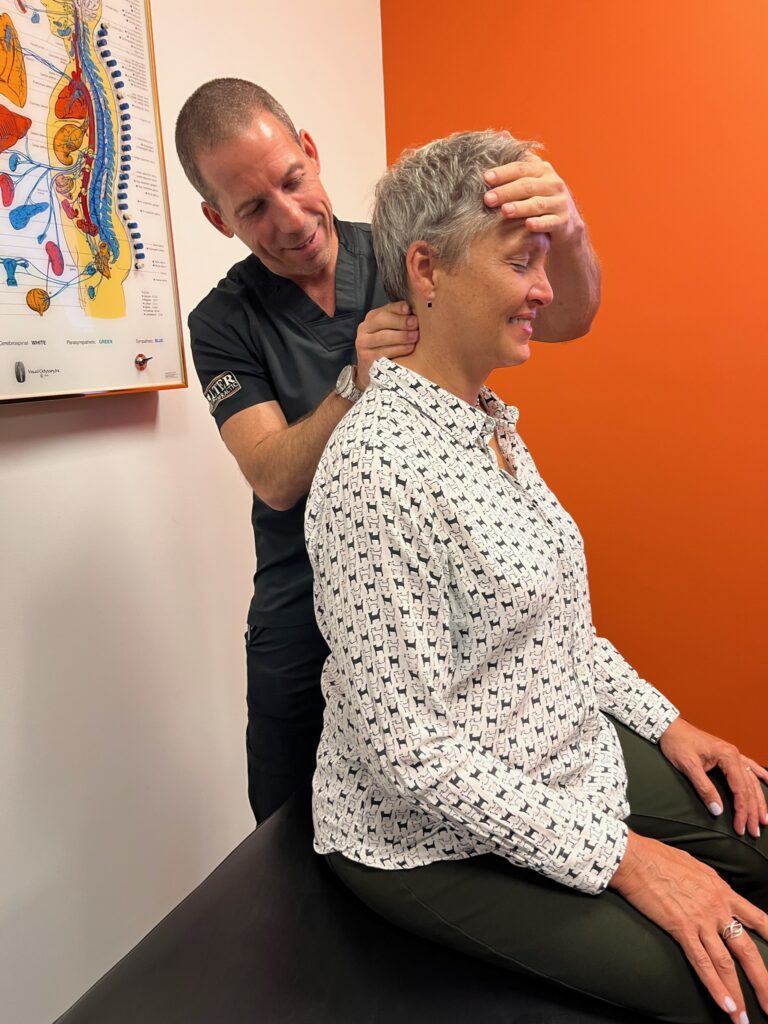

You might not realize it, but muscle tension can sneak into your daily life, leading to discomfort and even pain. As a chiropractor, I want to emphasize that stretching is a simple yet powerful tool to help you combat this issue naturally. By incorporating safe stretching techniques into your routine, you can improve your flexibility and promote relaxation, which are essential for overall wellness.
However, to ensure you stretch safely and effectively, it’s important to be aware of best practices. Here are some tips to help you stretch without risking injury:
- Warm Up First: Before you dive into stretching, take a few minutes to warm up your muscles. A gentle walk or some light movements can increase blood flow and prepare your body.
- Listen to Your Body: Pay attention to how your body feels during stretches. If you experience any pain, ease off. Stretching should feel good, not painful.
- Hold, Don’t Bounce: When stretching, hold each position for about 15-30 seconds. Avoid bouncing or jerking movements, as these can lead to injury.
- Focus on Major Muscle Groups: Target areas that often hold tension, such as your neck, shoulders, back, and hips. Regularly stretching these areas can prevent tightness and discomfort.
- Breathe Deeply: Breathing deeply while you stretch helps relax your muscles and enhances the effectiveness of the stretch. Inhale through your nose and exhale through your mouth.
- Make It a Habit: Incorporate stretching into your daily routine. Just a few minutes each day can make a big difference in how you feel.
While stretching is beneficial, it’s important to recognize that chiropractic care can provide even greater support for your journey to wellness. Regular adjustments can help align your spine, reduce muscle tension, and enhance your overall health. If you’re struggling with pain or discomfort, consider reaching out to a chiropractor for personalized care that prioritizes natural healing.
Remember, your path to optimal health is about making small, consistent changes. Embrace stretching as part of your wellness journey, and don’t hesitate to seek chiropractic care for comprehensive support. Together, we can help you achieve a pain-free, healthier lifestyle!
Understanding Muscle Tension and Its Causes
When you experience muscle tension, it’s often your body’s way of signaling that something isn’t quite right. This tightness can arise from various factors, including stress, injury, or overexertion, and can occur in any muscle group, leading to discomfort or pain.
Stressful situations can activate your body’s fight-or-flight response, which results in muscle tightness as your body prepares to react. Injuries from accidents or repetitive motions can also lead to muscle tension, as your muscles instinctively guard the affected area. Overexertion during physical activities, such as lifting weights or engaging in sports, can strain your muscles, resulting in tightness and discomfort.
As a chiropractor, I encourage you to listen to your body. Ignoring signs of muscle tension can lead to chronic pain or injuries down the line. Pay attention to when and where you feel this tension; understanding its causes can empower you to address it effectively.
Here are some simple tips to help manage muscle tension:
- Stay Active: Regular, gentle exercise can help keep your muscles flexible and strong. Activities like walking, swimming, or yoga can be beneficial.
- Practice Relaxation Techniques: Techniques such as deep breathing, meditation, or progressive muscle relaxation can help reduce stress and muscle tightness.
- Maintain Good Posture: Be mindful of your posture when sitting or standing. Ergonomic adjustments at your workstation can alleviate unnecessary strain on your muscles.
- Use Heat or Cold Therapy: Applying a warm compress or an ice pack to the affected area can provide relief from tension and discomfort.
- Schedule Regular Chiropractic Care: Chiropractic adjustments can help relieve muscle tension, improve your spinal alignment, and enhance overall wellness. Regular visits can keep your body functioning optimally and prevent tension from becoming a recurring issue.
By recognizing your muscle tension triggers and incorporating these strategies into your routine, you can manage your discomfort more effectively and promote a healthier, pain-free life.
The Importance of Stretching for Relief
Stretching is an essential practice for relieving muscle tension and enhancing flexibility, and it plays a significant role in supporting overall spinal health. As a chiropractor, I often emphasize the importance of integrating regular stretching into your daily routine. It not only helps improve circulation and increases your range of motion but also aids in preventing injuries and alleviating discomfort from everyday activities.
By dedicating just a few minutes each day to stretch, you’re providing your muscles with the necessary care to recover and function optimally. This practice helps to release tightness, promotes relaxation, and serves as a natural way to combat stress. Remember, a relaxed body is a healthier body!
Additionally, stretching can contribute to better posture, which is crucial for reducing pain in your back and neck. Whether you find yourself sitting at a desk for long hours or engaging in physical activities, being aware of your body’s needs is vital. Incorporating simple stretches can help maintain the alignment of your spine and improve your overall well-being.
Here are a few easy stretches you can try at home:
- Neck Rolls: Slowly roll your head from side to side to relieve tension in your neck.
- Shoulder Shrugs: Raise your shoulders towards your ears and then relax them down to release shoulder tension.
- Chest Opener: Clasp your hands behind your back and gently pull your shoulders back to open up your chest.
- Hamstring Stretch: While seated, extend one leg out and reach towards your toes to stretch the back of your thigh.
Make stretching a priority in your daily life, and you’ll experience the benefits of reduced tension and increased flexibility.
Safe Stretching Techniques to Prevent Cricks
To prevent cricks and strains during stretching, it’s essential to adopt safe techniques that protect your muscles and joints while promoting overall wellness. As a chiropractor, I recommend beginning with a gentle warm-up through light activity for about five to ten minutes. This simple step increases blood flow and prepares your muscles for effective stretching, enhancing your overall flexibility.
When you stretch, remember to move gently and slowly—never force your body into uncomfortable positions. Holding each stretch for 15 to 30 seconds while taking deep breaths can greatly enhance relaxation and help you connect with your body. Listen to what your body is telling you; if you experience any pain, ease off the stretch.
It’s also important to ensure you stretch both sides of your body equally to maintain balance and prevent imbalances that could lead to discomfort or injury. Avoid bouncing or making jerky movements, as these can lead to strains. Instead, focus on controlled, smooth transitions into each stretch.
Staying hydrated is another key factor in maintaining muscle health and flexibility. Regular hydration supports overall function and recovery.
Incorporating stretching into your routine consistently won’t only improve your flexibility but also complement chiropractic care, which aims to align your spine and promote natural healing.
Key Muscle Groups to Target With Stretching
Focusing on key muscle groups during your stretching routine is essential for enhancing flexibility and reducing the risk of injury, and as a chiropractor, I can’t emphasize enough how this practice complements your overall wellness.
Start your routine with your hamstrings; tightness in this area can lead to discomfort in your lower back, which is where many of my patients experience pain. By stretching your hamstrings, you can ease tension and support your spine’s health.
Next, don’t overlook your quadriceps. These muscles are crucial for knee stability, and keeping them flexible can help prevent injuries that might require more intensive treatments.
Incorporating stretches for your hip flexors is also vital—especially for those of you who find yourselves sitting for long periods. Stretching these muscles can relieve tension and enhance your range of motion, which is key to a healthy, active lifestyle.
Your shoulders and chest are just as important. Regularly stretching these areas can counteract the negative effects of hunching over desks and screens. Many of my patients find that by improving their posture through stretching, they experience less discomfort and more freedom of movement.
Finally, pay attention to your lower back. Gentle twists and bends can relieve tightness and promote spinal health, which is essential for overall wellness.
Remember, chiropractic care works hand-in-hand with these stretching techniques. By focusing on these key muscle groups and incorporating regular chiropractic adjustments into your routine, you’ll build a solid foundation for flexibility and mobility, helping your body feel more balanced and less prone to injury.
Prioritizing your spinal health through these practices is a natural path to achieving optimal wellness.
Incorporating Stretching Into Your Daily Routine
Incorporating stretching into your daily routine is a fantastic way to promote overall health and wellness, especially when it comes to spinal health. Starting your morning with a few simple stretches not only awakens your muscles but also helps align your spine, setting a positive tone for your day. Stretching can significantly improve your mood and flexibility, which is essential for maintaining proper posture throughout the day.
As a chiropractor, I encourage you to integrate stretching techniques into your workday as well. Taking short breaks to stretch can help relieve tension that builds up in your back and neck, ultimately enhancing your focus and productivity. Remember, a well-aligned spine is crucial for your body’s overall function, and regular stretching can play a vital role in achieving that.
Here are a few easy stretching tips to get you started:
- Neck Stretches: Gently tilt your head to one side, bringing your ear toward your shoulder. Hold for 15-30 seconds on each side to relieve tension.
- Shoulder Rolls: Roll your shoulders forward and backward in a circular motion to release tightness.
- Torso Twists: While seated, twist your upper body to one side, holding onto the chair for support. This helps promote spinal mobility.
- Hamstring Stretch: Stand up and reach for your toes, keeping your legs straight. This helps stretch the lower back and hamstrings.
- Child’s Pose: If you’re at home, take a moment to get into Child’s Pose to gently stretch your spine and relax.
Remember, the goal of stretching isn’t just to relieve discomfort but also to promote a healthy spine and overall well-being. Incorporating these stretches into your daily routine can enhance your chiropractic care and contribute to a healthier, pain-free lifestyle.
Always listen to your body and consult with your chiropractor for personalized advice on how to best support your spinal health.
Morning Stretch Benefits
When you wake up and take a few moments to stretch your body, you’re not just relieving stiffness; you’re also setting a positive tone for your day. Morning stretches enhance blood circulation, waking up your muscles and joints, which can significantly boost your energy levels. This helps you feel more alert and focused, making it easier to tackle the day’s challenges.
Incorporating morning stretches into your routine can also improve your flexibility and range of motion, which is essential for preventing injuries in daily activities. As a chiropractor, I can tell you that maintaining a healthy spine and musculoskeletal system is crucial for overall wellness. Stretching can be a simple yet effective way to support your spinal health.
Additionally, taking just a few minutes to stretch can elevate your mood by releasing endorphins, the body’s natural stress relievers. This can help combat feelings of anxiety and set a more positive outlook for your day.
By making stretching a part of your morning routine, you’re not only fostering a sense of accomplishment but also creating a healthy habit that encourages you to prioritize your well-being.
Remember, chiropractic care is a natural and effective way to achieve optimal health and relieve pain. By incorporating simple stretches into your morning, you can support your body and enhance the benefits of regular chiropractic adjustments.
Start your day off right with a few gentle stretches, and feel the difference it makes in your overall health!
Stretching Techniques at Work
As your workday progresses, it’s essential to prioritize your physical and mental well-being, and simple stretching can play a vital role in achieving that balance. By incorporating these stretches into your routine, you can enhance your spinal health and overall wellness without the need for invasive procedures or medications.
Start with gentle neck rolls to alleviate tension in your cervical spine, helping to maintain proper alignment. Next, try shoulder shrugs to release any built-up stress in your upper back.
Standing up for a hamstring stretch by leaning forward with straight legs can help improve your posture and flexibility, promoting a healthy spine.
Don’t overlook the importance of wrist stretches, especially after long hours of typing. Flexing and extending your wrists can relieve strain and prevent discomfort. A seated twist is another excellent way to relieve lower back tension, promoting better spinal mobility.
To keep yourself accountable, set a timer to remind you to stretch every hour. This simple practice can help maintain your energy levels and sharpen your focus, allowing you to stay productive throughout the day.
Remember, regular stretching not only supports your body’s natural healing processes but also helps create a healthier work environment.
While these stretches are beneficial, consider complementing them with chiropractic care. A chiropractor can provide personalized guidance on maintaining spinal health and addressing any underlying issues that may arise from prolonged sitting or poor posture.
Embracing chiropractic care as part of your wellness routine can lead to long-lasting pain relief and overall well-being. Your body deserves the best care, and chiropractic is a natural choice for optimal health!
Stretching Exercises for Desk Workers
As a chiropractor, I understand the challenges that desk workers face after spending long hours in the same position. This can lead to stiffness and discomfort, which can be alleviated through simple stretching exercises integrated into your daily routine.
Start with neck rolls to ease tension in your neck. Gently drop your chin to your chest and roll your head from side to side. This movement can help improve spinal flexibility and reduce strain.
Next, practice shoulder shrugs. Raise your shoulders towards your ears, hold for a moment, and then release. This exercise can relieve upper body tension and promote better posture.
For your back, try seated twists. While sitting, place one hand on the back of your chair and gently twist your torso to the side, holding for several breaths. This stretch can help maintain spinal alignment and improve mobility.
Finally, for your legs, stand up and reach for your toes while keeping your knees slightly bent. This stretch promotes circulation and can alleviate lower back discomfort.
Incorporating these quick stretches into your day can significantly enhance your comfort and productivity. Remember, taking just a few moments to stretch not only helps you feel better but also supports your overall spinal health.
Regular chiropractic care can also play a vital role in achieving and maintaining optimal health. It’s a natural approach to pain relief and wellness that can help you thrive in your daily activities. Always listen to your body and prioritize your well-being at your desk!
The Role of Breathing in Stretching for Relaxation
Breathing plays a vital role in enhancing your stretching routine and promoting relaxation, especially when it comes to supporting your overall health and wellness. As a chiropractor, I want to emphasize how mindful breathing can help you connect with your body and improve your spinal health.
Here are some important ways that focusing on your breath can enhance your stretching experience and contribute to a healthier lifestyle:
- Increases oxygen flow: When you practice deep, rhythmic breathing, you ensure that your muscles and tissues receive the oxygen they need to function optimally. This improved oxygen flow can enhance flexibility and reduce tension, which is crucial for maintaining a healthy spine.
- Calms the mind: Concentrating on your breath can help quiet racing thoughts and bring you into a state of mindfulness. This mental clarity is essential for an effective stretching session, allowing you to focus on your body’s movements and alignment, which is key to preventing injury.
- Enhances muscle relaxation: Coordinating your breath with your stretches sends signals to your body to release tightness. This is especially important for those with chronic pain or tension, as it makes it easier to achieve a deeper stretch and promotes better spinal alignment.
Incorporating conscious breathing into your routine not only boosts relaxation but also improves the overall effectiveness of your stretches. This practice can complement your chiropractic care, helping you achieve optimal health naturally.
So, next time you stretch, take a moment to focus on your breath. Not only will you feel the benefits in your body, but you’ll also be taking a proactive step towards a healthier, pain-free life.
Tips for Maintaining Flexibility Over Time
To maintain flexibility over time and support your overall spinal health, it’s important to establish a consistent stretching routine that fits easily into your daily life. Aim to stretch for at least 10-15 minutes, three to five times a week. Find a time that suits you best, whether that’s in the morning to start your day, during a lunch break to refresh, or before bed to wind down.
Incorporate a variety of stretches that target different muscle groups to ensure balanced flexibility. Dynamic stretches are excellent for warming up your muscles, while static stretches can help improve flexibility after your daily activities. Always pay attention to how your body feels; if a stretch is too intense, ease off a bit to avoid any strain.
Consider integrating flexibility practices like yoga or Pilates into your routine. These activities not only enhance flexibility but also promote relaxation and mindfulness, which can be beneficial for your overall well-being.
Additionally, staying hydrated and maintaining a healthy diet is crucial, as proper nutrition supports muscle recovery and flexibility.
Remember, chiropractic care is a wonderful complement to your flexibility routine. Regular visits to a chiropractor can help alleviate tension, improve your range of motion, and enhance your body’s natural ability to heal itself.
Common Stretching Mistakes to Avoid
When you stretch, it’s easy to make mistakes that can lead to discomfort or even injury. As a chiropractor, I want to help you avoid these common pitfalls and ensure you stretch safely and effectively, promoting your overall health and wellness. Here are some key mistakes to watch out for:
- Stretching Too Far: It’s important to listen to your body. Pushing yourself too far can lead to strains and sprains. Aim for a gentle stretch – you should feel tension but not pain. If you’re unsure of your limits, consulting with a chiropractor can provide you with personalized guidance.
- Skipping Your Warm-Up: Just like any physical activity, stretching is more effective when your muscles are warm. Take a few minutes to engage in light activity, like walking or gentle movements, to increase blood flow to your muscles before stretching. This can help prevent injuries and improve flexibility.
- Forgetting to Cool Down: After stretching or any form of exercise, it’s crucial to cool down. This helps your body transition back to its resting state and can reduce soreness. A few gentle stretches or relaxation techniques can be beneficial.
- Rushing Through Stretches: Take your time while stretching. Holding each stretch for at least 15-30 seconds allows your muscles to relax and lengthen. This is particularly important for maintaining spinal health, as flexibility in your muscles supports proper alignment.
- Neglecting Your Breathing: Proper breathing can enhance your stretching routine. Inhale deeply as you prepare to stretch, and exhale as you move into the stretch. This not only helps you relax but also allows your body to receive more oxygen, improving the effectiveness of your stretch.
Remember, if you’re experiencing pain or discomfort, it’s always best to consult a chiropractor. We can help assess your condition and provide tailored recommendations to ensure you’re on the path to optimal health and natural wellness.
Stretching should feel good and be part of a holistic approach to caring for your body. Incorporating these tips can promote a healthier lifestyle and support your overall well-being.
Overstretching Your Limits
Many individuals may not realize that they’re inadvertently pushing their bodies beyond safe limits while stretching, which can lead to injuries instead of providing the relief they seek. Understanding the signs of overstretching is crucial for maintaining a safe practice and achieving optimal health.
Here are some common mistakes to avoid, along with tips on how chiropractic care can support your wellness journey:
- Forcing a stretch: It’s tempting to push your body into positions that feel challenging, but this can lead to muscle tears and discomfort. Instead, focus on gentle stretches that promote flexibility without pain. Remember, chiropractic care can help improve your body’s alignment and flexibility, making it easier to stretch safely.
- Holding your breath: Breathing deeply is essential during stretching. It helps your muscles relax and enhances your flexibility. If you’re unsure how to breathe while stretching, a chiropractor can provide guidance on techniques that maximize your stretch and overall wellbeing.
- Neglecting body signals: Your body often sends signals when something isn’t right. If you experience sharp pain, it’s a clear indication to stop. Chiropractic care can help you understand these signals better and develop a personalized plan to improve your body’s function and health.
Incorporating these tips into your stretching routine, along with regular chiropractic adjustments, can help you achieve better flexibility and reduce the risk of injury.
Embracing a holistic approach to health allows you to experience natural healing, paving the way for a healthier, more active life.
Ignoring Proper Warm-Up
Neglecting a proper warm-up can significantly heighten your risk of injury during stretching, which is why I emphasize its importance in my chiropractic practice. Jumping straight into stretches without adequately preparing your muscles is akin to setting yourself up for discomfort.
Your body needs to gradually increase blood flow and muscle temperature to stretch safely and effectively.
To get started, engage in light aerobic activities such as brisk walking or jogging in place for about five to ten minutes. This simple step primes your muscles and joints, making them more flexible and less susceptible to strains.
Once you’ve warmed up, you’ll discover that achieving deeper stretches becomes easier and more comfortable.
Remember, dedicating just a few minutes to warming up not only helps prevent injuries but also enhances your overall flexibility and performance. This makes your stretching routine more effective, allowing you to maintain a healthy spine and body.
Embracing these practices is part of a natural approach to wellness that chiropractic care supports. By ensuring your body is prepared, you can enjoy the benefits of stretching while promoting a pain-free, healthier lifestyle.
Skipping Cool Down
A common mistake people make when it comes to stretching routines is skipping the cool down. This oversight can lead to tightness and fatigue in your muscles. As a chiropractor, I want to emphasize the importance of cooling down after your workout for effective muscle recovery and enhanced flexibility.
A proper cool down helps your body transition back to a resting state and can significantly reduce the risk of injury, which is essential for maintaining a healthy spine and overall well-being.
Here are three compelling reasons to include a cool down in your routine:
- Improves circulation: Gradually lowering your heart rate after exercise promotes better blood flow. This is crucial for delivering nutrients to your muscles and aiding in recovery.
- Reduces muscle soreness: Gentle stretching during the cool down helps alleviate tension and stiffness. This not only feels good but can prevent discomfort that may arise later.
- Enhances flexibility: Consistent cool downs contribute to improved range of motion over time. This is particularly beneficial for spinal health, as flexibility in the muscles surrounding the spine can help prevent misalignments.
Incorporating a cool down into your routine is a simple yet effective way to support your body’s natural healing processes and improve your overall health.
Remember, chiropractic care can further enhance your wellness journey by addressing any underlying issues and promoting a balanced, pain-free lifestyle.
Make it a habit to cool down for safer, more effective stretching outcomes, and consider regular chiropractic adjustments to optimize your health even further.
Creating a Personalized Stretching Plan for You
Creating a personalized stretching plan is a fantastic way to improve your flexibility, reduce the risk of injury, and enhance your overall well-being. As a chiropractor, I believe that incorporating stretching into your routine can be a key element of natural healing and maintaining a healthy spine.
Start by assessing your current flexibility. Identify areas where you feel tight or restricted, as these may be contributing to discomfort or pain. Focus on static stretches for major muscle groups, like the hamstrings and quadriceps, as well as dynamic stretches that mimic the movements you perform in your daily activities.
Aim to stretch at least three times a week, ideally after your workouts when your muscles are warmed up. Each session should last around 15-30 minutes. It’s important to listen to your body—if a stretch feels painful, ease up or modify it to suit your comfort level.
In addition to stretching, consider adding foam rolling or self-myofascial release techniques to your routine. These methods can help target tight spots and promote better blood flow, further supporting your spinal health and overall wellness.
As you progress, track your improvements and adjust your stretching plan as needed to keep challenging yourself. Consistency is key; by being mindful and dedicated to this routine, you can foster a lifestyle that enhances your agility and strength while promoting natural healing.
Conclusion
Incorporating stretching into your daily routine can significantly enhance your overall well-being and help prevent those annoying cricks that often lead to discomfort. As a chiropractor, I want to emphasize the importance of safe stretching techniques that complement your spinal health. By focusing on key muscle groups, you can promote flexibility and relaxation, which are essential for a healthy spine.
Remember to breathe deeply as you stretch. This not only helps relax your muscles but also encourages better oxygen flow to your body, enhancing your overall wellness. Avoid common stretching mistakes, such as bouncing or overstretching, which can lead to injury. Instead, aim for gentle, sustained stretches that respect your body’s limits.
Make stretching a regular part of your daily routine, alongside your chiropractic care, for lasting relief and improved posture. And don’t forget, a healthy spine is the foundation of a healthy life. If you experience persistent pain or discomfort, consider visiting your chiropractor to explore natural healing options tailored to your needs. Together, we can work towards achieving optimal health and well-being!