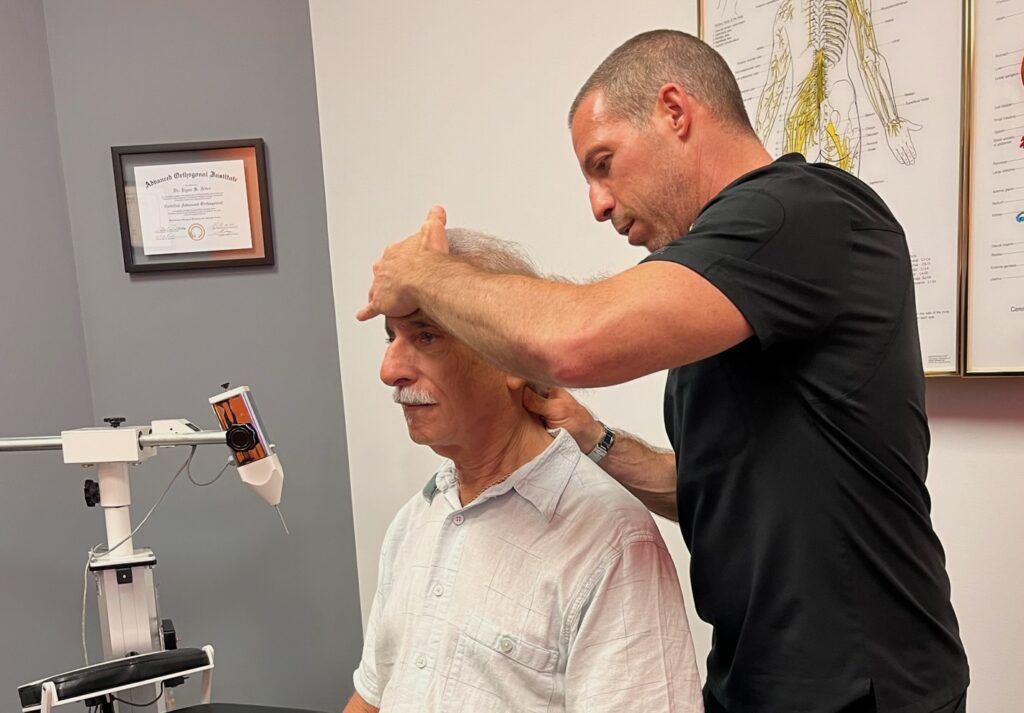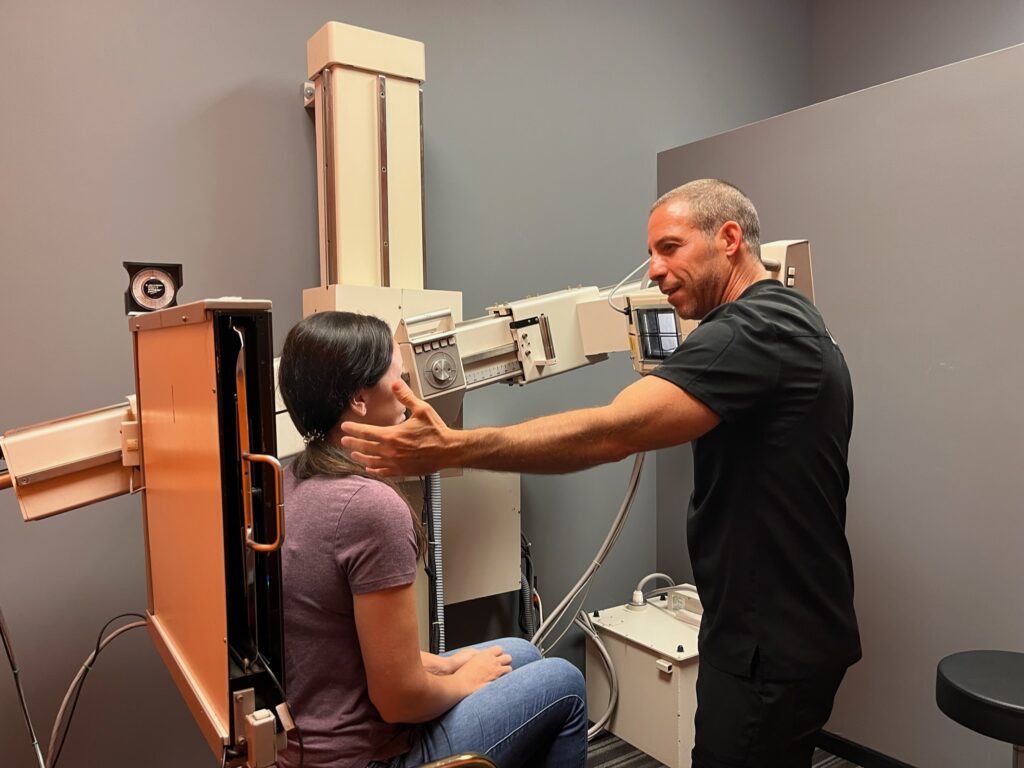

If you’ve ever felt the nagging pain of a tension headache, you know how disruptive it can be to your daily life. As a local chiropractor, I want to share with you some effective techniques for finding relief that also support your overall spinal health and wellness. From simple breathing exercises to making ergonomic adjustments in your workspace, these strategies can help ease your discomfort and promote a healthier lifestyle.
Chiropractic care is a fantastic way to address the underlying issues that may contribute to tension headaches. By focusing on spinal alignment and overall wellness, we can work together to reduce your headache frequency and intensity. Incorporating regular chiropractic adjustments into your routine can help keep your spine healthy and alleviate tension in your neck and shoulders.
Here are a few tips you can easily integrate into your daily routine for relief:
- Practice Deep Breathing: Take a few moments each day to engage in deep breathing exercises. This can help reduce stress, which is often a trigger for tension headaches.
- Ergonomic Workspace: Ensure your workstation is set up correctly. Your chair should support your lower back, and your computer screen should be at eye level to prevent straining your neck.
- Stay Hydrated: Dehydration can contribute to headaches, so make sure you’re drinking enough water throughout the day.
- Regular Movement: Incorporate gentle stretches or short walks into your day to relieve tension in your muscles and improve circulation.
- Mindfulness and Relaxation Techniques: Consider practicing mindfulness, meditation, or yoga to help manage stress and promote relaxation.
- Ice or Heat Therapy: Applying a cold pack or heat pad to your neck and shoulders can help ease tight muscles and reduce pain.
- Get Regular Adjustments: Regular chiropractic adjustments can help maintain proper spinal alignment and reduce the frequency of tension headaches.
By integrating these strategies into your lifestyle, you can take proactive steps towards reclaiming your comfort and well-being. Remember, when it comes to achieving optimal health and natural wellness, chiropractic care is a powerful ally. If you’d like to learn more about how chiropractic can help you, don’t hesitate to reach out!
Key Takeaways
- Engage in deep breathing exercises to help your body relax and ease the discomfort linked to tension headaches. This natural approach can significantly enhance your well-being.
- Ensure you maintain proper posture and ergonomics while working. This simple adjustment can help minimize muscle strain and tension, reducing the likelihood of headaches.
- Stay well-hydrated by drinking plenty of water throughout the day. Proper hydration supports muscle function and can alleviate tension, leading to fewer headaches.
- Regular chiropractic care is an excellent way to address spinal misalignments and alleviate the tight muscles that can contribute to headaches. A chiropractor can tailor treatment to your specific needs, promoting natural healing and overall wellness.
- Establishing a consistent sleep routine in a calming environment can greatly improve sleep quality. Good sleep is crucial for your body’s healing processes and overall health.
Remember, chiropractic care offers a holistic approach to wellness and pain relief, helping you achieve optimal health naturally.
Practice Deep Breathing Techniques
When you feel a tension headache approaching, incorporating deep breathing techniques can be a beneficial way to alleviate discomfort. As a chiropractor, I often emphasize the importance of holistic approaches to wellness, and deep breathing is a simple yet effective practice you can do anywhere.
Begin by finding a quiet space where you can comfortably relax. Whether you choose to sit or lie down, make sure you’re in a position that feels good for your body. Close your eyes gently to help minimize distractions.
Take a deep breath in through your nose, allowing your abdomen to rise as you fill your lungs. Count to four as you breathe in, then pause for a moment to hold that breath.
Now, exhale slowly through your mouth for a count of six, visualizing all tension leaving your body with your breath. Repeat this cycle for several minutes, focusing your mind on the sensation of your breath and allowing any stressful thoughts to drift away.
With each breath, you may notice your heart rate slowing and your muscles becoming more relaxed. This simple technique not only helps reduce stress but also aids in calming the mind, providing you with immediate relief.
As you incorporate deep breathing into your daily routine, you’ll build resilience against future tension headaches. Remember, while deep breathing can be a powerful tool for managing discomfort, regular chiropractic care is essential for maintaining spinal health and overall well-being.
By aligning your spine and reducing tension in your body, chiropractic adjustments can help prevent tension headaches from occurring in the first place.
Maintain Good Posture
Maintaining good posture is crucial for preventing tension headaches, as poor alignment can lead to unnecessary muscle strain and discomfort. As a chiropractor, I encourage you to pay attention to your posture whether you’re sitting or standing. Keep your shoulders back and your head aligned over your spine. This simple adjustment helps distribute weight evenly and reduces pressure on your neck and back muscles, ultimately supporting your overall wellness.
If you find yourself spending long hours at a desk, it’s important to create an ergonomic workspace. Choose a chair that offers support for your lower back, and ensure your computer screen is at eye level to prevent straining your neck. These adjustments can make a significant difference in how you feel throughout the day.
Don’t forget to take regular breaks to stretch and change your position. Making it a habit to check in with your posture can be incredibly beneficial. Consider setting reminders on your phone or using apps to help you stay mindful of your alignment.
By prioritizing good posture and incorporating these tips into your daily routine, you reduce the risk of tension headaches and improve your overall comfort and productivity.
As a chiropractor, I can help you achieve optimal health through natural healing and spinal education. Chiropractic care is an effective way to address pain and enhance well-being without the need for surgeries or medications.
Stay Hydrated
Staying properly hydrated is crucial for overall health and can significantly help in preventing tension headaches. When your body doesn’t get enough water, it can lead to signs of dehydration, such as fatigue or dizziness, which can further exacerbate discomfort in your neck and back.
As a chiropractor, I understand the importance of maintaining optimal spinal health, and hydration plays a vital role in that.
To support your wellness journey, keep a water bottle with you throughout the day. This simple habit can ensure you’re consuming enough fluids, which not only helps prevent headaches but also supports the health of your spinal discs. These discs rely on hydration to maintain their cushioning properties, preventing unnecessary strain on your spine.
In addition to staying hydrated, consider incorporating regular chiropractic adjustments into your routine. They can help align your spine and improve your overall body function, reducing tension and discomfort.
Importance of Water Intake
Hydration is a vital component in maintaining overall health and can play a significant role in preventing tension headaches. Even mild dehydration can lead to discomfort and pain, making it essential to drink enough water throughout your day. When you stay well-hydrated, your body functions more effectively, and this includes improved blood circulation. Proper circulation helps deliver necessary nutrients to your brain while flushing out toxins, which can significantly reduce the likelihood of headaches.
Moreover, being well-hydrated supports muscle function, which is particularly important for alleviating tension in the neck and shoulders—common areas where tension headaches often originate. By ensuring your body has adequate water, you can help reduce the stiffness and discomfort that may lead to headaches.
As a chiropractor, I recommend carrying a water bottle with you and setting reminders if needed to encourage consistent sipping throughout the day. This simple habit can make a big difference in your overall well-being. Remember, your body needs water to thrive, so prioritize your water intake.
In addition to staying hydrated, consider incorporating regular chiropractic care into your wellness routine. Chiropractic adjustments can help relieve tension in the muscles and joints, further supporting your body’s natural ability to heal and function optimally.
Signs of Dehydration
Recognizing the signs of dehydration is crucial for your overall health and wellness, especially when it comes to preventing discomfort like tension headaches. Staying mindful of how your body feels can lead to better hydration habits. Here are some common symptoms of dehydration and what you can do about them:
| Symptom | Description | Action Needed |
|---|---|---|
| Thirst | A strong urge to drink water | Hydrate right away with water or herbal teas. |
| Dry mouth | A lack of moisture in your mouth | Drink fluids slowly throughout the day. |
| Fatigue | Feeling unusually tired | Take breaks, rest, and make sure to drink enough water. |
| Dark urine | Urine color darker than usual | Increase your water intake to restore hydration. |
By paying attention to these signals, you can prioritize hydration and help keep those headaches—and other discomforts—at bay. Remember, water is vital for your body, and optimal hydration supports not just your overall health but also your spinal health.
Chiropractic care can enhance your body’s natural healing processes, allowing it to function at its best. When your body is well-hydrated, it supports proper spinal alignment and nerve function, contributing to your overall wellness.
Apply Cold or Warm Compresses
Tension headaches can be quite uncomfortable, but there are natural ways to find relief that support overall wellness and complement chiropractic care. One effective method is the application of cold or warm compresses, which can help alleviate pain and promote relaxation.
To start, consider using a cold compress. A simple option is to take a bag of ice wrapped in a cloth and place it on your forehead or the back of your neck for about 15-20 minutes. The cold sensation helps numb the pain and reduce inflammation, providing immediate relief.
On the other hand, if you prefer warmth, a warm compress can also be beneficial. You might use a warm towel or a heating pad on your neck and shoulders. The gentle warmth relaxes tense muscles, increases blood flow, and can significantly ease your headache.
It’s important to experiment with both methods to discover which one works best for you. Remember to give your skin a break between applications to prevent irritation.
In addition to these compress techniques, incorporating regular chiropractic adjustments into your routine can address the underlying issues contributing to tension headaches, such as spinal misalignments and muscle tension.
By working with a chiropractor, you can enhance your overall health and wellness, and find lasting relief from headaches.
Always listen to your body and prioritize self-care. By adding these simple practices to your daily routine, you can effectively manage tension headaches and promote a more comfortable, healthier lifestyle.
Incorporate Regular Stretching Exercises
Incorporating regular stretching exercises into your daily routine can significantly alleviate tension headaches. As a chiropractor, I’ve seen firsthand how stretching can enhance circulation and ease muscle tightness, which are crucial for managing pain effectively.
By integrating simple stretching techniques, you not only promote relaxation but also support your overall spinal health.
Here are some easy-to-follow stretching exercises that you can include in your day-to-day life:
- Neck Stretches: Gently tilt your head to one side, bringing your ear towards your shoulder. Hold for about 15-30 seconds and switch sides. This helps relieve tension in the neck muscles that can contribute to headaches.
- Shoulder Rolls: Sit or stand comfortably and roll your shoulders forward in a circular motion, then reverse the direction. This helps release tightness in the shoulders and upper back.
- Upper Back Stretch: Interlace your fingers and stretch your arms out in front of you, rounding your upper back. Hold this position for 15-30 seconds to relieve tension in the upper spine.
- Chest Opener: Stand tall and clasp your hands behind your back, gently pulling your shoulders back and down. This stretch opens up the chest area and counteracts the forward posture many of us adopt while sitting.
- Forward Bend: While standing, slowly bend forward at the hips, letting your upper body hang. This can release tension in the lower back and neck.
Remember, practicing these stretches regularly can’t only help manage headaches but also promote a healthier spine and overall well-being.
In addition to stretching, consider incorporating chiropractic care into your routine, as it provides a holistic approach to pain relief and enhances your body’s natural healing abilities.
Benefits of Stretching
Stretching regularly can be a transformative practice when it comes to relieving tension headaches, and it complements the benefits of chiropractic care beautifully. By promoting relaxation and reducing muscle tightness, stretching can play a significant role in managing headache pain. When you engage in stretching, you increase blood flow to your muscles, which helps alleviate discomfort and brings essential nutrients to your tissues, aiding in recovery.
In addition to providing immediate relief, stretching encourages better posture, which is crucial for reducing strain on your neck and shoulders—two common headache triggers. As a chiropractor, I often see how poor posture contributes to headaches, and incorporating stretching into your daily routine can help counteract this.
To enhance your overall well-being, consider making stretching a priority alongside your chiropractic adjustments. You’ll not only improve your physical flexibility but also promote better mental clarity and reduce stress. Feeling more centered and less overwhelmed can empower you to tackle your day with greater ease.
Here are a few simple stretching tips you can incorporate into your routine:
- Neck Rolls: Gently roll your neck in a circular motion to relieve tension. Do this slowly and listen to your body.
- Shoulder Shrugs: Lift your shoulders up towards your ears and then relax them down. Repeat several times to release tightness in the shoulder area.
- Chest Opener: Stand up straight, clasp your hands behind your back, and gently pull your shoulders back while lifting your chest. This helps counteract the effects of slouching.
- Seated Forward Bend: While sitting, reach for your toes, letting your back relax. This can help stretch your spine and hamstrings, promoting overall relaxation.
- Daily Routine: Set aside just a few minutes each day for stretching, ideally at the same time you schedule your chiropractic visits. Consistency is key!
Recommended Stretching Techniques
Incorporating specific stretching techniques into your daily routine can be a powerful way to help manage tension headaches and promote overall wellness. As a chiropractor, I believe that understanding how to care for your body naturally can lead to optimal health without the need for invasive procedures or medications.
Start with some simple neck stretches: gently tilt your head toward one shoulder and hold for 15 seconds, then switch to the other side. This helps relieve tension in your neck, which is often a contributor to headaches. For your shoulders, try rolling them forward and backward in a smooth, controlled motion; this can release tightness and improve circulation.
Next, consider a seated forward bend. While sitting, reach for your toes to stretch your back and hamstrings. This position not only helps alleviate tension but also encourages proper spinal alignment. Don’t forget about your upper back; clasp your hands together and push them forward while rounding your shoulders to create a gentle stretch.
Incorporating deep breathing while you stretch is essential for promoting relaxation. Take slow, deep breaths to help calm your mind and body. Aim to perform these stretches several times a day, especially when you notice tension beginning to build. By doing so, you may find that you feel more relaxed and notice a reduction in the frequency of your headaches.
Remember, chiropractic care is a holistic approach that focuses on the spine and nervous system, and regular adjustments can also play a crucial role in reducing headache symptoms.
Explore Aromatherapy
While you may not typically associate scents with pain relief, aromatherapy can be an effective complementary approach for managing tension headaches. Although chiropractic care is the primary method I recommend for addressing pain and promoting overall wellness, incorporating essential oils into your routine can enhance your relaxation and well-being. Here’s a quick guide to some essential oils that can help ease tension:
| Essential Oil | Benefits | How to Use |
|---|---|---|
| Lavender | Helps reduce stress and tension | Diffuse in your living space or inhale directly from the bottle. |
| Peppermint | Relieves muscle tension | Mix diluted oil with a carrier oil and gently massage onto your temples. |
| Eucalyptus | Supports sinus health and promotes relaxation | Add to a warm bath or inhale during steam therapy. |
To maximize the benefits, consider using an essential oil diffuser in your home to create a calming environment. You can also inhale the oils directly for quick relief. If you opt for topical application, mixing a few drops of essential oil with a carrier oil, like coconut or jojoba, can enhance absorption and minimize skin irritation.
Manage Stress Through Mindfulness
Incorporating mindfulness into your daily routine can significantly aid in managing stress, which often leads to tension headaches. As a chiropractor, I believe that a calm mind is essential for overall health, especially for spinal wellness.
By practicing mindfulness, you enhance your awareness of thoughts and feelings, enabling you to respond to stressors more effectively. Here are three simple techniques to help you get started on your journey toward natural healing and optimal health:
- Deep Breathing: Take a few moments each day to focus on your breath. Inhale deeply through your nose, hold it for a few seconds, and exhale slowly through your mouth. This practice can help calm both your mind and body, reducing tension that might be affecting your spine.
- Body Scan: Find a comfortable position, either lying down or sitting, and mentally scan your body from head to toe. Pay attention to any areas of tension, particularly around your neck and back. Acknowledge these sensations without judgment, and then consciously relax those muscles. This can promote better spinal alignment and overall well-being.
- Mindful Walking: Spend some time walking slowly while paying attention to each step and the sensations in your feet. This practice not only grounds you in the present moment but also encourages proper posture and alignment, which are crucial for maintaining a healthy spine.
Incorporating these mindfulness techniques into your daily routine can enhance your chiropractic care and help you achieve a balanced and healthy lifestyle.
Get Adequate Sleep
Getting adequate sleep is crucial for managing tension headaches, and as your local chiropractor, I want to emphasize how vital a good night’s rest is for your overall health and wellness. Establishing a consistent sleep routine can significantly enhance your sleep quality, helping your body recover and rejuvenate.
Here are some simple tips to create a restful sleep environment:
- Set a Sleep Schedule: Try to go to bed and wake up at the same time every day. This helps regulate your body’s internal clock, making it easier to fall asleep and wake up feeling refreshed.
- Create a Calm Environment: Your bedroom should be a sanctuary. Keep it dark, quiet, and cool. Consider using blackout curtains and a white noise machine if needed.
- Limit Screen Time: Blue light from screens can interfere with your ability to fall asleep. Aim to disconnect from electronic devices at least an hour before bedtime to help your mind wind down.
- Consider Chiropractic Care: Regular chiropractic adjustments can help alleviate tension and stress in the spine, which may contribute to headaches. By ensuring your spine is aligned, you may experience improved sleep patterns and reduced discomfort.
By implementing these changes and considering chiropractic care, you can improve your sleep quality and, in turn, better manage your tension headaches.
Establish a Sleep Routine
Many people underestimate the power of a consistent sleep routine in alleviating tension headaches, and as a chiropractor, I understand how crucial this can be for your overall well-being.
Establishing a regular sleep schedule not only helps regulate your body’s internal clock but also supports spinal health, which is essential for reducing discomfort.
Here are three simple tips to help you create a sleep routine that can enhance your quality of rest and promote natural healing:
- Set a consistent bedtime and wake-up time: Aim to go to bed and wake up at the same time every day, even on weekends. This consistency reinforces your body’s natural rhythms, which is vital for maintaining a healthy spine and reducing tension in your neck and shoulders.
- Limit screen time before bed: Reducing exposure to screens at least an hour before sleep can significantly improve your sleep quality. The blue light emitted by devices can interfere with melatonin production, the hormone that regulates sleep. Instead, consider relaxing activities that promote spinal alignment, such as gentle stretching or yoga.
- Incorporate relaxation techniques: Engage in calming activities like reading a book or practicing deep breathing exercises before bed. These techniques help prepare your mind for restful sleep and can alleviate stress, which often contributes to tension headaches.
By following these steps, you can enhance your sleep quality and potentially reduce tension headaches.
Remember, chiropractic care can also play a vital role in your journey towards optimal health and wellness, helping to alleviate pain and improve your overall quality of life.
Prioritize your sleep and spinal health to support your body’s natural healing abilities!
Create a Restful Environment
Creating a restful environment is vital not only for achieving quality sleep but also for managing tension headaches effectively. As a chiropractor, I understand the connection between a serene sleeping space and overall well-being, including spinal health. Here are some simple tips to help you create a calming atmosphere that promotes natural healing and relaxation:
Start by ensuring your bedroom is dark, quiet, and cool. This can significantly reduce disturbances that affect both your sleep quality and your body’s recovery processes. Here are some easy ways to enhance your restful environment:
| Aspect | Tips |
|---|---|
| Lighting | Use soft, dim lights to create a calming ambiance. Consider switching off harsh overhead lights and opting for lamps with warm bulbs. |
| Temperature | Aim to keep your room between 60-67°F (15-19°C). A cooler temperature can help your body relax and fall asleep more easily. |
| Bedding | Invest in comfortable pillows and a supportive mattress. Proper spinal alignment during sleep is crucial for preventing discomfort and headaches. |
| Aroma | Incorporate soothing scents like lavender or chamomile. These natural aromas can promote relaxation and enhance your sleep experience. |
Limit Screen Time
A peaceful environment is crucial for a good night’s sleep, and one key aspect of achieving that is limiting screen time before bed, especially for those who suffer from tension headaches. The blue light from screens can interfere with your sleep cycle, making it harder to relax and unwind.
Here are some effective strategies to help you cut down on screen time and promote better sleep, which in turn can support your overall health and wellness:
- Set a Cut-off Time: Choose a specific hour each evening to put away your devices. This gives your mind the chance to unwind and prepares your body for restorative sleep, which is vital for spinal health and reducing pain.
- Create a Nightly Routine: Replace screen time with calming activities that promote relaxation, such as reading a book, practicing meditation, or enjoying a warm bath. These activities can help ease tension and contribute to a healthier spine.
- Use Blue Light Filters: If you need to use screens in the evening, consider utilizing apps or device settings that reduce blue light exposure. This can help minimize the impact on your sleep, making it easier for you to rest and rejuvenate, which is essential for overall wellness.
By adopting these habits, you can foster a more peaceful sleep environment, which is essential for maintaining optimal health and managing pain naturally.
Limit Caffeine and Alcohol Intake
While enjoying a cup of coffee or a glass of wine might seem like a nice treat, it’s important to be mindful of how much caffeine and alcohol you consume, especially if you experience tension headaches. As a chiropractor, I want to share how moderating these substances can contribute to your overall wellness and pain relief.
Caffeine may give you a quick boost, but if you’re used to having it regularly and suddenly cut back, you might experience withdrawal headaches. This can create a cycle that leads to more frequent headaches. To help manage this, consider limiting your caffeine to just one or two cups a day. This small change can help stabilize your energy levels and reduce headache occurrences.
Alcohol, on the other hand, can dehydrate you and disrupt your sleep, both of which commonly trigger headaches. If you find yourself reaching for that second cup of coffee or an evening drink, it might be a good time to reassess your intake.
Try alternating alcoholic beverages with water to stay hydrated, which can help fend off headaches and support your overall well-being.
By making these adjustments to your caffeine and alcohol consumption, you might find relief from tension headaches and improve your day-to-day comfort.
Seek Professional Massage Therapy
If you’ve reduced your caffeine and alcohol intake but still struggle with tension headaches, exploring chiropractic care may be the ideal next step for relief. A qualified chiropractor can assess your spine and overall musculoskeletal health, addressing the root causes of tension and discomfort.
Here are three key benefits of chiropractic care for tension headaches:
- Improved Spinal Alignment: Chiropractic adjustments help realign the spine, which can alleviate pressure on nerves and muscles. This can lead to a reduction in headaches as proper alignment promotes optimal function throughout your body.
- Muscle Tension Relief: Chiropractors often use techniques that relax tight muscles and release tension in the neck and shoulders. By addressing these areas, you can minimize the strain that often contributes to headache pain.
- Holistic Stress Management: Chiropractic care promotes a sense of well-being and relaxation, which can help lower stress levels. Since stress is a common trigger for tension headaches, finding ways to manage it is crucial for prevention.
Consider scheduling an appointment with a chiropractor to experience these benefits and take an important step toward alleviating your tension headaches naturally.
Additionally, remember to stay hydrated, practice good posture, and incorporate regular physical activity into your routine to support overall spinal health and wellness.
Conclusion
By incorporating these techniques into your daily routine, you can effectively manage and relieve tension headaches while promoting overall wellness. As a chiropractor, I emphasize the importance of spinal health in achieving optimal well-being. Start by practicing deep breathing exercises to relax your body and mind. Maintaining good posture not only supports your spine but can also alleviate tension that contributes to headaches.
Staying hydrated is crucial—dehydration can lead to increased headache frequency and intensity. Additionally, managing stress through mindfulness or relaxation techniques can help prevent tension from building up. Adequate sleep is essential for recovery and overall health, so prioritize rest.
Consider reducing your intake of caffeine and alcohol, as these can exacerbate headaches for some individuals. Professional chiropractic care can also be a game-changer; gentle adjustments can help realign your spine, relieve muscle tension, and improve your overall function.
With dedication to these natural methods and a commitment to your spinal health, you’ll be on your way to a more relaxed, headache-free life. Remember, chiropractic care is a holistic approach that not only addresses headaches but also supports your journey to better health and wellness.