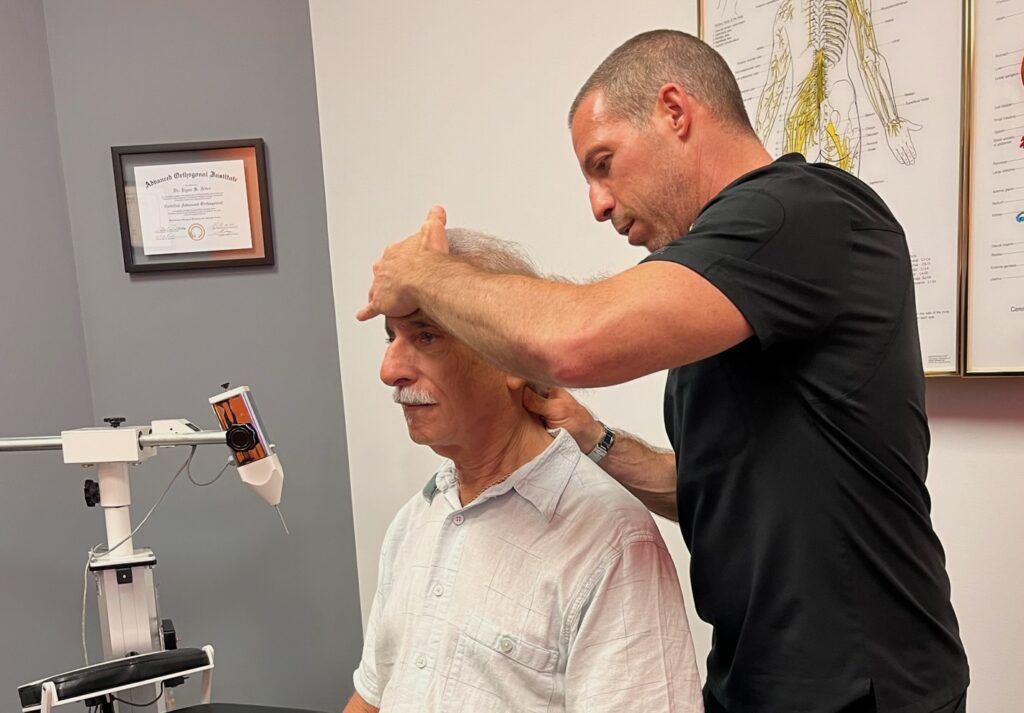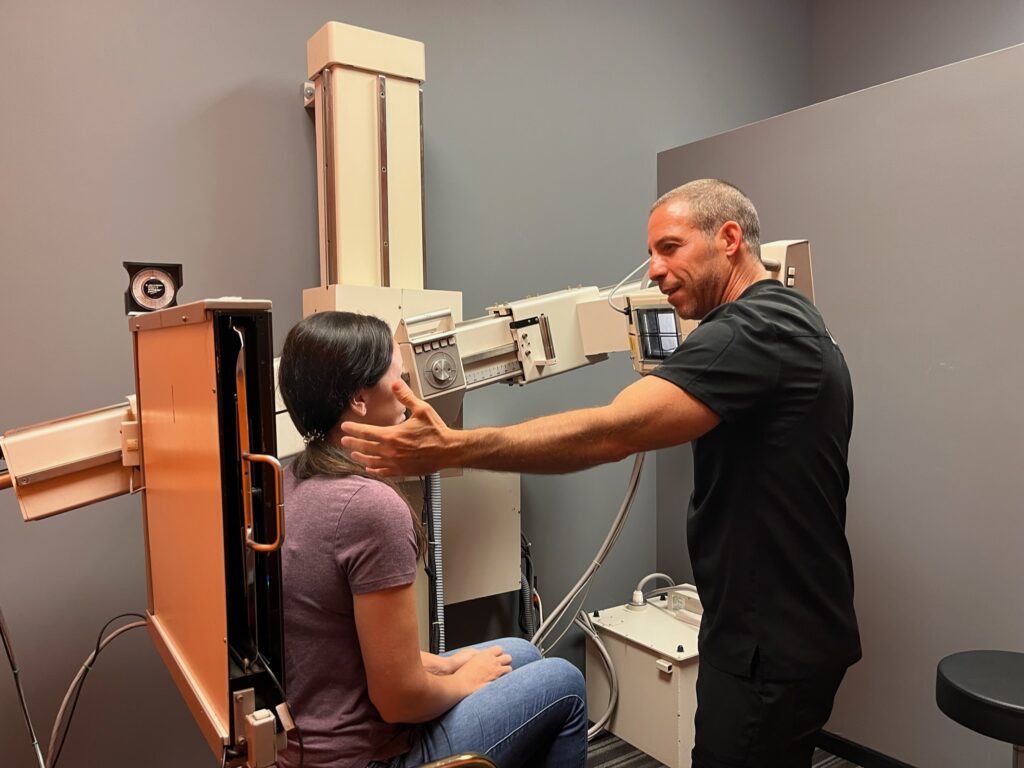

Tension headaches can be a real nuisance, impacting your daily life and productivity. Often caused by stress, poor posture, or even dehydration, these headaches can leave you feeling drained and unfocused. The good news is that there are effective, natural techniques you can use to alleviate the pain and prevent future occurrences—many of which align beautifully with chiropractic care.
As a chiropractor, I emphasize the importance of spinal health in maintaining overall well-being. Misalignments in your spine can contribute to tension headaches, so regular chiropractic adjustments can help relieve the pressure on your nervous system and promote better posture. By ensuring your spine is properly aligned, you can reduce the frequency and intensity of headaches.
In addition to chiropractic care, here are some simple techniques to help you manage tension headaches:
- Practice Good Posture: Make a conscious effort to sit and stand with your shoulders back and your head aligned over your spine. This can help reduce muscle tension in your neck and upper back.
- Stay Hydrated: Dehydration can lead to headaches, so be sure to drink plenty of water throughout the day.
- Incorporate Relaxation Exercises: Simple techniques like deep breathing, yoga, or meditation can help reduce stress and tension in your body. These practices can complement your chiropractic adjustments and enhance your overall relaxation.
- Take Breaks: If you work at a desk or engage in activities that require prolonged focus, take regular breaks to stretch and move around. This can relieve muscle tension and prevent headaches from developing.
- Apply Heat or Cold: Using a warm compress on your neck and shoulders can help relax tight muscles, while a cold pack can numb pain and reduce inflammation.
By combining these techniques with regular chiropractic visits, you can achieve optimal health and significantly reduce your chances of experiencing tension headaches. Remember, taking care of your spine is crucial for your overall wellness. If you’re struggling with headaches, consider scheduling an appointment today to explore how chiropractic care can help you feel better and live a healthier life.
Key Takeaways
- Start incorporating relaxation techniques such as deep breathing and mindfulness meditation into your daily routine. These practices can significantly reduce stress levels and help alleviate the symptoms of tension headaches naturally.
- Staying hydrated is essential for overall wellness and can help prevent headaches caused by dehydration. Aim to drink 8-10 glasses of water each day to keep your body functioning optimally.
- Regular chiropractic visits can play a crucial role in improving your spinal alignment. By addressing any misalignments, we can help reduce muscle tension that often contributes to tension headaches, leading to lasting relief.
- Make simple ergonomic adjustments at your workspace, such as ensuring your chair offers proper support and positioning your screen at eye level. These changes can promote better posture and reduce the strain on your neck and back.
- Don’t forget to engage in gentle neck and shoulder stretches throughout the day. These stretches help relieve muscle tension and can be a great preventive measure against headache triggers.
By focusing on these natural methods and incorporating chiropractic care into your wellness routine, you can achieve optimal health and find effective relief from tension headaches without the need for medications or invasive procedures.
Understanding Tension Headaches
Tension headaches are one of the most prevalent types of headaches, affecting millions of individuals every day. They often present as a tight band of discomfort around your head, creating a sensation of pressure. Common triggers for these headaches include stress, anxiety, and poor posture, which many of us experience during long hours at our desks or when we unconsciously clench our jaws.
The encouraging news is that tension headaches are usually mild to moderate and often don’t indicate a serious health concern. By understanding the symptoms, you can better prepare yourself to manage or prevent them. Typical signs include dull, aching pain, tenderness in your scalp, neck, or shoulders, and even sensitivity to light or sound. Recognizing these signals early can empower you to take proactive steps to alleviate their impact on your daily life.
As a chiropractor, I can tell you that one of the most effective ways to address tension headaches is through chiropractic care. Chiropractic adjustments can help improve spinal alignment, reduce muscle tension, and promote better posture—all of which can significantly decrease the frequency and intensity of tension headaches.
In addition to seeking chiropractic care, here are some general tips to help you manage and prevent tension headaches:
- Practice Good Posture: Ensure that your workspace is ergonomically set up. Keep your computer screen at eye level and your chair adjusted to support your lower back.
- Stay Hydrated: Dehydration can lead to headaches, so be sure to drink plenty of water throughout the day.
- Take Breaks: If you’re sitting for extended periods, take regular breaks to stretch and move around. This can help relieve tension in your neck and shoulders.
- Manage Stress: Incorporate relaxation techniques into your routine, such as deep breathing exercises, meditation, or yoga, to help manage stress levels.
- Get Regular Adjustments: Regular visits to your chiropractor can help maintain spinal health and prevent tension headaches before they start.
By taking these steps and considering chiropractic care as a natural solution, you can work towards reducing the occurrence of tension headaches and enhancing your overall well-being.
Relaxation Exercises for Immediate Relief
When tension headaches strike, incorporating relaxation exercises can provide immediate relief and help you regain your focus—without the need for medications or invasive procedures.
As a chiropractor, I believe in the power of natural healing and how it can enhance your overall well-being. Here’s a quick list of effective relaxation exercises you can try anywhere, promoting not just relief but also a healthier lifestyle:
- Deep Breathing: Inhale deeply through your nose, hold for a few seconds, and exhale slowly through your mouth. This simple practice helps to calm your nervous system and can be repeated several times to reduce stress.
- Progressive Muscle Relaxation: Tense each muscle group for five seconds, then relax. Starting from your toes and moving up to your head helps release built-up tension, which is essential for spinal health and overall wellness.
- Mindfulness Meditation: Find a quiet spot, sit comfortably, and focus on your breath. Acknowledge your thoughts without judgment. This mindfulness practice can help clear your mind and improve your body’s response to stress, contributing to a healthier spine.
- Gentle Stretching: Slowly stretch your neck and shoulders to release tension. Incorporating side-to-side and forward bends can alleviate discomfort and promote better posture, which is crucial for spinal health.
Remember, regular chiropractic care can also play a significant role in preventing tension headaches and supporting your body’s natural healing processes.
Ergonomic Adjustments to Prevent Strain
To prevent strain and reduce the risk of tension headaches, it’s essential to make ergonomic adjustments to your workspace and daily routines. As a chiropractor, I emphasize that maintaining proper alignment and posture can play a significant role in your overall wellness.
Start by ensuring your chair provides solid support for your lower back, allowing your feet to rest flat on the floor. This helps keep your spine in a healthy position. Adjust your desk height so that your elbows can remain at a 90-degree angle while you type, which can reduce tension in your neck and shoulders.
When it comes to your computer screen, position it at eye level, about an arm’s length away. This will help prevent unnecessary strain on your neck and eyes. If you find yourself using your phone often, consider using a hands-free option to keep your head aligned with your spine, which is crucial for maintaining good posture.
Remember, regular breaks are vital! Stand up, stretch, and change your position every hour. This simple practice can alleviate built-up tension.
Keeping your workstation organized is also important; a clutter-free area minimizes unnecessary movements that can lead to strain.
These straightforward adjustments can make a significant difference in reducing discomfort and helping you stay comfortable throughout your day. By prioritizing your spinal health and posture, you can lower the likelihood of developing tension headaches.
If you continue to experience discomfort, consider visiting a chiropractor who can provide tailored adjustments and support your journey towards natural wellness and pain relief. Your spine will thank you!
Lifestyle Changes to Reduce Frequency
As a local chiropractor, I understand how frustrating tension headaches can be. Luckily, there are simple lifestyle changes you can make to help reduce their frequency and improve your overall well-being. By incorporating healthy habits, you can support your body’s natural ability to manage stress and tension.
Here are four key changes to consider:
- Stay Hydrated: Make sure to drink plenty of water throughout the day. Dehydration can often lead to headaches, so keeping your body well-hydrated is essential for preventing discomfort.
- Regular Exercise: Engaging in regular physical activity, such as walking, yoga, or swimming, can significantly lower stress levels. Exercise releases endorphins—your body’s natural pain relievers—and helps to keep tension at bay.
- Sleep Hygiene: Establishing a consistent sleep schedule is crucial for quality rest. Create a calming bedtime routine, such as reading or gentle stretching, to prepare your body for a good night’s sleep. Proper rest helps your body recover and can reduce headache occurrences.
- Mindfulness Practices: Incorporating mindfulness techniques, like meditation or deep breathing exercises, into your daily routine can help you manage stress effectively. These practices promote relaxation and can lead to fewer tension headaches.
Remember, chiropractic care plays a key role in maintaining your overall health and wellness. Regular adjustments can help align your spine, reduce tension, and enhance your body’s natural ability to heal.
If you’re struggling with tension headaches, consider visiting your chiropractor for personalized care and support on your journey to optimal health. Together, we can work towards a healthier, headache-free life!
Natural Remedies for Pain Management
Natural remedies provide a holistic way to manage pain, especially for those dealing with tension headaches. While these remedies can be beneficial, it’s important to remember that chiropractic care is one of the most effective methods for addressing the root causes of pain and promoting overall wellness.
For immediate relief from tension headaches, you might consider using essential oils like lavender or peppermint. Inhaling their calming scents or applying diluted versions to your temples can provide soothing effects. Herbal teas, such as chamomile or ginger, are also great options for calming your mind and reducing discomfort.
In addition to these remedies, practicing mindfulness techniques like deep breathing or meditation can help lower stress levels, which are often contributors to headaches. Regular gentle stretches, particularly for your neck and shoulders, can alleviate muscle tension—a common trigger for headaches.
Incorporating chiropractic adjustments into your routine can further enhance the benefits of these stretches by ensuring proper spinal alignment, which plays a crucial role in overall health.
You might find that applying a warm compress to your forehead or neck provides a comforting sensation that eases tightness. Maintaining a consistent sleep schedule is also vital for allowing your body the rest it needs to recover and function optimally.
The Importance of Hydration and Nutrition
As a local chiropractor, I want to emphasize the importance of hydration and nutrition in maintaining overall health and wellness, particularly when it comes to preventing tension headaches.
Dehydration can lead to increased muscle tension and headaches, while poor nutrition can trigger these painful episodes. Here are some simple tips to enhance your hydration and nutrition, which can support your spinal health and overall well-being:
- Drink Plenty of Water: Aim for at least 8-10 glasses of water daily to keep both your body and brain well-hydrated. Proper hydration is key for spinal health as it helps maintain the elasticity of the spinal discs.
- Focus on Balanced Meals: Incorporate a variety of fruits, vegetables, whole grains, and lean proteins into your diet. This balanced approach not only nourishes your body but also supports the function of the nervous system, which is crucial for overall health.
- Limit Caffeine Intake: While a little caffeine can provide a boost, excessive consumption may lead to dehydration. Moderating your intake can help you avoid unnecessary headaches and support better hydration.
- Eat Regularly: Skipping meals can result in drops in blood sugar levels, making you more susceptible to headaches. Regular, nutritious meals can help stabilize your energy levels and keep headaches at bay.
By focusing on these essential habits, you can support your body’s natural healing processes and promote a healthier lifestyle.
When to Seek Professional Help
If your tension headaches linger for an extended period, it’s a good idea to consider seeking professional help. As a chiropractor, I can tell you that persistent headaches can often be linked to spinal alignment issues or muscle tension in the neck and shoulders.
It’s important to pay attention to any severe symptoms, such as sudden changes in vision or intense pain, as these could indicate a more serious underlying problem.
If your headaches are significantly affecting your daily life, turning to a chiropractor can be a natural and effective solution. Chiropractic care focuses on correcting misalignments in the spine, which can relieve tension and promote overall wellness.
In the meantime, here are some general tips to help manage your tension headaches:
- Stay Hydrated: Drink plenty of water throughout the day to prevent dehydration, which can trigger headaches.
- Practice Good Posture: Maintain proper posture, especially if you spend long hours sitting at a desk. Adjust your workstation to ensure your computer screen is at eye level.
- Take Breaks: Give your eyes and body a break every hour by stretching and moving around.
- Manage Stress: Incorporate relaxation techniques such as deep breathing, meditation, or yoga into your routine to reduce stress levels.
- Regular Chiropractic Adjustments: Regular visits to your chiropractor can help maintain spinal health and prevent tension headaches from recurring.
Persistent Pain Duration
When tension headaches linger for more than a few days, it’s important to consider the benefits of seeking professional assistance, especially from a chiropractor. Ignoring ongoing pain can lead to more significant issues down the road.
Here are some signs that it’s time to consult a chiropractic professional:
- Duration: If your headaches last longer than 10 days, it’s a strong signal that your body needs support.
- Frequency: Experiencing headaches more than twice a week can indicate an underlying issue that chiropractic care can help address.
- Intensity: If your headaches are severe enough to disrupt your daily activities or interfere with your sleep, it’s time to seek help.
- Response to Treatment: If you’ve tried over-the-counter medications without relief, consider how chiropractic adjustments can provide a more natural, effective approach to healing.
Chiropractic care focuses on the spine and its relationship to the nervous system, which can be a key factor in alleviating tension headaches. By aligning your spine, we can relieve pressure on nerves and improve overall function.
In addition to seeking chiropractic care, here are some general tips to help manage tension headaches:
- Stay Hydrated: Drink plenty of water throughout the day to prevent dehydration, which can contribute to headaches.
- Practice Good Posture: Be mindful of your posture, especially when sitting for long periods. Proper alignment can reduce tension in your neck and shoulders.
- Incorporate Relaxation Techniques: Activities like yoga, meditation, or deep breathing exercises can help reduce stress and tension in your body.
- Get Regular Exercise: Physical activity can improve circulation and reduce the frequency and intensity of headaches.
Don’t hesitate to reach out for guidance from your local chiropractor. We can help identify underlying causes of your headaches and create a personalized treatment plan that promotes natural healing and overall wellness.
Severe Symptoms Warning Signs
Recognizing severe symptoms associated with tension headaches is crucial for maintaining your overall health and wellness. If you encounter any of the following warning signs, it’s important to seek professional help right away. Ignoring these symptoms could point to a more serious condition, and addressing them early can be beneficial.
| Symptom | Description | Recommended Action |
|---|---|---|
| Sudden, severe headache | An intense pain that comes on suddenly | Contact your chiropractor or a healthcare provider immediately for evaluation |
| Confusion or difficulty speaking | Experiencing trouble with communication or understanding | Schedule an appointment with a healthcare professional who can assess your condition |
| Vision changes | Noticing blurred or double vision | Consult with your chiropractor or optometrist for further assessment |
| Nausea or vomiting | Persistent or severe nausea | Reach out to your chiropractor for advice on natural remedies and treatments |
As a chiropractor, I want to emphasize that many tension headaches can be alleviated through natural methods. Regular chiropractic adjustments can help relieve tension in your spine and neck, which may reduce headache frequency and intensity. Additionally, adopting healthy lifestyle habits, such as staying hydrated, practicing stress-reduction techniques like yoga or meditation, and maintaining good posture, can also contribute to overall wellness and help prevent headaches.
Impact on Daily Life
Tension headaches can significantly impact your daily life, making even the simplest tasks feel daunting. You may struggle to concentrate at work, miss out on social activities, or find it challenging to keep up with household chores.
It’s important to recognize when it’s time to seek professional guidance. As a chiropractor, I encourage you to consider chiropractic care as an effective option for managing tension headaches and promoting overall wellness.
Here are some signs that it may be time to reach out for help:
- Persistent Headaches: If your headaches last for several days despite trying home remedies, it’s a good idea to consult a chiropractor who can assess your spine and identify any underlying issues.
- Increased Frequency or Intensity: If you notice that your headaches are occurring more often or becoming more painful, chiropractic adjustments can help realign your spine and relieve pressure that may be contributing to your discomfort.
- Accompanying Symptoms: If you experience vision changes, nausea, or confusion along with your headaches, seeking professional advice is crucial. A chiropractor can help pinpoint the source of your pain and provide natural solutions.
- Disruption to Daily Life: If headaches are interfering with your sleep or daily routine, chiropractic care can offer relief by addressing spinal misalignments that might be causing your tension.
In addition to seeking chiropractic care, here are some general tips to help manage tension headaches:
- Stay Hydrated: Drink plenty of water throughout the day to help prevent dehydration, which can trigger headaches.
- Practice Good Posture: Be mindful of your posture while sitting, especially at a desk. Keeping your spine aligned can help reduce tension.
- Incorporate Relaxation Techniques: Consider yoga, meditation, or deep-breathing exercises to help reduce stress and tension in your body.
- Get Regular Exercise: Engaging in physical activity can improve blood flow and decrease the frequency of headaches.
By addressing tension headaches early and considering chiropractic care, you can promote better management and recovery.
Don’t hesitate to reach out to a chiropractor if these headaches start affecting your quality of life. Together, we can work towards achieving optimal health and wellness naturally.
Conclusion
Incorporating these techniques can significantly help alleviate tension headaches and enhance your overall well-being. As a chiropractor, I believe that spinal health plays a vital role in preventing and managing headaches. By practicing relaxation exercises and making ergonomic adjustments to your workspace, you can reduce the strain on your spine and neck, which often contributes to headache pain.
Embracing healthy lifestyle changes, such as regular physical activity and a balanced diet, can also make a difference in your health. Remember to stay hydrated, as sufficient water intake is essential for maintaining overall wellness and minimizing headache triggers. Natural remedies, like gentle stretching and heat therapy, can provide additional relief.
Chiropractic care is an excellent choice for addressing the root causes of tension headaches. Regular chiropractic adjustments can help realign your spine, reduce muscle tension, and improve your overall posture, leading to fewer headaches and better health. If you notice that your headaches persist or worsen, I encourage you to seek the guidance of a qualified chiropractor.
Taking proactive steps today, like incorporating these tips and considering chiropractic care, can lead to a more comfortable and headache-free tomorrow!