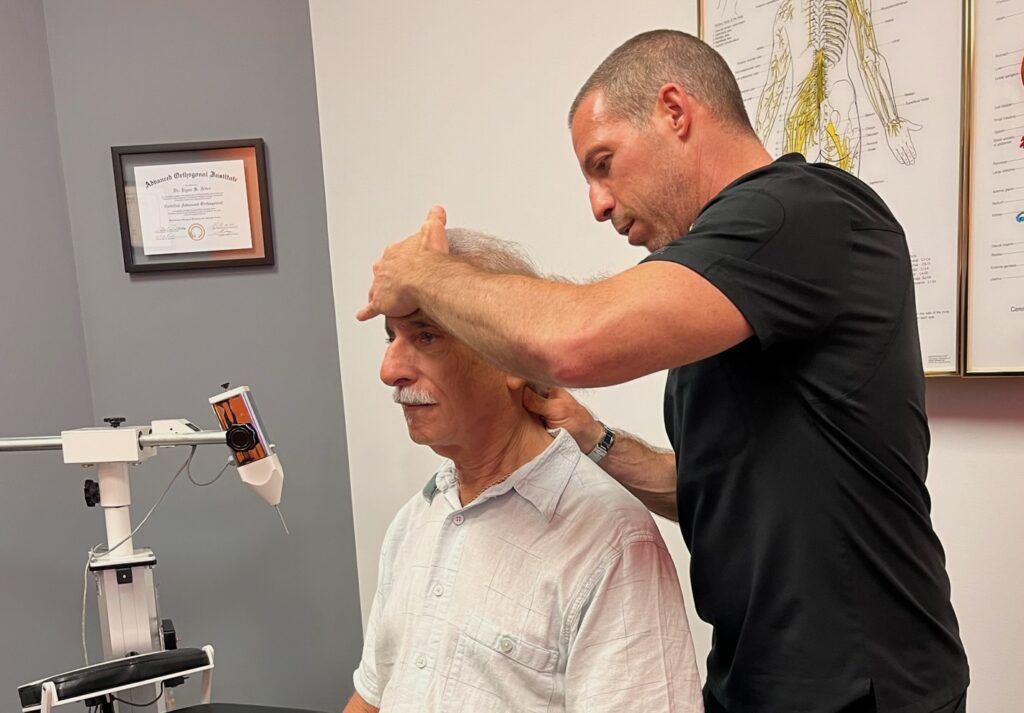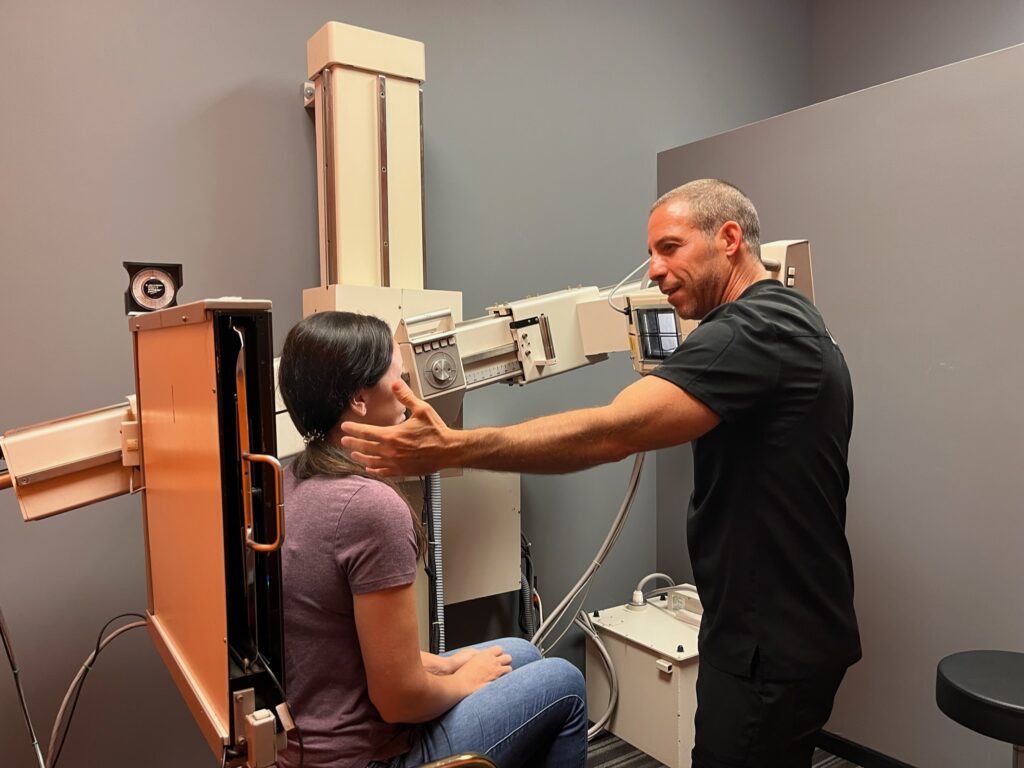

Managing cluster headache symptoms can feel overwhelming, but you don’t have to navigate it alone. One of the best ways to take control of your situation is by understanding your body and how spinal health plays a crucial role in overall wellness. By identifying triggers and establishing a consistent routine, you can help reduce the frequency and intensity of your headaches.
Incorporating chiropractic care into your wellness routine can offer significant benefits. Regular adjustments can improve spinal alignment, which in turn may help alleviate headache symptoms by reducing nerve irritation and enhancing overall body function. Additionally, simple lifestyle adjustments, such as maintaining good posture, staying hydrated, and managing stress through relaxation techniques, can also contribute to better health outcomes.
Curious about effective strategies that can make a real difference? Here are some practical tips:
- Seek Chiropractic Care: Regular visits to a chiropractor can help address spinal misalignments that may contribute to headaches.
- Stay Hydrated: Drink plenty of water throughout the day. Dehydration can trigger headaches, so ensure you’re meeting your fluid needs.
- Practice Good Posture: Whether sitting at a desk or standing, maintaining proper posture can alleviate strain on your neck and spine.
- Manage Stress: Incorporate relaxation techniques such as deep breathing, meditation, or yoga into your daily routine to help reduce tension.
- Identify Triggers: Keep a headache diary to track potential triggers, such as certain foods, drinks, or stressors, and work to minimize these factors.
- Regular Exercise: Engage in regular physical activity to help improve circulation and reduce stress, which can benefit headache management.
- Establish a Routine: Create a consistent daily schedule for sleep, meals, and activities to help stabilize your body’s rhythms.
- Use Heat or Cold Therapy: Applying heat or cold to the neck and shoulders can ease tension and reduce headache pain.
- Mindfulness and Relaxation: Practicing mindfulness can help you stay grounded and reduce the perception of pain.
- Educate Yourself: Understanding your condition and the role of chiropractic care can empower you to take charge of your health.
By focusing on these strategies and prioritizing chiropractic care, you can take significant steps toward finding relief from cluster headaches and enhancing your overall well-being. Remember, you don’t have to face this challenge alone—your chiropractor is here to support you on your journey to optimal health.
Key Takeaways
- Keep a headache diary to track your symptoms and identify triggers such as alcohol, strong odors, and changes in weather. Understanding these factors can help you avoid situations that may lead to cluster headaches.
- Stay hydrated by drinking at least eight glasses of water daily. Proper hydration is essential for overall health and can help prevent dehydration, which may trigger or worsen headache attacks.
- Establish a consistent sleep schedule to help regulate your internal clock. Quality sleep is vital for managing headaches, and a stable routine can contribute to fewer and less intense episodes.
- Incorporate relaxation techniques into your daily routine, such as deep breathing, yoga, and meditation. These practices can reduce stress and tension, which are common contributors to headache pain.
- Consider regular chiropractic care to maintain proper spinal alignment. Misalignments in the spine can lead to increased tension and headaches, so chiropractic adjustments may help alleviate headache intensity and frequency while promoting natural healing and overall wellness.
By prioritizing these healthy habits and incorporating chiropractic care into your routine, you can take proactive steps toward managing cluster headache symptoms and enhancing your overall well-being.
Identify and Avoid Triggers
Managing cluster headaches can be challenging, but there are effective strategies you can implement to alleviate your symptoms naturally. One crucial approach is to identify and avoid your specific triggers. Start by keeping a headache diary where you record when your headaches occur and what activities, foods, or experiences preceded them. Common triggers may include alcohol, strong odors, and fluctuations in weather.
Once you recognize any patterns, consider making lifestyle adjustments. For example, if you find that alcohol is a trigger for your headaches, it may be wise to eliminate it from your routine during cluster periods. Additionally, being mindful of stress is vital; incorporating relaxation techniques such as deep breathing exercises or meditation can significantly benefit your overall well-being.
A healthy diet is also important, as certain foods may aggravate symptoms. Focus on nourishing your body with wholesome, natural foods to support your health.
Furthermore, don’t overlook the importance of chiropractic care. Regular chiropractic adjustments can help improve spinal alignment, promote proper nervous system function, and enhance your body’s natural ability to heal. By prioritizing chiropractic care, you may find not only relief from cluster headaches but also an overall improvement in your quality of life.
By staying aware of your triggers and making these positive changes, you can take control of your cluster headaches. Remember, being proactive in your approach is key to achieving optimal health and wellness without resorting to invasive treatments.
Embrace these natural methods and consider incorporating chiropractic care into your wellness routine for lasting relief and enhanced well-being.
Maintain a Consistent Sleep Schedule
Establishing a consistent sleep schedule is vital for managing cluster headaches and enhancing your overall well-being. By going to bed and waking up at the same time each day, you can help regulate your body’s internal clock, which may lead to a decrease in the frequency and intensity of your headaches.
Here’s a straightforward table to assist you in planning your sleep routine:
| Time | Activity |
|---|---|
| 10:00 PM | Wind down, relax |
| 10:30 PM | Go to bed |
| 6:30 AM | Wake up |
| 7:00 AM | Morning routine |
| 7:30 AM | Breakfast |
Maintaining consistent sleep patterns not only improves your sleep quality but also helps reduce the risk of headaches that can be triggered by irregular sleep. Prioritize your rest—it’s just as important as your chiropractic visits. Consider avoiding screens before bedtime to create a calming sleep environment.
Chiropractic care plays a significant role in promoting natural healing and optimal health. By addressing spinal alignment and reducing tension, chiropractic adjustments can enhance your body’s overall function and support your ability to achieve a restorative night’s sleep. So, along with maintaining a consistent sleep schedule, don’t forget to visit your chiropractor regularly. You may notice a positive change in your overall well-being, including relief from headache symptoms. Take charge of your health with these simple strategies!
Use Oxygen Therapy
Oxygen therapy can be a valuable tool for those dealing with cluster headache symptoms, but it’s important to remember that it’s just one piece of the puzzle when it comes to achieving overall wellness.
As a chiropractor, I believe in a holistic approach to health, focusing on natural healing and the body’s innate ability to recover and thrive.
While oxygen therapy may provide quick relief and potentially reduce the frequency of headaches, incorporating chiropractic care into your routine can address the underlying issues contributing to your pain.
Chiropractic adjustments can help improve spinal alignment, reduce tension, and enhance your body’s overall function, which may lead to fewer headaches and a better quality of life.
Here are some general tips for managing cluster headaches and promoting wellness:
- Stay Hydrated: Dehydration can trigger headaches, so make sure you’re drinking plenty of water throughout the day.
- Manage Stress: Stress can be a significant factor in headache triggers. Consider incorporating relaxation techniques such as deep breathing, meditation, or gentle yoga into your daily routine.
- Maintain a Healthy Diet: Eating a balanced diet rich in fruits, vegetables, and whole grains can support your overall health and may help reduce headache frequency.
- Regular Chiropractic Care: Schedule regular visits to your chiropractor to help maintain spinal health and address any tension that may contribute to headaches.
- Sleep Well: Ensure you’re getting enough restorative sleep, as poor sleep can exacerbate headache symptoms.
By integrating chiropractic care with these healthy lifestyle habits, you can create a comprehensive plan for managing your cluster headaches and achieving optimal health.
Benefits of Oxygen Therapy
While cluster headaches can be extremely challenging, many people have found that incorporating chiropractic care into their wellness routine can make a significant difference. Chiropractic adjustments can help improve your spinal alignment, which may lead to better overall health and potentially reduce the frequency and intensity of headache episodes.
In addition to spinal adjustments, maintaining a healthy lifestyle is crucial. Here are some tips to help manage cluster headaches naturally:
- Stay Hydrated: Dehydration can trigger headaches, so ensure you’re drinking plenty of water throughout the day.
- Regular Exercise: Engaging in regular physical activity helps improve circulation and can reduce stress, both of which may alleviate headache symptoms.
- Adequate Sleep: Establish a consistent sleep schedule to ensure your body gets the rest it needs. Poor sleep can contribute to headache frequency.
- Dietary Considerations: Pay attention to your diet and avoid known headache triggers, such as certain foods or excessive caffeine. Focus on a balanced diet rich in fruits, vegetables, and whole grains.
- Stress Management: Incorporate relaxation techniques such as yoga, deep breathing exercises, or meditation into your daily routine to help manage stress.
By prioritizing chiropractic care and adopting these healthy habits, you can take proactive steps toward managing your headache symptoms and improving your overall quality of life.
How to Administer
One effective way to manage cluster headaches naturally is through the use of oxygen therapy, which can provide quick relief during an attack. While I believe in the power of chiropractic care for overall wellness, oxygen therapy can be a helpful tool for those experiencing these painful episodes.
If you decide to try oxygen therapy, here’s how to administer it effectively: First, ensure you have a portable oxygen tank and a non-rebreather mask. When you sense an attack beginning, find a comfortable position to sit in, and put on the mask. Set the oxygen flow to 7-10 liters per minute. Take deep breaths of the oxygen for about 15-20 minutes. Starting the therapy at the very first signs of pain can enhance its effectiveness. If you don’t feel immediate relief after the first session, you can repeat the process as necessary.
Remember, while oxygen therapy can be beneficial, it’s always best to consult with your healthcare provider for personalized advice. Moreover, incorporating chiropractic care into your routine can help support your overall health and potentially reduce the frequency of headaches.
In addition to these methods, I encourage you to explore other natural strategies for wellness. Staying hydrated, managing stress through relaxation techniques, maintaining a balanced diet, and ensuring proper posture can all contribute to your overall health and well-being.
Explore Medications
When managing cluster headaches, it’s important to consider holistic approaches that can promote natural healing and overall wellness.
As a chiropractor, I believe that chiropractic care can play a vital role in alleviating headaches and enhancing your quality of life.
Instead of turning to medications, which can have unwanted side effects, you might explore chiropractic adjustments that focus on aligning the spine and relieving tension. Misalignments in the spine can contribute to headaches, and by addressing these issues, you may find significant relief.
In addition to chiropractic care, here are some general tips that can help you manage cluster headaches naturally:
- Stay Hydrated: Dehydration can trigger headaches, so make sure to drink plenty of water throughout the day.
- Practice Relaxation Techniques: Stress can exacerbate headaches. Try deep breathing exercises, meditation, or yoga to promote relaxation.
- Maintain a Healthy Diet: Eating balanced meals with plenty of fruits and vegetables can help support your overall health and reduce headache frequency.
- Get Regular Exercise: Physical activity can reduce stress and improve blood circulation, potentially lessening the occurrence of headaches.
- Establish a Sleep Routine: Quality sleep is crucial for overall health. Aim for a consistent sleep schedule to help your body recover and reduce headache triggers.
- Use Heat or Cold Therapy: Applying a warm compress or ice pack to your head or neck can provide relief from headache pain.
Remember, chiropractic care focuses on your body’s ability to heal itself, promoting optimal health without the need for medications.
If you’re struggling with cluster headaches, consider consulting with a chiropractor to explore how spinal adjustments can be part of your wellness journey.
Prescription Options Available
Cluster headaches can be incredibly painful and disruptive, but there are natural ways to help manage the symptoms and improve your overall well-being. While many people may turn to medications for relief, I encourage you to consider chiropractic care as a holistic approach to managing headache pain.
Chiropractic adjustments can help align the spine and improve nervous system function, which may reduce the frequency and intensity of cluster headaches. By ensuring that your body is functioning optimally, you may find that you experience fewer headaches and enhanced overall health.
In addition to chiropractic care, here are some general tips to support your wellness journey:
- Stay Hydrated: Dehydration can trigger headaches, so make sure to drink plenty of water throughout the day.
- Practice Stress Management: Techniques such as deep breathing, yoga, or meditation can help reduce stress, which is a common headache trigger.
- Maintain a Consistent Sleep Schedule: Aim for 7-9 hours of quality sleep each night to support your body’s recovery and reduce headache occurrences.
- Regular Exercise: Engaging in regular physical activity can help alleviate tension and improve blood circulation, contributing to overall headache relief.
- Nutritional Support: Eating a balanced diet rich in fruits, vegetables, whole grains, and healthy fats can support your body’s natural healing processes.
By focusing on these natural approaches and incorporating chiropractic care into your health routine, you can take control of your symptoms and work towards a healthier, pain-free life.
Always consult with a qualified chiropractor to create a personalized plan that suits your needs. Remember, your path to wellness can be achieved without relying on medications or invasive treatments.
Over-the-Counter Alternatives
While managing cluster headaches can be challenging, there are natural approaches that may help bring relief, and chiropractic care stands out as a powerful method for promoting overall wellness. Instead of relying on medications, consider how spinal health and alignment can play a crucial role in alleviating pain and improving your body’s function.
Chiropractic adjustments can help enhance spinal alignment, which may positively influence nerve function and reduce headache frequency and intensity. By addressing any misalignments in your spine, you can support your body’s natural healing processes. This holistic approach focuses on restoring balance rather than masking symptoms with medications.
In addition to chiropractic care, there are simple lifestyle changes you can implement to ease discomfort. Staying well-hydrated and maintaining a consistent sleep schedule can significantly impact your overall health and well-being.
Regular exercise, such as gentle stretching or yoga, can also promote relaxation and reduce tension in the body.
Consider incorporating natural remedies like herbal supplements, but always consult with a healthcare professional before trying anything new. Options like butterbur or feverfew may provide additional support for some individuals, but it’s essential to ensure they align with your health needs.
Ultimately, listen to your body and prioritize your well-being. Chiropractic care, combined with healthy habits, offers a natural and effective path to managing headaches and enhancing your overall quality of life.
Consider Lifestyle Modifications
Managing cluster headaches can be challenging, but incorporating lifestyle modifications can significantly enhance your overall wellness and may even lessen the frequency of your headaches. As a chiropractor, I believe in the power of natural healing and creating a balanced lifestyle to support your health.
First, establishing a regular sleep schedule is key. Aim to go to bed and wake up at the same time each day. Regular sleep patterns not only help your body recover but can also reduce the chances of triggering a headache.
Staying hydrated is essential too. Make sure to drink plenty of water throughout the day to keep your body functioning optimally.
Paying attention to your diet is another important step. Certain foods, like alcohol and those high in histamines—such as aged cheeses and processed meats—might contribute to flare-ups. Opt for fresh, whole foods that nourish your body and promote overall health.
Incorporating regular exercise into your routine can also be beneficial. Physical activity is a natural way to boost your well-being and can help alleviate headache intensity. Whether it’s a brisk walk, yoga, or another form of movement, find what you enjoy and make it a part of your life.
Lastly, consider your environment. Identify any potential triggers—like strong scents or bright lights—and try to minimize exposure to them. This will help create a calming atmosphere that supports your health.
By making these adjustments to your lifestyle, you can work towards a more stable routine that not only promotes your overall health but may also help reduce the impact of cluster headaches on your daily life.
Practice Stress Management Techniques
Incorporating stress management techniques into your daily routine can significantly help in managing cluster headache symptoms, especially when combined with chiropractic care. Stress is known to trigger or worsen headaches, so finding effective ways to reduce it is crucial. One of the simplest methods is to practice deep-breathing exercises. Taking slow, deep breaths not only calms your mind and body but can also help improve spinal alignment and overall well-being.
Mindfulness meditation is another excellent practice to consider. By focusing on the present moment, you can reduce anxiety and tension that may contribute to headache pain. Regular physical activity, such as taking a brisk walk or engaging in gentle stretching, can release endorphins, which are natural mood enhancers.
Don’t underestimate the power of yoga or tai chi, both of which promote relaxation, improve flexibility, and support spinal health.
Additionally, it’s important to nurture your support system. Talking with friends, family, or a therapist can offer valuable insights and coping strategies.
Remember, chiropractic care focuses on natural healing and can help alleviate pain and enhance your body’s ability to manage stress. By actively managing stress through these techniques and prioritizing chiropractic care, you can create a more supportive environment for yourself as you navigate the challenges of cluster headaches.
Embracing these practices can lead to a healthier, more balanced lifestyle.
Stay Hydrated
Staying hydrated is crucial for managing cluster headache symptoms, and it’s something that can easily be overlooked. When you drink enough water, you not only help alleviate headaches but also prevent dehydration, which can often intensify your discomfort.
As a chiropractor, I emphasize the importance of maintaining optimal hydration as part of a holistic approach to health and wellness.
Recognizing the signs of dehydration is important too. If you find yourself feeling fatigued, experiencing dry mouth, or having difficulty concentrating, these could be indicators that your body needs more water. Staying in tune with your body is key!
In addition to hydration, chiropractic care can play a significant role in your overall well-being. Regular adjustments can help improve your spinal alignment, which can enhance your body’s ability to function properly, including its hydration processes. A well-aligned spine helps your nervous system communicate effectively, supporting all bodily functions, including the regulation of hydration levels.
Here are a few simple tips to help you stay hydrated and maintain optimal health:
- Carry a Water Bottle: Keep a reusable water bottle with you throughout the day as a reminder to drink water regularly.
- Set Reminders: Use your phone or a timer to remind you to take a sip every hour.
- Eat Hydrating Foods: Incorporate fruits and vegetables with high water content, such as cucumbers, oranges, and watermelon, into your meals.
- Listen to Your Body: Pay attention to your thirst cues and don’t wait until you feel thirsty to drink.
- Combine with Chiropractic Care: Make regular visits to your chiropractor a part of your health routine. This can help ensure that your spine is aligned, allowing your body to function optimally and manage symptoms more effectively.
Importance of Water Intake
Hydration is an important aspect of your overall health and can significantly impact the management of cluster headache symptoms. Even a small amount of dehydration can trigger or worsen an attack. As a chiropractor, I recommend making hydration a priority in your daily routine, especially during cluster headache episodes. Drinking enough water not only supports your body’s functions but also contributes to a healthy spine and nervous system, which can play a role in pain management.
To help you stay accountable in your hydration journey, consider keeping track of your water intake throughout the day. Here’s a simple table you can use:
| Time of Day | Water Intake (oz) | Notes |
|---|---|---|
| Morning | Start your day right | |
| Afternoon | Keep sipping | |
| Evening | Wind down |
Here are some simple tips to boost your hydration:
- Carry a Water Bottle: Keep a refillable water bottle with you throughout the day as a reminder to drink more water.
- Set Reminders: Use your phone to set reminders every hour to take a few sips.
- Infuse Your Water: Add slices of fruits or herbs like mint to make water more enjoyable.
- Pair Water with Meals: Make it a habit to drink a glass of water with each meal to increase your intake.
Hydration and Headache Relief
When you prioritize proper hydration, it can play a crucial role in alleviating headache symptoms, and as a chiropractor, I want to emphasize how this simple practice can support your overall wellness. Staying hydrated helps maintain your body’s balance, which may reduce the intensity and frequency of headaches, including cluster headaches.
Here are some easy tips to ensure you’re drinking enough water throughout the day:
- Carry a Reusable Water Bottle: Keep a water bottle with you to encourage regular sipping. This small step can make a big difference in your hydration levels.
- Set Reminders: Use your phone to set reminders for hydration breaks. Taking a moment to drink water can be a great way to break up your day and give your body what it needs.
- Drink Water Before and After Meals: Make it a habit to drink a glass of water before and after your meals. This not only keeps you hydrated but can also aid in digestion.
- Include Hydrating Foods: Add hydrating foods to your diet, such as cucumbers, watermelon, and oranges. These foods aren’t only refreshing but also contribute to your overall fluid intake.
- Monitor Your Urine Color: A simple way to check your hydration level is to look at the color of your urine. A light yellow color generally indicates good hydration.
Remember, maintaining proper hydration is just one part of a holistic approach to health. Regular chiropractic care can also help align your body and improve your overall wellness, supporting you in achieving a pain-free life.
When combined, proper hydration and chiropractic adjustments can lead to better health outcomes and a happier, more active lifestyle. Make sure to integrate these habits into your daily routine for optimal wellness!
Signs of Dehydration
Staying aware of the signs of dehydration is crucial for your overall health, especially if you’re dealing with cluster headaches. Symptoms such as a dry mouth, intense thirst, or dark urine are your body’s way of indicating that it needs more fluids. Additionally, feelings of fatigue, dizziness, and headaches can also be signs of dehydration, which can exacerbate your discomfort. It’s important to listen to your body and recognize when it’s time to hydrate.
If you notice confusion or irritability, don’t wait—it’s a clear signal that you need to replenish your fluids. A good rule of thumb is to aim for at least eight glasses of water each day, and even more if you’re active or in warmer weather. Staying properly hydrated can significantly improve your well-being and may help in managing cluster headache symptoms.
Incorporating hydration into your daily routine can be a simple yet effective step towards better health. You might consider keeping a water bottle with you throughout the day or setting reminders to take sips regularly. Remember, maintaining hydration isn’t just about quenching thirst; it’s a vital part of a holistic approach to wellness.
As a chiropractor, I believe that your overall health and pain management can greatly benefit from a combination of hydration, proper spinal alignment, and regular chiropractic care.
Utilize Cold Compresses
Cold compresses can be a straightforward and effective way to manage cluster headache symptoms while embracing a natural approach to wellness. By applying cold therapy, you can help numb the pain and reduce inflammation, providing you with some much-needed relief during an attack.
Here’s how to effectively use cold compresses in conjunction with chiropractic care:
- Choose the Right Material: Opt for a gel pack, ice wrapped in a cloth, or even a bag of frozen veggies. The goal is to create a cold source that’s easy to apply and comfortable against your skin.
- Apply to the Affected Area: Gently place the compress on your forehead or the side of your head where you’re experiencing discomfort. This localized cooling can help ease tension and pain.
- Limit Application Time: To avoid irritation, keep the compress on for about 15-20 minutes. It’s important to give your skin a break before reapplying.
- Repeat as Necessary: You can reapply the cold compress every hour if needed. This can be a helpful addition to your pain management routine, especially when paired with chiropractic adjustments.
- Stay Comfortable: Find a quiet, dark space where you can relax. This will enhance the soothing effects of the cold compress and help you feel more at ease.
Incorporating cold compresses into your wellness routine is a simple and natural way to help manage cluster headaches.
Incorporate Regular Exercise
Incorporating regular exercise into your routine is a fantastic way to alleviate cluster headache symptoms and enhance your overall well-being, and as a chiropractor, I can tell you that it also supports spinal health. Engaging in physical activity promotes the release of endorphins, which are your body’s natural painkillers and mood lifters. Aim for at least 30 minutes of moderate exercise most days of the week. Activities like walking, swimming, or cycling not only improve your cardiovascular health but can also lead to better spinal alignment, potentially reducing the frequency and intensity of your headaches.
It’s important to listen to your body. If you’re experiencing a headache, consider gentler forms of exercise such as yoga or stretching. These activities can help to relieve tension in your muscles and promote relaxation, which is vital for managing headaches.
Consistency is essential, so find a time that fits into your lifestyle, whether that’s in the morning or evening. Remember, it’s not just about how hard you work out; finding joy in movement is key to maintaining a healthy routine.
Additionally, chiropractic care can be a valuable part of your wellness journey. Regular adjustments help to ensure that your spine is in proper alignment, which can contribute to reducing headache occurrences and improving overall health.
Seek Support From Healthcare Professionals
When dealing with cluster headaches, seeking support from healthcare professionals can make a significant difference in managing your symptoms.
As a chiropractor, I believe that natural healing and holistic approaches can be incredibly beneficial. While you may consider various treatment options, chiropractic care stands out as a powerful way to address pain and improve overall wellness.
Here are some ways chiropractic care can help with cluster headaches:
- Spinal Health: Ensuring your spine is aligned can reduce tension and pressure that may contribute to headaches. Regular chiropractic adjustments can help maintain proper spinal function, which can promote better nervous system communication.
- Holistic Approach: Chiropractors focus on treating the whole person, not just the symptoms. By addressing underlying issues, you can experience relief not only from headaches but also from other related discomforts.
- Lifestyle Recommendations: A chiropractor can provide personalized advice on lifestyle changes that may help reduce the frequency of cluster headaches. This can include guidance on posture, ergonomics, and stress management techniques.
- Natural Pain Relief: Rather than relying on medications, chiropractic care offers natural pain relief methods. Techniques such as massage therapy, stretching, and exercises can help alleviate tension and improve blood flow.
- Stress Reduction: Stress is a common trigger for headaches. Chiropractors can teach you relaxation techniques and recommend exercises that promote mental and physical well-being.
- Nutrition and Hydration: Proper nutrition and hydration play a vital role in overall health. A chiropractor can provide guidance on dietary choices that may help reduce headache triggers.
Remember, you don’t have to navigate the challenges of cluster headaches alone.
If you’re experiencing these symptoms, consider reaching out to a chiropractor. They can help you find a path to better health and improved quality of life through natural, drug-free methods.
Your journey to wellness starts with a simple step—take charge of your health today!
Conclusion
Incorporating these tips can significantly aid in managing your cluster headache symptoms while promoting overall wellness. Start by identifying potential triggers in your environment; avoiding these can help you minimize the frequency and intensity of your headaches. Maintaining a consistent sleep schedule is also crucial, as quality rest supports your body’s natural healing processes. Staying hydrated is key, too—dehydration can worsen your symptoms.
As a chiropractor, I encourage you to consider natural healing methods, including chiropractic care, which can help alleviate pain and tension in your body. Regular adjustments can improve spinal alignment, reducing stress on your nervous system and potentially lowering the frequency of headaches.
Additionally, engaging in regular exercise can boost your overall health and well-being. Simple activities like walking or stretching can help relieve tension. Implementing stress management techniques—such as deep breathing exercises, meditation, or yoga—can also play a vital role in reducing headache triggers.
Remember, seeking support from healthcare professionals, including chiropractors, can provide you with personalized strategies to manage your symptoms effectively. With the right approach and these helpful tips, you can take control of your health and enjoy a better quality of life.