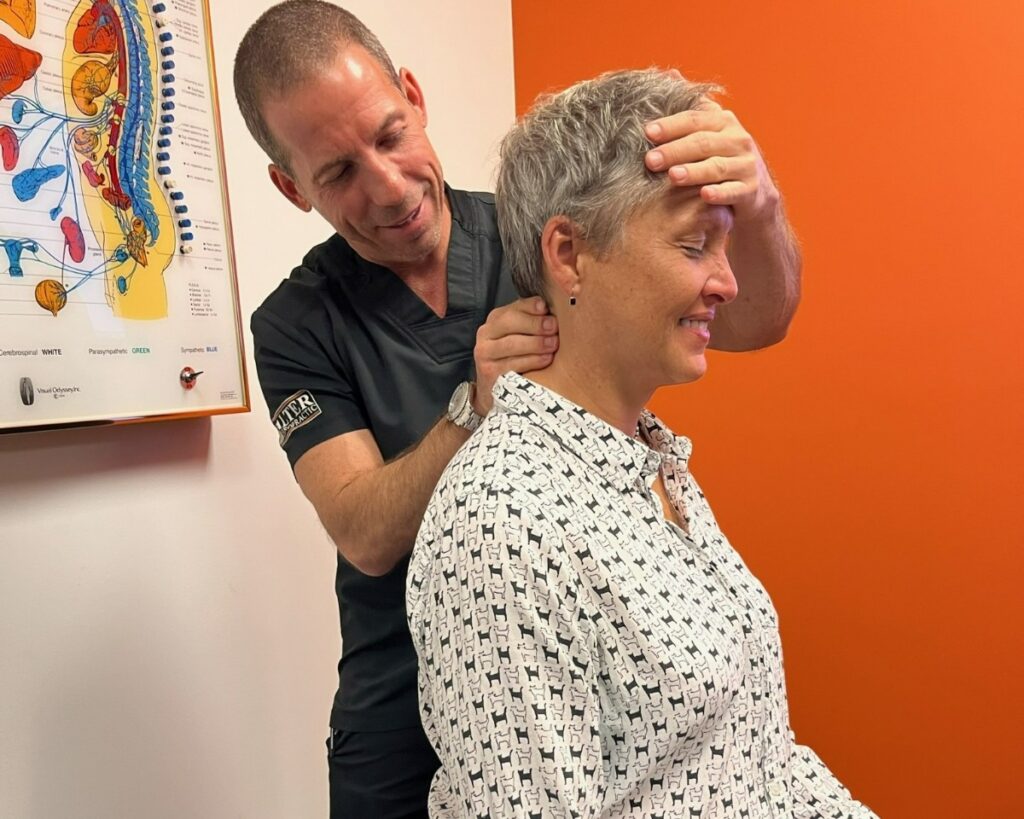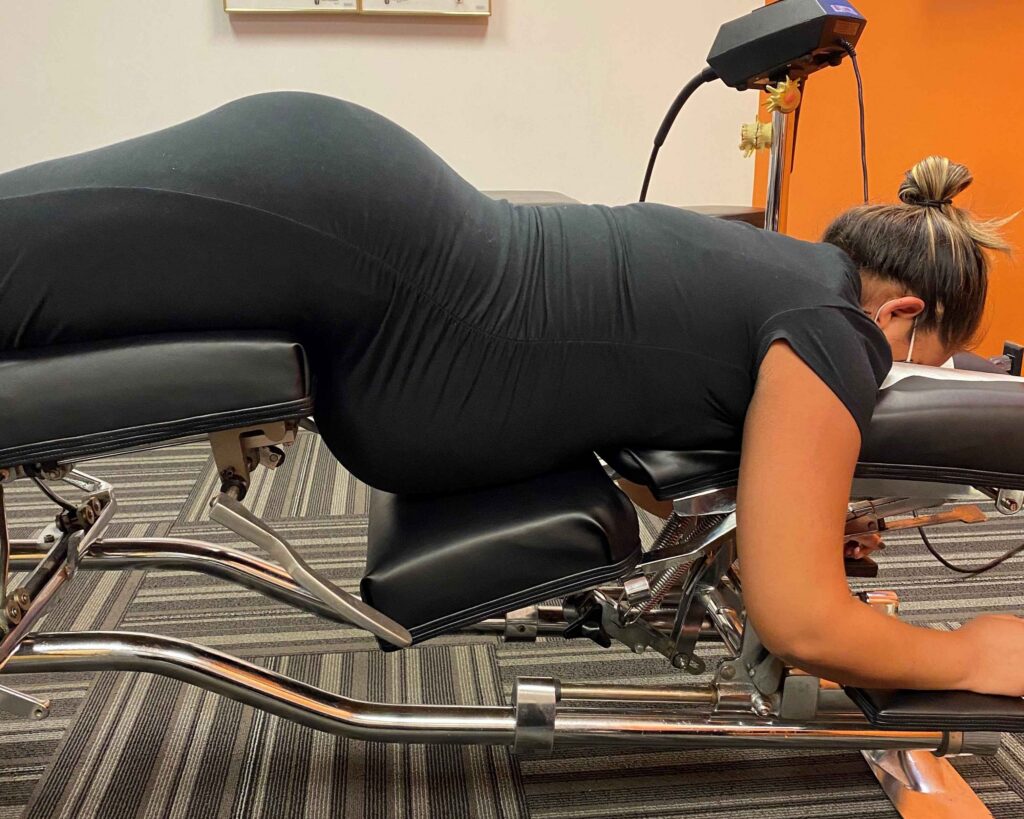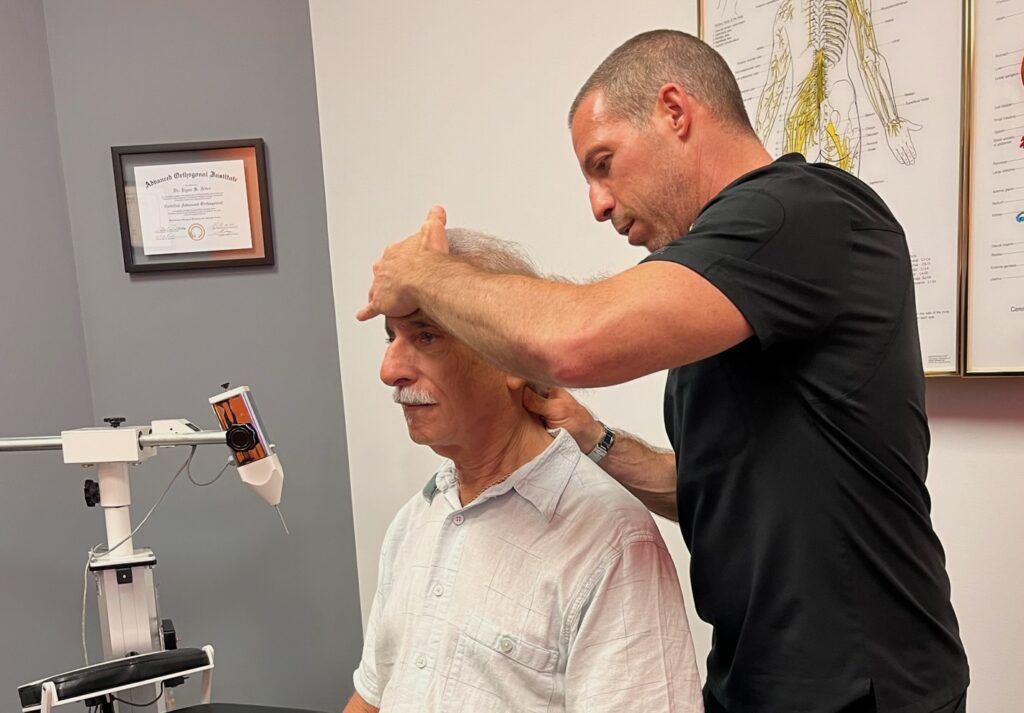

Chronic back pain is a common issue that affects millions of people, and as a local chiropractor, I want to help you understand some of the key causes behind this discomfort. Many times, poor posture, a sedentary lifestyle, or excess weight can contribute significantly to your pain. Additionally, injuries from sports or falls may not heal properly, leading to ongoing issues that can escalate over time.
It’s important to recognize these factors and how they can intertwine with various medical conditions and even psychological aspects such as stress or anxiety. By understanding these connections, we can work together to address the root causes of your pain rather than just the symptoms. Chiropractic care focuses on natural healing methods that can help restore balance to your body and improve your overall well-being. Let’s take a closer look at what might be contributing to your discomfort, so we can develop a personalized plan to help you feel better.
Poor Posture and Its Impact on Back Health
As a local chiropractor, I want to share some important insights about how poor posture can significantly impact your back health. Many people don’t realize that when you slouch or sit for extended periods without proper support, you’re putting your spine at risk. Your spine needs to be properly aligned to function optimally, and when you lean forward or hunch your shoulders, you create unnecessary stress on the muscles and ligaments that support your back. Over time, this can lead to discomfort and even chronic pain.
Making simple adjustments to your posture can yield substantial benefits. I recommend that you keep your feet flat on the floor, maintain a straight back, and allow your shoulders to relax. If you spend a lot of time at a desk, investing in ergonomic chairs and supports can help you maintain this alignment.
Additionally, remember to take regular breaks to stand up and stretch; this can be incredibly helpful in relieving tension.
It’s important to understand that maintaining good posture isn’t just about looking confident; it plays a crucial role in your overall back health. By being conscious of your posture, you can help prevent chronic pain and enhance your quality of life.
If you have any concerns about your posture or back health, feel free to reach out. Together, we can work towards a healthier, pain-free life.
Sedentary Lifestyle and Muscle Weakness
As a local chiropractor, I want to emphasize the connection between poor posture, a sedentary lifestyle, and muscle weakness, particularly when it comes to your back health.
Many of my patients are surprised to learn that sitting for extended periods without movement can lead to weakened muscles, making it increasingly difficult to support your spine properly. Over time, this imbalance can result in chronic back pain.
To help you maintain a healthy spine and combat these issues, I recommend the following strategies:
- Take Regular Breaks: It’s essential to stand up and stretch every hour. This simple practice keeps your muscles engaged and helps prevent stiffness.
- Strengthen Your Core: Incorporating exercises that target your abdominal and back muscles can significantly enhance your spinal support.
- Practice Good Posture: When seated, aim to keep your back straight and shoulders relaxed. This alignment reduces strain on your spine and promotes overall health.
- Stay Active: Aim for at least 150 minutes of moderate exercise each week. Focus on activities that promote flexibility and strength, which are crucial for maintaining a healthy back.
By implementing these strategies, you can improve your posture, strengthen your muscles, and ultimately support your spinal health.
Obesity and Its Role in Chronic Pain
As a local chiropractor, I want to help you understand the connection between obesity and chronic pain, especially when it comes to your back and joints. Carrying excess weight can put significant strain on your body, causing your spine and joints to work harder than they should. This added pressure often leads to discomfort and inflammation, which can weaken the muscles that support your back. Consequently, this can exacerbate pain and limit your mobility.
It’s important to recognize that obesity can also reduce your ability to participate in physical activities, creating a challenging cycle of weight gain and increased pain. The inflammation associated with being overweight can trigger pain pathways in your body, making you more sensitive to discomfort.
To effectively manage chronic back pain, it’s vital to address obesity through a holistic approach that includes a balanced diet and regular exercise. Even a modest weight loss can significantly relieve pressure on your spine and joints, enhancing your overall well-being.
Injuries and Trauma: A Hidden Cause
As a local chiropractor, I want to shed light on an often-overlooked aspect of chronic back pain: injuries and trauma.
Many people may not realize that incidents such as sports injuries or falls can have a lasting impact on your back health. These events may seem minor at the time, but they can lead to ongoing discomfort if not properly addressed.
Understanding how these injuries affect your body is crucial for finding effective relief.
Chiropractic care focuses on natural healing methods to restore balance and function to your spine and surrounding muscles. By identifying and treating the underlying issues related to past injuries, we can help alleviate your pain and improve your overall well-being.
If you’re experiencing chronic back pain, don’t hesitate to reach out and explore how chiropractic care can support your healing journey.
Sports-Related Injuries Impact
As a local chiropractor, I want to help you understand the importance of recognizing and addressing sports-related injuries, especially their potential to cause chronic back pain. Engaging in sports is a fantastic way to enhance your physical fitness and mental well-being, but it’s crucial to be aware of the risks involved.
Many athletes, both amateur and professional, often overlook the long-term impacts of these injuries, which can lead to persistent discomfort if not properly addressed.
Let’s take a moment to explore some common sports-related injuries that may contribute to back pain:
- Strains: These often occur from lifting heavy weights or engaging in activities that put excessive stress on your muscles. A strain can lead to muscle imbalances that affect your spinal alignment.
- Sprains: These injuries are usually the result of sudden twists or impacts, which can cause instability in your joints and, subsequently, your spine.
- Fractures: Falls or collisions in sports can lead to fractures that not only affect the injured area but can also impact your overall posture and spinal health.
- Overuse injuries: Repetitive motions in sports can cause wear and tear on your muscles and joints, leading to chronic tension that may manifest as back pain.
As your chiropractor, I emphasize the importance of recognizing these injuries early on and seeking natural healing methods to alleviate pain and restore function.
Chiropractic care focuses on aligning your spine and optimizing your nervous system function, which can be incredibly beneficial in preventing and treating sports-related injuries.
Don’t let unnoticed pain become a significant issue—let’s work together to keep you active and healthy!
Accidents and Falls Effect
As a local chiropractor, I want to emphasize the importance of understanding how accidents and falls can impact your back health. These incidents, whether they involve a slip on icy pavement or a car collision, can inflict serious trauma on your spine and the surrounding muscles.
You may feel immediate pain or discomfort, but the effects can persist for months or even years if not addressed properly.
Common outcomes of such injuries include whiplash, fractures, and herniated discs, all of which can lead to chronic back pain. It’s crucial to seek medical attention after any accident or fall. Early intervention, like chiropractic care, can help reduce the risk of long-term damage.
Ignoring these injuries can lead to more severe complications, which can affect your ability to move freely and diminish your overall quality of life.
Chiropractic care focuses on natural healing and restoring proper alignment to your spine, which can alleviate pain and enhance your mobility.
If you’ve recently experienced an accident or fall, don’t hesitate to reach out for an evaluation. Together, we can create a plan that supports your healing journey and keeps you active and healthy.
Degenerative Disc Disease
As a local chiropractor, I want to shed light on a common issue that many of my patients face: chronic back pain, often linked to a condition known as degenerative disc disease.
This condition arises from the gradual wear and tear of the discs that cushion your spine, which can lead to a variety of symptoms that may significantly affect your daily activities.
It’s important to recognize the signs of degenerative disc disease, as well as the ways we can work together to manage your pain naturally.
Through chiropractic care, we can focus on improving your spinal alignment, enhancing mobility, and strengthening the surrounding muscles to alleviate discomfort and promote healing.
Diagnosis typically involves a thorough assessment of your symptoms, as well as any imaging studies if necessary.
Once we understand your unique situation, we can explore various treatment options tailored to your needs, including adjustments, therapeutic exercises, and lifestyle modifications.
By taking a natural approach to healing, we can help you regain control over your life and reduce the impact that chronic back pain has on your everyday activities.
What Is Degenerative Disc?
As a local chiropractor dedicated to your health and well-being, I want to shed light on a condition known as degenerative disc disease (DDD). This is a common issue that affects the intervertebral discs in your spine, leading to discomfort and reduced mobility. Over time, these discs can lose their cushioning ability and flexibility due to a variety of factors.
Some of the primary contributors to this degeneration include:
- Age-related wear and tear
- Repetitive strain or injury
- Genetic predisposition
- Poor posture or body mechanics
When these discs start to deteriorate, it can result in symptoms like pain, stiffness, and limited movement.
It’s essential to recognize that while DDD can be quite painful, it’s something many individuals experience as they age. Understanding the causes of DDD is the first step toward better management.
As a chiropractor, I focus on natural healing methods to help alleviate your discomfort and improve your spinal health. By addressing the underlying issues through adjustments, posture correction, and personalized exercises, we can work together to enhance your overall well-being and mobility.
Symptoms and Diagnosis
As a local chiropractor, I want to help you understand that the symptoms of degenerative disc disease can be quite unique to each individual. You might find yourself dealing with persistent lower back pain, especially if you’ve been sitting or standing for extended periods.
On some days, you may experience stiffness or soreness, while other days might bring about radiating pain that travels down your legs. It’s also common to feel numbness or tingling in your arms or legs.
When diagnosing this condition, we begin with a comprehensive physical examination, along with an in-depth conversation about your symptoms and medical history.
To get a clearer picture of what’s happening with your discs and the surrounding structures, I may suggest imaging tests like X-rays or MRIs. Understanding the root cause of your pain is crucial, as it allows us to create a personalized treatment plan that focuses on natural healing and effective management of your symptoms.
My goal is to support your journey towards better health through chiropractic care.
Treatment Options Available
As a local chiropractor, I want to help you understand how we can manage degenerative disc disease through natural healing and chiropractic care.
It’s important to explore various treatment options that cater to your unique symptoms and lifestyle, and I’m here to guide you through that process.
Here are some effective approaches we can consider together:
- Chiropractic Adjustments: Gentle spinal adjustments can help realign your spine, improving mobility and reducing pain associated with degenerative disc disease.
- Physical Therapy: Incorporating targeted strengthening exercises can support your spine’s stability and alleviate discomfort.
- Natural Supplements: Certain supplements may aid in reducing inflammation and promoting overall spinal health.
- Lifestyle Modifications: We can discuss ergonomic adjustments and activity modifications that can help ease your symptoms in daily life.
I encourage you to consult with me to create a personalized treatment plan that addresses your specific needs and helps you manage your symptoms naturally and effectively.
Your journey to improved health starts here!
Arthritis and Inflammatory Conditions
As a local chiropractor, I want to help you understand how arthritis and inflammatory conditions can affect your back health. These issues often lead to swelling and stiffness in the joints, which can significantly contribute to chronic back pain.
When joints become inflamed, it can restrict your mobility and make daily activities feel more challenging. Conditions like osteoarthritis and rheumatoid arthritis can cause degeneration and inflammation in the spine and surrounding areas, leading to increased discomfort.
If you have arthritis, you may notice that certain movements trigger your back pain or that your pain intensifies after sitting or lying down for too long. It’s important to manage these conditions to maintain a good quality of life.
Chiropractic care focuses on natural healing and can be incredibly beneficial. Through specialized adjustments and techniques, we can work to strengthen your back and improve your flexibility, which may help alleviate some of that discomfort.
Additionally, I often recommend natural anti-inflammatory strategies and exercises that can further help reduce pain and swelling. By understanding how arthritis affects your body and taking proactive steps, you can better manage your chronic back pain and enhance your overall well-being.
I’m here to support you on your journey to better health!
Sciatica: Understanding Nerve Pain
As a local chiropractor, I often see patients who are struggling with chronic back pain, and one common issue we encounter is sciatica. This condition arises from irritation of the sciatic nerve, which travels from your lower back down through your legs. When this nerve becomes pinched or inflamed, it can lead to sharp pain, tingling sensations, or numbness. Gaining a better understanding of sciatica is essential for effectively managing your discomfort.
Several factors can contribute to sciatica, including:
- Herniated discs
- Spinal stenosis
- Piriformis syndrome
- Degenerative disc disease
If you’re experiencing any of these symptoms, it’s crucial to seek professional guidance. As a chiropractor, I focus on natural healing methods that can help relieve pain and restore mobility.
Treatment options may include chiropractic adjustments, physical therapy, and recommendations for lifestyle changes aimed at strengthening your back and improving overall health.
Addressing the root causes of sciatica can lead to significant relief, and the sooner you take action, the better your chances of preventing your condition from worsening.
Don’t hesitate to reach out for a consultation; understanding sciatica is a vital step toward reclaiming your quality of life and easing your chronic back pain. Together, we can explore holistic approaches that may provide you with the relief you seek.
Psychological Factors and Chronic Pain
As your local chiropractor, I want to emphasize how important it’s to understand the connection between psychological factors and chronic back pain.
Many patients may not realize that stress and depression can significantly influence how you experience pain. When you’re under stress, your body tends to amplify pain sensations, which can make it much more challenging to manage discomfort.
Additionally, if you’re feeling depressed, it can create a cycle where your pain negatively impacts your mood, and in turn, your mood makes the pain feel even worse.
Understanding these connections is a crucial step in your journey toward healing, and chiropractic care can help address not only the physical aspects of your pain but also support your overall well-being.
Stress and Pain Connection
As your local chiropractor, I want to emphasize an often overlooked factor that can significantly impact your chronic pain, particularly back pain: stress. Many people may not realize how closely stress is linked to physical discomfort.
When you’re under stress, your body tends to tense up, which can lead to muscle strain and increased discomfort. This creates a distressing cycle that can amplify your pain and make it even more challenging to manage.
Here’s how stress can affect your pain levels:
- It increases muscle tension, which can lead to persistent discomfort.
- It alters your perception of pain, making it feel more intense than it might otherwise.
- It can interfere with your sleep, which is crucial for recovery and healing.
- It can trigger inflammation, worsening any existing conditions you may have.
Understanding the connection between stress and pain is essential for your overall well-being.
By incorporating stress management strategies—such as relaxation techniques, regular exercise, or even therapy—you may find that you experience relief from your chronic back pain.
Remember, taking care of your mental health isn’t just good for your mind; it’s beneficial for your body too.
As your chiropractor, I’m here to support you on this journey to holistic healing.
Depression’s Role in Pain
As a local chiropractor, I want to shed light on an important connection that many people may not be aware of: the relationship between depression and pain, particularly in chronic conditions like back pain.
When you’re experiencing low mood or depression, your perception of pain can become more intense. This increased sensitivity can create a challenging cycle where pain worsens your emotional state, and in turn, your depression can make it harder to cope with that pain.
Many of my patients find that everyday activities become more difficult when they’re feeling down, which can lead to increased isolation and further deterioration of their mental health. It’s crucial to understand that addressing your emotional well-being can have a positive effect on your physical pain.
Chiropractic care is one natural approach that can help in this regard. By focusing on spinal health and overall body alignment, chiropractic adjustments can relieve tension, improve mobility, and reduce pain levels. This can, in turn, lead to a boost in your mood and energy levels.
Additionally, seeking support through various avenues, whether it’s therapy, lifestyle changes, or even chiropractic care, can help break this cycle. Many of my patients report that as they manage their emotional health, they also experience a decrease in their physical pain, leading to an improved overall quality of life.
Improper Lifting Techniques
As a local chiropractor, I want to take a moment to emphasize the importance of proper lifting techniques, especially for those who may not be familiar with how chiropractic care can support your overall health.
Improper lifting can lead to significant back pain and discomfort, and it’s crucial to understand how to protect your spine while performing everyday tasks.
When lifting heavy objects incorrectly, you risk straining your muscles and spine, which can increase your chances of injury. Here are some common mistakes I often see that you should avoid:
- Bending at the waist: This action places unnecessary strain on your lower back, leading to potential pain and injury.
- Lifting too quickly: When you rush, you’re more likely to compromise your form, which can result in damage to your back.
- Ignoring your legs: Remember, it’s your legs that should be doing the heavy lifting, not your back. Engaging your leg muscles can significantly reduce the load on your spine.
- Twisting your body: Twisting while lifting puts your back at a greater risk for serious injuries. Always keep your movements as straight and controlled as possible.
To safeguard your back, focus on using your legs for lifting, keeping your back straight, and lifting in a controlled manner.
By being mindful of these techniques, you can’t only avoid chronic back pain but also maintain a healthier spine over time.
Even when handling lighter objects, it’s essential to practice proper lifting techniques. This proactive approach can contribute to your long-term well-being and overall health.
If you have any questions or need further guidance on how to lift safely and effectively, please don’t hesitate to reach out. Your spine will thank you!
Medical Conditions That Contribute to Back Pain
As a local chiropractor, I want to help you understand how various medical conditions can significantly contribute to back pain. Many people may not realize that issues like arthritis can lead to joint inflammation, causing painful movement.
If you’re dealing with a herniated disc, it may be pressing on nearby nerves, resulting in discomfort that radiates down your legs. Additionally, osteoporosis can weaken your bones, making them more prone to fractures, which can undoubtedly lead to severe back pain.
Infections, such as spinal or kidney infections, can also present as back pain, signaling a potentially serious underlying issue. Conditions like scoliosis, which causes a curvature of the spine, can put strain on your muscles and ligaments, leading to chronic discomfort.
Even fibromyalgia can heighten pain sensitivity, making any existing back pain feel more intense.
If you suspect that a medical condition is contributing to your back pain, it’s crucial to consult with a healthcare professional. As a chiropractor, I’m here to provide you with natural healing options and support in addressing these issues.
Together, we can work towards alleviating your pain and improving your overall well-being.
Conclusion
As a local chiropractor, I want to emphasize the importance of understanding the various causes of chronic back pain for effective management and healing. Many of my patients are surprised to learn that issues like poor posture, a sedentary lifestyle, and excess weight can significantly contribute to their discomfort. It’s crucial to be aware of these factors and make adjustments to your daily habits.
In addition to lifestyle choices, we must also consider the role of past injuries, underlying medical conditions, and even psychological factors that may be influencing your pain. Chiropractic care focuses on treating the root causes of discomfort rather than merely masking the symptoms. By taking proactive steps, such as incorporating regular chiropractic adjustments, maintaining an active lifestyle, and practicing good posture, you can reclaim your back health.
I encourage you to seek professional help when needed, as we can work together to create a personalized plan that addresses your specific needs. Through natural healing methods and ongoing support, we can improve your overall quality of life and help you live pain-free. Your journey to better back health starts here!