If you're struggling with chronic back pain, you might find it frustrating to navigate the multitude of treatment options available. Non-invasive solutions, like physical therapy and acupuncture, can often provide relief without the need for surgery or medication. Each method offers unique benefits, tailored to your specific needs, and could enhance your overall mobility. Understanding which approach might work best for you can be essential, especially when considering the potential for lasting improvement in your daily life. So, what are the most effective options to explore?
Physical Therapy
Many people find that physical therapy is a highly effective way to manage chronic back pain. When you engage in physical therapy, you're not just treating the symptoms; you're addressing the underlying issues contributing to your discomfort. A skilled physical therapist will assess your condition and create a personalized plan tailored to your specific needs.
During your sessions, you'll likely engage in a variety of exercises designed to improve strength, flexibility, and posture. These exercises help to stabilize your spine and reduce the strain on your back muscles. You'll also learn techniques to improve your daily movements, which can prevent further injury.
Your therapist may incorporate manual therapy, such as massage and manipulation, to alleviate pain and improve mobility. This hands-on approach can be particularly beneficial, as it helps to release tension and improve circulation in the affected areas.
Additionally, physical therapy often includes education on body mechanics and ergonomics. You'll discover how to lift objects safely, sit properly at your desk, and perform daily activities without putting undue stress on your back. This knowledge empowers you to take control of your pain management long after your sessions are over.
Chiropractic Care
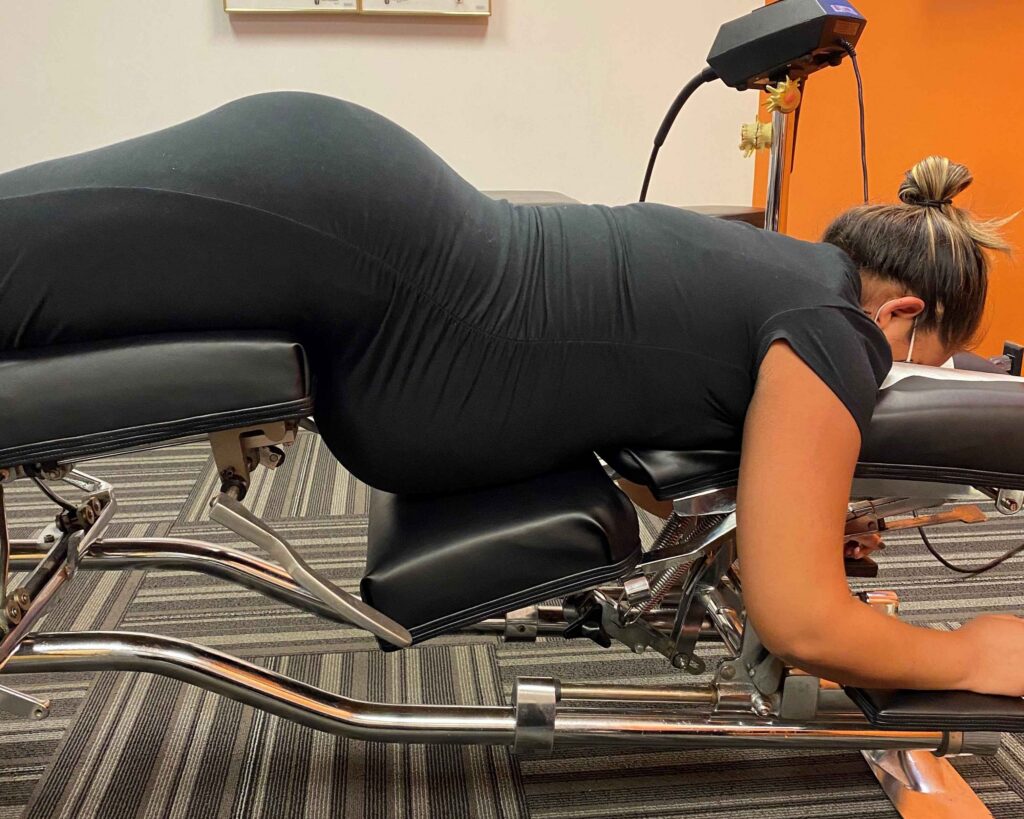
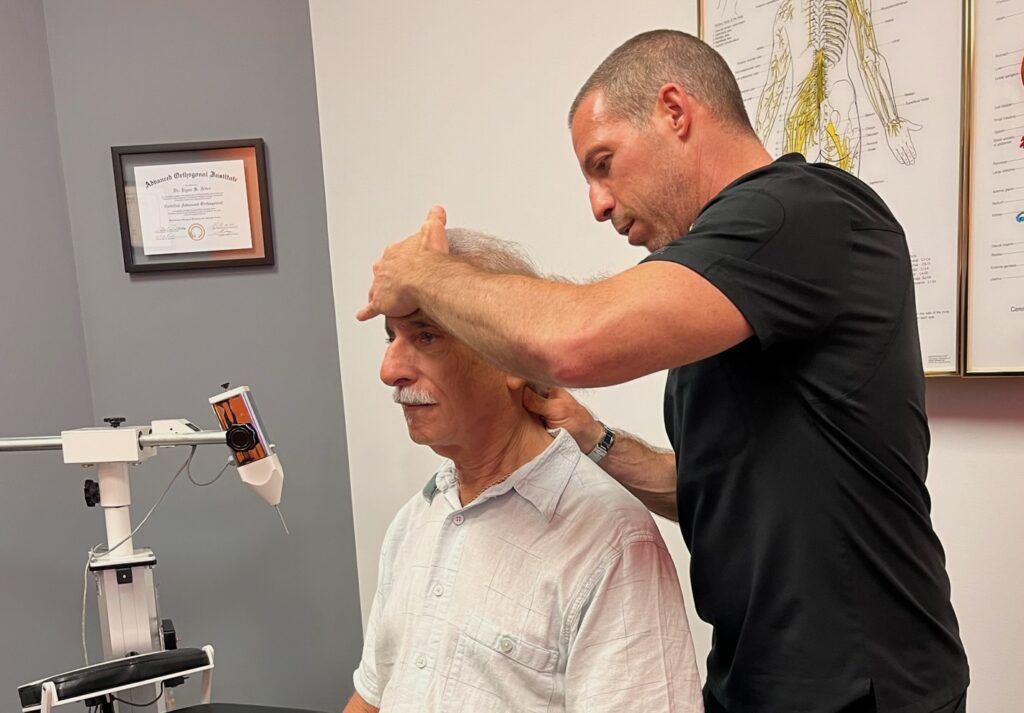
Chiropractic care offers a range of benefits for managing chronic back pain, including improved mobility and pain relief.
You'll experience various techniques tailored to your specific needs, such as spinal adjustments and soft tissue therapy.
Benefits of Chiropractic Adjustments
When it comes to managing chronic back pain, chiropractic adjustments offer a range of benefits that can greatly enhance your quality of life. One of the primary advantages is pain relief. By realigning your spine and improving joint function, these adjustments can considerably reduce discomfort and tension in your back.
Additionally, chiropractic care promotes better mobility and flexibility. You'll likely notice improved range of motion, making it easier to perform daily activities without pain. Regular adjustments can also help prevent future injuries by addressing misalignments before they lead to more serious problems.
Another key benefit is the holistic approach chiropractic care takes. Unlike traditional pain medications that can mask symptoms, chiropractic adjustments target the root cause of your pain, encouraging the body's natural healing processes.
Moreover, many patients experience improved sleep patterns and reduced stress levels after receiving chiropractic care. This is essential since stress and poor sleep can exacerbate chronic pain conditions.
Techniques Used in Treatment
Understanding how chiropractic care achieves these benefits involves exploring the various techniques used in treatment. Chiropractors utilize a range of methods to address chronic back pain and enhance your overall well-being.
Here are four key techniques they often employ:
- Spinal Manipulation: This is the cornerstone of chiropractic treatment. By applying controlled force to specific joints, chiropractors help restore normal movement and alleviate pain.
- Active Release Techniques (ART): This method focuses on breaking down adhesions in muscles and tissues. Through targeted pressure and movement, ART improves flexibility and reduces discomfort.
- Therapeutic Exercises: Chiropractors often prescribe customized exercise plans to strengthen your muscles and improve posture. These exercises can help prevent future injuries and maintain spinal health.
- Soft Tissue Therapy: Techniques like massage or myofascial release are used to relax tight muscles and promote blood flow. This therapy can reduce tension and enhance recovery.
Acupuncture
Acupuncture offers a unique approach to managing chronic back pain by stimulating specific points on your body.
This technique can enhance blood flow and promote healing, making it a valuable option for relief.
To maximize its benefits, understanding how often you should receive treatment is essential.
How Acupuncture Works
Exploring the principles of acupuncture reveals a holistic approach to pain relief that's both ancient and effective. This practice focuses on the body's energy flow, known as "qi" (pronounced "chee"), which is believed to impact your overall health. By targeting specific points on your body, acupuncture aims to restore balance and alleviate pain.
Here's how acupuncture works:
- Insertion of Needles: Fine needles are strategically inserted into specific acupuncture points. This process stimulates the nervous system, promoting physical and emotional healing.
- Energy Flow: The needles help unblock energy pathways, allowing qi to flow freely throughout your body. This encourages natural healing processes.
- Pain Relief: The stimulation of acupuncture points triggers the release of endorphins, your body's natural painkillers. This can lead to significant pain relief.
- Relaxation Response: Acupuncture promotes relaxation, which can help alleviate muscle tension and reduce stress levels, further contributing to pain management.
Benefits for Back Pain
Chronic back pain can feel overwhelming, but acupuncture offers a promising pathway to relief. This ancient practice can help reduce pain by promoting blood flow and releasing endorphins, your body's natural painkillers. You might find that, during sessions, the insertion of fine needles stimulates specific points, leading to noticeable improvements in your comfort levels.
One of the key benefits of acupuncture for back pain is its ability to address both acute and chronic issues without the need for invasive procedures or medications, which often come with unwanted side effects. Many individuals report enhanced mobility and a greater sense of well-being after treatment.
You may also experience reduced tension in the muscles surrounding your spine, contributing to a more relaxed and pain-free state. Additionally, acupuncture can help manage stress and anxiety, which often accompany chronic pain.
By alleviating these emotional factors, you'll likely find a more holistic approach to your back pain management. As a bonus, sessions are typically quick, allowing you to fit them into your busy schedule without much hassle.
With its array of benefits, acupuncture might just be the non-invasive solution you've been searching for.
Treatment Frequency Recommendations
Finding the right treatment frequency for acupuncture can greatly impact your recovery from back pain. While everyone's needs may vary, establishing a consistent schedule can help you achieve the best results. Here are some recommendations to contemplate:
- Initial Phase (1-2 times a week): In the beginning, aim for weekly sessions for at least four to six weeks. This frequency allows your body to respond effectively to the treatment.
- Maintenance Phase (every 2-4 weeks): Once you notice improvement, reduce your visits to every two to four weeks. This helps maintain the benefits and prevent recurrence of pain.
- Listen to Your Body: Pay attention to how you feel after each session. If pain resurfaces, you might need to return to more frequent treatments temporarily.
- Consult Your Practitioner: Regularly check in with your acupuncturist. They can adjust your treatment frequency based on your progress and specific needs.
Massage Therapy
Massage therapy often plays an integral role in managing chronic back pain. It's a powerful, non-invasive option that you can incorporate into your pain relief routine. By manipulating soft tissues, massage helps improve circulation, reduce tension, and increase flexibility in your back muscles. This can lead to a more significant reduction in pain and discomfort.
When you engage in regular massage therapy sessions, you're not just treating the symptoms; you're addressing underlying issues that contribute to your chronic pain. Different techniques, such as Swedish, deep tissue, or trigger point therapy, can target specific muscle groups and areas of tightness. You should discuss your individual needs with a licensed massage therapist to find the best approach for your situation.
In addition to physical relief, massage therapy can also enhance your overall well-being. Many people find that it helps reduce stress and anxiety, which can exacerbate chronic pain. By combining relaxation with physical manipulation, you may experience a more profound sense of calm and relief.
It's important to remember that consistency is key. You mightn't see instant results after just one session, but regular treatments can lead to long-term benefits. Try to schedule appointments weekly or bi-weekly to optimize your results.
Mindfulness and Meditation
Incorporating mindfulness and meditation into your pain management routine can complement the benefits gained from massage therapy.
These practices help you cultivate awareness of your body and mind, which can lead to better pain control and reduced stress. By focusing on the present moment, you can create a sense of calm and relaxation that can alleviate chronic back pain.
Here are four effective ways to incorporate mindfulness and meditation into your daily routine:
- Breath Awareness: Spend a few minutes each day focusing on your breath. Inhale deeply through your nose, hold for a moment, and exhale slowly through your mouth. This simple practice can help you ground yourself and reduce tension in your back.
- Body Scan Meditation: Lie down comfortably and mentally scan your body from head to toe. Notice any areas of tension, and consciously relax those muscles. This practice enhances your connection to your body and promotes relaxation.
- Guided Meditation: Use apps or online resources to find guided meditations specifically focused on pain relief. These sessions can help you focus your thoughts and manage pain more effectively.
- Mindful Movement: Engage in gentle activities like yoga or tai chi that encourage mindfulness. As you move, pay attention to how your body feels, allowing yourself to be fully present in the moment.
Heat and Cold Therapy
When it comes to managing chronic back pain, many people turn to heat and cold therapy as effective tools to relieve discomfort and promote healing. Understanding how to use these methods can make a significant difference in your pain management routine.
Heat therapy, whether from a heating pad, warm bath, or hot water bottle, helps increase blood flow to the affected area. This increased circulation promotes healing and relaxes tight muscles, which can reduce your pain. You can apply heat for about 15 to 20 minutes, ensuring you're comfortable and not overheating your skin.
It's especially useful for stiff muscles or chronic pain.
On the other hand, cold therapy, often achieved through ice packs or cold compresses, helps numb the area and reduce inflammation. Applying cold for similar intervals can help manage acute flare-ups and decrease swelling, particularly after physical activity.
Just remember to wrap the ice pack in a cloth to protect your skin.
Combining both therapies can also be effective. For instance, you might start with cold therapy to reduce inflammation and switch to heat once the swelling decreases. This alternating approach can help soothe pain and promote healing more effectively.
Experimenting with both heat and cold can help you discover what works best for your unique situation. By incorporating these non-invasive methods into your routine, you can take significant steps toward alleviating your chronic back pain.
Exercise and Stretching Techniques
Three key exercises can greatly enhance your back health and alleviate chronic pain. Incorporating stretching and strengthening techniques into your daily routine can make a significant difference.
Here are four effective exercises you should consider:
- Cat-Cow Stretch: Start on your hands and knees. Inhale as you arch your back, dropping your belly (Cow), then exhale as you round your back, tucking your chin (Cat). Repeat for 10–15 cycles. This stretch increases flexibility and relieves tension.
- Child's Pose: Kneel on the floor, sit back on your heels, and stretch your arms forward, lowering your forehead to the ground. Hold this position for 30 seconds to a minute. It gently stretches your back and hips, providing relaxation.
- Bridge Exercise: Lie on your back with your knees bent and feet flat on the floor. Lift your hips towards the ceiling, squeezing your glutes at the top. Hold for a few seconds and lower back down. Perform 10–15 repetitions. This strengthens your lower back and glutes.
- Seated Forward Bend: Sit with your legs extended in front of you. Inhale, reach your arms overhead, and exhale as you bend forward, reaching for your toes. Hold for 20–30 seconds. This stretch targets the hamstrings and lower back, enhancing overall flexibility.
Integrating these exercises into your routine can help reduce chronic back pain and promote better posture.
Always listen to your body and consult a healthcare professional if you're unsure about any movements.
Conclusion
Incorporating these non-invasive solutions into your routine can make a real difference in managing chronic back pain. Physical therapy, chiropractic care, acupuncture, and massage therapy offer tailored approaches to alleviate discomfort and improve mobility. Don't forget the power of mindfulness, meditation, and heat and cold therapy in your pain management toolkit. By embracing these methods, you can empower yourself to take control of your well-being and enjoy a more active, pain-free life.