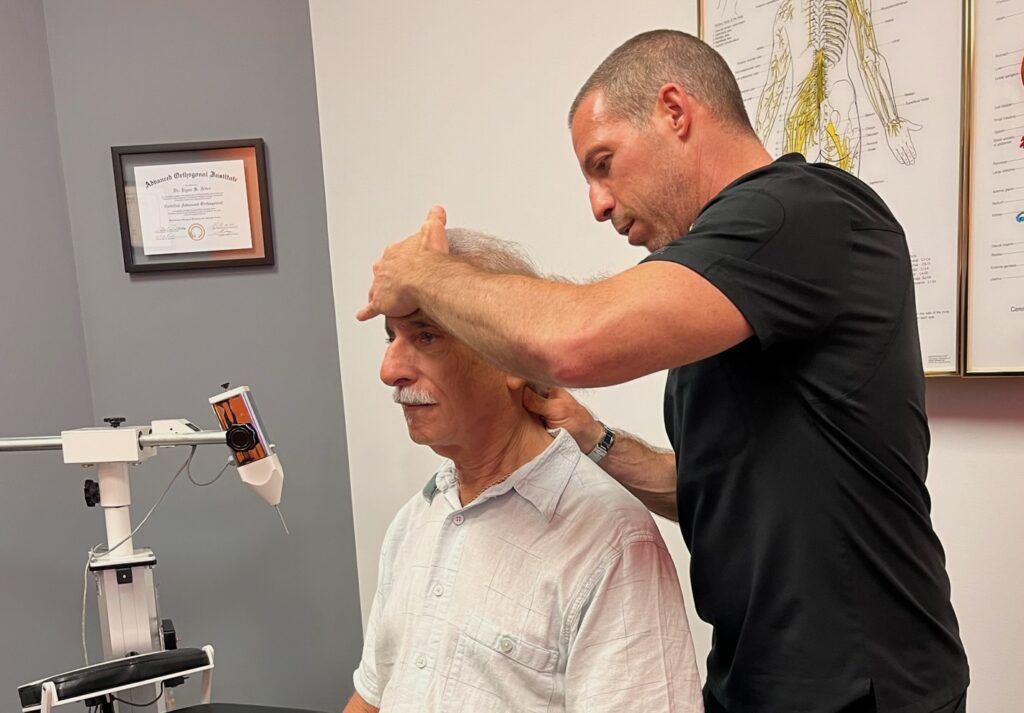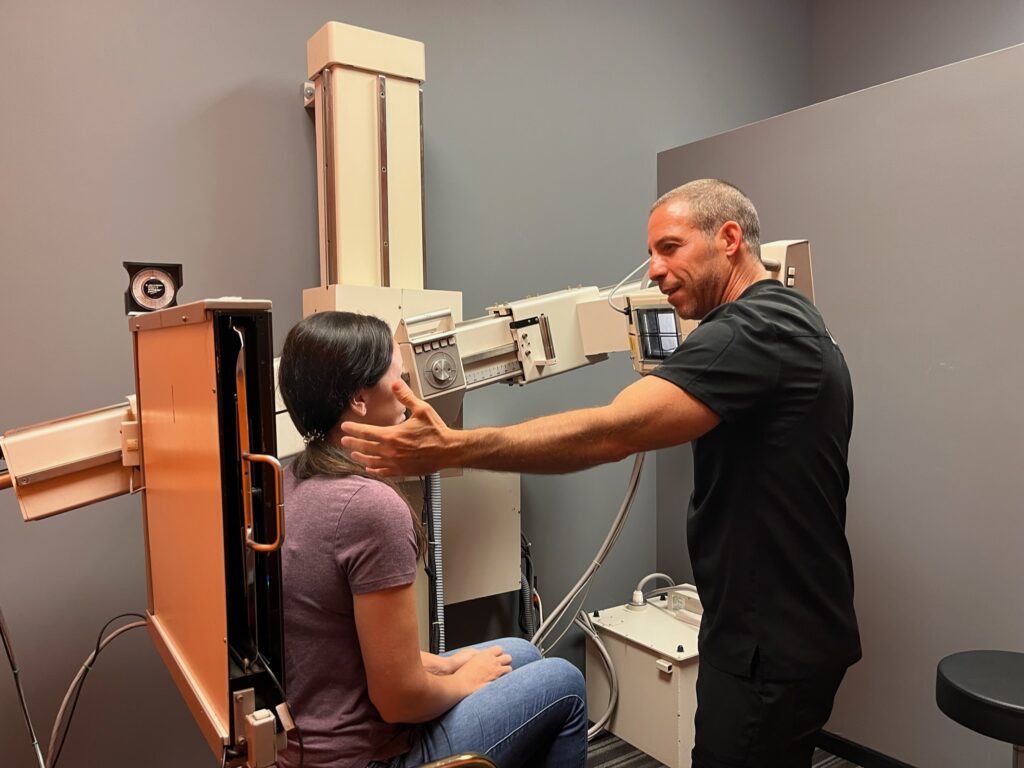

When you think about your health, long-term preventative care might not be the first thing on your mind, but it plays a vital role in your overall well-being. By prioritizing regular check-ups and screenings, you can catch potential health issues early, which often means more effective treatments and lower costs down the line. Furthermore, adopting healthy lifestyle habits fosters not just physical health but mental resilience too. Curious about how these benefits can shape your future and potentially transform your life?
Early Detection of Health Issues
Early detection of health issues is essential for effective long-term preventative care. When you identify health problems early, you can often treat them more successfully, reducing the risk of severe complications down the line.
Think about regular check-ups and screenings as your first line of defense. They help catch conditions like high blood pressure, diabetes, or certain cancers before they escalate into something more serious.
Don't wait until symptoms become unmanageable. Many health issues can remain asymptomatic in their early stages, so relying solely on how you feel isn't enough. You need proactive measures to monitor your health.
For instance, routine blood tests can reveal elevated cholesterol levels or early signs of organ dysfunction, allowing you to make necessary lifestyle changes or start treatment sooner.
Incorporating preventive practices into your routine can also keep you motivated. When you see the positive effects of early detection—like improved energy levels or reduced anxiety about your health—you're likely to stay engaged with your health journey.
Moreover, early detection doesn't just benefit you; it also empowers your healthcare providers to offer timely interventions and tailored treatment plans.
Reduced Healthcare Costs
Proactive health management not only leads to better health outcomes but also considerably lowers healthcare costs. By prioritizing preventative care, you can avoid expensive treatments and hospital visits down the line. Investing in your health today can save you a significant amount of money tomorrow.
When you engage in regular check-ups and screenings, you're more likely to catch potential health issues before they escalate. This early intervention can prevent costly surgeries, lengthy hospital stays, and extensive rehabilitation.
Here are some ways preventative care can reduce your healthcare expenses:
- Lower Insurance Premiums: Insurance companies often reward individuals who demonstrate healthy behaviors with lower premiums. By maintaining good health, you can save on monthly costs.
- Reduced Medication Costs: Preventative measures, such as a healthy diet and regular exercise, can help you avoid chronic conditions that require expensive medications. This means less spending in the pharmacy aisle.
- Fewer Emergency Visits: Regular check-ups can help you avoid emergencies by managing health issues before they become critical. This reduces the likelihood of incurring high costs associated with emergency care.
Incorporating long-term preventative care into your routine not only supports your overall health but also guarantees you're not burdened with hefty medical bills later on.
Ultimately, taking charge of your health is an effective way to manage and reduce your healthcare costs over time.
Improved Quality of Life
A commitment to long-term preventative care greatly enhances your quality of life. By consistently prioritizing your health, you empower yourself to lead a more active and fulfilling lifestyle. Regular check-ups, screenings, and healthy habits can help you catch potential health issues early, giving you the best chance to address them before they become serious concerns.
When you invest time in preventative care, you're not just avoiding illness; you're also improving your physical and mental well-being. You'll likely feel more energetic and vibrant, allowing you to engage in activities that bring you joy, whether it's hiking, playing with your kids, or simply enjoying a walk in the park.
Additionally, focusing on preventative measures can reduce stress and anxiety about your health. Knowing you're taking proactive steps can give you peace of mind. You'll feel more in control of your health journey, which can lead to improved mental clarity and emotional resilience.
Maintaining a healthy lifestyle through nutritious eating, regular exercise, and adequate sleep enhances your mood and overall outlook on life. You'll find that as your body becomes healthier, your confidence grows, resulting in a more positive self-image.
Enhanced Longevity
To enhance your longevity, making healthier lifestyle choices is key.
By prioritizing nutrition and regular exercise, you're not just boosting your well-being; you're also setting the stage for early disease detection.
This proactive approach can greatly impact your overall health and lifespan.
#
Healthier Lifestyle Choices
Making healthier lifestyle choices can greatly enhance your longevity and overall well-being. By adopting positive habits, you not only improve your physical health but also boost your mental and emotional resilience.
Small changes can make a big difference in how you feel and live your life.
Consider incorporating the following into your daily routine:
- Balanced Diet: Focus on whole foods rich in nutrients, such as fruits, vegetables, whole grains, and lean proteins. This can improve your energy levels and reduce the risk of chronic diseases.
- Regular Exercise: Aim for at least 150 minutes of moderate aerobic activity each week. Physical activity strengthens your heart, boosts your mood, and enhances your immune system.
- Stress Management: Practice mindfulness techniques like meditation or yoga. Managing stress effectively can lead to better decision-making and improved relationships.
Early Disease Detection
Early disease detection plays an essential role in enhancing longevity and maintaining overall health. By identifying health issues early, you're more likely to receive effective treatment, which can greatly improve your quality of life.
Regular check-ups and screenings allow you to catch potential problems before they escalate into serious conditions. When you stay proactive about your health, you can reduce the risk of chronic diseases like heart disease, diabetes, and cancer.
Early detection often means less invasive treatments, shorter recovery times, and better outcomes. Plus, it gives you the opportunity to make necessary lifestyle adjustments that can further support your well-being.
You should prioritize routine screenings based on your age, family history, and risk factors. Whether it's blood pressure checks, cholesterol tests, or cancer screenings, these simple steps can lead to life-saving interventions.
Prevention of Chronic Diseases
Preventing chronic diseases starts with early detection and regular screening, which can help catch issues before they escalate.
By making lifestyle modifications, you can greatly impact your health and reduce your risk.
Let's explore how these strategies can lead to a healthier, longer life.
Early Detection Strategies
Detecting chronic diseases before they develop can greatly improve health outcomes and lower healthcare costs. Early detection strategies are essential in identifying health issues while they're still manageable.
By taking proactive steps, you can empower yourself and guarantee timely interventions.
To enhance your early detection efforts, consider these strategies:
- Regular Screenings: Schedule routine health check-ups and screenings based on your age and risk factors. These can help catch potential issues before they escalate.
- Know Your Family History: Understanding your family's medical history can alert you to inherited risks and guide your preventive measures. Discuss these details with your healthcare provider.
- Stay Informed: Educate yourself about common chronic diseases, their symptoms, and risk factors. Awareness can prompt you to seek medical advice sooner rather than later.
Lifestyle Modifications Impact
Making lifestyle modifications can greatly reduce your risk of developing chronic diseases. By incorporating healthier habits into your daily routine, you can take control of your health and well-being.
Start with nutrition; eating a balanced diet rich in fruits, vegetables, whole grains, and lean proteins can markedly lower your chances of conditions like diabetes and heart disease. Avoid processed foods and excessive sugars, which contribute to chronic illness.
Regular physical activity is another essential factor. Aim for at least 150 minutes of moderate exercise each week. This doesn't have to mean hitting the gym; simple activities like walking, cycling, or even gardening can make a substantial difference.
Additionally, managing stress plays a crucial role. Practices like mindfulness, yoga, or meditation can help you cope better and reduce your risk of stress-related diseases.
Finally, verify you're getting enough quality sleep. Poor sleep patterns can lead to a range of health issues, including obesity and hypertension.
Regular Screening Importance
Regular screenings serve as an important tool in maintaining your long-term health and catching potential issues before they escalate into serious problems.
By staying proactive with your healthcare, you can greatly reduce the risk of chronic diseases such as diabetes, heart disease, and certain cancers. Regular check-ups and tests provide a thorough view of your health status and allow for early intervention.
Here are a few key benefits of maintaining regular screenings:
- Early Detection: Identifying health issues in their infancy can lead to more effective treatments and better outcomes.
- Informed Decisions: Screenings offer crucial information that helps you and your healthcare provider make informed decisions about lifestyle changes or medical interventions.
- Peace of Mind: Knowing your health status can alleviate anxiety and help you focus on maintaining a healthy lifestyle.
Incorporating regular screenings into your routine is a smart choice. It empowers you to take charge of your health.
Don't wait for symptoms to arise; make those appointments, and stay ahead of potential health risks. Your future self will thank you for it!
## Healthier Lifestyle Choices
Embracing healthier lifestyle choices is fundamental for enhancing your overall well-being and longevity. You have the power to make decisions that positively impact your health every day.
Start by focusing on your diet; incorporating a variety of fruits, vegetables, whole grains, and lean proteins can provide your body with the nutrients it needs to function effectively. Avoiding processed foods and excessive sugar can help you maintain a healthy weight and reduce the risk of chronic diseases.
Regular physical activity is another important component of a healthier lifestyle. Aim for at least 150 minutes of moderate aerobic exercise each week. This doesn't have to mean hitting the gym; simple activities like walking, cycling, or dancing can make a significant difference. Find an activity you enjoy, and make it a part of your routine.
Don't underestimate the importance of hydration. Drinking enough water throughout the day keeps your body functioning properly and can improve your energy levels. Aim for at least eight 8-ounce glasses of water daily; you might need more if you're active or live in a hot climate.
Finally, prioritize sleep. Quality rest is essential for recovery and overall health. Establish a consistent sleep schedule and create a calming bedtime routine to improve your sleep quality.
Better Mental Well-Being
Often overlooked, better mental well-being is essential for a balanced and fulfilling life. When you prioritize your mental health, you not only improve your emotional state but also enhance your overall quality of life. Engaging in long-term preventative care can lead to considerable benefits for your mental well-being, allowing you to navigate life's challenges with resilience and strength.
By incorporating strategies into your routine, you can cultivate a healthier mindset. Here are some key practices to reflect on:
- Mindfulness and Meditation: These practices help you stay present, reduce stress, and improve your emotional regulation.
- Regular Physical Activity: Exercise releases endorphins, boosting your mood and reducing feelings of anxiety or depression.
- Social Connections: Building and maintaining strong relationships can provide emotional support and increase feelings of belonging.
Taking care of your mental health isn't just about addressing problems when they arise; it's about creating a foundation that promotes long-term wellness. By actively engaging in preventative measures, you're fostering a more resilient mindset, which can considerably impact your daily life.
Incorporating these strategies into your routine empowers you to face challenges with confidence. You'll find that as your mental well-being improves, so does your ability to make healthier lifestyle choices and maintain a balanced life.
Ultimately, investing in your mental health is one of the best decisions you can make for a fulfilling future.
Strengthened Immune System
To strengthen your immune system, focus on a nutrient-rich diet, regular exercise, and effective stress management techniques.
These elements not only boost your body's defenses but also enhance your overall well-being.
Nutrient-Rich Diet
A nutrient-rich diet plays an essential role in strengthening your immune system and helping your body defend against illnesses. When you fill your plate with a variety of vitamins and minerals, you're equipping your body with the tools it needs to fight off infections and diseases.
Nutrients like vitamins A, C, and E, along with minerals such as zinc and selenium, are significant for maintaining peak immune function.
To enhance your immune health through diet, consider incorporating the following:
- Fruits and Vegetables: These are packed with antioxidants that combat oxidative stress and inflammation.
- Whole Grains: Foods like brown rice and quinoa provide essential nutrients and fiber, supporting gut health, where a significant portion of your immune system resides.
- Lean Proteins: Sources like chicken, fish, and legumes are critical for producing antibodies and immune cells.
Regular Exercise Benefits
Engaging in regular exercise markedly boosts your immune system, making it a powerful ally in disease prevention. When you work out, your body increases the circulation of immune cells, helping them to detect and fight off pathogens more effectively. This heightened activity can lead to a reduced risk of infections, allowing you to stay healthier throughout the year.
Moreover, exercise promotes better sleep quality, which is vital for a robust immune system. When you sleep well, your body has more time to repair and regenerate, further enhancing your overall health.
Regular physical activity also reduces inflammation, a key factor in many chronic diseases. By keeping inflammation in check, you're not only supporting your immune defenses but also improving your long-term health.
You'll also notice that exercising can uplift your mood, leading to lower stress levels. While we won't explore stress management techniques just yet, it's worth noting that a positive mindset can bolster your immune response.
Stress Management Techniques
Regularly managing stress is essential for maintaining a strong immune system. When you're stressed, your body releases hormones like cortisol, which can weaken your immune response. By incorporating stress management techniques into your daily routine, you can bolster your immune system and improve your overall health.
Here are some effective strategies to take into account:
- Mindfulness Meditation: Practicing mindfulness helps you stay present and reduces anxiety. Just a few minutes daily can decrease stress and strengthen your immune response.
- Deep Breathing Exercises: Taking a moment to focus on your breath can lower heart rates and reduce stress levels. Try inhaling deeply for four counts, holding for four, and exhaling for four.
- Physical Activity: Engaging in regular exercise not only releases endorphins but also helps clear your mind. Aim for at least 30 minutes of activity most days to keep stress in check.
Personalized Health Plans
With the right approach, personalized health plans can transform your wellness journey into a tailored experience that meets your unique needs. Rather than following a one-size-fits-all model, these plans consider your specific health history, lifestyle, and goals. This means you'll receive targeted interventions that resonate with your circumstances, helping you achieve peak health.
Creating a personalized health plan starts with understanding your individual health profile. You'll typically undergo assessments to evaluate your current health status, risk factors, and lifestyle habits. This information is vital in identifying areas for improvement and setting achievable goals.
Whether you aim to lose weight, manage stress, or enhance your fitness, a personalized plan can provide clear steps to get you there.
Moreover, personalized health plans often incorporate a variety of approaches, including nutrition, exercise, and mental wellness strategies. You'll likely find that these plans are more sustainable, as they align with your preferences and daily routines. For instance, if you enjoy outdoor activities, your exercise recommendations will reflect that, making it easier for you to stay active.
Finally, regular check-ins and adjustments guarantee your health plan remains relevant as your needs change. This adaptive approach not only keeps you engaged but also enhances your motivation and commitment.
Increased Patient Empowerment
Personalized health plans not only cater to your unique needs but also empower you to take charge of your health journey. When you actively participate in your care, you're more likely to make informed decisions that lead to better health outcomes. This empowerment is essential, especially as you navigate the complexities of healthcare.
By engaging with your health plan, you gain a better understanding of your body and its needs. Here are a few ways this increased empowerment can manifest:
- Informed Decision-Making: You'll be equipped with the knowledge to choose treatments and lifestyle changes that align with your goals. This means you're not just following recommendations blindly; you're actively involved in the process.
- Goal Setting: Personalized plans allow you to set realistic, achievable health goals tailored to your circumstances. You can track your progress and adjust your strategies as needed, fostering a sense of accomplishment and motivation.
- Open Communication: Empowerment encourages you to communicate openly with your healthcare providers. You'll feel more confident asking questions, voicing concerns, and seeking clarification, which ultimately leads to better care.
In essence, increased patient empowerment transforms your healthcare experience from passive to active. By taking ownership of your health, you're not just a recipient of care; you're an integral part of your health journey, setting the stage for long-term wellness.
Embrace this empowerment, and watch how it positively impacts your overall health.
Conclusion
Incorporating long-term preventative care into your routine is essential for a healthier, happier life. By prioritizing early detection, reducing healthcare costs, and embracing healthy lifestyle choices, you're not just preventing chronic diseases but also enhancing your overall well-being. You'll feel empowered to take charge of your health while enjoying improved longevity and mental wellness. Remember, investing in your health today pays off in the future, so make preventative care a priority for a fulfilling life.