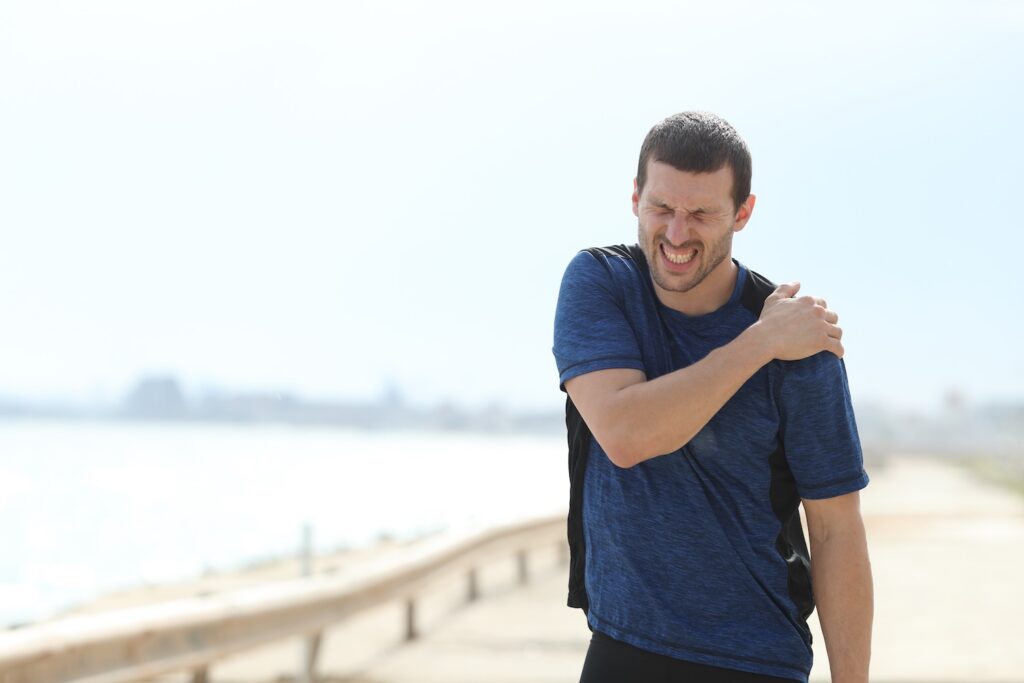

When you sustain a sports injury, it's easy to brush it off or try to power through, but seeking help can make a significant difference in your recovery and future performance. Early diagnosis allows for a tailored treatment plan that addresses your specific needs, helping you avoid long-term complications. Plus, with professional support, you can access personalized rehabilitation strategies that not only enhance physical healing but also strengthen your mental resilience. There's more to gain than just recovery—consider how it can reshape your entire athletic journey. What's the next step you should take?
Early Diagnosis and Treatment
When you experience a sports injury, seeking early diagnosis and treatment can make all the difference in your recovery. The sooner you identify the issue, the better your chances are for a successful comeback. Ignoring or delaying treatment may lead to more severe complications, extending your time away from the sport you love.
First, getting an accurate diagnosis helps you understand the extent of your injury. You might think it's just a minor sprain, but a professional evaluation could reveal something more serious. Knowing the specifics allows you to make informed decisions about your treatment options.
Once you have a diagnosis, early intervention can prevent the injury from worsening. Whether it's physical therapy, rest, or even surgery, addressing the problem promptly can minimize downtime. You'll likely regain strength and mobility faster when you take immediate action.
Additionally, early treatment often involves personalized rehabilitation plans tailored to your needs. These plans not only focus on recovery but also help you build strength and prevent future injuries. By being proactive, you'll be setting yourself up for a smoother shift back into your sport.
Finally, seeking help early can provide you with psychological benefits. Knowing you're taking steps to heal can alleviate anxiety and stress associated with being sidelined.
Preventing Long-Term Damage
When you experience a sports injury, getting help right away is essential to prevent long-term damage.
Early intervention allows you to address the issue before it worsens, while proper rehabilitation techniques guarantee you recover effectively.
Don't underestimate the importance of taking the right steps to protect your body for the future.
Early Intervention Is Crucial
Why wait to address that nagging pain you've been feeling? Early intervention is vital when it comes to sports injuries. Ignoring discomfort can lead to serious long-term damage, affecting not just your performance but your overall well-being.
Taking action now can save you from more extensive issues down the line.
Here are some key reasons why early intervention is essential:
- Prevents worsening injuries: The sooner you get help, the less likely your injury will escalate.
- Speeds up recovery: Early treatment can shorten the duration of your injury, getting you back in the game faster.
- Minimizes risk of re-injury: Addressing the issue early can help you avoid future setbacks.
- Improves overall performance: Treating pain now means you can perform at your best without limitations later.
- Gives peace of mind: Knowing you're taking care of your body helps you focus on your sport without distractions.
Don't let a small pain turn into a big problem. Seek help now, and guarantee that you're doing everything you can to protect your athletic future.
Your body will thank you!
Proper Rehabilitation Techniques
Rehabilitating a sports injury properly is essential to prevent long-term damage and guarantee you can return to your sport safely. First, follow your healthcare provider's advice on rest and activity modification. Ignoring this guidance can worsen your injury and prolong recovery.
Next, engage in a tailored rehabilitation program that focuses on strength, flexibility, and balance. Exercises should target the injured area while also improving overall fitness. Consistency is key; even short daily sessions can lead to significant improvements.
Incorporate techniques like stretching, strengthening, and functional movements. Gradually increase intensity and complexity as your injury heals. Don't rush this process; pushing yourself too hard can set you back.
Additionally, consider cross-training. Activities like swimming or cycling can maintain your fitness without straining the injured area. It can also prevent deconditioning, which makes returning to your sport more challenging.
Lastly, listen to your body. If you experience pain or discomfort, slow down and reassess your approach. By committing to proper rehabilitation techniques, you'll not only recover effectively but also reduce the risk of re-injury, ensuring a safe return to the sport you love.
Personalized Rehabilitation Plans
Personalized rehabilitation plans are essential for effectively recovering from sports injuries. When you get a sports injury, a one-size-fits-all approach just won't cut it. You need a plan tailored to your specific needs, goals, and the nature of your injury. This personalized approach helps guarantee that you're not only healing but also getting back to your sport stronger than before.
Here are a few key benefits of having a personalized rehabilitation plan:
- Targeted Recovery: It focuses on the exact area of your injury, speeding up recovery.
- Custom Exercises: You'll receive exercises that match your fitness level and injury type, minimizing the risk of re-injury.
- Progress Tracking: A personalized plan allows for regular assessments, helping to adjust your rehabilitation as you improve.
- Motivation Boost: Having a specific plan can keep you focused and motivated through your recovery journey.
- Holistic Approach: It considers your overall physical condition, lifestyle, and sport-specific demands, guaranteeing a thorough recovery.
Access to Professional Expertise
When you seek help for sports injuries, you gain access to specialized knowledge and skills that can make all the difference in your recovery.
Professionals use accurate diagnosis techniques to pinpoint the issue, ensuring you receive the right care.
With tailored treatment plans, they set you on the path to a safe and effective return to the game.
Specialized Knowledge and Skills
Access to specialized knowledge and skills is essential for effectively managing sports injuries. When you seek help from professionals, you tap into a wealth of expertise that can make all the difference in your recovery process.
Here's what you gain by consulting with experts:
- In-depth understanding of the specific injury types and their implications
- Customized rehabilitation programs tailored to your unique needs and goals
- Up-to-date techniques and technologies that enhance recovery and performance
- Preventive strategies to minimize the risk of future injuries
- Support and guidance throughout your recovery journey, ensuring you stay motivated
Accurate Diagnosis Techniques
Utilizing advanced diagnostic techniques is vital for accurately identifying sports injuries. When you experience pain or discomfort, it's imperative to seek professional help to guarantee you get the correct diagnosis. Trained specialists use a variety of methods, such as physical examinations, imaging studies, and functional assessments, to pinpoint the nature of your injury.
During a physical exam, your healthcare provider will assess your range of motion, strength, and any swelling or tenderness in the affected area. This hands-on approach provides immediate insights into what might be wrong.
Imaging techniques like X-rays, MRIs, or CT scans further enhance diagnosis by giving a detailed view of bones, soft tissues, and cartilage, helping to rule out fractures or tears.
Getting an accurate diagnosis can save you time and prevent complications. If you ignore your injury or misdiagnose it, you risk prolonging your recovery or worsening the condition.
Access to professional expertise guarantees that you don't have to navigate this complex process alone. With the right diagnosis, you can start your path to recovery more effectively and efficiently, allowing you to return to your sport stronger and more resilient.
Tailored Treatment Plans
A personalized treatment plan is essential for effectively recovering from a sports injury. When you seek help from a professional, you gain access to their expertise, which allows for a tailored approach to your specific needs. This is vital because no two injuries or athletes are the same.
A customized plan can address various factors, including:
- Your injury type and severity
- Your overall health and fitness level
- Your specific sport and its demands
- Your recovery timeline and goals
- Any previous injuries or medical history
These professionals analyze your situation and create a strategy that maximizes your healing potential.
They may incorporate various therapies, exercises, and even nutritional guidance, ensuring every aspect of your recovery is considered. With a tailored plan, you're not just treating the injury; you're also building strength and resilience for the future.
Enhanced Performance Recovery
Enhanced performance recovery is essential for athletes aiming to maintain peak physical condition. When you sustain a sports injury, your body needs time and appropriate care to heal properly. Seeking professional help not only speeds up your recovery but also enhances your overall athletic performance.
By consulting with a sports injury specialist, you'll receive targeted treatment strategies that focus on your specific needs. These strategies often include physical therapy, which helps restore strength and flexibility. You'll learn tailored exercises that promote healing while minimizing the risk of re-injury.
In addition to physical therapy, experts may recommend modalities like ultrasound therapy or electrical stimulation. These techniques can reduce inflammation and alleviate pain, allowing you to resume your training sooner. With the right support, you can improve your performance levels more effectively than if you were to push through the pain on your own.
Moreover, working with professionals provides you with valuable insights into proper biomechanics and movement patterns. By addressing any underlying issues, you can enhance your overall efficiency and power during competitions.
You'll find that not only do you recover faster, but you also come back stronger and more resilient. Ultimately, seeking help for sports injuries isn't just about recovery; it's about optimizing performance.
Mental Health Benefits
Recovering from a sports injury doesn't just benefit your physical health; it also greatly impacts your mental well-being. When you focus on healing, you're not just mending your body; you're also nurturing your mind.
Engaging in rehabilitation and seeking professional help can alleviate anxiety and boost your confidence. Here are some mental health benefits you can expect:
- Reduced Anxiety: Working with professionals can help you manage the stress and fear surrounding your injury.
- Improved Self-Esteem: As you progress in your recovery, you'll gain a sense of accomplishment that enhances your self-worth.
- Enhanced Focus: Rehabilitation often requires setting goals, which can sharpen your focus and drive.
- Stronger Resilience: Overcoming an injury builds mental toughness, preparing you for future challenges, both in sports and life.
- Community Support: Connecting with trainers, therapists, or fellow athletes can provide a valuable support network, combating feelings of isolation.
Conclusion
To summarize, seeking help for sports injuries isn't just about healing; it's a smart investment in your athletic future. Early diagnosis and tailored treatment plans can prevent long-term damage and enhance your performance recovery. With professional expertise and personalized rehabilitation, you'll not only recover faster but also boost your mental resilience. Remember, prioritizing your health now sets you up for success later, so don't hesitate to reach out for the support you need.