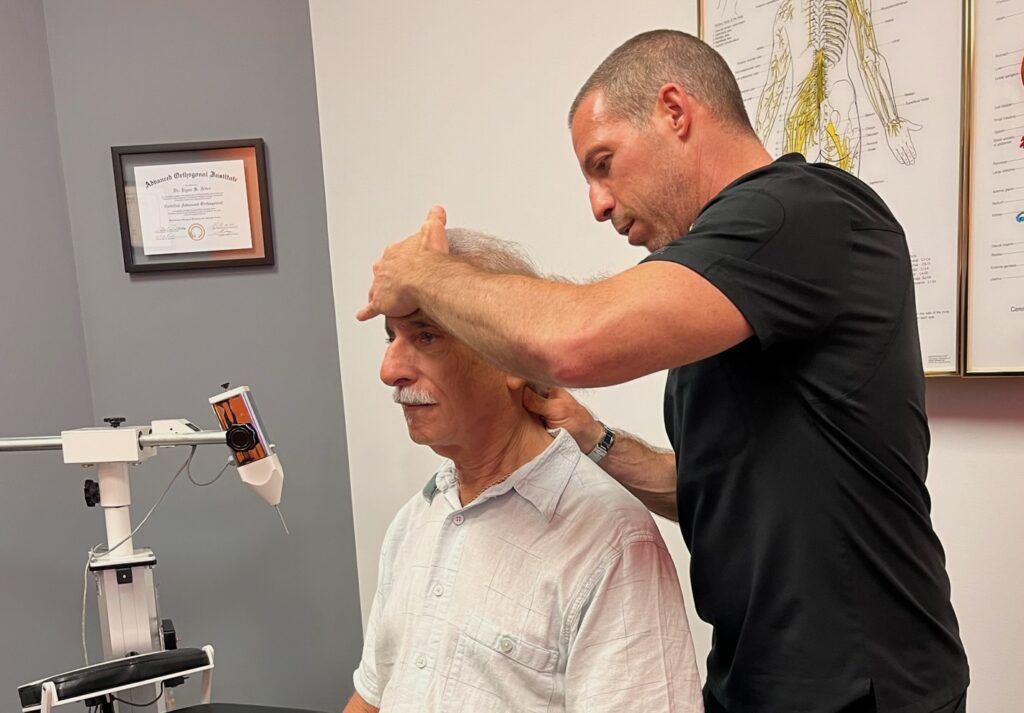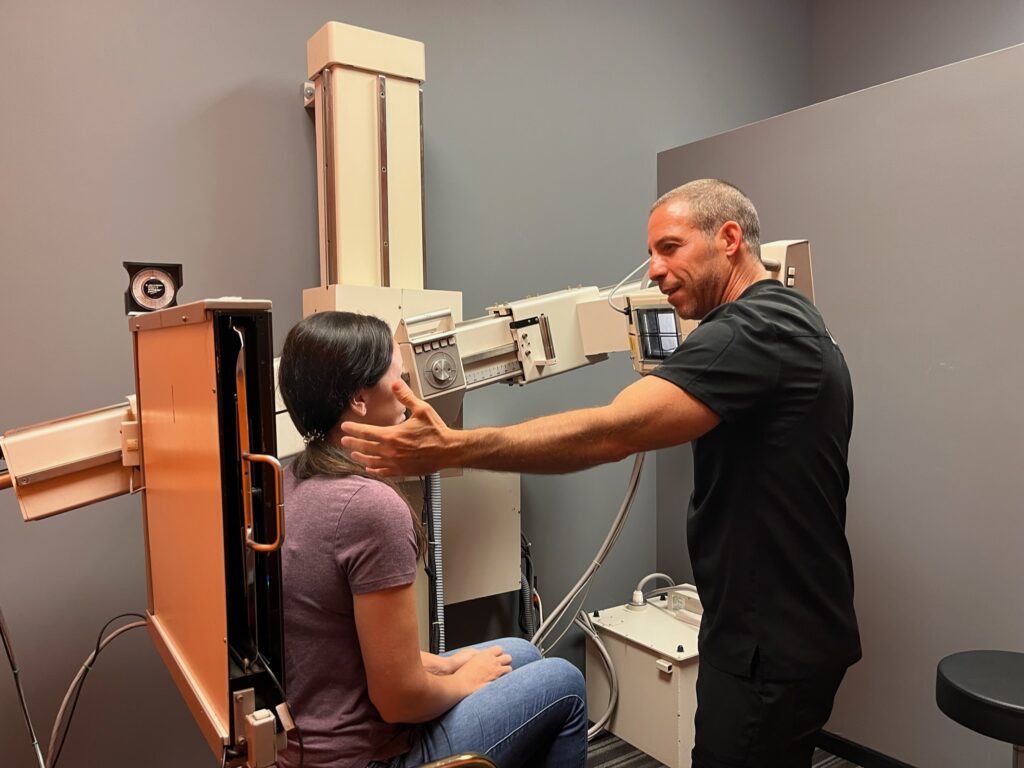

As a local chiropractor, I want to share some insights on managing lower back pain—a common issue that many of my patients face. If you’re dealing with this discomfort, know that you’re not alone, and more importantly, relief is within your reach in just 30 days.
Incorporating specific stretches and strengthening exercises for your core can make a significant difference in your overall back health. These techniques not only help alleviate pain but also promote better posture and mobility. Additionally, making a few lifestyle adjustments can enhance your healing process and prevent future issues.
It’s important to understand that chiropractic care plays a vital role in this journey. By addressing spinal alignment and mobility, we can help your body heal naturally, allowing you to experience lasting comfort. Let’s work together to explore these key techniques and develop a personalized plan that suits your needs. Your journey to a pain-free life starts here!
Understanding Lower Back Pain: Causes and Symptoms
As a local chiropractor, I want to shed some light on lower back pain, a common issue that can feel like a heavy burden, making even simple daily activities challenging. This discomfort can stem from various factors, such as muscle strain, herniated discs, or conditions like arthritis. Additionally, poor posture during those long hours at your desk or improper lifting techniques can significantly contribute to your pain.
Many of my patients describe their symptoms in different ways; some experience a dull ache, while others may feel sharp, stabbing sensations that radiate down their legs. You might also notice stiffness that restricts your movement, particularly after sitting or sleeping for extended periods. Certain activities, such as bending or twisting, can exacerbate the pain as well.
Understanding these symptoms is crucial in pinpointing the root cause of your discomfort. By recognizing the underlying issues, you empower yourself to explore natural healing options, like chiropractic care, which can provide relief from lower back pain.
Seeking treatment early can prevent the problem from worsening and help you regain your quality of life. Remember, it’s never too late to take charge of your health and explore the benefits of a holistic approach to healing.
Essential Lifestyle Changes for Back Health
As your local chiropractor, I want to emphasize how simple lifestyle adjustments can significantly enhance your back health. One of the first steps you can take is to be mindful of your posture throughout the day. Whether you’re working at a desk, waiting in line, or even walking, maintaining proper spinal alignment is crucial in preventing unnecessary strain on your back.
I recommend exploring ergonomic furniture that can provide the support your spine needs.
Another critical factor in your back health is maintaining a healthy weight. Carrying excess weight can place additional stress on your lower back, which may lead to discomfort or pain. By incorporating a balanced diet and regular exercise into your daily routine, you can effectively manage your weight and, in turn, relieve pressure on your back.
Sleep is often overlooked, but it’s vital for your overall well-being and spinal health. Ensure that your mattress and pillow provide adequate support to keep your spine aligned while you rest. A good night’s sleep is essential for recovery and maintaining a healthy back.
Lastly, don’t underestimate the power of hydration. Proper hydration is essential for supporting your spinal discs and overall health. Drinking enough water daily can enhance your body’s ability to heal and function properly.
By implementing these essential changes, you can foster a healthier lifestyle that not only promotes better back health but also reduces your risk of experiencing pain.
Targeted Stretching Exercises for Relief
As a local chiropractor, I often see patients struggling with lower back pain, and I want to share some valuable insights on how targeted stretching exercises can be a natural and effective way to alleviate discomfort.
While it may seem surprising, incorporating these stretches into your daily routine can greatly improve your flexibility and help relieve tightness in your muscles, making everyday movements more manageable.
Here are three stretches I recommend for effective relief:
- Knees-to-Chest Stretch: Begin by lying on your back. Gently pull your knees toward your chest and hold this position for about 15-30 seconds. This stretch is excellent for releasing tension in your lower back.
- Cat-Cow Stretch: Position yourself on all fours. Alternately arch your back upwards (like a cat) and then lower your belly toward the ground (like a cow). This dynamic movement helps to increase mobility in your spine and reduces stiffness in your back.
- Child’s Pose: Sit back on your heels with your arms extended forward on the ground. This gentle stretch allows your spine to lengthen and promotes relaxation in your back muscles.
By integrating these stretches into your daily routine, you can experience a noticeable improvement in your lower back pain over time.
Remember, consistency is vital for achieving lasting results!
If you have any questions or need personalized guidance, don’t hesitate to reach out to your local chiropractor. We’re here to help you on your journey to natural healing and wellness!
Strengthening Your Core to Support Your Back
As a local chiropractor, I want to share with you the importance of strengthening your core to support your back and alleviate pain.
Many people are unaware that a stable core plays a crucial role in enhancing your posture and providing the necessary support for your spine.
By incorporating targeted core exercises into your daily routine, you can significantly improve your overall stability and reduce discomfort.
It’s not just about treating the pain; it’s about understanding how a strong core can prevent future issues and promote a healthier back.
Let’s work together to explore these exercises and create a plan that fits your lifestyle!
Core Exercises Overview
As a local chiropractor, I want to emphasize the importance of a strong core for maintaining a healthy spine and alleviating lower back pain. Many patients I see often overlook how crucial core exercises aren’t only for overall strength but also for providing the support your back needs.
Here are three effective exercises to consider incorporating into your routine:
- Planks: This exercise engages your entire core, helping to build stability in your spine without putting unnecessary strain on your back. It’s a fantastic way to develop endurance in your core muscles.
- Bridges: By performing bridges, you’ll strengthen your glutes and lower back while also enhancing flexibility. This exercise can help improve your posture and support the alignment of your spine.
- Dead Bugs: This exercise focuses on coordination and stability, which are vital for reinforcing your core muscles. It helps connect your upper and lower body movements, promoting better overall function.
By integrating these core exercises into your daily life, you can create a strong foundation for your spine and reduce discomfort.
If you have any questions or need guidance on how to perform these exercises correctly, feel free to ask during your next visit!
Importance of Stability
As a local chiropractor, I want to emphasize the importance of stability for your overall health, particularly when it comes to supporting your back. Many people may not realize that core exercises play a vital role in not only building strength but also enhancing stability, which is crucial for maintaining proper posture and alignment.
When you strengthen your core, you create a solid foundation that helps to reduce strain on your lower back.
Incorporating exercises such as planks, bridges, and bird-dogs into your routine can significantly improve your stability. These movements engage various muscle groups, allowing your core to work in harmony with your back.
By prioritizing these exercises, you can lessen the risk of injury and even alleviate existing pain.
It’s important to understand that a stable core isn’t just about how you look; it’s about how your body functions. A strong core supports your spine and helps prevent discomfort.
So, I encourage you to make these exercises a regular part of your routine. You may soon find that your back feels more supported, and you experience increased overall body strength.
Start today, and your back will thank you for it!
The Role of Posture in Lower Back Pain
As a local chiropractor, I’ve seen firsthand how often posture is overlooked when it comes to lower back pain. Many people don’t realize that maintaining proper alignment is crucial for reducing discomfort.
Your daily habits and how you move can significantly affect how your back feels. By paying attention to your posture, you can ease the strain on your lower back and promote overall wellness.
Here are a few tips I recommend to help you improve your posture and support your spine:
- Sit with your back straight: Choose a chair that provides support for your lower back, and make sure your feet are flat on the floor. This helps maintain the natural curve of your spine.
- Stand tall: When standing, distribute your weight evenly between both feet. Avoid slouching or leaning to one side, as this can lead to imbalance and discomfort.
- Be mindful when lifting: Always bend at your knees and keep your back straight when lifting heavy objects. This technique can help prevent injury and protect your lower back.
Remember, proper posture isn’t just about comfort—it’s an essential aspect of maintaining a healthy spine.
If you’re experiencing persistent lower back pain, consider visiting a chiropractor who can provide personalized strategies for improving your posture and overall spinal health.
Effective Heat and Cold Therapy Techniques
As a local chiropractor, I want to share some effective heat and cold therapy techniques that can be incredibly beneficial for relieving lower back pain. Understanding how to properly use these methods can greatly enhance your journey towards natural healing.
When you apply heat to your lower back, it increases blood flow and helps to relax tight muscles. This can be particularly helpful if you’re experiencing muscle stiffness or tension. You might consider using a heating pad, a warm towel, or even indulging in a hot bath for about 15-20 minutes.
Just remember to avoid placing heat sources directly on your skin to prevent any burns.
On the flip side, cold therapy is excellent for reducing inflammation and numbing any sharp pain you might be feeling. You can use an ice pack or even a bag of frozen vegetables wrapped in a cloth. Applying this for about 15-20 minutes can provide relief, but be sure to take breaks in between applications to avoid frostbite and allow your skin to recover.
Incorporating both heat and cold therapies into your routine can provide significant relief from lower back pain. I encourage you to experiment with each method to discover what works best for you.
If you find that your pain persists despite these efforts, please don’t hesitate to reach out to me or another healthcare professional. We’re here to help you explore all the options available for your natural healing journey.
Exploring Alternative Therapies: Acupuncture and Massage
As a local chiropractor, I want to share some insights on how alternative therapies like acupuncture and massage can complement your journey towards relief from lower back pain.
Many of my patients find that acupuncture can effectively reduce pain and enhance mobility by targeting specific points in the body.
Additionally, targeted massage techniques are excellent for alleviating muscle tension, which can often contribute to discomfort.
Incorporating these therapies alongside chiropractic care can help create a holistic approach to healing.
By understanding how these natural methods work, you can take an active role in your health and well-being.
Let’s delve into the benefits of these therapies and how they can work together to improve your overall quality of life.
Benefits of Acupuncture
As a local chiropractor, I want to introduce you to a natural approach that can effectively alleviate lower back pain—acupuncture.
While you may be more familiar with traditional chiropractic care, acupuncture is a complementary therapy that can enhance your overall healing process, especially when conventional treatments don’t provide the relief you’re seeking.
This ancient technique involves the stimulation of specific points on the body, promoting natural healing and pain management.
Here are some key benefits you can expect from acupuncture:
- Pain Reduction: Acupuncture has been shown to decrease inflammation and enhance blood circulation, leading to significant pain relief in the lower back area.
- Improved Mobility: By addressing the root causes of your discomfort, acupuncture can help restore your range of motion, making everyday activities much easier and more enjoyable.
- Stress Relief: The calming effects of acupuncture can help reduce stress levels, which often contribute to the experience of pain.
If you’re looking for a holistic method to manage your lower back pain, incorporating acupuncture into your wellness routine could be a beneficial solution.
As your chiropractor, I encourage you to explore this option for a more comprehensive approach to your health!
Massage Techniques for Relief
As a local chiropractor dedicated to your well-being, I want to share some effective massage techniques that can help alleviate lower back pain and complement the natural healing benefits of chiropractic care.
One of the most beneficial methods is deep tissue massage, which focuses on the deeper layers of muscle and connective tissue to relieve tension. Another effective option is Swedish massage, recognized for its gentle and soothing strokes that encourage relaxation and boost blood circulation.
If you’re dealing with specific areas of tightness, trigger point therapy may be particularly helpful. This technique targets painful knots in the muscles that contribute to discomfort in your lower back, helping to release built-up tension.
For those who prefer a more holistic approach, myofascial release is worth considering. This method involves stretching the fascia, which can significantly alleviate pain and improve mobility.
It’s essential to understand that regular massage sessions can enhance your overall health, reduce stress levels, and increase your range of motion.
I encourage you to consult with a licensed massage therapist who can work with you to create a personalized treatment plan that aligns with your chiropractic care. Together, we can help you achieve optimal health and relief from pain.
Mindfulness and Meditation for Pain Management
As your local chiropractor, I want to introduce you to some effective techniques for managing lower back pain that go beyond traditional physical interventions.
Mindfulness and meditation can be powerful allies in your pain management journey, focusing on the mental and emotional aspects of healing.
Incorporating mindfulness into your daily routine can enhance your awareness of your body and its sensations, ultimately helping to reduce your perception of pain.
Here are a few techniques that I recommend:
- Breath Awareness: Start by paying attention to your breath. Take a deep inhale through your nose, hold it for a moment, and then exhale slowly. This simple practice can calm your mind, alleviate stress, and ease muscle tension, which can be beneficial for your back.
- Body Scan: Find a comfortable position, preferably lying down, and mentally scan your body from head to toe. Pay attention to any areas where you feel tension or discomfort. Acknowledging these sensations without judgment can help you develop a deeper understanding of your body and promote relaxation.
- Guided Meditation: Consider using meditation apps or audio recordings that guide you through practices designed specifically for pain relief and relaxation. These resources can help you connect with your body and mind, creating a holistic approach to managing your lower back pain.
By integrating these mindfulness techniques with chiropractic care, you can empower yourself to take an active role in your healing process.
Together, we can create a comprehensive plan that addresses both the physical and emotional components of your pain.
The Importance of Rest and Recovery
As a local chiropractor, I want to emphasize the vital role that rest and recovery play in your journey to alleviate lower back pain. It’s essential to understand that your body needs time to heal, especially after experiencing discomfort or stress. By prioritizing rest, you allow your muscles to recover and reduce inflammation, ultimately promoting a healthier spine.
It’s crucial to listen to your body. If you’re feeling fatigued or in pain, pushing through can often lead to further issues. Instead, consider taking short breaks throughout your day; even small pauses can make a significant difference in your recovery process.
Incorporating relaxation techniques, such as gentle stretching or lying down in a comfortable position, can further support your healing journey.
Another key element to focus on is sleep. Quality sleep is vital for rejuvenating your body and preparing it to handle pain and tension more effectively.
Remember, taking time to rest isn’t a sign of weakness; it’s an essential aspect of your healing process. Embracing this time to recover will allow you to return to your daily activities feeling stronger and more resilient.
As your chiropractor, I encourage you to prioritize rest and recovery as part of your overall wellness strategy.
Creating a Long-Term Back Care Plan
As a local chiropractor, I understand how crucial it’s to manage lower back pain effectively over the long term. Creating a comprehensive back care plan tailored to your lifestyle and unique needs can make all the difference. Here are three essential components to consider:
- Regular Exercise: It’s vital to incorporate exercises that strengthen and improve flexibility in your back. Activities such as yoga or swimming are excellent choices, as they’re gentle on the body while promoting overall function. I can guide you on specific exercises that will best support your recovery.
- Posture Awareness: Being mindful of your posture throughout daily activities can significantly reduce stress on your back. I recommend using ergonomic furniture and being conscious of your sitting and standing positions. I can provide you with tips and techniques to help you maintain good posture, which is essential for long-term relief.
- Routine Check-ins: Regular appointments with me can be beneficial in monitoring your progress. Together, we can assess your condition and adjust your back care plan as needed. This ongoing support ensures that you stay on track and continue to move towards long-term relief from lower back pain.
By focusing on these key areas, we can work together to create a personalized plan that promotes healing and enhances your overall well-being.
Conclusion
As a local chiropractor, I want to share with you how you can achieve significant relief from lower back pain in just 30 days. By incorporating specific stretching and strengthening exercises tailored to your needs, along with mindfulness practices, you can start to feel better naturally. Utilizing heat and cold therapy can also be incredibly effective in managing discomfort.
It’s essential to pay attention to your posture throughout the day and consider exploring alternative therapies like massage, which can complement your chiropractic care. Remember, consistency is crucial—making these practices a regular part of your routine will help you maintain your progress. Together, we can create a long-term back care plan that supports your journey towards a healthier, pain-free life. I’m here to guide you every step of the way!