
As a local chiropractor, I understand how back pain can significantly impact your daily activities and overall quality of life. It's important to know that there are numerous effective techniques available to help relieve your discomfort and enhance your mobility.
One of the key methods I recommend is incorporating stretching exercises into your routine. These exercises not only improve flexibility but also help to strengthen the muscles that support your spine. Additionally, heat and cold therapies can be incredibly beneficial in reducing inflammation and easing tension in your back.
Moreover, many of my patients have found that integrating mindfulness practices, such as meditation or deep-breathing exercises, can provide an extra layer of relief by promoting relaxation and reducing stress.
As you consider these various approaches, I encourage you to reflect on which techniques resonate with you and your lifestyle. Let's explore how chiropractic care, combined with these natural healing methods, can facilitate your recovery and lead you to a pain-free life.
Stretching Exercises
As a local chiropractor, I often emphasize the importance of stretching exercises in alleviating back pain and enhancing overall flexibility. Incorporating stretching into your daily routine can significantly relieve muscle tension, improve blood circulation, and promote better posture.
Regular stretching is essential for maintaining the flexibility of your spine and the surrounding muscles, which can help prevent discomfort and support your overall health.
I recommend starting with gentle stretches that specifically target your back, hips, and legs. One of my favorites is the cat-cow stretch, which is fantastic for mobilizing the spine. To perform this stretch, get on your hands and knees. Arch your back towards the ceiling while tucking your chin in, and then drop your belly while lifting your head.
Repeat this motion several times, focusing on your breath and the movement of your spine.
Another effective stretch is the seated forward bend. Sit on the floor with your legs extended in front of you. Slowly reach towards your toes while keeping your back straight. It's perfectly fine if you can't reach your toes right away—just aim to feel a gentle stretch in your lower back and hamstrings.
This stretch can help release tension and improve flexibility over time.
Additionally, I encourage you to incorporate the child's pose into your routine. Kneel on the floor, sit back on your heels, and stretch your arms forward while lowering your forehead to the ground. This position offers a comforting stretch along your spine and hips, promoting relaxation and relief.
When stretching, aim to hold each position for at least 20-30 seconds, and remember to breathe deeply throughout the process. Consistency is key; try to incorporate stretching into your daily routine to experience lasting relief from back pain and increased flexibility.
Your body will truly thank you for it! If you have any questions or need guidance on how to integrate stretching into your self-care regimen, feel free to reach out!
Strengthening Workouts
As a local chiropractor, I want to emphasize the importance of not only stretching but also incorporating strengthening workouts into your routine to alleviate back pain.
Building strength in your core and back muscles is vital for providing better support to your spine, which can help reduce strain and discomfort.
Here are four effective exercises I recommend adding to your regimen:
- Planks: Begin by holding a plank position for 30 seconds to a minute. This exercise engages your entire core, which promotes stability and strengthens your lower back.
- Bird-Dogs: Start in a tabletop position, then extend one arm and the opposite leg at the same time. Hold this position for a few seconds before switching sides. This movement enhances your balance and strengthens your lower back.
- Glute Bridges: Lie on your back with your knees bent. Lift your hips toward the ceiling while squeezing your glutes at the top. This exercise targets your glutes and hamstrings, which can help alleviate pressure on your lower back.
- Deadlifts: Using a light barbell or dumbbells, stand with your feet hip-width apart. Hinge at your hips and lower the weights while keeping your back straight. This action strengthens your posterior chain, including your lower back.
Integrating these exercises into your weekly routine can lead to significant improvements in your back strength and pain relief.
It's essential to start slowly and, if you're unsure about your form or the appropriate weight, consult with a fitness professional or reach out to me.
Strengthening your back is a crucial step toward achieving a healthier, pain-free life, and I'm here to help guide you on your journey to wellness through chiropractic care and natural healing.
Posture Correction
As a local chiropractor, I want to emphasize the importance of good posture in preventing and alleviating back pain. Proper alignment while sitting, standing, or moving can significantly reduce the strain on your spine and surrounding muscles. It all starts with being mindful of how you carry yourself throughout the day.
When you're sitting, ensure your back is straight and your shoulders are relaxed, avoiding any slouched positions. Your feet should rest flat on the ground, and your knees should be at or below hip level for optimal alignment. If you spend a lot of time at a desk, it's crucial to adjust your chair and monitor height to prevent straining your neck and back. A chair with proper lumbar support can make a world of difference.
When standing, aim to distribute your weight evenly across both feet. Keep your shoulders back and your head aligned with your spine. Be mindful not to lock your knees, as this can create tension and discomfort.
While walking, engage your core muscles and strive to maintain a straight line from your head down to your heels. Incorporating regular posture checks into your daily routine can lead to significant improvements. Setting reminders on your phone or computer can help you assess and adjust your posture throughout the day.
Additionally, practices like yoga or Pilates can enhance your body awareness and strengthen the muscles that support proper alignment. Finally, don't underestimate the power of stretching. Tight muscles can pull you out of alignment and contribute to discomfort.
Heat Therapy
As a local chiropractor, I often emphasize the importance of maintaining proper posture in managing back pain. However, many patients are unaware of the significant relief that can be achieved through heat therapy. This natural approach works by enhancing blood flow to the affected areas, promoting relaxation, and alleviating muscle tension.
It's a simple yet effective way to soothe your aching back and support your healing process.
If you're considering incorporating heat therapy into your routine, here are four practical methods you can try:
- Heating Pads: These are a great tool for targeted relief. You can easily place a heating pad directly on the painful area of your back. Just remember to adjust the heat settings to a comfortable level and avoid burns by not using it for too long.
- Warm Baths: Taking a warm bath can be incredibly beneficial. Allow the heat to envelop your body, and consider adding Epsom salts. This not only enhances relaxation but also helps to ease muscle tension and promote overall well-being.
- Heat Wraps: These are designed for convenience, providing continuous warmth over an extended period. They're particularly useful for keeping your back warm while you engage in daily activities, allowing you to experience relief without interrupting your routine.
- Hot Water Bottles: A classic method that many find comforting. Fill a hot water bottle with warm water and place it on your back. This can be especially soothing during episodes of intense pain.
As a guideline, apply heat for about 15-20 minutes at a time to allow your muscles to relax effectively without the risk of overheating.
By integrating heat therapy into your regimen, you're not only creating a comforting atmosphere but also taking an active role in alleviating your back pain and enhancing your overall health.
If you have any questions about how heat therapy can fit into your chiropractic care plan, feel free to reach out!
Cold Therapy
As a local chiropractor, I want to introduce you to the benefits of cold therapy for managing back pain, particularly if you're experiencing inflammation or have sustained an acute injury. Cold therapy is a natural and effective way to relieve discomfort by reducing blood flow to the affected area, which can help alleviate swelling and numb sharp pain sensations.
To use cold therapy effectively, consider applying ice packs, frozen gel packs, or even a bag of frozen vegetables wrapped in a towel directly to your back. For optimal results, keep the cold pack on the affected area for about 15 to 20 minutes. It's important to give your skin a break between applications—wait at least 30 minutes before reapplying. Always use a thin cloth as a barrier between the ice and your skin to prevent frostbite.
I often recommend cold therapy right after an injury or during flare-ups of chronic pain. In fact, during the first 48 hours post-injury, it's especially effective when swelling is most likely to occur.
As you progress in your recovery, you may find it beneficial to alternate cold therapy with heat therapy. While heat can soothe tight muscles and enhance circulation, cold therapy is excellent for reducing inflammation.
If you're ever uncertain about how to implement cold therapy or if your back pain continues, please don't hesitate to reach out to a healthcare professional, such as myself. I can provide personalized guidance tailored to your unique situation.
Massage Techniques
As a local chiropractor, I want to share how certain massage techniques can be incredibly beneficial for relieving back pain. Techniques such as trigger point therapy and deep tissue massage focus on targeting specific areas of tension in your muscles. By doing so, they help to release built-up stress and promote overall muscle relaxation.
Incorporating these methods into your wellness routine can't only alleviate discomfort but also enhance your mobility.
It's important to understand that these approaches can complement chiropractic care, helping to create a more holistic path to healing. By addressing the root causes of pain and tension through these techniques, you can support your journey towards better health and well-being.
Trigger Point Therapy
As a local chiropractor, I often encounter patients who are unfamiliar with the concept of trigger points and how they can affect your overall well-being.
Have you ever experienced a persistent knot in your back that just doesn't seem to fade? This tight, achy area could be a trigger point—a small, hyperirritable muscle area that can lead to pain in other parts of your body.
Trigger point therapy is a natural healing technique that targets these specific knots, helping to release tension and alleviate discomfort.
Here are four effective techniques you can incorporate into your self-care routine for trigger point therapy:
- Direct Pressure: Utilize your fingers or a massage ball to apply firm pressure directly on the knot. Hold this pressure for about 20-30 seconds until you start to feel a release in the muscle.
- Stretching: After applying pressure, gently stretch the affected muscle. This can help lengthen it and further release any lingering tension.
- Heat Application: Before starting your therapy, consider applying a warm compress to the area. The heat enhances blood flow and makes the knots easier to work on, allowing for a more effective release.
- Breath Control: While you're focusing on these trigger points, pay attention to your breathing. Inhale deeply and exhale slowly; this will help relax both your body and mind, making the therapy process more effective.
By understanding and utilizing these techniques, you can take an active role in your healing journey.
As always, if you're experiencing chronic pain or discomfort, consider scheduling an appointment with your chiropractor to explore personalized treatment options.
Deep Tissue Massage
As a local chiropractor, I want to share valuable insights about deep tissue massage and how it can benefit your overall health, especially if you're dealing with chronic muscle tension and pain.
This technique is a powerful method that targets deeper layers of muscle and connective tissue, effectively breaking up adhesions and reducing inflammation. If you're experiencing persistent back pain, deep tissue massage can specifically address those stubborn knots that might go unnoticed with more traditional massage techniques.
During a session with a trained therapist, firm pressure is applied using fingers, elbows, or forearms. While you may feel some discomfort during the process, it's crucial to communicate with your therapist to ensure the sensation remains tolerable and beneficial. They can adjust their approach based on your comfort level, which is fundamental for an effective treatment.
After just one session, many patients notice improved mobility and reduced pain. However, for sustained relief, I recommend considering regular treatments. Incorporating stretching and strengthening exercises into your daily routine can also enhance the effects of the massage, promoting overall wellness and resilience against future discomfort.
Don't forget to hydrate after your session! Drinking water helps flush out toxins released from your muscles during the massage, supporting your body's natural healing processes.
Deep tissue massage isn't merely a luxury; it's a practical tool in your journey toward a pain-free back. Embrace this technique as part of your holistic approach to health and well-being. Together, we can work towards reclaiming your comfort and enhancing your quality of life.
Acupuncture
Chiropractic care is a holistic approach that can effectively address and alleviate back pain. Unlike traditional treatments that often focus solely on symptoms, chiropractic emphasizes the importance of spinal alignment and the body's overall well-being.
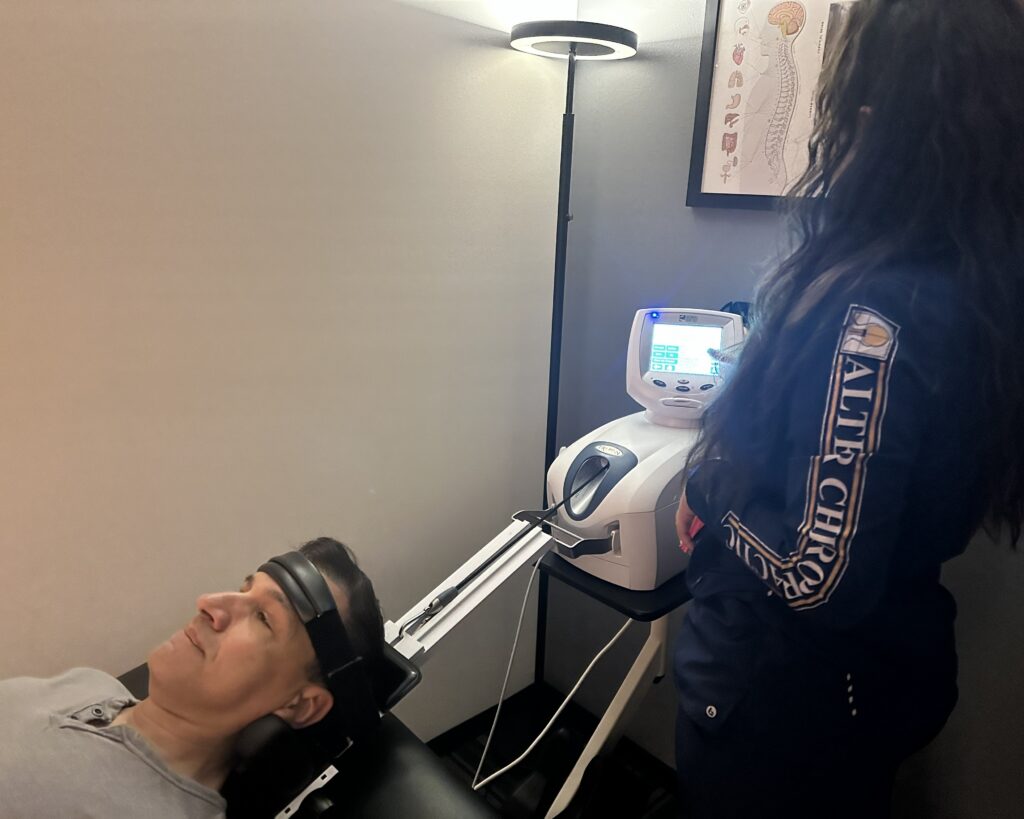
When you visit a chiropractor, you can expect a tailored experience designed to meet your specific needs regarding back pain. Here's what you might encounter during a typical visit:
- Comprehensive Assessment: Before any treatment begins, your chiropractor will conduct a thorough evaluation of your condition. They'll ask about the location, intensity, and duration of your pain to gain a clear understanding of your unique situation.
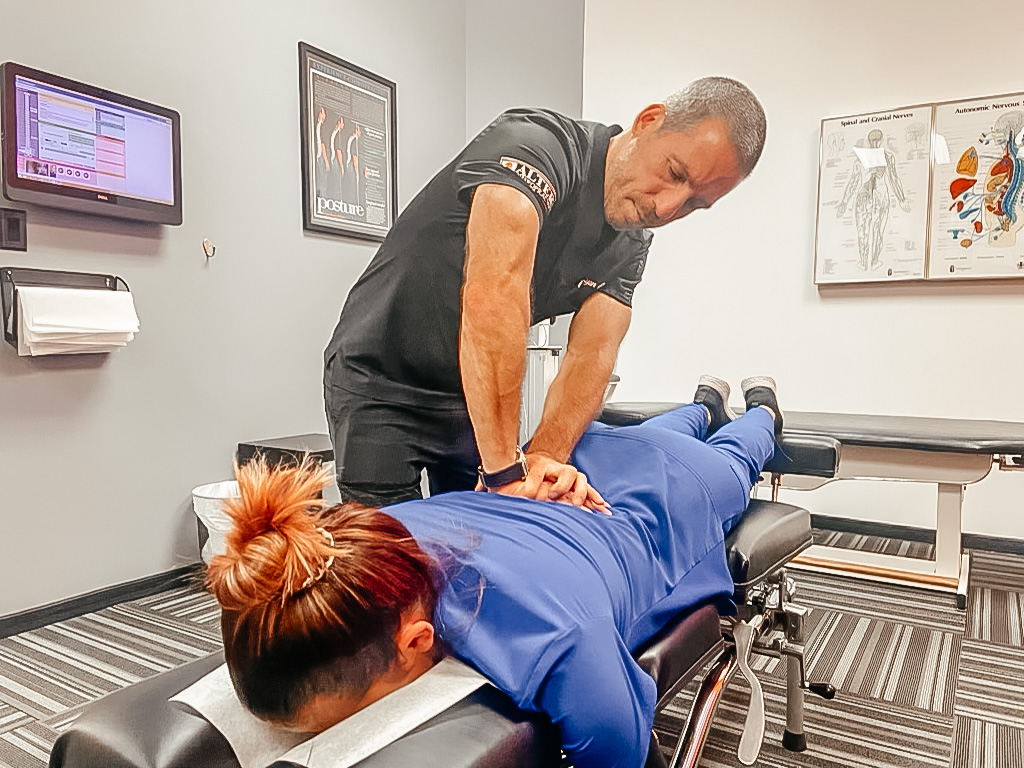
- Spinal Adjustment: The core of chiropractic care involves spinal adjustments. Using precise techniques, your chiropractor will apply controlled force to specific joints in your spine, aiming to restore proper alignment and function. You may hear some popping or cracking sounds, but these are normal and often indicate the release of gas from the joints.
- Relaxation and Recovery: After the adjustment, you may be advised to rest briefly to allow your body to adapt to the changes. This period can help enhance the healing process and promote relaxation.
- Post-Treatment Guidance: Following your session, your chiropractor may provide recommendations for exercises, stretches, or lifestyle changes to support your recovery and maintain optimal spinal health. They may also suggest follow-up appointments to monitor your progress and make any necessary adjustments.
Chiropractic care offers a natural and effective way to manage back pain, emphasizing the body's inherent ability to heal itself when provided with the right support.
Mindfulness and Relaxation
As a local chiropractor, I want to emphasize the importance of incorporating mindfulness and relaxation techniques into your routine to help alleviate back pain.
Many people are unaware that practices like deep breathing, guided meditation, and progressive muscle relaxation can significantly reduce tension in your body.
These methods not only aid in relaxation but also contribute to your overall well-being.
By integrating these techniques alongside chiropractic care, you can enhance your healing process and improve your quality of life.
Deep Breathing Techniques
As a local chiropractor, I often emphasize the importance of holistic approaches to health, including the role of breathing exercises in managing back pain.
Deep breathing techniques can significantly enhance relaxation and mindfulness, which are crucial for alleviating tension in your body. Here are four deep breathing methods that I encourage my patients to incorporate into their daily routines:
- Diaphragmatic Breathing: Find a comfortable position, whether sitting or lying down. Place one hand on your chest and the other on your abdomen. Take a deep breath in through your nose, allowing your abdomen to rise while keeping your chest still. Exhale slowly through your mouth. This technique engages your diaphragm and promotes a deep sense of relaxation, which can help relieve back pain.
- 4-7-8 Breathing: This technique is particularly effective for calming the nervous system. Inhale deeply through your nose for a count of four, hold your breath for seven counts, and then exhale through your mouth for eight counts. Practicing this method can help alleviate discomfort and foster a sense of tranquility.
- Box Breathing: Visualizing a square can create a helpful rhythm in your breathing. Inhale for a count of four, hold your breath for another four counts, exhale for four counts, and then hold your breath again for four counts. This structured pattern not only calms the mind but also helps to reset your body's stress response, which can be particularly beneficial for those dealing with back pain.
- Alternate Nostril Breathing: This technique helps to balance your energy and reduce stress. By closing one nostril with a finger, inhale through the open nostril, then switch and exhale through the other nostril. This practice can help restore harmony in your body, promoting overall well-being.
Incorporating these deep breathing techniques into your routine can be a simple yet powerful way to manage your back pain and enhance your overall health.
As you explore chiropractic care, remember that these natural healing practices can complement your treatment and support your journey towards a pain-free life.
Guided Meditation Practices
As a local chiropractor, I often encourage my patients to incorporate guided meditation practices into their daily routines to help manage back pain effectively. These practices can significantly enhance your ability to cope with discomfort by fostering mindfulness, which allows you to concentrate on the present moment and alleviate stress that may contribute to your pain.
To get started, find a quiet space where you can relax without interruptions. There are many meditation apps and audio recordings available that can guide you through this process. Once you're settled, close your eyes and take several deep breaths to center yourself.
Listen attentively to the calming voice guiding you, and direct your focus to your body, especially any areas of tension, such as your back. During the meditation, visualize a warm light surrounding your back, gently soothing any discomfort you may be experiencing.
It can be beneficial to repeat affirmations like, "I am relaxed and at ease," as this positive reinforcement can help shift your mindset and reduce pain. Incorporating this practice into your routine regularly can build resilience, making it easier for you to manage back pain in your everyday life.
By dedicating just a few minutes each day to guided meditation, you're not only nurturing your mental well-being but also promoting your physical health, paving the way for a more comfortable, pain-free life.
Progressive Muscle Relaxation
As a chiropractor, I want to introduce you to a beneficial practice known as Progressive Muscle Relaxation (PMR). This technique can significantly aid in releasing tension and fostering relaxation throughout your entire body, which is essential for overall health and wellness.
By intentionally tensing and then relaxing various muscle groups, you can enhance your awareness of physical sensations and alleviate stress—something we often encounter in our daily lives. Here's how to effectively integrate PMR into your routine:
- Find a Comfortable Position: Begin by sitting or lying down in a peaceful setting where you can focus without interruptions. Close your eyes and take several deep breaths to center yourself.
- Start with Your Feet: Begin with the muscles in your feet. Tense these muscles for about five seconds, paying attention to the sensation of tension. Then, release the tension as you exhale, allowing the feeling of relaxation to envelop you.
- Move Upward: Gradually work your way up through your body—next, focus on your calves, thighs, abdomen, chest, arms, and face. For each muscle group, tense for five seconds before allowing them to relax fully.
- Breathe and Reflect: Once you've completed the process for your entire body, take a moment to breathe deeply and reflect on the relaxation you've achieved.
This practice not only helps in reducing stress but also complements the benefits of chiropractic care by promoting a state of overall well-being.
Incorporating PMR into your routine can be a great way to enhance the benefits of chiropractic adjustments and improve your body's natural healing processes.
Professional Treatments
When it comes to managing back pain, I want to emphasize the significant relief and support that chiropractic care can provide. If you're struggling with chronic discomfort, seeking the help of a chiropractor may be one of the best decisions you can make for your health. We offer tailored approaches that cater specifically to your individual condition and needs.
Chiropractic care focuses on the alignment of your spine through manual manipulation. By adjusting your spine, we aim to alleviate pain and improve your overall mobility. Many of my patients have experienced long-lasting relief through regular adjustments, allowing them to return to their daily activities with greater ease and comfort.
In addition to spinal adjustments, we often incorporate physical therapy techniques into our treatment plans. This may include personalized exercise routines designed to strengthen and stretch the muscles surrounding your back, enhancing its stability and flexibility. Together, these methods can create a comprehensive approach to back pain management.
For those experiencing more severe pain, I may recommend a visit to a pain management specialist who can provide additional options, such as medications or injections that target inflammation and nerve pain.
We may also explore complementary therapies like acupuncture, which can be beneficial for some individuals by focusing on specific pressure points throughout the body.
I also encourage you to maintain a strong connection with your primary care physician. They play a vital role in coordinating your care, referring you to specialists when necessary, and monitoring your overall health as you explore various treatment options.
Remember, you don't have to navigate back pain alone. As your chiropractor, I'm here to help guide you through the process, ensuring you find the right combination of natural healing techniques to effectively manage your pain and improve your quality of life.
Let's work together to get you back on the path to feeling your best!
Conclusion
As a local chiropractor, I want to help you understand how incorporating natural techniques can significantly alleviate your back pain. Simple practices like stretching, strengthening your core, and engaging in mindfulness can be incredibly beneficial. Each of these steps not only enhances your comfort but also improves your overall mobility.
Additionally, I encourage you to consider professional treatments such as chiropractic adjustments, massage, or acupuncture. These therapies can complement your self-care routine and offer targeted relief. It's essential to find a personalized approach that resonates with you, as effective pain management varies for each individual.
Take charge of your back pain today! Together, we can work towards a healthier and more active lifestyle that allows you to enjoy life to the fullest. Remember, you're not alone in this journey—I'm here to support you every step of the way.