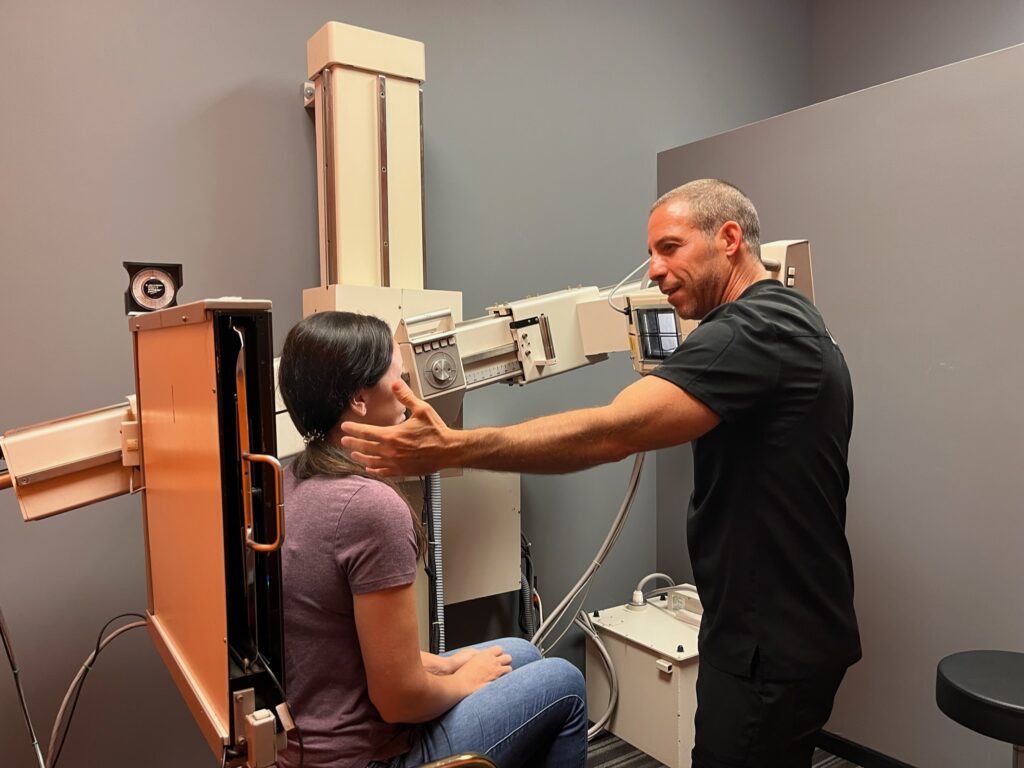

Migraines can disrupt your life in ways you may not even realize. As a local chiropractor, I understand how debilitating these headaches can be. By taking a holistic approach, we can identify triggers and implement lifestyle changes that can lead to significant relief.
Chiropractic care plays a crucial role in managing migraines by focusing on spinal health. When your spine is aligned properly, it can reduce tension and stress on the nervous system, which may be a contributing factor to your migraines. Regular chiropractic adjustments can help maintain that alignment, leading to fewer headaches and improved overall wellness.
In addition to chiropractic care, consider these tips to help manage your migraines naturally:
- Stay Hydrated: Dehydration can be a major trigger for migraines. Make sure you’re drinking plenty of water throughout the day.
- Nutrition Matters: Pay attention to your diet. Certain foods can trigger migraines in some people. Keeping a food diary can help you identify any patterns.
- Stress Management: Stress is a common trigger for migraines. Incorporate relaxation techniques like deep breathing, meditation, or gentle yoga into your daily routine.
- Get Regular Exercise: Physical activity can improve your overall health and help reduce the frequency of migraines. Aim for regular, moderate exercise that you enjoy.
- Sleep Well: Establish a regular sleep schedule. Lack of sleep or irregular sleep patterns can contribute to migraines.
By focusing on these lifestyle changes and incorporating chiropractic care into your routine, you can take significant steps toward reducing the frequency and intensity of your migraines. Let’s work together to transform your life and reclaim your well-being naturally!
Understanding Migraines: Causes and Triggers
Migraines can feel like an uninvited guest, crashing your day with intense pain and discomfort. Understanding what causes them is essential for managing and reducing their frequency. Various triggers can set off your migraines, and everyone’s list is unique. Stress, lack of sleep, and hormonal changes often top the list. Bright lights, strong smells, and loud noises can also contribute to your discomfort.
As a chiropractor, I want to emphasize how important it’s to maintain a healthy spine and nervous system, as these play a significant role in how your body responds to pain and stress. Regular chiropractic adjustments can help alleviate tension in the body, potentially reducing the frequency and intensity of migraines.
You might find that certain foods, like aged cheeses or processed meats, trigger your migraines, too. Keeping a diary to track when migraines occur can help you pinpoint patterns and triggers.
Additionally, practicing stress-relief techniques such as deep breathing, yoga, or meditation can contribute to overall wellness and may help prevent migraines.
Weather changes, such as sudden shifts in temperature or humidity, can be sneaky culprits as well. Staying hydrated and maintaining a consistent sleep schedule are also essential for preventing migraines.
Incorporating regular chiropractic care into your wellness routine can provide natural relief from migraine symptoms and support your overall health. By focusing on spinal health and body alignment, you can take proactive steps toward a migraine-free life.
The Role of Nutrition in Migraine Prevention
While managing your migraines, it’s essential to recognize the significant role nutrition plays in prevention, alongside the benefits of chiropractic care. What you eat can greatly affect both the frequency and intensity of your migraines.
Start by embracing whole foods such as fresh fruits, colorful vegetables, whole grains, and lean proteins. These choices are packed with vital nutrients that support overall brain health and can complement the adjustments made during chiropractic care.
Be aware of potential food triggers that may contribute to your migraines, like aged cheeses, processed meats, and artificial sweeteners. Keeping a food diary can be a practical tool to help you spot any patterns between your eating habits and migraine occurrences.
In addition, consider adding magnesium-rich foods into your diet, such as spinach, nuts, and seeds. Research shows that magnesium deficiency might play a role in migraines, so incorporating these foods could be beneficial.
Omega-3 fatty acids found in fish are also known to help reduce inflammation, which could ease migraine symptoms.
Lastly, it’s vital to maintain regular meal times to keep your blood sugar levels stable. Fluctuations in blood sugar can trigger migraines, so aim to eat balanced meals throughout the day.
The Power of Hydration: Staying Well-Watered
Staying properly hydrated is crucial for your overall well-being, especially when it comes to managing headaches and migraines. Dehydration can be a significant trigger for these discomforts, so making it a priority to drink enough water each day is vital. A good rule of thumb is to aim for at least eight 8-ounce glasses of water daily, but remember, your individual needs may vary based on how active you’re and the climate you live in.
Incorporating water-rich foods into your diet can also boost your hydration. Foods like cucumbers, watermelon, and oranges not only help keep you hydrated but also provide essential nutrients that support your body’s health. Keeping a water bottle with you can serve as a great reminder to drink regularly, especially during your busy days.
Listen to your body’s signals; if you feel thirsty or have a dry mouth, it’s your body’s way of telling you that it needs more fluids. By prioritizing hydration, you’re not only laying a strong foundation for better health, but you’re also taking positive steps to potentially reduce the frequency of those pesky migraines.
As a chiropractor, I also want to emphasize the importance of spinal health in connection with overall wellness. Proper hydration supports spinal health by ensuring that the discs between your vertebrae stay hydrated and flexible, which can help maintain proper alignment and reduce discomfort.
Stress Management Techniques for Migraine Relief
Managing stress is crucial for preventing migraines, and one of the best ways to find that calm is through chiropractic care. By addressing spinal alignment and reducing tension in the body, chiropractic adjustments can help alleviate stress, which is a common trigger for migraines.
Additionally, incorporating mindfulness meditation and breathing exercises into your routine can further promote relaxation and support your overall well-being.
When your spine is properly aligned, it allows your body to function optimally, which can lead to fewer headaches and migraines. Regular chiropractic visits can also help you learn effective stress management techniques tailored to your specific needs.
Here are some simple tips you can take away to help manage stress and potentially reduce migraine frequency:
- Practice Deep Breathing: Spend a few minutes each day focusing on your breath. Take deep, slow breaths to help relax your mind and body.
- Incorporate Mindfulness: Take a few moments each day to sit quietly and focus on the present. Mindfulness can help reduce anxiety and stress levels.
- Stay Active: Engage in regular physical activity, which can help release tension and improve overall health. Consider low-impact exercises that are gentle on the body.
- Get Regular Chiropractic Care: Regular adjustments can help keep your spine in alignment and reduce tension, which may help prevent migraines.
- Create a Relaxing Environment: Set up a calm space at home where you can unwind, practice meditation, or do yoga.
By prioritizing chiropractic care and these stress management techniques, you can take proactive steps toward achieving optimal health and reducing the frequency of migraines in your life.
Mindfulness Meditation Benefits
How can mindfulness meditation help you manage migraine symptoms? As a chiropractor, I often emphasize the importance of a holistic approach to health and wellness. Mindfulness meditation can be a significant part of that approach. By focusing your attention and eliminating distractions, mindfulness meditation creates a calming space for relaxation and stress reduction, both of which are vital for managing migraines.
When you practice mindfulness regularly, you become more attuned to your body and mind. This awareness can help you identify triggers before they escalate into a migraine. By observing pain without judgment, you may find that it feels less intense. Additionally, since stress is a common trigger for migraines, mindfulness can help lower your overall stress levels, promoting a sense of calm.
Incorporating mindfulness meditation into your daily routine can complement chiropractic care, which addresses the root causes of pain and improves overall spinal health. Together, these practices can empower you with a sense of control over your body and mind, leading to fewer migraine episodes.
Here are a few simple tips to get started with mindfulness meditation:
- Find a Quiet Space: Choose a comfortable, quiet environment where you won’t be disturbed.
- Set a Timer: Start with just 5-10 minutes a day and gradually increase the time as you become more comfortable.
- Focus on Your Breath: Pay attention to your breathing. Inhale deeply and exhale slowly, allowing your mind to settle.
- Observe Your Thoughts: If your mind starts to wander, gently bring your focus back to your breath without judgment.
By integrating mindfulness meditation into your wellness routine alongside chiropractic care, you can take proactive steps toward achieving lasting relief from migraines and enhancing your overall health.
Breathing Exercises Techniques
While stress is a common trigger for migraines, incorporating breathing exercises into your routine can be a beneficial way to find relief and support your overall health.
As a chiropractor, I believe in the importance of natural healing methods, and breathing techniques can be an excellent addition to your wellness toolkit.
To start, find a quiet space where you can relax and focus on your breath. Begin by inhaling deeply through your nose for a count of four, allowing your abdomen to expand fully. Hold that breath for a count of four, and then exhale slowly through your mouth for a count of six.
Repeat this cycle for five to ten minutes. This simple practice helps calm your nervous system and reduce tension in your body, which can contribute to headache relief.
You might also want to try the 4-7-8 technique: inhale for four counts, hold for seven counts, and exhale for eight counts. This method encourages relaxation and can be especially helpful if you’re feeling overwhelmed.
By integrating breathing exercises into your daily routine, you can empower yourself to manage stress more effectively and potentially decrease the frequency of migraines.
Remember, making these practices a regular habit not only supports your mental well-being but also complements the benefits of chiropractic care, which focuses on spinal health and natural pain relief.
Embrace these holistic approaches to enhance your overall wellness and lead a healthier, pain-free life.
Exercise: Finding the Right Balance
Finding the right balance in exercise can significantly benefit those who suffer from migraines. While it may seem that more exercise equals better health, this isn’t always true, especially for migraine sufferers. Overexertion can sometimes trigger headaches, while a lack of movement can lead to muscle tension and increased stress.
To find the right exercise balance, consider incorporating moderate activities such as walking, yoga, or swimming into your routine. These low-impact exercises not only help reduce stress but also promote better blood circulation without overwhelming your body.
As a chiropractor, I encourage you to listen to your body. If you feel a headache coming on, it’s important to take a break or switch to a gentler activity. Consistency is key, but don’t hesitate to adjust your routine based on how you feel. Keeping a fitness journal can be a useful tool to track which activities help alleviate your symptoms and promote overall wellness.
Chiropractic care can play a vital role in your journey to finding the right exercise balance. By focusing on spinal alignment and overall body function, chiropractic adjustments can help reduce tension and improve your body’s response to physical activity.
The Benefits of Sleep Hygiene
Adequate sleep is crucial for managing migraines effectively, just as regular physical activity is important for your overall health. Prioritizing sleep hygiene is a simple yet powerful way to improve your well-being and reduce the frequency and intensity of those painful migraine episodes.
To enhance your sleep quality, start by establishing a consistent sleep schedule. Going to bed and waking up at the same time each day helps regulate your body’s internal clock, making it easier to fall asleep and wake up feeling refreshed. Think of it as a way to train your body to know when it’s time to rest.
Creating a calming bedtime routine can also work wonders. Simple actions like dimming the lights or enjoying a good book can signal to your brain that it’s time to wind down. It helps you transition from the busyness of the day to a more relaxed state, preparing you for a good night’s sleep.
Your sleep environment is just as important. Aim to keep your bedroom cool, dark, and quiet to minimize any chances of disturbances during the night. This peaceful setting can help you drift off and stay asleep longer.
Another key point to consider is limiting screen time before bed. The blue light emitted from screens can interfere with your body’s natural production of melatonin, a hormone that helps regulate sleep. Instead, try to engage in activities that promote relaxation, like gentle stretches or meditation.
Remember, maintaining good sleep hygiene not only contributes to better sleep but can also be a natural complement to chiropractic care. Together, they can help you achieve optimal health and wellness, reduce pain, and enhance your overall quality of life.
Prioritize your sleep, listen to your body, and consider incorporating regular chiropractic adjustments to support your journey to better health.
Alternative Therapies: Acupuncture and Beyond
If you’re looking for natural ways to find relief from migraines, chiropractic care could be your best option. As a chiropractor, I understand how important it’s to address the root causes of pain, and spinal health plays a crucial role in overall wellness.
By aligning your spine through gentle adjustments, we can help reduce tension and stress that often contribute to migraine attacks. Many of my patients have reported that regular chiropractic adjustments not only help to alleviate headache pain but also decrease the frequency and intensity of their migraines over time.
When your spine is properly aligned, it can improve blood flow and nerve function, leading to a better quality of life. In addition to chiropractic care, you might also find relief through complementary practices like massage therapy, which can help release muscle tension, and mindfulness techniques such as yoga and meditation.
These practices can lower stress levels, another common trigger for migraines. Here are some general tips to consider for managing migraines naturally:
- Stay Hydrated: Dehydration can lead to headaches, so make sure to drink plenty of water throughout the day.
- Establish a Routine: Regular sleep and meal patterns can help stabilize your body’s rhythms and reduce the likelihood of migraines.
- Manage Stress: Incorporate relaxation techniques into your daily routine, such as deep breathing exercises or gentle stretching.
- Limit Triggers: Keep a diary to track what might be triggering your migraines, such as certain foods, stress, or environmental factors.
By focusing on chiropractic care and these simple lifestyle adjustments, you can take proactive steps toward achieving optimal health and reducing the impact of migraines on your life.
Essential Oils and Herbal Remedies
When it comes to finding natural relief from migraines, chiropractic care can be an invaluable ally in your journey to wellness. While many people turn to essential oils and herbal remedies, it’s important to understand that addressing the spine and nervous system can play a crucial role in managing pain and improving overall health.
Chiropractic adjustments can help reduce tension in the neck and spine, which may be contributing factors to your migraines. By aligning your spine, we can enhance communication between your brain and body, potentially reducing the frequency and severity of migraine attacks.
Regular adjustments can also promote relaxation and alleviate stress, both of which are important for migraine management.
In addition to chiropractic care, incorporating natural remedies like peppermint and lavender essential oils can complement your treatment. Applying a few drops of peppermint oil to your temples may create a soothing cooling sensation that helps ease tension.
Similarly, lavender oil is known for its calming properties and can help you relax, which is essential for managing migraine triggers.
When it comes to herbal remedies, consider adding feverfew and butterbur to your wellness routine. These herbs have been shown to assist in migraine prevention and symptom relief. You can enjoy them as teas or supplements, depending on what works best for you.
Remember, it’s always a good idea to consult with a healthcare professional, especially a chiropractor, before starting any new treatment. Together, we can explore these natural solutions and find the right combination that helps you reclaim your life from migraines.
Keeping a Migraine Diary: Tracking Patterns and Progress
Keeping a migraine diary can be a transformative tool for your health and wellness journey. By tracking your symptoms and identifying potential triggers, you’ll gain invaluable insights into your condition. This process not only helps you understand your migraines better but also enables you to see patterns that can guide your lifestyle choices.
As a chiropractor, I believe that understanding your body is key to achieving optimal health. By keeping a detailed record of your migraines—such as the frequency, intensity, and duration—you can collaborate with your chiropractor to develop a personalized plan focused on natural healing and pain relief.
Over time, you’ll be able to analyze your progress and make informed adjustments to your daily routine. This might include changes in your diet, hydration levels, sleep patterns, and stress management techniques. Remember, chiropractic care plays a crucial role in supporting your overall well-being and can help alleviate the tension that often contributes to migraines.
Here are some general tips to incorporate into your migraine diary practice:
- Track Triggers: Note any food, drink, or environmental changes that occur before a migraine. This helps identify patterns and avoid potential triggers in the future.
- Monitor Stress Levels: Keep an eye on your stress levels and note how they correlate with your migraines. Incorporating relaxation techniques or chiropractic adjustments can help manage tension.
- Stay Hydrated: Dehydration can lead to migraines. Record your water intake to ensure you’re drinking enough throughout the day.
- Prioritize Sleep: Consistent sleep patterns are crucial. Note your sleep quality and duration to see how it impacts your migraines.
- Consult Your Chiropractor: Share your diary with your chiropractor. They can use this information to tailor your treatment plan and help you achieve lasting relief.
Identify Triggers Effectively
Taking control of your migraines and identifying their triggers is an important step toward achieving optimal health and wellness. One effective method is to keep a migraine diary. Each time you experience a migraine, record essential details such as the date, time, duration, and severity.
Additionally, note any foods you consumed, activities you participated in, and stressors you encountered leading up to the migraine. Don’t forget to consider environmental factors like weather changes or strong odors, as these can also play a role.
As you consistently document this information, patterns will begin to emerge, allowing you to pinpoint specific triggers. These triggers could include certain foods, lack of sleep, or particular situations that may increase stress. By understanding what sparks your migraines, you can take proactive steps to avoid those triggers in the future.
In addition to identifying triggers, consider incorporating chiropractic care into your wellness routine. Chiropractic adjustments can help improve spinal alignment and reduce tension, which may contribute to migraine relief.
Regular chiropractic visits can also enhance your overall well-being and support your body’s natural healing processes.
Remember, consistency is key! Make tracking your migraines a daily habit, and pair it with regular chiropractic care to help you manage pain naturally and effectively.
Monitor Symptoms Regularly
Regularly Monitoring Your Migraine Symptoms: A Path to Natural Healing
As a local chiropractor, I understand how debilitating migraines can be and the impact they’ve on your daily life. Regularly monitoring your migraine symptoms is essential for gaining insight into their frequency and intensity, which can help you identify triggers and find natural relief.
Keeping a migraine diary can be a valuable tool in this process, and here’s how you can effectively track your symptoms while promoting overall wellness:
- Date and Time: Make a note of when each migraine begins and ends. This information can help you recognize patterns and potential triggers related to your lifestyle or environment.
- Intensity Level: Rate your pain on a scale from 1 to 10. This can help you understand how severe your migraines are and can be useful information to share during your chiropractic consultations.
- Duration: Record how long each migraine lasts. Understanding the length of your episodes can assist in discovering underlying issues and evaluating the effectiveness of chiropractic adjustments.
- Associated Symptoms: Document any additional symptoms you experience, such as nausea or sensitivity to light. This can provide a more complete picture of your migraine experience and guide your chiropractor in tailoring a holistic approach to your care.
In addition to tracking your symptoms, consider these general tips for managing migraines naturally:
- Stay Hydrated: Dehydration can trigger migraines, so ensure you’re drinking enough water throughout the day.
- Maintain a Regular Sleep Schedule: Aim for consistent sleep patterns, as irregular sleep can lead to increased migraine frequency.
- Practice Stress-Relief Techniques: Stress is a common trigger for migraines. Techniques like deep breathing, yoga, or meditation can help manage stress levels.
- Consider Chiropractic Care: Regular chiropractic adjustments can help improve spinal alignment, reduce tension, and promote overall wellness, which may contribute to fewer migraines over time.
By actively monitoring your symptoms and making lifestyle adjustments, you can empower yourself in managing migraines and enhancing your quality of life.
Analyze Progress Over Time
Analyzing progress over time is crucial for effectively managing your migraines and enhancing your overall well-being. As a chiropractor, I recommend keeping a migraine diary as a valuable tool to identify patterns and triggers that may contribute to your pain. Each time you experience a migraine, take note of the date, time, duration, and intensity. Also, jot down any potential triggers, such as specific foods, stress levels, or changes in your sleep patterns.
Regularly reviewing your diary entries can help you spot trends. You may discover that certain foods or activities consistently lead to your migraines. This newfound awareness empowers you to make informed lifestyle changes that promote better health and help reduce the frequency of your migraines.
Tracking how often you experience migraines can also highlight improvements as you incorporate natural remedies and chiropractic care into your routine. Celebrate the small victories along the way, as they can be significant indicators of your progress. Use the insights from your diary to have conversations with your chiropractor about your journey towards relief and wellness.
Remember, chiropractic care focuses on the spine and nervous system to promote optimal health. By addressing any misalignments or tension in your body, chiropractic adjustments can help alleviate migraine symptoms and improve your overall well-being.
Alongside your diary, consider incorporating relaxation techniques, proper hydration, and regular exercise into your daily routine. These holistic practices can further support your journey toward a healthier, migraine-free life. Your migraine diary, combined with the benefits of chiropractic care, is a powerful approach to achieving natural healing and a better quality of life.
Conclusion
By embracing holistic approaches, particularly chiropractic care, you can transform your life and take charge of your migraines. One of the first steps is to track your triggers—understanding what sparks your migraines can be incredibly helpful. Additionally, nourishing your body with the right foods and ensuring you stay hydrated can make a significant difference.
Chiropractic care focuses on spinal health, which plays a crucial role in your overall well-being. Regular adjustments can help alleviate tension in your body, reducing the frequency and intensity of migraines. Incorporating stress management techniques like deep breathing or meditation can also be beneficial.
Don’t underestimate the power of regular exercise; it promotes better circulation and helps to release endorphins, which can naturally ease pain. Quality sleep is essential too—aim for a consistent sleep schedule to help your body recharge effectively.
Explore alternative therapies such as massage or acupuncture, which can complement chiropractic care and contribute to your overall wellness. With dedication and patience, you can find relief and empower yourself to live a life free from the constraints of migraines. Remember, chiropractic care is a key player in achieving optimal health and wellness, guiding you towards a more vibrant life.