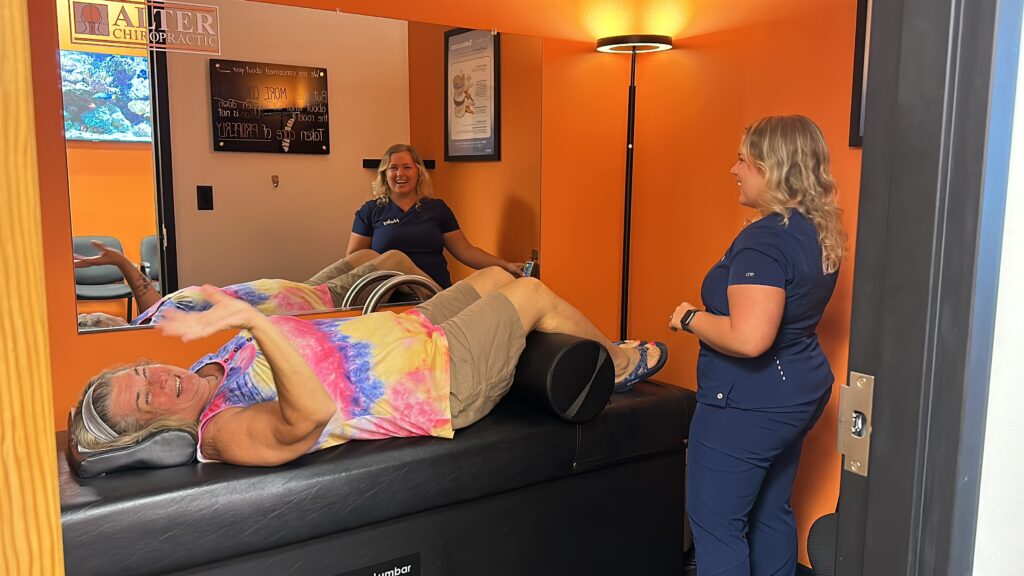

If you're dealing with ongoing back pain, know that you're not alone, and there are effective solutions available to you. As a local chiropractor, I want to share how chiropractic care, combined with specific exercises and ergonomic adjustments, can significantly reduce your discomfort. The journey to understanding your back pain begins with identifying its root causes, which is crucial for developing a personalized treatment plan that works for you.
Many patients are surprised to learn that a holistic approach—integrating chiropractic techniques with lifestyle changes—can not only relieve pain but also improve your overall well-being and promote long-term health. Imagine finding a solution through methods that you may not have considered before. Let's explore these options together to help you regain your quality of life and comfort.
Understanding Back Pain Causes
As a local Chiropractor, I want to share some insights about back pain, which affects around 80% of adults at some point in their lives. This common issue can often be traced back to various factors, and understanding these causes is key to finding effective relief through natural healing methods.
One of the primary contributors to back pain is poor posture. Many of us spend long hours sitting at desks or hunched over our phones, which can place significant stress on the spine and surrounding muscles. It's important to be mindful of how you position your body throughout the day, as maintaining proper alignment can help prevent discomfort.
Injuries from sports or accidents can also lead to back pain. Whether it's from lifting something heavy the wrong way or experiencing a fall, such trauma can result in inflammation and discomfort. As a chiropractor, I focus on helping patients recover from these injuries through gentle adjustments and therapies designed to restore balance and function.
Age is another important factor to consider. As we grow older, our spines naturally undergo wear and tear, making us more susceptible to pain. Conditions like osteoarthritis and degenerative disc disease frequently arise with age, which can impact both mobility and comfort. Chiropractic care can play a vital role in managing these conditions and improving your quality of life.
Lifestyle choices are crucial as well. A sedentary lifestyle can weaken the muscles that support your spine, while excess weight can put additional strain on your back. Incorporating regular exercise and maintaining a healthy weight are essential for spinal health.
Additionally, stress and anxiety can manifest physically, often leading to tension and pain in the back. Chiropractic care can help alleviate these symptoms by promoting relaxation and overall well-being.
If you're experiencing back pain, I encourage you to explore chiropractic care as a natural and effective approach to healing. Together, we can work towards restoring your health and improving your quality of life.
Physical Therapy Options
As a local chiropractor, I want to share how chiropractic care can be a valuable option for managing back pain.
Unlike traditional methods, we focus on natural healing and addressing the root causes of discomfort.
During your visit, I'll assess your condition and develop a personalized treatment plan that may include spinal adjustments, targeted exercises, and stretches to enhance your strength and flexibility.
These techniques not only help alleviate pain but also improve your overall mobility, allowing you to enjoy a more active and pain-free life.
Embracing chiropractic care can be an empowering step toward better health and wellness.
Personalized Treatment Plans
Understanding the right chiropractic options can significantly aid in your recovery from back pain. When you visit a chiropractor, they'll evaluate your individual needs and create a personalized treatment plan specifically designed for you. This plan often includes spinal adjustments, soft tissue therapy, and exercises aimed at enhancing your mobility and alleviating pain.
Your chiropractor will take into account your medical history, the specifics of your back pain, and your lifestyle. This comprehensive approach ensures that your treatment not only tackles the symptoms but also addresses the root causes of your discomfort.
Regular visits to your chiropractor allow for continuous evaluation and modifications to your treatment plan as necessary, ensuring that you stay on the path to recovery.
They'll also provide you with guidance on how to manage your pain at home, integrating techniques that align with your daily activities for optimal results. Embracing chiropractic care can be a vital step towards achieving natural healing and lasting relief.
Strengthening and Flexibility Exercises
As a local chiropractor dedicated to helping you achieve optimal back health, I want to emphasize the importance of incorporating strengthening and flexibility exercises into your daily routine.
These exercises aren't just beneficial for alleviating pain; they play a crucial role in preventing future issues by enhancing muscle support and spinal alignment.
Here are some effective exercises you can consider:
- Core Strengthening: Engaging in exercises such as planks and bridges is vital for building the muscles that support your spine. A strong core is essential for maintaining proper posture and reducing strain on your back.
- Hamstring Stretches: Many individuals experience back pain due to tight hamstrings. By regularly stretching these muscles, you can relieve tension and improve your overall flexibility.
- Pelvic Tilts: This straightforward exercise is excellent for strengthening your lower back while also enhancing flexibility. It's a simple yet effective way to support your spine's health.
- Cat-Cow Stretch: This yoga-inspired movement is fantastic for increasing spinal mobility and alleviating stiffness. It encourages movement in the spine, which can be particularly beneficial if you spend long hours sitting.
- Wall Sits: Strengthening your legs through wall sits can help relieve pressure on your back, promoting better posture and reducing discomfort.
I encourage you to start integrating these exercises into your daily routine. You may soon notice improvements in both your flexibility and strength.
However, if you find that your back pain persists, it's essential to consult with a physical therapist or chiropractor for personalized guidance.
With commitment and consistency, you can take significant strides toward lasting relief and a healthier back. Remember, natural healing is within your reach!
Exercise and Stretching Routines
As a local chiropractor, I want to emphasize the significant role that exercise and stretching routines can play in alleviating back pain and enhancing your overall mobility. Many of my patients have found that incorporating targeted exercises into their daily lives not only strengthens the muscles that support the spine but also reduces strain and discomfort.
To begin, I often recommend low-impact activities, such as walking or swimming. These exercises promote blood flow and flexibility without placing excessive pressure on your back. They're gentle yet effective ways to get your body moving and start the healing process.
Once you've warmed up, it's essential to focus on specific stretches that target tight areas in your back. For example, the cat-cow stretch is a wonderful way to mobilize your spine, while the child's pose gently stretches the lower back. Holding each of these positions for 15-30 seconds can significantly enhance flexibility and reduce tension. Remember to breathe deeply throughout each stretch; this helps your muscles relax and can lead to even greater relief.
In addition to stretching, core-strengthening exercises are crucial for stabilizing your back. Movements like planks and bridges strengthen the muscles in your abdomen and lower back, providing the support your spine needs. I suggest aiming to perform these exercises several times a week and gradually increasing the intensity as your strength improves.
It's also vital to pay attention to your body. If you experience sharp pain or discomfort while exercising, please stop immediately and reach out to a healthcare professional. Adjusting your routine to fit your individual needs is particularly important, especially if you're dealing with chronic pain.
Consistency is key in any healing journey. By committing to a regular exercise and stretching routine, you can't only find relief from back pain but also improve your overall physical health and well-being.
Mindfulness and Relaxation Techniques
As your local chiropractor, I want to emphasize that while physical activities like exercise and stretching are crucial for alleviating back pain, it's equally important to recognize the benefits of mindfulness and relaxation techniques.
These methods can play a vital role in managing pain by reducing stress and enhancing overall well-being. By integrating mindfulness into your daily routine, you can become more attuned to your body and its signals, allowing you to respond more effectively to discomfort.
Here are some mindfulness and relaxation techniques that I encourage you to consider:
- Deep Breathing: Take a moment to focus on your breath. Inhale deeply through your nose and exhale slowly through your mouth. This simple practice can help calm both your mind and body, contributing to pain relief.
- Meditation: Dedicate a few minutes each day to sit quietly and concentrate on a mantra or your breath. This practice can help you release tension and improve your tolerance for pain, making it easier to manage discomfort.
- Progressive Muscle Relaxation: Try tensing and then relaxing each muscle group, starting from your toes and working your way up to your head. This technique helps alleviate physical tension and promotes relaxation throughout your body.
- Yoga and Tai Chi: Both of these practices focus on mindfulness and gentle movement. They can enhance your flexibility and help reduce stress, which may contribute to easing your back pain.
- Guided Imagery: Spend some time visualizing a peaceful scene or a safe space in your mind. This mental imagery can serve as a distraction from pain and facilitate a deeper state of relaxation.
Incorporating these techniques into your routine can significantly enhance your experience of back pain and your overall ability to cope with it.
By adopting a mindful approach to your body, you're taking proactive steps toward achieving lasting relief and improving your quality of life.
Alternative Therapies
As a local chiropractor, I want to share some insights on alternative therapies that can effectively complement traditional chiropractic care for back pain relief. These approaches focus on treating your body as a whole, not just addressing the pain itself but also tackling its underlying causes. Integrating these therapies into your wellness routine can significantly enhance your comfort and overall health.
One popular alternative is acupuncture, which involves the careful insertion of thin needles into specific points on your body. Many of my patients have reported remarkable pain relief after just a few sessions. If you're not comfortable with needles, acupressure is a great alternative. This technique uses pressure on similar points to promote healing without the use of needles.
Another valuable option is massage therapy. The gentle manipulation of your muscles and soft tissues can increase blood circulation, alleviate tension, and foster relaxation. Whether you prefer deep tissue work or a more gentle approach, regular massage can be a powerful tool in managing and preventing back pain.
Let's not overlook the benefits of herbal remedies. Herbs like turmeric and ginger have well-known anti-inflammatory properties that may help reduce discomfort. However, I always recommend discussing any new supplements with your healthcare provider before incorporating them into your routine.
Finally, practices such as yoga and tai chi are fantastic for enhancing flexibility and strengthening your back muscles. These movements not only contribute to your physical health but also support mental clarity and relaxation, making them excellent for pain management.
Ergonomic Adjustments
As a local chiropractor, I want to emphasize the importance of making ergonomic adjustments in your workspace to help alleviate back pain. Many people are unaware that the way we set up our work environment can significantly impact our overall spinal health.
Start by choosing a chair that provides adequate support for your lower back; this is crucial for maintaining proper alignment.
Additionally, it's important to optimize your desk height so that it encourages good posture. Your monitor should be positioned at eye level to prevent straining your neck.
These simple yet effective changes can create a more comfortable and supportive environment, allowing you to maintain good posture throughout the day.
By prioritizing these adjustments, you can take a significant step towards reducing discomfort and promoting natural healing in your body.
Workplace Chair Selection
As a local chiropractor, I want to emphasize the importance of selecting the right chair for your workplace, especially for those who may not be familiar with the impact of seating on spinal health. The right chair can play a crucial role in preventing back pain and enhancing overall comfort during long hours of sitting.
An ergonomic chair is designed to support your spine, promote good posture, and reduce strain. Here are some essential features to consider when choosing a chair that can contribute to your well-being:
- Adjustable Height: It's vital to have a chair that can be easily adjusted to match the height of your desk. This ensures proper alignment, which is key to preventing discomfort.
- Lumbar Support: Look for chairs that offer built-in lumbar support. This feature helps maintain the natural curve of your lower back, promoting better posture and reducing the risk of pain.
- Seat Depth and Width: Choose a seat that allows you to sit back comfortably while still providing support without putting pressure on your thighs. This balance is important for circulation and comfort.
- Armrests: Adjustable armrests can significantly help reduce strain on your shoulders and neck while typing or using a mouse. Proper arm positioning is essential for avoiding tension.
- Mobility: Consider a chair with wheels and a swivel base. This design allows you to move freely and access your workspace without twisting awkwardly, which can lead to discomfort.
Investing in a well-designed ergonomic chair can make a significant difference in your comfort and overall spinal health.
By prioritizing your chair selection, you can create a more supportive work environment that promotes lasting relief from back pain.
Desk Height Optimization
As a local chiropractor dedicated to your wellness, I want to emphasize the importance of optimizing your workspace for better spinal health. One key aspect of achieving an ergonomic work environment is adjusting your desk height. The right desk height can significantly reduce strain on your back and neck, leading to a more comfortable and productive work experience.
When you sit at your desk, aim for your elbows to form a 90-degree angle while resting comfortably on the desk surface. Your forearms should ideally float parallel to the ground. This positioning helps maintain proper alignment of your spine, which is crucial in preventing discomfort and pain.
Start by adjusting your chair to ensure your feet are flat on the floor or resting on a footrest. Once your chair is set, modify your desk height until your elbows are at that ideal angle. For those using a standing desk, it's equally important to keep your wrists straight while typing, with your hands hovering just above the keyboard.
Take a moment to assess your posture throughout the day. Your back should remain straight, with shoulders relaxed (not slumped). If you feel any discomfort, it may be a sign that your desk height needs adjustment.
Regularly checking your setup is essential, especially if you alternate between sitting and standing. A well-adjusted desk height can play a significant role in alleviating back pain and improving your overall productivity.
As you consider these adjustments, remember that your spinal health is vital to your well-being. I encourage you to explore ergonomic practices in your daily life, and don't hesitate to reach out if you have questions or need further guidance on maintaining a healthy workspace!
Proper Monitor Positioning
As a local chiropractor, I want to emphasize the importance of proper monitor positioning for your overall well-being. Many of my patients experience discomfort related to poor workspace setups, which can lead to eye strain, neck pain, and spinal issues.
By making a few adjustments to how you position your monitor, you can significantly reduce your risk of discomfort and promote a healthier posture. Here are some essential tips to consider:
- Eye Level: Ensure that the top of your monitor is at or just below eye level. This simple adjustment can help minimize neck strain and keep your spine aligned.
- Distance: It's important to place your monitor at least an arm's length away from your eyes. This distance can help reduce eye fatigue and prevent unnecessary strain on your vision.
- Tilt: A slight backward tilt of your monitor (about 10 to 20 degrees) can help maintain a neutral head position, which is crucial for preventing neck and back pain.
- Lighting: Be mindful of glare from windows or overhead lights. Adjusting your monitor's position or using anti-glare screens can make a significant difference in your comfort level while working.
- Multiple Screens: If you use more than one monitor, angle them inward and keep your primary screen directly in front of you. This setup will help you maintain good posture and reduce the risk of developing musculoskeletal issues.
By implementing these simple adjustments, you can create a healthier workspace that supports your body and helps prevent discomfort.
Nutrition and Weight Management
As a local chiropractor, I want to emphasize the importance of maintaining a healthy weight not only for your overall well-being but also for alleviating back pain. Carrying excess weight can put extra strain on your spine, leading to discomfort and increasing the risk of injury. By managing your weight through a balanced diet and regular physical activity, you can significantly reduce the pressure on your back and improve your body's support system.
Let's start with nutrition. It's crucial to incorporate whole foods into your diet, such as fruits, vegetables, lean proteins, and whole grains. These nutrient-rich options not only provide essential fuel for your body but also help you maintain a healthy weight.
I encourage you to steer clear of processed foods that are high in sugar and unhealthy fats, as these can contribute to weight gain and inflammation, which may exacerbate your back pain.
Exercise is another key factor in weight management. I recommend engaging in a combination of cardiovascular exercises and strength training. This approach will help you build muscle and burn calories effectively.
Particularly, focusing on strengthening your core muscles is vital; a robust core provides essential support to your spine and helps prevent injuries. Low-impact activities, such as swimming or walking, can be beneficial for both relieving pain and promoting weight loss.
Additionally, it's important to stay hydrated. Drinking plenty of water supports your metabolism and aids digestion, making it easier for you to maintain a healthy weight.
I encourage you to keep track of your progress and set realistic goals to keep you motivated on your journey to better health.
Conclusion
As a local chiropractor, I want to share some trusted techniques that can lead to lasting relief from back pain. Understanding the underlying causes of your discomfort is crucial, and I encourage you to engage in targeted exercises that I can guide you through during our sessions. Making ergonomic adjustments in your daily life can also play a significant role in improving your spinal health.
Don't overlook the benefits of alternative therapies and mindfulness practices, as they can greatly enhance your overall well-being. It's important to remember that a personalized approach is essential; that's why I work with each patient to combine various strategies tailored to your unique needs. Your journey to a pain-free back can begin today with the right choices, and I'm here to support you every step of the way!