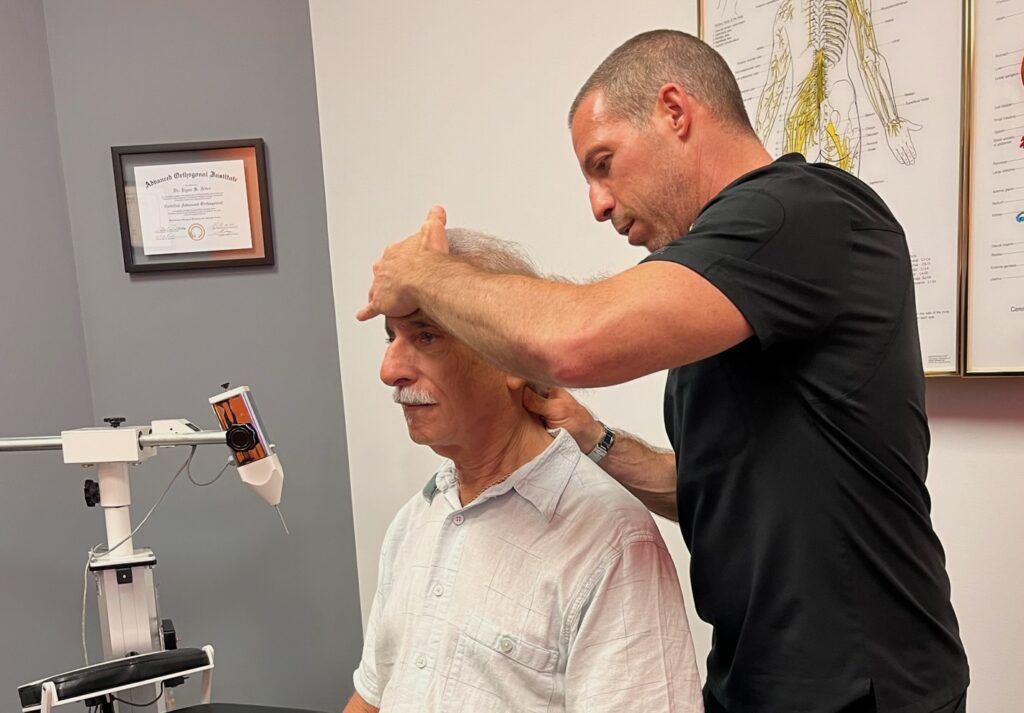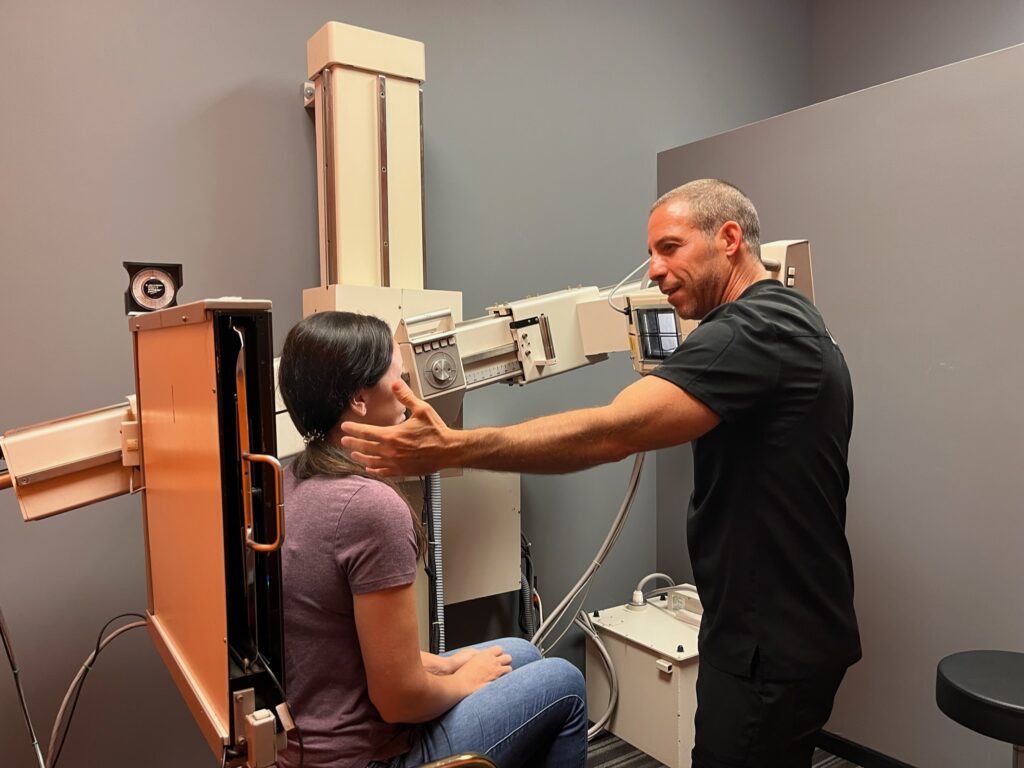

Neck pain can significantly impact your daily life, causing discomfort and limiting your activities. As a local chiropractor, I believe understanding the root causes of neck pain and utilizing natural techniques are essential for achieving optimal health. By focusing on proper posture, engaging in gentle stretching and strengthening exercises, and making ergonomic adjustments in your workspace, you can take charge of your neck health and find relief.
Chiropractic care is a natural and effective way to manage neck pain. Through spinal adjustments, we can help realign your spine and improve mobility, which often leads to reduced pain and increased function. Alongside regular chiropractic adjustments, here are some simple tips and tricks you can incorporate into your routine:
- Maintain Good Posture: Be mindful of your posture whether you’re sitting, standing, or using your phone. Keeping your shoulders back and your head aligned with your spine can significantly reduce strain on your neck.
- Stretch It Out: Incorporate gentle neck stretches into your daily routine. Simple exercises like neck tilts and rotations can help relieve tension and improve flexibility.
- Strengthen Your Muscles: Building strength in your neck and upper back can provide better support to your spine. Consider exercises like shoulder shrugs and chin tucks.
- Create an Ergonomic Workspace: If you work at a desk, make sure your computer screen is at eye level and your chair supports your lower back to encourage proper posture.
- Stay Hydrated: Drinking plenty of water helps keep your spinal discs hydrated, which can prevent stiffness and discomfort.
- Regular Chiropractic Visits: Regular adjustments can help maintain spinal health and prevent future issues. Your chiropractor can also provide personalized advice tailored to your specific needs.
Remember, managing neck pain naturally is possible with the right techniques and support. By prioritizing chiropractic care and these simple lifestyle adjustments, you can enhance your overall well-being and enjoy a pain-free life. If you have any questions or need further guidance, don’t hesitate to reach out for a consultation. Your neck health matters!
Understanding the Causes of Neck Pain
When you experience neck pain, it’s important to understand that several factors might be involved. One common culprit is poor sleep positions, which can put strain on your neck overnight and lead to discomfort the following day.
Additionally, if you spend long hours in front of a screen, you may notice muscle tension building up, especially if you find yourself hunching over your devices. Stress is another factor that can contribute to neck pain, as it often leads to tightness in the muscles of your upper back and neck.
In some cases, injuries from accidents or falls can cause acute pain that may require attention. It’s also worth noting that conditions like arthritis or herniated discs can make your discomfort worse. By understanding these causes, you can start identifying patterns and triggers in your daily life.
One of the best ways to address neck pain naturally is through chiropractic care. A chiropractor can help realign your spine, relieve muscle tension, and improve your overall alignment, which can lead to significant pain relief.
They can also provide you with personalized advice on how to improve your posture, particularly when sitting at a desk or using electronic devices, which can make a big difference.
Here are some general tips you can try at home to help reduce neck pain:
- Adjust Your Sleep Position: Use a supportive pillow that keeps your neck in a neutral position. Consider sleeping on your back or side rather than on your stomach.
- Take Frequent Breaks: If you work at a desk or spend long periods on your phone, make it a point to take breaks every 30 minutes to stretch and move around.
- Practice Good Posture: Keep your head aligned over your shoulders and avoid slouching. Consider using ergonomic furniture that supports better posture.
- Manage Stress: Incorporate relaxation techniques such as deep breathing, yoga, or meditation into your daily routine to help alleviate muscle tightness.
- Stay Active: Regular exercise, particularly stretching and strengthening exercises for your neck and upper back, can help support your spine and reduce pain.
Importance of Proper Posture
Maintaining proper posture is crucial for preventing neck pain, particularly for those who spend long hours at a workstation. As a chiropractor, I emphasize the importance of creating an ergonomic workspace and practicing mindful sitting to help alleviate strain on your neck.
By making simple adjustments to your environment and habits, you can significantly enhance your comfort and overall well-being.
Here are a few tips to keep in mind:
- Adjust Your Chair: Ensure your chair supports your lower back and allows your feet to rest flat on the floor. This helps maintain the natural curve of your spine.
- Screen Height Matters: Position your computer screen at eye level. This way, you won’t have to tilt your head up or down, reducing neck strain.
- Take Breaks: Remember to take regular breaks to stand, stretch, and move around. This helps relieve tension and prevents stiffness.
- Mind Your Phone: When using your phone, try to hold it at eye level instead of bending your neck down. This small change can make a big difference.
- Chiropractic Care: Regular visits to a chiropractor can help maintain proper spinal alignment and address any discomfort. Chiropractic adjustments can promote natural healing and enhance your overall health.
By incorporating these simple tips into your daily routine, you can support your neck health and enjoy a more comfortable work experience.
Ergonomic Workstation Setup
Creating an ergonomic workstation setup is crucial for maintaining your spine’s health and preventing neck pain. Poor posture can’t only lead to discomfort but also contribute to long-term health issues.
As a chiropractor, I want to share some practical tips to help you create a workspace that promotes natural healing and well-being.
First, adjust your chair to ensure your feet are flat on the floor, and your knees are at hip level. This alignment supports your spine and helps maintain its natural curve, reducing stress on your neck.
Your monitor should be positioned at eye level and about an arm’s length away. This helps you avoid straining your neck while you work.
Choosing a chair with good lumbar support is vital. It encourages proper posture, which is essential for spinal health.
Keep your keyboard and mouse close to you, allowing your elbows to remain at a comfortable 90-degree angle. This setup minimizes tension in your shoulders and neck.
Don’t forget to take regular breaks! Stand up, stretch, and reset your posture throughout the day. Simple movements can greatly enhance your comfort and help maintain a healthy spine.
By thoughtfully setting up your workspace and prioritizing your spinal health, you can’t only improve your comfort but also boost your productivity and overall well-being.
Mindful Sitting Practices
Proper posture is crucial for your comfort and overall health, especially when you find yourself sitting for long periods. As a chiropractor, I want to emphasize the importance of maintaining good posture to support your spine and prevent discomfort.
When seated, keep your feet flat on the floor and your knees bent at a right angle. This position helps maintain the natural curves of your spine.
Make sure your back is straight and well-supported by your chair. Your ears should align with your shoulders to avoid putting strain on your neck. Position your screen at eye level to reduce the need to lean forward, which can contribute to neck pain.
Taking regular breaks to stretch and move around is also essential. Simple stretches can help alleviate tension in your neck and shoulders, promoting better spinal health.
Incorporating these mindful sitting practices into your daily routine can help you stay aware of your posture and reduce discomfort. By focusing on your posture and making small adjustments, you may experience relief from pain and improved focus throughout your day.
Stretching Exercises for Neck Relief
Stretching exercises are a fantastic way to relieve neck pain and enhance your overall mobility. By incorporating these gentle stretches into your daily routine, you can effectively release tension and promote relaxation in your neck and shoulders.
As a chiropractor, I always emphasize the importance of natural methods for pain relief, and these stretches can be a beneficial addition to your wellness routine.
Let’s start with a simple neck tilt. Gently drop your right ear toward your right shoulder, holding this position for 15-30 seconds. This stretch helps to elongate the muscles on the opposite side of your neck, promoting flexibility. Then, switch sides and repeat.
Next, try a neck rotation. Slowly turn your head to the right, hold for a few seconds, and then return to the center before repeating on the left. This movement helps to improve range of motion and ease any stiffness you may feel.
Shoulder shrugs are another effective exercise. Simply lift your shoulders toward your ears, hold for a moment, and then release them down. Repeat this 10 times to help release built-up tension in the upper back and neck area.
Lastly, consider the chin tuck. Pull your chin slightly back as if you’re trying to create a double chin, holding this position for a few seconds. This stretch helps to strengthen the muscles that support proper neck alignment.
These stretches are quick and effective ways to ease discomfort and enhance flexibility, all while supporting your body’s natural healing processes. Remember to breathe deeply and move slowly to avoid any strain.
Regular chiropractic care can also complement these exercises, providing additional support for your spine and overall health. Prioritize your well-being and consider incorporating these practices into your routine for lasting relief and improved vitality.
Strengthening Exercises to Support the Neck
Building on the foundation of stretching exercises, strengthening your neck can greatly enhance stability and reduce the risk of pain, which aligns perfectly with the principles of chiropractic care.
By incorporating targeted exercises into your routine, you can significantly improve your neck health and well-being. Here are three effective strengthening exercises you can easily do at home:
- Neck Isometrics: This simple exercise helps to build strength without any equipment. Press your forehead against your palm for 5-10 seconds, feeling the resistance. Then, switch it up by pressing the back of your head into your hands. Don’t forget to do this for each side of your head as well. This exercise strengthens the muscles that support your spine, promoting better alignment.
- Shoulder Shrugs: Raise your shoulders toward your ears, hold for a few seconds, and then gently release. Aim for 10-15 repetitions. This exercise not only strengthens your neck but also helps relieve tension in the shoulder area, which is often connected to neck discomfort.
- Chin Tucks: Sitting up straight, gently tuck your chin toward your chest and hold for 5 seconds. Repeat this 10 times. This exercise is fantastic for improving posture and reducing strain on your neck, making it easier for your spine to maintain its natural alignment.
Incorporating these exercises into your daily routine can lead to improved strength and reduced discomfort in your neck.
Remember, maintaining a healthy spine is crucial for overall wellness, and chiropractic care can provide you with personalized guidance and techniques that complement these exercises.
Ergonomic Workstation Adjustments
As you spend long hours at your workstation, it’s vital to ensure that your setup promotes good posture and minimizes strain on your neck. Not only does a well-adjusted workspace enhance comfort, but it also supports your spine’s health, which is essential for overall well-being.
Start with your chair: adjust it so your feet rest flat on the ground, with your knees at a 90-degree angle. This alignment helps maintain proper spinal curvature and reduces pressure on your lower back. Make sure your back is supported to encourage an upright position, which helps prevent tension in your neck and shoulders.
Next, position your monitor at eye level, about an arm’s length away. This setup prevents you from tilting your head up or down, which can lead to discomfort over time. If you’re using a laptop, I recommend utilizing a separate keyboard and stand to achieve the correct screen height. This simple adjustment can significantly ease strain on your neck.
Keep your keyboard and mouse close to your body, ensuring your elbows remain relaxed by your sides with your wrists in a neutral position. This helps avoid unnecessary tension in your upper body.
Don’t forget the importance of regular breaks! Taking a few moments to stretch and adjust your position can do wonders for your spine and overall comfort.
These ergonomic changes not only help reduce neck pain but also promote better posture, which is essential for spinal health.
Remember, maintaining a healthy spine is key to achieving optimal health and wellness. If you’re experiencing ongoing discomfort, consider consulting with a chiropractor. Chiropractic care offers a natural and effective approach to pain relief and promotes a healthier lifestyle without the need for surgeries or medications.
Embrace these changes for a more comfortable work experience and a healthier you!
Heat and Cold Therapy Techniques
When you’re facing neck pain, heat and cold therapy can be excellent natural remedies to help you find relief. These techniques not only aid in reducing inflammation but also relax muscles and enhance blood flow, which are essential for your overall well-being.
Here’s how you can effectively use heat and cold therapy to support your healing journey, alongside chiropractic care:
1. Cold Therapy: Start by applying an ice pack to the painful area for 15-20 minutes. This technique is particularly effective right after a strain or injury, as it helps numb the pain and decrease swelling.
Remember, cold therapy is a great way to complement the adjustments you’re receiving from your chiropractor, as it can ease discomfort and facilitate your body’s healing process.
2. Heat Therapy: After the initial inflammation has gone down, using a heating pad or warm compress for 15-20 minutes can work wonders. Heat therapy helps soothe tight muscles and promotes better circulation, making it especially beneficial for chronic pain.
This can enhance the effects of your chiropractic adjustments by allowing your muscles to relax, thus supporting your spine’s alignment.
3. Contrast Therapy: For a more dynamic approach, consider alternating between heat and cold. Start with cold therapy for about 10 minutes, then switch to heat for another 10 minutes.
This method can stimulate blood flow and provide a comprehensive relief strategy. It’s a fantastic way to prepare your body for a chiropractic session, helping to ensure your muscles are relaxed and ready for treatment.
Incorporating these heat and cold therapy techniques into your routine can enhance your chiropractic care and promote natural healing.
Remember, the goal is to support your body’s innate ability to heal itself while enjoying a healthier life. Always consult with your chiropractor for personalized advice and to ensure that these methods align with your specific needs.
Embrace these natural remedies and take steps toward optimal health today!
Massage Therapy Benefits
After exploring the benefits of heat and cold therapy, many individuals discover that chiropractic care can significantly enhance relief from neck pain. This holistic approach focuses on realigning the spine and ensuring that your nervous system functions optimally, which can lead to better muscle relaxation and circulation.
When you visit a chiropractor, they’ll assess your spine and neck to identify misalignments that may be contributing to your discomfort. By gently adjusting these areas, you may notice a reduction in stiffness and an increase in flexibility, making it easier to move your neck without pain.
Moreover, chiropractic care not only targets the physical aspects of neck pain but also promotes overall wellness. Many patients report lower stress and anxiety levels after receiving chiropractic adjustments, which can be a contributing factor to neck tension.
Incorporating regular chiropractic sessions into your wellness routine can help prevent future neck pain flare-ups by enhancing your overall spinal health. You’ll likely become more aware of your posture and body mechanics, making it easier to adopt habits that support a pain-free lifestyle.
Here are some tips to complement your chiropractic care:
- Practice Good Posture: Be mindful of your posture while sitting, standing, and using devices. Keeping your spine aligned can reduce strain on your neck.
- Stay Active: Engage in regular physical activity to strengthen the muscles that support your spine and improve flexibility.
- Use Ergonomic Supports: Consider using ergonomic chairs and support while working at a desk to maintain proper alignment.
- Stay Hydrated: Drinking plenty of water can help keep your muscles and joints lubricated.
Alternative Therapies: Acupuncture and Chiropractic Care
How can alternative therapies like acupuncture and chiropractic care work together to relieve neck pain? While both methods offer unique benefits, chiropractic care stands out as a primary choice for achieving optimal health and wellness. Chiropractic care focuses on spinal alignment and joint function, addressing the root causes of discomfort rather than just the symptoms.
Here are three ways chiropractic care, complemented by acupuncture, can help you find relief from neck pain:
- Effective Pain Relief: Chiropractic adjustments are designed to realign the spine, which can significantly alleviate tension and pain in your neck. When your spine is properly aligned, it can reduce nerve irritation and promote better overall function. Acupuncture can also support this by reducing inflammation and enhancing healing.
- Enhanced Mobility: Chiropractic care excels in restoring range of motion in the neck and spine. By ensuring that your joints are functioning optimally, you can enjoy greater flexibility and movement. Acupuncture can aid in relaxing tight muscles, further supporting your recovery.
- Holistic Wellness: Combining chiropractic care with acupuncture allows for a comprehensive approach to health. Chiropractic focuses on the physical aspects of your body, while acupuncture can help balance your energy. Together, they create a thorough treatment plan that promotes overall wellness.
In addition to seeking chiropractic care, here are some simple tips to support your neck health:
- Maintain Good Posture: Be mindful of how you sit and stand. Keeping your shoulders back and your head aligned with your spine can prevent unnecessary strain on your neck.
- Take Breaks: If your work involves long periods of sitting or looking at a screen, make sure to take regular breaks to stretch and move around.
- Stay Hydrated: Drinking plenty of water can help keep your muscles and joints lubricated, promoting better overall function.
By prioritizing chiropractic care and incorporating these healthy habits into your daily routine, you can effectively manage neck pain and enhance your overall well-being.
Mindfulness and Stress Reduction Strategies
Managing neck pain effectively often requires a holistic approach that goes beyond just physical treatments. As a chiropractor, I believe that incorporating mindfulness and stress reduction techniques can significantly enhance your healing journey. One of the simplest and most effective ways to promote relaxation and alleviate tension in your neck is through breathing exercises. By taking deep, slow breaths, you can calm your mind and reduce muscle tightness, which is crucial for neck pain relief.
Additionally, guided imagery techniques can be incredibly beneficial. By visualizing a peaceful scene or a state of calmness, you can help ease discomfort and promote a sense of well-being. This practice not only enhances your emotional health but also supports your body’s natural healing processes.
Remember, chiropractic care is designed to restore proper alignment and function to your spine, which can alleviate pain and improve overall health. Regular adjustments can help maintain your body’s balance and enhance your ability to manage stress effectively.
Here are a few tips you can take away:
- Practice Deep Breathing: Spend a few minutes each day focusing on your breath. Inhale slowly through your nose, hold for a moment, and then exhale through your mouth. This can help relax your neck and shoulders.
- Use Guided Imagery: Take a few moments each day to visualize a peaceful place. Picture yourself there and allow your body to relax fully.
- Stay Active: Incorporate gentle stretches and movements into your daily routine to keep your neck agile and reduce tension.
- Schedule Regular Chiropractic Visits: Consistent chiropractic adjustments can help keep your spine in alignment, reducing neck pain and promoting overall wellness.
Breathing Exercises Benefits
While neck pain can be a persistent issue, incorporating breathing exercises into your daily routine can provide significant benefits for your overall health and wellness. As a chiropractor, I want to highlight how focusing on your breath can enhance your well-being, reduce stress, and support your journey towards natural healing.
Here are three key benefits of integrating breathing exercises into your life:
- Reduces Stress: Deep, intentional breathing stimulates your body’s relaxation response. This can help lower cortisol levels, which is often referred to as the stress hormone. By practicing breathing exercises, you can effectively manage stress, leading to a better state of mind and improved physical health.
- Improves Focus: When you concentrate on your breath, you enhance your mental clarity. This mindfulness can help you better manage pain and distractions. By being more present, you can also become more aware of your posture and body alignment, which are crucial for spinal health.
- Promotes Relaxation: Regular practice of breathing techniques can lead to a calmer mind and a more relaxed body. This is particularly beneficial for relieving muscle tension around the neck, which is often a source of discomfort. When your muscles are relaxed, your spine can also function better.
Incorporating breathing exercises into your daily routine is a simple yet powerful way to support your body’s natural healing processes.
Guided Imagery Techniques
Breathing exercises are a wonderful way to complement your chiropractic care, helping you achieve optimal health and well-being. To get started, find a quiet space where you can relax and close your eyes.
Visualize a peaceful setting, such as a calm beach or a vibrant forest. Focus on the sensations around you—imagine the warmth of the sun on your skin or the soft sound of leaves rustling in the breeze. Engaging your senses can enhance your relaxation experience and support your healing journey.
If you feel tension in your neck, take a moment to envision that tension melting away. Picture it being replaced by warmth and relaxation. With each breath you take, reinforce this calming imagery and let your mind release any stress.
This practice can be particularly beneficial alongside chiropractic adjustments, as it helps to promote flexibility and ease in your body.
Incorporating these visualization techniques into your routine can lead to a reduction in neck pain and an overall sense of calm.
Remember, the combination of chiropractic care and mindfulness practices can significantly enhance your natural healing process, helping you to live a healthier life without the need for medications or surgeries.
Regularly practicing these techniques can contribute to your well-being, making chiropractic care the best choice for pain relief and achieving a balanced, healthy lifestyle.
When to Seek Professional Help
When should you consult a chiropractor for your neck pain? While some discomfort can be managed at home with gentle stretches and proper posture, there are certain signs that indicate it’s time to seek professional care. Here are three key indicators to keep in mind:
- Persistent Pain: If your neck pain lingers for more than a week without any relief, it’s a good idea to schedule an appointment with a chiropractor. Prolonged pain can signal underlying issues that need attention.
- Radiating Symptoms: Pay attention to any pain that travels down your arms, or if you notice numbness, tingling, or weakness in your hands. These symptoms can be signs of nerve involvement, and a chiropractor can help identify the cause and provide natural solutions.
- Severe Discomfort: If your pain becomes overwhelming or interferes with your daily activities, don’t hesitate to reach out for help. A chiropractor specializes in addressing these issues through gentle adjustments and holistic care, helping you regain your quality of life.
Ignoring these signs can lead to more significant problems down the road. By consulting a chiropractor, you can receive a thorough evaluation and personalized treatment plan designed to promote healing and restore optimal function.
Remember, chiropractic care focuses on addressing the root cause of your pain naturally, without the need for medications or surgical interventions.
In the meantime, here are some general tips to help ease neck discomfort at home:
- Practice good posture by keeping your head aligned over your shoulders.
- Incorporate gentle neck stretches into your daily routine.
- Use a supportive pillow while sleeping to maintain proper neck alignment.
Your health is important, and taking proactive steps can lead to lasting relief. Don’t hesitate to seek the natural healing benefits of chiropractic care—your body will thank you!
Conclusion
Incorporating trusted techniques into your daily routine can significantly enhance your neck health and alleviate pain. One of the most effective ways to do this is through chiropractic care, which focuses on aligning the spine and improving overall wellness. By addressing the root causes of discomfort, chiropractic adjustments can provide long-lasting relief.
To support your neck health, pay attention to your posture throughout the day. Whether you’re sitting at a desk or using your phone, maintaining a neutral spine position can prevent unnecessary strain. Pair this with regular stretching and strengthening exercises specifically designed for the neck to build resilience and flexibility.
Creating an ergonomic workspace is also crucial. This means ensuring that your computer monitor is at eye level and your chair provides adequate support. Small adjustments can make a big difference in how your neck feels.
Don’t underestimate the power of massage therapy; it can complement your chiropractic care by relaxing tight muscles and enhancing circulation. Additionally, practices such as acupuncture and chiropractic adjustments can work together to promote healing and alleviate tension.
Mindfulness and stress management techniques are essential, as stress can lead to muscle tightness and discomfort. Simple breathing exercises or meditation can help keep stress levels in check.
If neck pain persists, it’s important to consult with a chiropractor who can provide personalized care and guidance tailored to your needs. Remember, you don’t have to live with pain; chiropractic care offers a natural and effective path to wellness. By adopting these strategies, you can create a healthier lifestyle and enjoy a pain-free neck.