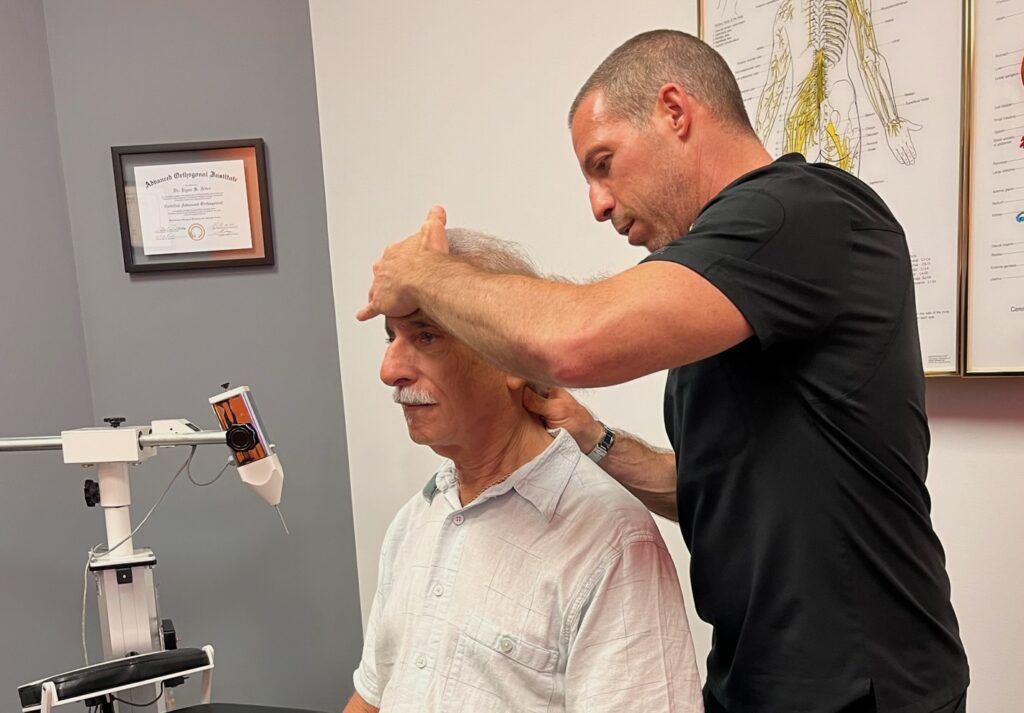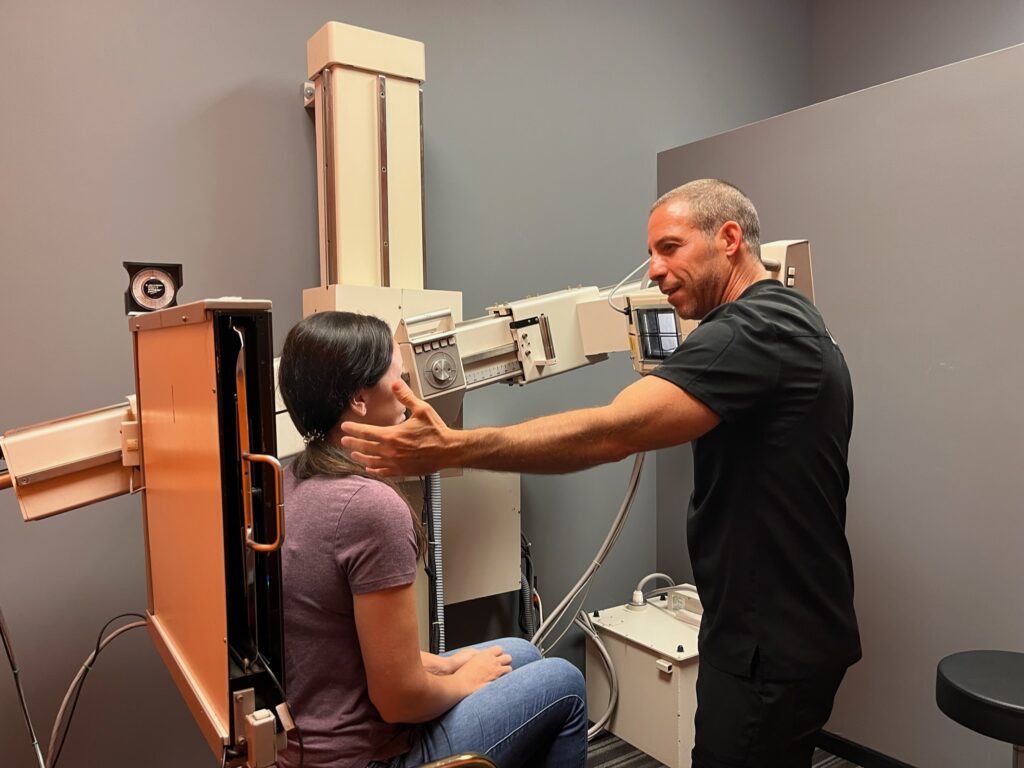

If you’ve ever faced the challenges of migraines, you understand just how disruptive they can be to your daily life. Fortunately, exploring holistic solutions, particularly chiropractic adjustments, can be a powerful ally in your quest for relief. By focusing on your individual triggers and incorporating simple lifestyle changes, you may discover a more effective way to manage your migraines.
So, what specific strategies can make a real difference? Here are some elements to consider that could transform your approach to migraine relief:
- Chiropractic Adjustments: Regular visits to a chiropractor can help align your spine and relieve tension in your neck and shoulders, areas often linked to migraine pain. These adjustments can help improve your overall spinal health and promote better nerve function, which may reduce the frequency and intensity of your migraines.
- Posture Awareness: Maintaining good posture is crucial for spinal health. Be mindful of how you sit, stand, and use electronic devices. Simple adjustments, like keeping your computer screen at eye level and taking breaks to stretch, can help reduce strain on your neck and back.
- Stress Management: Stress is a common trigger for migraines. Incorporating relaxation techniques such as deep breathing, meditation, or gentle yoga can help you manage stress levels effectively. These practices may also complement your chiropractic care by promoting overall relaxation in your body.
- Hydration and Nutrition: Staying well-hydrated and eating a balanced diet can play a vital role in preventing migraines. Make sure to drink plenty of water throughout the day and include magnesium-rich foods like leafy greens, nuts, and whole grains in your diet, as magnesium deficiency can lead to increased migraine frequency.
- Sleep Hygiene: Establishing a regular sleep schedule and creating a comfortable sleep environment can significantly impact migraine management. Aim for 7-9 hours of quality sleep each night, and consider establishing a calming bedtime routine to help you wind down.
- Regular Exercise: Engaging in regular physical activity can help reduce stress and improve overall health. Activities like walking, swimming, or cycling can promote better blood flow and help mitigate the occurrence of migraines.
By adopting these strategies and prioritizing chiropractic care, you can take meaningful steps toward achieving optimal health and finding relief from migraines. Remember, you don’t have to face this struggle alone—your chiropractor is here to support you on your journey to wellness.
Key Takeaways
Unlocking Migraine Solutions Through Chiropractic Care
- Regular chiropractic adjustments play a vital role in enhancing your spinal health. By improving blood flow and reducing tension in the body, these adjustments can help lower the chances of experiencing migraines.
- Every person is unique, which is why personalized chiropractic care is essential. We tailor wellness strategies to meet your specific needs, addressing the triggers that may lead to migraines and promoting your overall well-being.
- Stress and poor sleep can significantly impact migraine management. Chiropractic treatments are known to alleviate stress and improve sleep quality, making them essential tools for anyone looking to manage their migraines naturally.
- Integrating chiropractic care into your lifestyle allows us to work together in identifying and minimizing environmental triggers that may worsen your migraines. It’s about creating a holistic approach to your health.
- By committing to consistent chiropractic adjustments, you support your body’s natural healing processes. This not only helps reduce the frequency and intensity of migraine attacks but also contributes to your overall health and vitality.
Tips for Managing Migraines Naturally:
- Stay hydrated: Drink plenty of water throughout the day to keep your body functioning optimally.
- Maintain a regular sleep schedule: Aim for 7-9 hours of quality sleep each night to support your body’s recovery.
- Practice relaxation techniques: Incorporate deep breathing, meditation, or gentle yoga to help reduce stress levels.
- Keep a migraine diary: Track your triggers, symptoms, and patterns to better understand what might be causing your migraines.
- Consult with your chiropractor: Regular check-ins can help fine-tune your wellness plan and keep you on the path to optimal health.
By choosing chiropractic care, you’re taking a proactive step towards a healthier, migraine-free life. Let’s work together to unlock the solutions your body needs!
Understanding the Triggers of Migraines
Understanding the Triggers of Migraines
Identifying the triggers of your migraines is crucial for managing and preventing them effectively. Because triggers can differ from person to person, it’s essential to tune into your body and its responses. Common culprits include stress, sleep deprivation, and environmental factors such as bright lights or strong odors.
Keeping a migraine diary can be a practical tool in this process; by documenting when migraines occur and what you were doing at that time, you can uncover patterns that help you identify your specific triggers.
Once you become aware of your triggers, you can take proactive steps to avoid them. For instance, if stress tends to set off your migraines, consider incorporating relaxation techniques into your daily routine. Practices like mindfulness or yoga can’t only help reduce stress but also enhance your overall well-being.
Chiropractic care can also play a significant role in managing migraines. By focusing on spinal health, we can help improve your body’s overall function and reduce tension that may contribute to headaches. Regular chiropractic adjustments can promote better alignment, which may alleviate some of the stress and discomfort associated with migraines.
By understanding and managing your triggers, you’re not just responding to migraines; you’re actively taking control of your health. Remember, every small adjustment you make can lead to significant improvements in your quality of life.
Prioritizing natural wellness through chiropractic care and lifestyle changes can help you achieve optimal health and reduce the frequency of migraines.
Dietary Changes for Migraine Relief
When it comes to managing your migraines, your diet can play a significant role in your overall wellness. As a chiropractor, I’ve seen how important it’s to not only focus on spinal health but also on lifestyle factors that can affect your pain levels. By identifying and avoiding trigger foods, you can help reduce the frequency and intensity of your migraine attacks.
Incorporating nutrient-rich foods into your meals can also be beneficial. Think of foods high in magnesium, omega-3 fatty acids, and hydration from fresh fruits and vegetables, which can support your overall health and help you feel your best.
Additionally, consider how chiropractic care can complement your dietary changes. Regular adjustments can improve spinal alignment, which may positively influence your nervous system and help reduce migraine symptoms.
Focusing on natural approaches like chiropractic care, combined with mindful eating, can pave the way toward a healthier, pain-free life.
Here are a few simple tips to get you started:
- Keep a food diary to track what you eat and any migraine symptoms you experience. This can help you pinpoint potential trigger foods.
- Stay hydrated! Aim for plenty of water throughout the day to support your body’s needs.
- Consider scheduling regular chiropractic visits to help maintain spinal health and overall wellness.
Trigger Foods to Avoid
Identifying and avoiding trigger foods can significantly help in reducing the frequency and intensity of migraines, and as your local chiropractor, I want to ensure you’re taking a holistic approach to your health.
Keeping a food diary is a great starting point; it allows you to track what you eat and how it correlates with any migraine episodes.
There are some common food culprits to keep an eye on. Aged cheeses, processed meats, and fermented products often trigger headaches for many people. Additionally, artificial sweeteners and MSG can also play a role in provoking migraines.
While caffeine can provide relief for some, it can be a trigger for others, so it’s important to observe how your body reacts. Alcohol, particularly red wine, is another frequent suspect. Don’t forget to watch out for other potential triggers like chocolate or nuts.
Once you pinpoint your specific triggers, eliminating them from your diet can lead to fewer migraines and a more manageable lifestyle. Remember, your body is your best guide.
Along with dietary adjustments, regular chiropractic care can help optimize your spinal health, which may contribute to overall wellness and pain relief. Chiropractic adjustments can enhance your body’s function and improve your nervous system’s ability to cope with stressors, including dietary triggers.
Incorporating healthy habits such as staying hydrated, getting regular exercise, and ensuring proper sleep can also support your efforts in migraine management.
Beneficial Nutrient Sources
Incorporating beneficial nutrient sources into your diet can be a great way to support your overall health and potentially alleviate migraines naturally. As a local chiropractor, I believe that focusing on nutrition can complement the holistic care we provide through chiropractic adjustments.
Start by including magnesium-rich foods in your meals, such as leafy greens like spinach, nuts, and whole grains. These foods help relax your blood vessels, which can reduce the frequency of headaches.
Omega-3 fatty acids, found in fatty fish like salmon and plant sources like flaxseeds, are also important, as they combat inflammation and may provide relief from migraine symptoms.
Hydration is another key factor; drinking plenty of water can prevent dehydration-related headaches. Aim for at least eight glasses a day to keep your body well-hydrated.
Don’t overlook the benefits of riboflavin (Vitamin B2), which is present in foods like eggs and dairy. This nutrient may help decrease headache occurrences and can be easily added to your diet.
Additionally, antioxidant-rich fruits, particularly berries, support overall brain health and can be a delicious snack option.
By focusing on these nutrient sources, you can nourish your body and potentially lessen the severity and frequency of your migraines.
The Role of Hydration in Migraine Management
Hydration is a key component in managing migraines, and as a chiropractor, I want to emphasize how important it’s for overall wellness. Even mild dehydration can lead to headaches, as a lack of water can stress your body and increase the frequency and intensity of migraines.
To keep your body in balance, aim to drink water consistently throughout the day instead of waiting until you feel thirsty.
Incorporating foods with high water content, like fresh fruits and vegetables, is another excellent way to enhance your hydration. These foods not only provide hydration but also deliver essential nutrients that support your body’s natural healing processes.
For those who experience migraines, tracking your water intake alongside your headache patterns can be incredibly insightful. This practice may help you identify any links between your hydration levels and migraine occurrences, enabling you to adjust your habits for better health.
Remember, staying hydrated is about more than just drinking water; it’s about creating a healthy routine that helps you feel refreshed and minimizes potential migraine triggers.
Prioritizing hydration can significantly contribute to your overall well-being, and when combined with regular chiropractic care, you may find a more effective path to managing pain and promoting natural wellness.
Incorporating Mindfulness and Stress Reduction Techniques
Many people may not realize how much stress can contribute to migraines, but managing your stress levels can significantly enhance your overall experience. As a chiropractor, I believe that incorporating mindfulness and stress reduction techniques into your daily routine is essential for achieving optimal health and wellness.
One effective method to help manage stress is through deep breathing exercises. When you feel tension building, take a moment to focus on your breath. Just a few minutes of deep, intentional breathing can help ground you and alleviate stress. This simple practice not only calms your mind but can also positively influence your body, including your spine.
In addition to deep breathing, consider exploring meditation or yoga. These practices not only promote relaxation but also enhance mental clarity. By becoming more aware of your body and how it responds to stress, you can better identify potential migraine triggers. This heightened awareness is crucial for maintaining spinal health and overall well-being.
It’s also important to make time for hobbies or activities that you enjoy. Engaging in things that bring you joy can be a wonderful way to relieve stress and support your health. Remember, prioritizing self-care is vital. When you make chiropractic care a part of your wellness routine, you’re taking a proactive step towards managing stress and reducing the frequency and intensity of your migraines.
By consistently integrating these techniques into your life, you’ll not only manage stress more effectively but also enhance your overall health. Embrace these changes, and you’ll likely notice a positive shift in your well-being.
As you focus on natural healing and healthier living, consider chiropractic care as a key component in your journey to optimal health.
Optimizing Sleep for Better Migraine Control
Quality sleep plays a vital role in managing migraines and overall well-being. When you prioritize sleep, you’re not just resting; you’re giving your body a chance to heal and recharge, which is essential for maintaining spinal health as well. Aim for seven to nine hours of quality sleep each night.
Establishing a consistent sleep schedule by going to bed and waking up at the same time, even on weekends, can help regulate your internal clock and may reduce the frequency of your migraines.
Creating a calming bedtime routine is key to signaling your body that it’s time to wind down. Try limiting exposure to screens and bright lights an hour before sleep, as these can disrupt your natural sleep cycle and affect how well you rest.
Keeping your bedroom cool, dark, and quiet can promote better sleep quality, which is beneficial for your overall health and spine. If racing thoughts keep you awake, journaling before bed can help clear your mind.
As a chiropractor, I encourage you to consider how your spinal health affects your sleep and overall quality of life. Regular chiropractic adjustments can enhance your body’s ability to heal and function optimally, contributing to better sleep and, in turn, better migraine control.
The Impact of Physical Activity on Migraine Frequency
While you may not immediately associate physical activity with migraine management, regular exercise can play a significant role in reducing the frequency and intensity of migraine attacks. By incorporating consistent physical activity into your routine, you can enhance your overall well-being and potentially experience fewer headaches.
Here are some ways that exercise can be beneficial, along with how chiropractic care can complement these efforts:
- Stress Reduction: Engaging in exercise naturally boosts your body’s production of endorphins, which help to lower stress levels that can trigger migraines. Pairing regular physical activity with chiropractic adjustments can further relieve tension in your spine and muscles, promoting relaxation and reducing stress.
- Improved Sleep Quality: Regular physical activity can lead to better sleep, which is essential for migraine prevention. Chiropractic care can also help improve your sleep by addressing any spinal misalignments that may be disrupting your rest.
- Enhanced Blood Circulation: Better circulation can help alleviate tension in your head and neck, which may reduce the occurrence of migraines. Chiropractic adjustments improve spinal alignment and promote proper blood flow, contributing to overall head and neck health.
- Weight Management: Maintaining a healthy weight can help decrease the likelihood of developing migraines, as obesity is a known risk factor. Regular exercise, combined with chiropractic care focusing on holistic health, can support you in achieving and maintaining a healthy weight.
As you explore ways to manage migraines, remember that incorporating exercise into your life is just one piece of the puzzle.
Regular chiropractic care can provide you with the support you need for a pain-free, healthier life. Always listen to your body and consult with your chiropractor for personalized advice tailored to your specific needs. Together, you can create a path toward optimal health and wellness.
Creating a Migraine-Friendly Environment
Creating a migraine-friendly environment can significantly enhance your comfort and assist in managing your condition. As a chiropractor, I understand how important it is to reduce pain and promote wellness naturally. One of the first steps in creating a supportive space is to identify potential triggers around you, such as harsh lighting and loud noises. Adjusting your environment can lead to a more calming and soothing atmosphere.
Here’s a simple table to guide you in making your space more conducive to relief and relaxation:
| Element | Adjustment | Benefit |
|---|---|---|
| Lighting | Use soft, natural light | Reduces eye strain and tension |
| Noise | Incorporate white noise | Masks sudden loud sounds, promoting tranquility |
| Temperature | Maintain a cool setting | Helps prevent overheating, which can trigger discomfort |
| Clutter | Keep areas organized | Reduces stress and distraction, allowing for better focus on healing |
Conclusion
By adopting a holistic approach to managing migraines, you can significantly enhance your quality of life. As a local chiropractor, I believe that regular chiropractic adjustments are one of the most effective ways to alleviate migraine pain and improve overall well-being. These adjustments not only help to align your spine but also enhance your nervous system function, which is crucial for managing pain.
In addition to chiropractic care, consider making mindful dietary changes, staying hydrated, and practicing stress reduction techniques. These lifestyle adjustments can play a vital role in minimizing migraine triggers. Proper sleep is also essential; a well-rested body can better cope with stress and discomfort.
Don’t underestimate the power of physical activity! Engaging in regular exercise can promote relaxation and improve your body’s resilience to headaches. Creating a supportive environment at home can further aid your journey toward wellness.
Take these proactive steps and empower yourself to explore effective migraine solutions that work for you. Remember, chiropractic care is a natural and holistic way to reclaim your well-being and find lasting relief from migraines. It’s time to prioritize your health and embrace a lifestyle that nurtures your body and mind!