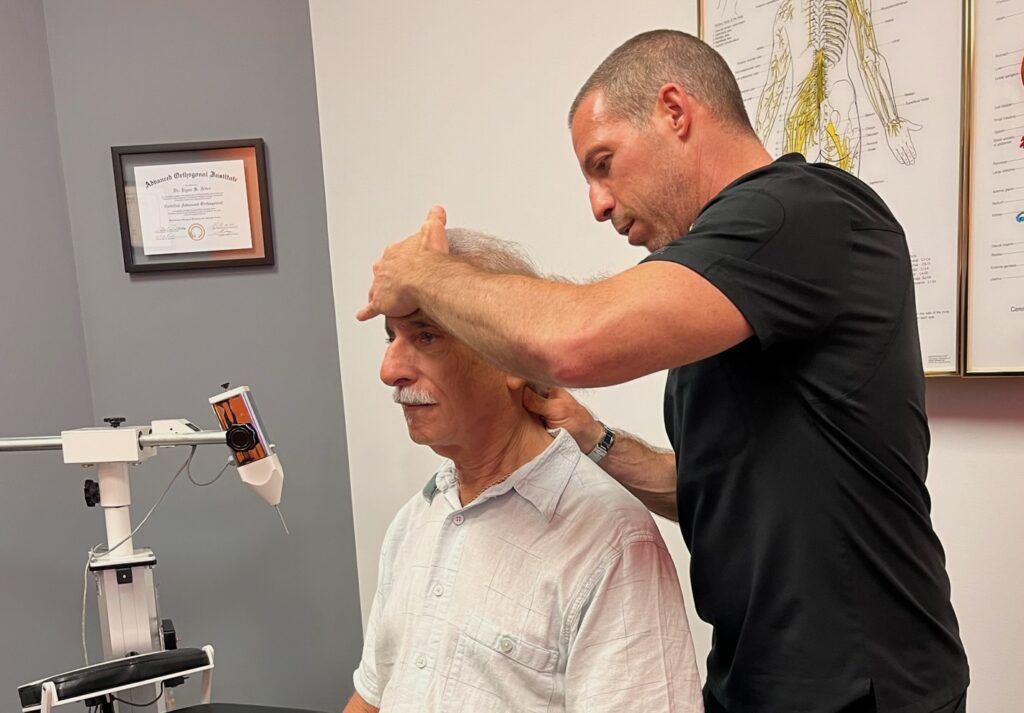
Managing chronic pain goes beyond just medication; it’s a comprehensive journey that can be greatly enhanced through chiropractic care. By focusing on the health of your spine and nervous system, you can discover a natural way to alleviate discomfort. Incorporating gentle exercises tailored to your needs, maintaining a nutritious diet, and practicing mindfulness can significantly improve your overall well-being.
Chiropractic adjustments play a pivotal role in your pain management plan, helping to align your spine and reduce tension that may contribute to your pain. As you explore these holistic options, you’ll uncover powerful tools that can transform your experience. Imagine if the key to alleviating your discomfort lies in a natural approach that prioritizes your body’s innate ability to heal itself.
Here are some practical tips to consider:
- Stay Active: Engage in low-impact exercises such as walking, stretching, or swimming, which can help keep your body moving without putting too much strain on your joints.
- Nutrition Matters: Focus on a balanced diet rich in anti-inflammatory foods, such as fruits, vegetables, whole grains, and healthy fats. These can support your body’s healing processes.
- Mindful Moments: Take time each day to practice mindfulness or relaxation techniques. Deep breathing, meditation, or yoga can help reduce stress and improve your pain perception.
- Regular Chiropractic Visits: Make chiropractic care a regular part of your routine. Consistent adjustments can help maintain spinal alignment and improve your overall function.
- Listen to Your Body: Pay attention to what your body is telling you. Rest when needed, and don’t hesitate to reach out for support when necessary.
By embracing a holistic approach with chiropractic care at the forefront, you can take significant steps towards managing your chronic pain and achieving optimal health. Let’s explore these strategies together and find the right path for your wellness journey.
Understanding Chronic Pain: Causes and Impact
Chronic pain can be incredibly challenging to manage, especially when you may not fully understand its causes and effects. Often, it arises from conditions like arthritis, fibromyalgia, or past injuries that haven’t fully healed. This ongoing discomfort can significantly disrupt your daily life, making it difficult to work, socialize, or even engage in activities you once enjoyed.
As a result, you may find yourself feeling fatigued, anxious, or even experiencing bouts of depression due to the relentless nature of pain. It’s essential to recognize that chronic pain affects more than just your body; it can also lead to emotional and mental distress. Sometimes, the brain misinterprets pain signals, causing you to feel discomfort even after an injury has healed. This frustrating cycle can leave you yearning for relief and answers.
Understanding these patterns is key, and that’s where chiropractic care comes into play. Chiropractors focus on the spine and nervous system, helping to restore proper alignment and function. By addressing the root causes of pain, chiropractic adjustments can alleviate discomfort and promote natural healing. This approach empowers you to take control of your health and well-being.
Here are some tips and tricks to help you manage chronic pain and enhance your overall wellness:
- Stay Active: Gentle exercises like walking, stretching, or yoga can help maintain mobility and reduce pain. Always listen to your body and choose low-impact activities that feel good.
- Maintain Good Posture: Proper alignment when sitting, standing, and sleeping can help minimize strain on your spine and reduce pain.
- Stay Hydrated: Drinking plenty of water supports overall health and can aid in reducing inflammation.
- Practice Relaxation Techniques: Mindfulness, meditation, and deep breathing can help lower stress levels, which may ease your perception of pain.
- Seek Chiropractic Care: Regular visits to a chiropractor can help keep your spine aligned, relieve tension, and promote natural healing, making it a vital part of your pain management strategy.
- Educate Yourself: Learning about your pain can empower you to make informed choices regarding your health and treatment options.
By embracing these strategies and integrating chiropractic care into your routine, you can take meaningful steps toward managing chronic pain and achieving optimal health naturally.
The Role of Nutrition in Pain Management
When it comes to managing pain, we often forget how crucial nutrition is to our overall health and wellness. The foods we choose can play a significant role in either alleviating or intensifying our pain levels. By incorporating more anti-inflammatory foods into your diet—such as fresh fruits, vibrant vegetables, whole grains, and healthy fats—you can help reduce inflammation and promote healing throughout your body.
For instance, omega-3 fatty acids, which are abundant in fish like salmon and plant sources like flaxseeds, are particularly effective in combating pain.
Conversely, be cautious with processed foods that are high in sugar and unhealthy fats, as these can lead to increased inflammation and worsen your pain symptoms. Staying hydrated is also essential; dehydration can result in muscle cramps and heightened discomfort, so make sure you’re drinking plenty of water throughout the day.
To better understand how your diet affects your pain, consider keeping a food diary. This simple tool can help you identify any potential food triggers and track how different foods influence your discomfort. By making small, mindful dietary changes, you can take proactive steps toward managing your chronic pain and enhancing your quality of life.
As a chiropractor, I believe in the power of a holistic approach to health. Nutrition plays a vital role in your overall well-being, but don’t forget that chiropractic care is an excellent way to support your body in its healing journey.
Chiropractic adjustments can help realign your spine, reduce tension, and improve your body’s function, allowing you to feel your best. Remember, achieving optimal health is a combination of good nutrition and regular chiropractic care. Small changes in both areas can lead to significant improvements in how you feel!
Mindfulness and Meditation Techniques
Incorporating mindfulness and meditation techniques into your pain management strategy can significantly enhance your overall well-being and complement the benefits of chiropractic care. These practices enable you to focus on the present moment, reduce stress, and cultivate a sense of calm, all of which are essential for managing discomfort effectively.
Here are some simple techniques you can easily incorporate into your daily routine:
- Deep Breathing: Take a moment to focus on your breath. Inhale deeply through your nose, allowing your abdomen to rise, and exhale slowly through your mouth. This simple act can promote relaxation and ease tension in your body.
- Body Scan: Spend a few minutes checking in with each part of your body. Notice any sensations, whether they’re tightness, discomfort, or relaxation. This practice helps you become more aware of your body and can enhance your chiropractic adjustments.
- Guided Imagery: Visualize a peaceful scene, such as a serene beach or a lush forest. Allow yourself to immerse in that imagery, which can serve as a distraction from pain and promote a sense of well-being.
- Mindful Walking: When you walk, pay close attention to each step. Feel the ground beneath your feet and notice the rhythm of your movement. This practice not only helps with mindfulness but also encourages proper posture and alignment, which are crucial for spinal health.
- Loving-Kindness Meditation: Take a moment to send warm wishes to yourself and loved ones. This practice fosters compassion and connection, which can enhance your emotional resilience as you navigate pain.
By integrating these mindfulness techniques into your lifestyle, you empower yourself to manage chronic pain more effectively.
Additionally, they complement the benefits of chiropractic care, which focuses on natural healing and optimal health. Remember, achieving balance and wellness is a journey, and these simple practices can be powerful tools in your quest for a healthier life.
The Benefits of Regular Exercise
Regular exercise is a vital component of managing chronic pain and achieving optimal health, especially when paired with chiropractic care. When you engage in physical activity, your body releases endorphins—natural painkillers that can significantly help in reducing discomfort. This is where chiropractic care comes into play; by ensuring proper spinal alignment, your body can function more efficiently, allowing you to reap the full benefits of exercise.
Incorporating regular movement into your routine not only strengthens your muscles and improves flexibility but also makes daily tasks easier and less painful. Activities like walking, swimming, or gentle yoga can be incredibly beneficial. These low-impact exercises can boost your mood and help alleviate anxiety and depression that often accompany chronic pain. When you feel better emotionally, you’re more likely to stay active and engaged in your daily life.
Additionally, maintaining an exercise routine can enhance your energy levels and promote better sleep—both critical factors in managing pain. Having a consistent schedule provides a sense of control over your body and overall well-being, which is essential for those dealing with chronic conditions.
It’s important to listen to your body and select activities that align with your current fitness level. Start slow, perhaps with light stretches or short walks, and gradually increase the intensity as you feel more comfortable. Remember, chiropractic adjustments can help support your exercise regimen by ensuring your spine is aligned and your nervous system is functioning optimally.
Here are a few simple tips to incorporate exercise into your routine:
- Set Realistic Goals: Aim for small, achievable milestones rather than overwhelming yourself with lofty expectations.
- Mix It Up: Try different types of activities to keep things interesting and work various muscle groups.
- Stay Consistent: Aim for at least 30 minutes of physical activity most days of the week, even if it’s broken into shorter segments.
- Hydrate: Drink plenty of water before, during, and after your workouts to keep your body functioning well.
- Seek Chiropractic Care: Regular visits to your chiropractor can help maintain proper alignment, reduce pain, and enhance your overall physical performance.
Alternative Therapies: Acupuncture and Massage
When it comes to managing chronic pain, chiropractic care is one of the best options for achieving optimal health and wellness. By focusing on the spine and its alignment, chiropractic adjustments can help your body heal naturally and reduce pain without the need for medications or surgeries.
While therapies like acupuncture and massage can offer some relief, they often serve as temporary solutions. Chiropractic care, on the other hand, addresses the root cause of pain by improving spinal function and overall health. This holistic approach not only alleviates pain but also enhances your body’s natural healing processes.
In addition to chiropractic adjustments, there are several tips you can incorporate into your daily routine to support your health and relieve discomfort. Here are a few:
- Stay Active: Regular physical activity helps maintain flexibility and strength, which can reduce pain and prevent future issues.
- Practice Good Posture: Maintaining proper posture while sitting, standing, and sleeping can significantly impact spinal health and alleviate strain on your back.
- Stay Hydrated: Drinking plenty of water supports joint health and reduces inflammation, which can contribute to pain.
- Manage Stress: Engaging in stress-reducing activities like yoga or meditation can help relax your muscles and improve your overall well-being.
- Listen to Your Body: Pay attention to what your body is telling you. If something doesn’t feel right, it’s important to consult with your chiropractor for an evaluation.
Benefits of Acupuncture
As a local chiropractor, I want to share the benefits of natural approaches to managing chronic pain, and while acupuncture has its merits, I firmly believe that chiropractic care is the best choice for achieving optimal health and wellness.
Chiropractic adjustments not only focus on alleviating pain but also promote overall healing and function of the body.
When you seek chiropractic care, you can experience several advantages that can enhance your pain management routine:
- Reduces inflammation and muscle tension: Chiropractic adjustments work to realign the spine and joints, which can help reduce inflammation and ease muscle tension throughout your body.
- Improves blood circulation: Proper spinal alignment improves blood flow to your muscles and tissues, helping them heal faster and function better.
- Boosts the release of endorphins: Chiropractic care can stimulate your body’s natural pain-relieving hormones, helping you feel more comfortable and at ease.
- Enhances sleep quality: Regular chiropractic adjustments can help alleviate pain and discomfort, allowing you to enjoy better sleep, which is crucial for recovery.
- Supports emotional well-being: By reducing physical pain and discomfort, chiropractic care can also help lower stress and anxiety levels, contributing to a better overall mood.
In addition to chiropractic care, here are some general tips for maintaining a healthy lifestyle and managing pain naturally:
- Stay Active: Engage in regular physical activity, such as walking, swimming, or yoga, to keep your body moving and flexible.
- Practice Good Posture: Be mindful of your posture, especially when working at a desk or using your phone, to prevent strain on your spine.
- Stay Hydrated: Drinking plenty of water can help keep your muscles hydrated and functioning well.
- Consider Nutrition: Eating a balanced diet rich in anti-inflammatory foods can support your overall health and well-being.
- Practice Stress Management: Incorporating relaxation techniques such as deep breathing, meditation, or gentle stretching can help reduce stress and promote healing.
By prioritizing chiropractic care and adopting these healthy habits, you can take significant steps toward living a pain-free, healthier life.
Efficacy of Massage Therapy
When it comes to managing chronic pain, chiropractic care stands out as one of the most effective natural approaches. While massage therapy can provide some benefits, such as relaxing tight muscles and improving circulation, it’s important to understand how chiropractic care can take your healing to the next level.
Chiropractic adjustments work by realigning the spine and ensuring that your nervous system functions optimally. This not only alleviates pain but also promotes overall well-being by enabling your body to heal itself more effectively.
Regular chiropractic sessions can empower your body to manage stress and enhance your mobility, leading to a higher quality of life. Many patients find that when they incorporate chiropractic care into their wellness routine, they experience significant improvements in pain relief and movement.
Unlike other therapies, chiropractic focuses on addressing the root causes of pain rather than just the symptoms, helping you regain control over your health.
If you’re exploring ways to improve your well-being, consider prioritizing chiropractic care. It could be the key to a more comfortable and active lifestyle, allowing you to live life to the fullest without relying on medications or invasive procedures.
The Importance of Sleep and Rest
Sleep is incredibly important for managing chronic pain, and when your sleep quality suffers, your discomfort can intensify. That’s why it’s crucial to prioritize restorative practices that promote better sleep. By doing so, you can enhance your healing process and improve your overall well-being.
As a chiropractor, I emphasize that quality sleep isn’t just about the number of hours you get; it’s also about the quality of that sleep. Here are a few tips to help you achieve better rest and, in turn, feel more in control of your pain:
- Establish a Sleep Routine: Go to bed and wake up at the same time every day to help regulate your body’s internal clock.
- Create a Comfortable Sleep Environment: Make sure your bedroom is a peaceful and comfortable place. Consider investing in a supportive mattress and pillows that align your spine properly.
- Limit Screen Time Before Bed: The blue light from screens can interfere with your sleep. Try to turn off electronics at least an hour before bedtime.
- Practice Relaxation Techniques: Techniques such as deep breathing, meditation, or gentle stretching can help calm your mind and prepare your body for restful sleep.
- Stay Active During the Day: Regular physical activity can help you fall asleep faster and enjoy deeper sleep. Just be sure to avoid vigorous exercise close to bedtime.
- Consider Chiropractic Care: Regular chiropractic adjustments can improve your spinal alignment and overall body function, which may lead to better sleep quality and reduced pain levels.
By incorporating these simple practices into your daily routine, you can foster better sleep habits that support your healing journey.
Sleep Quality and Pain
As a chiropractor, I want to emphasize how crucial sleep quality is in managing chronic pain. When you prioritize good sleep, your body can heal itself more effectively and become less sensitive to pain. Being well-rested not only enhances your resilience but also equips you with better tools to cope with discomfort. On the flip side, poor sleep can intensify your pain, leading to a frustrating cycle.
To enhance your sleep quality and support your overall health, here are some simple strategies:
- Stick to a Sleep Schedule: Go to bed and wake up at the same time every day. This helps regulate your body’s internal clock.
- Establish a Relaxing Bedtime Routine: Engage in calming activities before sleep, such as reading a book or practicing gentle stretching. This signals to your body that it’s time to wind down.
- Limit Screen Time: Try to avoid screens from phones, tablets, and TVs at least an hour before bed as the blue light can interfere with your ability to fall asleep.
- Create a Comfortable Sleep Environment: Ensure your bedroom is dark, quiet, and at a comfortable temperature to promote restful sleep.
- Be Mindful of Evening Intake: Avoid caffeine and heavy meals close to bedtime, as they can disrupt your sleep cycle.
Remember, chiropractic care can also play a significant role in improving your sleep quality. Regular adjustments can help alleviate discomfort, enhance your body’s natural healing processes, and promote relaxation, making it easier for you to achieve restful sleep.
Restorative Practices for Healing
Restorative practices play a vital role in healing, particularly when it comes to managing chronic pain. One of the most important aspects of this process is prioritizing sleep and rest, as they can significantly influence your pain levels and overall wellness.
Establishing a consistent sleep routine is key; aim to go to bed at the same time each night and create a calming environment that promotes relaxation. Reducing screen time before bed and incorporating soothing techniques such as deep breathing or meditation can greatly help in easing your mind and preparing your body for restful sleep.
Throughout the day, it’s important to listen to your body. If you find yourself feeling fatigued, don’t hesitate to take breaks or rest as needed. Gentle activities like stretching or yoga can be beneficial too, helping to support your spine and enhance overall mobility.
Remember, healing isn’t just about physical recovery; it’s also about nurturing your mind and spirit. By prioritizing rest, you support your body’s natural ability to cope with chronic pain more effectively.
As a chiropractor, I encourage you to consider how chiropractic care can enhance your healing journey. Regular adjustments can improve spinal alignment, reduce tension, and promote better sleep, which altogether contributes to a healthier, pain-free life.
Connecting With Support Networks
Connecting with support networks can play a vital role in helping you manage chronic pain more effectively, especially when combined with the benefits of chiropractic care. When you connect with others who are experiencing similar challenges, you can find encouragement, share practical advice, and learn new strategies that can significantly improve your daily life.
Here are some ways to engage with support networks while focusing on natural healing and wellness:
- Join local support groups that emphasize holistic approaches to pain management, where you can share experiences and discover coping strategies, including the benefits of chiropractic care.
- Participate in online forums dedicated to natural healing, where you can ask questions about chiropractic techniques and offer support to others seeking pain relief without surgery or medication.
- Reach out to friends and family who can provide emotional support and help you stay motivated in your journey toward better health through chiropractic practices.
- Collaborate with healthcare professionals, such as chiropractors, who can guide you in your journey to achieving optimal health and wellness, focusing on spinal health and natural healing methods.
- Attend community events or workshops that focus on pain management techniques, including those that highlight the advantages of chiropractic adjustments and other natural therapies.
By connecting with these support networks and embracing chiropractic care, you can empower yourself to manage chronic pain effectively and enhance your overall well-being.
Exploring Cognitive Behavioral Therapy
Support networks can play a vital role in managing chronic pain, but incorporating Chiropractic Care into your routine can significantly enhance your overall wellness. Chiropractic treatment focuses on the relationship between your spine and nervous system, which can directly impact your pain levels and overall health.
By addressing any misalignments in your spine, chiropractic care not only helps alleviate pain but also improves your body’s ability to heal naturally. Regular adjustments can enhance your mobility and promote better function, allowing you to engage more fully in daily activities.
In addition to receiving chiropractic adjustments, you can empower yourself by adopting practical strategies for pain relief. Simple techniques such as maintaining good posture, incorporating gentle stretching, and practicing relaxation methods can greatly improve your well-being.
It’s important to listen to your body and find activities that you enjoy, as staying active is key to managing pain effectively. Setting realistic wellness goals is also beneficial. Whether it’s committing to regular chiropractic visits or engaging in activities that nurture your body, these small steps can lead to significant improvements in your quality of life.
Developing a Personalized Pain Management Plan
When it comes to managing chronic pain, creating a personalized pain management plan is essential for addressing your unique needs naturally. As a local chiropractor, I believe that a well-rounded approach can significantly improve your well-being without relying on medications or surgeries.
Here are some key components to consider for your plan:
- Chiropractic Care: Regular chiropractic adjustments can help realign your spine and improve your body’s function, which may lead to reduced pain and increased mobility. Your chiropractor can work with you to develop a tailored treatment plan that targets your specific issues.
- Physical Activity: Engaging in gentle exercises can strengthen your muscles and enhance flexibility. Activities like walking, swimming, or specific stretches recommended by your chiropractor can be very beneficial.
- Mindfulness Techniques: Incorporate practices such as meditation, deep breathing, or yoga into your daily routine. These techniques can help reduce stress and promote relaxation, which is essential for managing pain effectively.
- Healthy Lifestyle Choices: Focus on a balanced diet rich in whole foods and make sure to prioritize quality sleep. These habits support your body’s natural healing processes and can help you feel better overall.
- Building a Support Network: Connect with family, friends, or local support groups. Sharing your experiences and feelings with others can provide emotional support, making it easier to cope with chronic pain.
By integrating these components into your personalized pain management plan, you can take significant strides toward achieving optimal health and wellness through natural and holistic methods.
Conclusion
Incorporating chiropractic care into your daily routine can significantly enhance your ability to manage chronic pain. By prioritizing spinal health, nutrition, mindfulness, and exercise, you’re not just addressing the pain but also improving your overall well-being. Chiropractic adjustments help realign your spine, which can alleviate discomfort and promote natural healing throughout your body.
In addition to regular adjustments, consider focusing on a balanced diet rich in anti-inflammatory foods, practicing mindfulness techniques to reduce stress, and engaging in gentle exercises like stretching or yoga. These strategies complement your chiropractic care and empower you to take control of your pain management journey.
Building a support network, including a trusted chiropractor, can make a world of difference. Collaborate with your chiropractor to tailor a pain management plan that suits your unique needs, ensuring you receive the best care possible. Embrace these insights, and you’ll navigate your chronic pain journey with resilience and confidence. Remember, you have the tools to achieve optimal health through natural wellness methods. You’ve got this!