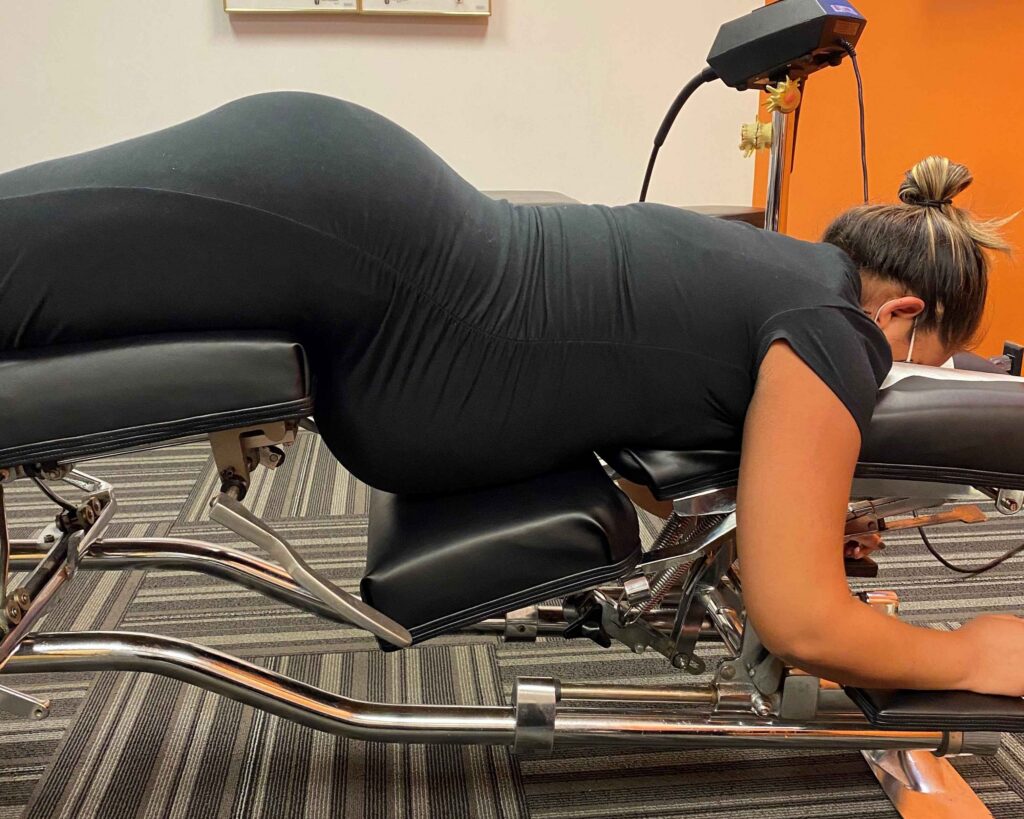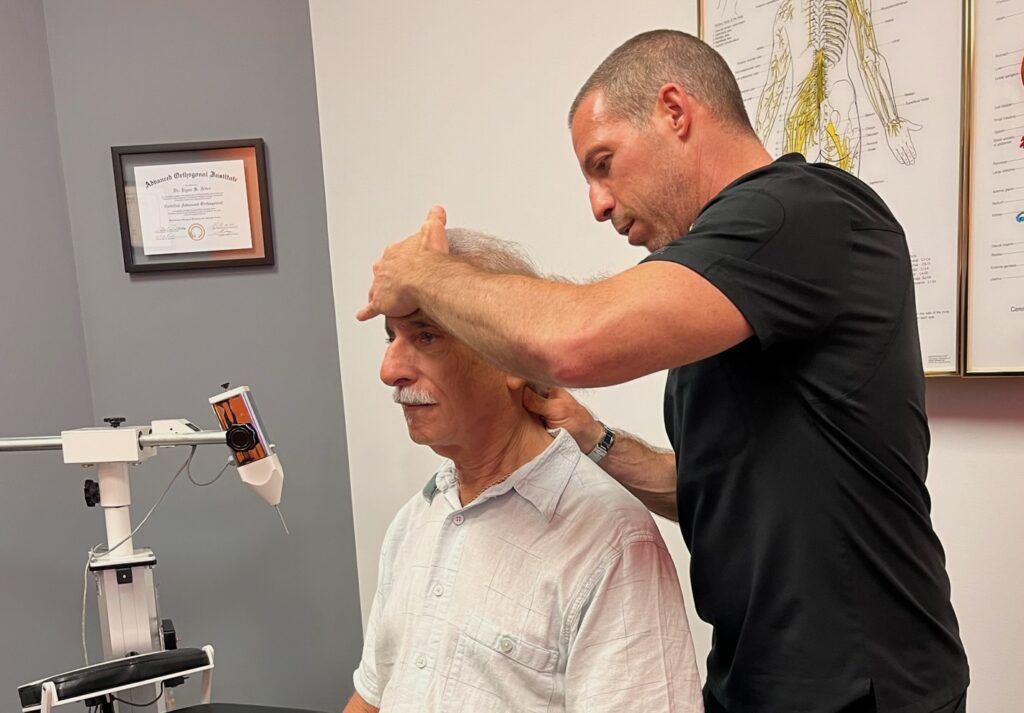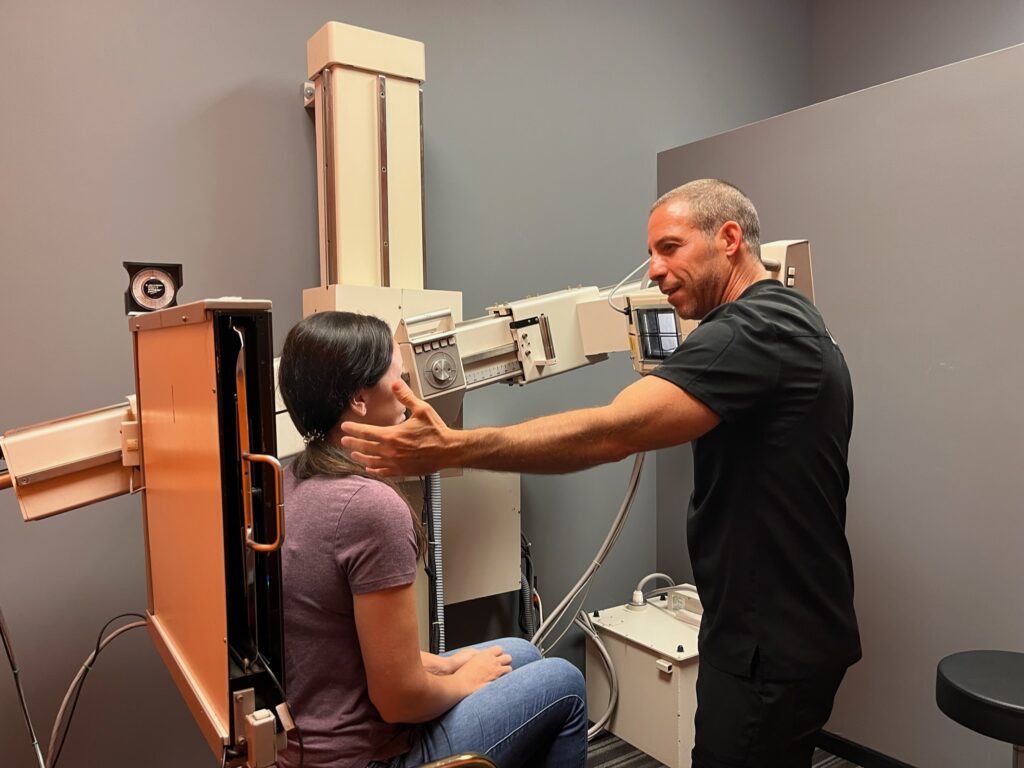

As your local chiropractor, I want to emphasize how crucial your posture is in managing and alleviating back pain. The way you hold your body affects your spinal alignment, muscle tension, and even how you move throughout your day. By understanding the significance of good posture, you can make meaningful changes that can help reduce your discomfort and support your healing process.
Are you interested in learning more about how your posture can directly impact your back pain treatment? Let’s dive deeper into this important connection and explore the ways in which improving your posture can lead to a healthier back and overall well-being.
The Connection Between Posture and Spinal Alignment
As a local chiropractor, I want to emphasize the importance of maintaining proper posture for your spinal alignment, which is crucial for your overall health and well-being.
When you sit or stand with correct posture, you support the natural curves of your spine, which helps promote balance and reduces unnecessary strain on your muscles and ligaments. This alignment creates a strong foundation that can prevent discomfort and enhance your physical performance.
Engaging your core muscles and keeping your shoulders back are simple adjustments that can greatly impact your spinal health. By distributing your weight evenly, you not only support your spine but also encourage better circulation and oxygen flow throughout your body.
You might be surprised to learn that maintaining good posture can also boost your mood and energy levels, making you feel more alert and focused throughout the day.
Incorporating good posture into your daily routine is a proactive approach to your health. By prioritizing spinal alignment, you’re taking significant steps to prevent future issues and improve your overall well-being.
If you have any questions about how chiropractic care can further support your posture and spinal health, I’m here to help guide you on your journey to a healthier lifestyle.
How Poor Posture Contributes to Muscle Strain
As a local chiropractor, I often see the effects of poor posture in my patients, and it’s crucial to understand how it can lead to muscle strain. When we don’t maintain proper alignment, our muscles are forced to work much harder than they should to keep our bodies stable and supported. This can lead to certain muscles becoming overworked while others weaken, creating imbalances that not only cause discomfort but can also result in chronic pain.
Here are three key ways that poor posture contributes to muscle strain:
- Increased Tension: When you slouch or hunch over, muscles in your neck and shoulders can become overly tight in an attempt to compensate for misalignment. This tension can lead to fatigue and strain, making everyday activities feel more challenging.
- Reduced Flexibility: Tight muscles lose their ability to stretch properly. This lack of flexibility can make it difficult to perform daily tasks without experiencing discomfort or pain.
- Altered Movement Patterns: Poor posture can change the way you move your body, putting additional strain on muscles that aren’t meant to bear that load. This can lead to further complications and discomfort over time.
The Role of Ergonomics in Daily Activities
As a local chiropractor, I want to emphasize the vital role that ergonomics plays in your daily activities, particularly regarding your overall health and well-being. Ergonomics is all about creating a workspace that prioritizes comfort and efficiency, which can significantly reduce the strain on your body—especially your back.
One of the simplest yet most effective adjustments you can make is to ensure your chair is set to the right height. Your feet should rest flat on the floor, and your knees should be in line with your hips. This small adjustment can make a big difference in minimizing back pain while you work or engage in other activities.
When it comes to using a computer, it’s crucial to position your screen at eye level. This helps you avoid hunching over, which can lead to discomfort and pain over time.
I also encourage you to take regular breaks to stretch and move around. This practice combats stiffness and fatigue, allowing your body to recover and maintain good posture throughout the day.
Incorporating ergonomic tools, such as keyboard supports and standing desks, can further enhance your posture and overall comfort.
By adopting these ergonomic principles in your daily routine, you can’t only boost your productivity but also significantly reduce your risk of developing back pain.
The Impact of Posture on Breathing and Pain Perception
As your local chiropractor, I want to help you understand the crucial relationship between your posture, breathing, and how you experience pain. Many people are unaware that the way they sit or stand can significantly impact their overall well-being.
When you adopt a slouched or hunched position, it can restrict your lung capacity and make it difficult to take deep, nourishing breaths. This not only affects your physical health but can also lead to feelings of anxiety and an increased sensitivity to pain.
Let’s explore three important ways posture influences your breathing and pain perception:
- Restricted Airflow: When you have poor posture, it compresses your chest, limiting the oxygen you can take in. This restriction can contribute to discomfort and leave you feeling fatigued or anxious.
- Muscle Tension: Maintaining a slouched position can create unnecessary tension in your neck and back muscles. This tension can amplify pain signals, making everyday activities feel more challenging.
- Nervous System Response: Insufficient breathing due to poor posture can trigger a stress response in your body. This heightened state of stress can make you more sensitive to pain, further affecting your comfort and quality of life.
By being mindful of your posture and making small adjustments, you can improve your breathing, reduce muscle tension, and manage your pain more effectively.
As a chiropractor, I’m here to guide you on this journey to better health through natural healing practices.
Strategies for Improving Posture to Alleviate Back Pain
As your local chiropractor, I want to share how making small changes to your daily habits can significantly enhance your posture and help alleviate back pain. One of the first steps is to be aware of how you sit throughout the day. Ensure your back is straight and your shoulders are relaxed while using a chair that provides support for your lower back.
When you stand, try to distribute your weight evenly between both feet and engage those core muscles to support your spine. Incorporating regular stretches and strengthening exercises into your routine is also crucial. Focus on areas like your neck, shoulders, and lower back to prevent tightness and discomfort.
It’s important to take breaks from sitting or standing for long periods—consider a quick walk or some gentle stretches to relieve tension. Using ergonomic tools can make a big difference, especially in a work setting. A supportive chair or a standing desk can encourage better posture and reduce strain on your back.
Additionally, be mindful of how you use your devices; holding your phone or computer at eye level can help prevent slouching and promote a healthier alignment. By implementing these strategies, you can’t only reduce back pain but also improve your overall posture.
Conclusion
As a local chiropractor dedicated to your health, I want to emphasize the significant role that posture plays in managing and alleviating back pain. By improving your posture, you can not only reduce discomfort but also enhance your overall well-being.
Focusing on spinal alignment is essential—proper alignment helps distribute weight evenly across your spine and reduces unnecessary strain on your muscles. Engaging your core muscles is another critical aspect; a strong core supports your spine and helps maintain good posture, which can significantly lessen back pain.
Additionally, practicing good ergonomics in your daily activities—whether at work or home—can make a remarkable difference. Simple adjustments, like using supportive chairs and setting up your workspace correctly, can prevent muscle strain and aid your recovery journey.
Remember, improving your posture does more than just alleviate pain; it allows you to breathe easier and increases your body awareness. This awareness empowers you to take proactive steps to prevent future discomfort. I encourage you to start implementing these strategies today, and you may soon notice a positive change in how you feel. If you have questions or need guidance, don’t hesitate to reach out for personalized support on your journey to better health.