
Throughout everyday life, misalignments in your spine happen (subluxation). You don’t have to have an injury or other event to cause it. It just happens from normal daily activities. Subluxations put pressure on your nervous system. This results in pain, restricted mobility and a disruption the communication from your brain to the rest of your body. If left untreated, the fixation will also cause the formation of arthritis and degeneration.
Wellness Care with our Chiropractic team in Delray Beach is designed to help keep your spine aligned properly, to keep pressure off your nerves, slow down the degenerative process, and keep your body at peak performance. Wellness visits make sure everything stays exactly where it’s supposed to be before it develops into more serious problems.
Regular maintenance is essential to your optimal health.
Stay on top of misalignments that lead to pain and complications down the road.
Keep your body functioning at optimal health, prevent small issues turning into big problems.
Avoid unnecessary surgeries and illnesses by keeping your body as healthy as possible.
Wellness visits allow Dr. Alter to find and correct spinal misalignments before they become a major problem. This will ensure your nerve system is in tip-top shape, which will keep your immune system stronger, and you healthier.
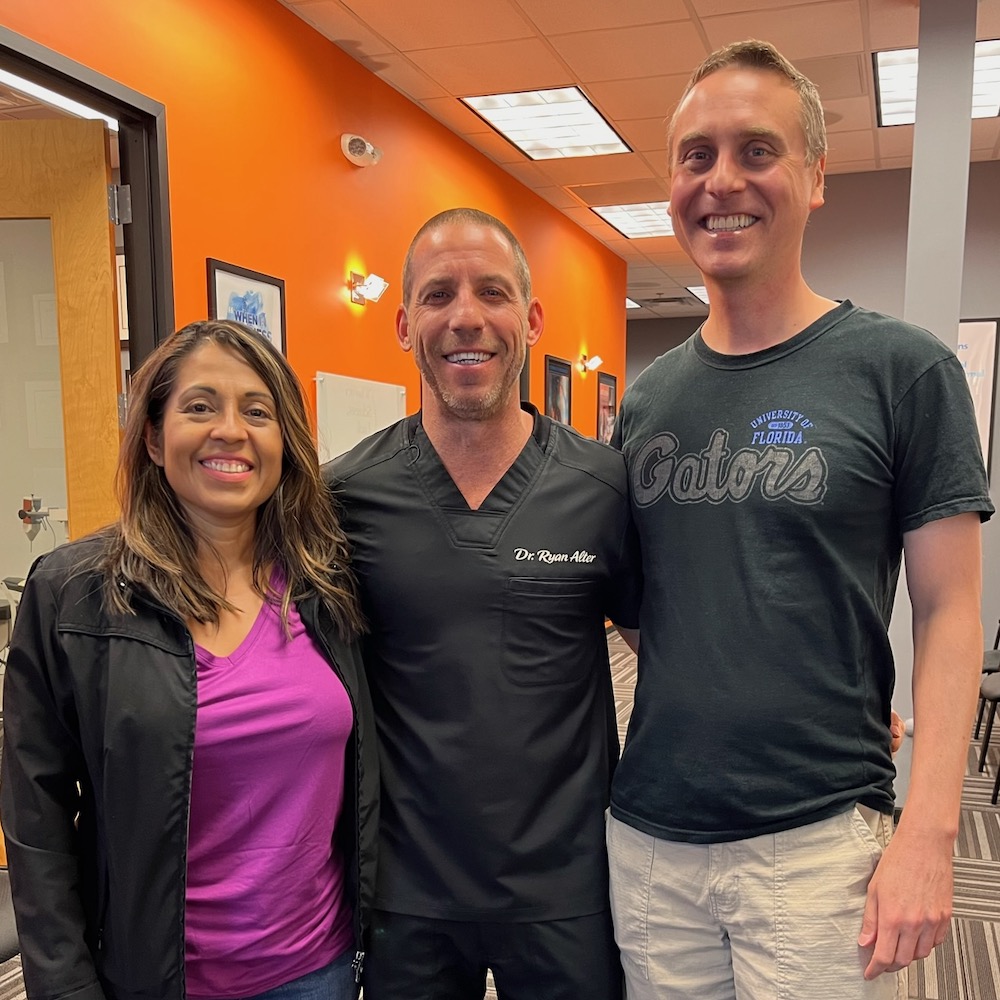
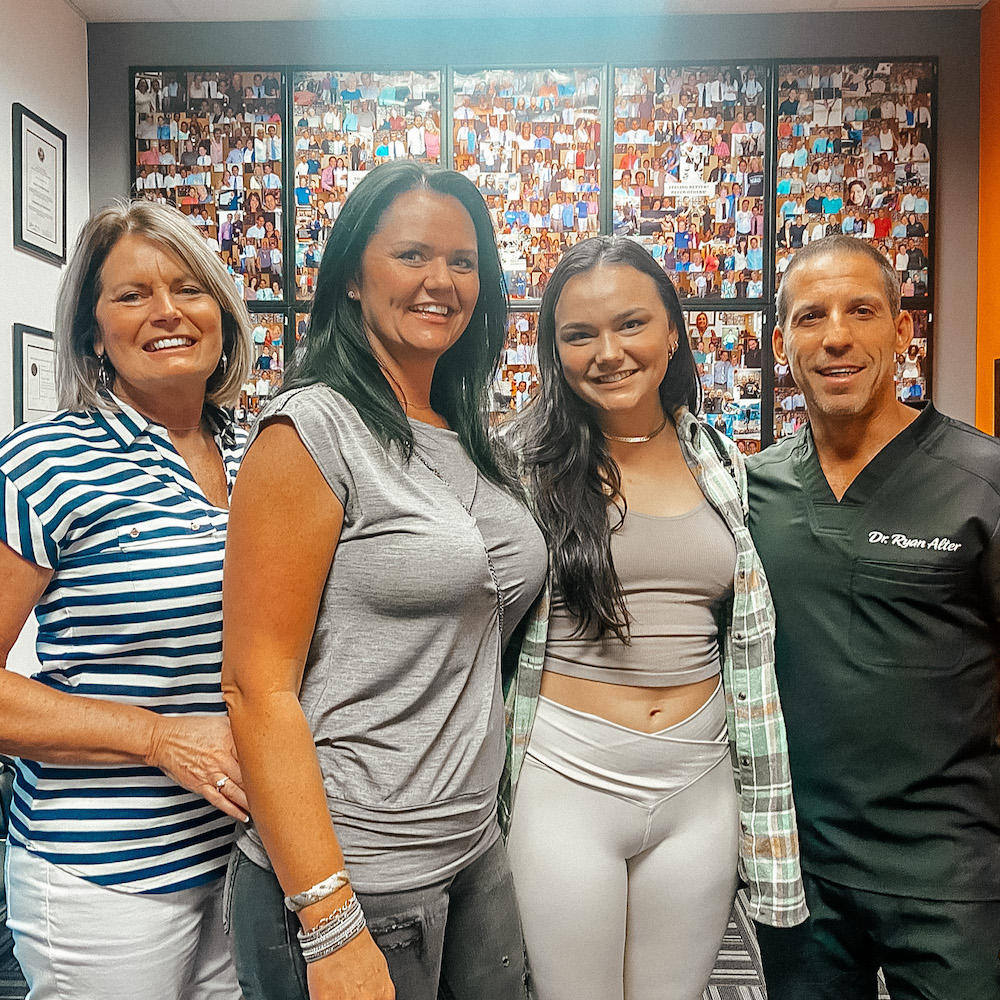

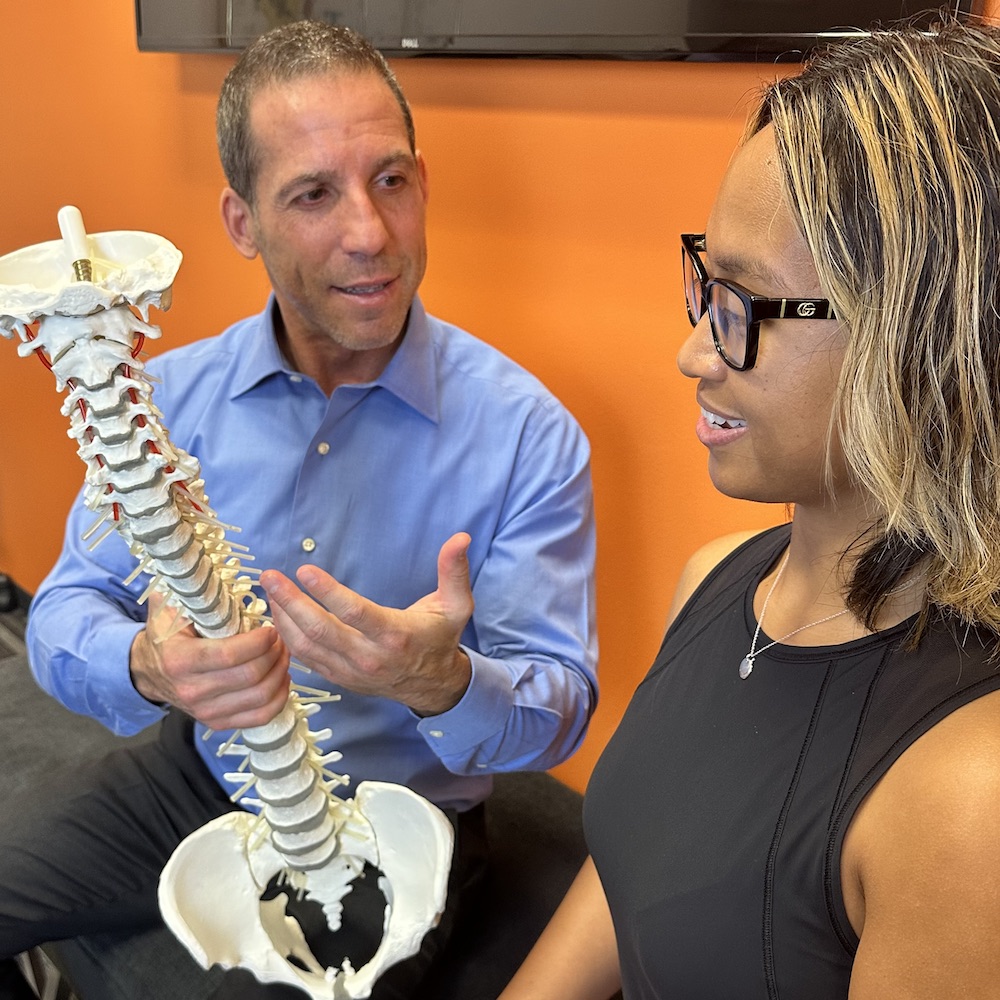
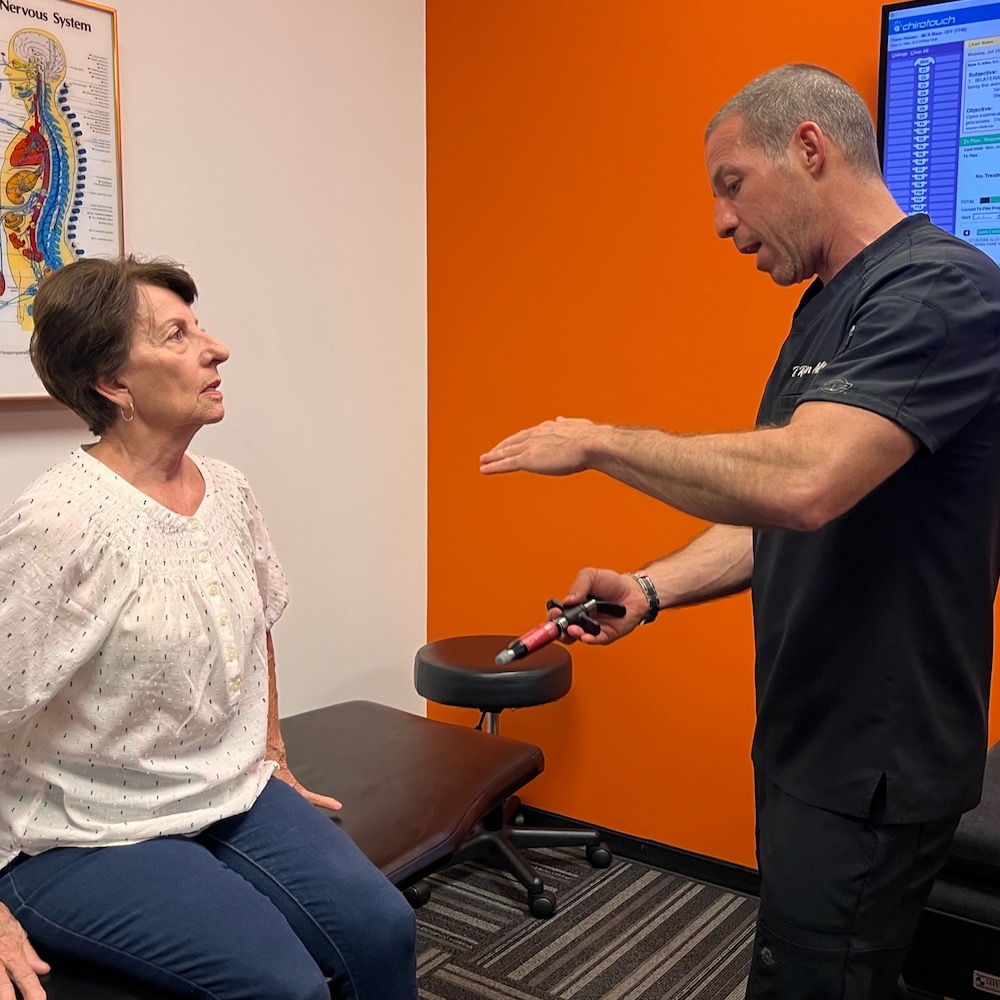
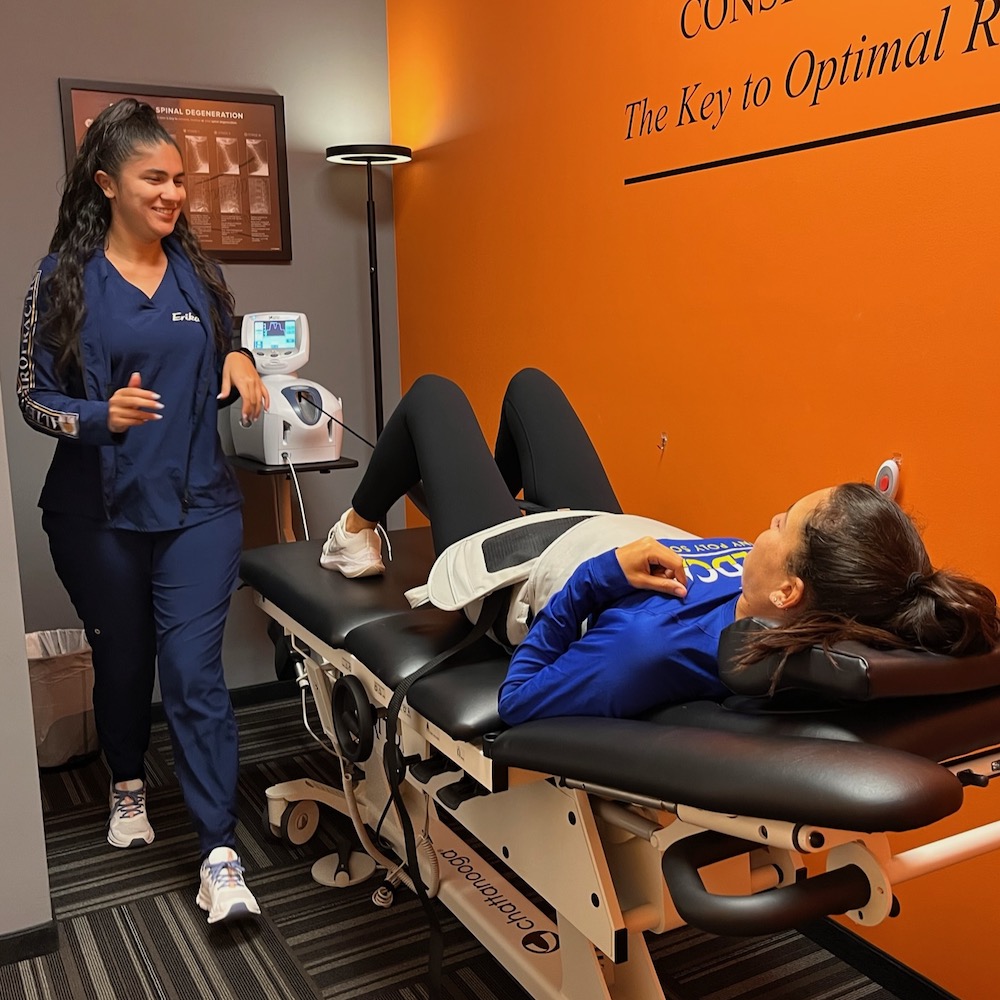
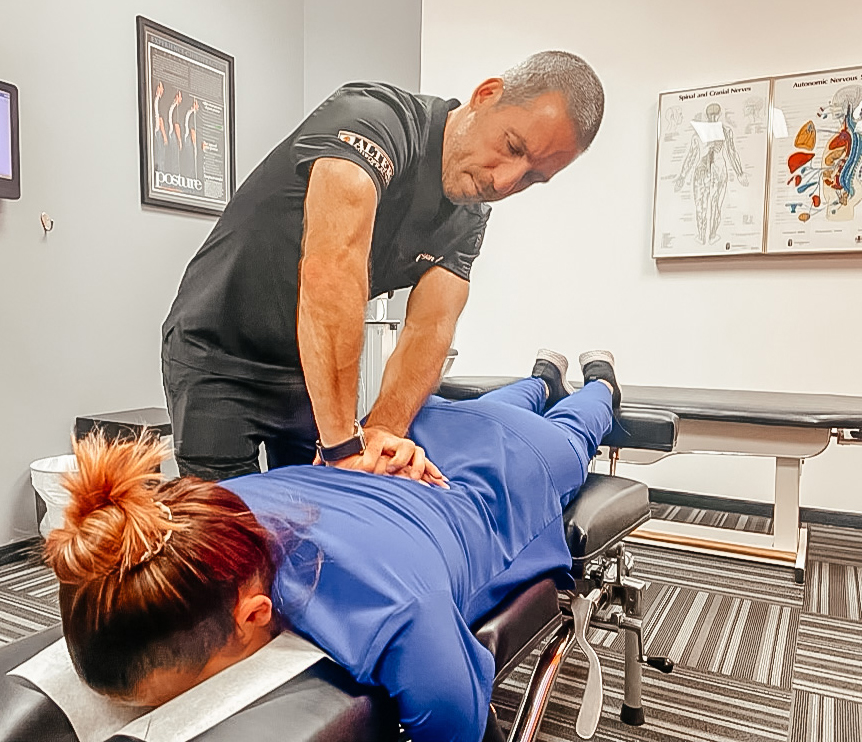
We’re committed to getting you on the path to optimal health and building a Wellness Plan that’s customized to you. Work with our Chiropractic team in Delray Beach and book your appointment today!
Get started on your path to optimal health today.
Wellness care is when you plan regular visits with our team to stay on top of your spinal health. Our team is here to help build a custom Wellness plan that works best for your health and keeps you at peak performance.
Just like dentists recommend regular cleanings with their hygienists to keep things healthy, we recommend wellness care to stay on top of spinal health. Everyone can benefit from spinal health checkups periodically throughout their entire lifetime.
Even small misalignments in your vertebrae can cause a lot of health problems, pain, swelling, and more down the road. Spinal misalignments happen all the time without you even realizing it. It’s important to stay on top of these subluxations before they become a serious problem and have a major impact on your health.
Chiropractors make gentle adjustments to your spine to help keep everything aligned and free from pressure. This results in less interference with the signals passing through your nervous system.
Some of the top benefits of Chiropractic Wellness Care include:
If you’re looking for a way to stay healthy, pain-free, and at your best, Chiropractic Wellness Care is a great option! It’s a natural preventative treatment that keeps you away from unnecessary pains, aches, medications, and even surgeries.
The frequency of your visits may vary over the course of your life and depending on what’s going on with your health. Our team will review your health history to determine what makes sense for your scenario. Some people see us multiple times a week, while others we see once a month. Everyone’s health is different, so no two wellness plans are exactly the same.
Wellness chiropractic care focuses on maintaining spinal alignment and nervous system health even after pain is relieved. At Alter Chiropractic in Delray Beach, FL, Dr. Ryan Alter provides regular chiropractic adjustments to help patients stay active, healthy, and pain-free long term.
Pain relief care addresses immediate symptoms, while wellness chiropractic care focuses on prevention and maintaining optimal health. Many patients in Delray Beach continue with maintenance adjustments at Alter Chiropractic to prevent future flare-ups and support whole-body wellness.
Wellness chiropractic care can improve posture, reduce stress, enhance mobility, boost immune function, and prevent recurring injuries. Patients in Delray Beach, FL, choose Alter Chiropractic for ongoing care that supports long-term health.
The frequency depends on your lifestyle, health goals, and condition. Some patients benefit from weekly adjustments, while others visit monthly. At Alter Chiropractic, Dr. Ryan Alter will recommend a customized schedule for patients in Delray Beach.
Yes, regular chiropractic care is safe, natural, and drug-free. At Alter Chiropractic, Dr. Ryan Alter uses gentle, proven techniques to help patients in Delray Beach maintain spinal health and overall wellness.
Wellness care is beneficial for anyone looking to stay healthy, prevent injuries, or improve overall quality of life. Athletes, busy professionals, seniors, and families in Delray Beach often rely on Alter Chiropractic for maintenance chiropractic care.
The cost of wellness chiropractic care depends on visit frequency and your personalized plan. At Alter Chiropractic, we provide affordable options so patients in Delray Beach can maintain regular chiropractic care for lasting health benefits.

Great experience! Ryan and his team were professional, friendly, and knowledgeable. Highly recommend!

Great place definitely helped Came in with a BAD herniated disc pain shooting down leg - couldnt walk - couldnt sleep! 1 month later of chiropractic adjustments along with spinal decompression and I am a million times better. So happy and so thankful. The staff is friendly and super caring. Highly recommend!

Dr. Alter is great!!! After a few visits my sore back feels so much better. The treatments are fantastic. The staff is also very professional!!! I highly recommend this place!

I’ve had a great experience at Alter Chiropractic. Dr. Ryan delivers awesome care and it’s obvious that he genuinely has a passion for what he does. Haley and Alexis at the front are also extremely welcoming and helpful every time you walk in. The entire team at Alter Chiropractic is world class. Highly recommend.
I’ve had a great experience at Alter Chiropractic. Dr. Ryan delivers awesome care and it’s obvious that he genuinely has a passion for what he does. Hailey and Alexis at the front are also extremely welcoming and helpful every time you walk in. The entire team at Alter Chiropractic is world class. Highly recommend.

I highly recommend Dr. Alter! He is highly knowledgeable, friendly, and genuinely cares about his patients. I was in significant pain when I found his practice and after just a few treatments have had noticeable relief and much improved flexibility. Both Haley and Alexis are exceptional at keeping this place running smoothly as well as being kind, warm and welcoming. Highly recommend!!!

This has been my first experience with chiropractic treatment and I could not have asked for a better provider. The staff are always friendly and helpful; they always have a smile on their face when you walk through the doors. The treatment is AMAZING! Dr. Alter explains the process in a way that is easily understood. He is like the spine whisperer!!! His expertise and knowledge of what he is doing is so spot on that after one treatment I felt more energized relieved of pain. I’m happy I found Alter Chiropractor and look forward to each visit.

I came in dealing with pain and discomfort, and from my very first visit, I felt like I was in good hands. The entire team is kind, welcoming, and genuinely cares about their patients. Dr.Alter took the time to listen to what I was going through, explained everything clearly, and created a treatment plan that it’s really working for me. After just a few visits, I started feeling a noticeable difference, and now I have less pain and can move much more comfortably. Every visit has been professional, friendly, and focused on helping me get better. I'm truly grateful for the care I've received and highly recommend Dr.Alter and his office to anyone looking for a chiropractor who genuinely cares about their patients and delivers great results.

Alter chiropractic is amazing, I hurt my back in the gym and was able to get an appointment right away and instantly started to feel better. Between Alexis and Haley up front and Dr. Alter, they have an all around great staff and I always look forward to seeing them each appointment!

I'm visiting from out of town and the pain has gotten consistently worse, I got a same day appointment with Dr. Alter, he is very knowledgeable and friendly. He was able to help me with part of my problem, but helped me to get a more permanent solution while visiting and when I get back home. Very clean office and friendly/helpful staff. I even told him if he could just relocate his office to where I live, that's how impressed I was with his service.