
If you’re experiencing back pain as a result of poor posture, know that you’re not alone in this struggle. Many individuals face discomfort after spending long hours at a desk or using inadequate seating. As a local chiropractor, I want to reassure you that there are effective and natural solutions available to help you regain comfort and support.
By making ergonomic adjustments to your workspace and incorporating specific exercises into your routine, you can significantly alleviate your pain. Chiropractic care focuses on aligning your spine and improving your overall posture, which can lead to long-term relief. Let’s explore some practical strategies that can truly transform your daily life and enhance your well-being. Remember, taking proactive steps toward better posture can make all the difference in how you feel.
Understanding Posture-Related Back Pain
As a chiropractor, I often see patients who are unfamiliar with the relationship between posture and back pain. Many of you may find that when you sit or stand with poor posture for extended periods, you experience lingering discomfort in your back. This pain is often due to the strain placed on your spine and the surrounding muscles.
When your body’s alignment is off, certain muscles must work harder to support you, leading to fatigue and soreness. For instance, slouching or leaning forward can put extra pressure on your lower back, resulting in tightness and aching.
Over time, your muscles and ligaments can become overstretched or weakened, creating imbalances that can worsen your pain. Additionally, poor posture can restrict blood flow and oxygen to your muscles, which slows down recovery.
It’s crucial to recognize these patterns; understanding how your posture impacts your back is the first step towards relieving pain and preventing future issues. By making conscious adjustments to your posture, you can promote a healthier spine and enhance your overall well-being.
The Importance of Ergonomics
As a chiropractor, I want to emphasize that improving your posture isn’t just about being aware of how you sit or stand; it’s also about creating an ergonomic environment that actively supports your spine’s health.
When you arrange your workspace, consider how your chair, desk, and computer screen work together to promote good posture. A chair that provides excellent lumbar support is essential for keeping your lower back aligned, while an adjustable desk can offer the flexibility to switch between sitting and standing throughout your day.
This variety can significantly reduce the strain on your spine. Ensure that your computer screen is positioned at eye level to prevent unnecessary neck strain. Your keyboard and mouse should be easily accessible, allowing your arms to rest comfortably at your sides and minimizing tension in your shoulders.
Moreover, don’t overlook the importance of proper lighting in your workspace. Good illumination not only helps reduce eye strain but also encourages you to maintain a more upright posture.
Stretching Exercises for Relief
As a local chiropractor, I want to share some valuable insights on how incorporating stretching exercises into your daily routine can significantly alleviate posture-related back pain.
Many of my patients find that these simple yet effective stretches help release tension, improve flexibility, and promote better alignment in their bodies.
Here are some stretches I recommend:
- Child’s Pose: This stretch involves kneeling and sitting back on your heels while stretching your arms forward. It’s an excellent way to elongate your spine and release tension in your lower back.
- Cat-Cow Stretch: By moving between arching and rounding your back on all fours, this dynamic stretch enhances spinal mobility and can help reduce stiffness.
- Seated Forward Bend: While seated with your legs extended in front of you, reaching for your toes can promote flexibility in your hamstrings and lower back, which is crucial for good posture.
- Torso Twist: This gentle twist, performed while seated, allows you to improve spinal rotation and can help relieve tension in your back.
- Standing Forward Bend: Simply standing and hinging at your hips to let your upper body hang can be incredibly effective at releasing back tension and promoting relaxation.
By regularly incorporating these stretches into your routine, you may notice a reduction in discomfort and an improvement in your overall posture.
Strengthening Your Core
As a local chiropractor, I want to emphasize the importance of strengthening your core for maintaining good posture and preventing back pain. A robust core is essential as it supports your spine and helps you maintain proper alignment throughout your daily activities.
To get started, consider incorporating exercises such as planks, bridges, and abdominal crunches into your routine. These movements engage your deep abdominal muscles and promote stability, which is critical for overall spinal health.
It’s important to develop a balanced routine that targets all areas of your core—the front, sides, and back—so you can build a strong foundation. Additionally, incorporating variations of these exercises will keep your muscles challenged and prevent monotony.
Don’t overlook your lower back; exercises like bird-dogs and supermans can significantly enhance your overall strength and contribute to a healthier spine.
Consistency is vital. I encourage you to dedicate a few minutes each day to core workouts. As your strength improves, you should notice better posture and reduced strain on your back.
Incorporating Movement Into Your Day
As a local chiropractor, I often see patients who believe that achieving better posture requires countless hours in the gym. However, I want to emphasize that incorporating movement into your daily routine can be just as effective, if not more so, for your overall health and well-being.
Simple adjustments in your daily habits can significantly enhance how your body feels. Here are some straightforward ways to stay active throughout your day:
- Take short walking breaks every hour. This allows you to stretch your legs and reset your posture, which is crucial for maintaining spinal health.
- Consider using a standing desk or alternate between sitting and standing. This not only engages your core muscles but also helps to alleviate pressure on your spine.
- Incorporate gentle stretches into your daily routine, particularly for your back and hips. Stretching can help alleviate tension and improve flexibility, which is essential for good posture.
- Practice balance exercises in your daily life, such as standing on one leg while brushing your teeth. This can strengthen your stabilizing muscles and improve your overall balance.
- Opt for stairs instead of elevators whenever possible. This simple choice keeps your body engaged and helps strengthen your legs and core.
By integrating these small, manageable steps into your day, you can boost your energy and gradually improve your posture over time.
Remember, movement doesn’t have to be intense or time-consuming; the key is consistency. Your back and overall health will thank you for it!
If you have any questions about how chiropractic care can support your journey to better posture and health, feel free to reach out.
Mindfulness and Posture Awareness
As a local chiropractor, I often see how vital it’s to not only stay active but also to be aware of your posture throughout the day. Good posture is essential for your overall health, and being mindful of how you position your body plays a significant role in achieving that.
Practicing mindfulness involves tuning into your body and recognizing how you hold yourself in different situations—whether you’re sitting at your desk, standing in line, or taking a walk.
I encourage you to frequently check in with your posture. Are you slouching? Leaning to one side? These small habits can lead to discomfort over time.
To help you remember to maintain good posture, consider setting reminders on your phone or placing sticky notes in your workspace as gentle prompts.
Incorporating brief mindfulness exercises, such as deep breathing, can also reconnect you with your body and help you focus on your alignment.
When you consciously pay attention to your posture, you’re more likely to maintain a healthy stance, which can prevent discomfort and promote your overall well-being.
Choosing the Right Furniture
As a local chiropractor, I want to emphasize the importance of selecting the right furniture for your home or office, especially when it comes to your overall spinal health.
An ergonomic chair can significantly alleviate discomfort in your back and promote better posture. Additionally, the height of your desk is crucial; it can impact how you sit and your spinal alignment throughout the day.
By paying attention to these features, you can create a workspace that not only enhances your comfort but also supports your body’s natural healing process.
Let’s take a closer look at how making these adjustments can lead to a healthier, pain-free life.
Ergonomic Chair Features
As a local chiropractor dedicated to helping you achieve optimal health and well-being, I want to emphasize the importance of choosing the right ergonomic chair, especially if you’re dealing with posture-related back pain.
There are three key features to consider that can significantly enhance your comfort and support while seated.
First and foremost, adjustable lumbar support is crucial. This feature helps maintain the natural curve of your lower back, promoting proper alignment and reducing the risk of discomfort.
Next, ensure the chair has a seat height adjustment mechanism. This will allow your feet to rest flat on the ground, which is essential for maintaining good posture and circulation.
Additionally, look for armrests that can be adjusted. This can help alleviate shoulder strain, which is often exacerbated by poor seating arrangements.
Beyond these essentials, I also recommend considering chairs made with breathable fabric for added comfort during long hours of sitting.
A swivel base can also be beneficial, allowing for easy mobility and reducing the need for awkward twisting motions that can lead to injury.
By prioritizing these features when selecting an ergonomic chair, you can take a proactive step toward alleviating pain and enhancing your overall well-being.
Your posture matters, and investing in the right chair can make a significant difference in your daily life.
Desk Height Considerations
As a chiropractor dedicated to your health and well-being, I want to emphasize the importance of desk height in relation to your comfort and productivity, especially if you’re experiencing posture-related back pain.
Choosing the right desk height is crucial; ideally, your elbows should rest at a 90-degree angle while typing. This ergonomic setup keeps your wrists straight, reducing strain and promoting better spinal alignment.
If you’re using a standard desk, adjusting your chair height can help you achieve this ideal position. However, I often recommend considering a sit-stand desk, which allows you to alternate between sitting and standing throughout the day. This variation can be beneficial in preventing stiffness and discomfort.
Additionally, ensure that your feet remain flat on the ground or on a footrest, as this further supports good posture and spinal health.
The Role of Professional Help
As a local chiropractor, I understand the temptation to tackle posture-related back pain on your own, but I want to emphasize the importance of seeking professional help. Our expertise can provide you with valuable insights and tailored solutions that go beyond what you might be able to achieve alone.
When you come to us, here’s what you can expect from our professional guidance:
- Personalized assessments: We’ll take the time to evaluate your unique situation, identify specific posture issues, and uncover any underlying causes of your discomfort.
- Targeted exercises: We’ll develop a customized exercise plan that targets weak muscles, helping to strengthen them and improve your overall flexibility.
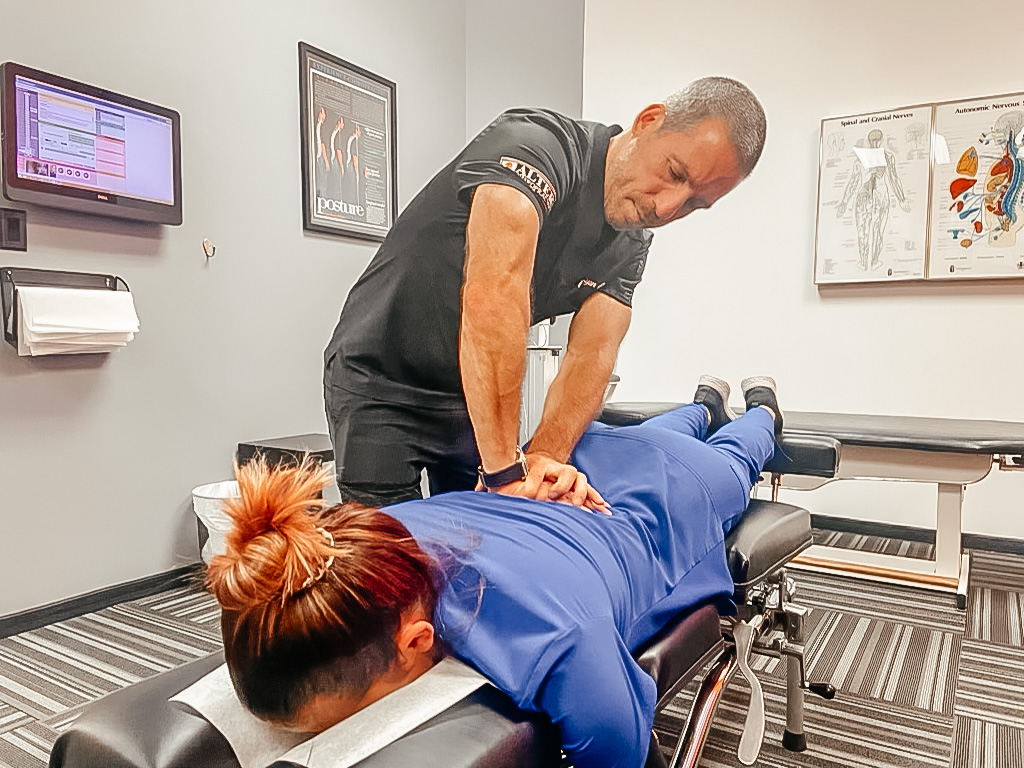
- Manual therapies: Our hands-on techniques can relieve tension in your muscles and realign your spine, providing immediate relief and promoting long-term wellness.
- Ergonomic evaluations: We’ll assess your workspace and offer recommendations to optimize your environment for better posture, reducing strain on your body.
- Education on body mechanics: We believe in empowering you with knowledge about how your body works, helping you to prevent future pain and injuries through better body mechanics.
Chiropractic care is a natural, holistic approach to healing that focuses on restoring balance and function to your body.
Daily Habits to Improve Posture
As a local chiropractor, I want to emphasize the importance of daily habits that can greatly enhance your posture and overall spinal health. One of the first steps you can take is to create an ergonomic workstation tailored to your body’s needs. This means adjusting your chair, desk, and computer screen to promote a neutral spine position while you work.
Additionally, I encourage you to practice mindful sitting. This involves being aware of your posture throughout the day, ensuring that you sit up straight with your feet flat on the ground, and avoiding slouching. It might feel uncomfortable at first, but with time, it will become second nature.
Incorporating regular stretching exercises into your daily routine is also vital. Simple stretches can alleviate tension in your muscles and improve flexibility, which supports better posture.
These small changes can lead to significant improvements in how you feel throughout the day, helping you live a healthier, more active lifestyle.
Ergonomic Workstation Setup
Creating an ergonomic workstation is essential for maintaining good posture and alleviating back pain, particularly if you spend prolonged hours at your desk.
As a chiropractor, I want to emphasize the importance of setting up your workspace correctly to enhance your comfort and productivity while also supporting your overall spinal health.
Here are some fundamental elements to consider:
- Adjustable chair: It’s crucial to select a chair that provides support for your lower back and allows your feet to rest flat on the floor. This will help maintain the natural curve of your spine and reduce strain.
- Desk height: Ensure that your desk is at elbow height when you’re seated. This positioning allows your arms to rest comfortably, minimizing the risk of shoulder and neck tension.
- Monitor placement: Your computer screen should be positioned at eye level and about an arm’s length away. This setup helps prevent neck strain and encourages you to maintain a more neutral posture.
- Keyboard and mouse: Keep these devices close to your body to prevent excessive reaching, which can lead to shoulder and wrist discomfort. Your wrists should be straight and your hands should float comfortably above the keyboard.
- Footrest: If your feet don’t reach the ground, consider using a footrest. This simple addition can promote proper leg alignment and enhance circulation, which is vital for overall well-being.
By making these adjustments to your workstation, you can significantly improve your posture, reduce discomfort, and support your body’s natural healing processes.
Mindful Sitting Practices
As a local chiropractor dedicated to your well-being, I want to share how incorporating mindful sitting practices into your everyday life can significantly improve your posture and alleviate back pain.
It all starts with being aware of how you sit. Ensure your feet are flat on the floor, with your knees forming a right angle. Engaging your core is crucial—gently pull your belly button toward your spine to support your back.
It’s important to keep your back straight and your shoulders relaxed instead of slouched. Regularly checking in with your body can help you readjust your position if you feel any discomfort.
To further support your spine, consider using a cushion or lumbar support to help maintain the natural curve of your lower back.
Remember, it’s essential to take breaks and stand up periodically. This allows your muscles to reset and prevents stiffness.
Embracing mindfulness in your sitting habits can lead to significant improvements in your overall health and comfort. As your chiropractor, I’m here to help you on your journey to better posture and pain relief through natural healing practices.
Regular Stretching Exercises
As a local chiropractor dedicated to helping you maintain optimal health, I want to emphasize the importance of mindful sitting practices as a foundation for achieving and sustaining good posture.
One of the key elements that complements this practice is regular stretching exercises. By incorporating these stretches into your daily routine, you can effectively alleviate tension and enhance flexibility, which will allow you to hold good posture more effortlessly throughout the day.
Here are some simple yet effective stretches I recommend you add to your regimen:
- Neck Rolls: Gently roll your head side to side to relieve any tension in your neck. This can help prevent stiffness and discomfort.
- Shoulder Shrugs: Raise your shoulders towards your ears and then release them down. This simple movement can help release built-up tension in your shoulders.
- Chest Openers: Interlace your fingers behind your back and pull your arms back to open up your chest. This stretch counteracts the forward hunch many of us develop from sitting.
- Seated Torso Twist: While seated, gently twist your torso to each side to help release tightness in your back and improve spinal mobility.
- Hamstring Stretch: Stand up and reach for your toes to stretch your lower back and hamstrings. This can relieve pressure and tightness in the lower body.
Incorporating these stretches into your daily routine can significantly improve your posture and overall well-being.
Long-Term Strategies for Spinal Health
As a local chiropractor, I want to emphasize the importance of spinal health and how it can significantly impact your overall well-being. Many people may not realize the critical role that a healthy spine plays in daily life, but adopting long-term strategies can help alleviate back pain and improve your quality of life.
First and foremost, it’s essential to maintain good posture throughout your day. Whether you’re sitting at a desk or standing, keeping your spine aligned while engaging your core muscles is vital. This not only supports your spine but also helps prevent discomfort and injuries.
Incorporating regular physical activity into your routine is another key component. Activities like walking or swimming can strengthen both your back and core, providing the support your spine needs. If you’re unsure about which exercises are best for you, I’m here to guide you in creating a personalized plan.
Additionally, consider your sleeping environment. A supportive mattress and pillow that promote a neutral spine position are crucial for restful sleep. Ergonomic furniture, such as chairs that provide lumbar support, can also make a significant difference in your work environment.
Lastly, don’t overlook the value of mindfulness practices such as yoga or meditation. These techniques can effectively manage stress and promote relaxation, which in turn can positively influence your spinal health.
Conclusion
As a local chiropractor, I want to share some effective strategies to help you manage posture-related back pain. By incorporating these solutions into your daily routine, you can significantly improve your spinal health and overall well-being.
First, it’s crucial to create an ergonomic workspace. This means setting up your desk and chair to promote proper alignment, which can prevent unnecessary strain on your back. Additionally, regular stretching is essential. Simple stretches can relieve tension and increase flexibility, which is vital for a healthy spine.
Strengthening your core is another key aspect of maintaining good posture. A strong core supports your back, helping to reduce pain and improve stability. I also recommend taking frequent movement breaks throughout your day to avoid staying in one position for too long.
Choosing the right furniture is equally important. Look for chairs and desks that provide proper support and encourage good posture. If you’re unsure about what to look for, I’m here to help guide you.
Lastly, don’t hesitate to reach out for professional help if you’re struggling with chronic pain. Chiropractic care focuses on natural healing and can be highly effective in addressing posture-related issues. By adopting a few mindful habits, you can enhance your posture and lead a more comfortable, pain-free life. Start making these changes today for lasting benefits!