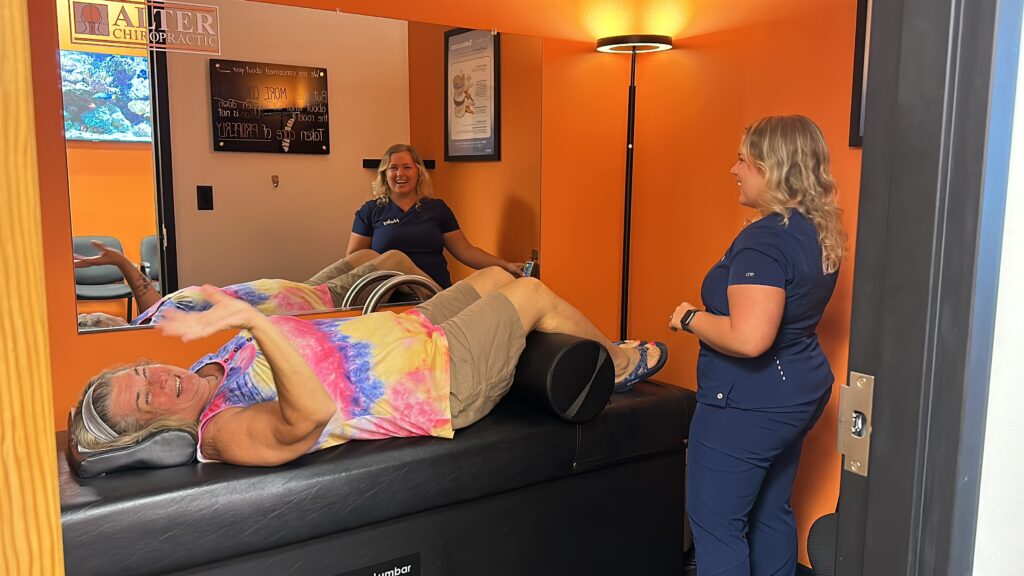

As a local chiropractor, I understand how debilitating back pain can be for many individuals. It can significantly impact your daily life, but the good news is that there are specific exercises that can help prevent it from becoming a recurring issue. By focusing on core strengthening, flexibility, and balance, you can create a solid foundation for your spine, promoting better overall health.
Incorporating certain exercises into your routine can make a significant difference in how your back feels. Core strengthening exercises, such as planks or bridges, are essential as they help support the muscles surrounding your spine. Additionally, incorporating flexibility exercises like gentle stretches or yoga can improve your mobility and reduce stiffness. Balance exercises, such as single-leg stands, can also enhance your stability, reducing the risk of injury.
If you’re new to these concepts or unsure where to start, I’m here to guide you on effective strategies that can lead to lasting relief and prevention of back pain. Together, we can work towards a healthier, pain-free lifestyle.
Strengthening Core Muscles
As your local chiropractor, I want to emphasize the importance of strengthening your core muscles to effectively prevent back pain. Your core muscles are crucial in supporting your spine and maintaining proper posture. A well-developed core stabilizes your pelvis and lower back, which can significantly reduce strain during everyday activities.
Incorporating exercises such as planks, bridges, and abdominal crunches into your routine can greatly benefit your core strength. These movements specifically target your deep core muscles, enhancing both stability and balance. I recommend starting with a few repetitions and gradually increasing as you build your strength.
Remember, maintaining proper form is essential—not only does it maximize the effectiveness of your workouts, but it also minimizes the risk of injury.
For optimal results, aim to include these exercises in your routine three to four times a week. Additionally, I suggest integrating functional movements that mimic daily tasks, such as squats and deadlifts, to further reinforce your core strength in real-life situations.
Improving Flexibility With Stretching
As a local chiropractor, I’m here to help you understand the importance of flexibility and how it plays a crucial role in preventing back pain. While strengthening your core muscles is essential, improving your flexibility through regular stretching is just as vital. When muscles become tight, they can lead to discomfort and limit your ability to move freely.
By incorporating stretching into your routine, you can make a significant difference in how you feel. I encourage you to focus on key areas such as your hamstrings, hip flexors, and lower back. These muscle groups are commonly tight and can contribute to back pain.
Simple stretches, like the seated forward bend or the cat-cow stretch, can be very effective. When performing these stretches, hold each position for 20-30 seconds while taking deep breaths to promote relaxation.
It’s beneficial to integrate stretching into your routine after workouts or even during breaks throughout your day. Keeping your muscles loose can help alleviate tension and enhance your overall well-being.
Consistency is crucial, so I recommend aiming to stretch at least three times a week. By prioritizing your flexibility, you’re not only reducing your risk of injury but also enhancing your mobility and comfort in your daily activities.
Enhancing Posture Through Specific Exercises
As your local chiropractor, I want to share some valuable insights on how to enhance your posture naturally.
A strong core is fundamental in supporting your spine, so I recommend incorporating core strengthening exercises into your routine. Additionally, flexibility and stretching routines are crucial for maintaining proper alignment and preventing stiffness.
Balance training also plays an important role, as it helps you develop stability in your movements.
By focusing on these key components, you can significantly reduce the risk of experiencing back pain and improve your overall posture. This holistic approach not only supports your spine but also fosters greater confidence in your physical abilities.
Core Strengthening Exercises
As your local chiropractor, I want to emphasize the importance of strengthening your core for both your posture and overall spinal health. A strong core is essential in supporting your spine and maintaining proper alignment, which can significantly help in preventing back pain.
Simple exercises like planks, bridges, and leg raises can greatly enhance your core stability and are easy to incorporate into your routine. These exercises specifically target the abdominal muscles, back, and hips—key areas that contribute to good posture.
For example, when you perform a plank, you engage multiple muscle groups simultaneously, which fosters overall strength and stability. I encourage you to include these exercises in your weekly routine; just a few sessions each week can yield noticeable improvements in your strength and posture.
It’s crucial to focus on your form while performing these exercises. Proper technique not only maximizes the benefits but also helps you avoid injuries.
Flexibility and Stretching
As a local chiropractor, I want to emphasize the importance of incorporating flexibility and stretching into your daily routine for better spinal health. Many of my patients are surprised to learn that regular stretching can significantly improve their posture and reduce the risk of back pain.
When muscles, particularly in areas like the hamstrings, hip flexors, and lower back, become tight—often due to prolonged sitting—they can pull the spine out of alignment, leading to discomfort.
I recommend focusing on simple stretches such as the seated forward bend or the cat-cow stretch, which can be easily integrated into your day. Additionally, practices like yoga or Pilates not only enhance your flexibility but also foster a greater awareness of your body, which is essential for maintaining good posture.
When you stretch, aim to hold each position for at least 15-30 seconds, and remember to breathe deeply to maximize the benefits.
By making flexibility and stretching a priority, you’ll not only feel better but will also build a stronger foundation for your spine, ultimately leading to less discomfort in your everyday life.
If you have any questions or need guidance on specific stretches, feel free to ask during your next visit!
Balance and Stability Training
As a local chiropractor, I want to emphasize the importance of balance and stability training for your overall health. When you focus on these areas, you’re not just enhancing your coordination; you’re also improving your posture and significantly lowering the risk of back pain.
Incorporating exercises such as single-leg stands, stability ball workouts, and balance board routines can effectively strengthen your core muscles. These exercises specifically target the deep stabilizing muscles that support your spine, promoting better alignment and overall spinal health.
I recommend starting with simple movements and gradually increasing the difficulty as your stability improves. To enhance your routine, consider incorporating yoga or Pilates, which can provide additional benefits for your body.
Remember, the ultimate goal is to establish a strong foundation, allowing your body to adapt and support itself during your daily activities. By prioritizing balance and stability training, you can achieve better posture and prevent discomfort or pain in your back.
This holistic approach can be a vital part of your journey towards natural healing and improved well-being.
Low-Impact Aerobic Activities
As a local chiropractor, I want to share the benefits of low-impact aerobic activities for your back health.
These exercises aren’t just about getting your heart rate up; they play a crucial role in enhancing your cardiovascular fitness while also strengthening your core muscles and alleviating stiffness in your back.
Incorporating these activities into your daily routine can support your overall well-being and contribute to a healthier spine.
Let’s explore some simple exercises that you can easily add to your lifestyle to promote better back health and overall wellness.
Benefits of Low-Impact Aerobics
As a local chiropractor, I want to emphasize the importance of incorporating low-impact aerobics into your routine for better overall well-being, particularly for those unfamiliar with chiropractic care and natural healing methods.
These gentle exercises are designed to enhance your cardiovascular health by improving blood flow and ensuring that your muscles receive adequate oxygen. This boost in endurance can make everyday activities feel less strenuous and more manageable.
One of the key advantages of low-impact aerobics is that they’re easier on your joints, which significantly reduces the risk of injury. This makes them a sustainable option for long-term fitness, especially for individuals who may be dealing with chronic pain or discomfort.
Engaging in these activities can also lead to the release of endorphins, which are natural mood lifters, helping to alleviate stress and anxiety.
Furthermore, as you practice low-impact aerobics, you may notice improvements in flexibility and balance—two critical components for maintaining a healthy spine.
As a chiropractor, I often see how these factors contribute to preventing back pain and promoting a more active lifestyle. By integrating low-impact aerobics into your routine, you’re not only supporting your physical health but also embracing a holistic approach to well-being that aligns with the principles of chiropractic care.
Recommended Low-Impact Exercises
As a local chiropractor, I want to emphasize the importance of incorporating low-impact aerobic activities into your routine for both physical and mental well-being. Engaging in activities such as walking, swimming, or cycling can be highly beneficial as they keep your body active while being gentle on your joints.
I recommend aiming for at least 30 minutes of these exercises, five days a week. This practice can help strengthen your core and enhance your overall fitness, which is crucial for maintaining a healthy spine.
Additionally, consider adding yoga and Pilates to your regimen. These practices not only improve flexibility but also promote good posture, which is vital for preventing back issues.
Joining a low-impact aerobics class can be a great way to stay motivated, plus it offers the opportunity to meet like-minded individuals who value their health.
It’s essential to listen to your body during these activities and adjust the intensity as needed to avoid any strain. Regular participation in low-impact exercises can significantly lower the risk of back pain and enhance your quality of life.
Incorporating Balance and Stability Training
As your local chiropractor, I want to emphasize that while many individuals often focus on building strength and flexibility to prevent back pain, incorporating balance and stability training is equally crucial.
These exercises play a vital role in enhancing your core stability, which in turn supports your spine and helps reduce the risk of injury.
Engaging in activities like yoga, Pilates, and tai chi can significantly improve your balance, allowing you to maintain proper posture in your daily activities.
These practices not only promote relaxation but also enhance your awareness of body mechanics, which is essential for preventing discomfort.
For those new to balance training, you can start with simple exercises, such as standing on one leg or using a stability ball.
These movements challenge your coordination and strengthen the muscles that are vital for stabilizing your spine.
Begin with short sessions, and as you grow more comfortable, gradually increase both the duration and complexity of your workouts.
I recommend incorporating balance training into your routine at least two to three times a week.
As you become more proficient, you’ll likely notice improvements in your control and stability, which can significantly lower your chances of experiencing back pain.
By prioritizing these exercises, you’ll take a proactive step towards enhancing your overall back health and well-being.
Utilizing Resistance Training for Back Support
As a local chiropractor, I want to share some valuable insights on how resistance training can play a crucial role in strengthening your back and preventing pain. Many patients may not be aware that by incorporating weights or resistance bands into your routine, you can specifically target the muscles that support your spine. This not only enhances stability but also significantly reduces the risk of injury.
I recommend starting with foundational exercises such as bent-over rows, deadlifts, and lat pulldowns. These movements engage multiple muscle groups, providing a comprehensive workout for your back.
Additionally, don’t overlook the importance of core-strengthening exercises like planks and bridges. A strong core is essential for maintaining a healthy spine and providing added support to your back.
For optimal results, aim to engage in resistance training two to three times a week. It’s essential to focus on proper form to prevent any strain or injuries. As you grow stronger, gradually increase the weights or resistance you use.
Flexibility is another vital aspect of back health. Incorporating stretching into your routine will help maintain a full range of motion and prevent tightness.
Remember, consistency is crucial. Making resistance training a regular part of your lifestyle can lead to a stronger back and contribute to a healthier, pain-free life.
As your chiropractor, I encourage you to consider these practices as part of your overall wellness journey. Together, we can work towards achieving your health goals naturally and effectively.
Conclusion
As a local chiropractor, I want to share some important insights on how to prevent back pain through exercise. Staying consistent with your exercise routine is crucial for maintaining a healthy back. Focus on strengthening your core muscles, as they play a vital role in supporting your spine. Additionally, improving your flexibility is key; it helps reduce tension in your muscles and joints, which can alleviate discomfort.
Incorporating low-impact aerobics into your routine is beneficial for overall health and can enhance your cardiovascular fitness without putting undue stress on your back. Balance training is another important aspect that can improve your stability and coordination, reducing the risk of injury.
Don’t overlook the importance of resistance training, as it helps to strengthen the muscles that support your back. By integrating these exercises into your daily life, you’re not just addressing existing issues but actively taking steps towards a healthier, pain-free back. Remember, your body is designed to move, and with the right approach, you can enjoy a more active and comfortable lifestyle. If you have any questions or need guidance on creating a personalized exercise plan, feel free to reach out!